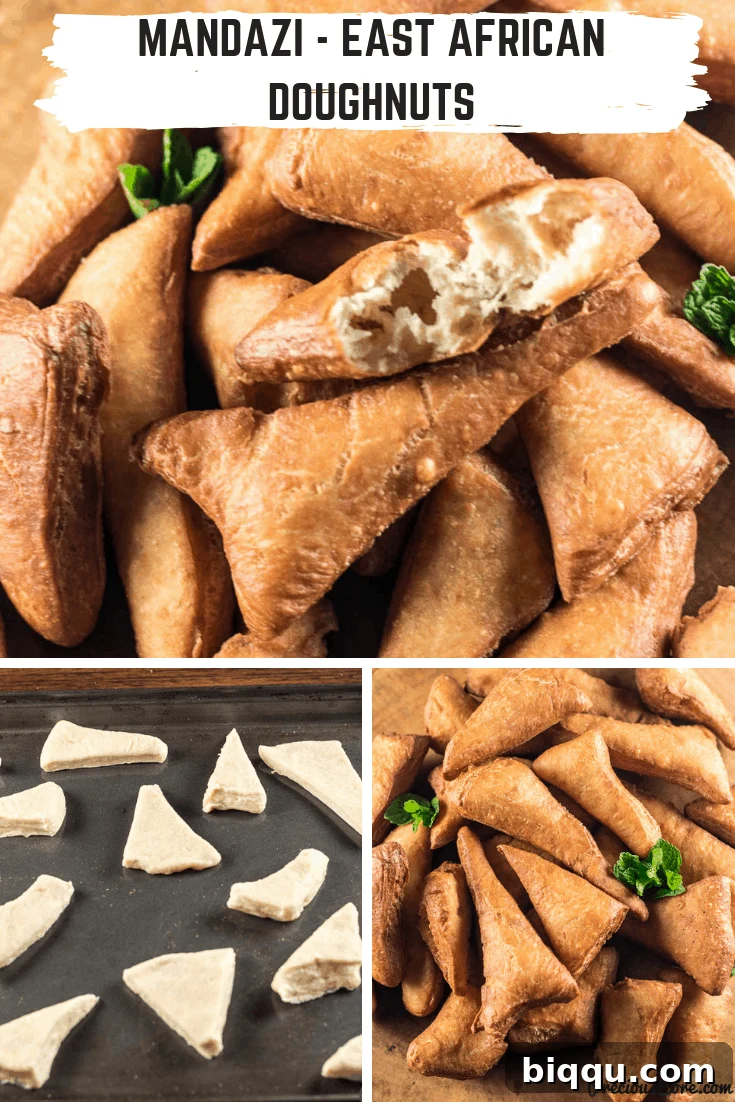
Mandazi: The Quintessential East African Doughnut Experience
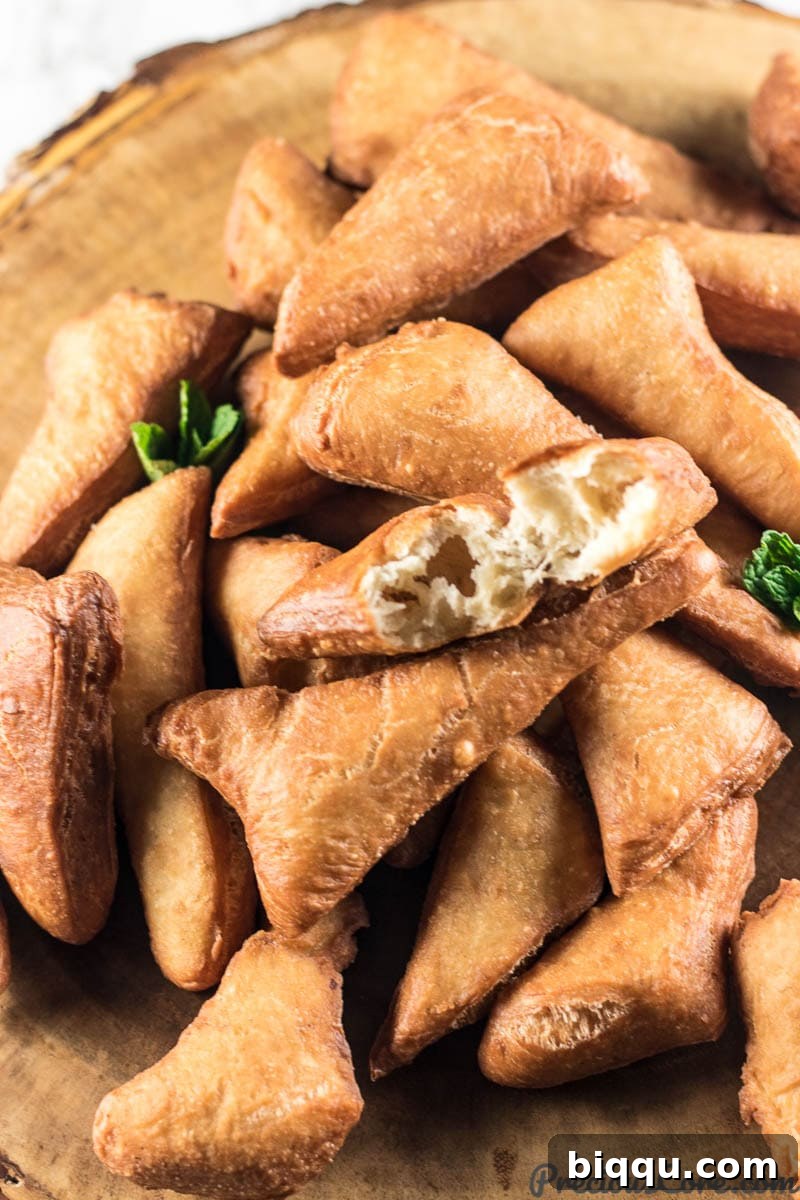
Embark on a culinary journey to East Africa with Mandazi, a beloved doughnut that captivates with its unique texture and subtly spiced flavor profile. Imagine a pastry with a delightfully crispy, golden-brown exterior that gives way to a soft, airy, and fluffy interior. Sweet, yet never overly saccharine, Mandazi offers a perfect balance that makes it an ideal companion for your morning coffee or a comforting afternoon tea.
This traditional deep-fried delicacy is more than just a snack; it’s a taste of East African hospitality and culture, a treat so utterly satisfying you’ll find yourself eager to recreate it time and again in your own kitchen.
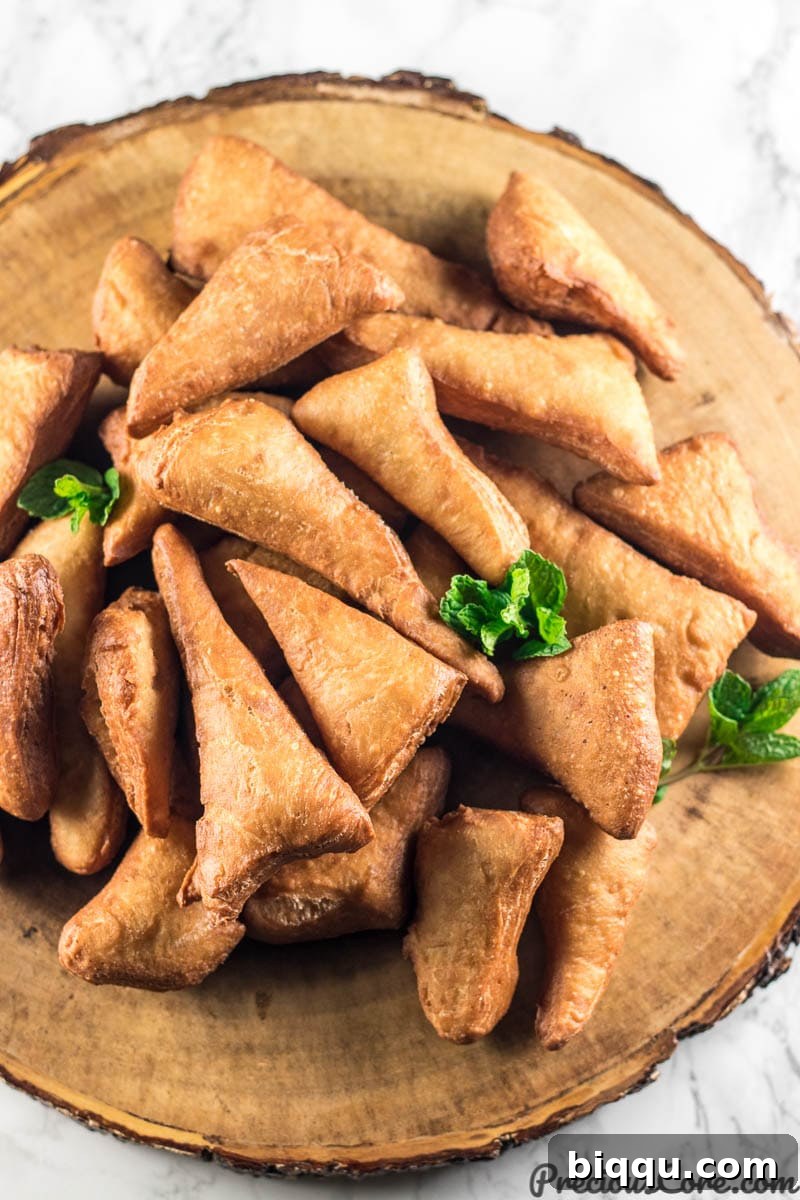
My culinary adventures have led me down a fascinating path, exploring the diverse and vibrant flavors of African cuisine. It’s a journey I deeply cherish, as it allows me to discover authentic dishes, perfect them in my home kitchen, and then share these cherished recipes with you. This pursuit of culinary exploration has already brought you delightful dishes such as the aromatic Pilau (Spiced Rice Pilaf) and the refreshing Kachumbari (Tomato and Onion Salad). Today, prepare to delve into the captivating world of Mandazi, a true star of East African baking.
Preparing diverse African dishes often requires sourcing a variety of unique ingredients. For home cooks with busy schedules, online grocery services can be incredibly helpful in streamlining this process. Services that deliver groceries right to your doorstep can save valuable time, especially when juggling family responsibilities. This convenience allows more freedom to experiment with exciting new recipes without the added stress of extensive store visits. It means less time navigating crowded aisles and more time enjoying the art of cooking, making it easier to explore new culinary horizons and bring authentic flavors to your table.
With the practicalities of ingredient sourcing made simpler, my focus has shifted to the exciting discovery of new flavor enhancers. And let me tell you, my latest obsession is none other than cardamom! This incredible spice has truly become my kitchen’s best friend, transforming ordinary dishes into extraordinary culinary experiences.
Cardamom is, quite simply, a revelation. When you encounter a spice capable of breathing vibrant life into both savory and sweet creations, you know you’ve found a gem. For Mandazi, cardamom isn’t just an ingredient; it’s the heart and soul of its distinctive flavor. It infuses these doughnuts with an aromatic depth that is both comforting and exotic, lending them an authentic Kenyan character that is utterly irresistible.
Now, imagine combining the warm, sweet notes of cinnamon with the bright, complex aroma of cardamom. The result in these doughnuts is nothing short of spectacular—a flavor explosion that dances on your palate and fills your kitchen with an intoxicating fragrance. This aromatic duo elevates Mandazi beyond a simple pastry, creating an experience that makes you want to savor every bite, every whiff. The scent of freshly fried Mandazi, rich with cardamom, is truly an experience in itself.
Speaking from personal experience – and perhaps a slightly overindulged stomach – these East African doughnuts are absolutely divine. There’s a reason Mandazi has garnered such a loyal following across the continent. Their unique blend of texture and flavor creates an irresistible allure that’s hard to resist.
My children wholeheartedly agree with this sentiment. They devoured plate after plate, and though I might have considered reining them in, I decided to let them revel in the pure joy of the moment. After all, a little indulgence is a wonderful thing, especially when it comes to such a wholesome and delicious treat.
So, take my word for it: you absolutely must try making Mandazi. This remarkable pastry, with its delightful crunch on the outside and wonderfully soft, airy interior, offers a perfectly balanced sweetness. It’s custom-made for savoring alongside a robust cup of tea or a fragrant coffee, transforming any moment into a special occasion.
There’s something deeply satisfying about creating and enjoying treats like Mandazi. If I’m going to indulge in carbohydrates, I want them to be truly exceptional, and Mandazi certainly fits the bill. Its phenomenal taste and texture place it in the same league as other beloved African pastries, such as my recipes for African Twisted Doughnuts, fluffy Puff Puff, or the rich Cameroonian Gateau.
Mandazi is an incredibly versatile treat, perfect for any occasion. It’s an ideal item to bring to potlucks, impressing guests with a taste of authentic East African cuisine. It’s wonderful for satisfying those sudden doughnut cravings, providing a comforting and delicious snack whenever inspiration strikes. And, of course, Mandazi makes for a delightful breakfast, starting your day with a touch of sweetness and spice. Its adaptability ensures it’s always a welcome addition to any gathering or simply a quiet moment of personal enjoyment.
On a lighter note, if someone ever develops an essential oil that captures the magical blend of cinnamon and cardamom, consider me their first customer! The combined aroma is simply intoxicating.
What is Mandazi? A Culinary Overview
Mandazi is widely recognized as the East African Doughnut, a popular deep-fried dough snack enjoyed across various countries in the region, including Tanzania, Kenya, and Uganda. It is often referred to as Swahili Coconut Doughnuts due due to the frequent inclusion of coconut milk in the recipe, which imparts a subtle sweetness and a tender crumb. This beloved pastry goes by several other names depending on the specific region or dialect, such as Dabo, Dahir, Mahamri, Mamri, or simply Maandazi. Regardless of its name, Mandazi remains a staple, deeply woven into the fabric of East African culinary traditions.
The core ingredients for crafting authentic Mandazi include all-purpose flour, granulated sugar, coconut milk (which gives it its characteristic flavor and tenderness), and a leavening agent such as baking powder or active dry yeast to ensure a light and airy texture. An egg is typically added to bind the dough and enrich its flavor, while a generous amount of ground cardamom is crucial for its distinctive aromatic profile. For an extra tropical twist, some recipes incorporate shredded coconut flakes, enhancing the coconut essence and adding textural interest. The choice between yeast and baking powder can slightly alter the texture; yeast-leavened Mandazi often results in a chewier, more bread-like consistency, while baking powder tends to produce a lighter, cake-like doughnut.
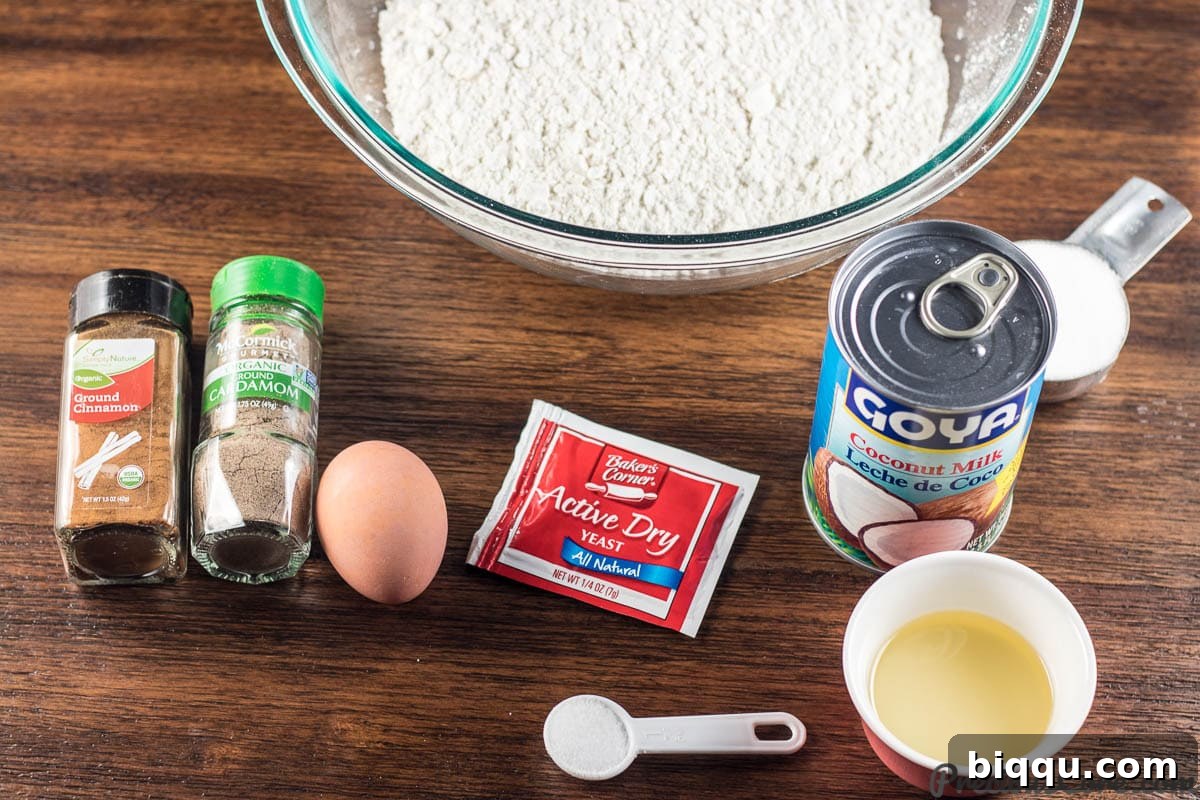
How to Make Perfect East African Mandazi: A Step-by-Step Guide
Creating delicious Mandazi from scratch is a rewarding experience. Follow these detailed steps to achieve perfectly crunchy yet fluffy doughnuts every time.
Step 1: Activate the Yeast and Combine Wet Ingredients
Begin by pouring lukewarm water into a large mixing bowl. The water should be warm to the touch, but not hot, to properly activate the yeast. Sprinkle the active dry yeast over the water and let it sit for about 5-10 minutes until it becomes foamy, indicating it’s active. Next, add the granulated sugar, a beaten large egg, vegetable oil (such as corn oil), and the rich coconut milk to the yeast mixture. Stir all these wet ingredients together thoroughly until well combined, ensuring the sugar begins to dissolve.
Step 2: Incorporate Dry Ingredients to Form the Dough
In a separate bowl, whisk together the all-purpose flour, ground cardamom powder, ground cinnamon powder, and salt. Gradually add this dry mixture to the wet ingredients in the large bowl, mixing with a wooden spoon or your hands. Continue to stir until a shaggy, cohesive dough begins to form. At this stage, it might still look a bit rough, but don’t worry, the kneading will smooth it out.
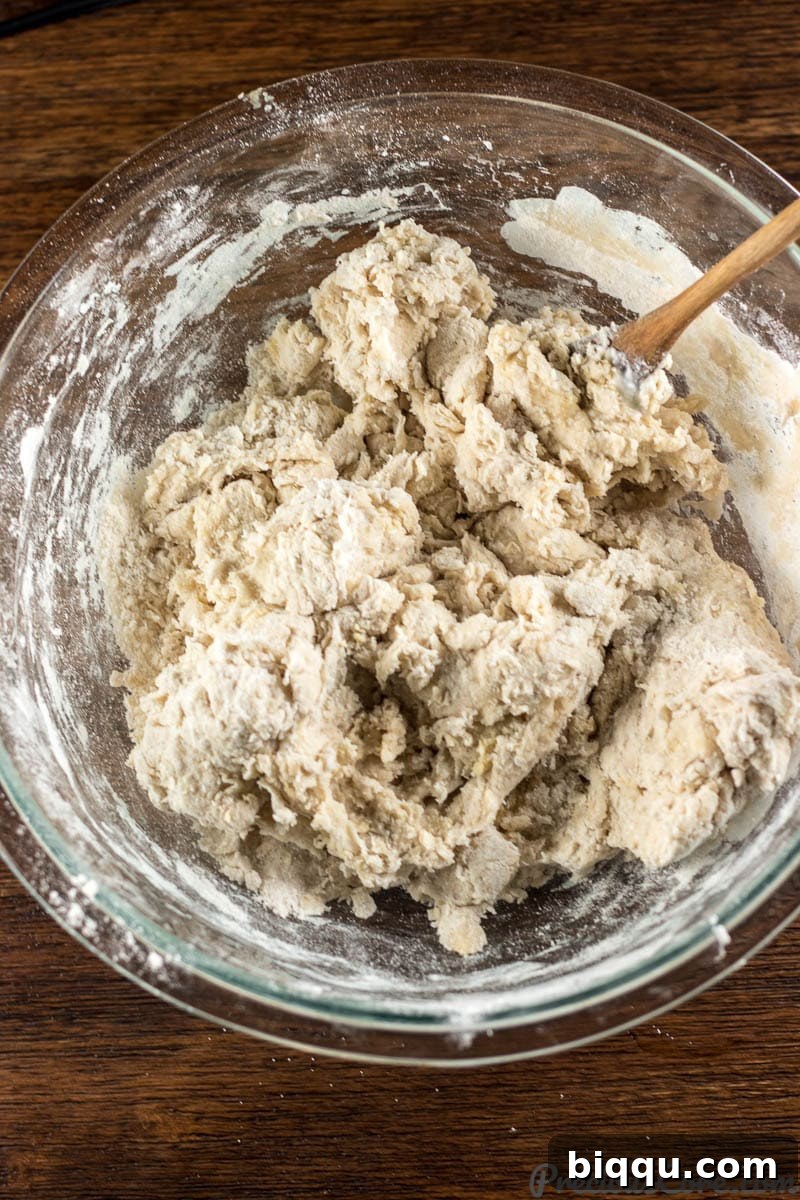
Step 3: Knead the Dough to Perfection
Lightly flour a clean work surface, such as a large cutting board or countertop. Transfer the dough onto the floured surface and begin to knead it. Knead for approximately 3 to 5 minutes. As you knead, the dough will transform from sticky to smooth and elastic. If the dough feels too sticky to handle, sprinkle a very small amount of flour onto your hands or the work surface, but be careful not to add too much flour, as this can result in hard Mandazi. The goal is a soft, pliable, and slightly stretchy dough that springs back when poked.
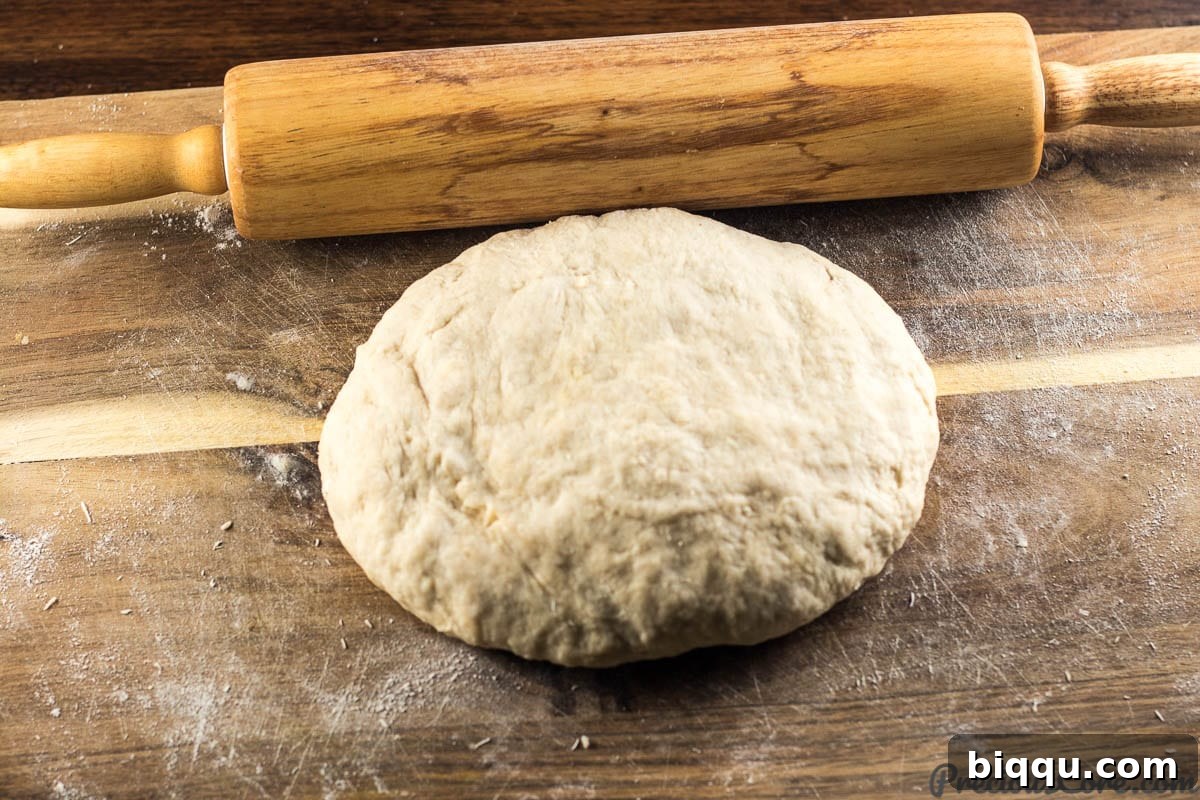
Step 4: Roll and Cut the Dough into Traditional Shapes
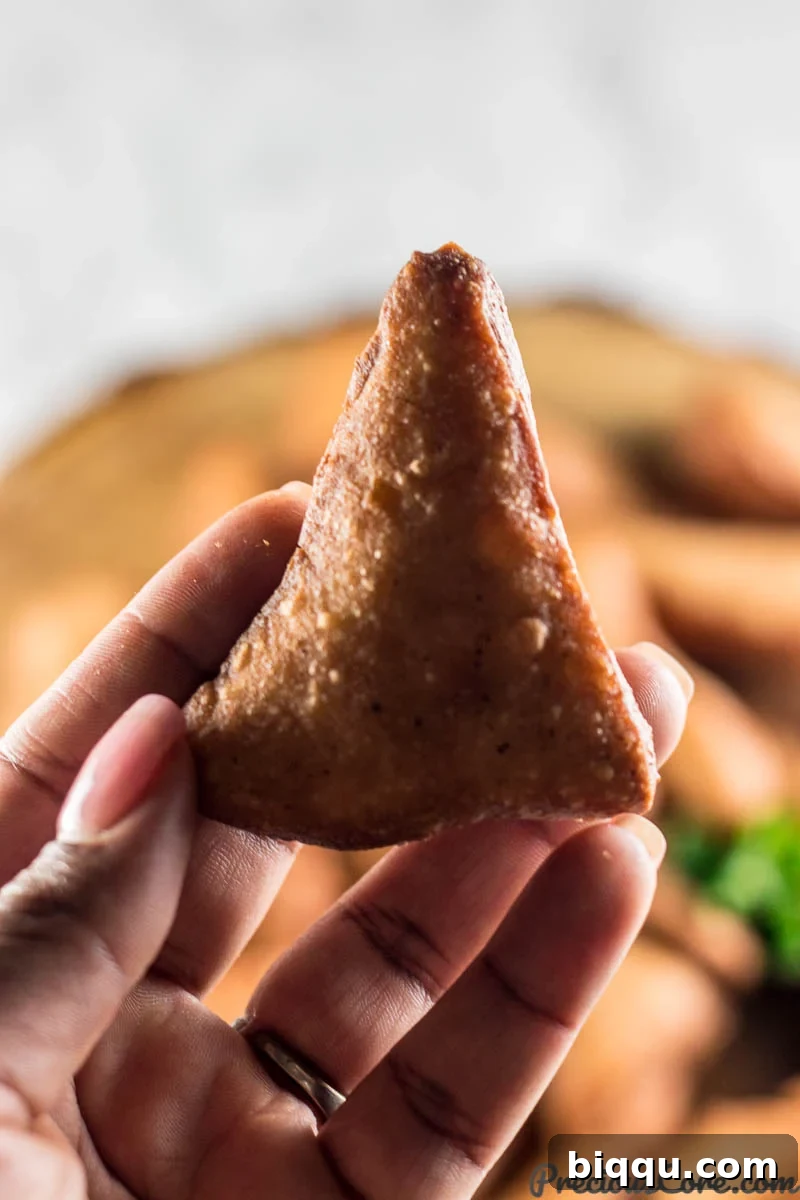
Once your dough is kneaded, form it into a ball and place it back on your lightly floured surface. Using a rolling pin, roll out the dough evenly into a rectangle or a large circle, aiming for a thickness of about 1/4 inch (approximately 0.6 cm). Precision in thickness helps ensure even cooking. Next, using a sharp knife or a pizza cutter, cut the rolled-out dough into squares. Then, take each square and cut it diagonally from corner to corner to form two triangles. This is the traditional shape for Mandazi, which allows for maximum surface crispiness and a tender interior.
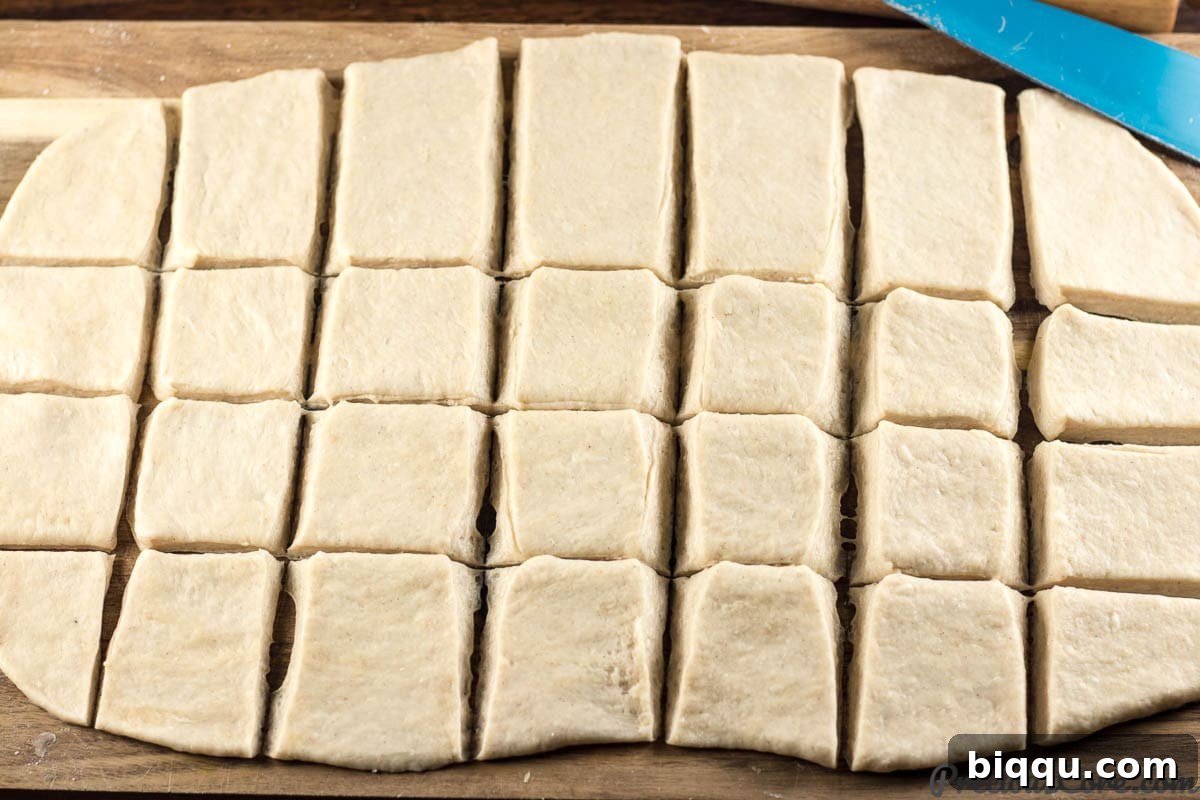
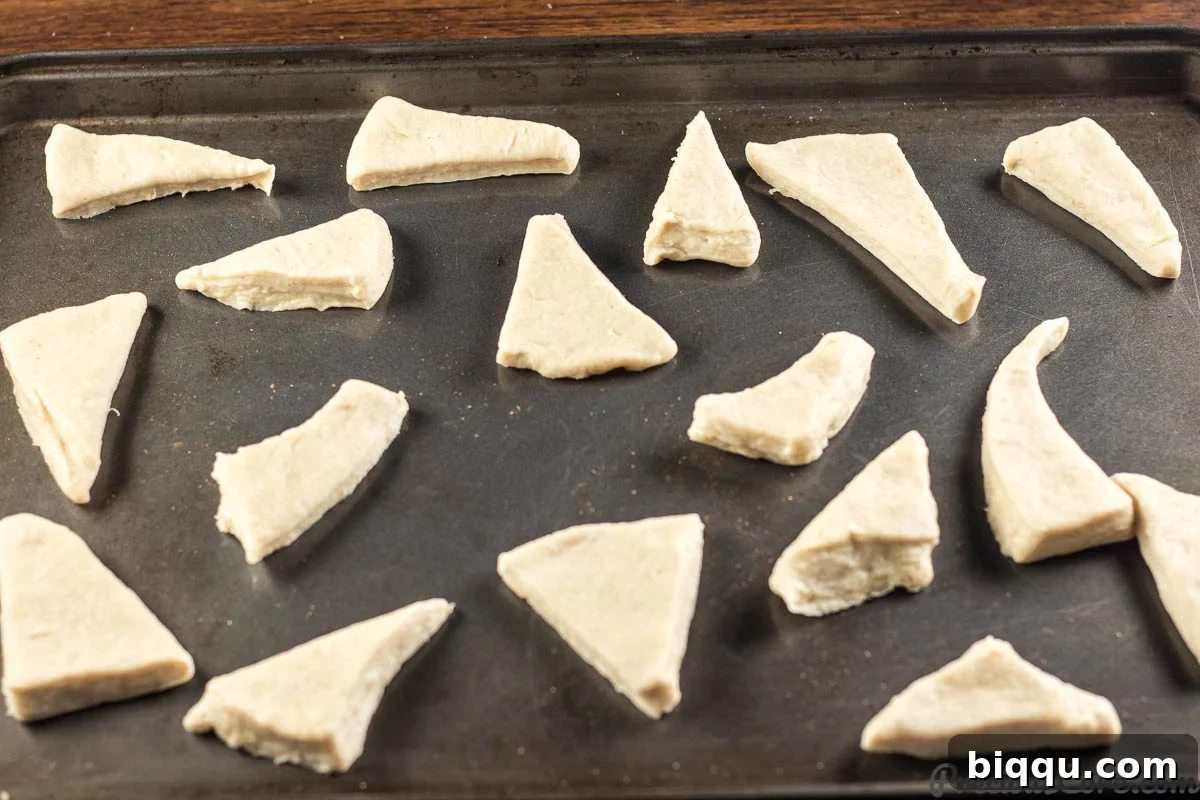
Step 5: Allow the Dough to Rest Briefly
Once all the Mandazi pieces are cut, arrange them on a tray or another floured surface, ensuring they are not touching. Cover them lightly with a clean kitchen towel and let them rest for approximately 20 minutes. This brief resting period allows the gluten to relax and the yeast to work its magic one last time, contributing to a lighter, fluffier texture when fried.
Step 6: Deep Fry Until Golden Brown and Delicious
In a deep, heavy-bottomed pan or a Dutch oven, pour enough vegetable oil to reach a depth of about 3 to 4 inches (7-10 cm). Heat the oil over medium-high heat until it reaches around 350-375°F (175-190°C). If you don’t have a thermometer, you can test the oil by dropping a small piece of dough into it; it should sizzle and float to the surface immediately. Carefully place a few Mandazi pieces into the hot oil, ensuring not to overcrowd the pan. Fry the doughnuts for about 1 to 2 minutes on each side, or until they puff up and turn a beautiful golden brown. Using a slotted spoon or tongs, remove the fried Mandazi from the oil and place them on a plate lined with paper towels to drain any excess oil.
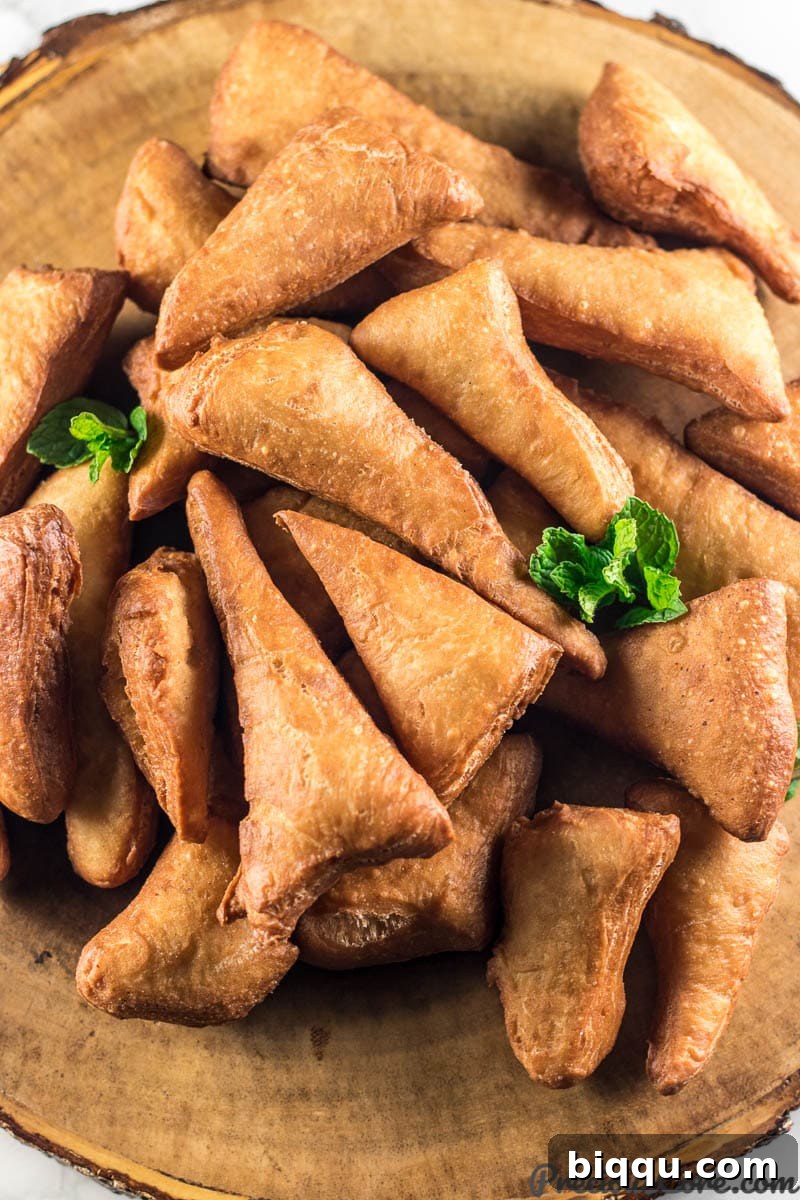
Step 7: Serve Warm and Enjoy!
Mandazi are best served warm, allowing you to fully appreciate their delicate crunch and soft, aromatic interior. They are traditionally enjoyed with a cup of hot chai tea or coffee, making for a truly comforting and authentic East African breakfast or snack. You can also dust them lightly with powdered sugar for an extra touch of sweetness, although their inherent flavor is often enough.
What Makes Mandazi Hard? Common Pitfalls and Solutions
If your Mandazi turn out hard or dense instead of soft and fluffy, the most common culprit is adding too much flour during the kneading process. The ideal dough for Mandazi should be soft, pliable, and slightly stretchy, making it easy to roll out without excessive effort. Over-flouring stiffens the dough, which prevents it from expanding properly when fried, leading to a tough texture. To avoid this, always add flour incrementally while kneading, just enough to prevent the dough from sticking excessively to your hands or the work surface. A slightly sticky dough is preferable to a dry one, as it will yield Mandazi that are delightfully crunchy on the outside and wonderfully soft on the inside.
Can I Make Mandazi with Self-Raising Flour?
Absolutely, you can certainly make Mandazi using self-raising flour! If you opt for self-raising flour, remember that it already contains a leavening agent (typically baking powder and salt). Therefore, you should omit the active dry yeast and any additional baking powder or salt specified in the recipe. Adjusting for self-raising flour will still give you delicious, fluffy Mandazi, simplifying the process slightly while maintaining the traditional flavors.
Explore More Delicious Doughnut Recipes
Irresistible Sugar Coated Donuts
Traditional African Doughnuts – Twisted Delight
Delectable Coconut Doughnuts Recipe
Authentic Cameroon Doughnuts Recipe

Mandazi (East African Doughnuts)
Rate This Recipe
Print Recipe
Ingredients
- 4 cups all-purpose flour
- 1/4 cup granulated sugar
- 1 cup coconut milk
- 2 1/4 teaspoons active dry yeast
- 1 large egg
- 3 tablespoons oil (e.g., corn oil)
- 1/2 teaspoon ground cardamom
- 1/2 teaspoon ground cinnamon
- 1 teaspoon salt
- 1/2 cup lukewarm water
Instructions
-
1. In a large bowl, combine the lukewarm water and yeast; let it sit until foamy. Then, add sugar, egg, oil, and coconut milk, stirring well. Incorporate the flour, cinnamon, cardamom, and salt, mixing until a dough forms.
-
2. Transfer the dough to a lightly floured surface and knead for about 3-5 minutes until it is smooth and elastic. Add minimal flour only if the dough is too sticky, as over-flouring will result in hard Mandazi. A slightly sticky dough is ideal.
-
3. Roll out the kneaded dough into a rectangle approximately 1/4 inch thick. Cut the rolled dough into squares, then slice each square diagonally to create traditional Mandazi triangles.
-
4. Allow the cut-out dough pieces to rest for 20 minutes on a floured surface, covered lightly.
-
5. Heat oil in a deep pan to 3-4 inches depth, reaching 350-375°F (175-190°C). Fry the Mandazi in batches for about 1-2 minutes per side, until they are puffed and golden brown.
-
6. Remove from oil and place on paper towels to drain. Serve warm, ideally with tea or coffee.
Notes
Nutrition Information (Estimated per Serving)
Additional Information