
Experience the Taste of Cameroon: Authentic Njama Njama with Egusi Recipe
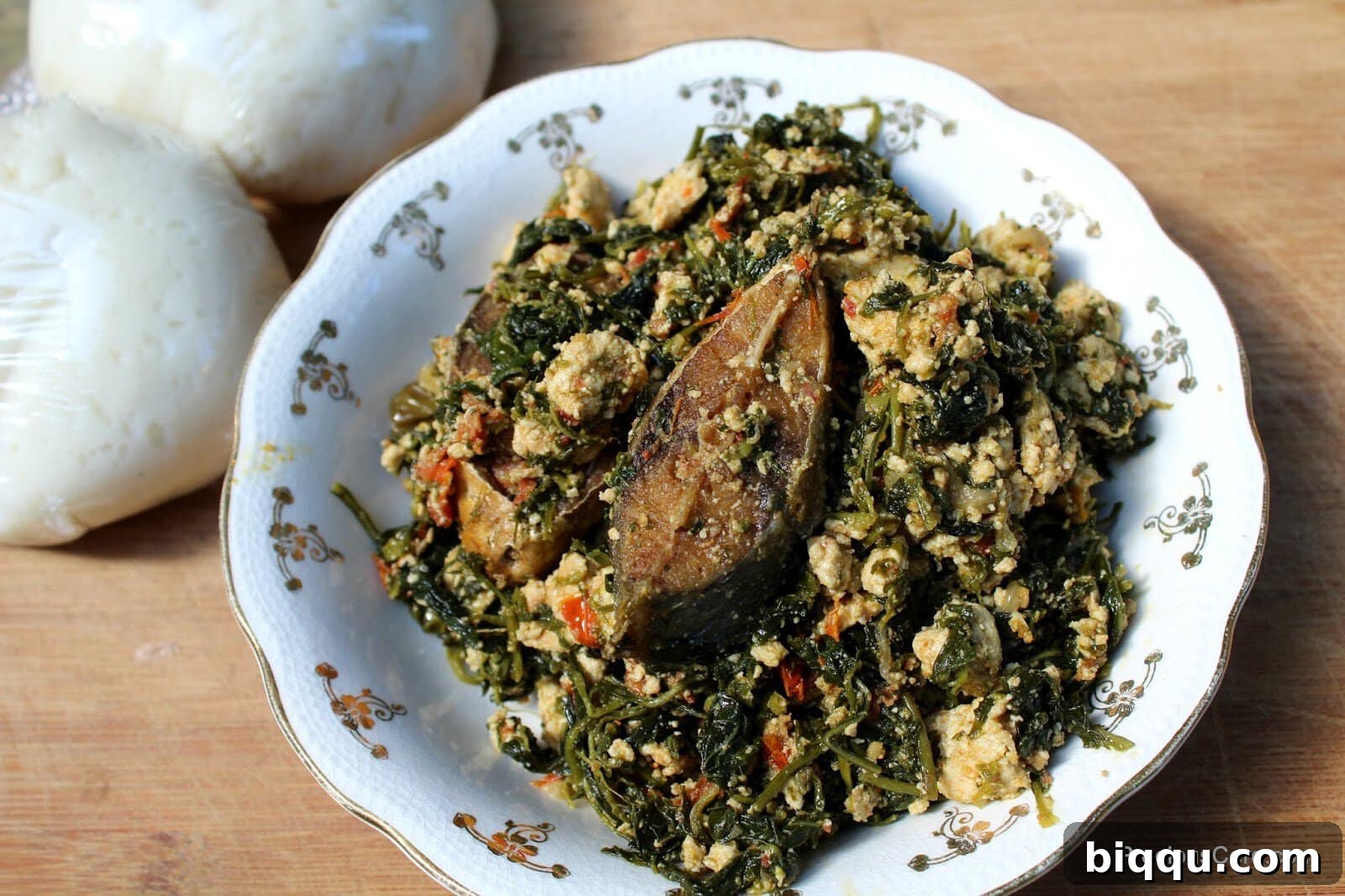
Food is more than just sustenance; it’s a powerful bridge to memory, culture, and home. The aroma of a familiar dish can transport us across continents and reconnect us with our roots. This profound connection became wonderfully evident recently when I prepared a special meal for a new friend, who had recently arrived in the United States from Cameroon. Having been in her new country for only two months, her taste buds were undoubtedly still longing for the authentic flavors of Cameroonian cuisine. My goal was to craft a dish that would not only welcome her warmly but also offer a comforting taste of home. The answer was clear: Njama Njama cooked with Egusi. A truly inspired choice, if I do say so myself!
What is Njama Njama? An African Green Leafy Superfood
Njama Njama, known scientifically as Solanum scabrum, is a vibrant green leafy vegetable deeply cherished across many African countries, particularly in Cameroon. It’s often referred to as huckleberry greens, garden huckleberry, or even African nightshade, though its culinary application is distinctly different from its toxic relatives. These robust greens are celebrated for their slightly bitter yet earthy flavor profile and impressive nutritional benefits, making them a staple in many traditional diets.
The preparation of Njama Njama is a culinary art in itself. Before cooking, the process begins by carefully picking the tender leaves and soft stems from each main stalk. This meticulous step ensures only the most palatable parts of the plant are used. Once picked, the greens are typically blanched or boiled with minimal water. This initial cooking phase is crucial, as many Njama Njama varieties release a significant amount of water when heated, which helps tenderize them and reduce any potential bitterness. After boiling, the vegetable is thoroughly squeezed to remove excess liquid, then finely chopped into manageable pieces, ready to absorb the rich flavors of the accompanying ingredients.
The Versatility of Njama Njama: Beyond the Basics
Once prepared, Njama Njama can be transformed into a variety of delicious dishes. Common preparations include stir-frying it with a fragrant blend of tomatoes and onions, or simply tossing it in a generous amount of palm oil for a rustic and flavorful side. However, my absolute favorite method, and arguably one of the most beloved in Cameroon, is cooking Njama Njama with Egusi (ground melon seeds). This combination elevates the humble greens to an extraordinary culinary experience.
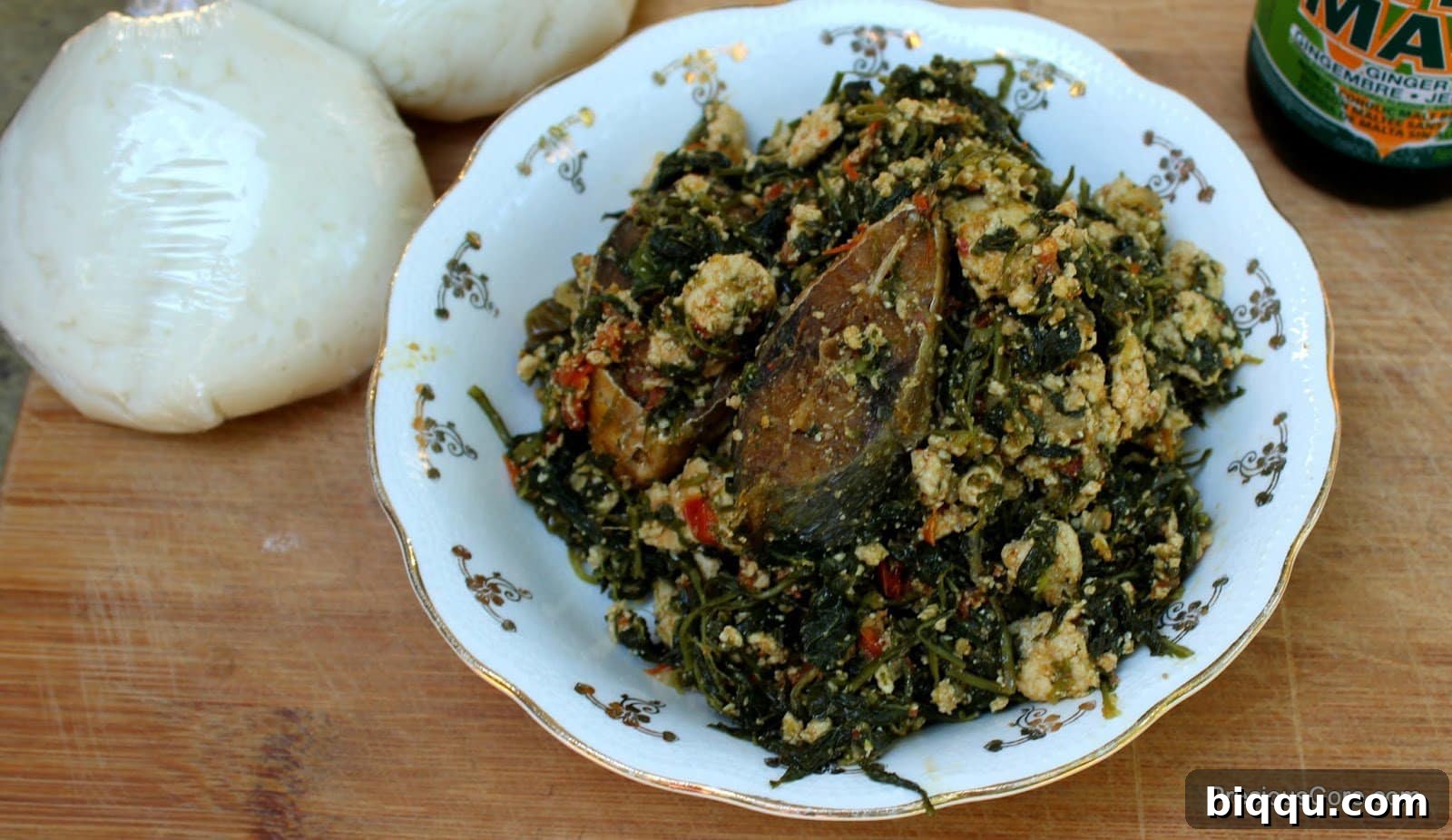
Njama Njama is traditionally served with various starchy accompaniments. Corn fufu is a classic pairing, offering a delightful contrast in texture and flavor. Beyond fufu, it can also be enjoyed with boiled cocoyams, boiled or fried plantains, or even boiled yams. Each starchy side provides a unique complement to the rich and savory greens, allowing you to customize your meal to your preference. The choice of accompaniment often depends on regional traditions and personal taste, but the unifying factor is always the nourishing and satisfying quality of the Njama Njama itself.
The Magic of Egusi: Elevating Njama Njama to a Five-Star Dish
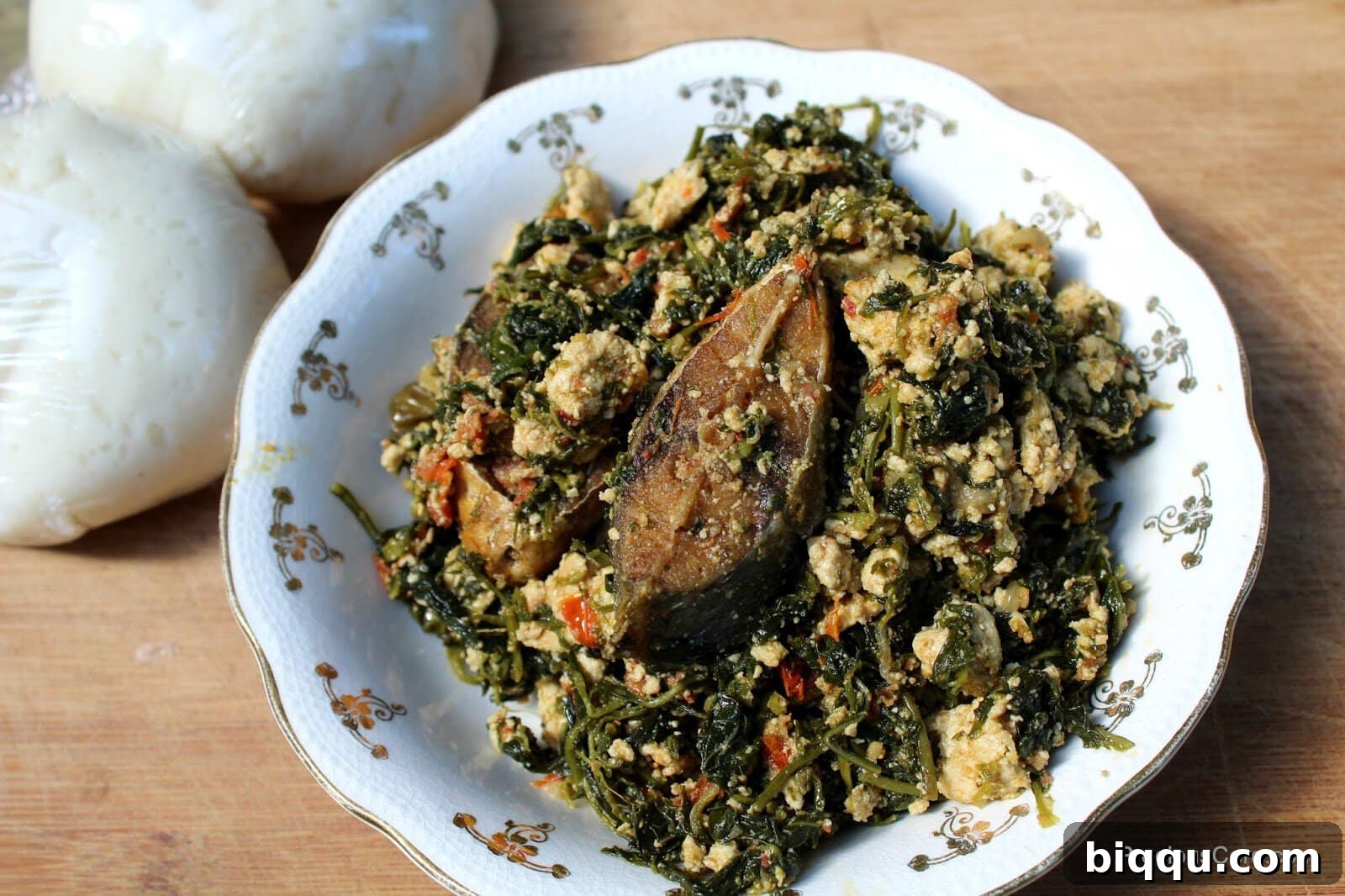
When Njama Njama is cooked with Egusi, the result is truly finger-licking good. Egusi, derived from the seeds of a type of melon indigenous to West Africa, is a powerhouse ingredient renowned for its rich, nutty flavor and its ability to thicken stews and soups. These ground seeds introduce a remarkable depth of flavor and a creamy, satisfying texture that takes Njama Njama from a simple vegetable dish to a five-star culinary delight. The egusi binds the greens, creating a hearty and incredibly flavorful stew that is both comforting and deeply satisfying.
My new friend’s reaction to the meal was everything I had hoped for. She thoroughly enjoyed every spoonful, savoring the familiar flavors. Perhaps even more delightful was watching her one-year-old daughter, who kept eagerly filling her mouth with the delicious greens and excitedly proclaiming, “Njama Njama! Njama Njama!” It was a heartwarming sight to witness them both connect so joyfully to their cultural heritage through a plate of food, a true testament to the power of traditional cuisine to evoke feelings of home and belonging.
Sourcing Njama Njama in Unexpected Places: A Culinary Discovery
Many people, including myself, least expect to find authentic Njama Njama readily available in countries like America. So, discovering its presence here was a pleasant surprise! I learned that Njama Njama is cultivated by the Hmong people, an ethnic group with origins in Asia. This unexpected connection highlights the rich tapestry of global agriculture and cultural exchange. I often buy a significant quantity of fresh Njama Njama from Hmong farmers during the summer months. To enjoy these greens year-round, I typically blanch and freeze them, ensuring a steady supply for future meals. This weekend, I plan to visit the market to purchase more fresh Njama Njama and look forward to sharing a post showcasing what the uncooked leaves look like, helping others identify this wonderful vegetable.
Finding Your Greens: Substitutes for Njama Njama
While fresh Njama Njama (or huckleberry greens) offers an unparalleled flavor, if you find it challenging to source, there are excellent substitutes that will allow you to enjoy a similar culinary experience. Kale, with its robust texture and slightly bitter notes, makes a wonderful stand-in. Watercress, known for its peppery flavor and tender leaves, can also be used for a slightly different, yet equally delicious, result. For a milder option, spinach is a widely available and versatile substitute that will beautifully absorb the rich flavors of the egusi. Collard greens are another fantastic choice, particularly if you appreciate a heartier green. Whatever green leafy vegetable you choose, the key is to ensure you don’t miss out on the incredible, sizzling goodness of greens cooked in rich Egusi sauce. Each substitute brings its own unique character, but the essence of the dish remains.
Njama Njama with Egusi Recipe: A Step-by-Step Guide
This recipe brings together the earthy flavor of Njama Njama with the rich, nutty goodness of egusi, creating a hearty and satisfying Cameroonian stew. Follow these steps to prepare a truly authentic and delicious meal.
Prep Time: 20 minutes
Cook Time: 30-35 minutes
Total Time: Approximately 50-55 minutes
Serves: 4 generous portions
Ingredients You Will Need:
- 2 pounds (approx. 1 kg) of boiled and chopped Njama Njama (or your chosen substitute like kale, spinach, or collard greens)
- 2 cups of ground Egusi (melon seeds) – essential for the authentic taste and thickening
- 5 medium-sized ripe tomatoes – finely chopped for the base sauce
- 2 tablespoons of ground ginger and garlic paste – a fragrant aromatic duo
- 1 large onion – finely chopped for sautéing
- 2 pounds of protein of choice – fried fish (such as mackerel or tilapia), boiled beef, smoked turkey, or even goat meat work wonderfully
- 1 cup of vegetable oil – for sautéing and building the flavor base
- 1 habanero pepper (or Scotch bonnet, optional) – for a spicy kick, finely chopped or blended
- Half a teaspoon of salt – adjust to taste
- 3 small seasoning cubes (such as Maggi or Knorr) – for enhanced savory flavor
- Water or meat stock – for simmering the egusi and sauce
Cooking Instructions:
Step 1: Prepare the Aromatics
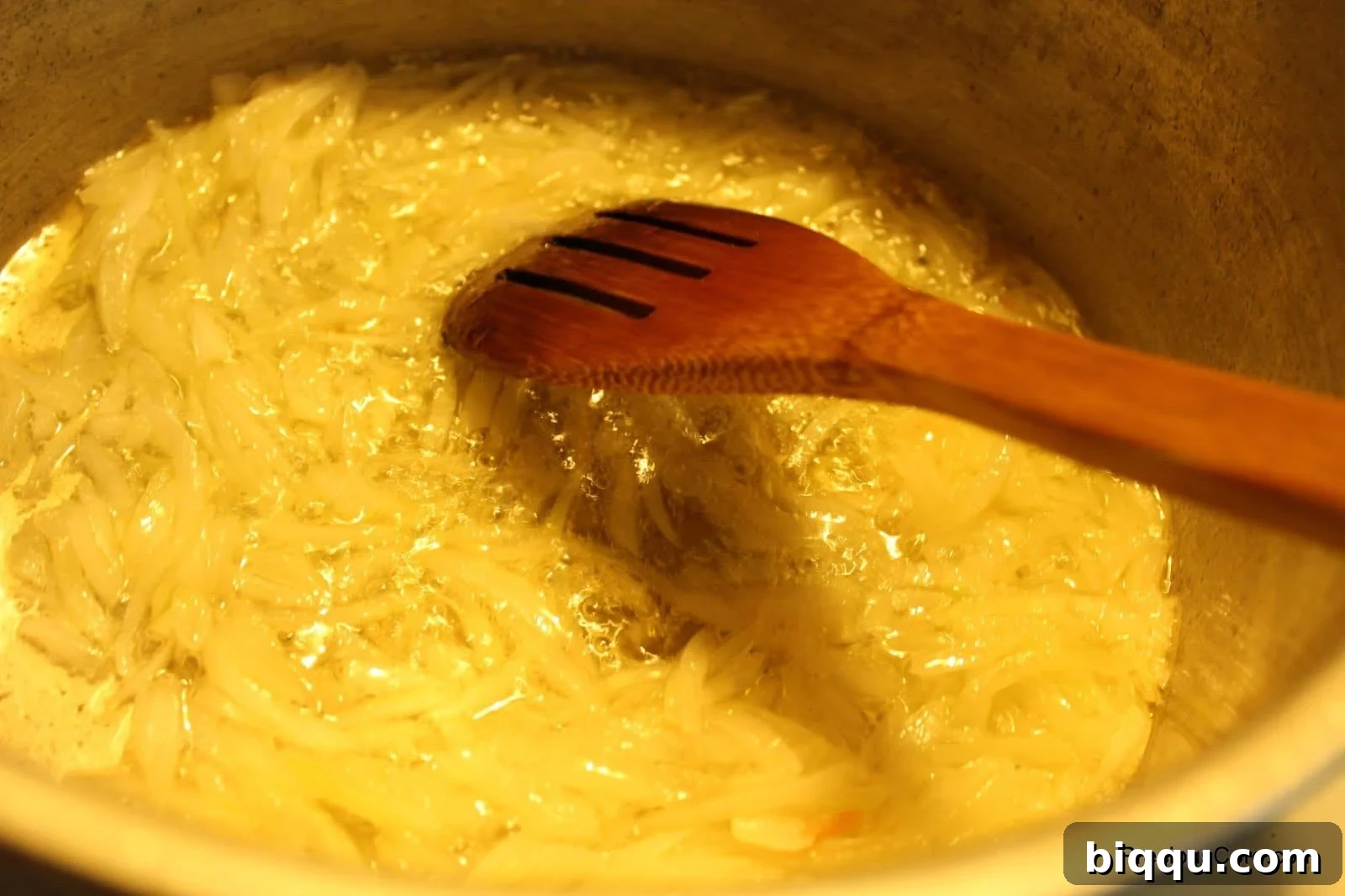
Heat the vegetable oil in a large, sturdy pot over medium heat. Once the oil is shimmering, add the chopped onions. Sauté the onions gently until they become translucent and fragrant, taking care not to burn them. This step forms the aromatic foundation of your stew.
Step 2: Build the Tomato Base
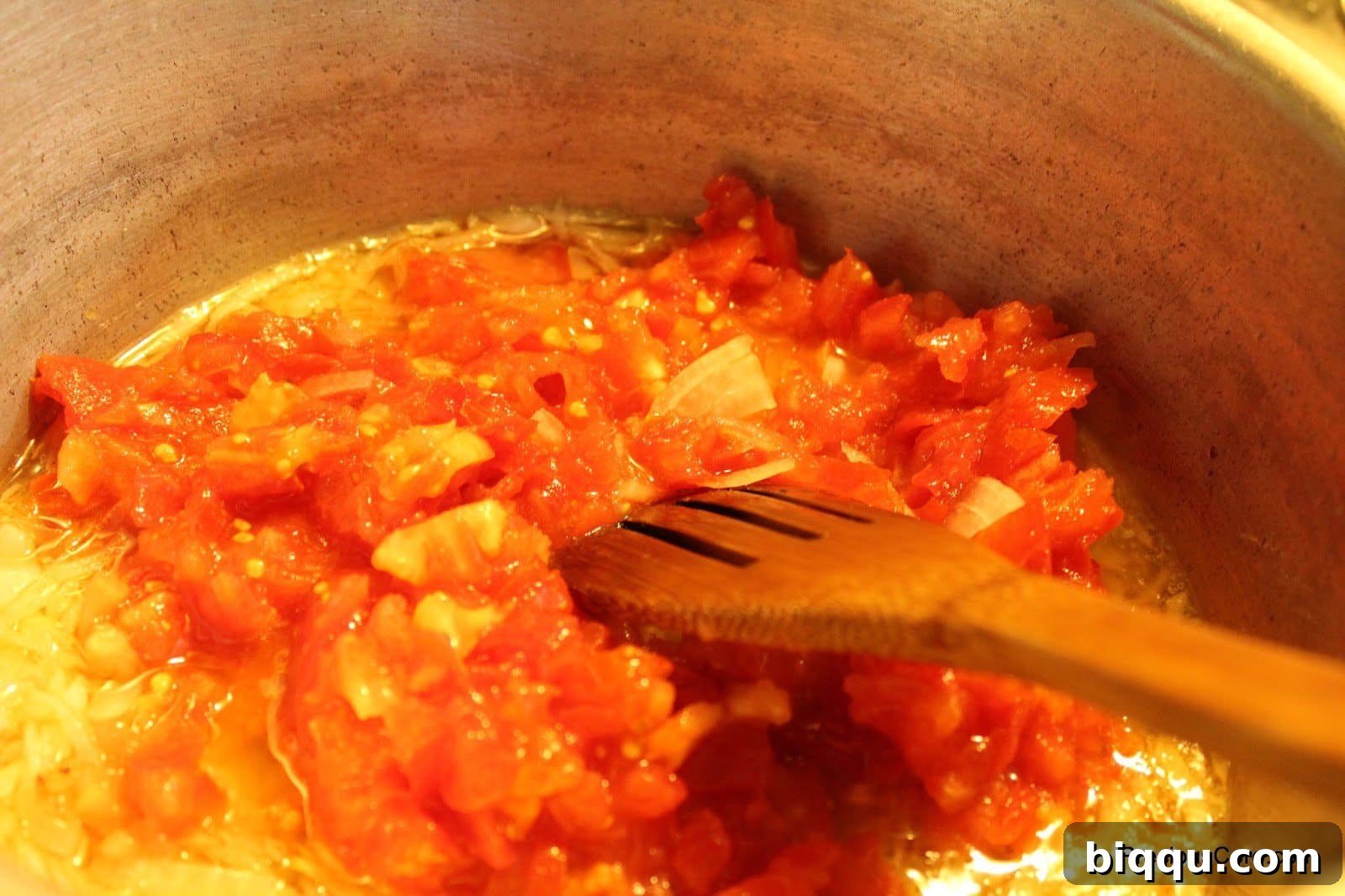
Add the chopped tomatoes to the pot with the sautéed onions. Stir well and allow the tomatoes to cook down. Continue to sauté them until they have softened considerably, their raw, sour taste has cooked out, and the oil starts to separate and rise to the surface. This typically takes about 8-10 minutes, ensuring a rich and savory tomato base.
Step 3: Prepare the Egusi Paste
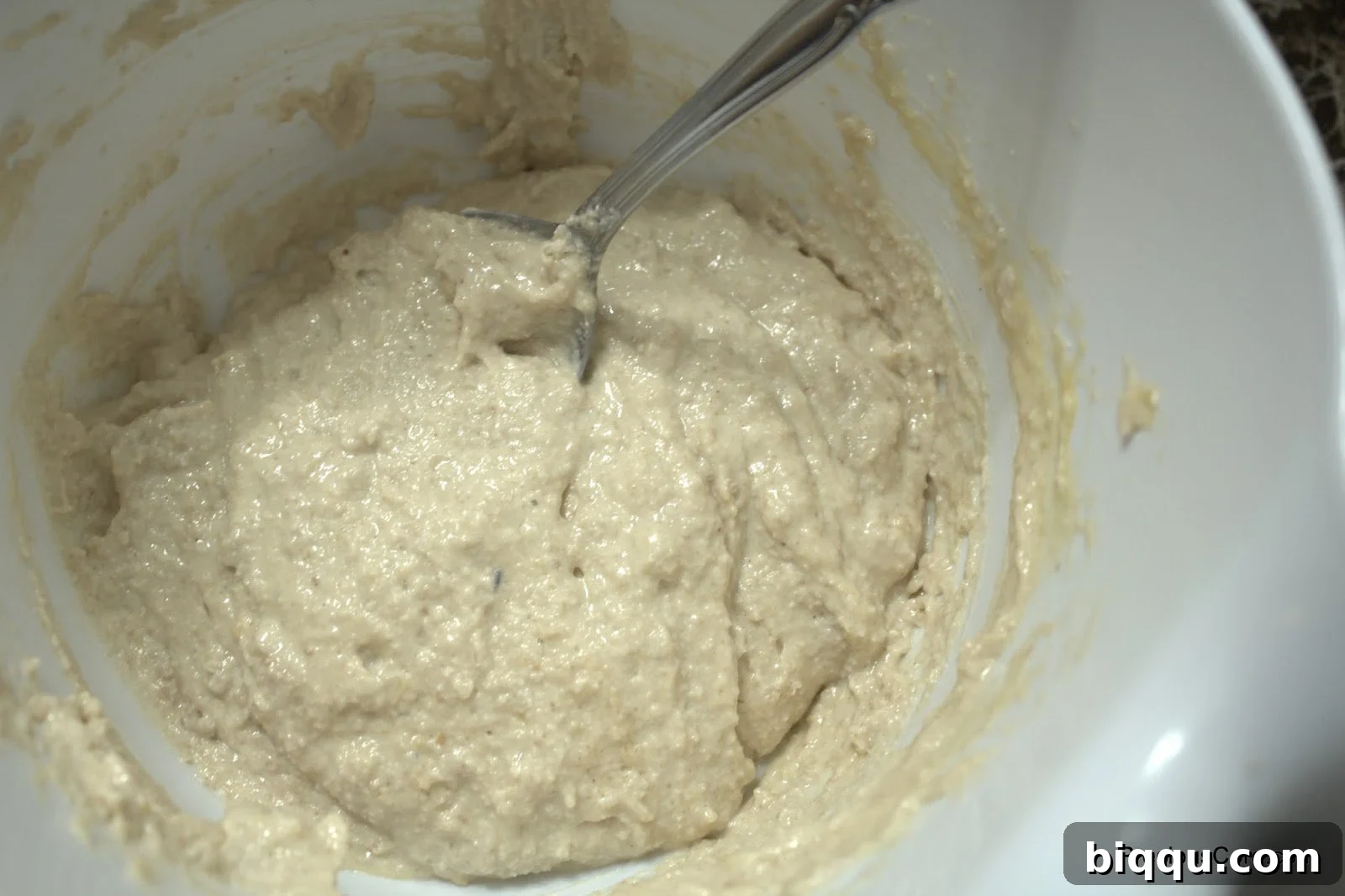
While the tomatoes are frying, prepare your egusi paste. In a separate bowl, combine the ground egusi with half a cup of water and a small pinch of salt. Mix thoroughly to form a thick, smooth paste. The consistency should be thick enough to hold its shape when scooped, but not overly stiff.
Step 4: Incorporate Spices and Egusi
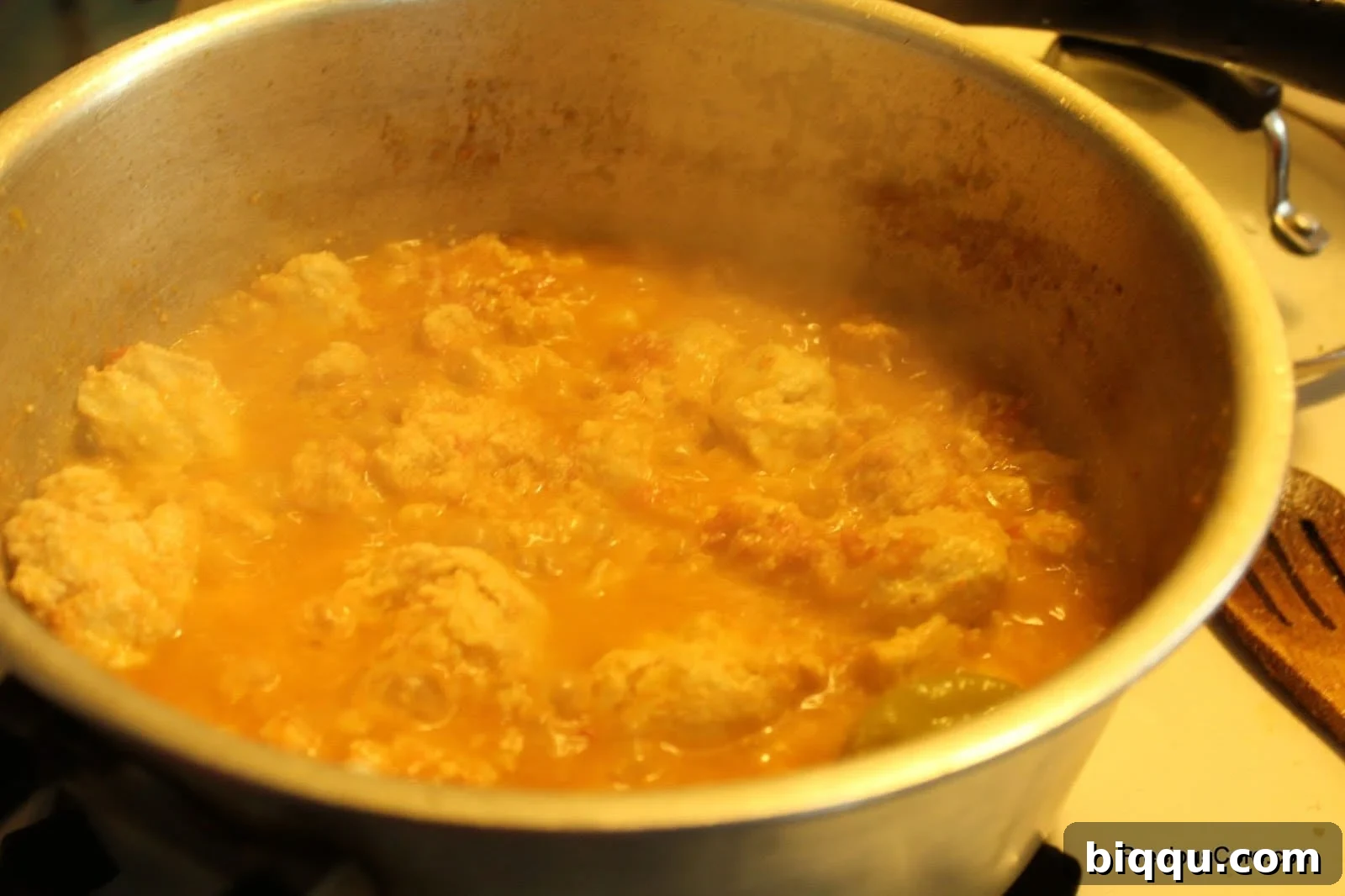
Once the tomatoes are perfectly fried (they should no longer taste sour), add the ground garlic, ginger, and the habanero pepper (if using) to the pot. Stir and cook for about 1-2 minutes until fragrant. Then, crumble in your seasoning cubes and add the remaining salt. Pour in one cup of water (or, if you are using boiled meat, substitute with an equal amount of the flavorful meat stock for an even richer taste). Bring this mixture to a gentle boil. Once boiling, carefully add the egusi paste into the pot in small scoops. Avoid stirring immediately. This allows the egusi to cook and form small, tender clumps, which is characteristic of a well-made egusi stew.
Step 5: Simmer the Egusi
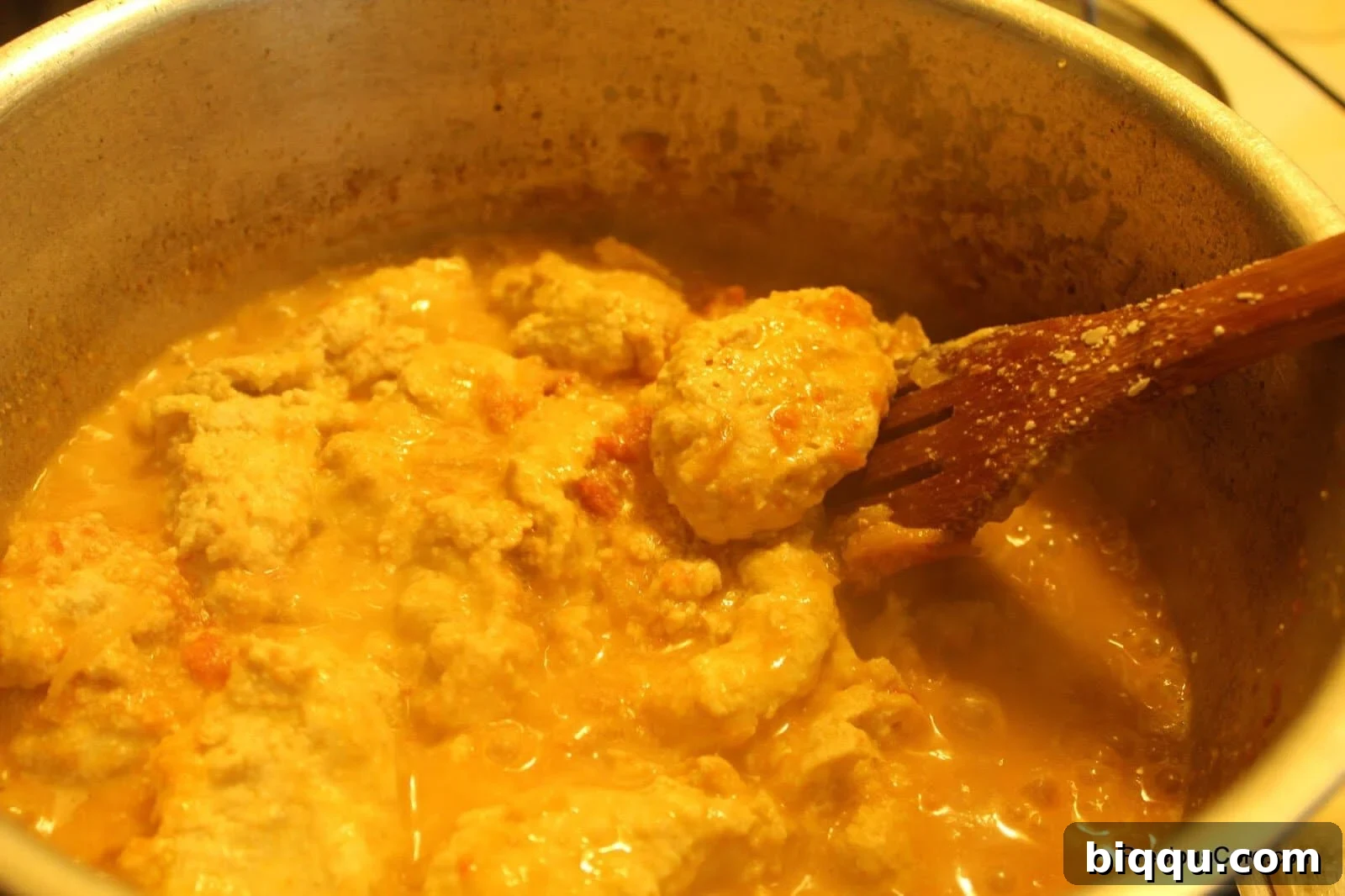
Allow the egusi to cook untouched for about 5 minutes, then gently stir to combine it with the sauce. Let everything simmer together for approximately 10-15 minutes, or until the egusi is fully cooked and the oil begins to rise to the surface. The egusi should taste nutty and no longer raw. If the liquid evaporates too quickly, you may add about a quarter cup more water or stock to maintain moisture and prevent burning.
Step 6: Add the Greens and Protein
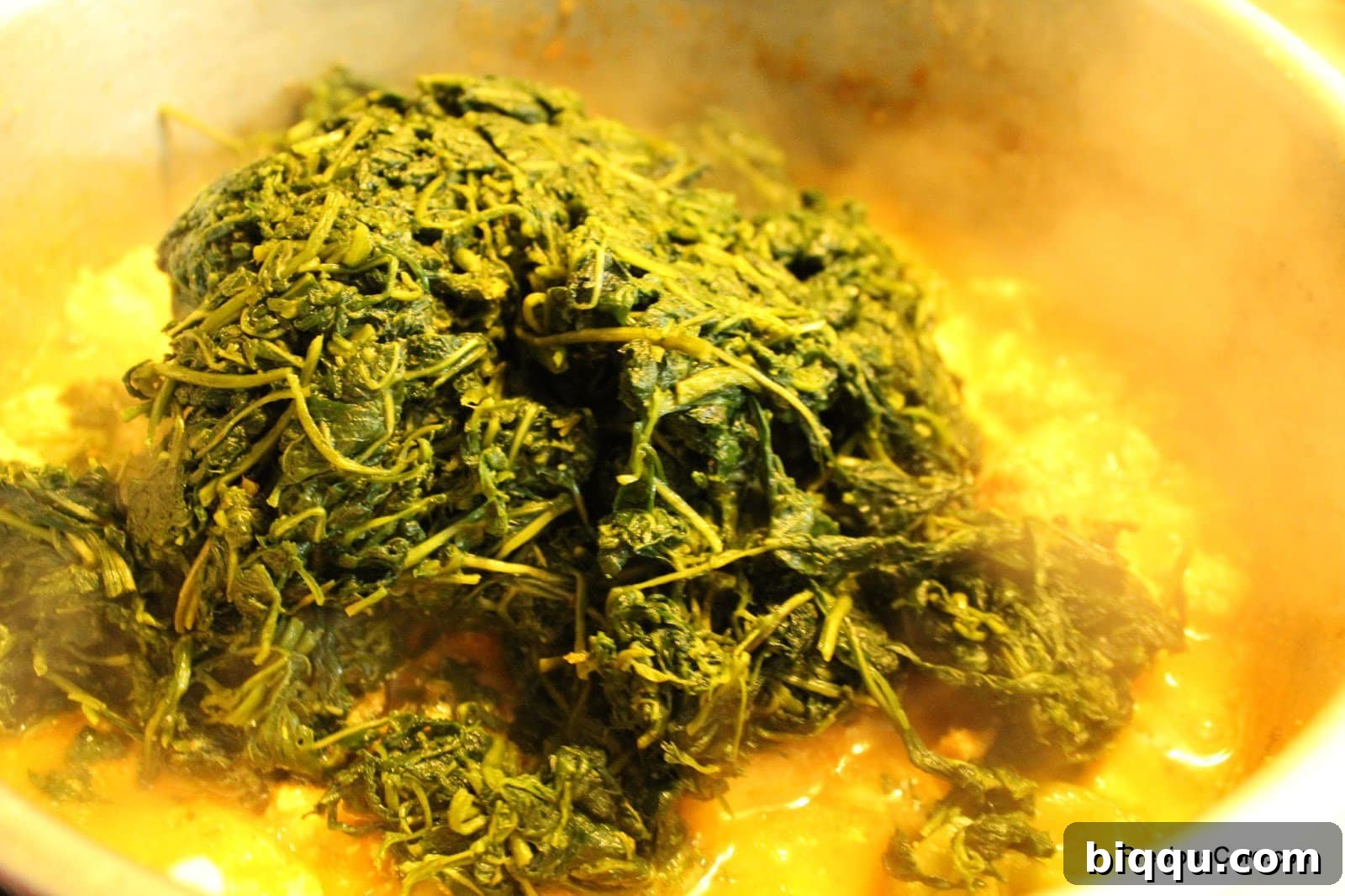
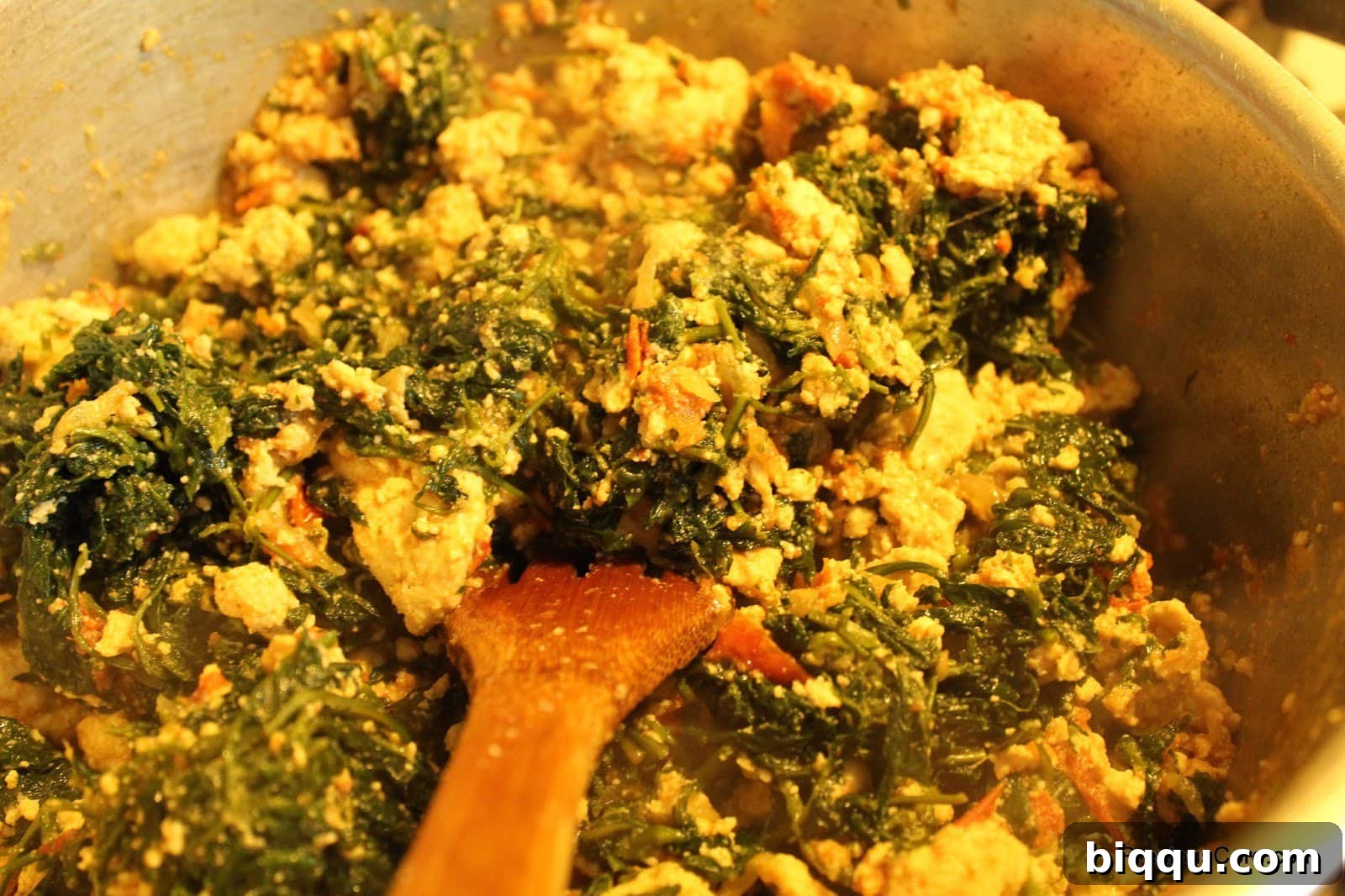
Next, carefully add the boiled and chopped Njama Njama (or your chosen substitute) into the pot. Gently fold it into the egusi sauce, ensuring the greens are well coated and evenly distributed. Then, add your cooked protein of choice – whether it’s fried fish, boiled beef, or smoked turkey. Mix everything together until all the ingredients are beautifully combined and seem “in love” with each other.
Step 7: Final Simmer and Seasoning Check
Let the entire mixture simmer gently for another 5 minutes, allowing all the flavors to meld beautifully. At this point, it is crucial to taste the stew and adjust the seasoning if needed. Add more salt or seasoning cubes if necessary to achieve the perfect balance of flavors.
Step 8: Serve and Enjoy!
Your authentic Njama Njama with Egusi is now ready to be enjoyed! This is the perfect moment to prepare your preferred accompaniment. Whether it’s a freshly made batch of fufu, perfectly boiled or fried ripe plantains, boiled yams, or whatever starch you desire, serve it hot alongside your flavorful stew. And, if the spirit moves you, feel free to shout, “Njama Njama! Njama Njama!” just like my friend’s enthusiastic daughter, celebrating the deliciousness of this wonderful Cameroonian dish.
This dish is more than just a meal; it’s an invitation to experience the rich culinary heritage of Cameroon. Enjoy every spoonful!