
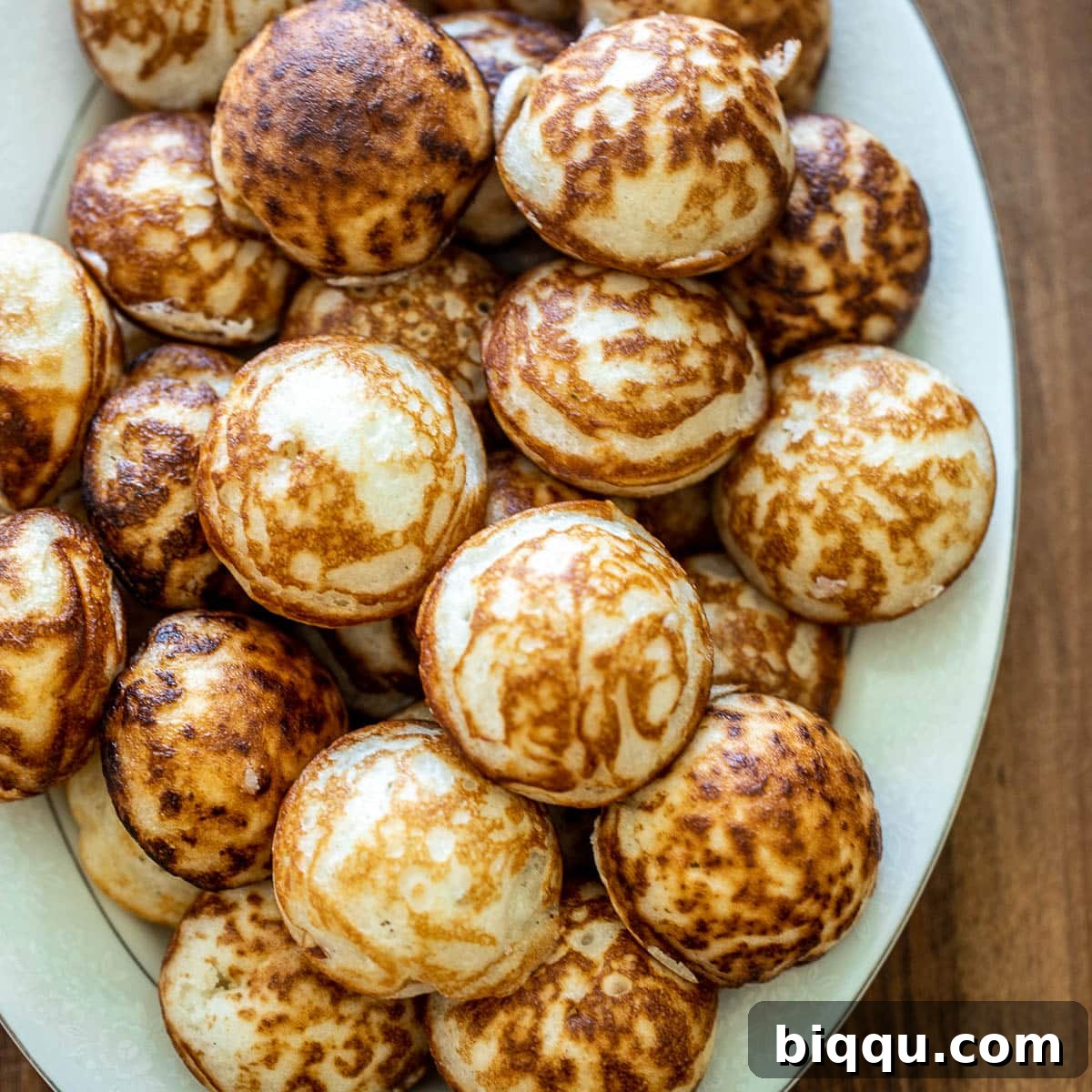
Authentic Vitumbua: Fluffy East African Coconut Rice Pancakes Recipe
Embark on a culinary journey to East Africa with these delectable Coconut Rice Pancakes, famously known as Vitumbua. A beloved breakfast staple across Swahili-speaking countries, particularly in Tanzania, these pancakes are a true delight. What makes them truly special? They are naturally gluten-free, dairy-free, and vegan, crafted from soaked rice rather than traditional flour, resulting in an irresistibly soft, airy, and fluffy texture that will surprise and enchant you!
The unique consistency of Vitumbua is simply incredible. Each bite reveals a soft interior contrasted by a slightly crisp edge, a testament to the magic of simple ingredients. You’ll be amazed that such a remarkable texture can be achieved without any regular wheat flour.
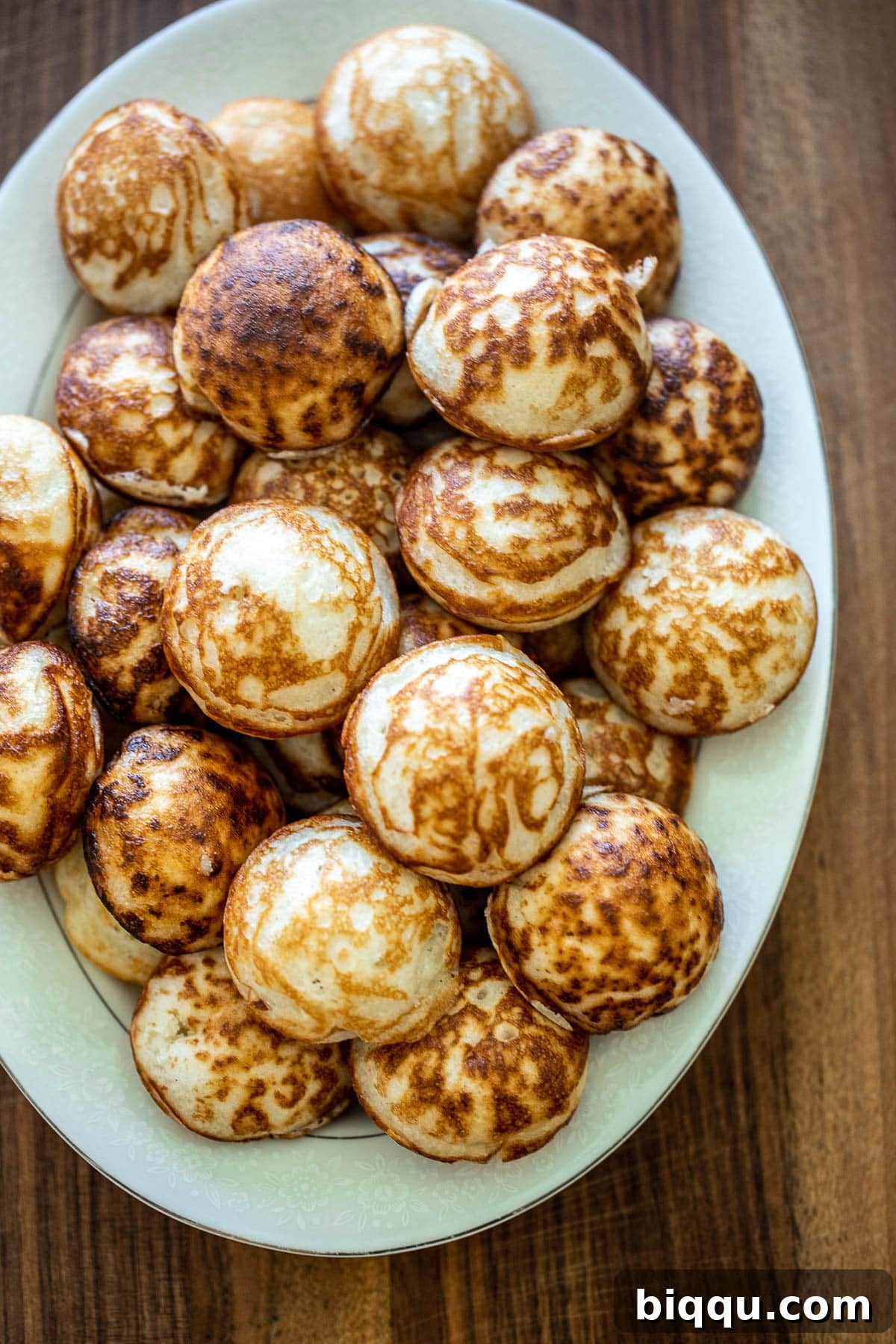
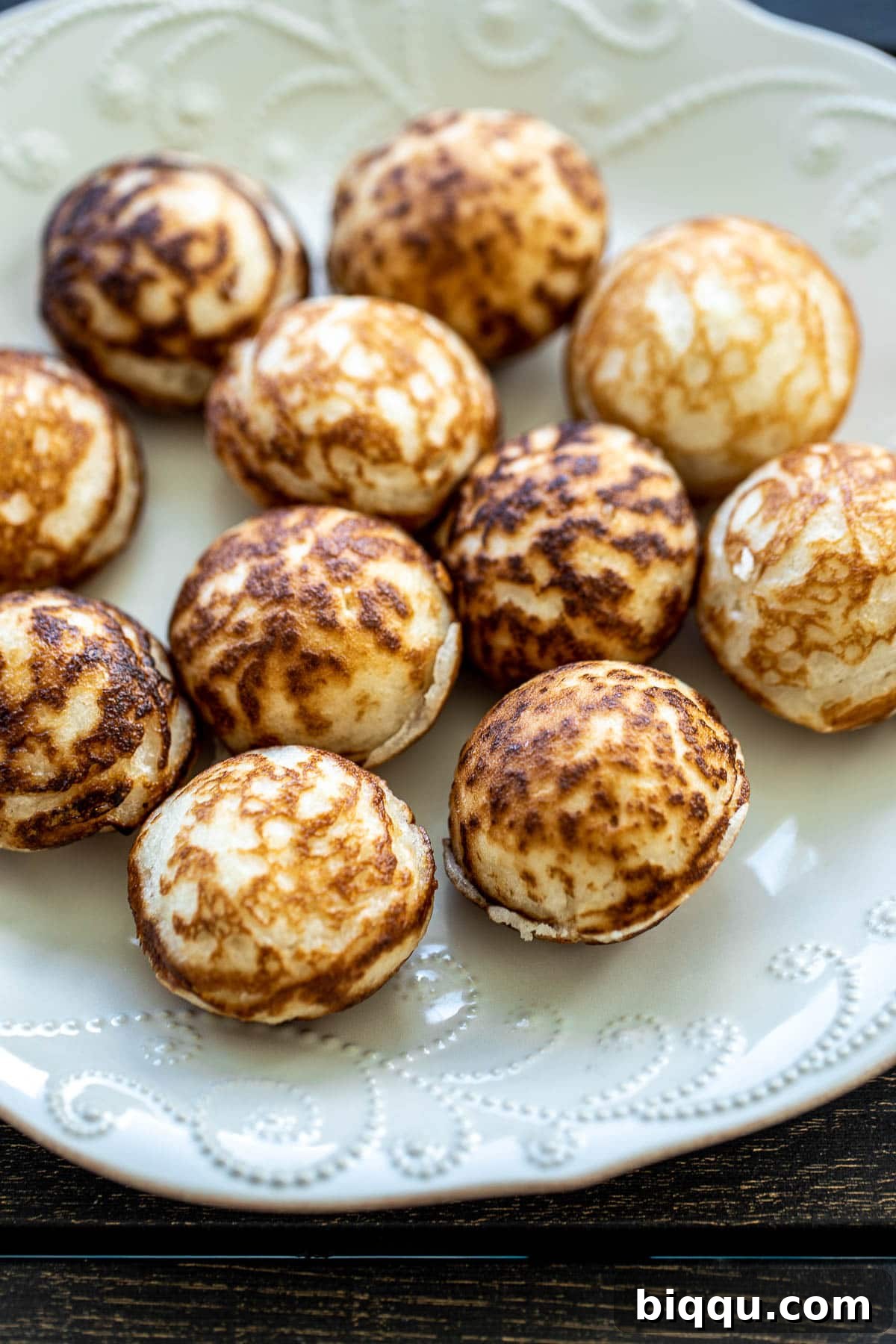
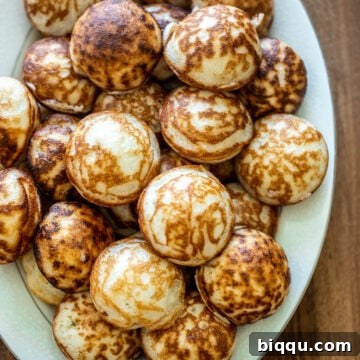
These East African Coconut Rice Pancakes have captivated hearts, and for good reason! My family adores Vitumbua, and they quickly disappear from the plate. Their perfectly golden-brown, slightly crunchy edges give way to a wonderfully fluffy and tender middle. They are an ideal companion for a warm cup of tea, offering a comforting and flavorful start to any day.
For an authentic East African experience, be sure to serve them alongside a fragrant cup of chai tea. The spiced warmth of chai complements the subtle sweetness and delicate flavor of the pancakes beautifully.
Vitumbua are deeply ingrained in Swahili culture, enjoyed by many communities for breakfast, brunch, or as a light snack. While popular throughout the region, they hold a special place in Tanzanian cuisine, often prepared for special occasions or simply as a comforting everyday treat.
This recipe shares my personal rendition of these beloved pancakes, perfected over time. I’ve successfully made them using both white rice, such as Jasmine, and brown rice, with equally delicious results. It’s also a fantastic way to utilize that bag of brown rice that might have been patiently waiting in your pantry!
If you enjoy exploring African breakfast and snack foods, you might also love Puff Puff. Learn How To Make Puff Puff with our detailed guide.
Table of Contents
- What Are Vitumbua?
- Why You’ll Love This Vitumbua Recipe
- Key Ingredients for Perfect Vitumbua
- Substitutions & Variations
- How To Make Fluffy Vitumbua: Step-by-Step
- Essential Equipment
- Serving Suggestions
- Storage & Reheating
- Troubleshooting Common Vitumbua Problems
- Frequently Asked Questions
- Vitumbua – East African Coconut Rice Pancakes Recipe Card
- Watch the Recipe Video
- Also, Check Out These African Recipes
What Are Vitumbua? A Glimpse into East African Breakfast Culture
Vitumbua, often referred to as East African Coconut Rice Pancakes, are a traditional dish with a rich cultural heritage. Originating from the Swahili coast, they are a beloved part of breakfast and snack time in countries like Tanzania, Kenya, and Uganda. Unlike typical pancakes made with wheat flour, Vitumbua derive their unique texture and flavor from fermented rice and creamy coconut milk. This combination creates a distinctively light, airy, and slightly chewy pancake that is both satisfying and delightfully aromatic, thanks to the addition of cardamom.
These spherical or dome-shaped pancakes are usually cooked in a special pan, similar to a Danish Aebleskiver pan, which gives them their characteristic round form. They are not overly sweet, making them versatile to enjoy with various toppings, from a simple dusting of powdered sugar to a drizzle of honey or maple syrup. Vitumbua are more than just a meal; they represent a taste of home, tradition, and hospitality in East African communities, often shared during gatherings and celebrations.
Why You’ll Love This Vitumbua Recipe
There are countless reasons why this Vitumbua recipe will quickly become a favorite in your kitchen:
- Effortlessly Gluten-Free: Made entirely from rice, these pancakes are naturally gluten-free, making them a fantastic option for those with gluten sensitivities or celiac disease. You won’t miss traditional flour at all!
- Completely Dairy-Free & Vegan: Using coconut milk ensures that these pancakes are suitable for vegans and individuals avoiding dairy, without compromising on richness or flavor.
- Incredibly Soft and Fluffy: The soaking and blending of rice, combined with yeast, creates an exceptionally light and airy texture that melts in your mouth.
- Simple Ingredients: You only need a few pantry staples to bring this authentic dish to life. No exotic or hard-to-find ingredients required!
- Easy to Make: The process is straightforward – soak, blend, rise, and cook. It’s surprisingly simple, even for novice cooks.
- Versatile for Any Time: Perfect for a hearty breakfast, a delightful brunch, or a satisfying snack throughout the day.
- Authentic Flavors: The distinct aroma of cardamom and the creamy taste of coconut transport you directly to the vibrant culinary landscapes of East Africa.
Key Ingredients for Perfect Vitumbua
The beauty of Vitumbua lies in its simplicity and the way a few core ingredients transform into something truly magical. Here’s a closer look at what you’ll need:
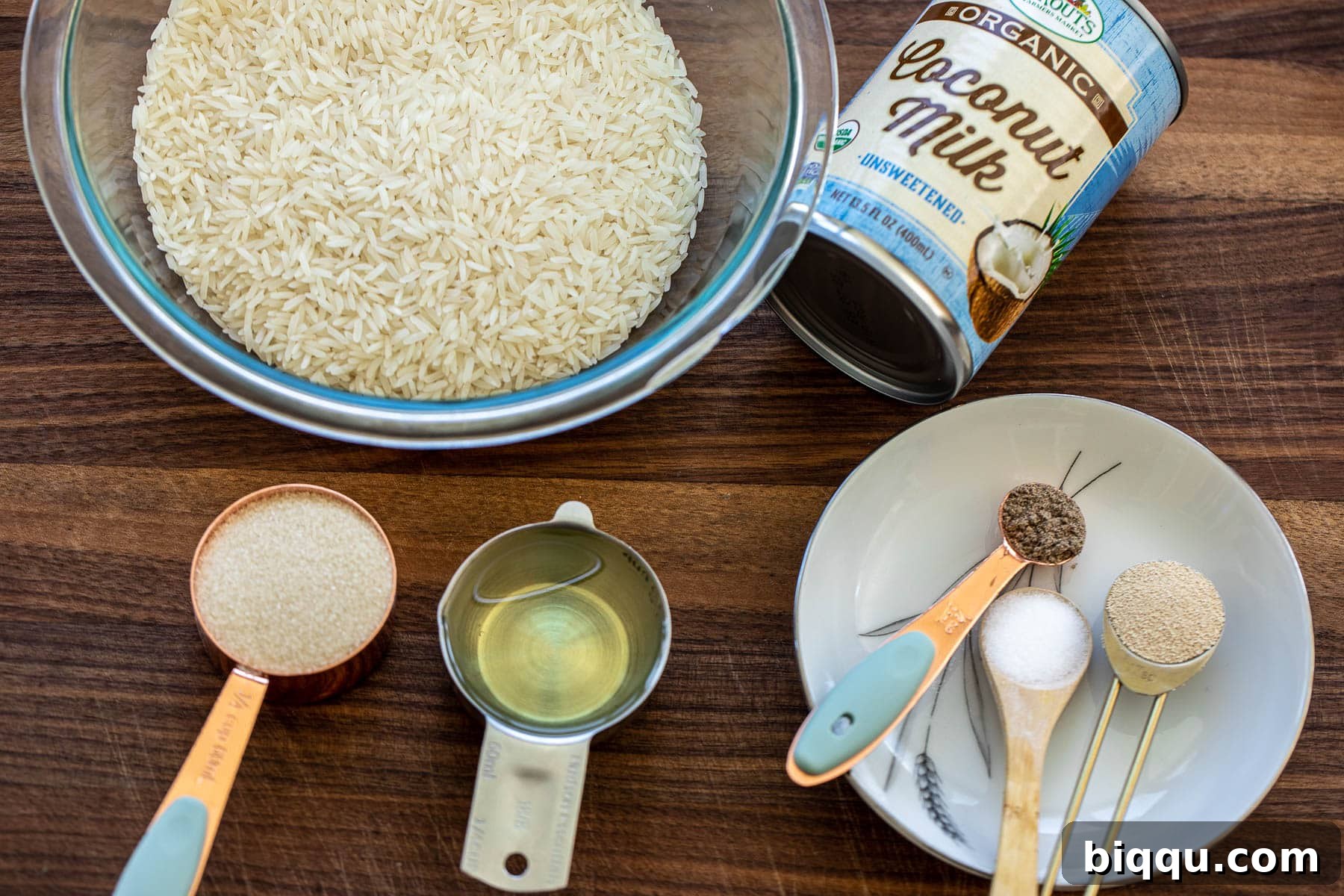
- Rice: The star of the show! I typically use Jasmine rice for its lovely aroma and delicate texture, but virtually any type of white rice you have on hand will work. For a fiber boost and a slightly nuttier flavor, brown rice is also an excellent option. The key is to soak the rice thoroughly overnight, which softens the grains and allows them to blend into a perfectly smooth batter, eliminating the need for any pre-made rice flour.
- Coconut Milk: This ingredient is crucial for both flavor and moisture. Opt for full-fat, unsweetened canned coconut milk for the richest taste and creamiest texture. It provides the characteristic tropical flavor profile of Vitumbua. If you desire a more pronounced coconut texture, you can also add a small amount of unsweetened desiccated coconut to the batter.
- Sugar: Sweetness is a matter of personal preference. This recipe is designed to yield pancakes that are subtly sweet, allowing you to customize with toppings like syrup, honey, or a generous dusting of powdered sugar. Feel free to adjust the amount of granulated sugar to your liking. Brown sugar can also be used for a deeper, molasses-like flavor.
- Yeast: Essential for helping the batter rise, giving the Vitumbua their signature fluffiness. Both instant yeast and active dry yeast will work. If using active dry yeast, ensure it’s fresh and consider activating it in a small amount of warm water or coconut milk with a pinch of sugar first, though with a good blend, it usually activates directly in the batter after resting.
- Salt: A pinch of salt is vital to balance the sweetness and enhance all the other flavors in the pancakes, bringing out their full potential.
- Ground Cardamom: This aromatic spice is an absolute must for authentic East African flavor. Cardamom powder imparts a warm, slightly citrusy, and floral note that is deeply characteristic of Vitumbua. You can find it in the spice aisle of most grocery stores or online. For an even fresher and more intense flavor, you can blend whole cardamom pods directly with the rice and other ingredients, removing the outer husks first.
- Oil for Cooking: A neutral-tasting oil, such as vegetable oil, canola oil, or even coconut oil, is needed to grease the pan and achieve those beautiful golden-brown edges.
For the precise measurements of each ingredient, please refer to the detailed recipe card provided further down.
Substitutions & Variations for Your Vitumbua
While the traditional Vitumbua recipe is perfect as is, here are a few tested substitutions and creative variations you can try:
- Brown Rice: For a healthier alternative with more fiber and a slightly chewier texture, substitute white rice with an equal amount of brown rice. The soaking time might need to be slightly extended if using very hard brown rice grains. Please note that this recipe has not been tested with wheat flour or other gluten-containing flours, as it specifically relies on the unique properties of soaked rice for its texture.
- Alternative Plant-Based Milks: While coconut milk is traditional and highly recommended for its flavor, you can experiment with other plant-based milks like almond milk or cashew milk if you prefer a different flavor profile or have specific dietary needs. These will yield a slightly different taste and texture. If dairy isn’t an issue, regular cow’s milk can also be used.
- Natural Sweeteners: Instead of granulated sugar, you can sweeten your batter with natural alternatives such as honey, maple syrup, or agave nectar. Adjust the quantity to taste, keeping in mind that liquid sweeteners can slightly alter the batter consistency.
- Add a Citrus Zing: A little orange or lemon zest can add a bright, fresh note that complements the cardamom beautifully. Add about half a teaspoon to the batter.
- Spice Variations: While cardamom is iconic, a tiny pinch of cinnamon or nutmeg can also be added for a different aromatic complexity, though use sparingly to not overpower the cardamom.
- Dessicated Coconut: For an extra boost of coconut flavor and texture, stir in 1-2 tablespoons of unsweetened desiccated coconut into the batter before letting it rise.
How To Make Fluffy Vitumbua: Step-by-Step Guide
Crafting these fluffy East African pancakes is a rewarding process that comes together in just a few simple steps. Follow this guide for perfect Vitumbua every time!
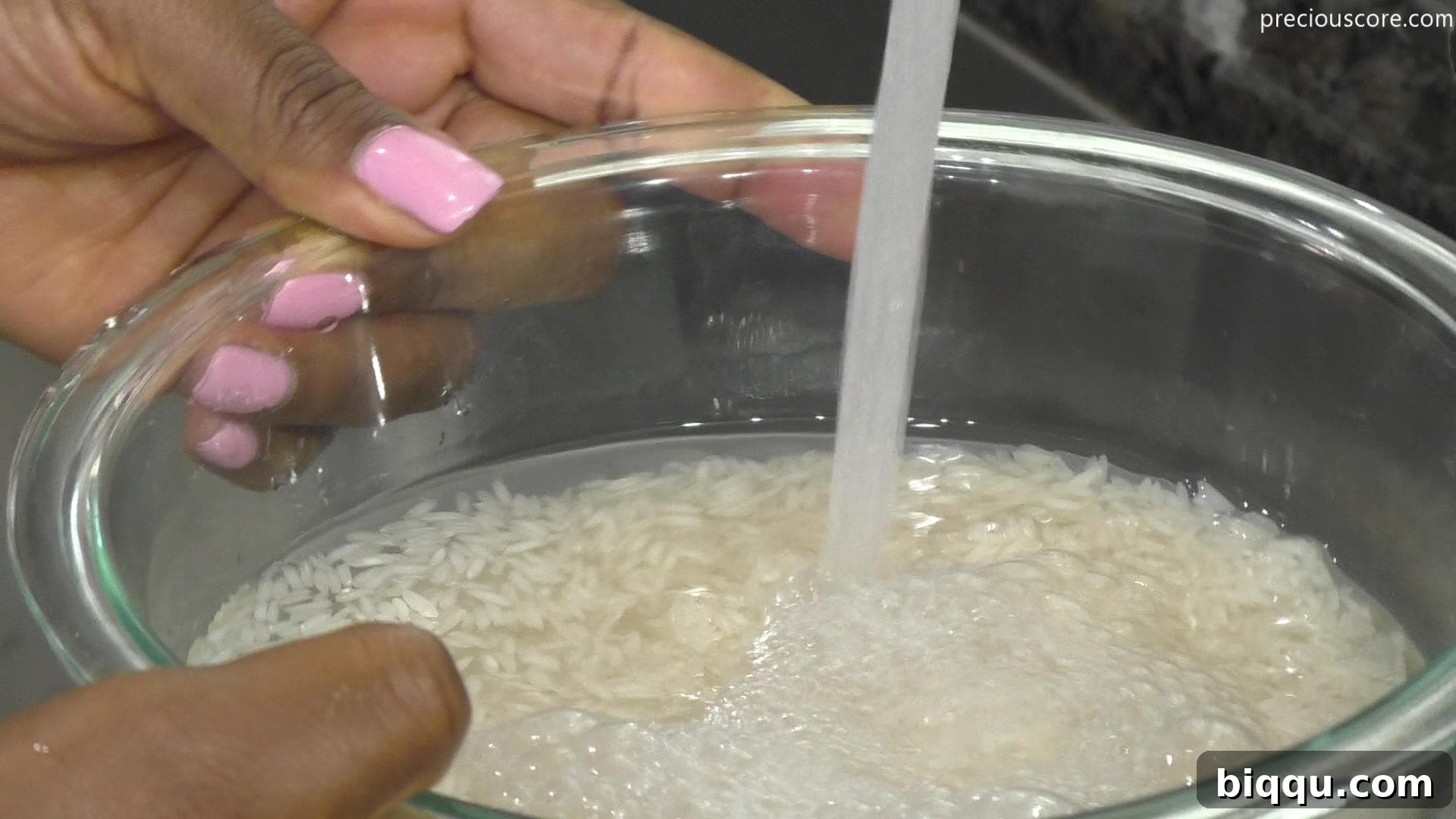
- Soak Rice: In a medium bowl, combine your rice with enough water to completely submerge it. Cover the bowl and let the rice soak in the refrigerator for at least 8 hours, or preferably overnight. Soaking is key to achieving a smooth, lump-free batter.
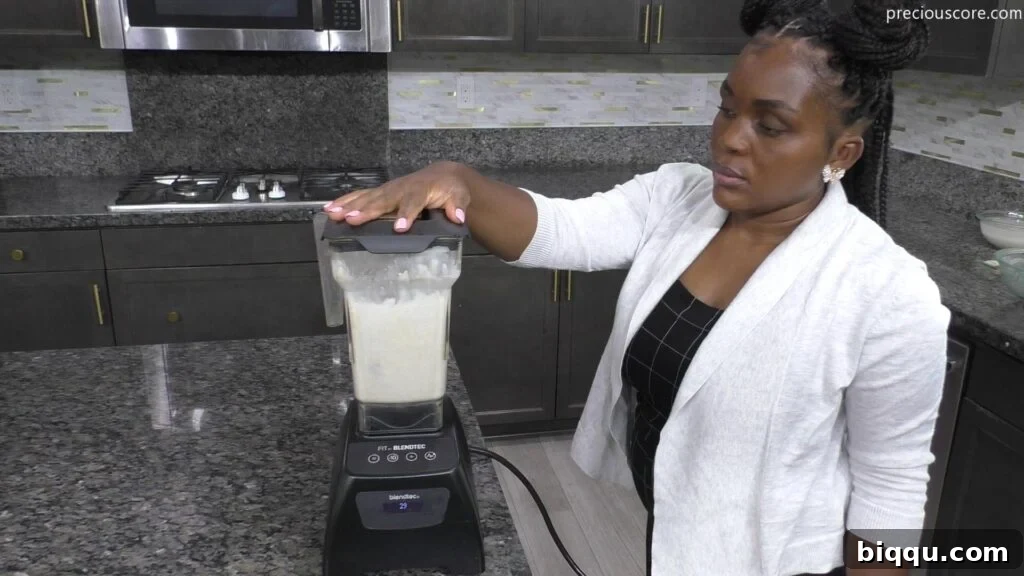
- Blend Batter: Once the rice is fully soaked, drain all the water from it. Transfer the soaked rice into a high-powered blender. Add the coconut milk, sugar, yeast, salt, and ground cardamom. Blend on high speed until the mixture is completely smooth, resembling a thin pancake batter. Ensure there are no grainy rice pieces remaining.
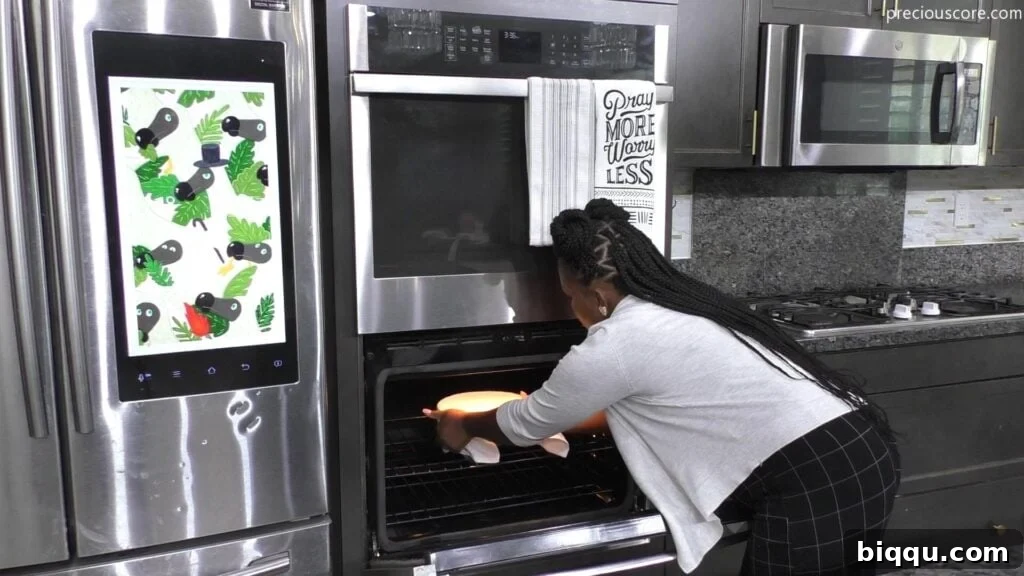
- Rest and Rise: Pour the smooth batter into a clean medium-sized bowl. Cover the bowl tightly with plastic wrap or a clean kitchen towel. Place it in a warm environment to rise. A slightly warm (but turned off) oven, a sunny spot on your counter, or even near a warm appliance works perfectly. Allow the batter to rest and rise for approximately 30 minutes, or until you see visible bubbles forming on the surface, indicating the yeast is active.
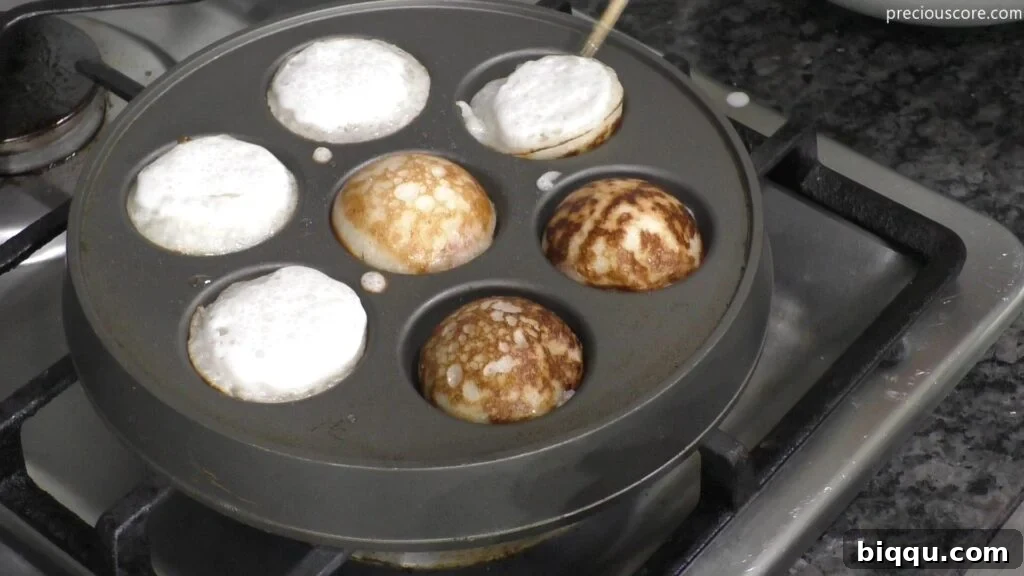
- Cook Pancakes: Heat a Vitumbua pan (also known as an Aebleskiver or Ebelskiver pan) over medium heat for about 2 minutes. Once hot, add about half a teaspoon of neutral oil into each well. Carefully pour the Vitumbua batter into each hole, filling it almost to the top but leaving a little room to prevent overflow as it cooks. Cook on one side for approximately 2 minutes, or until the edges appear set and slightly golden.
- Flip and Finish: Using a wooden skewer or a small non-stick spatula, gently flip each Vitumbua to cook on the other side for another 2 minutes, or until completely cooked through and golden brown. The goal is a uniform color and a fluffy interior.
- Repeat: Remove the cooked Vitumbua from the pan and place them on a serving plate. Repeat the oiling and cooking process with the remaining batter until all the pancakes are done.
- Serve Warm: Serve your delicious Vitumbua warm, ideally with a drizzle of maple syrup, honey, fresh fruits, or a light dusting of powdered sugar.
Essential Equipment for Authentic Vitumbua
To achieve the traditional, perfectly round shape and fluffy texture of Vitumbua, specific kitchen tools can make all the difference:
- Vitumbua Pan (Aebleskiver/Ebelskiver Pan): This specialized pan, featuring multiple hemispherical indentations, is crucial for giving Vitumbua their classic spherical or dome-like shape. While you might find them in specialty stores or at thrift shops (like I did!), they are readily available online. You can purchase a high-quality Vitumbua pan on Amazon.
- High-Powered Blender: To achieve the incredibly smooth and lump-free batter essential for fluffy Vitumbua, a robust blender is indispensable. It pulverizes the soaked rice into a fine consistency, which is key to the pancakes’ texture. My personal favorite for this task is a Blendtec blender, known for its efficiency and power.
- Large Bowl: For soaking the rice and allowing the batter to rise.
- Whisk or Spatula: To gently stir the batter before cooking, ensuring it’s well combined.
- Measuring Cups and Spoons: For accurate ingredient proportions.
- Wooden Skewer or Small Spatula: Ideal for flipping the pancakes in the Vitumbua pan.
Serving Suggestions for Your Vitumbua
Vitumbua are incredibly versatile and can be enjoyed in many ways. Here are some delicious serving suggestions to elevate your East African pancake experience:
- Traditional Tea Pairing: As mentioned, serving Vitumbua with a hot cup of spiced chai tea is the quintessential East African way to enjoy them. The warm spices in the chai perfectly complement the subtle sweetness of the pancakes.
- Sweet Drizzles: Enhance the natural sweetness with a drizzle of your favorite syrup. Maple syrup, honey, or agave nectar are excellent choices.
- Powdered Sugar: A simple dusting of powdered sugar adds a touch of elegance and extra sweetness.
- Fresh Fruit: Pair your Vitumbua with fresh tropical fruits like sliced mango, pineapple chunks, or berries for a refreshing contrast.
- Coconut Flakes: Toasted coconut flakes can add a delightful crunch and intensify the coconut flavor profile.
- Savory Dip (Less Common but Possible): While traditionally sweet, some might enjoy experimenting with a light, non-spicy savory dip if they prefer a different flavor profile, though this deviates from tradition.
- Breakfast or Brunch Centerpiece: Vitumbua make a fantastic centerpiece for any breakfast or brunch spread, especially when entertaining guests or celebrating special mornings.
Storage & Reheating Tips
Vitumbua are best enjoyed fresh and warm, but leftovers can be stored and reheated while maintaining much of their deliciousness:
- Refrigeration: Store any leftover Vitumbua in an airtight container or a sealed bag in the refrigerator for 2-3 days. This prevents them from drying out and absorbs any strong odors from other foods.
- Freezing: For longer storage, Vitumbua freeze remarkably well. Allow them to cool completely, then arrange them in a single layer on a baking sheet to flash freeze for about 1-2 hours. Once firm, transfer them to a freezer-safe bag or container, separating layers with parchment paper to prevent sticking. They can be stored in the freezer for up to 1 month.
- Reheating from Fridge:
- Microwave: For a quick reheat, place Vitumbua on a microwave-safe plate and heat for 15-30 seconds per pancake, or until warm. Be careful not to overheat, as they can become tough.
- Oven/Toaster Oven: For a crisper exterior, reheat in a preheated oven at 300°F (150°C) for about 5-7 minutes, or until warmed through.
- Skillet: Gently warm them in a lightly greased skillet over medium-low heat for a few minutes per side until heated through.
- Reheating from Freezer: Thaw frozen Vitumbua in the refrigerator overnight, then reheat using one of the methods above. Alternatively, you can reheat them directly from frozen in an oven at 325°F (160°C) for 10-15 minutes, or until fully heated and slightly crisp.
Troubleshooting Common Vitumbua Problems
Even with a simple recipe, sometimes things don’t go as planned. Here are solutions to common Vitumbua issues:
- Vitumbua Not Rising Enough:
- Check Yeast: Ensure your yeast is fresh and active. Old or expired yeast won’t activate properly.
- Warm Environment: The batter needs warmth to rise. If your rising spot is too cool, it will take longer or might not rise well. Place the bowl in a warm oven (turned off, but perhaps preheated slightly then turned off) or a draft-free warm spot.
- Blending: Ensure the rice is blended incredibly smooth. Any remaining rice grains can inhibit proper yeast activation and batter consistency.
- Pancakes Sticking to the Pan:
- Pan Seasoning: Ensure your Vitumbua pan is well-seasoned and non-stick. If it’s a new cast iron pan, it might need additional seasoning.
- Sufficient Oil: Don’t skimp on the oil! A half-teaspoon per well is a good starting point.
- Pan Temperature: Make sure the pan is adequately heated before adding batter. If it’s too cool, the batter will stick. If it’s too hot, the outside will burn before the inside cooks. Medium heat is usually ideal.
- Uneven Cooking (Burnt Outside, Raw Inside):
- Heat Control: Your stove heat might be too high. Reduce the flame to medium-low and cook for a slightly longer duration.
- Batter Thickness: If your batter is too thick, it might not cook through evenly. If it seems excessively thick, you can add a tablespoon or two of warm water or coconut milk to thin it slightly.
- Pan Material: Some pans distribute heat better than others. Adjust cooking time and heat accordingly.
- Pancakes Not Golden Brown:
- Pan Temperature: If the pan is not hot enough, the pancakes won’t get a good sear. Increase the heat slightly.
- Sugar Content: Sugar aids in browning. If you’ve significantly reduced the sugar, they might brown less.
Frequently Asked Questions About Vitumbua
Here are answers to some common questions you might have about making Vitumbua:
What is Vitumbua?
Vitumbua are traditional East African Coconut Rice Pancakes, popular in Swahili culture, especially in Tanzania. They are made from soaked and blended rice, coconut milk, sugar, yeast, and cardamom, then cooked in a special pan to create small, fluffy, dome-shaped pancakes.
Can I use rice flour instead of soaking and blending rice?
While you might be tempted to use rice flour for convenience, it is generally not recommended for authentic Vitumbua. The process of soaking and blending whole rice grains contributes significantly to the unique, incredibly soft and fluffy texture that cannot be replicated with pre-made rice flour. The fermentation of the soaked rice also adds to the flavor depth.
Are Vitumbua always sweet?
Traditionally, Vitumbua are sweet, though not excessively so. The recipe is designed to have a balanced sweetness, allowing them to be enjoyed with various sweet toppings like syrup, honey, or powdered sugar. You can adjust the amount of sugar in the batter to suit your preference.
Can I make Vitumbua ahead of time?
While best served fresh, Vitumbua can be made ahead of time. You can prepare the batter and let it rise, then store it in the refrigerator for up to 12-24 hours before cooking. Cooked Vitumbua can be stored in the refrigerator for 2-3 days or frozen for up to a month (see Storage & Reheating section above).
What if I don’t have a Vitumbua pan?
If you don’t have a specific Vitumbua pan (Aebleskiver/Ebelskiver pan), you can cook the batter like regular pancakes on a flat skillet or griddle. While they won’t have the traditional spherical shape or quite the same fluffiness, they will still be delicious and retain the signature flavors.
Vitumbua – East African Coconut Rice Pancakes Recipe Card
Vitumbua – East African Coconut Rice Pancakes
5 from 4 votes
Rate
Print Recipe
Ingredients
- 2 cups rice (Jasmine rice recommended)
- 14 oz canned coconut milk (unsweetened, full-fat)
- ¼ cup sugar (adjust to taste)
- ¾ teaspoon salt
- 1 teaspoon instant yeast
- ½ teaspoon ground cardamom
- ¼ cup vegetable oil (or other neutral oil, for cooking)
Instructions
- Soak rice in water. Place the rice in a medium bowl. Add enough water to completely cover the rice. Let it soak overnight in the refrigerator.
- Drain and Blend. Drain all water from the soaked rice. Transfer the rice into a blender. Add all other ingredients except the cooking oil (coconut milk, sugar, salt, yeast, cardamom). Blend until the mixture is completely smooth and no rice grains are visible.
- Rest Batter. Pour the blended mixture into a medium bowl. Cover the bowl with plastic wrap and a kitchen towel. Let it rise in a warm place for about 30 minutes, or until bubbles form on top, indicating the yeast is active. A warm (but turned off) oven is an ideal spot.
- Cook Pancakes. Place a Vitumbua pan on medium heat. Allow it to heat up for 2 minutes. Add about half a teaspoon of oil into each hole of the pan.
- Fill and Cook. Carefully pour the batter into each hole, filling it almost to the top. Cook on one side for about 2 minutes, or until the edges are slightly brown and set.
- Flip and Finish. Using a skewer or a small spatula, flip each Vitumbua to the other side and cook for another 2 minutes, or until completely cooked through and golden brown.
- Repeat. Remove the cooked pancakes from the pan and repeat the process with the remaining batter, ensuring to add oil to the wells for each batch.
- Serve Warm. Serve your delicious Vitumbua warm with your favorite toppings like maple syrup, honey, or fresh fruits.
Notes
If you do not have a specialized Vitumbua pan, you can still cook this batter like regular pancakes on a flat skillet or griddle. They will not have the traditional spherical shape or quite the same degree of fluffiness, but they will still be very delicious.
Nutrition
Carbohydrates: 23g |
Protein: 3g |
Fat: 25g |
Saturated Fat: 15g |
Polyunsaturated Fat: 5g |
Monounsaturated Fat: 3g |
Trans Fat: 0.1g |
Sodium: 383mg |
Potassium: 221mg |
Fiber: 2g |
Sugar: 13g |
Vitamin A: 167IU |
Vitamin C: 4mg |
Calcium: 47mg |
Iron: 5mg
Additional Info
Watch Me Making It: Vitumbua Recipe Video
See the entire process come to life! Watch me prepare these delightful Vitumbua, East African Coconut Rice Pancakes, in the YouTube video below. For more delicious recipes and cooking tips, make sure to subscribe to my YouTube channel and click the notification bell so you don’t miss any new videos as soon as they’re published!
Subscribe to my channel
Subscribe
Love this recipe? Please consider leaving a 5-star 🌟🌟🌟🌟🌟 rating and a comment below. Your feedback means a lot! Thank you!
Mention @preciouscore or tag #PreciousCore!
Also, Check Out These Other Delicious African Recipes
- Mandazi – East African Doughnuts
- South African Malva Pudding Recipe
- African Peanut Stew (Mafe)
- Poulet Yassa – Chicken Yassa