
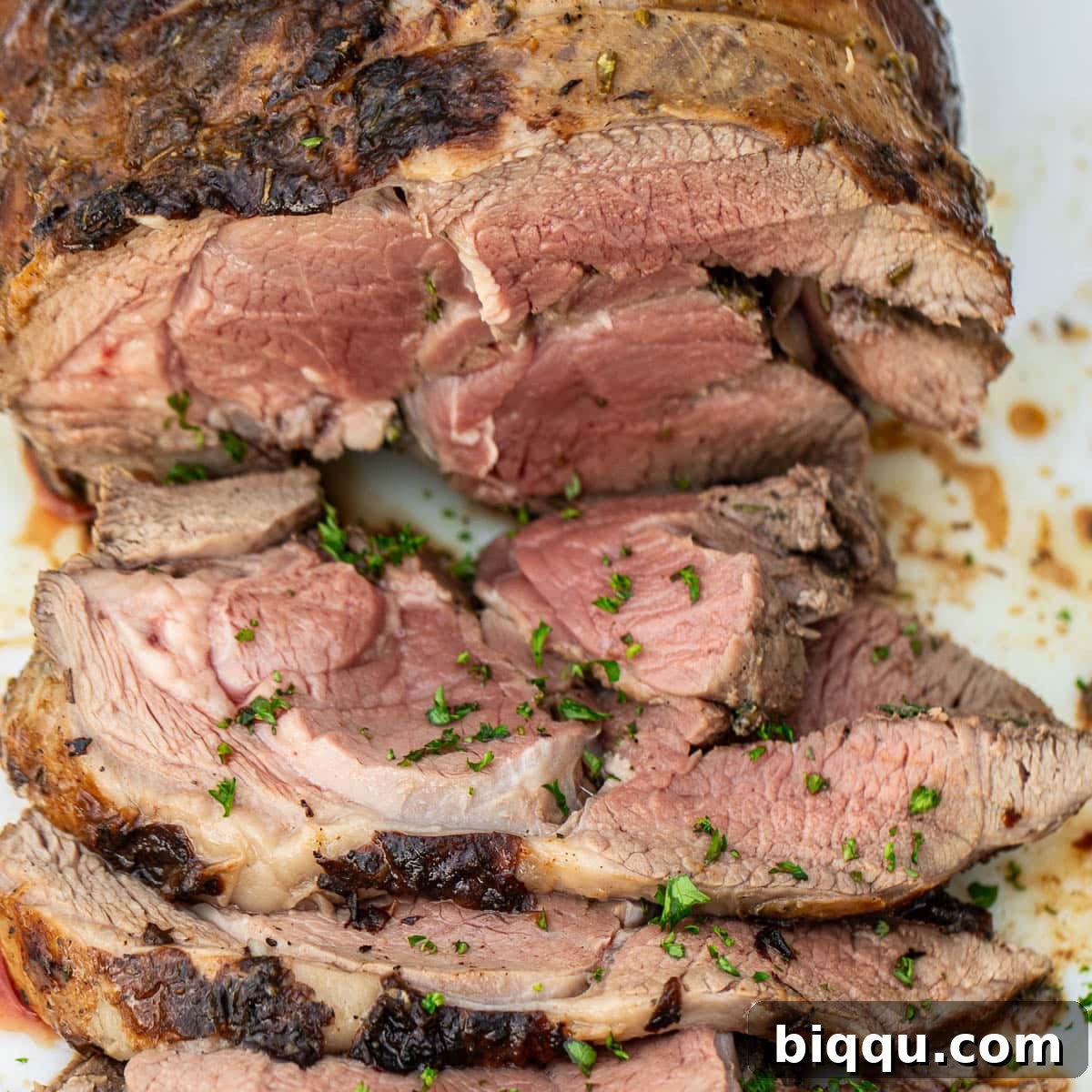
Roasted Boneless Leg of Lamb: An Elegant Centerpiece for Any Occasion
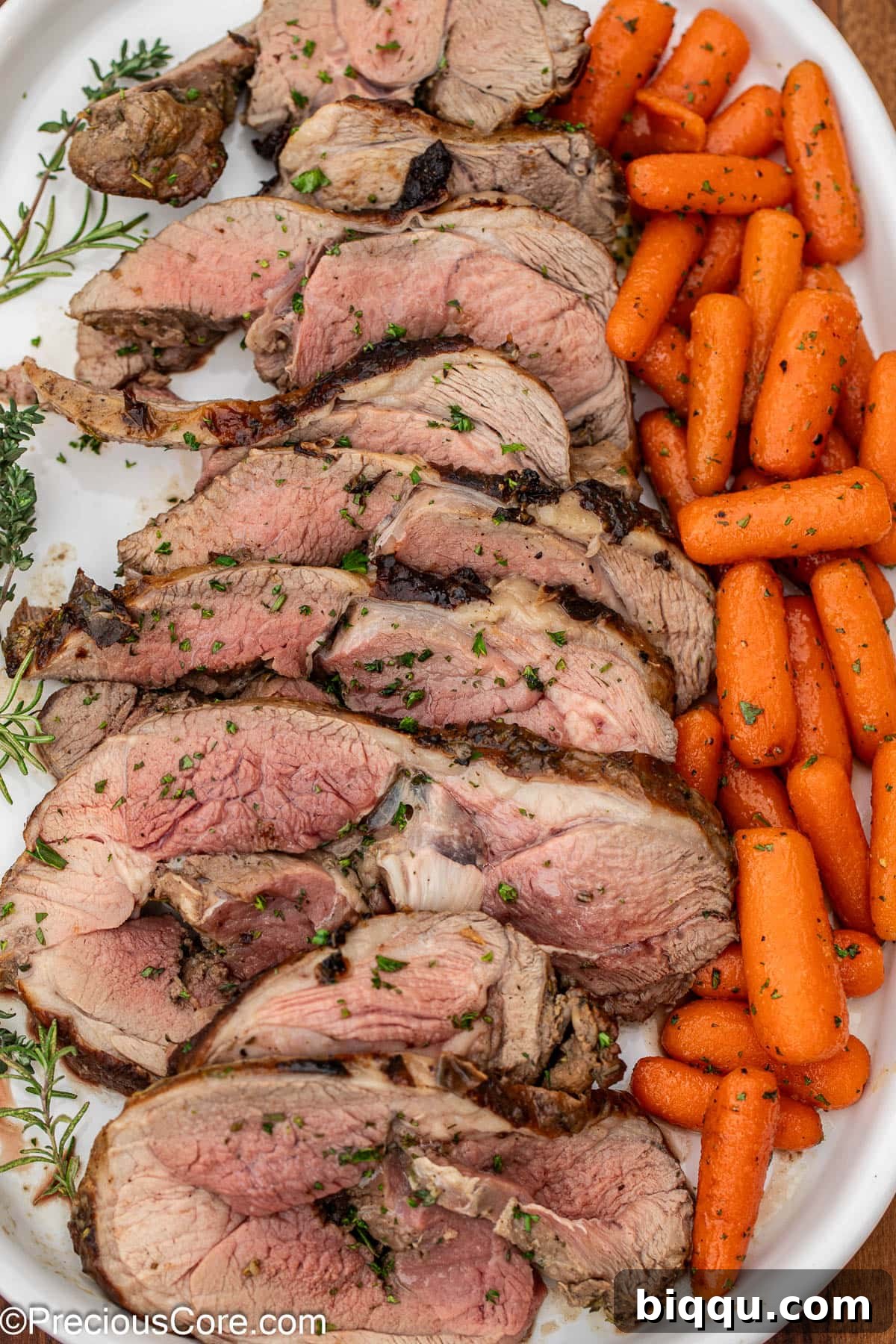
Elevate your next special gathering with a truly magnificent main course: a perfectly Roasted Boneless Leg of Lamb. This impressive dish, infused with aromatic fresh herbs, pungent minced garlic, and bright lemon juice, yields an exceptionally succulent and tender roast. It’s an ideal choice for festive holiday feasts such as Christmas or Easter dinner, or any momentous occasion where you want to dazzle your guests with culinary excellence.
A leg of lamb, when prepared thoughtfully, offers a rich and distinctive flavor that is both robust and refined. Its tender texture and savory notes make it a beloved choice for celebrations worldwide. This particular recipe focuses on a boneless cut, simplifying the carving process and allowing for deeper flavor penetration from a luscious marinade, ensuring every bite is a memorable one.
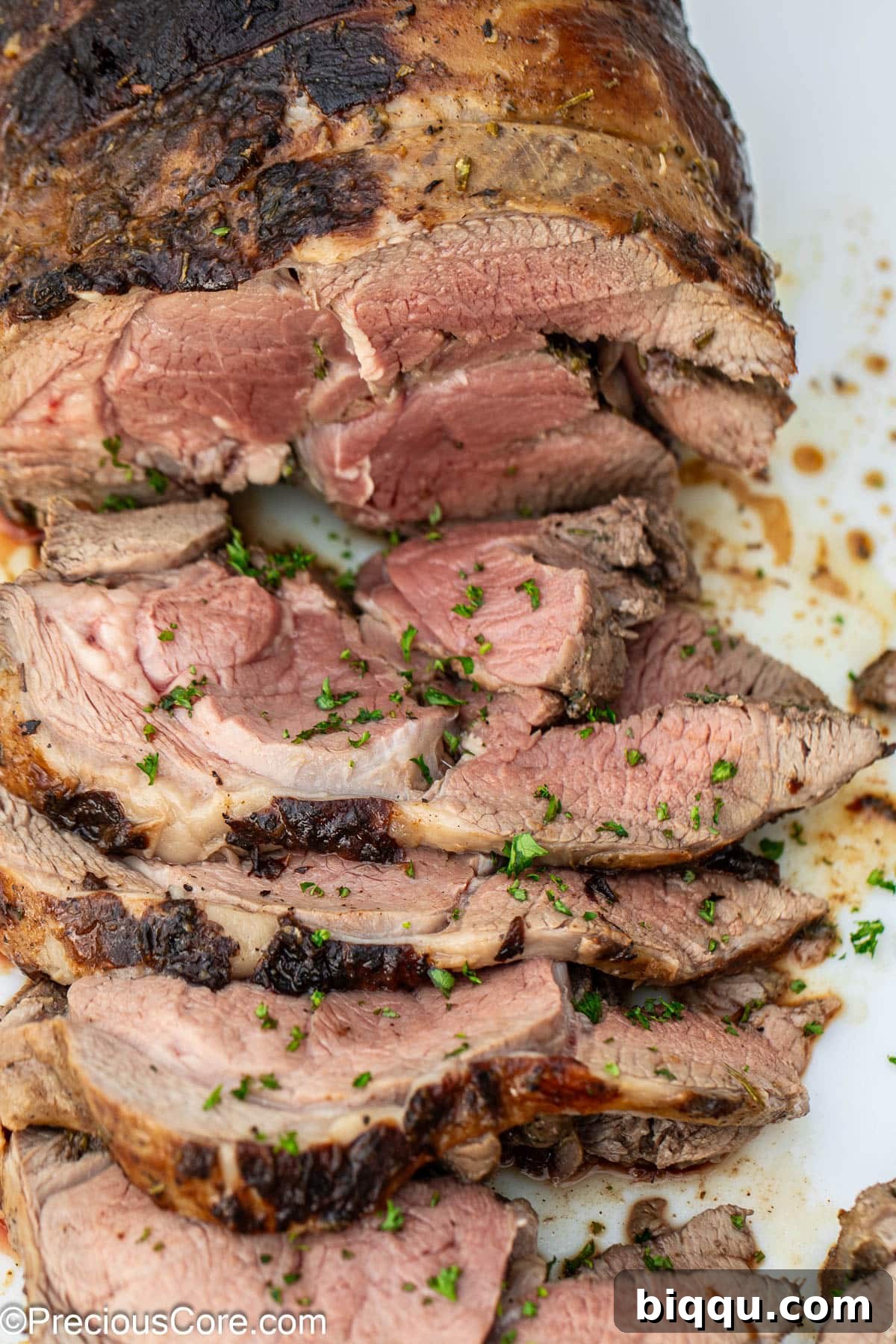
This rich and tender leg of lamb is destined to be the culinary centerpiece at any dinner party or festive celebration, from Easter and Christmas to Valentine’s Day. Its exquisite flavor profile pairs wonderfully with a variety of classic side dishes. Consider serving it alongside creamy Rosemary Garlic Mashed Potatoes or vibrant Sautéed Vegetables for a balanced, hearty, and utterly satisfying meal that will leave a lasting impression.
If you’re eager to explore more mouth-watering lamb preparations, be sure to check out our popular recipe for Pan Seared Lamb Chops, offering another delightful way to enjoy this versatile meat.
Table of Contents
- Boneless Leg of Lamb Recipe Overview
- Why This Roasted Lamb Recipe Will Be Your New Favorite
- Essential Ingredients for Your Lamb Roast
- Step-by-Step Guide: How to Roast Boneless Leg of Lamb
- Substitutions and Flavor Variations
- Leg of Lamb Cooking Temperature Guide
- Expert Tips for a Perfect Roasted Boneless Leg of Lamb
- Frequently Asked Questions About Roasting Lamb
- Serving Suggestions for Your Lamb Feast
- More Delicious Recipes to Try
- Complete Roasted Boneless Leg of Lamb Recipe
Boneless Leg of Lamb Recipe Overview
Cooking a large cut of meat, especially something as grand as a leg of lamb, might seem daunting at first. However, fear not! This recipe breaks down the process into incredibly easy-to-follow steps, making it accessible even for novice cooks who are just starting their culinary journey. We’ve designed it to build your confidence and ensure a successful, delicious outcome.
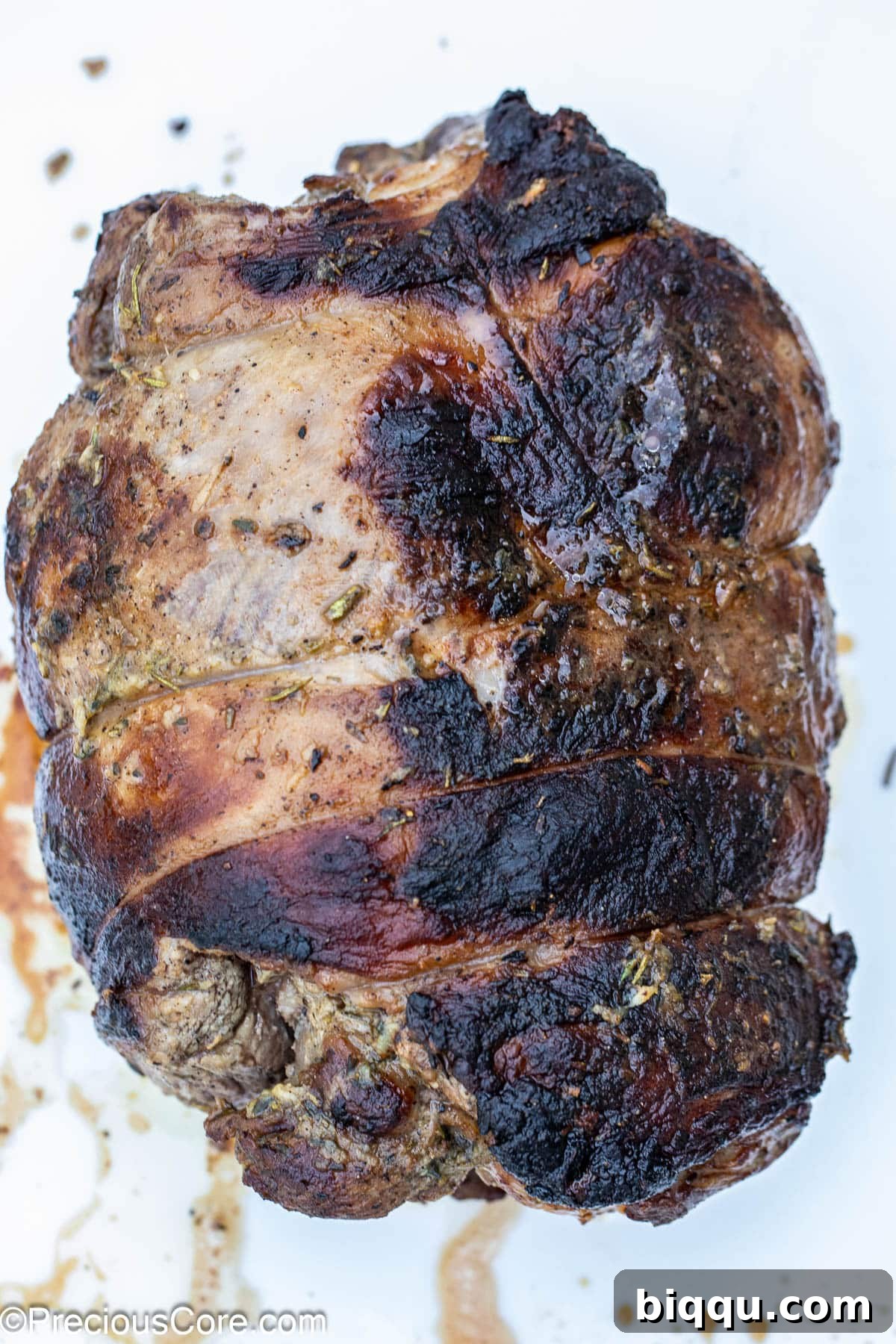
A key technique in this boneless leg of lamb recipe involves searing the meat in a cast-iron skillet before it goes into the oven. This crucial step achieves a beautiful, deep golden-brown crust on the exterior, which not only enhances the visual appeal but also seals in those precious juices, resulting in a supremely flavorful and moist roast. This initial sear adds an extra layer of complexity to the lamb’s taste, creating a truly unforgettable dining experience.
Why This Roasted Lamb Recipe Will Be Your New Favorite
- Minimal Hands-On Time: Despite its impressive appearance, this easy lamb roast recipe demands very little active preparation time. The most time-consuming part of the process is patiently marinating the meat, which can be done ahead of time. The actual cooking steps are straightforward, leaving you more time to enjoy your guests or relax.
- Stunning Presentation: If your goal is to impress family and friends, this recipe is an absolute winner. Crafted with a simple yet powerful list of ingredients, it consistently produces an elegant, generously sized roast that looks spectacular on any holiday table or at intimate gatherings. It’s a true showstopper without requiring advanced culinary skills.
- Incredibly Versatile: This succulent roast is remarkably adaptable and pairs beautifully with an extensive range of side dishes, offering endless opportunities for culinary creativity. You can serve it with anything from tender buttered leeks or sweet glazed carrots to a crisp mixed green salad. Furthermore, any delicious leftover lamb can be transformed into tantalizing tacos, gourmet sandwiches, savory wraps, or even a hearty lamb stew, ensuring nothing goes to waste.
- Deep, Complex Flavors: The thoughtful combination of fresh herbs, zesty lemon, pungent garlic, and savory mustard creates a marinade that penetrates deeply into the boneless lamb. This infuses the meat with layers of complex flavors that are both vibrant and comforting, making each bite an experience in exquisite taste.
- Effortless Carving: Opting for a boneless leg of lamb significantly simplifies the carving process. Without a bone to contend with, slicing uniform, beautiful portions is quick and easy, making serving a breeze and ensuring everyone gets a perfect piece.
Essential Ingredients for Your Lamb Roast
To craft this noteworthy and exceptionally flavorful entree, you’ll only need a handful of carefully selected, simple ingredients. The quality of these components truly makes all the difference in the final taste of your roasted boneless leg of lamb.
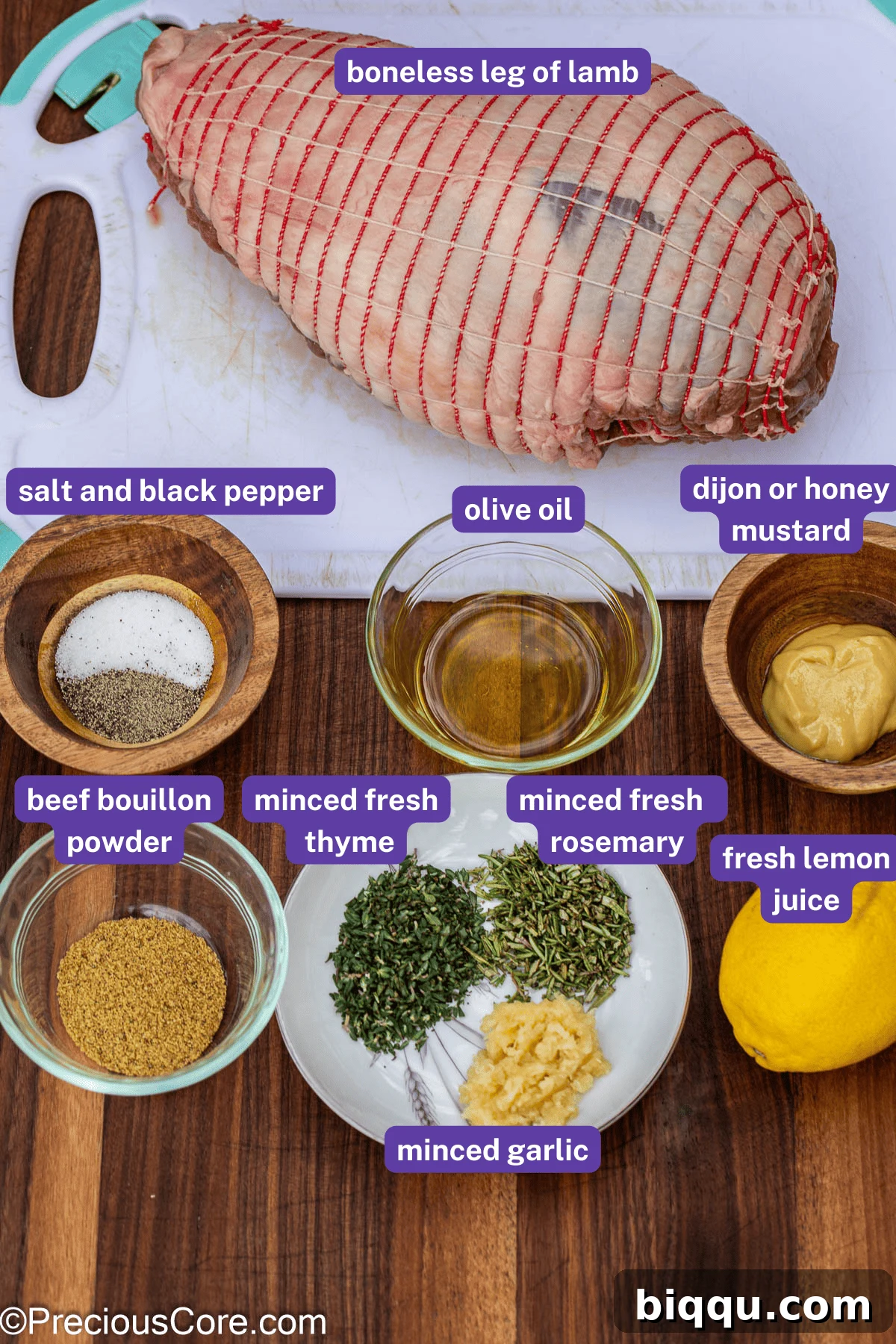
- Boneless Leg of Lamb: Typically weighing between 4-7 pounds, a boneless leg of lamb is a fantastic choice for roasting. Its lack of bone allows for a faster cooking time compared to a traditional bone-in roast. When butterflied, it creates a larger, flatter surface area, maximizing the potential for sophisticated flavor as the marinade can penetrate more deeply and evenly. You can easily find boneless legs of lamb at most grocery stores or ask your butcher to debone and butterfly one for you.
- Fresh Rosemary and Thyme: These delicate and highly fragrant Mediterranean herbs are the quintessential companions to lamb. Their earthy, slightly piney notes beautifully enhance the meat’s natural richness and add significant depth of flavor. Always opt for fresh herbs over dried for the most vibrant aroma and taste.
- Lemon Juice: This essential acidic component plays a dual role: it tenderizes the meat, allowing for better absorption of the savory marinade, and introduces a wonderful sense of lightness and brightness to the overall dish, cutting through the richness of the lamb. For an even more pronounced citrusy aroma, consider adding a touch of lemon zest to your marinade.
- Fresh Garlic: The difference between fresh garlic cloves and dried garlic powder is profound. Using freshly minced garlic provides a robust, pungent, and pleasant umami kick that is simply irreplaceable, contributing greatly to the savory depth of the roast.
- Mustard: Whether you choose honey mustard for a touch of sweetness or Dijon mustard for a sharper, more piquant note, this tangy ingredient provides a delightful contrast to the sweet herbs and bright lemon juice. It helps to achieve a perfectly balanced flavor profile and also aids in creating a beautiful crust during searing.
- Olive Oil: A good quality olive oil acts as the base for our marinade, helping to emulsify the flavors and carry them into the lamb. It also facilitates the searing process, contributing to that desirable golden-brown crust.
- Salt and Black Pepper: These foundational seasonings are crucial for bringing out the natural flavors of the lamb. Use freshly ground black pepper for the best aroma.
- Beef Bouillon Powder (Optional but Recommended): A small amount of beef bouillon powder can significantly deepen the savory, umami notes in your marinade, adding an extra layer of richness that complements the lamb beautifully.
Ensure you have these simple staples on hand, and you’re well on your way to a truly remarkable meal. For precise quantities, refer to the full recipe card below.
Step-by-Step Guide: How to Roast Boneless Leg Of Lamb
Even if this is your very first time preparing a lamb roast, you can confidently nail this recipe. The following steps, accompanied by helpful photos, will guide you through making a stunning Roasted Boneless Leg of Lamb:
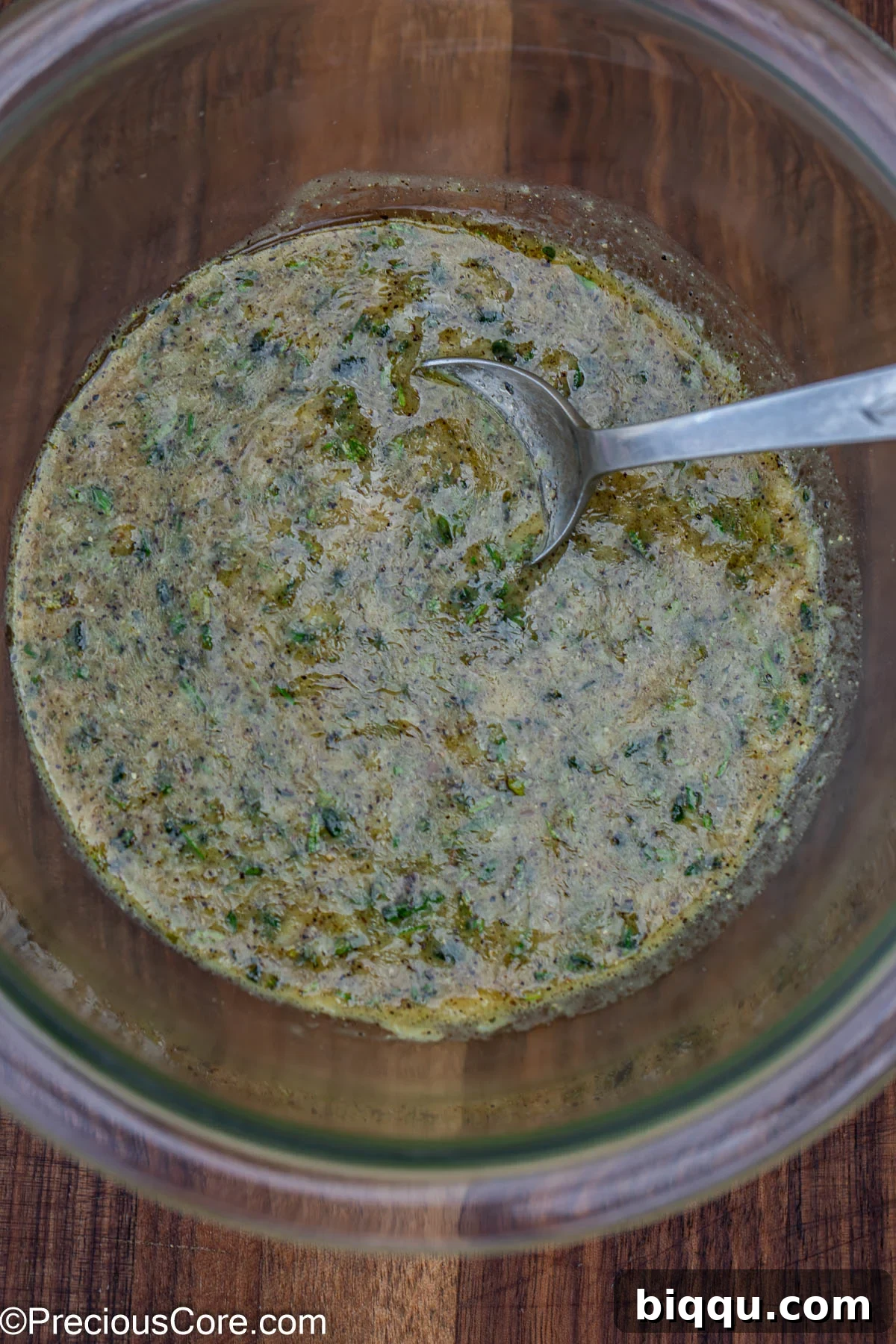
- Prepare the Aromatic Marinade: In a medium-sized mixing bowl, thoroughly combine all the marinade ingredients: lemon juice, olive oil, your choice of honey or Dijon mustard, minced garlic, fresh rosemary, fresh thyme, salt, black pepper, and beef bouillon powder (if using). Whisk everything together until you have a well-emulsified and fragrant mixture. This marinade is the secret to our lamb’s incredible flavor.
- Butterfly and Marinate the Lamb: Carefully butterfly your boneless leg of lamb so it opens flat, exposing more surface area. Evenly rub about two-thirds of your prepared marinade over the interior surface of the butterflied lamb. This allows the flavors to deeply penetrate the meat from within. Then, starting from one of the shorter sides, tightly roll the lamb into a compact log. Secure the rolled lamb firmly with kitchen twine, tying it at 1 to 2-inch intervals to maintain its shape during cooking. Finally, brush the remaining marinade (reserving one tablespoon for later basting) generously over the entire exterior of the tied lamb.
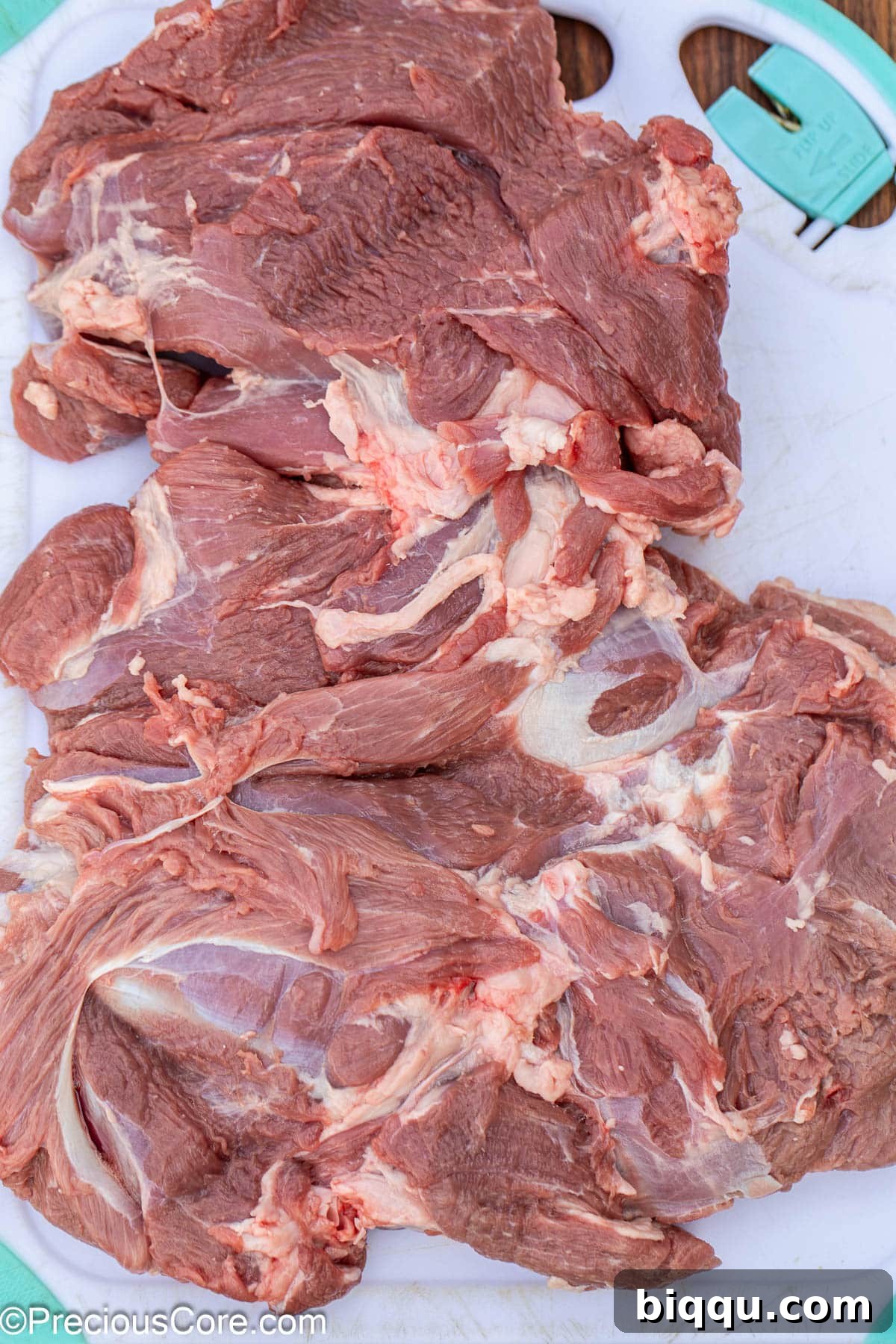
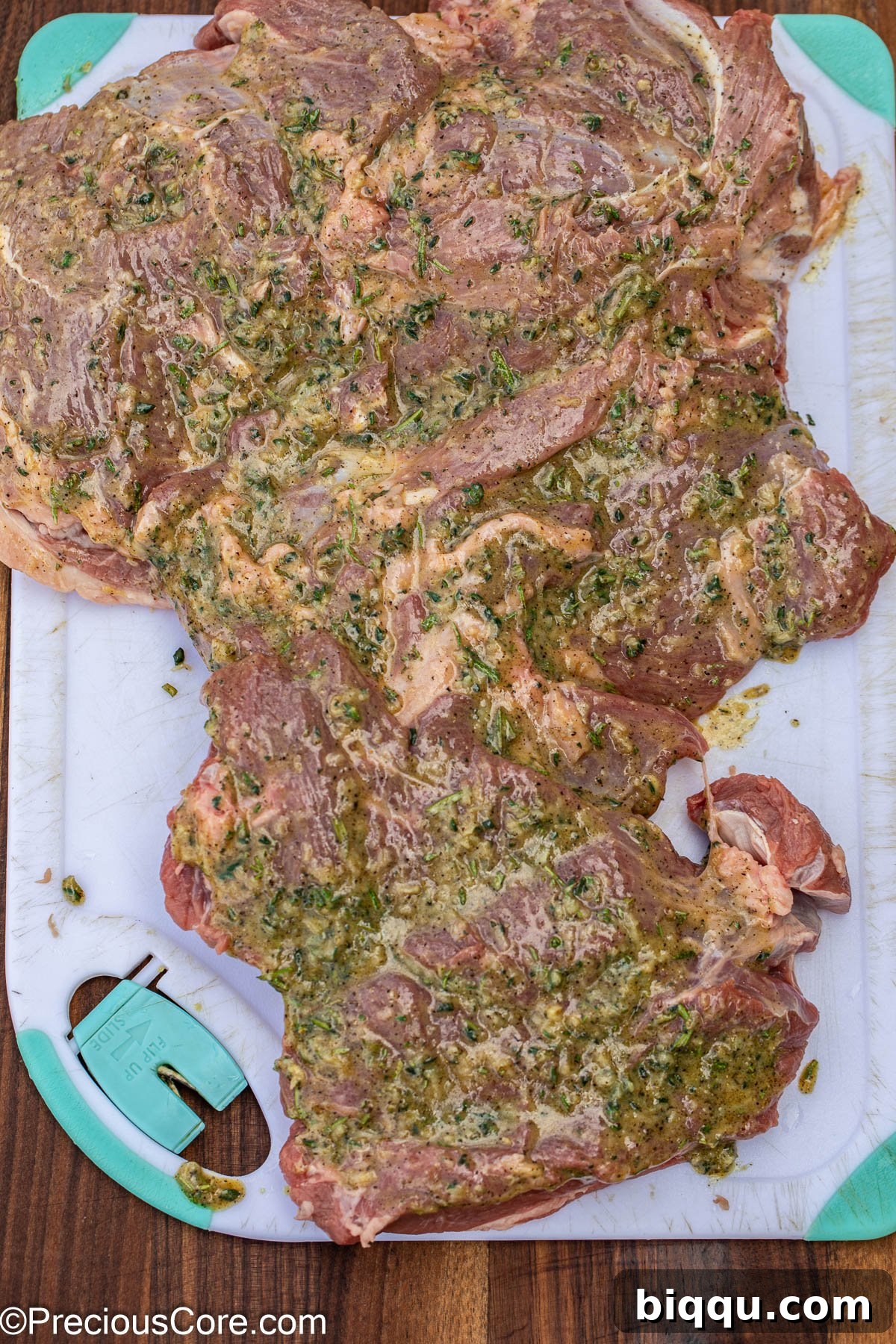
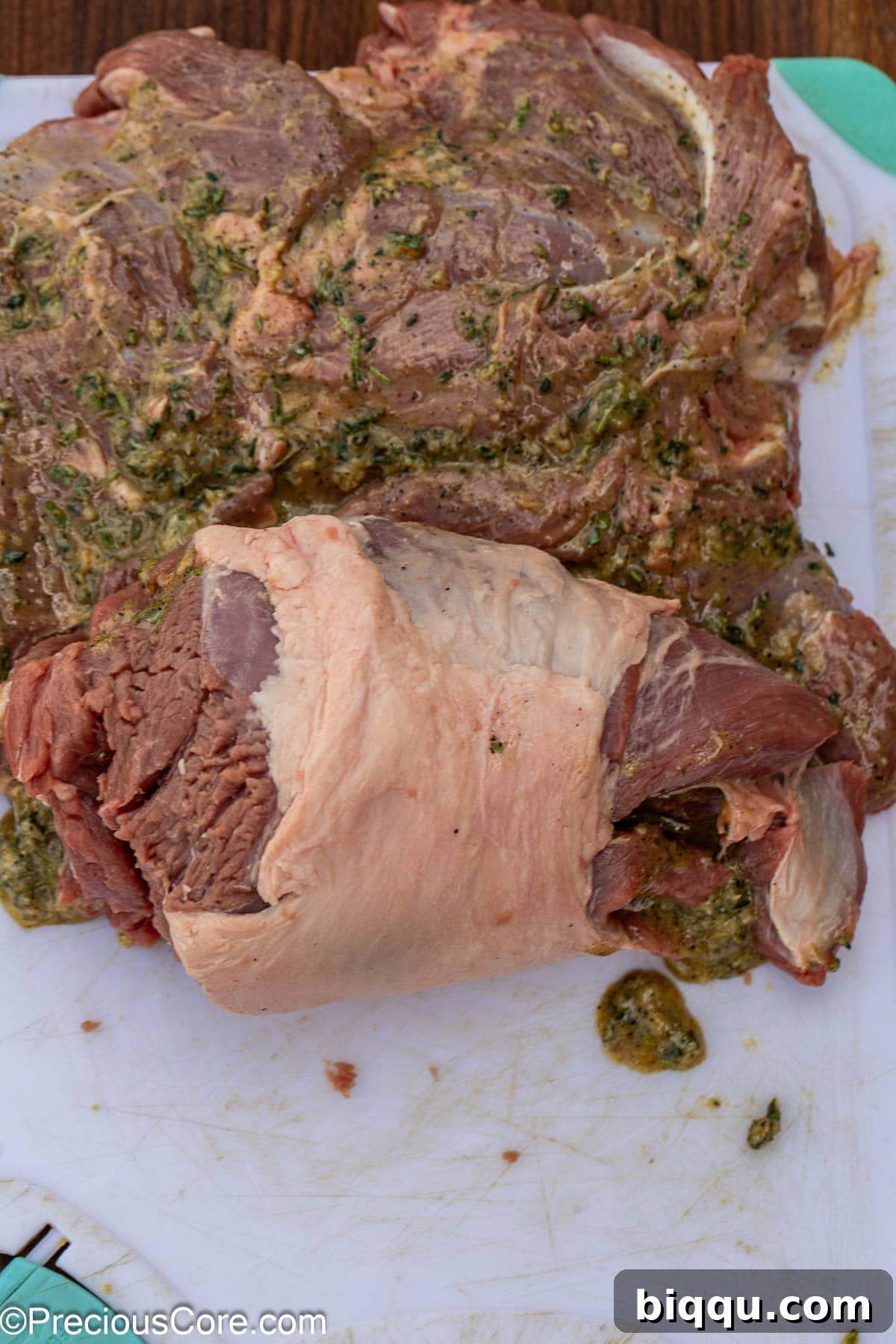
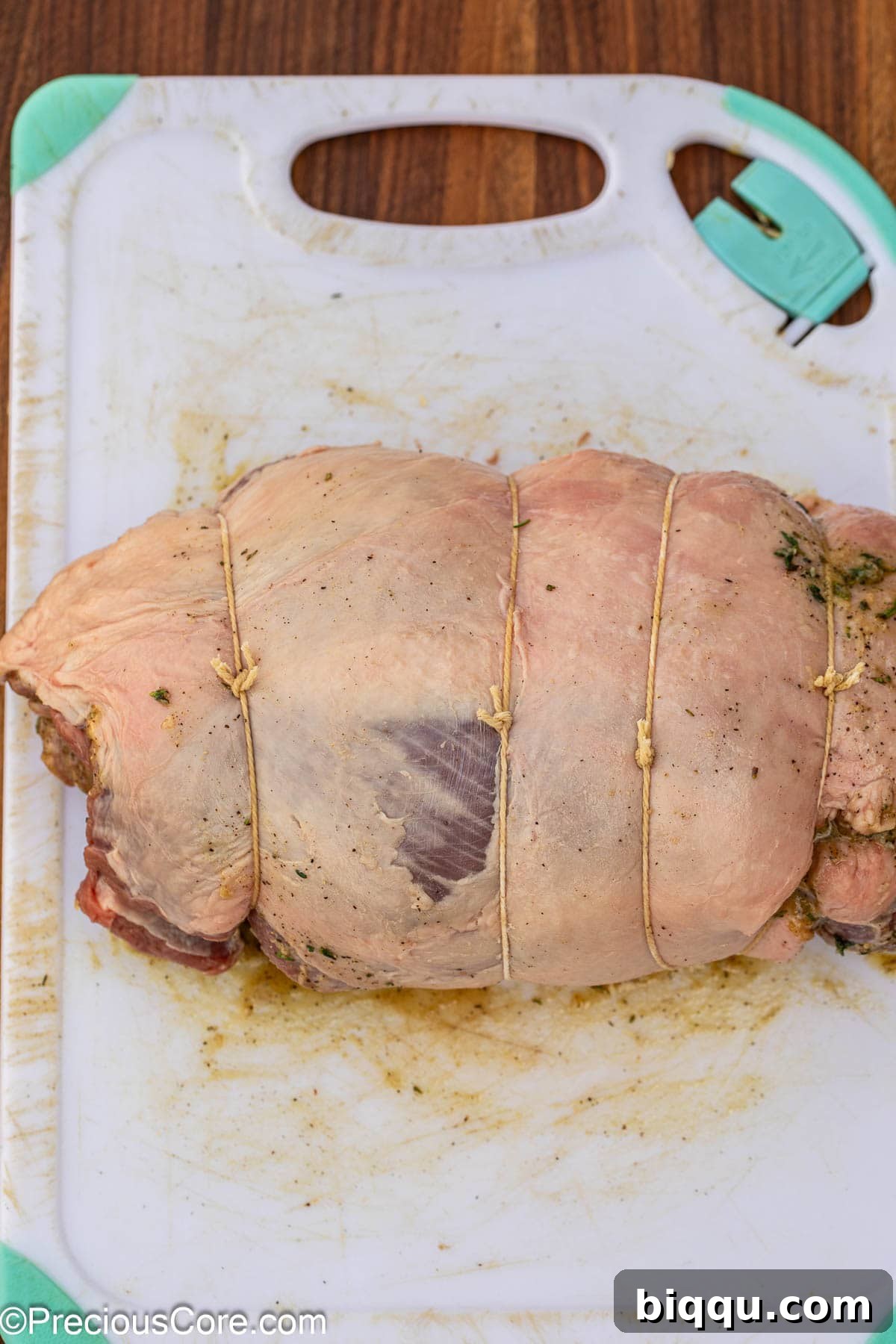
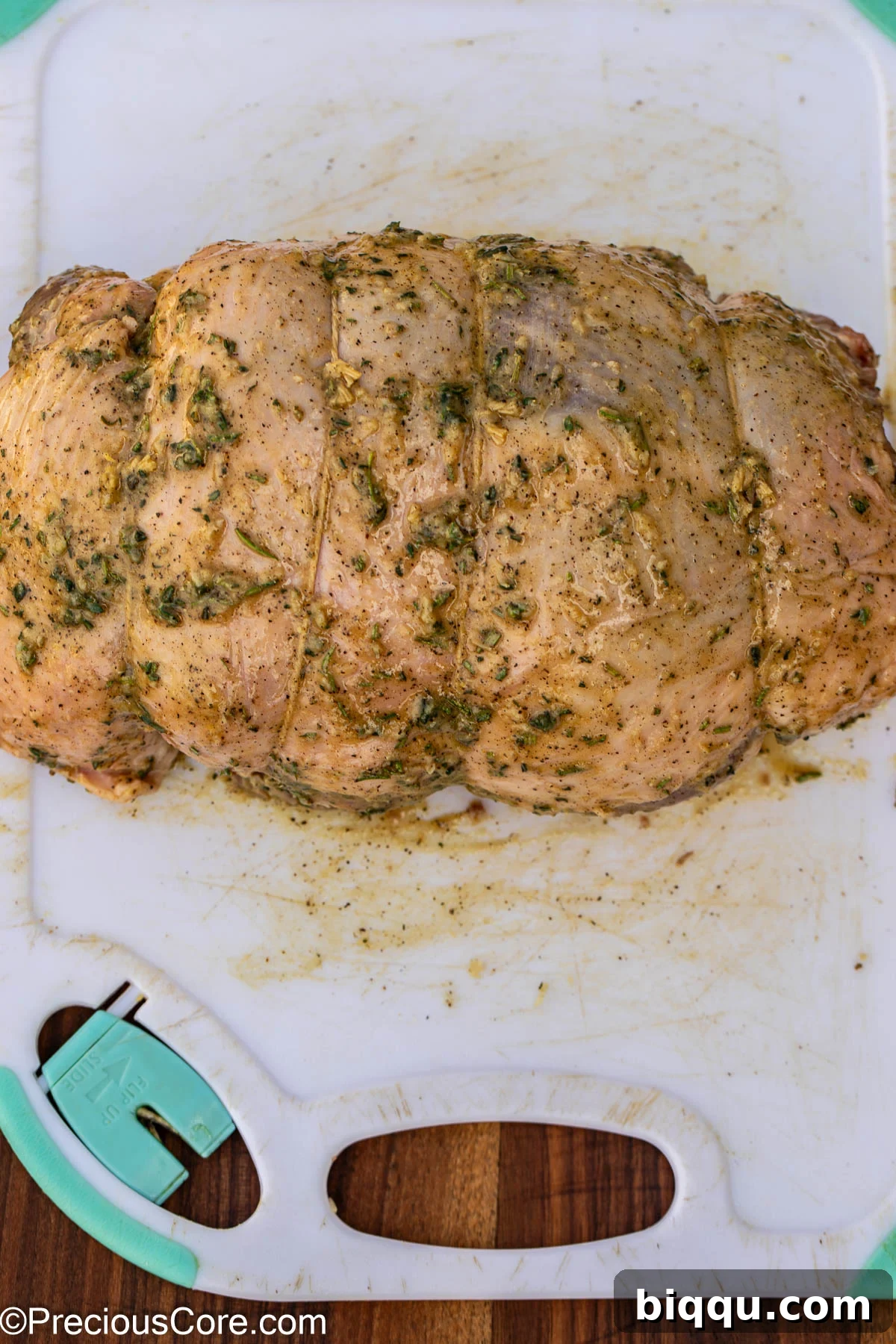
Pro Tip for Butterflying: To butterfly a leg of lamb effectively, make a deep, lengthwise cut along the side of the meat, being careful not to cut all the way through, allowing it to open up like a book. This method significantly speeds up cooking time and ensures a more even absorption of seasonings and marinades across the entire surface.
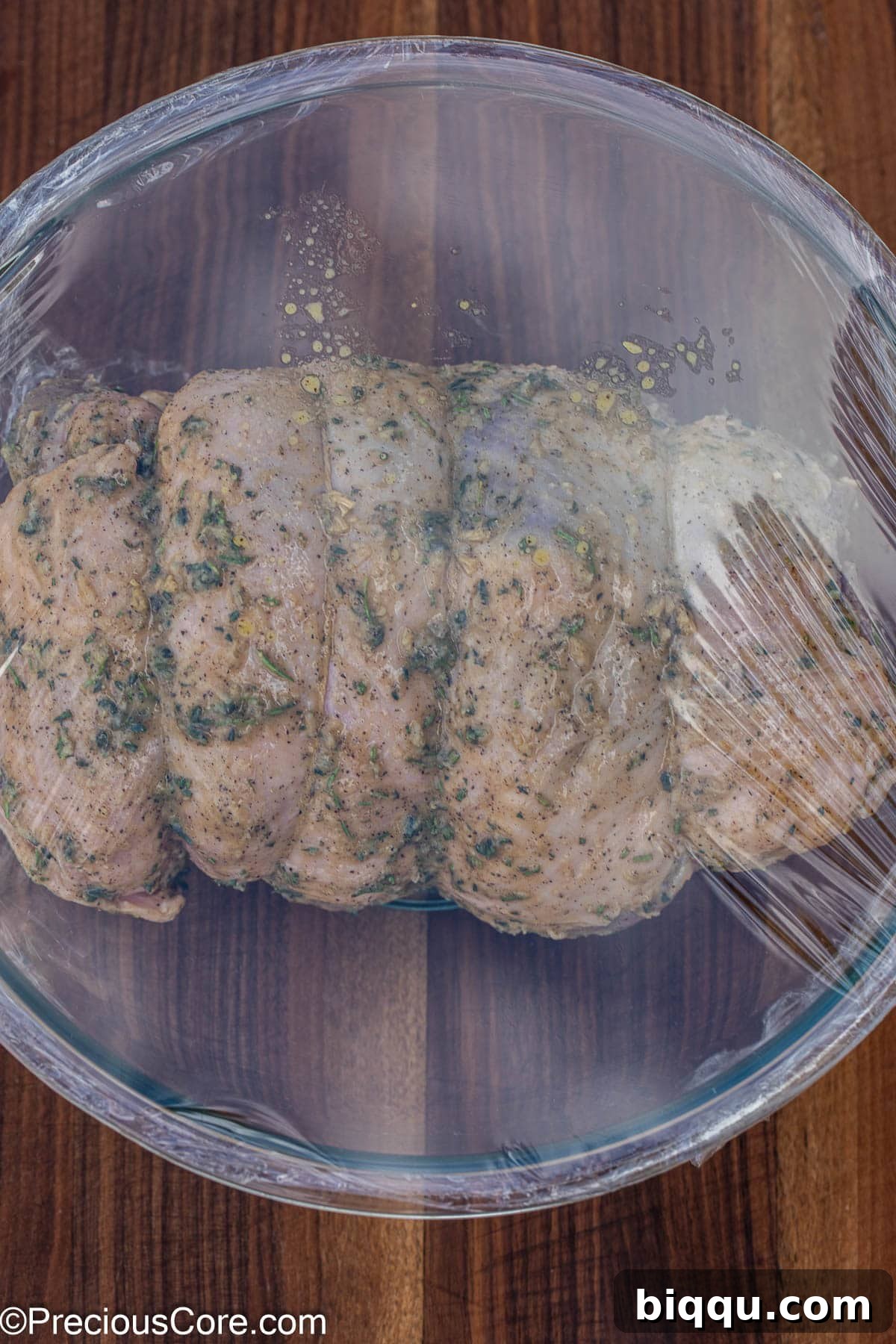
- Marinate for Maximum Flavor: Transfer the seasoned and tied lamb log to a large mixing bowl. Cover the bowl tightly with plastic wrap, ensuring no air can escape. Refrigerate the meat to marinate for at least 2 hours, but for the most profound flavor, ideally allow it to marinate overnight (8-12 hours). This extended marination time allows the herbs, garlic, and lemon to truly infuse the lamb.
- Bring to Room Temperature and Preheat Oven: Approximately one hour before you plan to cook, remove the lamb from the refrigerator. Allowing it to come closer to room temperature ensures more even cooking. In the meantime, preheat your oven to 350°F (180°C).
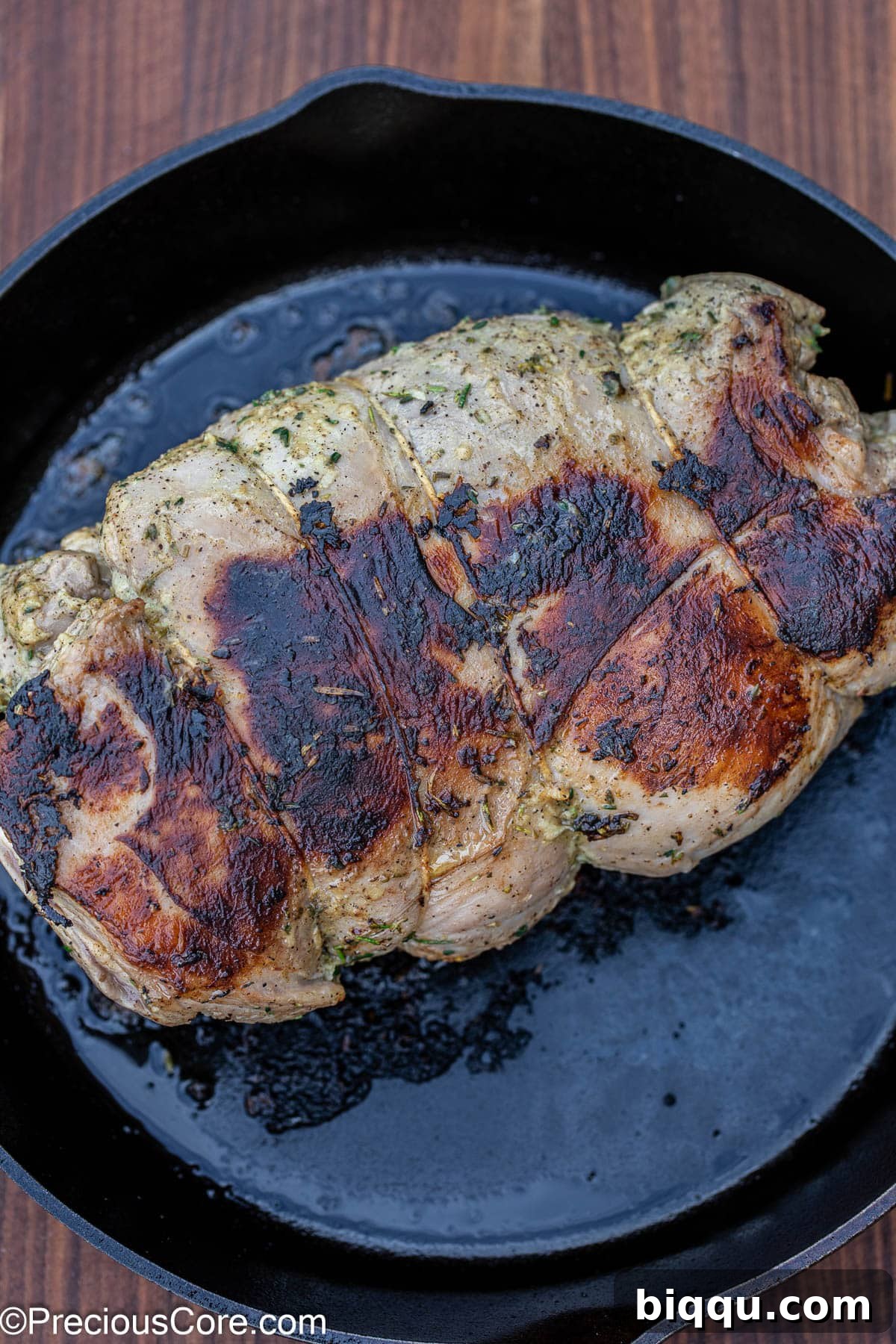
- Sear the Lamb for a Perfect Crust: Heat a 12-inch oven-safe skillet (a cast iron skillet is highly recommended for its heat retention) over medium-high heat until it begins to lightly smoke. Add one tablespoon of olive oil for searing. Carefully place the lamb into the hot skillet and sear for approximately 4 minutes per side, rotating to achieve a deep, golden-brown crust on all exposed surfaces. Use tongs to lift and support the lamb to sear its shorter sides as well, for 3-4 minutes each. This searing step is vital for locking in juices and developing a rich, savory exterior.
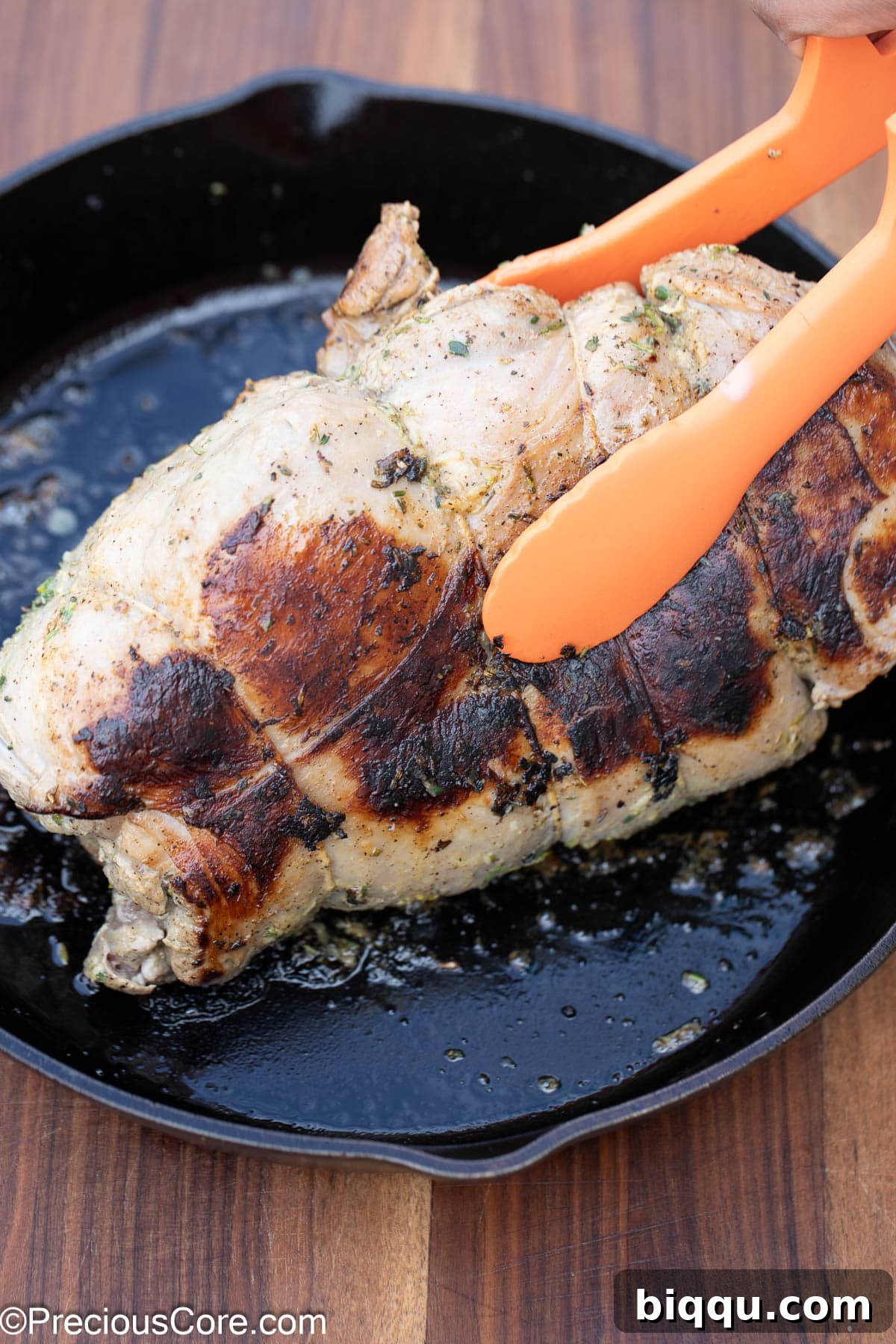
- Roast to Desired Doneness: Once seared, loosely cover the skillet with aluminum foil and transfer it to your preheated oven. Alternatively, you can transfer the seared lamb to a roasting pan. Roast for 30 minutes. After the initial 20 minutes, remove the foil and continue roasting uncovered for an additional 10 minutes, or until your desired internal temperature is reached. Consult our detailed “Leg of Lamb Cooking Temperature Guide” below for recommended doneness levels. Always use an instant-read meat thermometer inserted into the thickest part of the meat to accurately check for doneness.
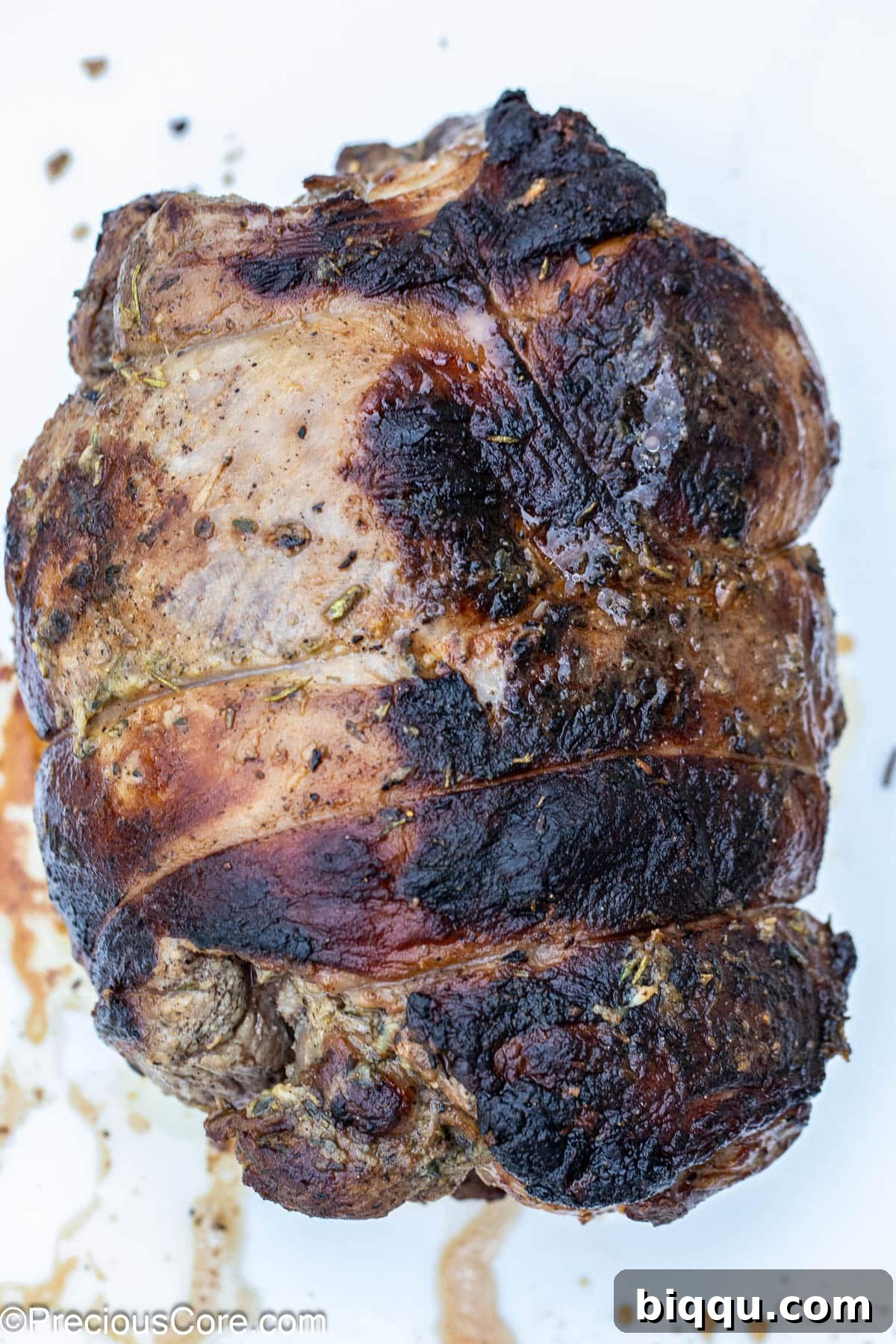
The Golden Rule of Roasting: Rest Your Meat! Once the lamb has reached your desired internal temperature, it is absolutely crucial to let it rest for 10 to 15 minutes before carving. Tent it loosely with foil. This resting period allows the muscle fibers to relax and reabsorb the flavorful juices, resulting in a supremely tender, moist, and delicious roast. Skipping this step often leads to dry meat.
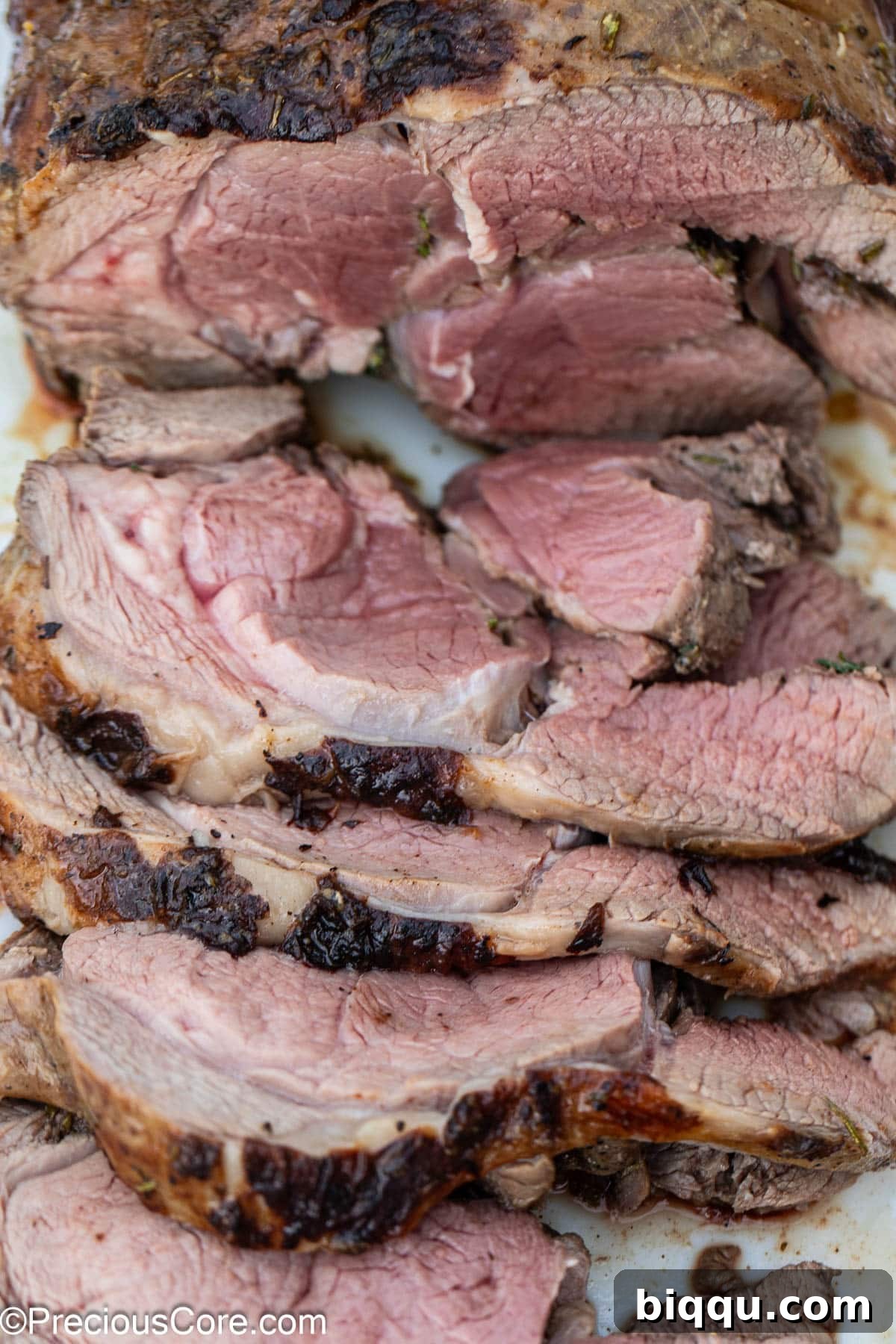
- Carve and Serve: After the resting period, remove the kitchen twine from the lamb. Using a sharp carving knife, slice the lamb against the grain into desired thickness. Serve immediately and enjoy the fruits of your labor!
Substitutions and Flavor Variations
This roasted boneless leg of lamb recipe is wonderfully adaptable, allowing you to tailor it to your preferences or what you have available:
- Bone-In Leg of Lamb: While this recipe focuses on a boneless cut for convenience and faster cooking, you can certainly use a bone-in leg of lamb instead. Just be aware that a bone-in roast will require a longer cooking time. Always rely on an accurate meat thermometer to determine doneness, rather than simply following time guidelines, as bone-in cuts cook differently.
- Make it Spicy: For those who love a bit of heat, incorporating a fiery kick is incredibly simple. You can easily add a teaspoon or two of cayenne pepper, a generous pinch of crushed red pepper flakes, or a smoky chili powder to your marinade blend. Adjust the quantity to match your preferred level of spice.
- Transform it into a One-Pan Meal: To create an aromatic and flavorful dinner with minimal cleanup, consider turning this into a one-pan meal. After searing the lamb, add quick-cooking vegetables such as quartered potatoes, carrots, or asparagus directly to the pan (or roasting dish) around the lamb. They will roast alongside the meat, absorbing its delicious juices and creating a complete meal in one go.
- Herb Variations: Don’t limit yourself to just rosemary and thyme! Other herbs like oregano, mint (a classic lamb pairing), or even a touch of marjoram can add wonderful dimensions to your marinade. Experiment to find your favorite blend.
- Citrus Alternatives: If lemons aren’t available, lime juice can provide a similar acidic tenderizing effect and bright flavor. Orange juice or even a splash of red wine can also add interesting notes to the marinade.
Leg of Lamb Cooking Temperature Guide
Achieving your preferred level of doneness for lamb is key to an enjoyable meal. Using an instant-read meat thermometer is the most reliable way to ensure perfect results every time. Remember to insert the thermometer into the thickest part of the meat, avoiding any bone if using a bone-in cut. It’s often a good idea to check a few different spots to ensure an accurate reading!
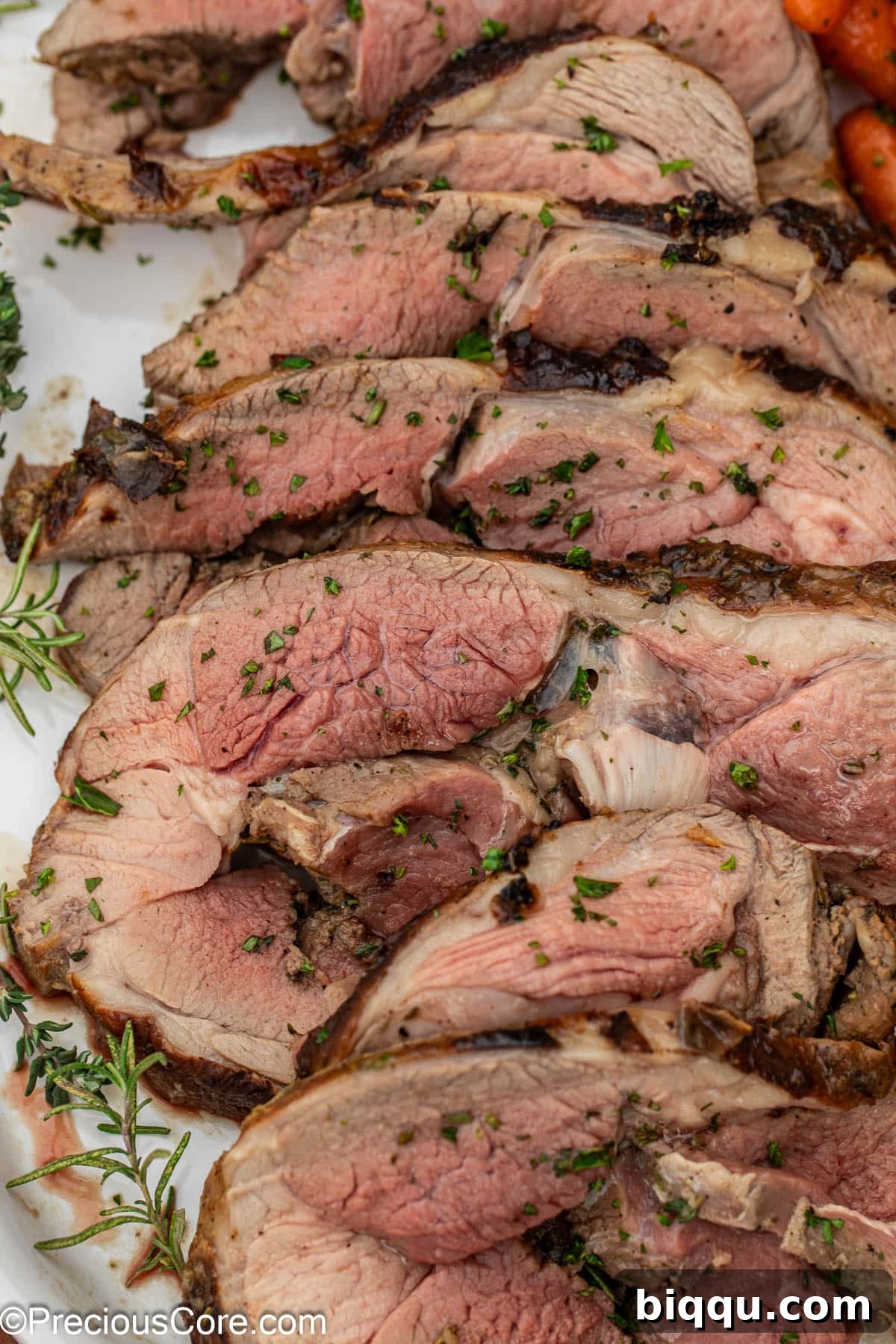
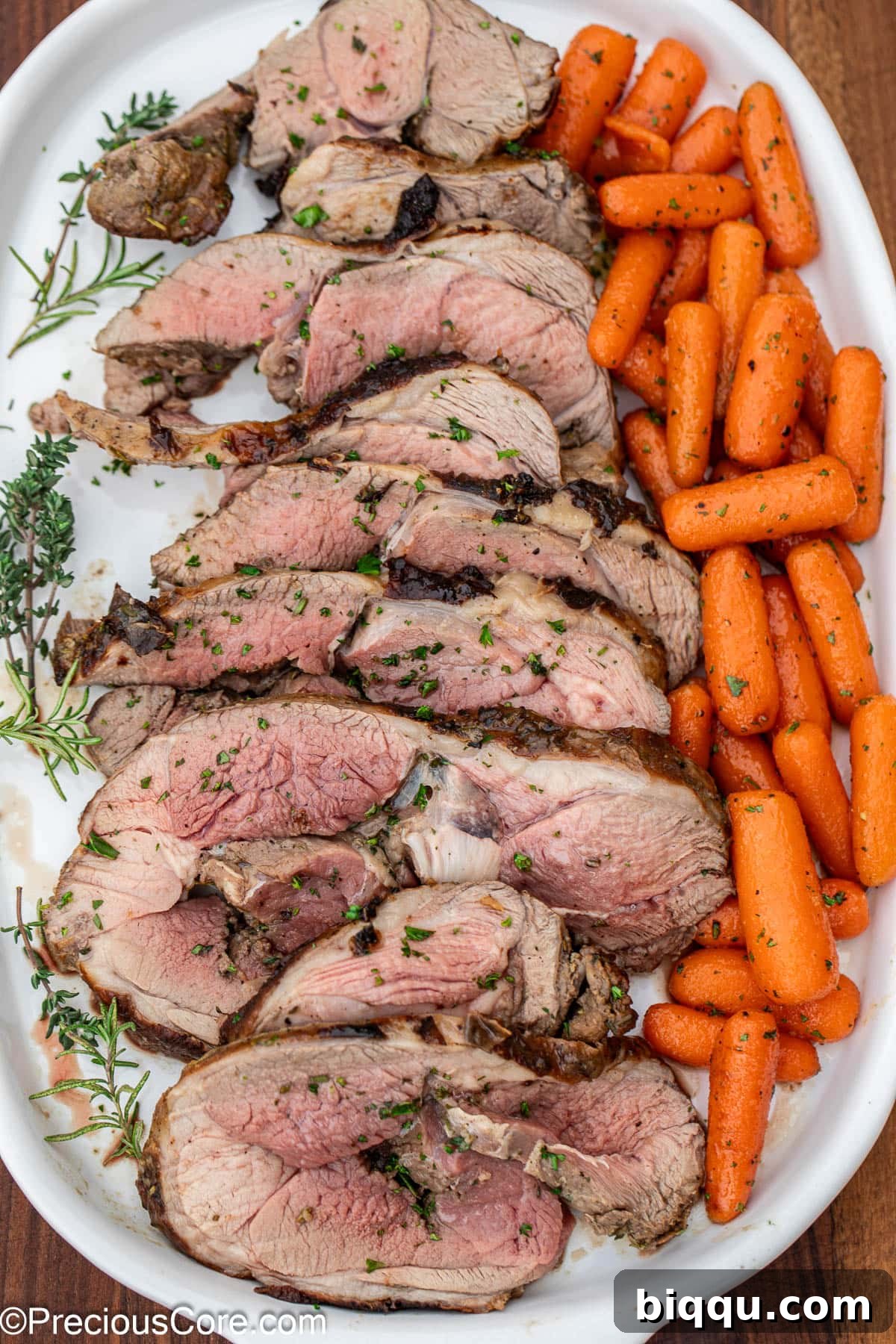
- Rare: Aim for an internal temperature of 125°F (51.6°C). At this stage, the center of the lamb will be a vibrant red, gradually transitioning to a rich pinkish hue towards the outer edges of the meat. It will be incredibly tender and juicy.
- Medium-Rare: For medium-rare, target a temperature between 130°F (54.4°C) to 135°F (57.2°C). The center will present as a beautiful pink, with the color subtly shifting towards a light brown as it reaches the exterior portion of the roast. This is often considered the ideal doneness for lamb, balancing tenderness with flavor.
- Medium: If you prefer medium doneness, cook until the thermometer reads 135°F (57.2°C) to 140°F (60°C). Medium lamb will have a lighter pink center, noticeably less red than medium-rare, and a more uniformly brown exterior. The texture remains tender and moist.
- Medium-Well: For medium-well, you’ll be looking for a temperature between 150°F (65.5°C) to 155°F (68.3°C). At this stage, you will see almost no pink remaining in the meat; it will be predominantly light brown throughout.
- Well-Done: To achieve well-done lamb, cook until the internal temperature reaches 155°F (68.3°C) to 165°F (73.8°C). Well-done lamb will be uniformly brown both inside and out, with a firmer texture.
Crucial Carryover Cooking Note: It is essential to remember that large cuts of meat, like a leg of lamb, will continue to cook for a short period after they are removed from the oven. This phenomenon is known as “carryover cooking,” and the internal temperature can rise by an additional 5-10°F (3-6°C).
Therefore, to achieve your perfect desired level of doneness, we highly recommend removing the lamb from the oven when its internal temperature is slightly lower (about 5°F or 3°C) than your target temperature. This foresight will help you reach the ideal tenderness and juiciness without overcooking.
Expert Tips For a Perfect Roasted Boneless Leg of Lamb
To ensure your roasted boneless leg of lamb turns out perfectly tender, juicy, and bursting with flavor every single time, keep these expert tips in mind:
- Always Use a Meat Thermometer: This is arguably the most critical tool for roasting large cuts of meat. Relying solely on visual cues or cooking time can easily lead to an undercooked or, more commonly, overcooked roast. An instant-read meat thermometer provides an accurate internal temperature, guaranteeing your lamb reaches your preferred doneness precisely. Invest in a good quality one – it’s a game-changer!
- Select the Right Cookware: For convenience and optimal results, use an oven-safe skillet or a braiser, ideally made of cast iron. These materials retain heat exceptionally well, which is perfect for searing, and can transfer directly from the stovetop to the oven. This minimizes dirty dishes and ensures a continuous cooking process, contributing to a better crust and juicier interior. If you don’t have suitable oven-safe cookware, you’ll need to transfer the seared lamb to a roasting pan before baking.
- Allow Ample Resting Time: As highlighted previously, letting the leg of lamb rest for 10 to 15 minutes (loosely tented with foil) after removing it from the oven is non-negotiable. This crucial step allows the meat fibers to relax and redistribute the internal juices evenly throughout the roast. The result is maximum tenderness, unparalleled juiciness, and a more flavorful slice. Patience is truly a virtue here!
- Marinate for Flavor Depth: Don’t rush the marination process. While 2 hours is the minimum, an overnight marinade allows the complex flavors of garlic, herbs, and lemon to fully penetrate the lamb, transforming it into a more aromatic and tender masterpiece.
- Pat Dry Before Searing: Before searing, ensure the surface of your lamb is thoroughly patted dry with paper towels. Excess moisture on the surface will steam the meat rather than sear it, preventing the development of that coveted golden-brown, flavorful crust.
Frequently Asked Questions About Roasting Lamb
A boneless leg of lamb is not always butterflied. A boneless cut simply means the bone has been removed. Butterflying takes it a step further by making lengthwise cuts to open the meat up and flatten it, resembling a butterfly. This technique is excellent for faster, more even cooking and allows the marinade to penetrate more deeply. For this recipe, we recommend butterflying. If you’re uncomfortable doing it yourself, most butchers are happy to butterfly a boneless leg of lamb for you.
While searing before roasting isn’t strictly mandatory, it is a highly recommended step that offers several significant benefits. The process of searing the lamb in a hot pan creates a beautiful, deep brown crust (Maillard reaction) that significantly enhances both the flavor and visual presentation of the meat. More importantly, searing helps to “seal” the exterior, locking in the natural juices and ensuring a more succulent and moist interior after roasting. It adds a delicious depth that would otherwise be missed.
Leg of lamb and lamb chops share common characteristics as they both come from the same animal, but they originate from different parts and thus have slight distinctions in taste and texture. The leg of lamb, sourced from the rear legs, is typically leaner due to the frequent use of these muscles. It often has a milder, less “gamey” flavor, making it a good choice for those who are new to lamb or prefer a more subtle taste. When roasted, it can become incredibly tender and juicy, with its flavor deepening beautifully. Lamb chops, usually cut from the rib or loin, tend to have a higher fat content and are smaller, which often contributes to a stronger, more pronounced “gamey” lamb flavor and a rich, buttery texture.
Once your roasted leg of lamb has rested adequately, the best way to slice it is against the grain. Identify the direction of the muscle fibers and cut perpendicular to them. This shortens the fibers, resulting in more tender, easier-to-chew slices. For a boneless, rolled leg of lamb, this usually means slicing across the “log” in even rounds. Use a sharp carving knife for clean cuts.
Serving Suggestions for Your Lamb Feast
A perfectly roasted boneless leg of lamb deserves equally delightful accompaniments. Here are some fantastic side dishes that complement its rich flavors beautifully, creating a complete and unforgettable meal:
Rosemary Garlic Mashed Potatoes
Fried Carrots
Garlic Butter Green Beans
Garlic Herb Rice
More Delicious Recipes To Try
If you loved this Roasted Boneless Leg of Lamb Recipe, you’ll surely enjoy exploring these other hearty and flavorful main courses from our collection:
Pan Seared Ribeye Steaks
Pan Seared Lamb Chops
Pan Seared Boneless Pork Chops
Baked Dry Rub Ribs
If you make this recipe, we would be delighted if you left a star rating below. Your feedback not only helps others discover and enjoy the recipe, but we also love hearing from you! Thank you!
Want to save this recipe for later? Enter your email address below, and we’ll send the full recipe straight to your inbox so you can easily access it whenever you’re ready to cook!
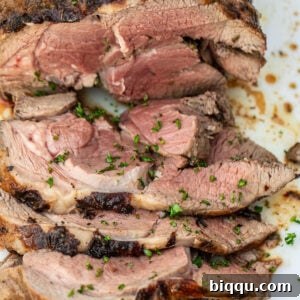
Roasted Boneless Leg of Lamb Recipe
10 mins
30 mins
40 mins
6 servings
Rate This Recipe
Print Recipe
Ingredients
- 4-5 pound boneless leg of lamb
- 2 Tablespoons freshly squeezed lemon juice
- 2 Tablespoons olive oil
- 1 Tablespoon honey mustard or Dijon mustard
- 6 garlic cloves, minced
- 1¼ teaspoons salt
- 1 teaspoon ground black pepper
- 1 Tablespoon fresh minced rosemary
- 1 Tablespoon fresh minced thyme
- 2 teaspoons beef bouillon powder (optional)
- 1 Tablespoon olive oil for searing
Instructions
-
1. Make the Marinade: In a small mixing bowl, combine the lemon juice, 2 tablespoons olive oil, honey mustard or Dijon mustard, salt, black pepper, minced garlic, rosemary, thyme, and beef bouillon powder. Mix until thoroughly combined.
-
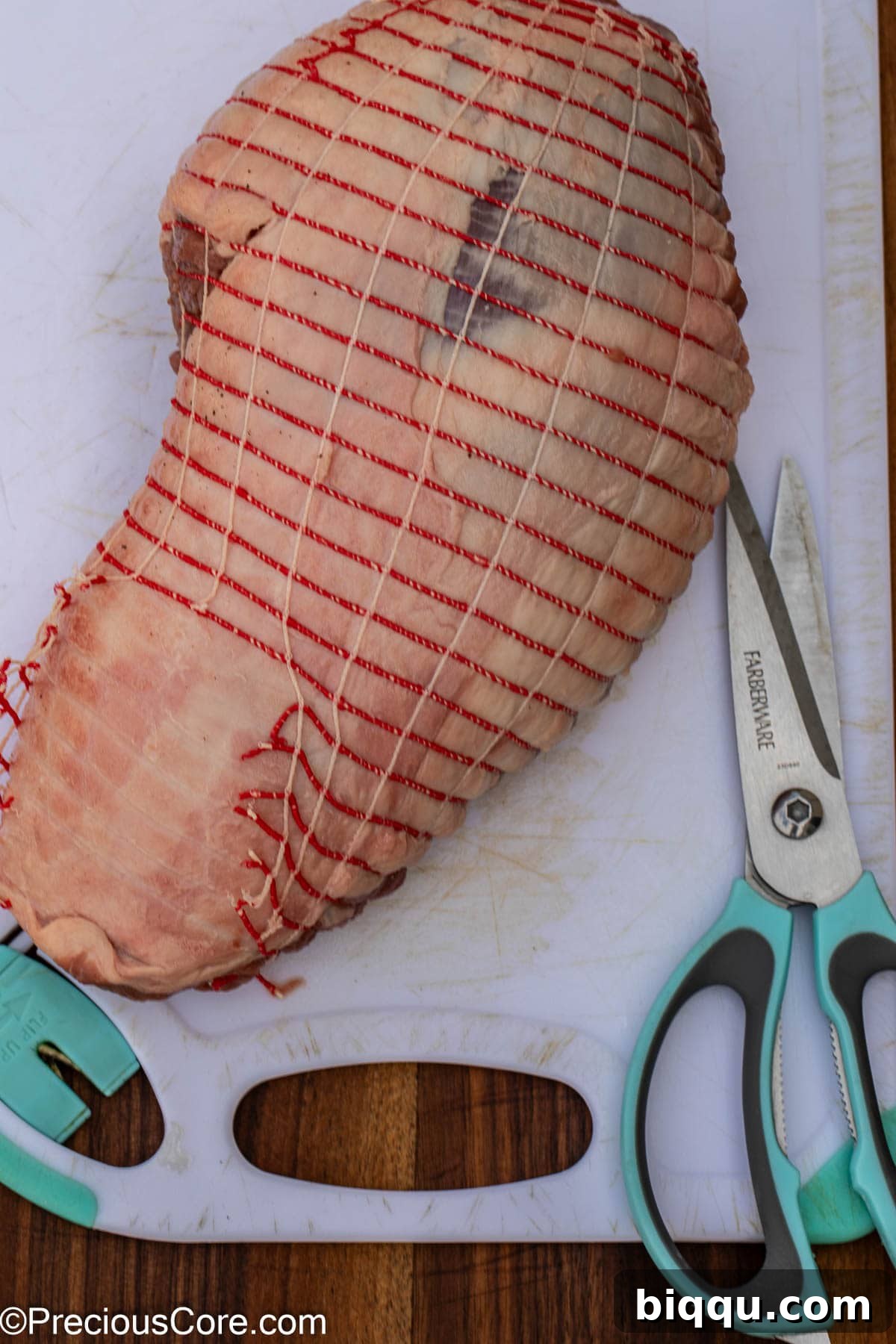
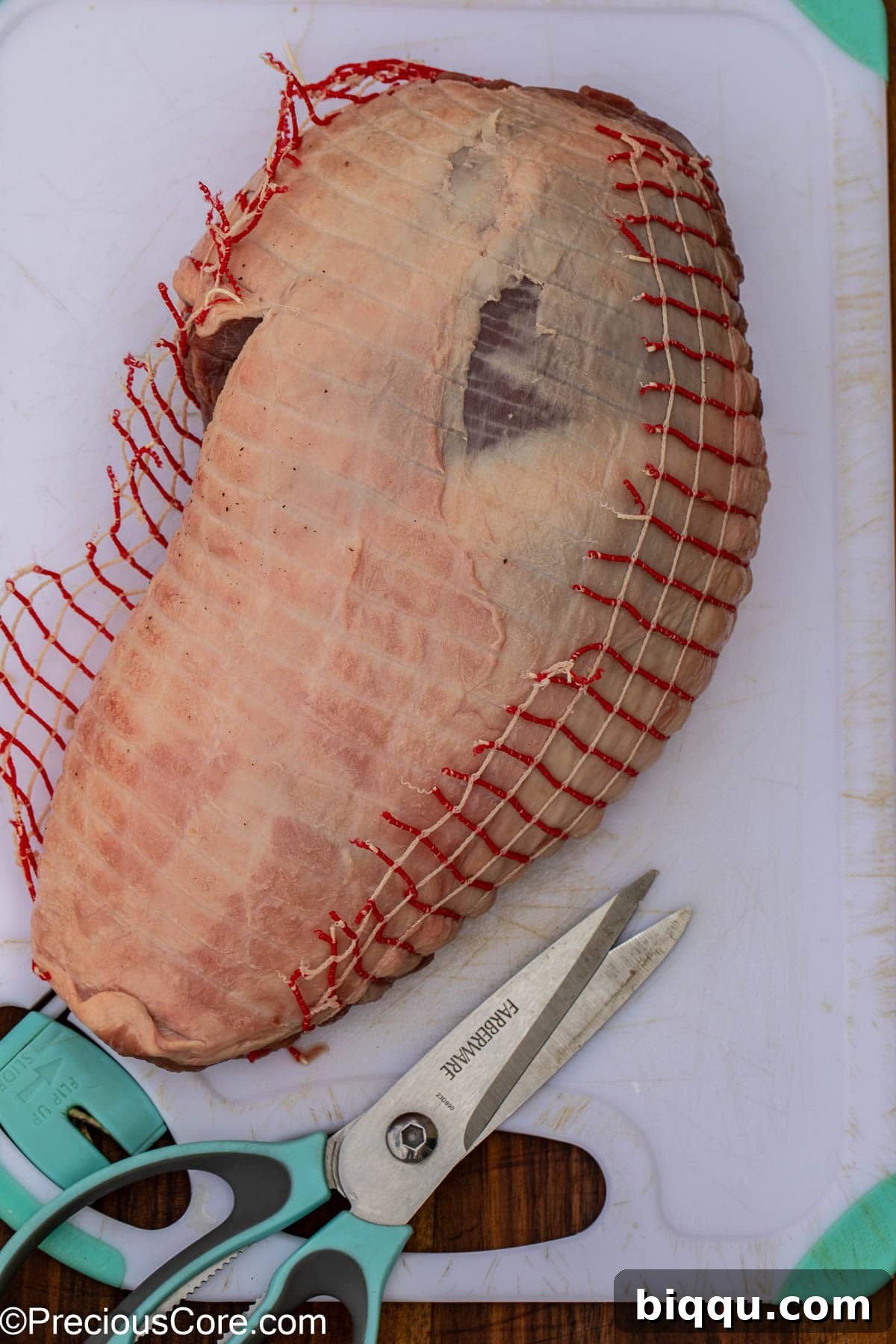
2. Prep and Season Lamb: If your lamb has netting, carefully cut it off with kitchen scissors. Butterfly the lamb so it lies flat with its interior facing you. Brush two-thirds of the marinade on the lamb’s interior. Starting from a shorter side, roll the lamb tightly into a log. Tie securely with kitchen twine, leaving a 1-2 inch gap between each tie. Brush the remaining marinade (reserving 1 tablespoon for basting) over the exterior of the lamb.
-
3. Let It Marinate: Place the seasoned lamb into a large mixing bowl. Tightly wrap the bowl with plastic wrap and refrigerate to marinate overnight, or for at least 2 hours.
-
4. Bring To Room Temperature: Remove the lamb from the fridge one hour before cooking to allow it to come to room temperature. Preheat your oven to 350℉ (180 ℃).
-
5. Sear The Lamb: Heat a 12-inch oven-safe skillet (preferably cast iron) on medium-high heat until smoking hot. Add 1 tablespoon olive oil for searing. Place the lamb in the skillet and sear for 4 minutes until a deep color develops. Flip and sear for another 4 minutes. Using tongs, lift and support the lamb to sear its shorter sides for 3-4 minutes each.
-
6. Roast: Loosely cover the skillet with aluminum foil and transfer it to the preheated oven. Roast for 30 minutes. After the first 20 minutes, remove the foil and continue roasting uncovered for an additional 10 minutes, or until desired doneness is reached. Refer to the “Leg of Lamb Cooking Temperature Guide” above for target internal temperatures.
-
7. Rest and Serve: Once roasted, transfer the lamb to a cutting board, cover loosely with foil, and let it rest for 10-15 minutes. Remove the twine, slice the lamb against the grain into desired portions, and serve warm.
Notes
Cookware: A cast iron skillet or a cast iron braiser is ideal for this recipe as it can go directly from stovetop to oven. If you don’t have one, ensure you use any oven-safe cooking pan for roasting.
Leg of Lamb Cooking Guide: For detailed internal temperatures for various levels of doneness (Rare, Medium-Rare, Medium, Medium-Well, Well-Done), please refer to the dedicated “Leg of Lamb Cooking Temperature Guide” section above in the article. Always use a reliable meat thermometer.
Nutrition
Carbohydrates: 3g |
Protein: 40g |
Fat: 16g |
Saturated Fat: 4g |
Polyunsaturated Fat: 2g |
Monounsaturated Fat: 9g |
Cholesterol: 122mg |
Sodium: 789mg |
Potassium: 575mg |
Fiber: 0.2g |
Sugar: 1g |
Vitamin A: 2IU |
Vitamin C: 3mg |
Calcium: 19mg |
Iron: 4mg
Additional Info
Tried this recipe?
Mention @preciouscore or tag #PreciousCore!