
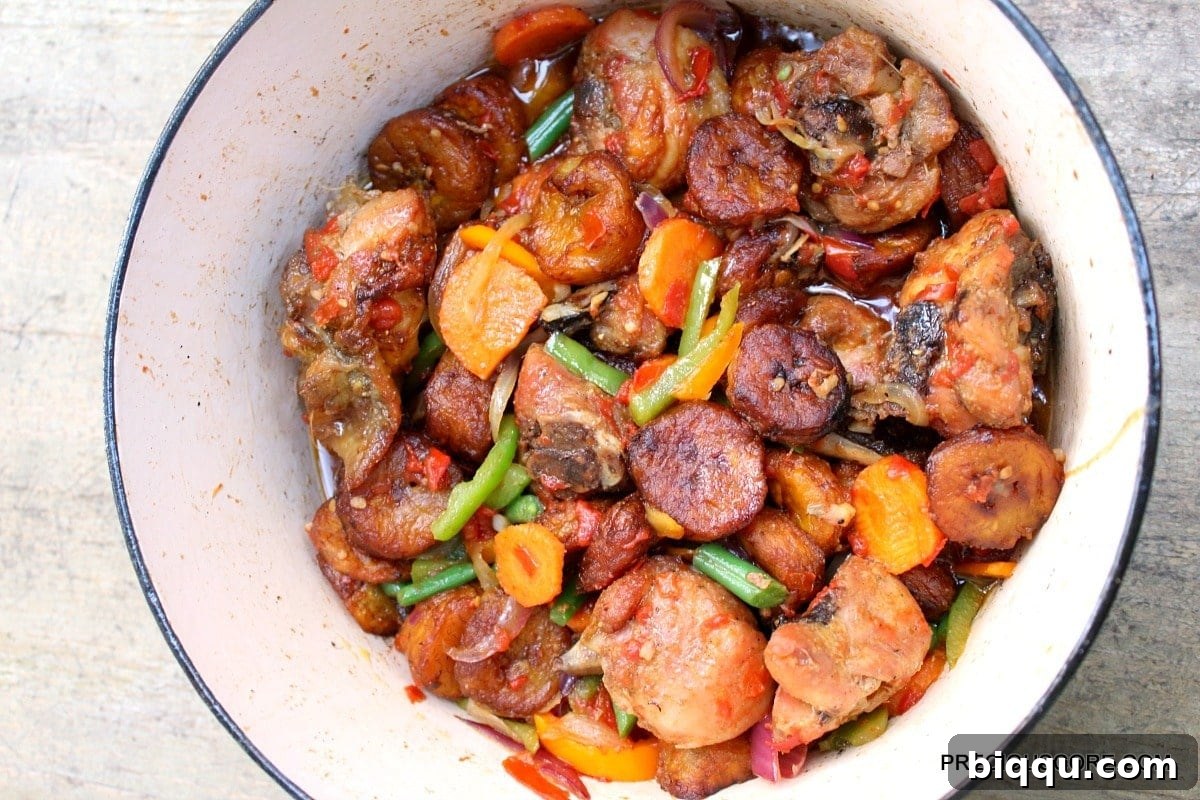
Welcome to the vibrant world of Cameroonian cuisine, where flavors dance and culinary traditions tell a story. Among its many treasures, Poulet DG, or “CEO Chicken,” stands out as a dish of exceptional prestige and unforgettable taste. This isn’t just a meal; it’s a celebration, a statement, and an experience reserved for special guests and memorable occasions. Imagine succulent chicken harmoniously combined with sweet, ripe plantains and a medley of fresh vegetables, all bathed in a rich, aromatic tomato sauce. The result is a symphony of sweet, savory, and spicy notes that truly embodies the heart of Central African cooking.
This comprehensive guide will walk you through every step of preparing authentic Cameroonian Poulet DG. From understanding its intriguing name to perfecting each cooking phase, you’ll discover why this dish is more than just food—it’s a testament to the joy of sharing good company and exceptional flavors. Get ready to add a truly extraordinary recipe to your culinary repertoire that promises to delight everyone at your table.
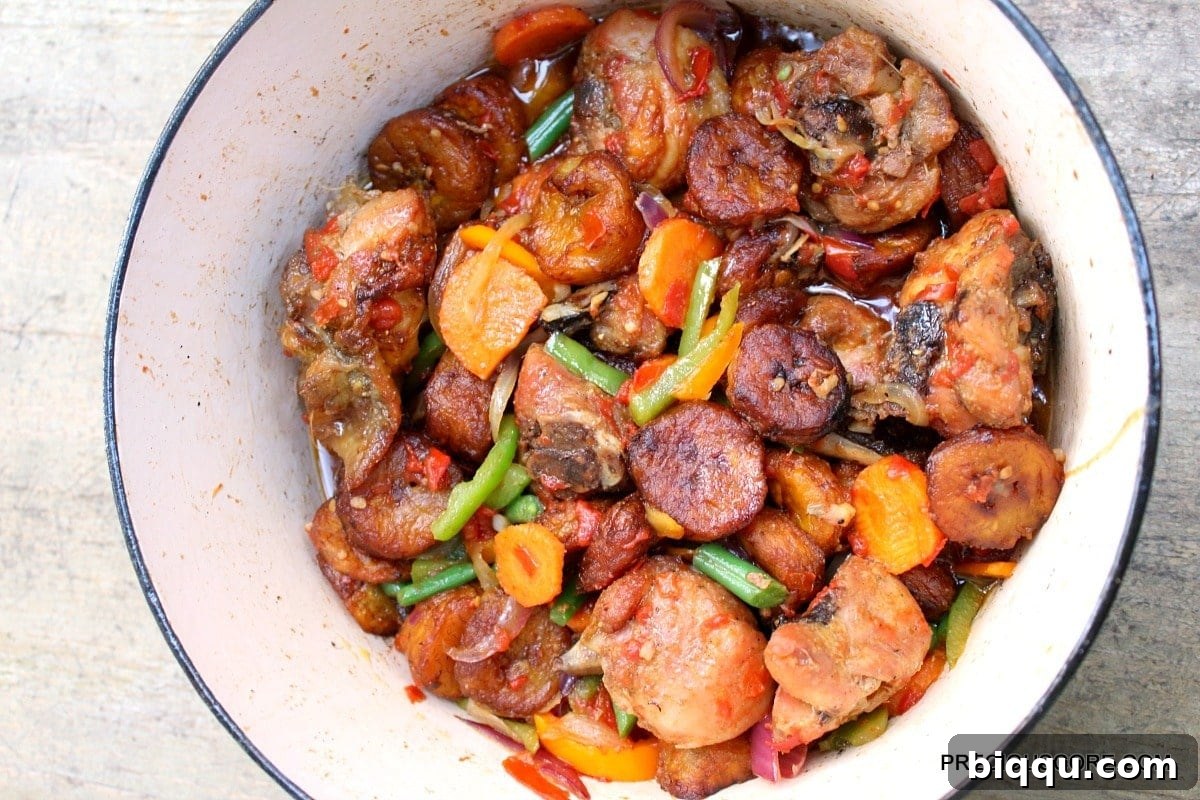
I distinctly recall a time when an esteemed in-law from another country was visiting. I spent days pondering what exquisite dish would truly represent the warmth and richness of our culture. And then, like a culinary epiphany, it hit me: Poulet DG. I eagerly set to work in the kitchen, crafting this masterpiece, and served it with immense pride. His reaction was priceless; he couldn’t stop raving about its incredible taste. There’s a special kind of joy that comes from introducing someone from a different background to the wonders of Cameroonian food. It almost always results in an instant connection—love at first bite, every single time!
Poulet DG is truly in a league of its own. It’s a remarkably unique and effortlessly delightful dish, characterized by an unbeatable combination of tender chicken, perfectly ripe fried plantains, and an array of garden-fresh vegetables, all unified by a deeply flavorful tomato-based sauce. This blend creates a complex flavor profile that is both comforting and exciting, striking a perfect balance between savory and subtly sweet. The depth of flavor, coupled with the varied textures, makes this meal a genuine indulgence. In the following sections, I will provide you with all the details, including step-by-step photos, to make your Poulet DG experience as straightforward and rewarding as possible.
What Does “Poulet DG” Mean? Understanding the Name and Its Significance
The name “Poulet DG” often piques curiosity, and for good reason. “Poulet” is simply the French word for chicken. “DG” is an acronym for “Directeur Général” in French, which translates to “Managing Director” or “CEO” in English. Therefore, Poulet DG literally means “Chicken CEO.” An unusual, yet utterly captivating name for a dish, wouldn’t you agree? But this name carries a fascinating cultural and historical weight, offering a glimpse into Cameroonian society and culinary traditions.
In times past, “DG,” as it is affectionately known, was a dish predominantly reserved for the elite in Cameroon. It graced the tables of managing directors, CEOs, influential bosses, and other high-ranking officials – affectionately termed “Ogas on top.” The reason for its exclusive status lies in its core ingredients: the luxurious combination of fried ripe plantains and premium chicken. Both components, especially ripe plantains prepared to perfection, were considered special treats, elevated further when combined in a single, magnificent dish.
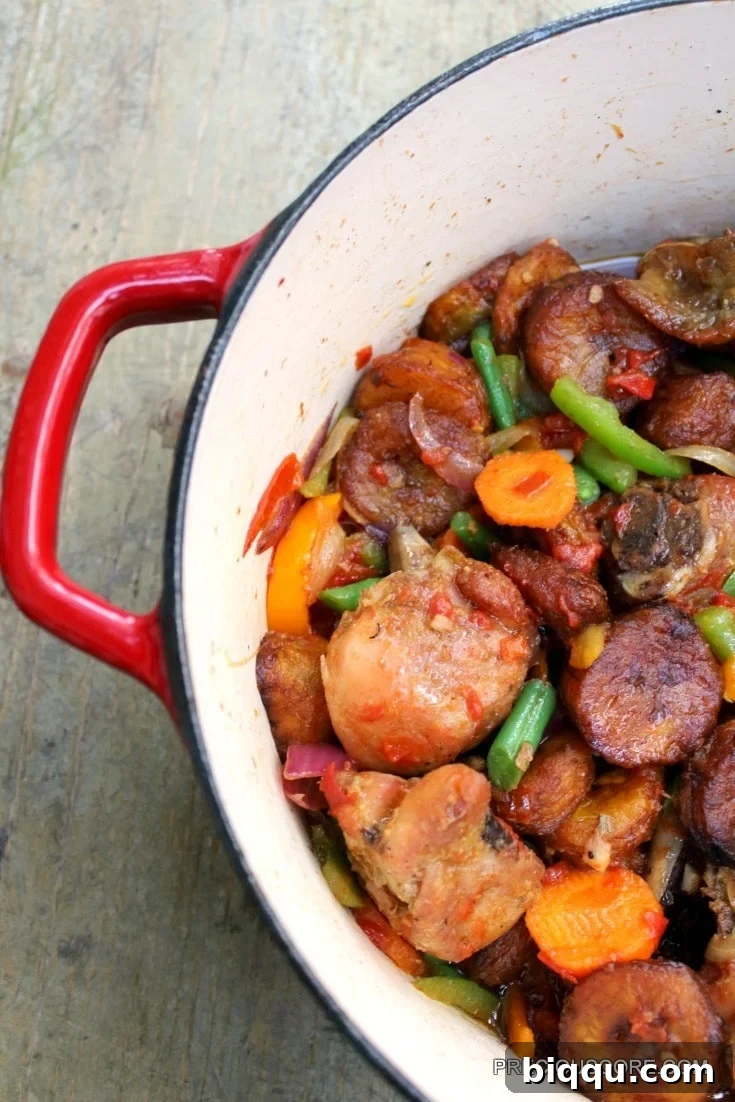
There’s a delightful adage that goes, “History was made when a ripe plantain touched hot oil.” This saying perfectly encapsulates the almost mythical status of ripe plantains in African cuisine, especially when transformed into a golden, caramelized delight. It highlights the profound appreciation for this staple ingredient and its magical transformation through cooking. In Poulet DG, these celebrated fried plantains and the tender chicken pieces are lovingly enveloped in an exotic, deeply flavored tomato sauce, enriched with a blend of aromatic spices. To complete its regal presentation, the dish is generously garnished with an array of colorful vegetables such as vibrant carrots, crisp green beans, and multi-colored bell peppers. Thus, Poulet DG isn’t just a feast for the palate; it’s a visually stunning masterpiece, appealing to all the senses.
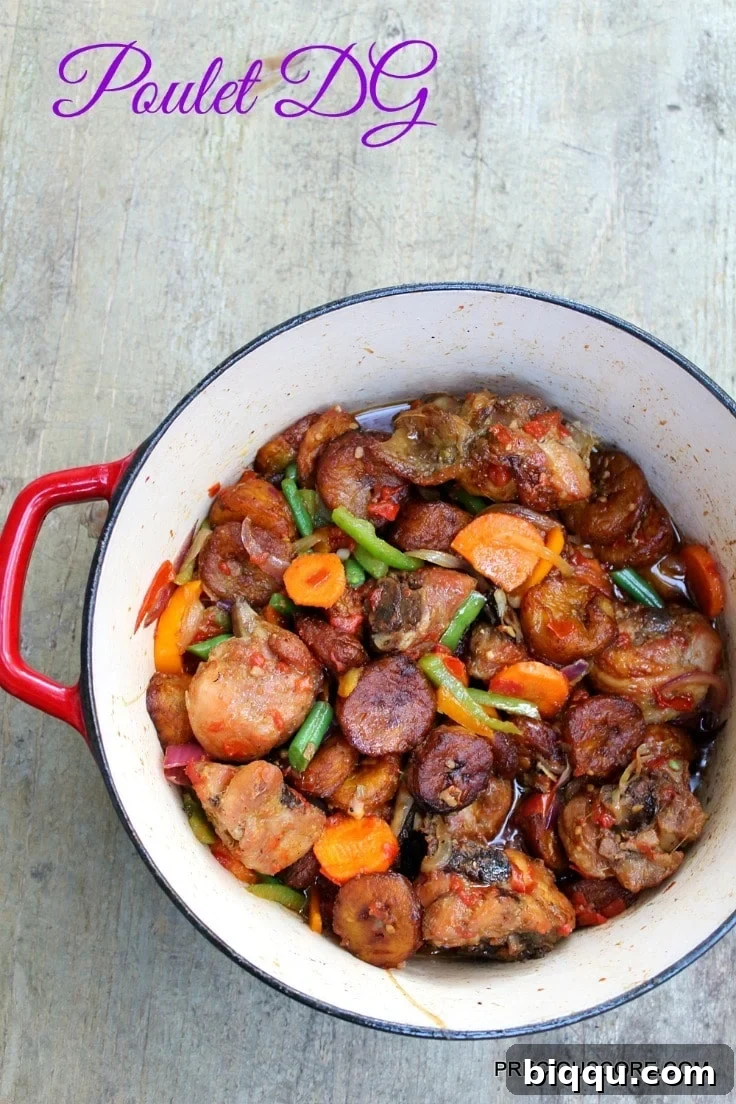
For me, chicken is an eternal favorite, a versatile ingredient that never disappoints. Whether it’s in savory peppered gizzards, the smoky goodness of chicken soya, comforting chicken rolls, a classic roasted chicken, or paired perfectly with rice and chicken, I’m always eager to dive in when chicken is on the menu. But Poulet DG takes my affection for chicken to an entirely new level. It’s an explosion of flavor, a dish so exquisitely “yummy” that it defies simple description. This meal truly elevates the experience of chicken, making it the star of a grand culinary show.
The chicken in Poulet DG is masterfully cooked, absorbing a medley of aromatic flavors from the carefully selected spices and herbs. This results in a dish that is wonderfully meaty, yet perfectly balanced with a delightful interplay of sweet and savory notes. The exquisite blend of well-seasoned chicken and perfectly fried ripe plantains creates a texture and taste sensation that simply works. Every bite offers a harmonious combination that is utterly satisfying. “DG,” as it’s affectionately known, is more than a recommendation; it’s an absolute must-try for anyone seeking an authentic and deeply gratifying Cameroonian culinary experience.
Healthier Alternatives for Poulet DG
While traditional Poulet DG is a rich and decadent dish, it’s entirely possible to adapt it to fit a healthier lifestyle without compromising on flavor. If you’re conscious about your intake but still crave the deliciousness of Poulet DG, there are a couple of simple adjustments you can make. Instead of using ripe plantains, which are naturally sweeter and absorb more oil when fried, you can opt for unripe (green) plantains. These offer a less sweet, more starchy profile and can be prepared with less oil, or even baked, for a lighter alternative. For the chicken, while deep-frying is common for that crispy, golden crust, oven-grilling offers a fantastic and much healthier option. I personally oven-grill my chicken most of the time, as it achieves a beautiful golden exterior and retains its juiciness without the added fat of deep-frying.
Essential Ingredients for Your CEO Chicken
Crafting the perfect Poulet DG begins with selecting the finest ingredients. Here’s a breakdown of what you’ll need to assemble this magnificent “Chicken CEO”:
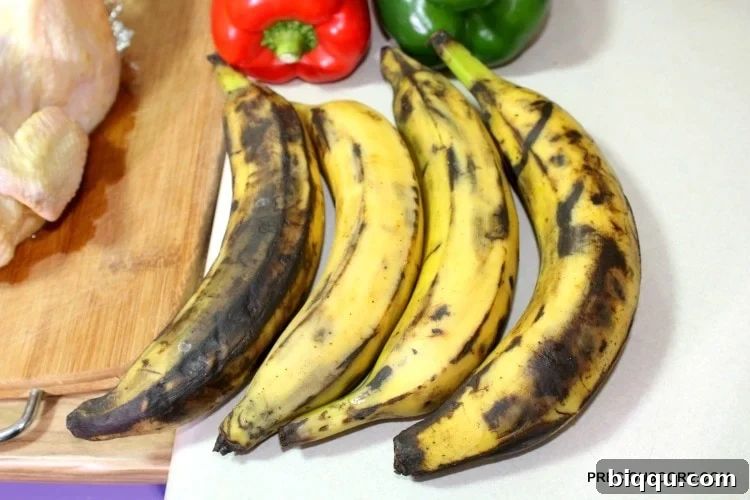
- Ripe Plantains: You’ll need about 4 large ripe plantains. The key here is ripeness – they should be firm to the touch, with a yellow skin starting to show black spots, but not overly soft or mushy. Overripe plantains will disintegrate during frying, ruining the texture of your precious meal.
- Whole Chicken: A single whole chicken, weighing approximately 5 pounds (about 2.5 kg), is ideal. This will provide ample meat for the rich sauce.
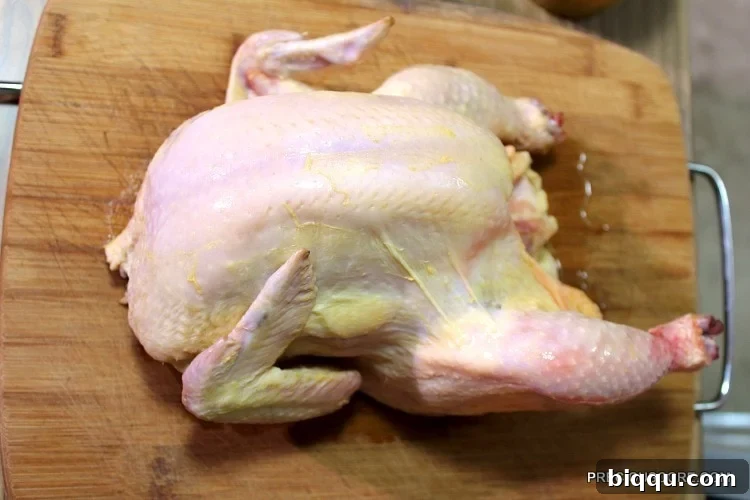
Alternatively, you can use chicken parts like thighs or drumsticks, often referred to as “condi for fowol” in local parlance, if you prefer specific cuts.
- Tomatoes: Gather about 8 medium, ripe, and vibrantly colored tomatoes. Quality matters here, as they form the foundation of your rich sauce.
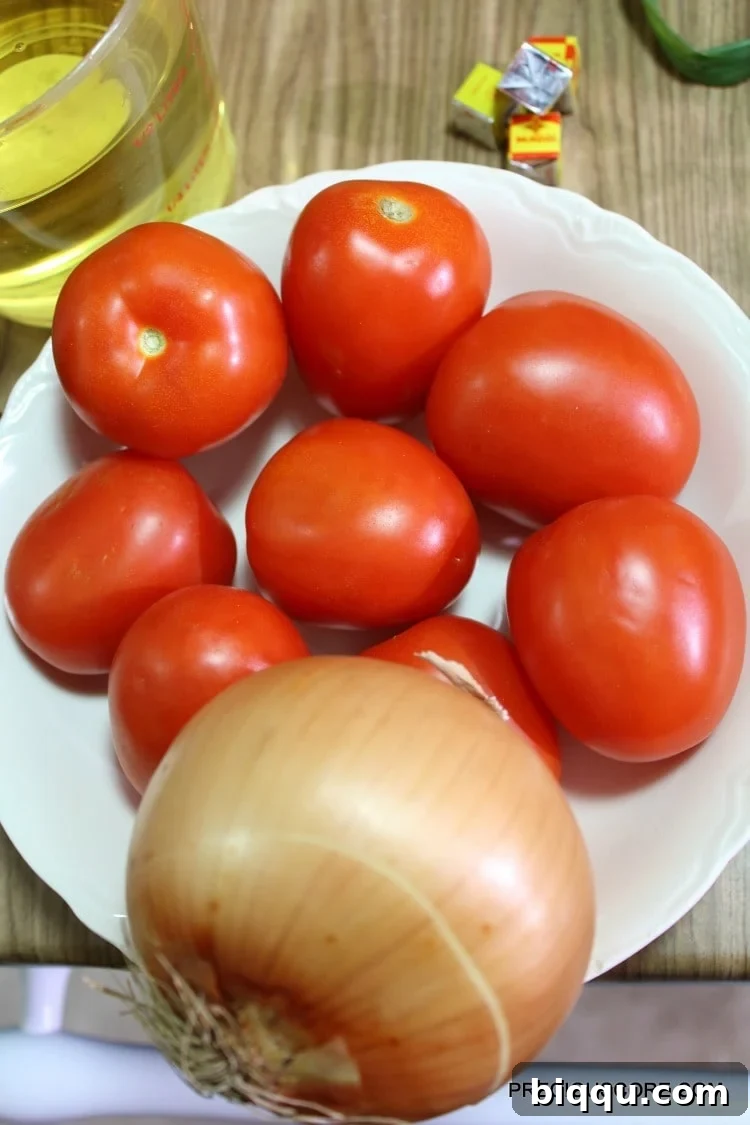
You’ll also need some seasoning cubes (like Maggi) and vegetable oil, which can be seen lurking behind the tomatoes in the image, eager to play their part in this culinary creation.
- Aromatic Spices and Herbs: Essential for building the complex flavor profile are fresh garlic cloves (about 8, peeled), a 1-inch piece of ginger root (peeled and roughly chopped), a celery stalk (roughly chopped), and 3 stems of green onions, plus 8 stems of parsley or cilantro.
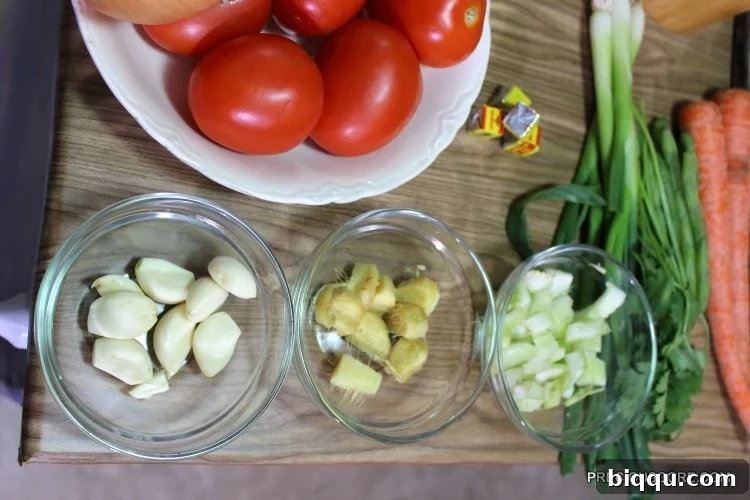
- Colorful Vegetables: A handful of green beans, 2 medium carrots (or 1 large), and 1 bell pepper (or a quarter of each of 4 different colored bell peppers – red, green, orange, yellow – for maximum visual appeal and flavor depth).
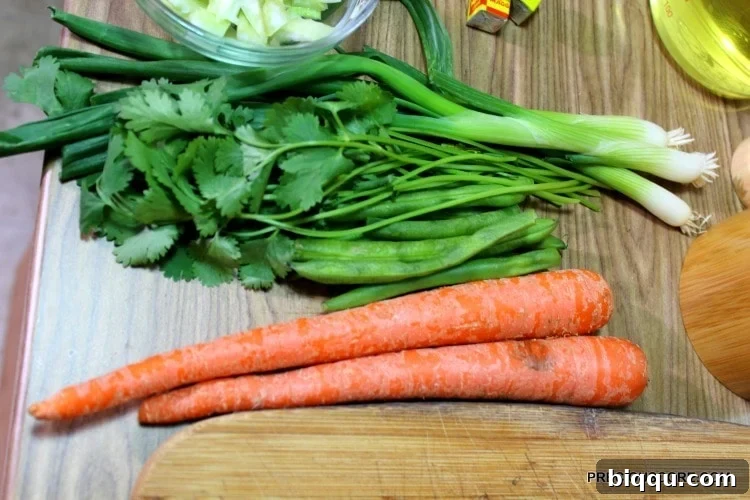
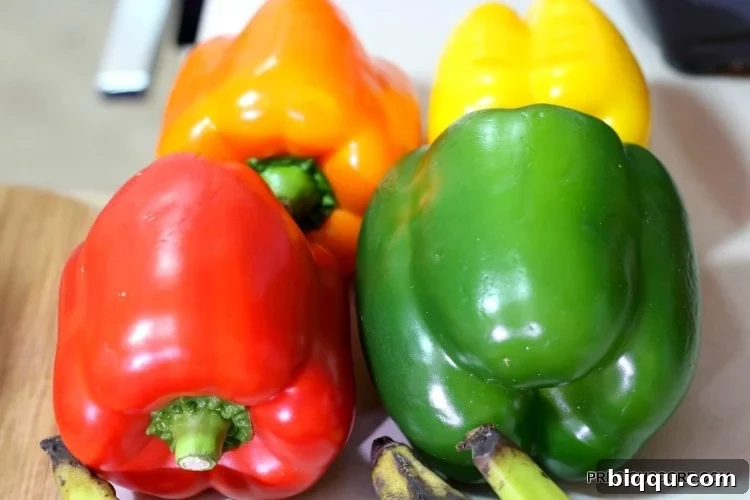
These vegetables not only add essential nutrients but also a delightful crunch and visual appeal to the final dish. Even if you only have one large green bell pepper, your Poulet DG will still be incredibly delicious!
Other essential ingredients include 1 teaspoon of salt, ½ teaspoon of ground white pepper, and 1 habanero pepper (optional, for those who love a bit of heat).
The Art of Making Delicious Poulet DG: A Step-by-Step Guide
Preparing Poulet DG is a journey of flavors, and this detailed guide will ensure your success. Follow these steps to create an authentic and mouthwatering Cameroonian CEO Chicken.
Recipe Details:
Prep Time: 20 minutes
Cook Time: 1 hour
Total Time: 1 hour 20 minutes
Servings: 6
Ingredients:
- 4 large ripe plantains (firm, not overly soft)
- 1 onion, chopped
- 1 whole chicken (approx. 5 pounds or 2.5 kg)
- 8 medium tomatoes, blended
- 1 inch ginger root, peeled and roughly chopped
- 8 garlic cloves, peeled
- ½ teaspoon ground white pepper
- 4 small seasoning cubes (Maggi or similar bouillon)
- 1 celery stalk, roughly chopped
- 3 stems of green onions
- 8 stems of parsley or cilantro
- 2 medium carrots (or 1 large), chopped
- 1 handful of green beans, trimmed
- 1 bell pepper (or ¼ each of 4 colored bell peppers), chopped
- 2 cups vegetable oil (for frying and sautéing)
- 1 teaspoon salt
- 1 habanero (hot) pepper (optional)
Instructions:
- Prepare the Spice Blend: Begin by creating your aromatic spice paste. In a blender, combine all the garlic cloves, ginger root, celery stalk, parsley (or cilantro), and half of the chopped onion. If using, add the habanero pepper now. Add about half a cup of water to aid blending and process until you have a smooth, fragrant paste.
- Cook the Chicken: Rinse your whole chicken thoroughly under cold water and pat it dry with paper towels. Cut the chicken into manageable pieces. Place the chicken pieces in a large pot. Add ¾ of the prepared spice blend, ½ teaspoon of salt, 2 seasoning cubes, ½ of the white pepper, and 1 cup of water. Cover the pot and bring it to a boil, then reduce heat to medium-high and let it cook for approximately 20 minutes, or until the chicken is thoroughly cooked through.
- Fry the Plantains: While the chicken is cooking, heat about 1.5 cups of vegetable oil in another large pot or deep skillet over medium heat. Peel the ripe plantains and slice them into circles or desired shapes. Carefully deep-fry the plantain slices until they turn beautifully golden brown and are tender inside. Depending on the size of your pot, you may need to fry the plantains in batches to avoid overcrowding and ensure even cooking. Remove the fried plantains and place them on a plate lined with paper towels to drain excess oil. Feel free to snack on a few of these delightful golden treats!
- Grill or Fry the Chicken: Once the chicken is cooked, carefully remove it from the stock and set the stock aside – this liquid gold will be crucial for the sauce later. To achieve a lovely golden crust and enhance the flavor, you can either grill the chicken in an oven or deep fry it. For oven grilling, preheat your oven to 400°F (about 200°C). Line a baking tray with aluminum foil and lightly rub it with oil to prevent sticking. Arrange the chicken pieces on the tray and grill for about 15 minutes, or until they are golden brown and slightly crispy. (Grilling is a healthier alternative to deep-frying.)
- Prepare the Sauce Base: Return to the pot where you fried the plantains. Carefully pour out most of the oil, leaving about 2-3 tablespoons in the pot. You won’t need all the frying oil for the final dish. Place the pot back on the stove over medium-high heat.
- Sauté Aromatics and Tomatoes: Add the remaining chopped onions to the hot oil and sauté for a few seconds until they become fragrant and translucent. Then, add the blended tomatoes to the pot. Cook the tomatoes, stirring occasionally, until the raw, acidic taste is gone and the sauce has deepened in color. This process usually takes about 10-15 minutes. As the tomatoes cook, take this time to chop your carrots, green beans, and bell peppers, if you haven’t already.
- Build the Sauce: Stir in the remaining spice blend into the tomato base and let it cook for another 2 minutes, allowing the flavors to meld beautifully. Then, pour in the reserved chicken stock, add the remaining seasoning cubes, and the rest of the white pepper. Stir everything well and let the sauce simmer gently for about 2 minutes to thicken slightly and integrate all the flavors. This rich, aromatic sauce would be fantastic even with plain boiled rice!
- Combine Chicken and Plantains: Carefully add the grilled (or fried) chicken pieces to the simmering sauce, ensuring each piece is well coated. Give it a good stir. Next, gently fold in the fried plantains. Stir until the plantains are thoroughly married with the chicken and the luxurious tomato sauce. This is often the moment to sigh with joy as the dish comes together!
- Add the Vegetables: By now, your vegetables should be chopped. Add the carrots, green beans, and bell peppers to the pot. Gently mix everything together, being careful not to mash the soft plantains. If the dish appears too dry at this stage, add a couple of tablespoons of water to achieve your desired consistency. Taste and adjust the seasoning as needed, ensuring it’s “purrrfect.” Allow everything to simmer for just 2 minutes. I prefer my vegetables crisp and fresh, so I turn off the heat at this point. However, if you prefer softer vegetables, you can let them cook for a few additional minutes.
- Serve and Enjoy: Serve your magnificent Poulet DG warm. This meal is truly special, so pair it with a chilled glass of juice or your favorite beverage and savor every bite.
Notes:
While ripe plantains are traditional, some variations of Poulet DG use unripe (green) plantains. If you prefer a less sweet and firmer plantain, feel free to use green plantains in your recipe.
Nutrition Information (Per Serving):
- Calories: 1091 kcal
- Carbohydrates: 52g
- Protein: 28g
- Fat: 89g
- Saturated Fat: 23g
- Polyunsaturated Fat: 24g
- Monounsaturated Fat: 36g
- Trans Fat: 9g
- Cholesterol: 96mg
- Sodium: 1148mg
- Potassium: 1406mg
- Fiber: 6g
- Sugar: 29g
- Vitamin A: 7105 IU
- Vitamin C: 81mg
- Calcium: 67mg
- Iron: 3mg
Additional Information:
- Course: Main Course
- Cuisine: Cameroonian
As you gather around the table to enjoy this magnificent meal, remember its origins and its significance. Poulet DG is more than just sustenance; it’s a dish that embodies success, celebration, and the spirit of accomplishment. So, while you feast, perhaps discuss grand plans: your latest venture, an exciting journey ahead, or new opportunities on the horizon. This meal is for CEOs, and in your own right, you are a CEO of your life. Enjoy this moment, this flavor, and this connection to a rich culinary heritage.
Truly, if there exists a dish more satisfying and delicious than Poulet DG, I have yet to discover it. Every meal should be an experience, a moment to create lasting memories. So, when it’s time to eat, make it extraordinary. Make it DG! I highly encourage you to try this recipe and discover the magic of Cameroonian cuisine for yourself.
More Delicious Cameroonian Recipes to Explore
If you’ve enjoyed the rich flavors of Poulet DG, you’ll love these other incredible Cameroonian dishes:
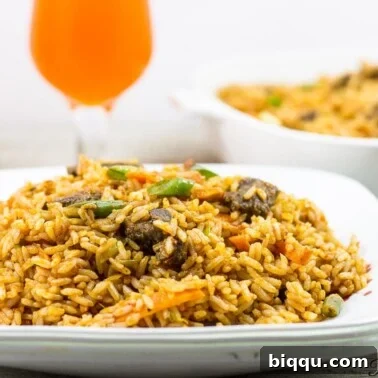
- Cameroon Jollof Rice Recipe: Easy Method

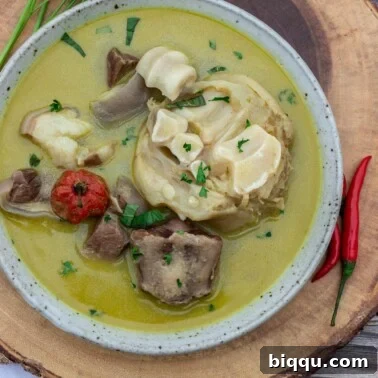
- Cameroonian Pepper Soup
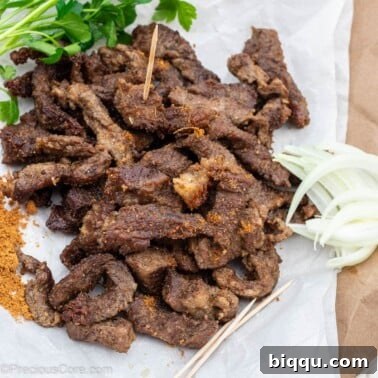
- Cameroonian Soya Without Skewers
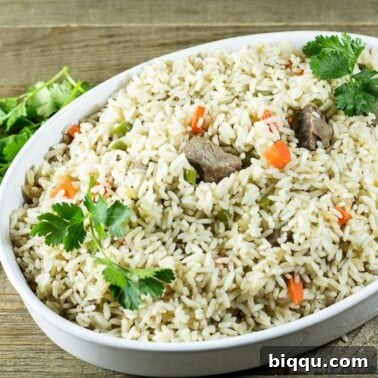
- CAMEROONIAN COCONUT RICE
Did you try this recipe? We’d love to hear your thoughts! Please consider leaving a comment or sharing your experience below. Your feedback helps others discover and enjoy this incredible dish. Thank you!
Tried this recipe? Share your culinary creation! Mention @preciouscore or tag #PreciousCore on social media!