
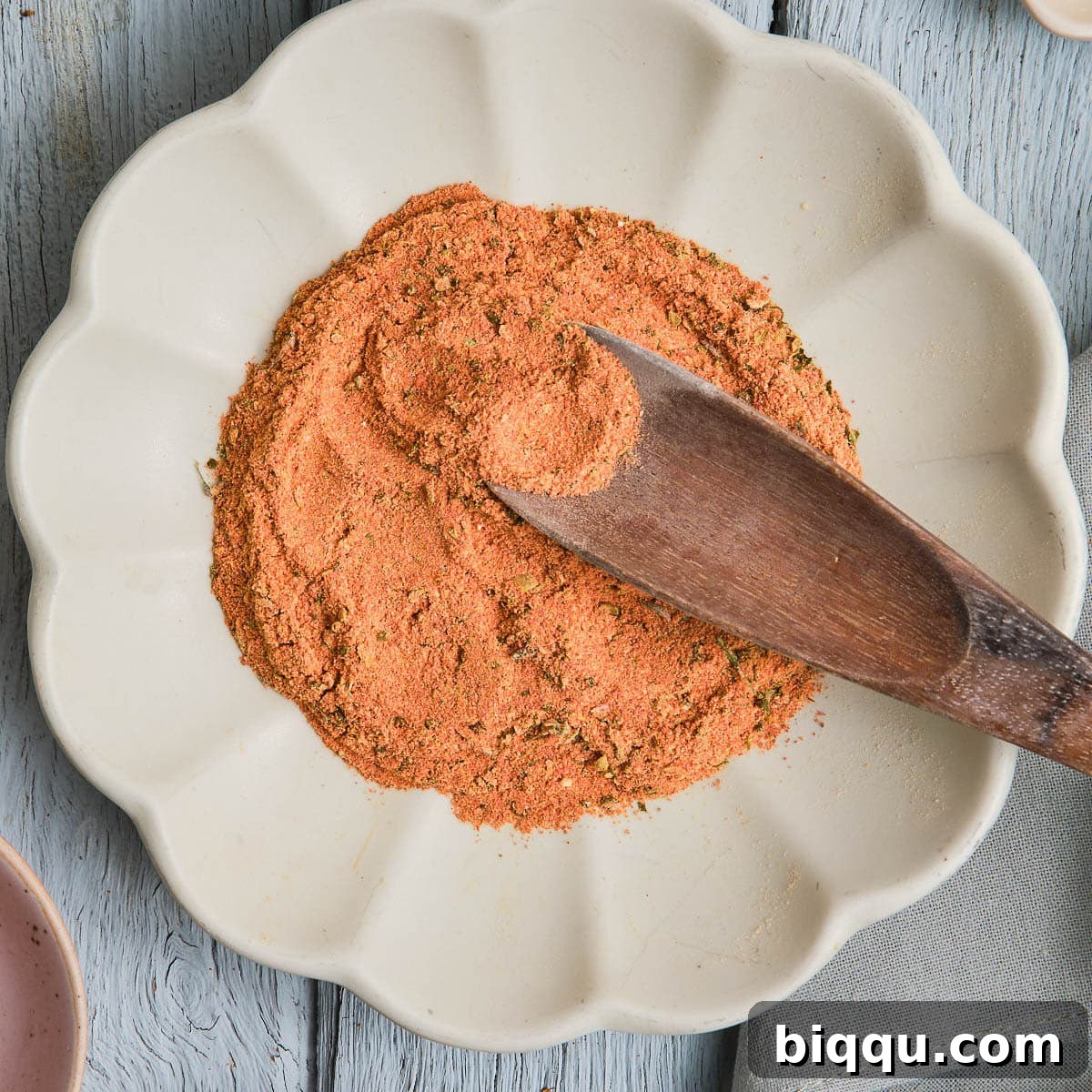
Unlock a world of vibrant flavor in your kitchen with this incredible Cajun Seasoning Substitute. Never again find yourself without this essential spice blend when a recipe calls for it! This homemade concoction comes together in under 5 minutes, transforming everyday ingredients into an explosion of bold, spicy, and earthy notes. It’s an indispensable seasoning for elevating everything from succulent chicken and flaky fish to tender beef, juicy pork, and even a medley of garden-fresh vegetables. Imagine the depth it adds to pasta dishes, the kick it lends to creamy sauces, or the exciting twist it brings to your morning eggs. With this versatile DIY blend, you’re not just making a substitute; you’re crafting a culinary superpower right from your spice rack.
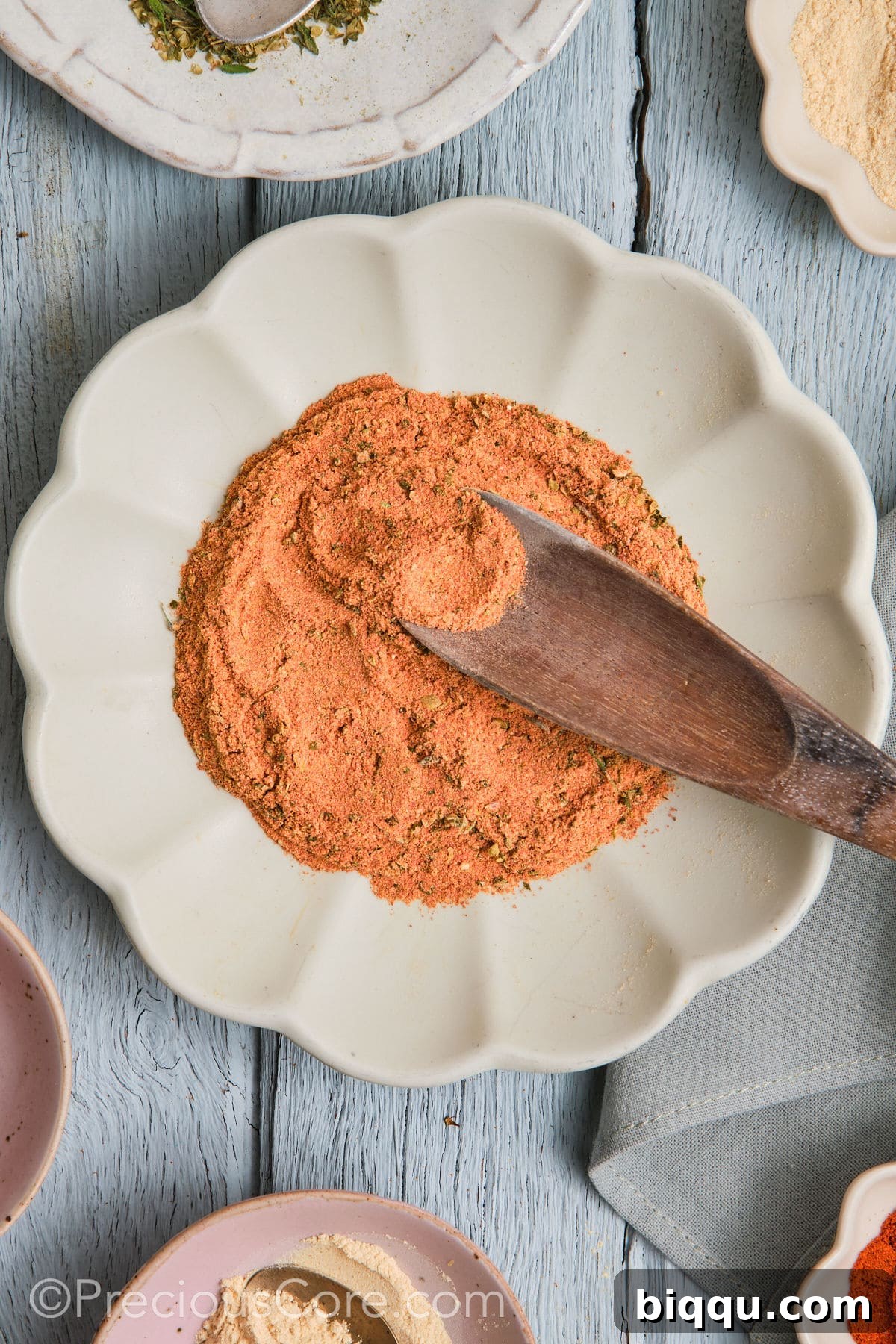
This exceptional spice blend is truly a game-changer for any home cook. Its unique flavor profile, characterized by a pleasant spicy kick derived from a thoughtful selection of spices and a hint of Italian seasoning, makes it incredibly adaptable. The beauty of crafting your own Cajun spice mix lies in the freedom it grants you. Want to create a fiery dish that truly ignites the senses? Amp up the heat. Prefer a subtle whisper of Cajun essence to complement other flavors? A mere pinch will do the trick. This blend empowers you to fine-tune the intensity and nuance of your cooking, allowing for endless delicious possibilities and ensuring every meal is tailored precisely to your taste preferences.
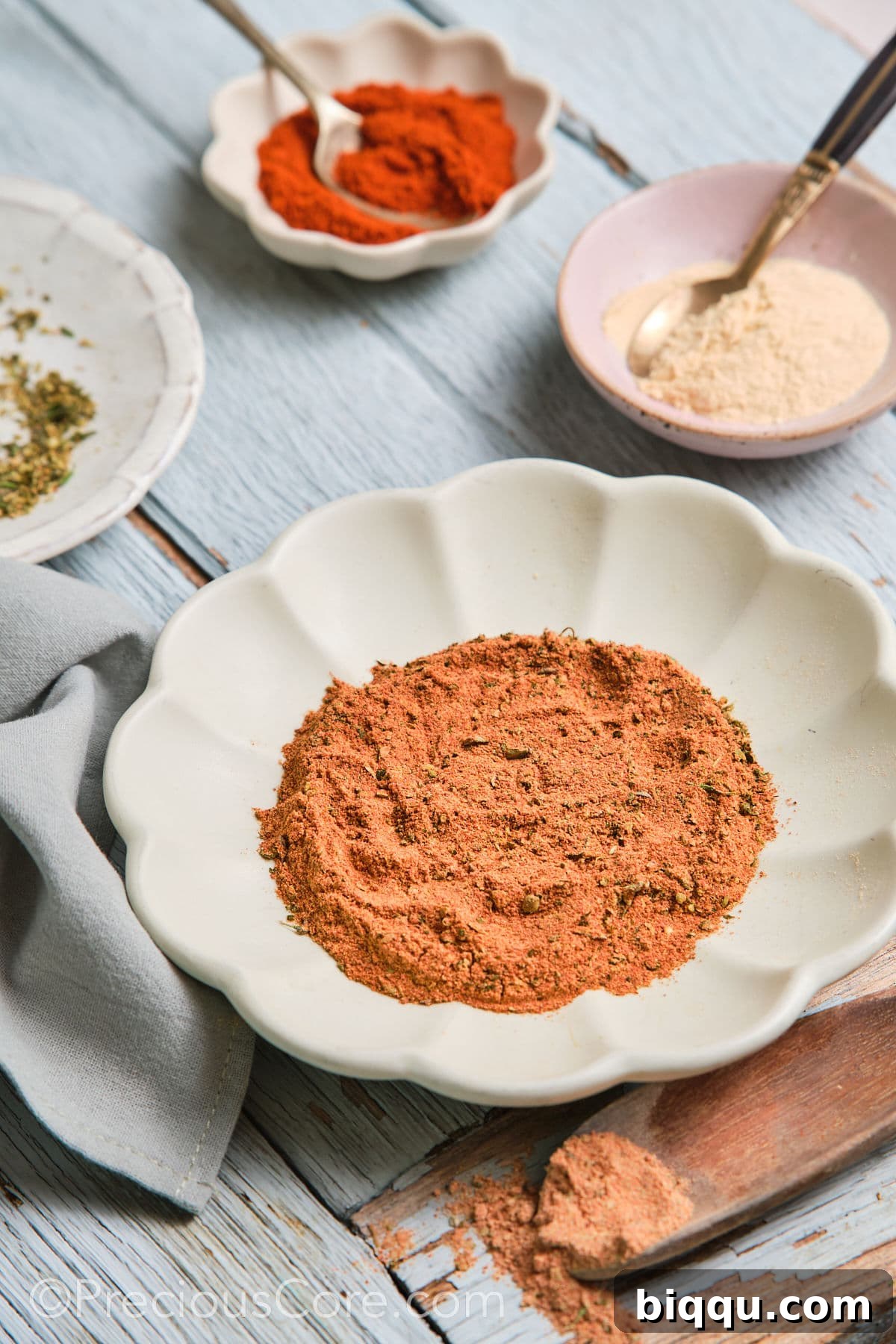
While this homemade Cajun seasoning perfectly complements traditional Louisiana fare, its utility extends far beyond. I often find myself reaching for it to inject exciting new flavors into dishes that aren’t inherently Cajun. Picture a plate of crispy nachos transformed by a spicy dusting, a mound of golden fries elevated with a savory, herbaceous kick, or even mild vegetables like zucchini and broccoli infused with a robust, warming flavor. This isn’t just a substitute; it’s arguably the best homemade Cajun seasoning you can add to your pantry, promising to become a cherished staple.
Discovering the art of making my own spice blends has been a revelation. Gone are the days of debating which store-bought Cajun mix to purchase from the grocery store aisle. Not only does this approach significantly save money in the long run, but it also provides a superior alternative to commercial options. The ability to customize the blend to my exact liking – adjusting the salt, the heat, or the herbaceous notes – is truly invaluable. The fact that it relies on common, readily available pantry ingredients is merely the cherry on top. If you share a passion for creating your own flavorful seasoning and spice mixtures, I also highly recommend exploring my Green Seasoning Recipe, Jamaican Jerk Seasoning, or my Best Seasoning for French Fries for more homemade goodness.
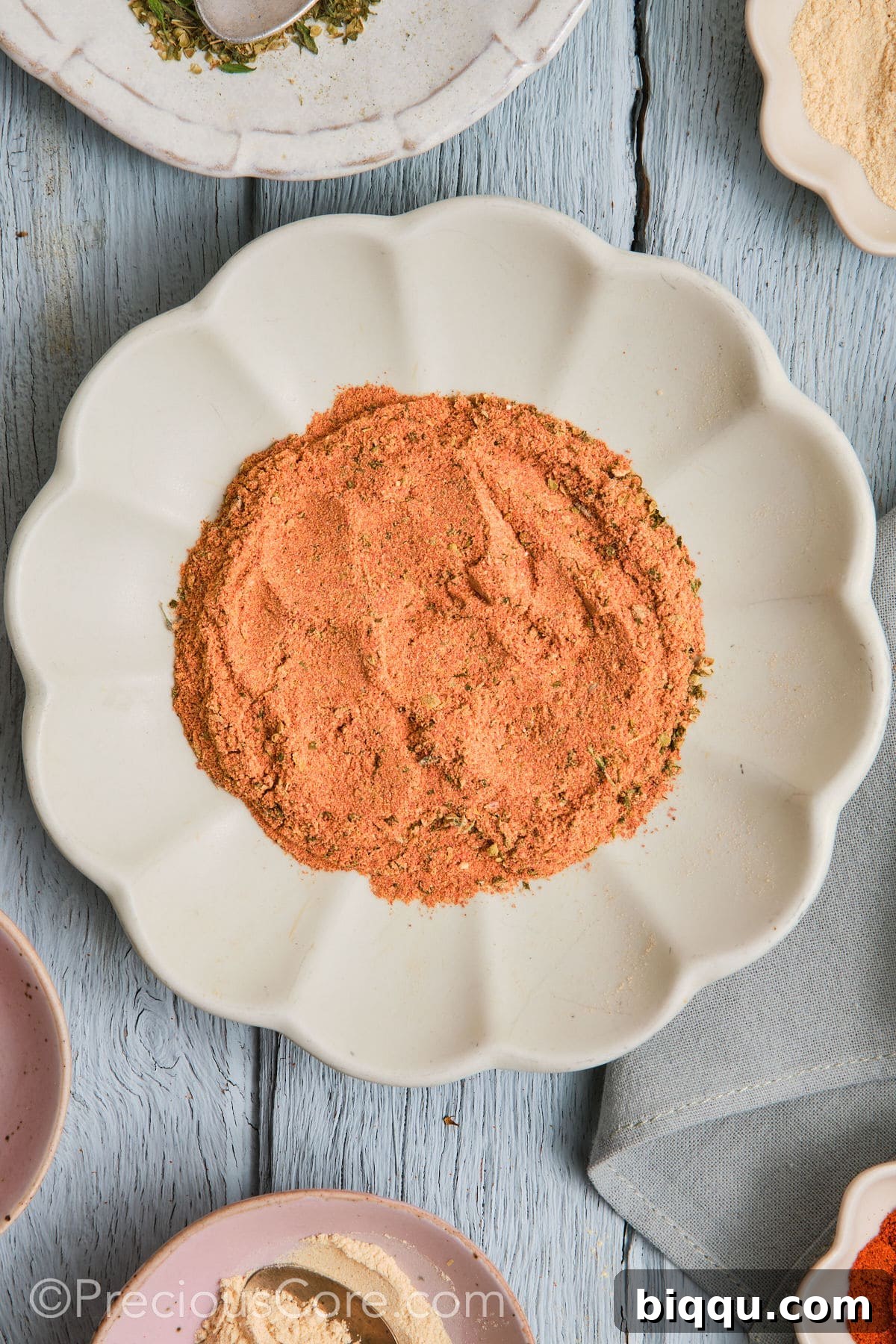
Understanding Cajun Seasoning: More Than Just a Spice Mix
Many aspiring home cooks often wonder, “What exactly are Cajun seasoning blends made of?” and “How do they differ from Creole seasoning?” You’re certainly not alone if these questions have crossed your mind. The distinctions between Creole seasoning, Cajun seasoning, and even the broader category of Louisiana seasoning can be subtle yet fascinating. In essence, both Creole and Cajun seasoning blends are distinct styles of Louisiana seasonings, sharing many similarities while possessing unique characteristics rooted in the region’s rich culinary history.
The history of both Creole and Cajun cuisine is deeply intertwined with the cultural tapestry of Louisiana. During the 1700s, the term “Creole people” was used to describe individuals of diverse backgrounds living in the region, including those of African, French, and Spanish descent. This term served to differentiate them from new arrivals. Creole cuisine emerged as a sophisticated blend, featuring local Louisiana-native ingredients alongside imported foods from Africa and other global influences. It was also profoundly shaped by the culinary traditions of the Native American people already inhabiting the region, resulting in a rich, multi-layered gastronomic heritage.
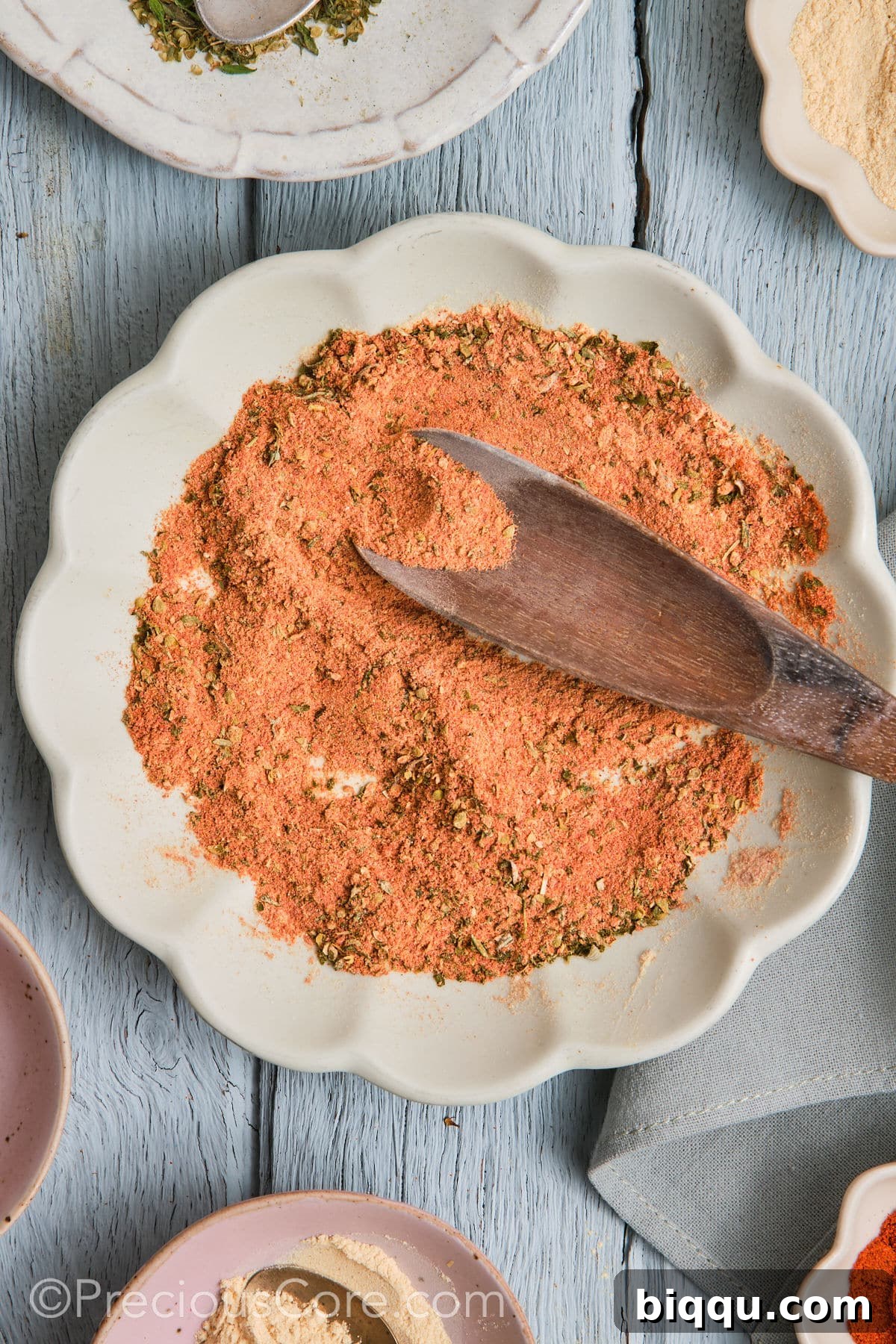
Meanwhile, the Cajun people, descendants of French Canadians (Acadians) who were expelled from Nova Scotia and settled in the bayous and prairies of Louisiana around the same period, developed a distinct culinary identity. Known for their resourcefulness and inventive use of affordable, local staples such as rice, seafood, and locally sourced meats, the Cajuns crafted the hearty, rustic dishes we recognize today. Their cuisine is often characterized by a “country” or “down-home” cooking style, emphasizing flavor derived from simple, fresh ingredients and often a single pot cooking method.
Though both cuisines have unique origins and nuances, they share considerable common ground. Consequently, their popular spice blends are remarkably alike. The primary difference often cited is that Cajun seasoning blends typically feature a bolder, spicier kick, relying heavily on a variety of pungent peppers and a more straightforward spice profile to create a robust, peppery flavor. Creole spices, while containing many of the same core components, tend to lean more towards an herbaceous and earthy flavor, often incorporating more dried herbs like oregano, thyme, and bay leaf, and sometimes even a hint of savory. This leads to a slightly more complex and less aggressively spicy blend, though both are undeniably flavorful and aromatic.
For those familiar with store-bought options, brands like Slap Ya Mama, hailing from Ville Platte, Louisiana, exemplify the classic Cajun seasoning profile. If you appreciate the bold, authentic flavor of such blends, you’ll find this homemade Cajun seasoning substitute to be an excellent, customizable alternative. I can confidently say that once you embark on the journey of crafting your own Cajun seasoning, you’ll rarely, if ever, consider returning to the pre-packaged versions. Let’s explore how simple it is to bring this vibrant blend to life in your own kitchen!
Essential Ingredients for Your Homemade Cajun Seasoning
One of the many advantages of this homemade Cajun seasoning recipe is its reliance on common pantry staples. Before you head to the grocery store, simply open your spice drawer; it’s highly likely you already possess everything needed to create this flavorful blend!
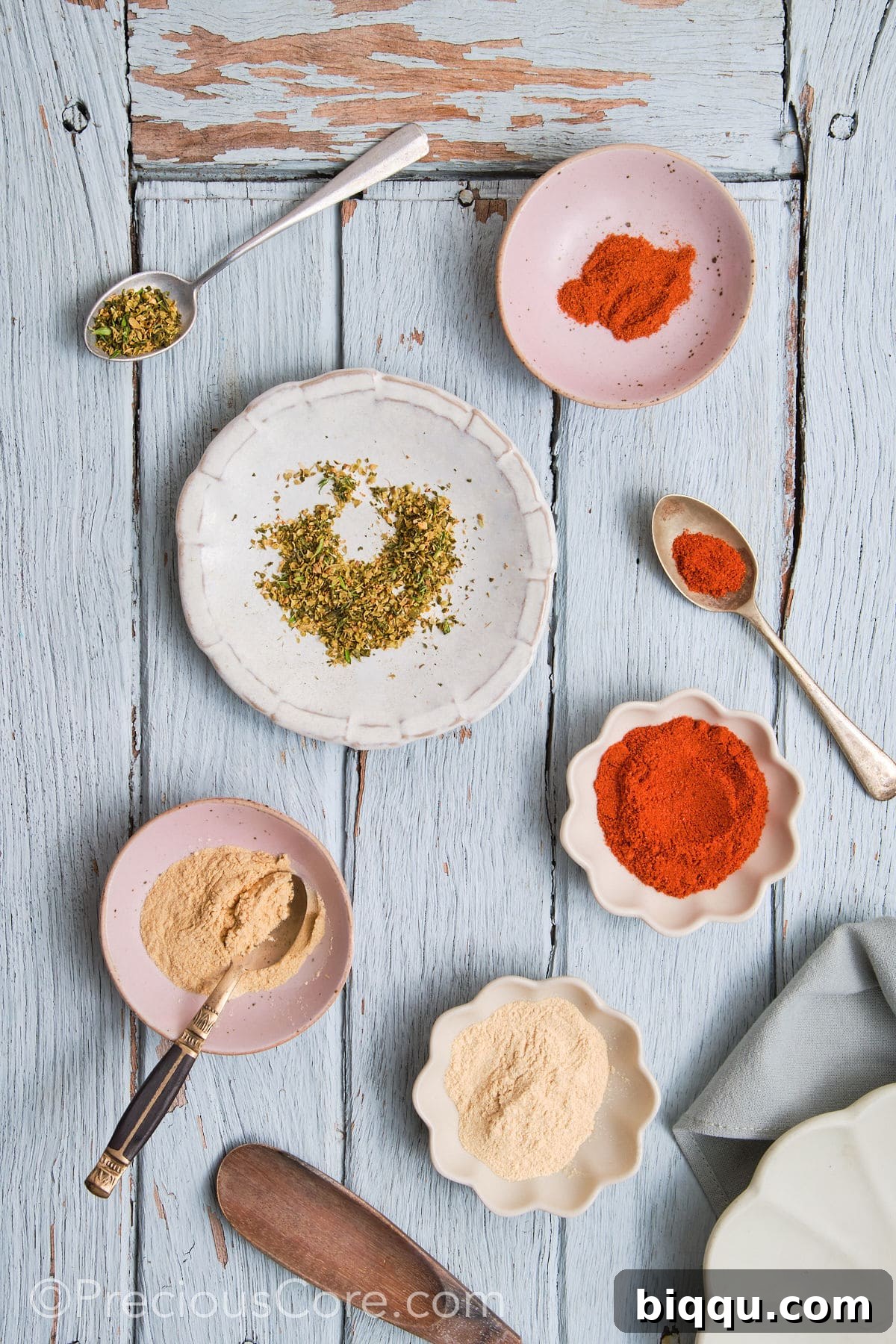
Here’s a closer look at the key ingredients and their flavor contributions:
- Paprika: This spice forms the aromatic backbone of our blend. It offers a beautiful reddish hue, along with a warm, subtly sweet, and slightly smoky flavor that rounds out the overall profile. Depending on your preference, you can choose regular, sweet, or even smoked paprika for an extra layer of complexity.
- Italian Seasoning: A brilliant shortcut ingredient, Italian seasoning provides a convenient blend of classic Mediterranean herbs like oregano, basil, thyme, and rosemary. Including this blend streamlines the process, sparing you the need to measure out several individual herbs while contributing a fragrant, earthy base.
- Garlic Powder: A fundamental flavor enhancer, garlic powder adds a deep, pungent, and umami-rich character to the seasoning blend. Its finely ground form ensures it disperses evenly throughout the mix, infusing every bite with its unmistakable aroma.
- Onion Powder: Complementing the garlic beautifully, onion powder contributes a savory, slightly sweet, and aromatic depth. It pairs wonderfully with the herbaceous notes from the Italian seasoning, creating a harmonious and well-rounded flavor foundation.
- Cayenne Pepper: This is where the signature heat of Cajun seasoning truly shines! Cayenne pepper delivers a clean, sharp spiciness that is crucial for an authentic kick. While you can adjust the quantity to suit your desired spice level, I highly recommend not skipping this ingredient to capture the true essence of Cajun flavor.
You can find the precise quantities for each of these ingredients in the detailed recipe card located at the bottom of this page.
Customizing Your Cajun Seasoning: Delicious Variations
The beauty of crafting your own spice blends lies in the endless possibilities for customization. This Cajun Seasoning Substitute recipe serves as an excellent foundation, and there are numerous ways to adjust the main seasonings to create different spice blends or variations tailored to your specific taste or dish requirements. Here are some inspiring ideas to get you started:
- For an Old Bay-like Twist: While Old Bay isn’t traditionally Cajun, it shares a similar profile of warmth and complexity. To make this recipe lean more towards an Old Bay replacement, consider adding a pinch of celery salt and a tiny bit of ground bay leaf (start with a small amount, as bay leaf can be potent). This will introduce a familiar seafood-friendly flavor.
- Enhance with Ground Pepper: For an extra layer of sharp, pungent heat and aroma, feel free to incorporate some freshly ground black pepper or white pepper into your blend. If you have a spice grinder, grinding whole black peppercorns just before mixing will yield the most vibrant and fragrant results.
- Adjust the Spice Level: Your preference for heat is paramount! For a spicier blend, increase the amount of cayenne pepper, or experiment with using hot paprika or Spanish smoked paprika instead of regular paprika. Smoked paprika, in particular, adds a wonderful depth and smoky undertone. Conversely, if you prefer a milder flavor, simply reduce the quantity of cayenne pepper to your liking.
- Transform into Adobo Seasoning: If you’re looking for a sweeter, less spicy profile, you can easily adapt this blend into an Adobo-style seasoning. Reduce the cayenne pepper significantly and introduce ingredients like cumin (for earthy warmth) and turmeric (for color and mild earthy flavor). You can also swap the Italian seasoning for dried oregano, keeping the garlic and onion powder as they are for that essential savory base.
- Add a Citrusy Brightness: For a zesty note, incorporate a quarter teaspoon of dried lemon peel or even a pinch of sumac. These ingredients can add a subtle tang that brightens the overall flavor profile, especially good for seafood or chicken.
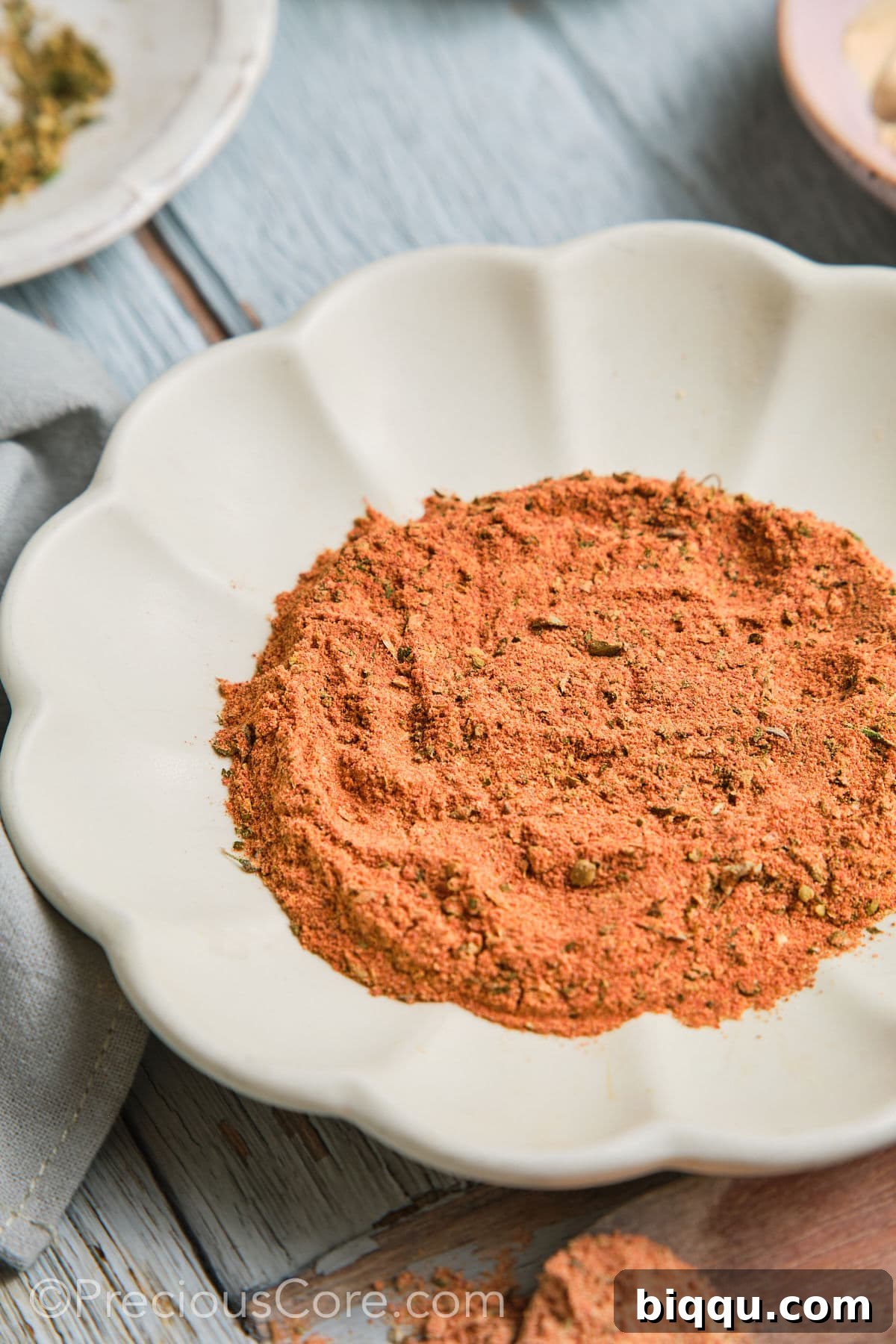
Handy Substitutions for Your Cajun Blend
Don’t have every ingredient on hand? No problem! Here are some practical substitutions to ensure you can still whip up a fantastic batch of homemade Cajun seasoning without a hitch:
- Italian Seasoning Substitute: If your pantry is missing Italian seasoning, you can easily create a similar herbaceous base using individual dried herbs. A good combination would be equal parts dried basil, dried oregano, dried thyme, and a small amount of dried parsley. This blend will provide a comparable aromatic depth.
- Cayenne Pepper Substitute: For that essential spicy kick, if cayenne pepper is unavailable, you have a few viable options. You can use red pepper flakes (chili flakes), or 1-2 teaspoons of chili powder (the American blend, not pure ground chilies). While these will provide a slightly different type of spiciness and heat level, they will still contribute warmth and flavor to the blend when no other options are available. Start with a smaller amount and add more to taste.
- Garlic or Onion Powder: Should you run out of finely ground garlic or onion powder, dried granulated garlic or onion can serve as a suitable substitute. These have a coarser texture but will deliver essentially the same robust flavor profile to your seasoning mix. Ensure they are finely crushed if possible, or accept the slightly different texture.
- Paprika Alternatives: If you don’t have regular paprika, a dash of mild chili powder can provide color and some warmth, though the flavor profile will be slightly different. For a truly unique twist, experiment with a pinch of chipotle powder for a smoky, earthy heat.
- Salt: While not listed as a primary ingredient in the original recipe, many Cajun blends include salt. You can add a tablespoon or two of fine sea salt or kosher salt to your blend if you prefer an all-in-one seasoning, or simply season with salt separately when cooking your dishes.
Crafting Your Homemade Cajun Seasoning Substitute
Making this versatile Cajun seasoning is incredibly straightforward, requiring minimal effort and time. It’s truly a dump-and-stir process that yields maximum flavor payoff.
To begin, gather all your measured ingredients: paprika, Italian seasoning, garlic powder, onion powder, and cayenne pepper. Place them into a small mixing bowl. Using a spoon or a small whisk, stir vigorously until all the spices are thoroughly combined and there are no clumps. You want a uniform, fragrant blend. That’s it! Your homemade Cajun seasoning is ready to use in your favorite dishes. Any extra blend can be stored for future culinary adventures, ensuring you always have this powerful flavor booster at your fingertips.
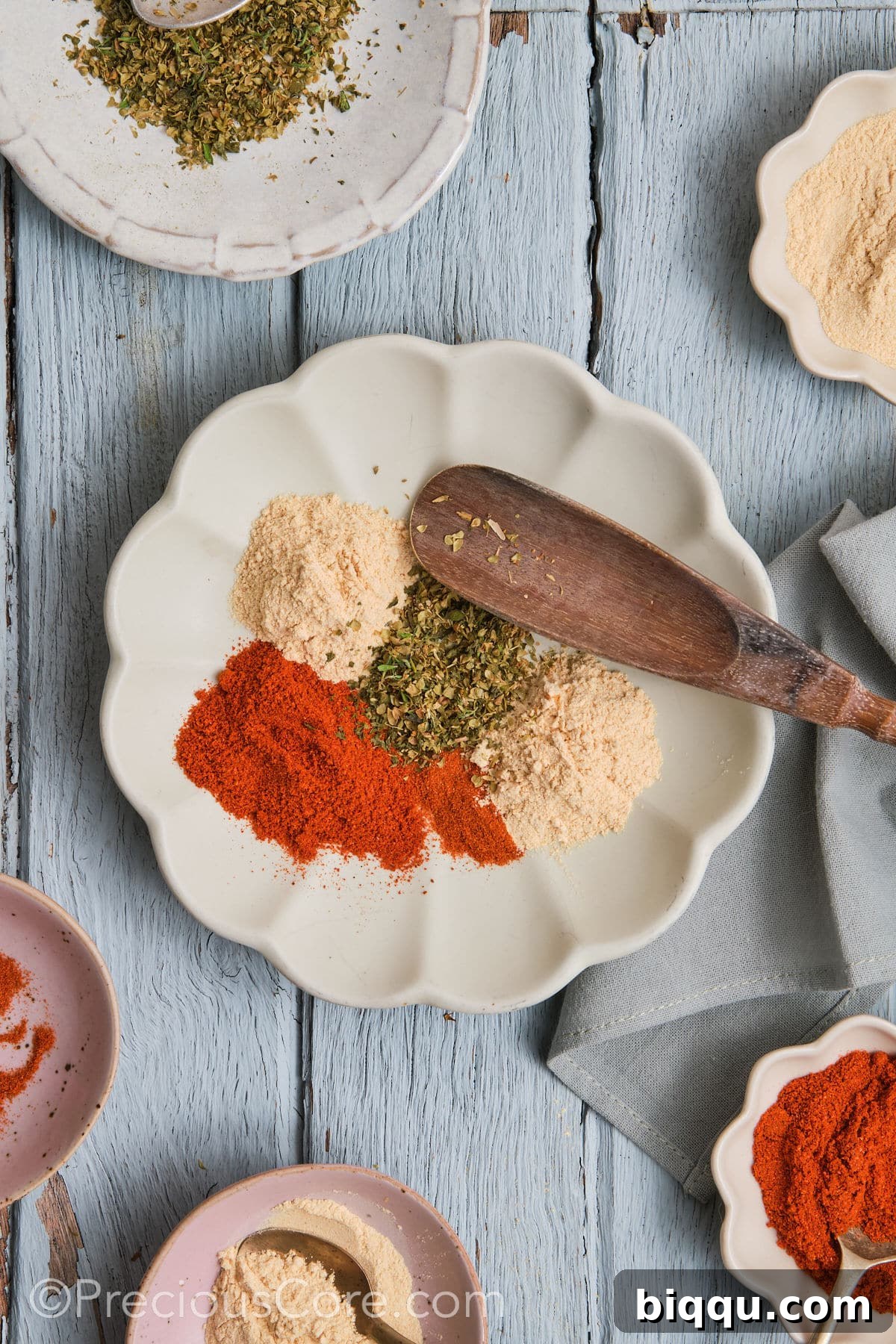
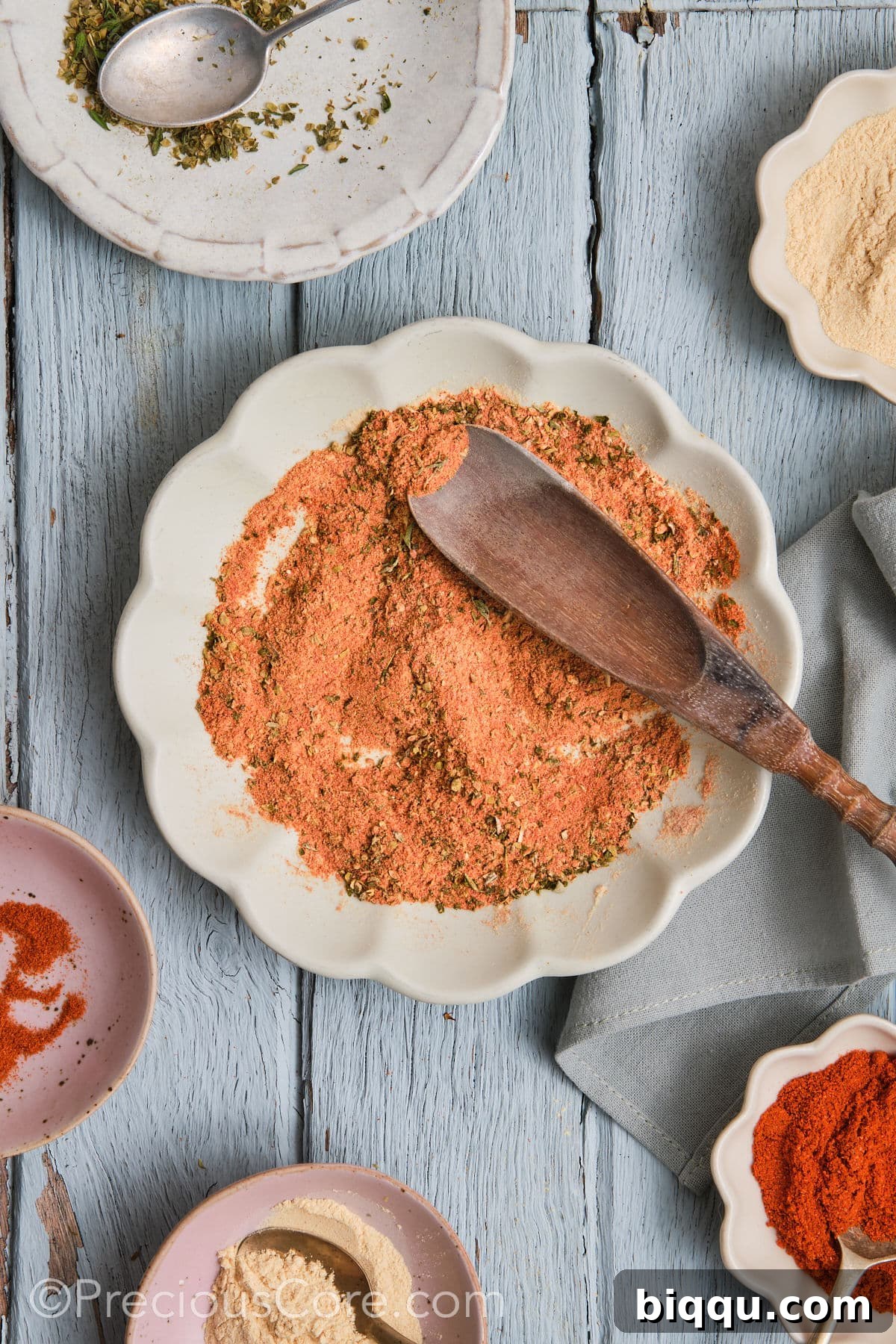
Tips for Perfecting and Preserving Your Cajun Seasoning
To ensure your homemade Cajun seasoning substitute remains fresh, potent, and ready to enhance your meals, consider these practical tips:
- Optimal Storage: For maximum freshness, always store your seasoning blend in an airtight container. A glass mason jar or a dedicated spice jar with a tight-fitting lid is ideal. Keep it in a cool, dry place away from direct sunlight and heat sources (like above the stove), such as your pantry or a closed cupboard. This helps prevent the spices from losing their potency and flavor.
- Create a Marinade: Elevate your proteins by transforming this seasoning into a quick and flavorful marinade. Simply mix a generous amount of the seasoning blend with a few tablespoons of olive oil. For an extra layer of brightness, squeeze in some fresh lemon or lime juice. Coat your chicken, pork, fish, or even tofu with this mixture and allow it to rest in the refrigerator for at least 30 minutes (or up to a few hours for deeper flavor absorption) before cooking.
- Double the Recipe: If you find yourself frequently reaching for this delicious blend, don’t hesitate to double or even triple the recipe! Preparing a larger batch means you’ll always have a supply on hand, saving you time and effort in the long run. Just ensure you have a large enough airtight container for storage.
- Maintain Freshness: After each use, it’s crucial to tightly secure the lid of your seasoning container. Exposure to air is the primary culprit behind spices losing their aroma and flavor. A properly sealed container will help maintain the vibrancy and potency of your blend for many months.
- Toast for Deeper Flavor: For an even more intensified flavor, consider lightly toasting the individual whole spices (if using whole instead of ground) in a dry pan over medium-low heat for a minute or two before grinding and mixing. Even with ground spices, a very brief, gentle toast of the final mix (before storing) can unlock deeper aromas, but be careful not to burn them.
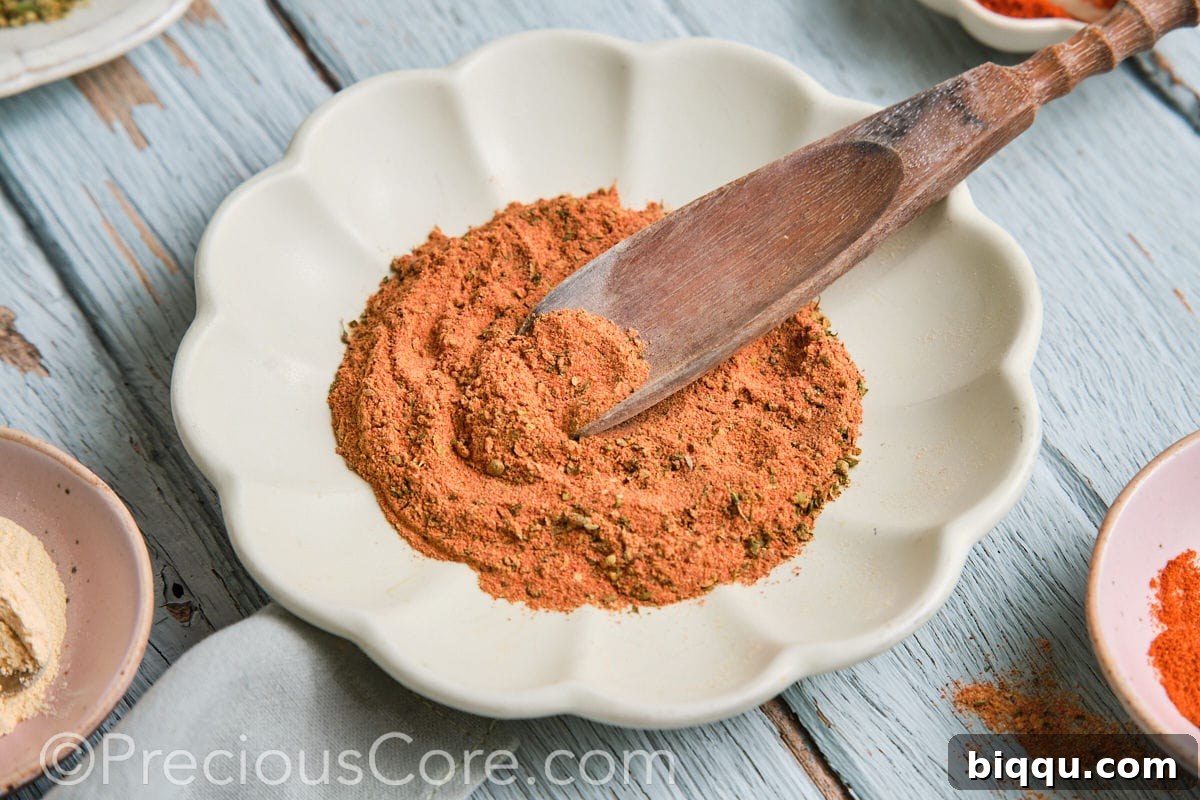
Versatile Uses: Foods You Can Season with This Cajun Seasoning Substitute
The applications for this homemade Cajun seasoning are truly boundless. Its bold and versatile flavor profile makes it an ideal companion for a wide array of ingredients and cuisines. Here are just a few ideas to inspire your culinary creativity:
- Cajun Chicken: Whether baked, grilled, pan-seared, or roasted, a generous rub of this seasoning will transform chicken into a flavor-packed centerpiece.
- Potatoes and Fries: Sprinkle over roasted sweet potatoes, crispy french fries, or potato wedges for an irresistible savory kick.
- Seafood Boils and Stews: Essential for authentic seafood boils, gumbos, jambalayas, and rich seafood stews, adding depth and heat.
- Burgers and Steaks: Season your burger patties or rub onto steaks before grilling or pan-frying for a zesty, robust crust.
- Shrimp or Fish: Perfect for grilling, blackening, or sautéing shrimp, salmon, cod, or any white fish.
- Pasta and Rice Dishes: Stir into creamy pasta sauces, rice pilafs, or even simple plain rice for an instant flavor upgrade.
- Tofu and Plant-Based Proteins: An excellent seasoning for baked, fried, or sautéed tofu, tempeh, or seitan, adding significant flavor to vegetarian meals.
- Pork: From pork chops and tenderloins to pulled pork, this seasoning provides a delicious, aromatic crust and flavor.
- Eggs: A light sprinkle on scrambled eggs, omelets, or deviled eggs for an unexpected savory punch.
- Popcorn: Elevate movie night snacks with a shake of this seasoning over freshly popped corn.
- Soups and Chili: Stir into your favorite soups, chili, or gravies for added warmth and complexity.
- Roast Vegetables: Toss with Brussels sprouts, cauliflower, bell peppers, or corn before roasting for a flavorful side dish.
And the list truly goes on and on! Experiment with this blend in all your favorite recipes to discover new and exciting flavor combinations.
Delicious Recipes to Make With Your Homemade Cajun Seasoning
Put your freshly made Cajun seasoning to excellent use with these mouth-watering recipes:
Baked Cajun Salmon
Cajun Pasta With Salmon
Seafood Gumbo
Mango Shrimp Salad
If you make this recipe, please consider leaving a star rating below. Your feedback helps other home cooks discover and enjoy the recipe, and I always love hearing from you! Thank you!
Cajun Seasoning Substitute
★★★★★
Craft this simple Cajun Seasoning Substitute when you’re out of store-bought. A versatile blend perfect for chicken, fish, beef, pork, and vegetables, ready in just 5 minutes!
Pin Recipe
Rate
Print Recipe
Ingredients
- 1 Tablespoon paprika
- 1 Tablespoon Italian seasoning
- 1 Tablespoon garlic powder
- 1 Tablespoon onion powder
- 1 teaspoon cayenne pepper
Instructions
- Add all ingredients to a small mixing bowl and stir thoroughly to combine until uniform.
- Store the finished seasoning blend in an airtight mason jar or spice jar in a cool, dry place.
Notes
- You could also add ground black pepper and white pepper for an extra layer of spice.
- Instead of Italian seasoning, use individual dried herbs like dried basil, oregano, dried thyme, and parsley in equal parts for a similar herbaceous profile.
- Adjust cayenne pepper to your preferred spice level.
Nutrition
Calories: 22 kcal | Carbohydrates: 5 g | Protein: 1 g | Fat: 0.4 g | Saturated Fat: 0.1 g | Polyunsaturated Fat: 0.2 g | Monounsaturated Fat: 0.1 g | Sodium: 4 mg | Potassium: 107 mg | Fiber: 2 g | Sugar: 0.4 g | Vitamin A: 1091 IU | Vitamin C: 1 mg | Calcium: 33 mg | Iron: 1 mg
Additional Info
📷
Tried this recipe?
Mention @preciouscore or tag #PreciousCore!