
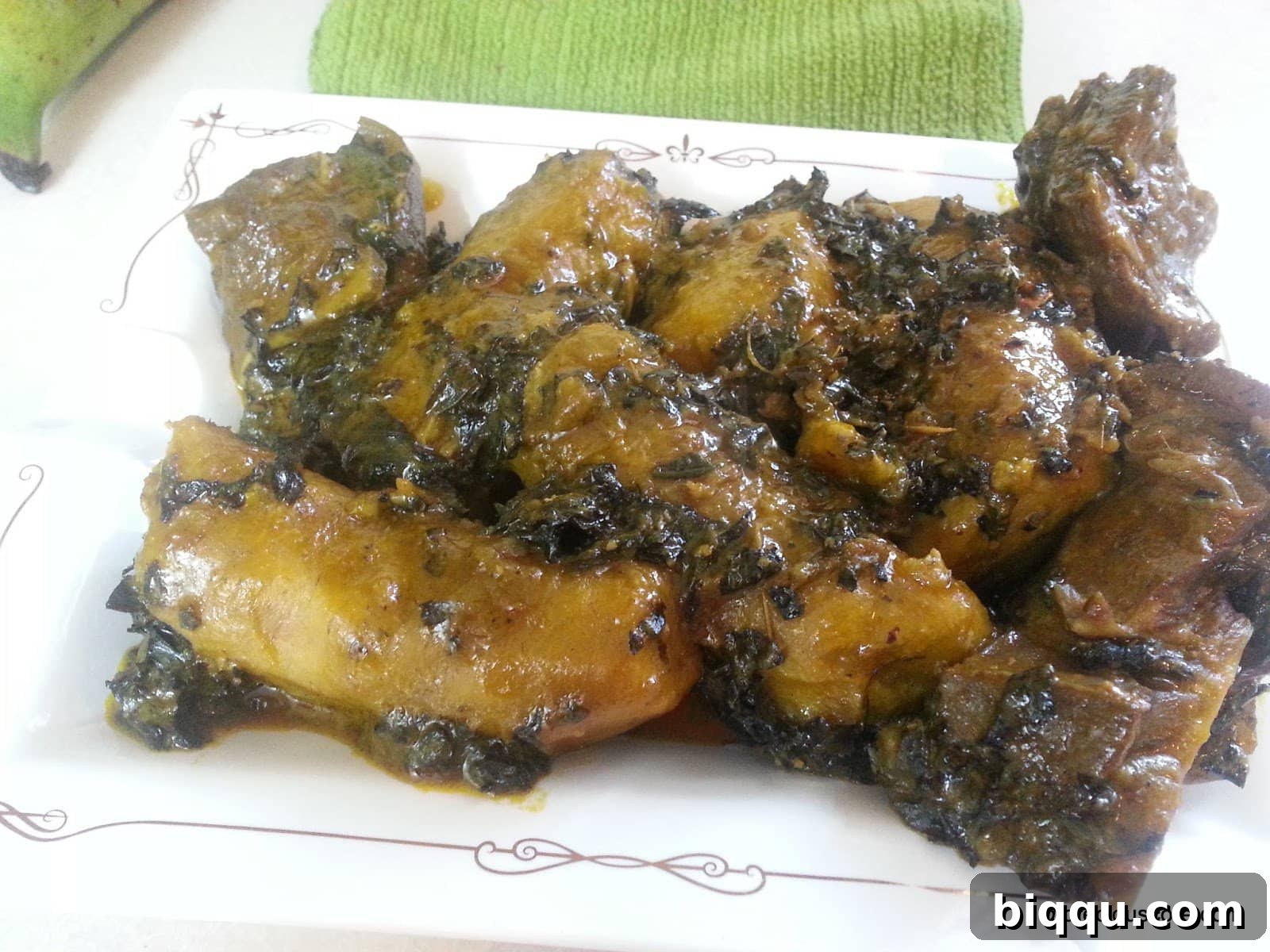
Born House Planti: Savoring Cameroon’s Rich Culinary Heritage and Traditions
Just a few days ago, I had the pleasure of reading a profoundly insightful article on the vibrant blog, Joy2Endure, authored by a dear sister and friend. The piece meticulously explored a significant cultural treasure that, sadly, seems to be diminishing amidst the march of modern civilization: the “Born House” celebration. In Cameroon, “Born House” is more than just a colloquial phrase; it encapsulates a deeply rooted traditional ceremony. Historically, it was a joyous event meticulously organized to extend a warm and heartfelt welcome to a new mother and her precious newborn baby. These gatherings, rich in community spirit and ancestral wisdom, were typically graced by the presence of elderly women, revered for their extensive experience in childbirth and child-rearing. They would fill the air with captivating, rhythmic songs, their voices carrying blessings and invaluable advice for the new family, weaving a tapestry of support and joy.
Planti eh, planti eh
Planti for pikin
E sabi sweet
These lyrics, simple yet profound, often accompanied the rituals of the Born House. Beyond the melodious blessings, the ceremony served as a powerful testament to communal solidarity. New mothers would be showered with thoughtful gifts, with bars of soap—affectionately known as “savon”—being a particularly common and symbolic offering. These gifts represented practical support, ensuring the baby’s cleanliness and aiding the mother’s post-partum recovery. The newborn, the central figure of the celebration, would be gently passed from one elder to another, each touch a gesture of welcome, a silent blessing, and a reaffirmation of the child’s place within the community. These occasions were invariably delightful, fostering deep connections and strengthening the fabric of the community.
The Evolving Landscape of Cameroonian Birth Traditions
Regrettably, like many cherished cultural practices across the globe, the beautiful “Born House” tradition faces the inevitable pressures of modernization. An increasing number of Cameroonians are now gravitating towards Western-inspired baby showers and elaborate first birthday celebrations. While these contemporary events undeniably bring joy, they often lack the unique cultural depth, the intricate communal rituals, and the intergenerational wisdom that characterize a traditional Born House gathering. This shift reflects a broader global trend where indigenous customs contend with external influences, sometimes leading to the gradual erosion of unique cultural identities. However, even as these traditional ceremonies wane, one element of the Born House legacy remains vibrant, firmly etched in the culinary landscape and the collective memory of Cameroonians: the enduring affection for “Born House Planti.” This iconic dish serves as a delicious anchor, keeping the spirit of the tradition alive in kitchens and hearts across the nation.
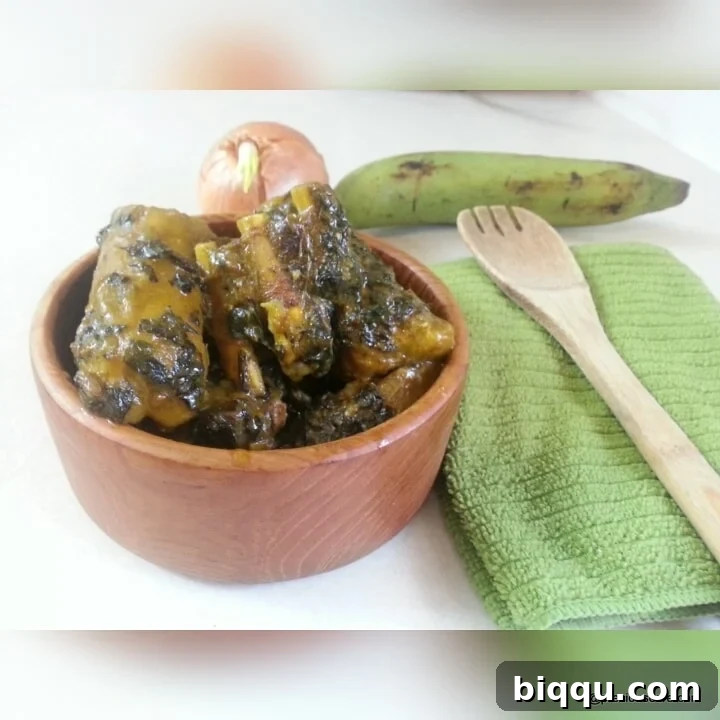
Unveiling Born House Planti: A Dish Steeped in Culture and Flavor
Born House Planti is far more than just a meal; it is the symbolic culinary centerpiece of Cameroonian Born House celebrations, from which it proudly takes its name—”Planti” being the affectionate local term for plantains. This savory and satisfying dish is a masterclass in indigenous cooking, featuring unripe plantains slow-cooked to tender perfection in copious amounts of rich, red palm oil, and infused with an exquisite blend of ethnic flavors. It’s a dish that not only nourishes the body but also tells a compelling story of heritage and community.
The prominence of plantains as the primary ingredient in Born House Planti carries a fascinating layer of cultural significance for many. According to a revered local folklore, it is customary for a newborn’s umbilical cord to be ceremonially buried beneath a plantain tree. As the plantain tree matures and begins to yield its fruit, those very plantains are then harvested and lovingly prepared into this celebratory meal. When family and well-wishers partake in Born House Planti, they are not merely enjoying a delicious meal; they are symbolically participating in a powerful blessing for the new baby, forging a profound connection between the child, the earth, and their ancestral roots. While the specific details of this legend may vary slightly across different Cameroonian communities, one truth remains universally acknowledged: these plantains, when prepared in the authentic Born House style, are irresistibly delicious and embody the soul of Cameroonian comfort food.
The dish’s distinctive flavor profile is a complex interplay of the earthy, slightly starchy unripe plantains, the vibrant color and robust, nutty taste of palm oil, and a carefully selected medley of local spices that grant it an unparalleled depth and aroma. It’s a taste that instantly evokes feelings of warmth, comfort, and the profound culinary traditions of Cameroon. Born House Planti offers a unique textural experience, with the plantains softening to a comforting tenderness while still retaining a slight bite, all enveloped in the rich, velvety sauce. It’s truly an exploration of flavor that stands apart in West African cuisine, celebrated for its unique character and comforting presence.
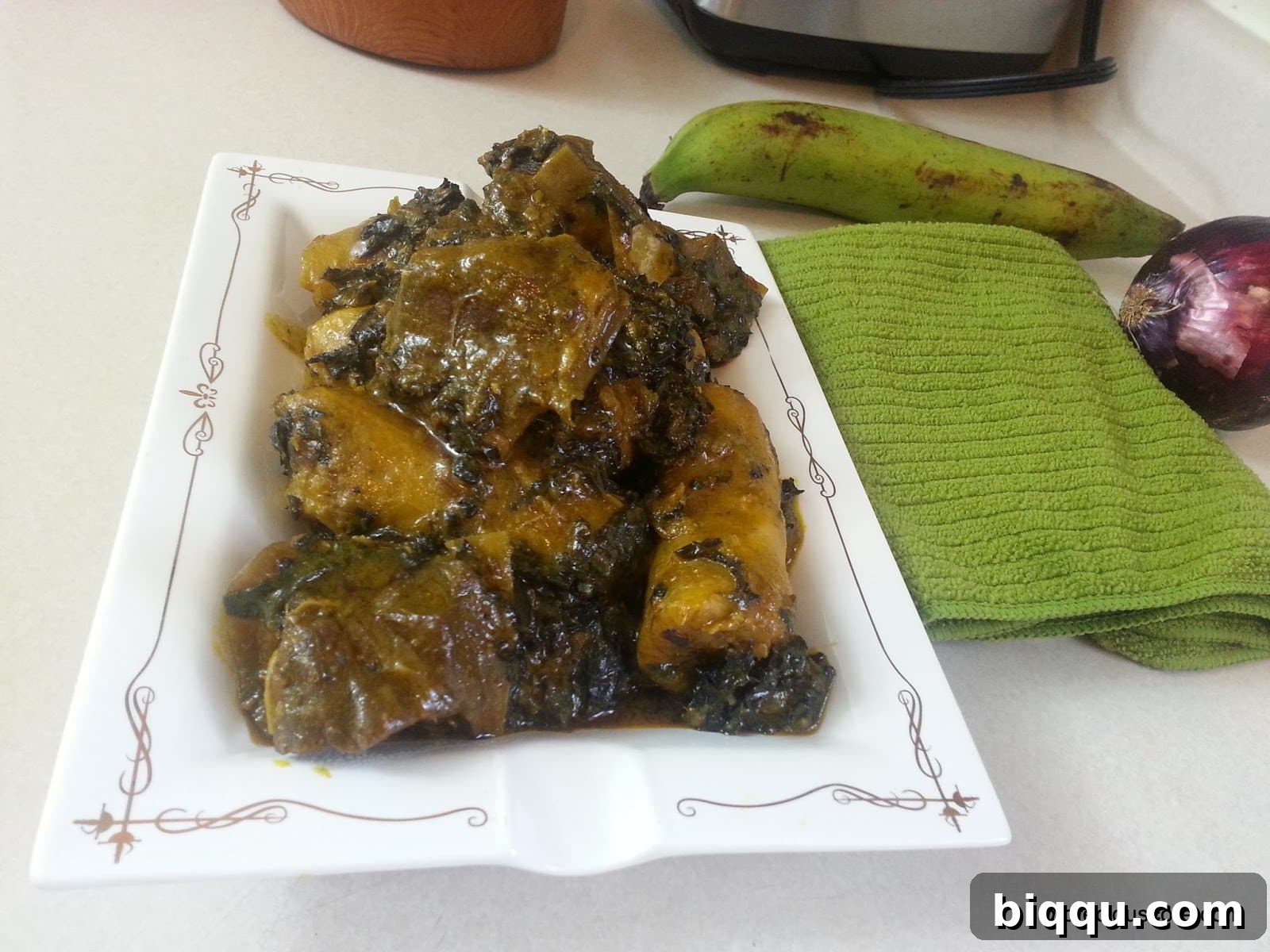
My Culinary Quest: Recreating Born House Planti at Home
Having been so deeply moved and inspired by that wonderful article, a compelling, almost insistent whisper began to resonate in my mind: “Cook Born House Planti! Cook Born House Planti! Cook!” As an ardent foodie, perpetually seeking to discover and recreate authentic culinary experiences, I simply could not ignore such an enticing call to action. It was an invitation to delve deeper into Cameroonian culture through its most delicious medium. Thus, I enthusiastically embarked on my very own Born House Planti journey, right in the comfort of my kitchen. This endeavor was not merely about replicating a recipe; it was about forging a connection with a rich cultural heritage, honoring a time-honored tradition, and experiencing the profound joy of authentic Cameroonian home cooking firsthand. It became a personal mission to capture those unique flavors and bring them to life.
Authentic Born House Planti Recipe: A Taste of Cameroon
Embark on a culinary adventure and discover how to authentically recreate this beloved traditional Cameroonian delicacy in your own kitchen. This comprehensive recipe is meticulously designed to help you capture the vibrant flavors, rich aromas, and profound cultural essence of Born House Planti, bringing a genuine taste of Cameroon to your table, any day of the week.
Prep Time: 10 minutes
Cook Time: 60 minutes
Total Time: 70 minutes
Serves: 3-4 people
Essential Ingredients for Your Cameroonian Planti Dish:
- 5 unripe plantains: Select firm, green plantains for the best starchy texture.
- 1 pound smoked fish and/or meat of choice: Smoked goat meat is highly recommended for its deep, traditional flavor, but smoked beef or fish (like smoked mackerel or stockfish) are also excellent choices.
- 1 cup washed bitterleaves: Can be fresh or dried. If dried, ensure proper rehydration.
- 1 large onion: Finely chopped or sliced.
- ¼ cup ground crayfish: Essential for adding a distinctive umami depth that is characteristic of West African cuisine.
- 1 ½ cups palm oil: Crucial for the authentic color, richness, and unique flavor of the dish.
- 3 small seasoning cubes: Brands like Maggi or Knorr are popular in West Africa and enhance the savory profile.
- 1 tablespoon ground ginger and garlic paste: A fragrant base for the spices.
- 1 “Country onion” (Ngakanga): If available, this unique aromatic onion provides an unparalleled authentic flavor.
- Salt: To taste.
- Optional: Scotch bonnet pepper or any other chili for those who enjoy a fiery kick.
Detailed Step-by-Step Guide to Crafting Born House Planti:
Follow these precise steps to prepare this cherished Cameroonian dish, ensuring a rich, authentic, and utterly delicious flavor experience:
Step 1: Prepare Your Protein (Meat or Fish)
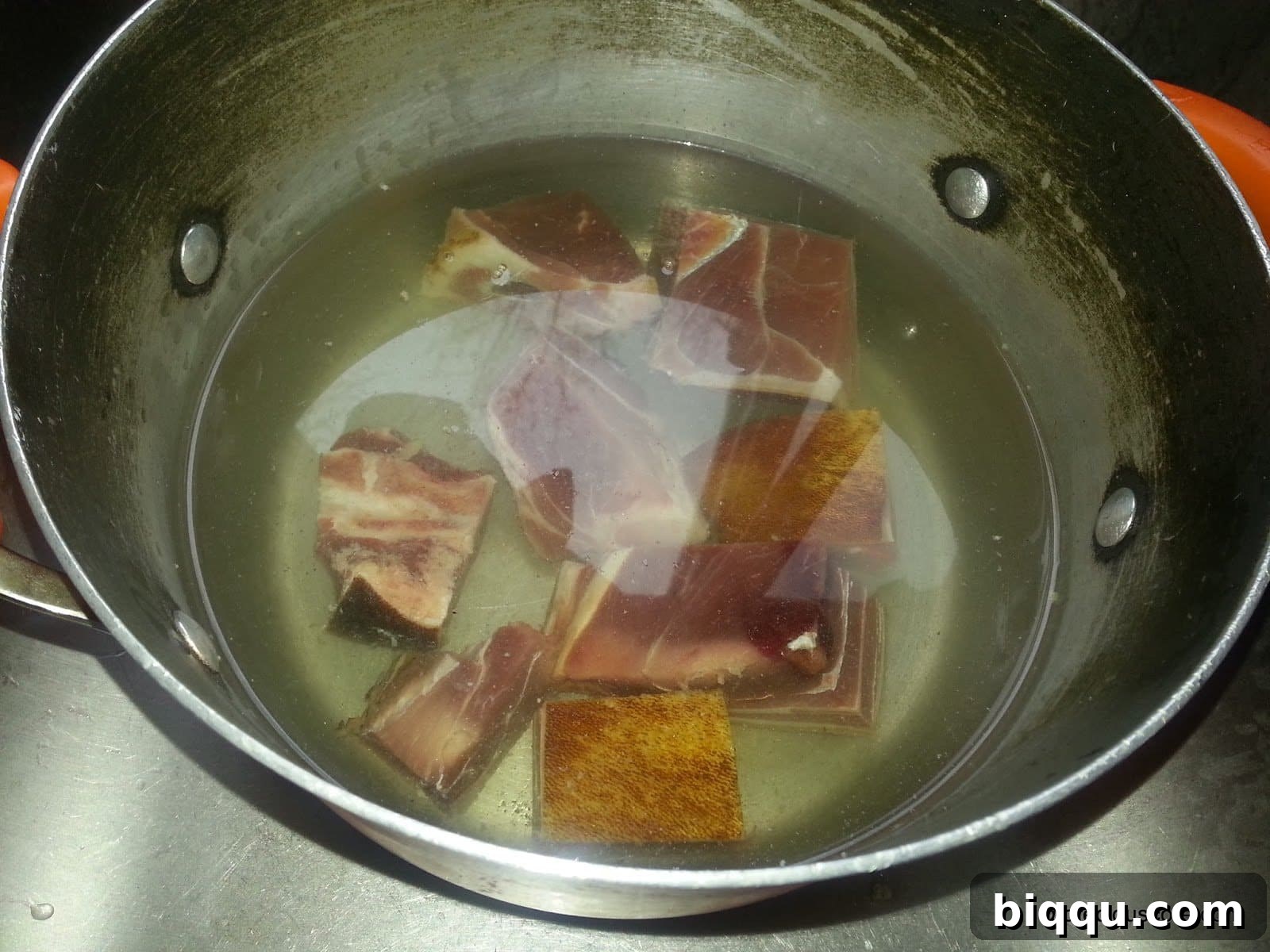
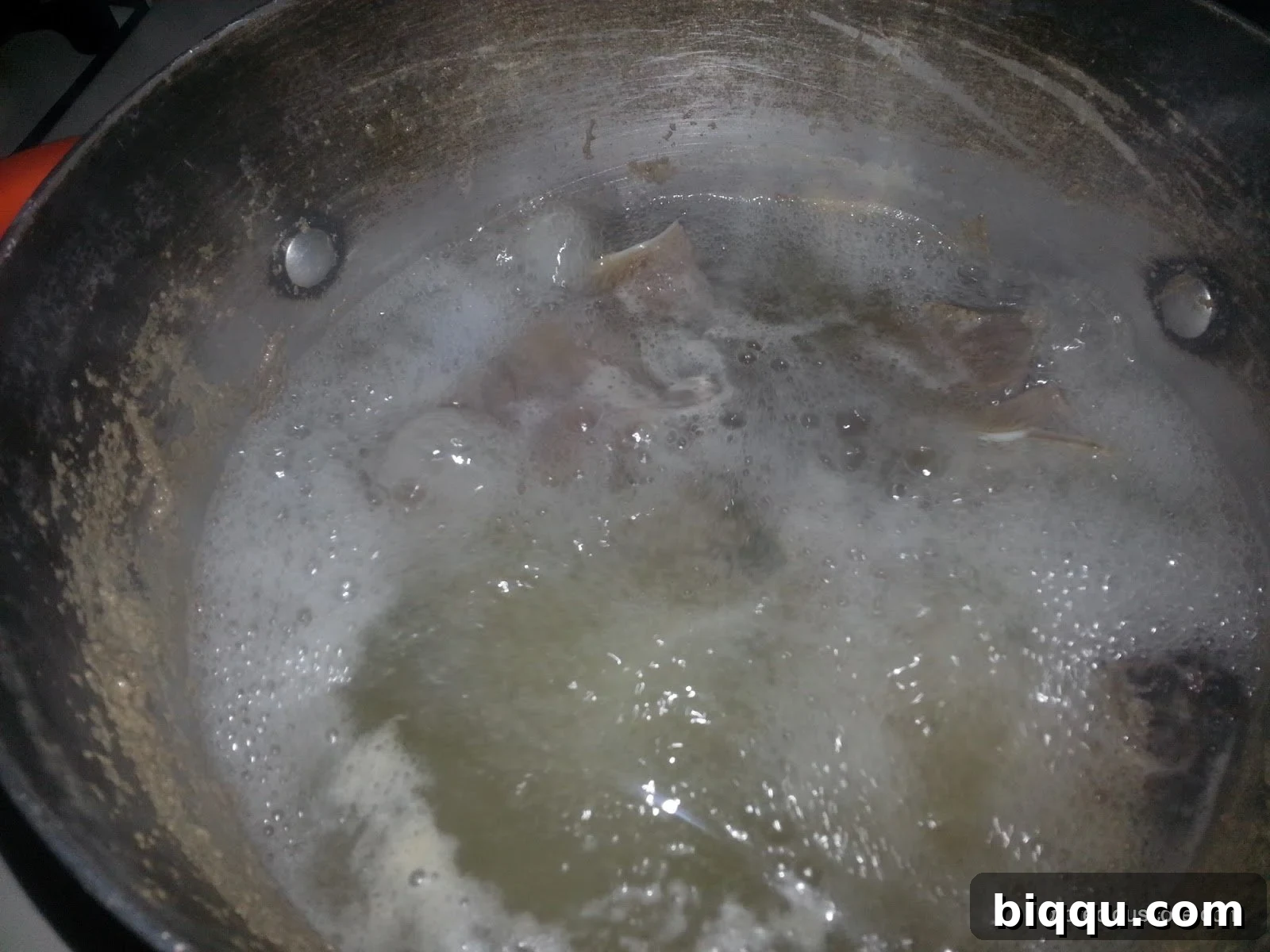
If your chosen protein is meat, especially tougher cuts such as smoked goat meat or beef, begin by thoroughly cleaning it and then boiling it in a sturdy pot. This initial boiling phase is crucial for tenderizing the meat and creating a flavorful broth, which forms the foundation of your Born House Planti. Depending on the type and cut of meat, this process can take anywhere from 30 minutes to a full hour or more. If you’re using only smoked fish, or if your meat is particularly soft and requires less cooking time, you can add your peeled plantains directly to the pot to boil simultaneously. Crucially, ensure the water level in the pot is only slightly above that of your meat. The goal is to create a concentrated, rich broth, not a watery stew. This step is fundamental to building the profound flavor profile of your Born House Planti.
Step 2: Prepare the Bitterleaves (or Suitable Substitutes)
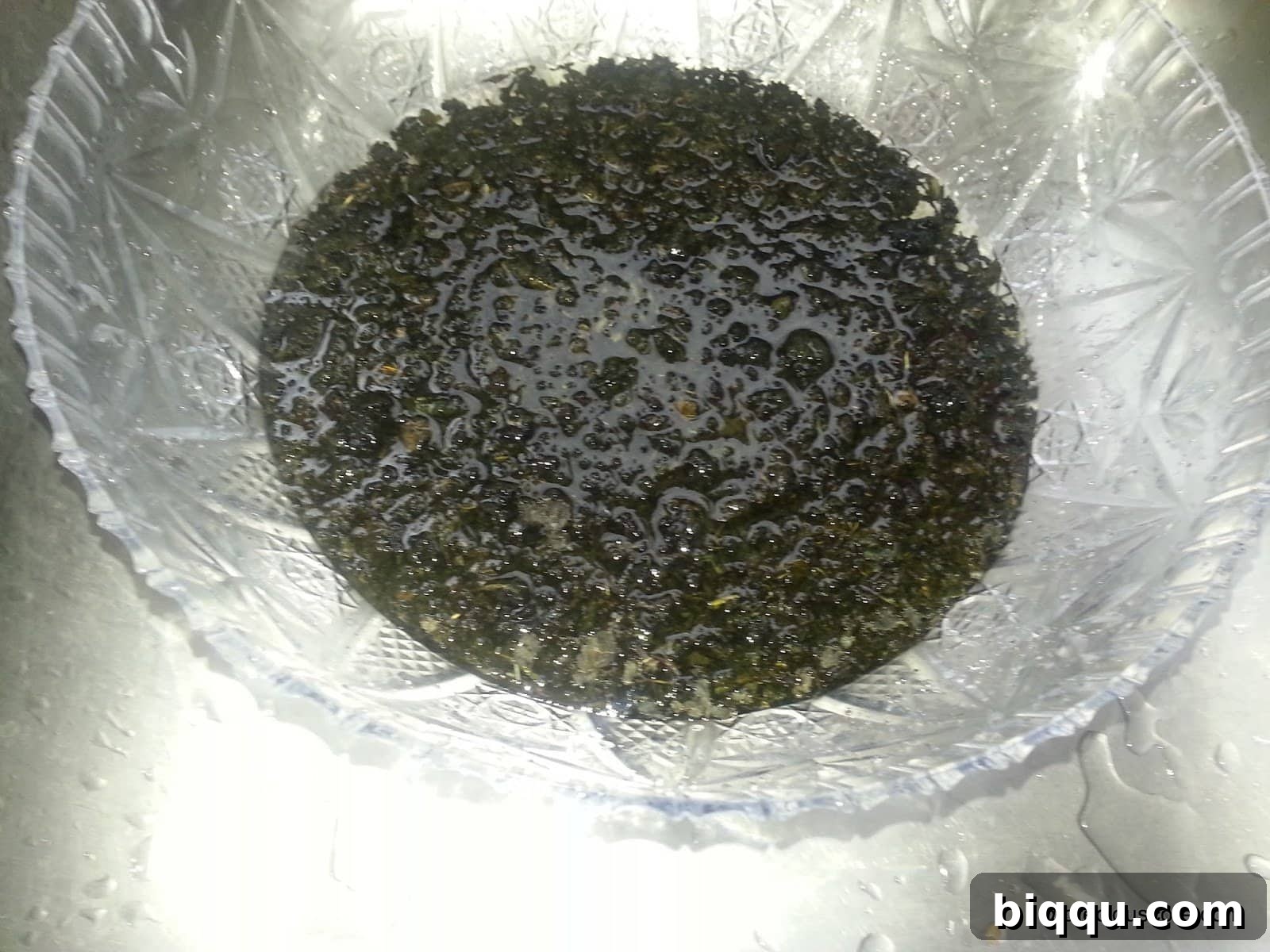
The preparation of bitterleaves is vital for this dish. If you are using dried bitterleaves, they will require rehydration to restore their texture and reduce bitterness. Soak them in warm water for at least 30 minutes, or ideally, overnight if you remember to plan ahead. This process makes them tender and mellows their strong flavor. For fresh bitterleaves, a thorough washing under running water is sufficient to remove any dirt or impurities. Should bitterleaves be difficult to source, kale makes an excellent and accessible substitute; its slightly bitter notes can convincingly mimic the traditional flavor. If a milder taste is preferred, fresh spinach is a perfectly acceptable alternative, though it will impart a different flavor profile. The ultimate aim is to incorporate a leafy green that harmonizes with the richness of the palm oil and the starchy goodness of the plantains.
Step 3: Peel and Segment the Plantains
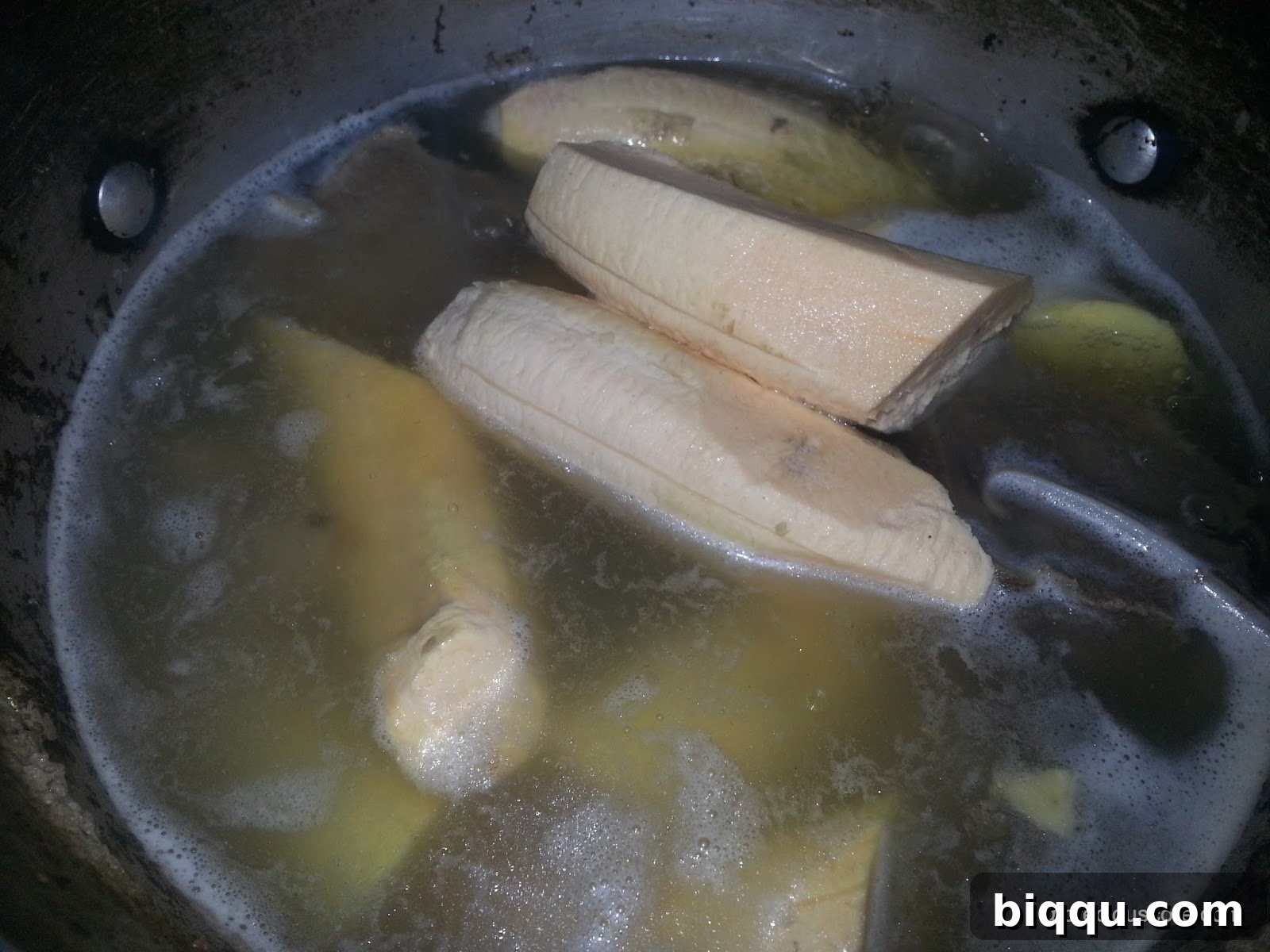
Carefully peel your unripe plantains. You can easily identify unripe plantains by their firm texture and distinct green skin. Once peeled, you have the option to cut each plantain into two or three substantial chunks. While some traditional methods might involve leaving the plantains whole, segmenting them allows for better absorption of the rich flavors during cooking and makes for easier serving. By this stage, your meat should be wonderfully tender and fragrant, having simmered long enough to create a deeply savory broth that will infuse the plantains.
Step 4: Add Plantains to the Pot
Now, with a confident motion, add your peeled and cut plantains directly into the pot, joining the tender meat and its flavorful broth. The term “throw in” in the original article signifies an unceremonious but efficient addition. The key here is to integrate them into the existing flavors early on, allowing them to absorb the savory notes from the very beginning of the cooking process, which is crucial for a deeply flavored Born House Planti.
Step 5: Incorporate the Palm Oil
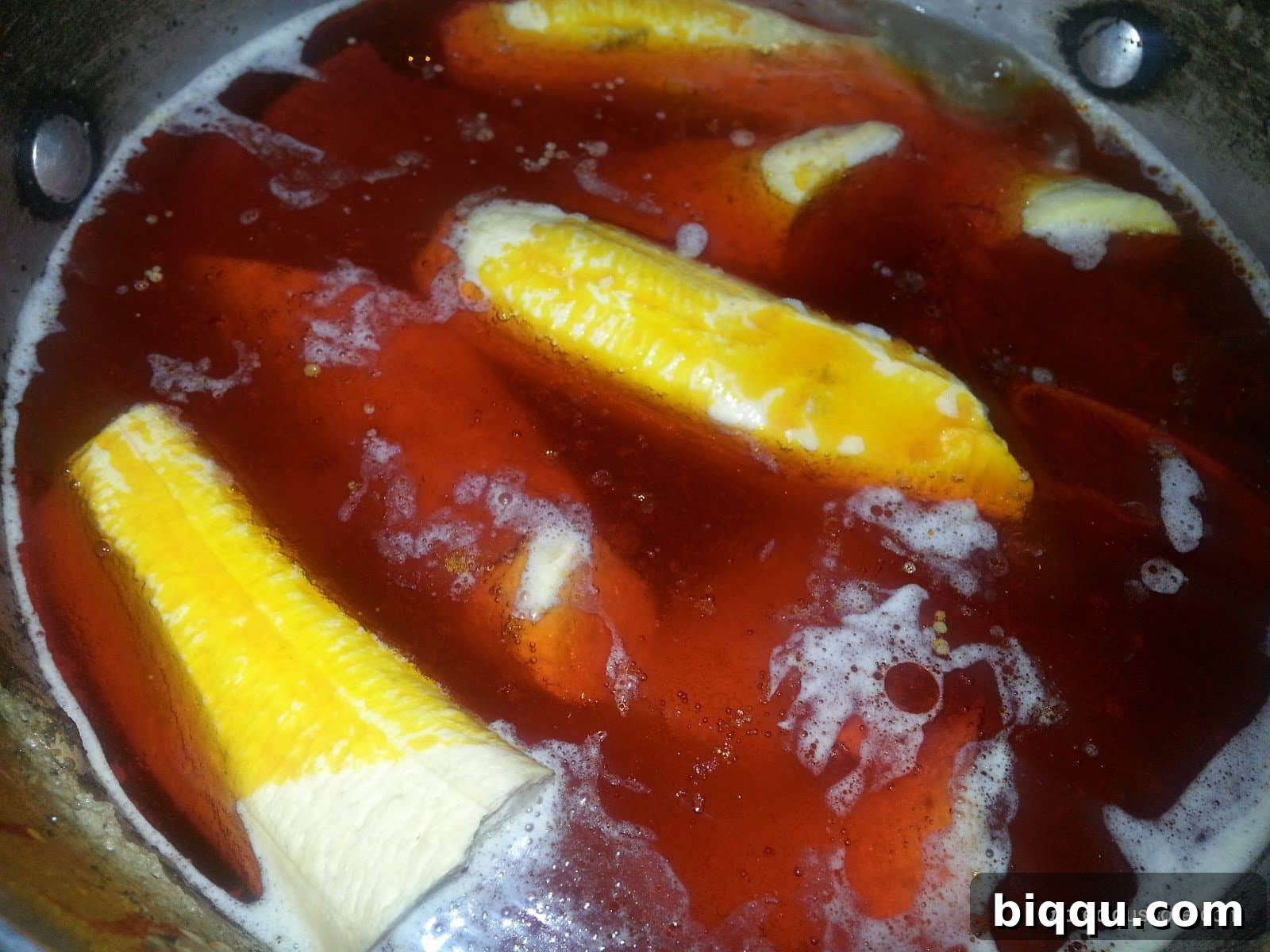
This is where the magic truly begins to unfold. Generously pour in the vibrant red palm oil. This ingredient is not merely an oil; it is absolutely fundamental to Born House Planti, lending its characteristic rich red hue, distinctive flavor, and silky texture to the entire dish. Do not hesitate with the quantity; the ample amount of palm oil is intrinsic to what makes this dish so authentic, visually stunning, and incredibly delicious. It will beautifully coat all the ingredients as they cook, imparting its signature taste and color.
Step 6: Add Bitterleaves and Onions
Next, carefully add your prepared bitterleaves (or your chosen leafy green substitute) into the pot, ensuring they are evenly distributed. Following this, add your finely chopped onion. These ingredients will gently cook down, gradually infusing the dish with their distinct aromas and flavors, contributing to the complex profile of Born House Planti. The onions add a foundational sweetness and pungency, while the bitterleaves introduce a characteristic, slightly earthy bitterness that balances the richness of the palm oil.
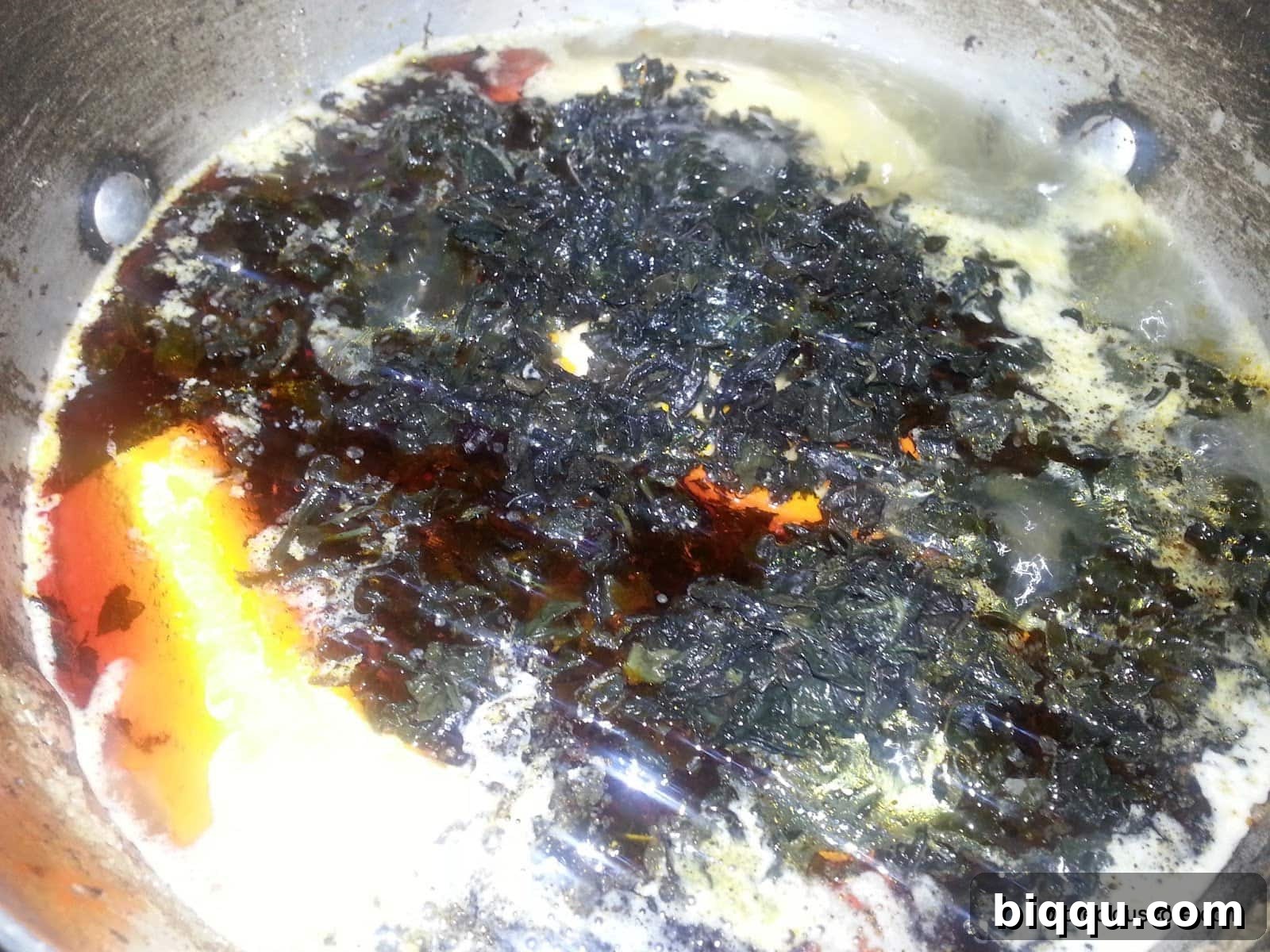
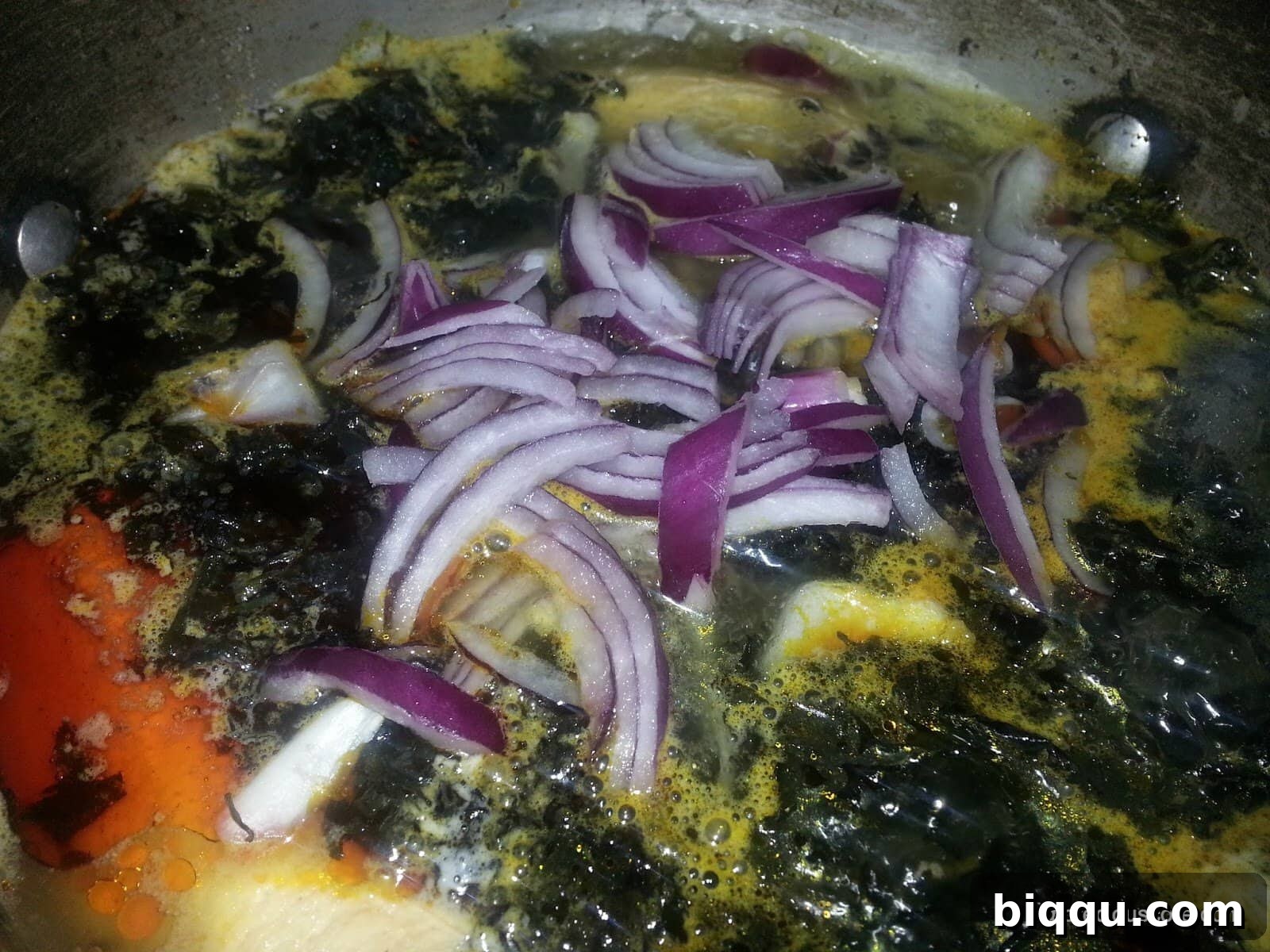
Step 7: Season and Allow to Simmer
Once all the initial ingredients are in the pot, cover it tightly and allow this symphony of flavors to cook together, letting them meld and deepen over time. After a good 15-20 minutes, or once the plantains begin to show signs of softening, carefully lift the lid. Now, it’s time to introduce the vital seasonings: add the ground crayfish, the seasoning cubes (Maggi or Knorr are preferred for their familiar taste), the aromatic ginger and garlic paste, and the unique “Country onion” (Ngakanga) if you’ve managed to source this special ingredient. If you appreciate a touch of heat, now is also the perfect moment to incorporate your desired amount of fresh chili or pepper. The crayfish is indispensable, providing a distinctive umami depth that is a hallmark of West African cuisine, while the seasoning cubes amplify the overall savory profile. The country onion, with its singular pungent aroma, truly elevates the authenticity of the flavor, making it a game-changer if included.
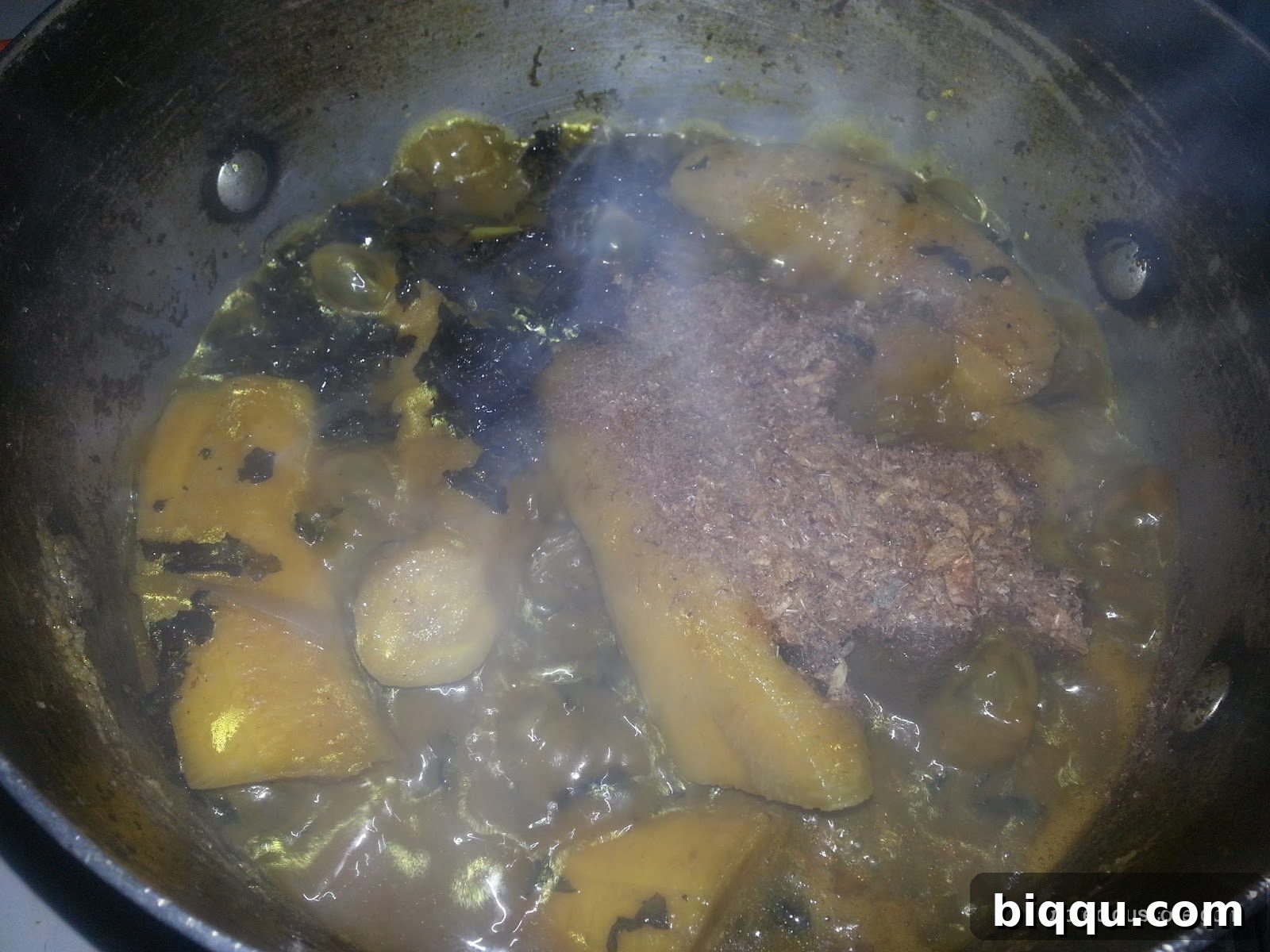
Step 8: Final Cooking, Adjusting, and Celebrating
Cover the pot once more and allow the Born House Planti to continue simmering gently until the plantains are fully tender, thoroughly cooked, and the palm oil has beautifully integrated into the dish, creating a luscious, cohesive sauce. As your kitchen fills with these wonderful aromas, feel free to hum, sing, or even perform a little dance to the rhythm of the Born House celebration! Remember the song: “Planti eh, planti eh. Planti for pikin e sabi sweet!” This isn’t just about cooking; it’s an immersive celebration of culture and life itself. Once the dish is nearly ready, open the pot, give it a gentle shake to distribute the ingredients without breaking the plantains (or a very careful, light stir with a wooden spoon), and then taste to adjust any seasonings. Add salt as needed to perfect the balance. Your authentic Born House Planti is now complete, bringing a cherished piece of Cameroonian tradition directly into your home! Serve it warm and enjoy the fruits of your culinary journey.
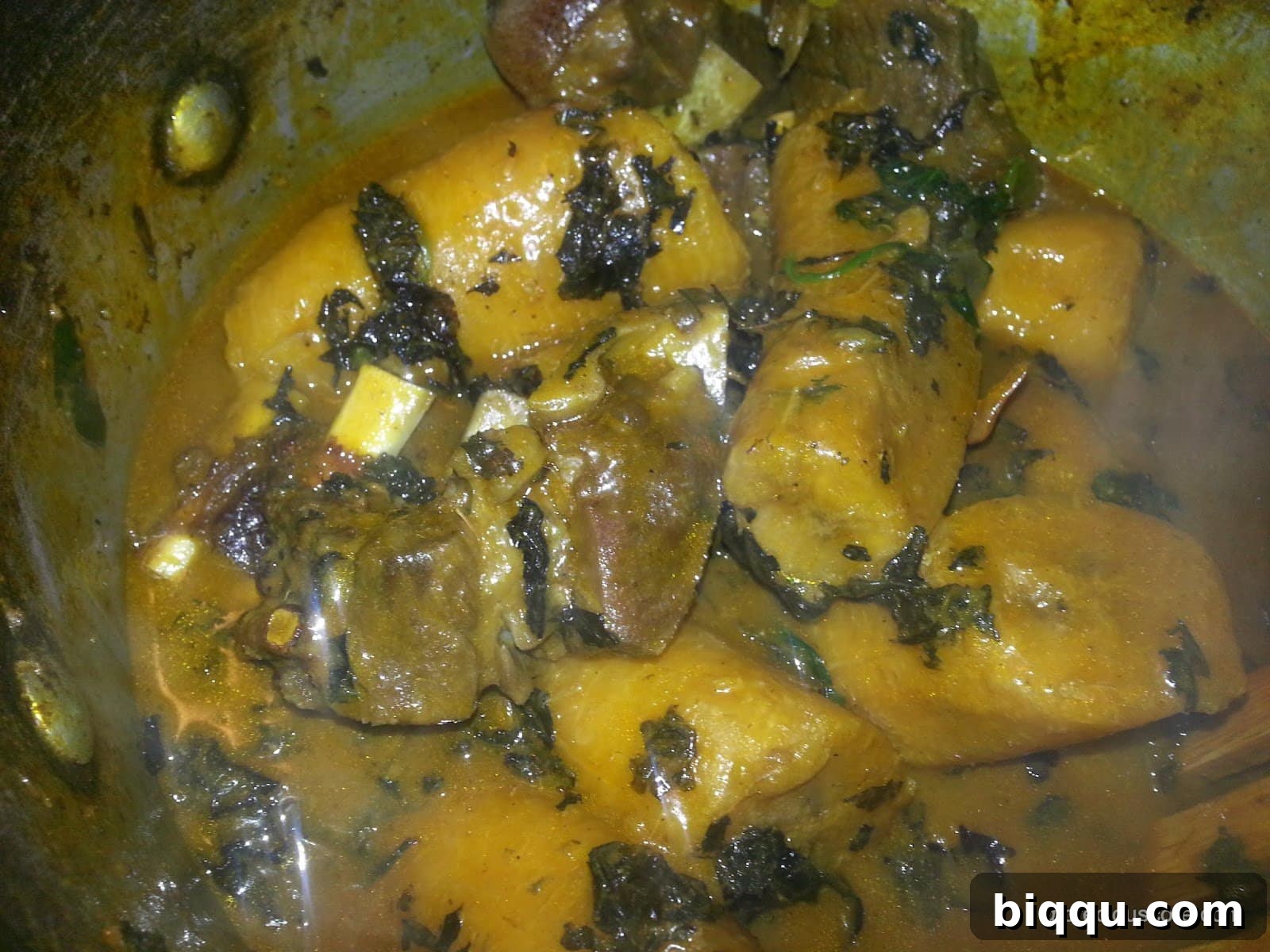
The Signature “Oyel” Finish: A Mark of Authenticity
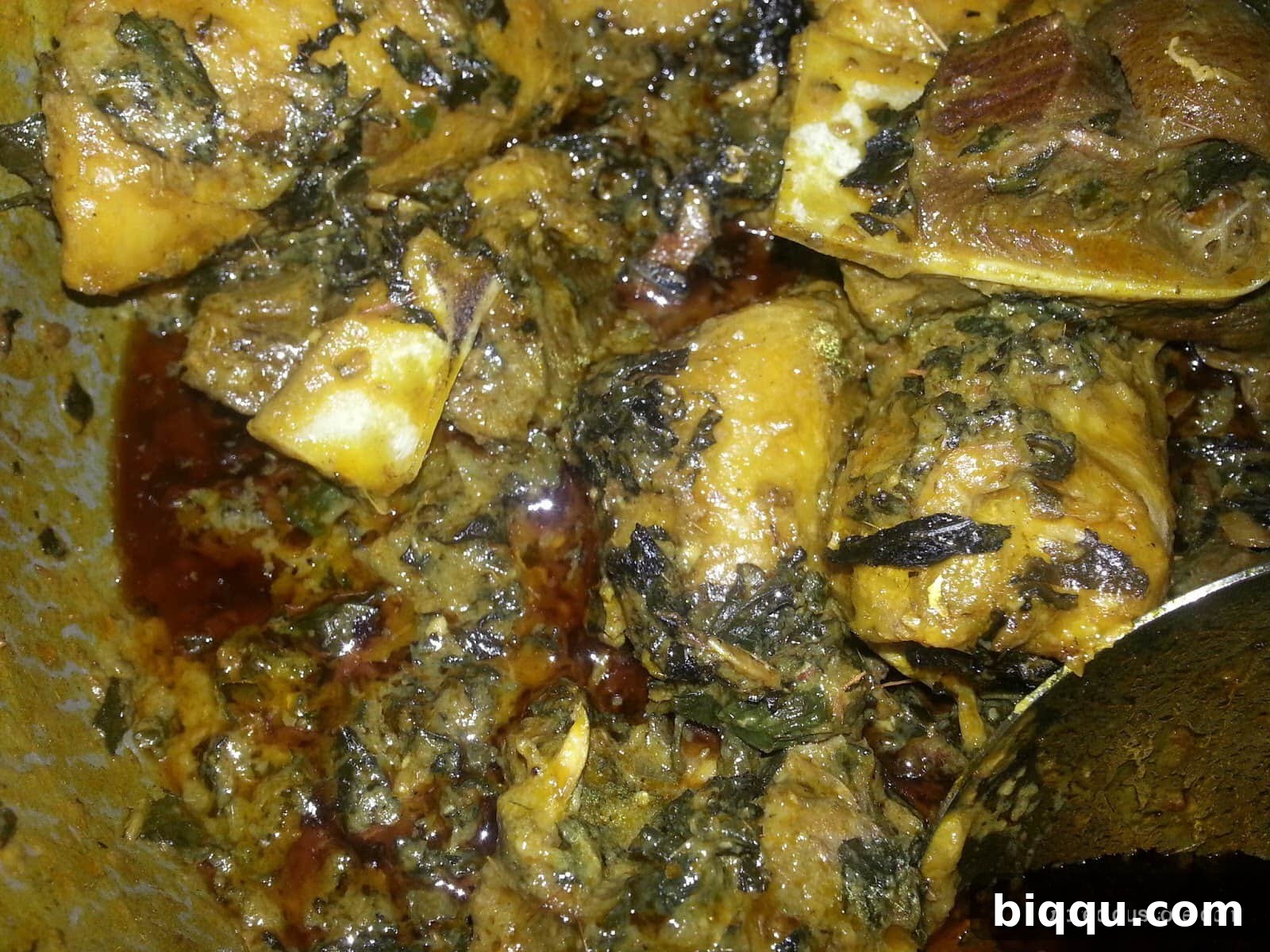
One of the most authentic and visually appealing indicators of a perfectly cooked Born House Planti is observed when, after allowing the dish to rest for a short while, the vibrant red palm oil—lovingly referred to as “oyel” in local parlance—begins to subtly rise and glisten on the surface. This isn’t merely a visual phenomenon; it signifies that the flavors have fully married, the ingredients have perfectly melded, and the dish has reached its peak deliciousness and readiness. Indeed, what truly would Born House Planti be without its signature “oyel” sheen, a tantalizing invitation to savor every single, flavorful mouthful?
Essential Tips for Crafting Your Perfect Born House Planti
- Minimize Stirring for Texture: To preserve the integrity of the plantain chunks and prevent them from breaking apart into a mash, it is crucial to avoid stirring the pot frequently during the cooking process. Instead, gently hold both sides of the pot and shake it carefully to ensure the ingredients are evenly distributed and cooking uniformly. If stirring becomes absolutely necessary, use a wooden spoon and do so with extreme gentleness.
- The Tomato Option (Traditional vs. Variation): While this traditional Born House Planti recipe typically omits tomatoes to maintain its distinct flavor profile, some regional variations do incorporate a small amount for a touch of acidity and additional color. If you prefer this variation, you can add a tablespoon or two of concentrated tomato paste or finely diced fresh tomatoes when you introduce the onions. However, for an authentic and classic Born House Planti experience, I highly recommend preparing it without tomatoes to truly appreciate its unique taste.
- Prioritize Ingredient Quality: The unparalleled success and authentic taste of this dish are heavily reliant on the quality and freshness of your ingredients. Always opt for firm, perfectly unripe green plantains and choose a good quality, vibrant red palm oil. Fresh spices and good quality smoked meat or fish will also significantly enhance the overall flavor.
- Creative Serving Suggestions: Born House Planti is a wonderfully hearty and satisfying meal that can stand proudly on its own. However, for a balanced meal, it can be delightfully paired with a side of fresh avocado slices or a simple, crisp green salad to cut through its richness. A sprinkle of fresh cilantro or parsley can also add a touch of freshness.
- Embrace the Cultural Connection: As you engage in the cooking process and savor each bite, take a moment to reflect on the rich cultural tapestry that this dish represents. It is more than just sustenance; it is a living legacy, a vibrant celebration of life, community, and enduring traditions. Cooking Born House Planti is an act of cultural immersion and preservation.
Embrace the Tradition: Happy “Born Housing” in Your Kitchen!
As you lovingly prepare and savor each delicious spoonful of your homemade Born House Planti, understand that you are engaging in far more than just enjoying a meal. You are actively participating in a culinary tradition that resonates with the warmth, boundless joy, and profound communal spirit that defines Cameroon. It is a wonderfully delicious and impactful way to connect with a rich cultural heritage and play a part in keeping invaluable traditions alive for future generations. We sincerely hope that this comprehensive guide inspires you to explore the vibrant and incredibly diverse world of Cameroonian cuisine, and perhaps even share this experience with your loved ones. We wish you a delightful and truly authentic “Born Housing” experience – both in your kitchen and deep within your heart!