
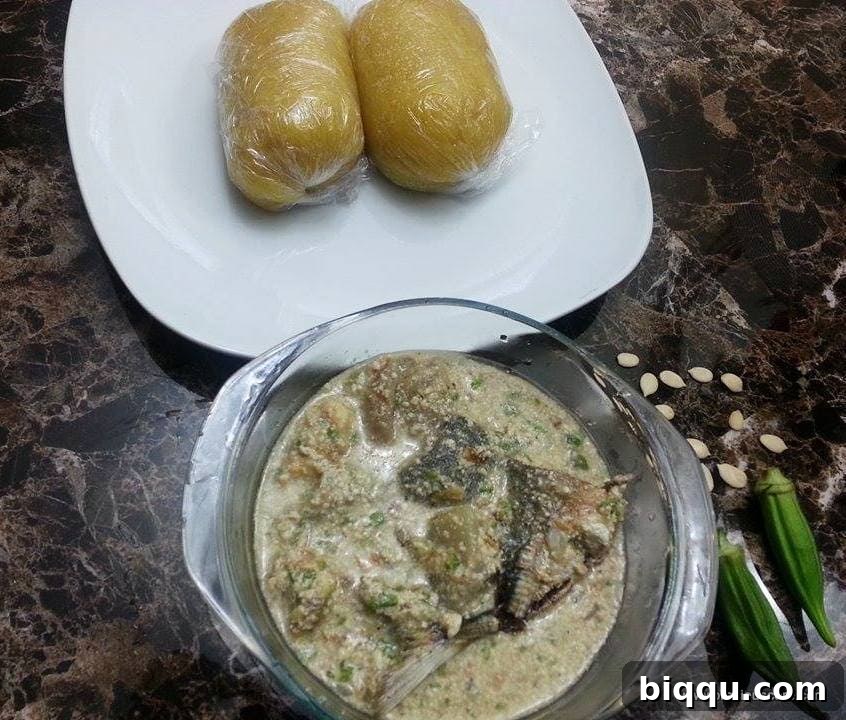
Experience the Rich Flavors of Okra-Egusi Soup: A West African Culinary Delight
Step into the vibrant world of West African cuisine with one of its most cherished and wholesome dishes: Okra-Egusi Soup. This hearty and immensely satisfying soup is a staple in many households across the region, celebrated for its unique texture, robust flavors, and incredible nutritional value. Today, we’re diving deep into crafting a truly special Okra-Egusi soup, a delightful blend of fresh okra and the rich, nutty goodness of Egusi (ground melon seeds). Prepare to embark on a culinary journey that promises to tantalize your taste buds and nourish your soul.
What Makes Okra-Egusi Soup So Special?
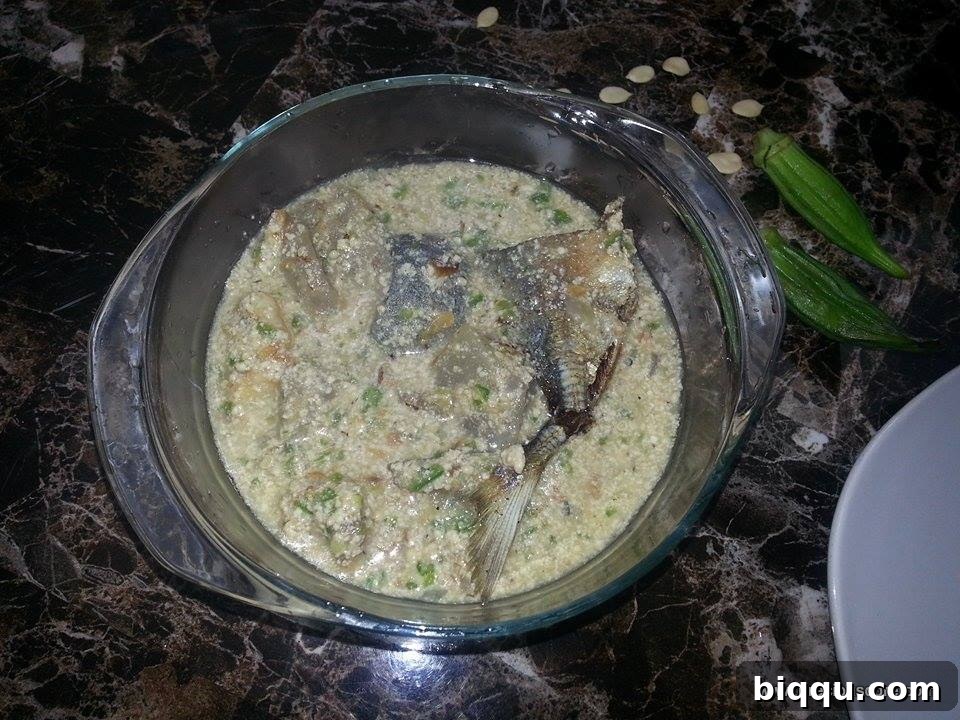
At its core, Okra-Egusi soup is a masterful combination of two powerhouse ingredients: okra and egusi. Okra, known for its distinctive mucilaginous texture, lends a delightful ‘draw’ to the soup, making it incredibly enjoyable with swallow foods. Egusi, on the other hand, provides a creamy base, a rich, nutty flavor, and acts as a natural thickener. When these two ingredients come together with a medley of aromatic spices, proteins, and fresh vegetables, they create a symphony of flavors that is truly unforgettable.
This particular rendition of Okra-Egusi soup stands out because the subtle yet profound taste of egusi elevates the entire dish, transforming a simple okra soup into something extraordinarily complex and satisfying. And the best part? You can savor every spoonful without an ounce of guilt. Okra is a nutritional treasure, packed with vitamins, minerals, and fiber, while egusi offers essential proteins and healthy fats. What’s more, this soup, when prepared thoughtfully, often requires minimal or no added oil, making it an incredibly healthy choice for you and your family.
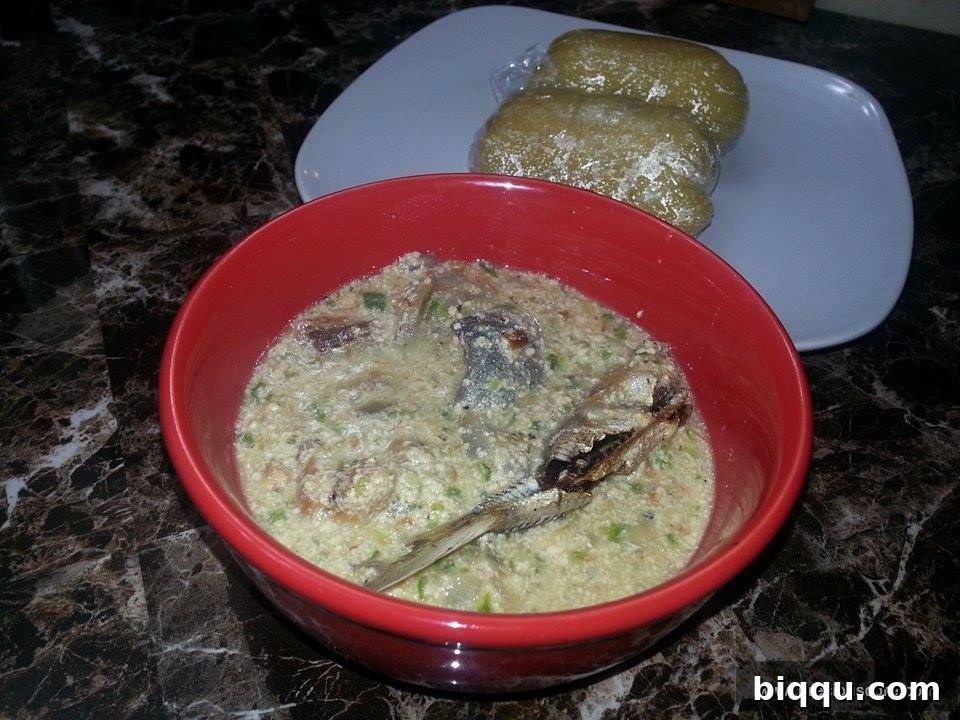
Whether you pair this delectable soup with some warm garri, a mound of fluffy corn fufu, smooth semolina, or any other traditional swallow of your choice, you’re in for an authentic, finger-licking good experience that truly captures the essence of home-cooked West African food.
The Health Benefits Packed in Every Spoonful
Beyond its incredible taste, Okra-Egusi soup is a nutritional powerhouse. Okra is rich in Vitamin K, Vitamin C, folate, and magnesium, and its high fiber content aids digestion and promotes gut health. Egusi seeds are an excellent source of protein, healthy fats, and essential amino acids, making them a fantastic plant-based protein alternative. The addition of various meats, fish, and spices further enriches the soup with a wide array of micronutrients. Enjoying this soup means you’re indulging in a meal that is as beneficial for your body as it is for your palate.
Crafting Your Perfect Okra-Egusi Soup: A Detailed Recipe
This recipe is designed to guide you through creating a rich, flavorful, and perfectly textured Okra-Egusi soup. Feel free to adjust the ingredients to suit your personal taste preferences, especially when it comes to spice levels and choice of protein.
OKRA-EGUSI SOUP RECIPE
- Prep Time: 10 minutes
- Cook Time: 20 minutes
- Total Time: 30 minutes
- Serves: 4 generous portions
Ingredients
- 1 ½ cups fresh okra, finely chopped or grated (for a smoother draw)
- 1 cup ground egusi (melon seeds)
- 2 pounds (approx. 1 kg) mixed boiled meat and fish of choice, with their rich stock
- 2 seasoning cubes (such as Maggi or Knorr)
- Salt to taste
- 1 habanero pepper, finely chopped or blended (optional, for heat)
- ½ cup ground crayfish (essential for that authentic umami depth)
- ½ cup chopped onions
- Optional additions: smoked fish, fried fish, prawn, cow skin (canda/ponmo)
Step-by-Step Cooking Instructions
The secret to a truly great Okra-Egusi soup lies in the quality of your ingredients and the careful layering of flavors. Follow these steps to achieve culinary perfection.
Step 1: Prepare Your Proteins and Stock
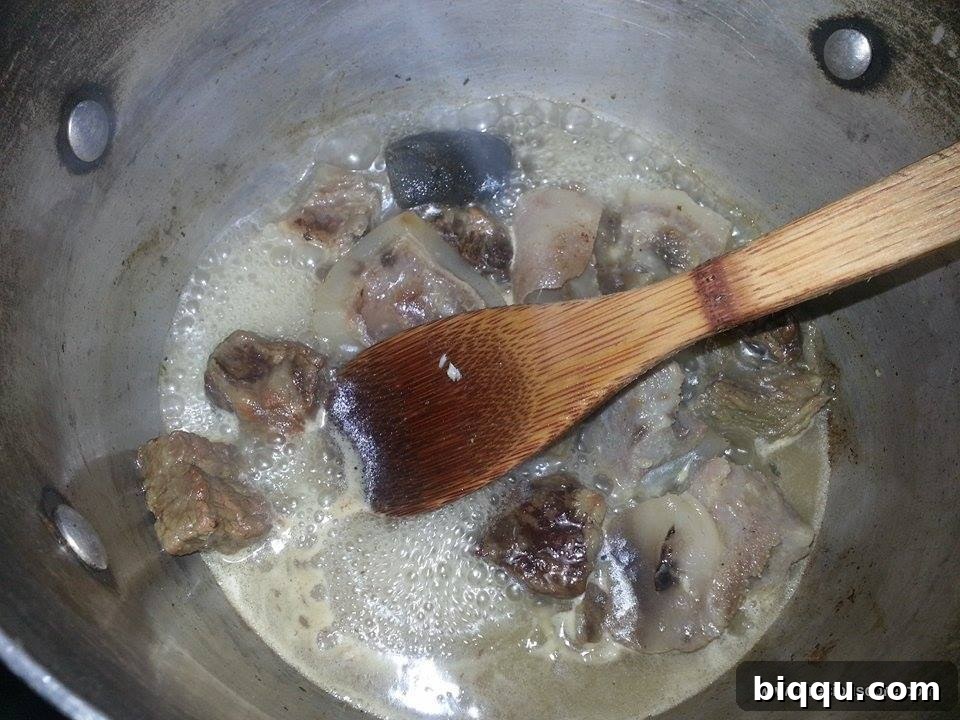
Begin by boiling your chosen meats and fish. For this recipe, we used a combination of tender beef and delicious cow skin (canda). It’s crucial that your boiled meats and fish yield a substantial amount of flavorful stock – this forms the very foundation of your soup’s taste. If using delicate proteins like smoked or fried fish, consider adding them later in the cooking process. This prevents them from breaking apart too early, ensuring they retain their shape and texture. Once your proteins are tender and you have a good amount of stock, bring the stock to a gentle boil in a clean pot.
Step 2: Introduce the Egusi Paste
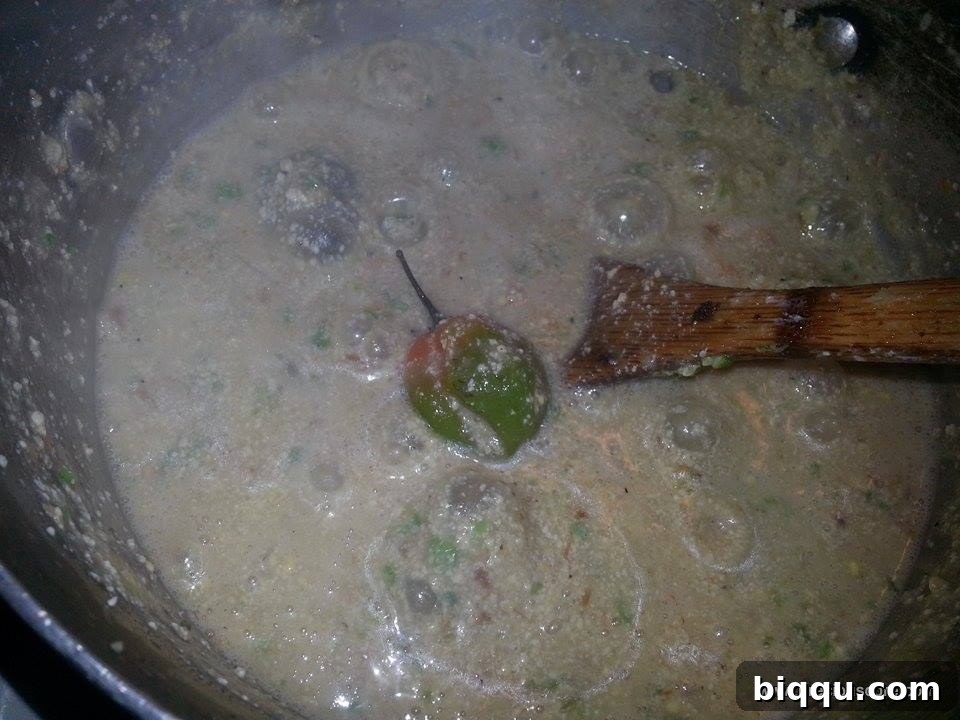
In a separate bowl, mix your ground egusi with a small amount of water to form a thick, smooth paste. This prevents lumps and helps the egusi cook evenly. Carefully add this egusi paste into the boiling stock. Stir gently to integrate it, then allow it to simmer for about 5-7 minutes. During this time, the egusi will begin to cook, thicken the soup, and release its distinctive nutty aroma. The sight of the egusi slowly transforming in the pot is truly a joy to behold, a testament to the magic of traditional African cooking.
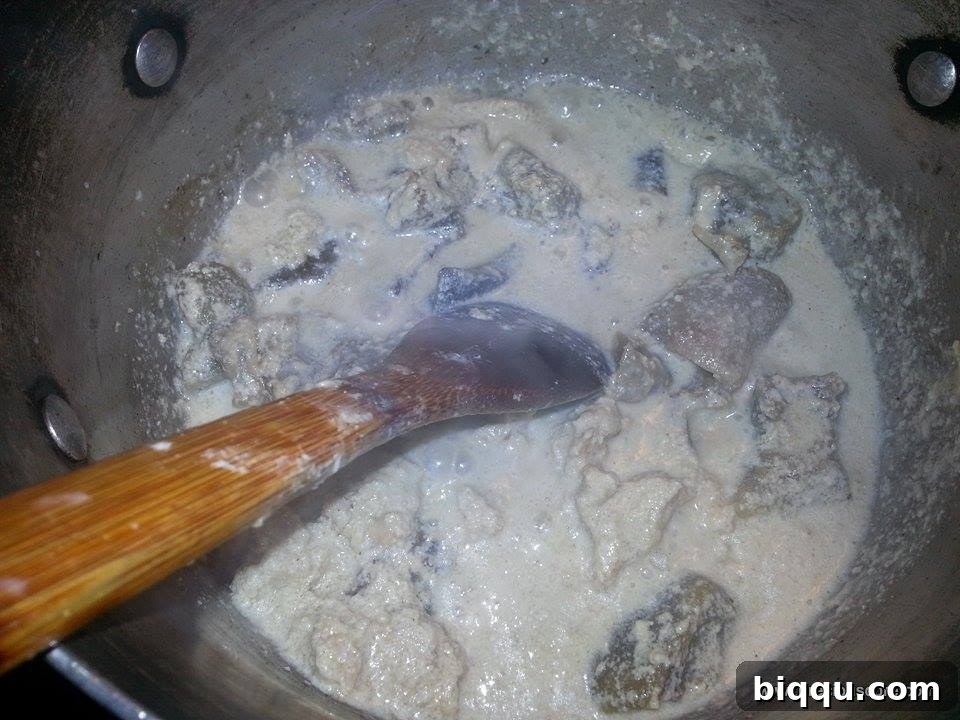
Step 3: Enhance with Crayfish and Seasoning
Now it’s time to infuse the soup with a rich, irresistible umami flavor. Stir in the ground crayfish, which is a non-negotiable ingredient for authentic West African soups. Add your seasoning cubes and adjust with salt to taste. Let the soup simmer for another few minutes, allowing the crayfish to impart its deep, savory notes and the seasoning to fully dissolve and meld with the other ingredients. The aroma at this stage will be incredibly enticing!
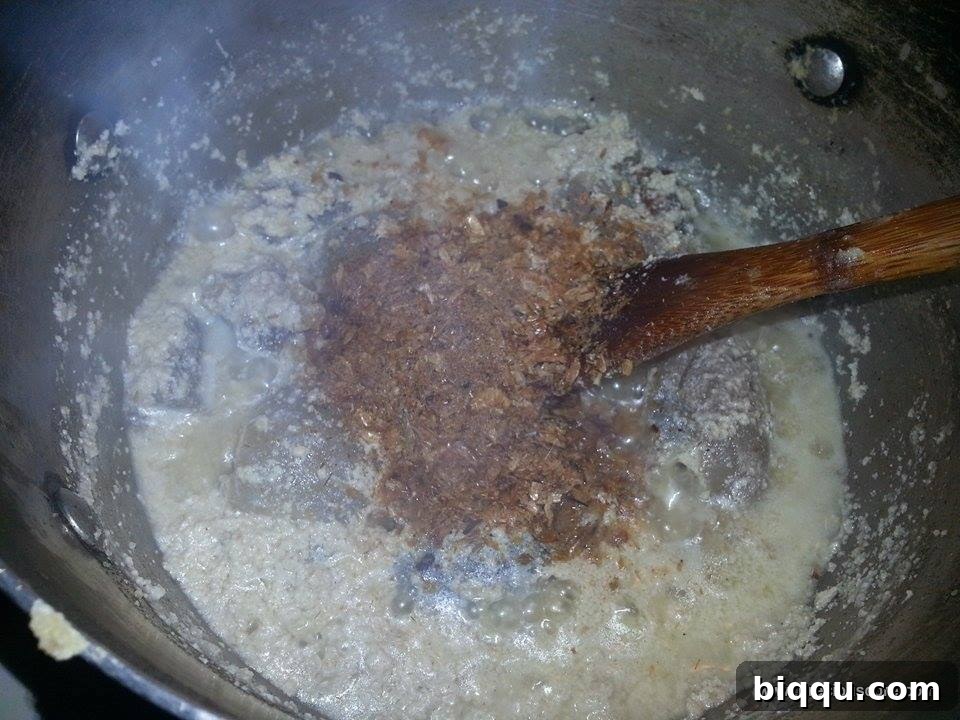
Step 4: Incorporate the Fresh Okra
Next, add the freshly chopped or grated okra to the pot. Gently stir it in, ensuring it’s evenly distributed throughout the soup. Okra cooks relatively quickly, so you don’t want to overcook it, as this can diminish its vibrant color and desirable ‘draw’ texture. The goal is a tender yet slightly firm okra that contributes beautifully to the soup’s overall consistency.
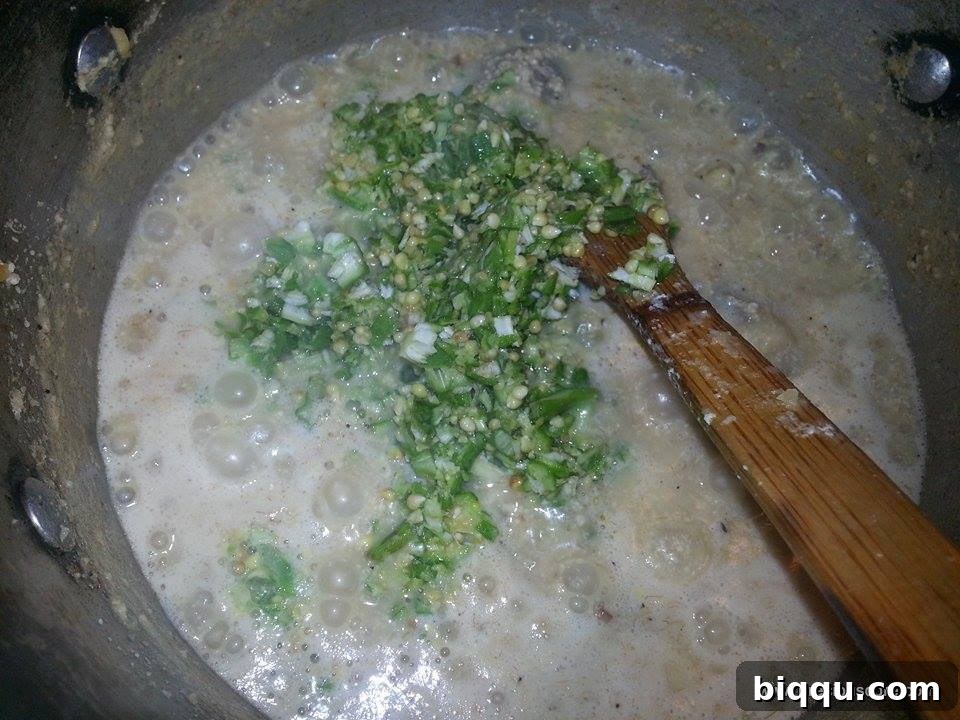
Step 5: Add Onions and Adjust Consistency
At this point, stir in the chopped onions. Adding them now allows their fresh, pungent flavor to linger in the soup, providing a wonderful aromatic lift. You can, of course, add your onions earlier if you prefer a mellower onion flavor. Now is also the crucial time to adjust the soup’s consistency. If it appears too thick, add a little water or more stock to achieve your desired lightness. Remember, it’s always easier to thin out a thick soup than to thicken a watery one, so err on the side of caution with initial liquid additions.
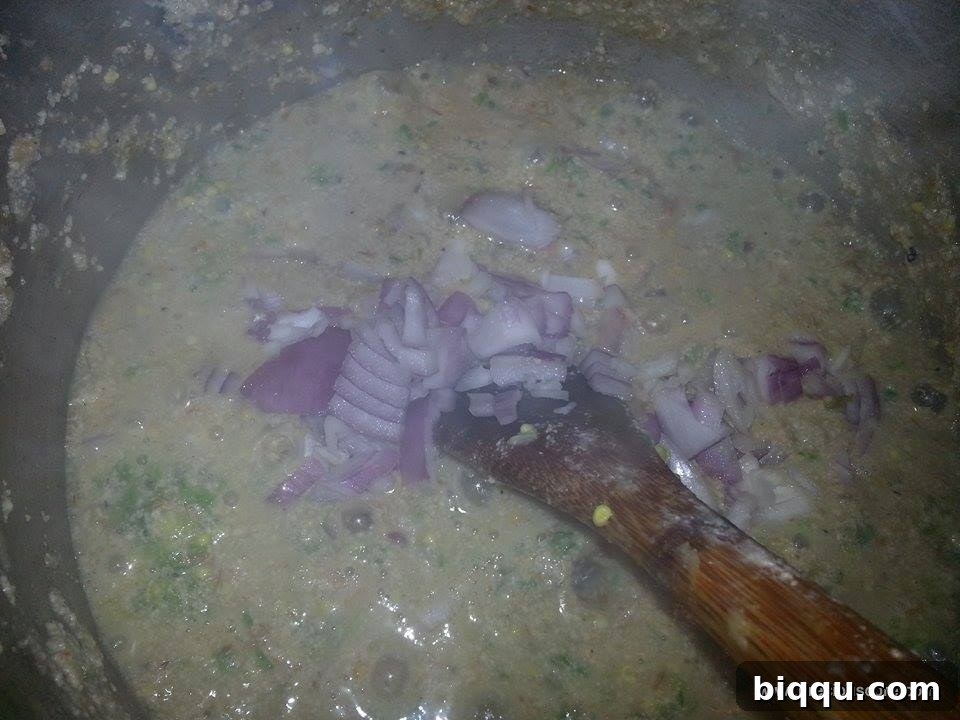
Step 6: Final Touches and Simmer
Finally, return your boiled meat and fish to the pot. If you’re using fresh habanero pepper for an extra kick, add it now. You can also use ground dried pepper if preferred. Gently stir everything together, allowing all the magnificent flavors of the egusi, okra, proteins, and spices to “marry” for about two to five minutes on low heat. Avoid over-stirring at this stage to keep the okra’s texture intact. Once the flavors have melded and the soup has reached your desired consistency, remove it from the heat.
Congratulations! You have just created a delicious pot of Okra-Egusi Soup, a masterpiece of West African culinary tradition.
Serving Suggestions for Your Okra-Egusi Soup
Okra-Egusi soup is traditionally served with a variety of “swallow” foods, which are starches used to scoop up the soup. Popular choices include:
- Garri (Eba): Made from cassava flour, it’s a classic pairing.
- Fufu: Can be made from cassava, yam, or plantain.
- Semolina: A wheat-based swallow, easy to prepare.
- Pounded Yam: A delicious and hearty option.
- Amala: Made from yam flour, popular in Yoruba cuisine.
Simply form a small ball of your chosen swallow, create an indentation with your thumb, and scoop up a generous portion of the Okra-Egusi soup. Enjoy the delightful blend of textures and flavors!
Tips for a Perfect Okra-Egusi Soup Every Time
- Ingredient Freshness: Always use the freshest okra and good quality egusi for the best results.
- Consistency Control: For a thicker soup, reduce the amount of water or stock used. For a thinner soup, gradually add more liquid until desired consistency is reached.
- Spice Level: Adjust the habanero pepper or ground pepper according to your heat preference. You can omit it entirely for a mild soup.
- Protein Variety: Don’t be afraid to experiment with different proteins like goat meat, chicken, or various types of fish to customize the flavor profile.
- Storage: Leftover Okra-Egusi soup stores beautifully in the refrigerator for up to 3-4 days. It can also be frozen for longer storage.
Conclusion: A Taste of West African Heritage
Okra-Egusi soup is more than just a meal; it’s an experience, a taste of rich cultural heritage, and a testament to the diverse and flavorful culinary traditions of West Africa. With its incredible taste, satisfying texture, and abundant health benefits, it’s a dish that truly nourishes both body and soul. We hope this comprehensive guide inspires you to try your hand at preparing this magnificent soup. Gather your ingredients, follow these steps, and get ready to enjoy a culinary masterpiece that will surely become a favorite in your home. Happy cooking!