
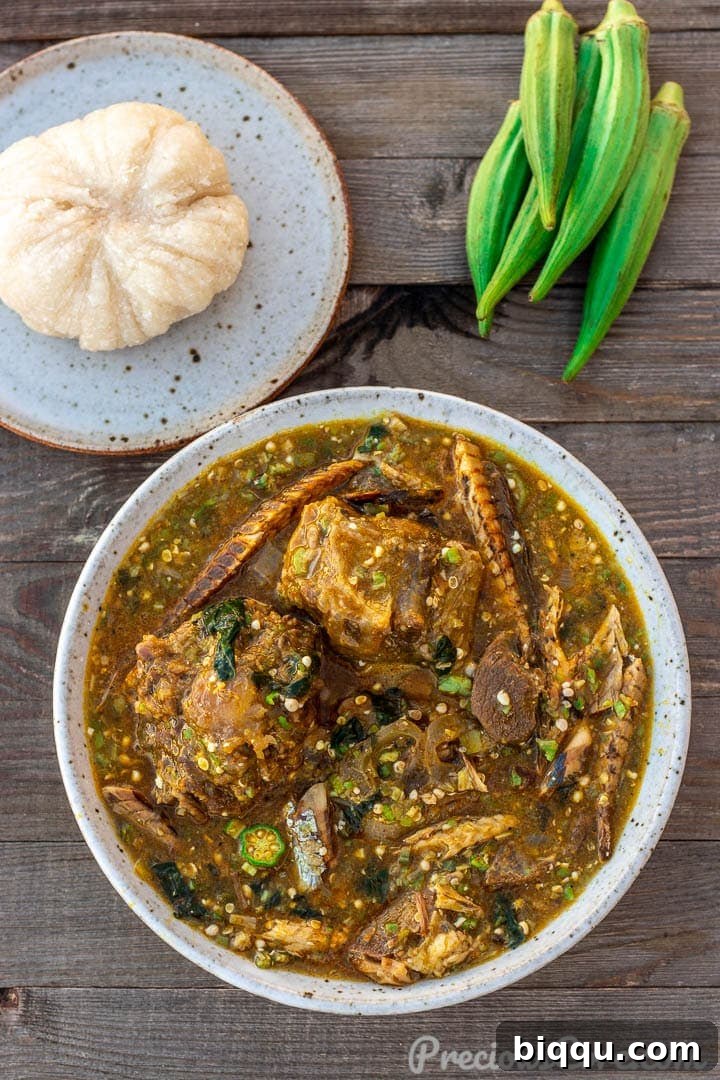
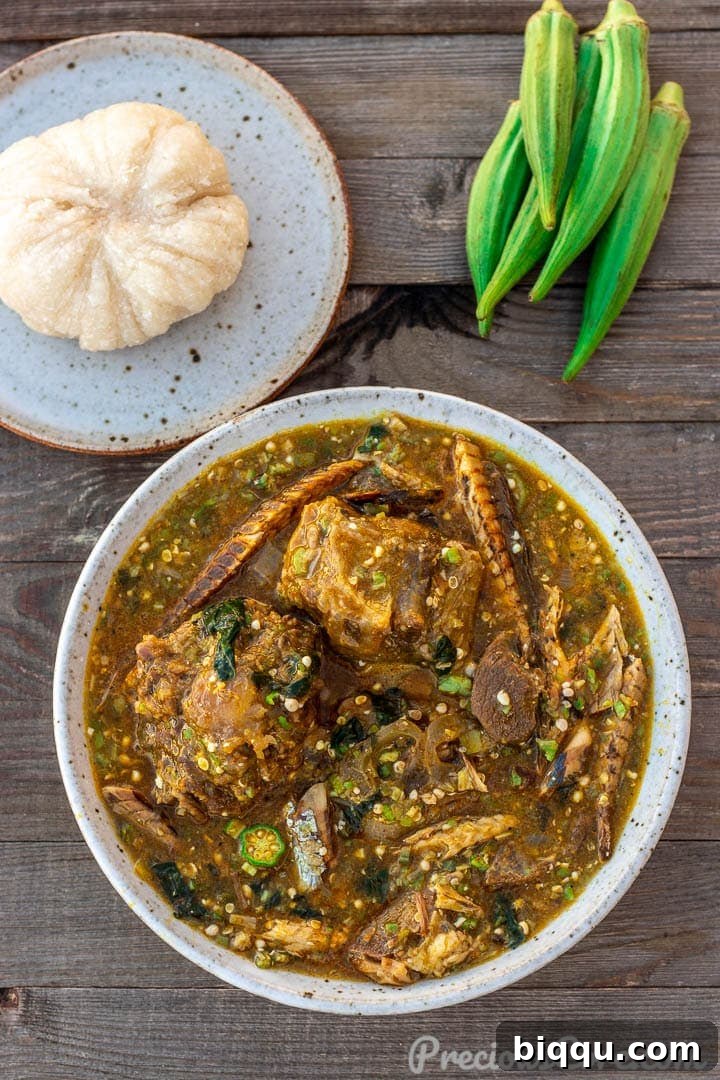
Prepare your palate for a culinary journey with this deeply satisfying and incredibly nourishing African Okra Soup. A staple across various African nations, this hearty dish is renowned for its unique texture and rich, savory flavor. It’s not just a meal; it’s a celebration of tradition, often enjoyed with beloved accompaniments like fufu (of any variety) or garri, offering a truly authentic taste experience.
The Rich Heritage of African Okra Soup
Okra soup, often paired with fufu, is more than just a dish; it’s a cornerstone of culinary heritage found in kitchens across West and Central African countries. Known by various names depending on the region and local dialect, it embodies comfort and communal dining. In many French-speaking African nations, for instance, this beloved dish is affectionately referred to as “gumbo,” highlighting its widespread recognition and cultural significance.
A Culinary Bridge: African Okra Soup and American Gumbo
The historical ties between African cuisine and dishes found in the Americas are profound, often tracing back to the transatlantic slave trade. It is widely believed that the American dish known as gumbo has its roots in the cooking traditions brought by enslaved people from Africa. A striking similarity between African Okra Soup and American Gumbo is, of course, the inclusion of okra—a key ingredient known for its thickening properties and distinct flavor. While modern American gumbo sometimes omits okra, its presence in traditional recipes strongly suggests this shared lineage, marking a powerful connection between continents through food.
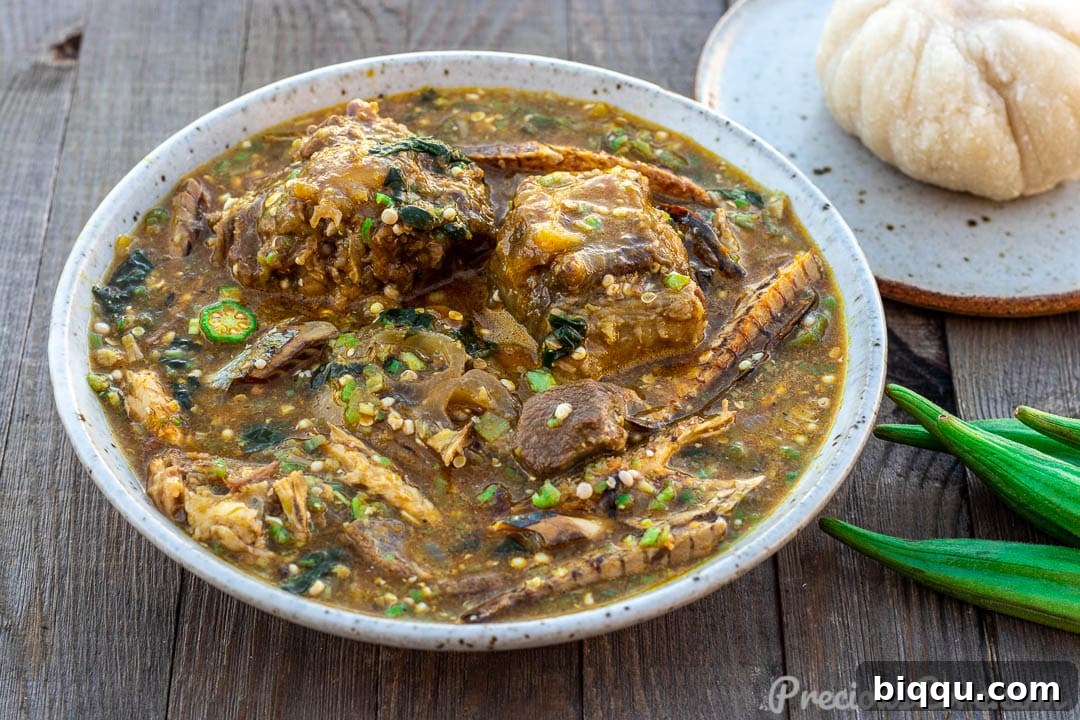
Another commonality between these two culinary cousins lies in their robust use of various meats and proteins. African Okra Soup often features a rich assortment, including beef, tender goat meat, a variety of fish, and other local meats. Similarly, American Gumbo boasts its own diverse protein profile, with popular additions like sausage, chicken, and shrimp, among others. This shared approach to building complex flavors through mixed proteins underscores the deep-seated connections in their culinary DNA.
Why This Okra Soup Recipe Stands Out
Today, our focus is entirely on this authentic African Okra Soup, crafted with the freshest okra. Recalling my upbringing in Cameroon, Central Africa, this was a cherished meal frequently enjoyed with a side of garri, wholesome corn fufu, or smooth cassava fufu. It’s a dish that evokes warmth and nostalgia, deeply woven into the fabric of daily life.
While there are numerous delightful variations—such as okra soup enhanced with egusi (melon seeds) or a simpler, plain okra soup—the recipe we’re exploring today elevates the experience. This version is generously packed with an abundance of protein, graced with just a hint of red palm oil for its distinctive color and rich flavor, and finished with ground crayfish to impart a profound umami depth. The result is an incredibly flavorful and satisfying treat that truly exemplifies African culinary artistry.
Understanding Key Ingredients for Authentic Flavor
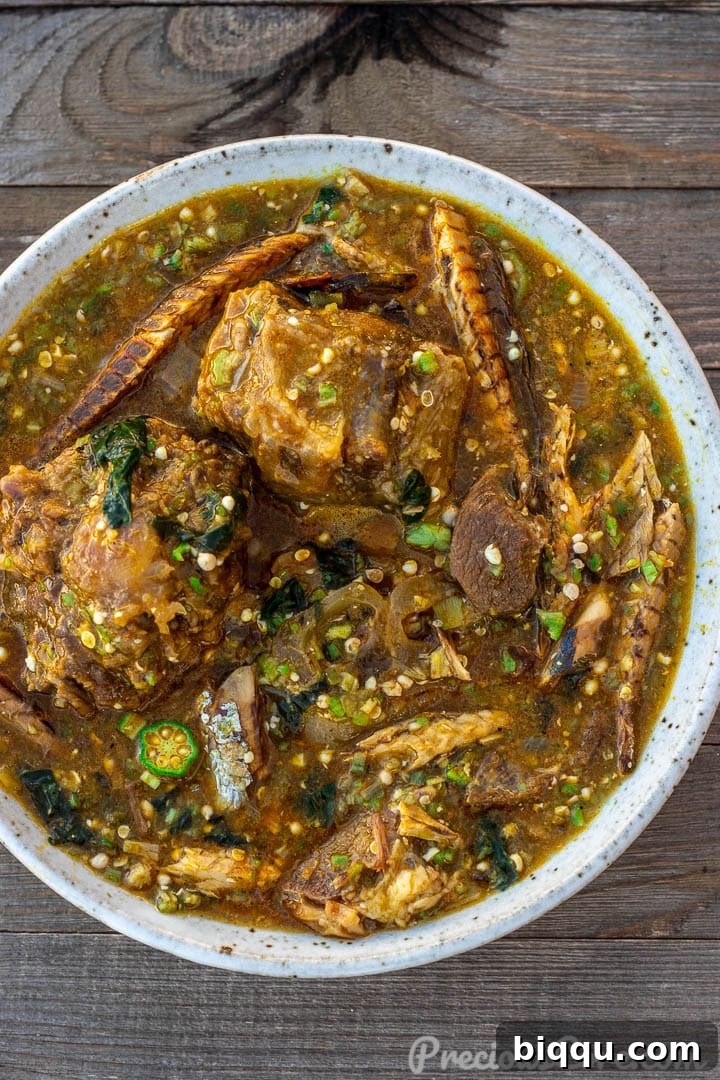
For those new to the vibrant world of West African cooking, some ingredients in this okra soup might seem a bit exotic, but they are absolutely essential for achieving its authentic, profound flavors. Two such stars are red palm oil and crayfish.
- Red Palm Oil: This isn’t just an oil; it’s a flavor and color powerhouse. Extracted from the fruit of the oil palm, it lends a beautiful reddish-orange hue to the soup and contributes a distinctive, earthy, and slightly sweet flavor profile that is foundational to West African stews and soups. It’s rich in antioxidants and vital nutrients, making it not only delicious but also a healthy choice when consumed in moderation.
- Crayfish: Often found in a dried and ground form, crayfish adds an incredible depth of umami to the soup. These small crustaceans, similar to dried shrimp, contribute a complex, savory, and slightly pungent flavor that is irreplaceable. It transforms the soup from merely good to truly outstanding, providing a rich, oceanic essence without overpowering the other ingredients.
While these ingredients might not be readily available in every local grocery store, a quick search on online marketplaces like Amazon or visits to African/international food stores will allow you to easily purchase them and embark on your authentic culinary adventure.
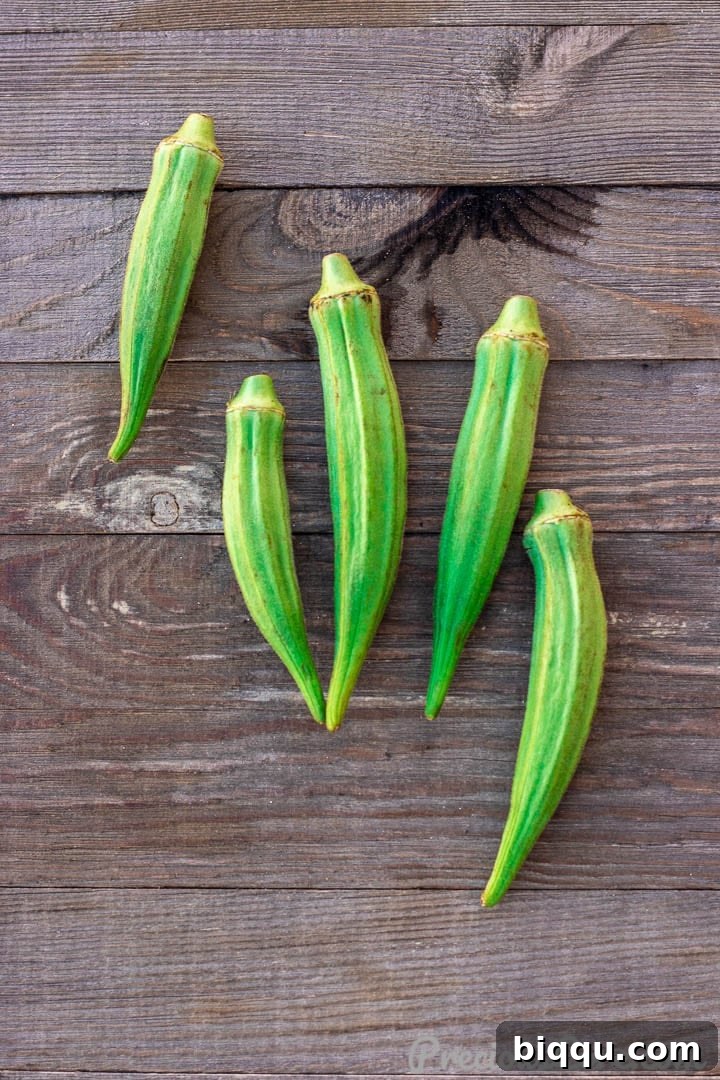
Step-by-Step: Crafting Your Perfect African Okra Soup
Making African Okra Soup is a rewarding experience, yielding a flavorful and nutritious meal that’s perfect for family dinners or entertaining guests. Follow these detailed steps to create a truly authentic rendition of this West African classic.
Ingredients
- 3-4 pounds oxtail, goat meat, cow leg (about 2 kg), boiled with water, salt, onions, and stock cubes until tender
- 4 oz smoked fish (deboned), approximately 1 1/2 cups
- 1/3 cup red palm oil
- 1/2 cup chopped onion
- 1/3 cup coarsely ground crayfish (a dried shrimp common in West Africa)
- 4 cups beef stock (from boiling the meats)
- 2 seasoning cubes (Maggi, 4g per cube), or to taste
- Salt to taste
- 2 habanero peppers (optional, whole)
- 1 pound fresh okra (chopped into circles), approx. half kg
- 5 oz fresh spinach (roughly chopped)
Instructions
- Prepare the Meats: Thoroughly rinse your chosen meats and place them in a large pot. Add enough water to just cover the meat. Season generously with salt and 1-2 seasoning cubes (Maggi) to taste. Include half a chopped medium onion for added aromatic flavor. Cover the pot and cook on high heat until the meats are exceptionally tender. *Pro Tip: If using a variety of meats with different cooking times (e.g., tough oxtail versus quicker-cooking goat meat), start the tougher meats first, or use a pressure cooker or instant pot to significantly cut down on boiling time for all meats.*
- Build the Flavor Base: In a separate, large, heavy-bottomed pot or Dutch oven, heat the red palm oil over high heat for 2 to 3 minutes until shimmering. Reduce the heat to medium-high and add the remaining chopped onions, sautéing for about 1 minute, stirring occasionally, until they become translucent and fragrant. This step is crucial for developing a rich foundation for your soup.
- Infuse with Crayfish: Add the coarsely ground crayfish to the pot with the onions and palm oil. Stir continuously for only a few seconds to release its intense, savory aroma. Be very careful not to burn the crayfish, as it can quickly turn bitter if overcooked in the hot oil.
- Combine Meats and Stock: Gently transfer the cooked, tender meats and their flavorful stock into the pot with the palm oil and crayfish. Bring the entire mixture to a gentle simmer. If the meats are not fully submerged, spoon some of the rich liquid over them to ensure all components are cooking evenly and absorbing the flavors.
- Add Smoked Fish and Seasoning: Carefully add the deboned smoked fish to the simmering soup. Now is the time to taste the soup and adjust the salt levels. Then, add the remaining seasoning cubes (Maggi). Remember that seasoning cubes are quite salty, so be mindful and use less if your meat stock was already well-seasoned. Allow everything to simmer together on medium heat for about 5-7 minutes, letting the flavors marry beautifully.
- Introduce Heat (Optional): Add the whole habanero peppers to the pot. Placing them whole allows the peppers to soften and infuse a subtle heat without overwhelming the entire soup. This way, individuals can choose to gently press some of the pepper into their own serving if they desire a spicier kick. *Alternatively, if you prefer a uniformly spicy soup, you can blend one habanero pepper with a little water and add it directly into the soup during step 5.*
- Prepare the Okra for Texture: While the soup continues to simmer, prepare your fresh okra. For an ideal texture that’s neither too slimy nor too chunky, take about a cup of okra at a time and place it into a blender or food processor. Pulse in short bursts, approximately 2 seconds at a time, until the okra is broken down into small, chunky pieces. The goal is a slightly viscous, finely chopped consistency, not a smooth paste. Repeat this process for all the okra.
- Cook the Okra: Add the prepared okra to the pot. Gently stir to ensure it is evenly distributed throughout the soup. Let the okra cook for just 2-3 minutes. It’s important not to overcook okra, as this can cause it to lose its vibrant color and desirable texture.
- Incorporate Leafy Greens: Finally, add the roughly chopped fresh spinach (or other preferred leafy greens like kale or fluted pumpkin leaves, locally known as ugu or okongobong) to the pot and stir it in gently. Allow it to simmer for only 1 minute more. This brief cooking time preserves the greens’ freshness, vibrant color, and nutritional value.
- Serve: Turn off the heat immediately. Your authentic African Okra Soup is ready! Serve it hot with your fufu of choice for a truly satisfying and traditional meal.
Tips for Perfect Okra Consistency
Achieving the perfect texture for your okra soup is key. When processing fresh okra, avoid blending it into a smooth paste. This can result in an overly uniform and less appealing texture. Instead, cut the okra into chunks and pulse it in a food processor until it’s broken down into small, yet still slightly chunky, pieces. For an even richer and more varied texture, consider using a mix of finely chopped okra and slightly processed or blended okra.
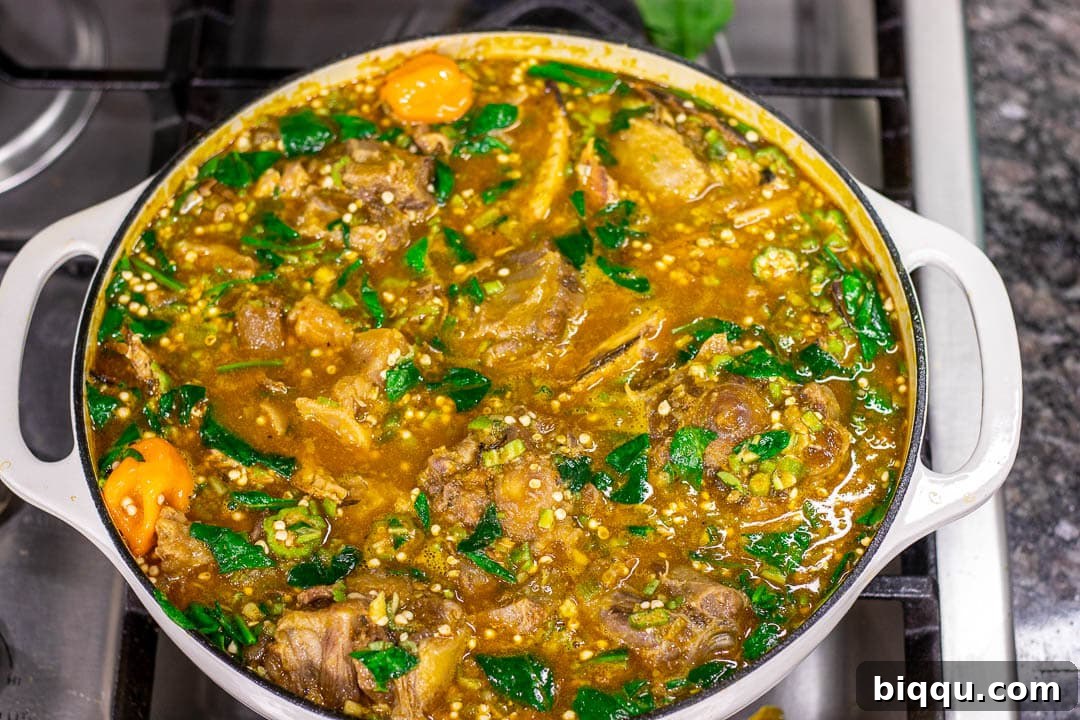
Delicious Variations to Explore
African Okra Soup is wonderfully adaptable, allowing for many delicious variations to suit different tastes and regional preferences:
- Add Locust Beans: For an even deeper, earthier, and truly authentic West African flavor profile, incorporate locust beans (known as *iru* in Yoruba or *ogiri* in Igbo). These fermented beans are a common ingredient in Nigerian okra soup recipes and add a distinctive savory note.
- Hot Pepper Kick: If you crave a spicier soup, feel free to add blended scotch bonnet pepper, more habanero pepper, or a pinch of cayenne pepper early in the cooking process to infuse heat throughout the dish.
- Ogbono Okra Soup: Combine the unique texture and flavor of ogbono (wild mango seeds) with okra. Mix ground ogbono powder with a little hot water to form a paste, then add it to the pot before adding the okra. This creates a wonderfully viscous and aromatic soup known as Ogbono Soup With Okra.
- Red Bell Pepper Infusion: For a slightly reddish hue and a touch of subtle sweetness, roughly blend or process one red bell pepper along with your okra before adding it to the soup.
Serving Your African Okra Soup
African Okra Soup is traditionally served with a “swallow,” a starchy side dish designed to be eaten with the hands, often molded into a ball and dipped into the soup. The most popular choice for this is fufu.
Fufu refers to a variety of starchy doughs made from different root vegetables or grains. It’s pounded or blended into a smooth consistency, then cooked and kneaded into a pliable, slightly sticky mass. Its neutral flavor perfectly complements the rich and savory okra soup.
There are several delightful kinds of fufu you can serve with your okra soup:
- Garri: Made from fermented and grated cassava, garri is prepared by stirring it into hot water until a thick, smooth dough forms.
- Cassava Fufu (Water Fufu): This is typically made from fermented cassava flour, resulting in a slightly sour and very pliable dough.
- Corn Fufu: Prepared from finely ground cornmeal, it offers a distinct, slightly earthy flavor and a smoother texture.
- Yam Fufu: Made from pounded boiled yams, this fufu is often lighter in color and has a subtly sweet, rich flavor.
- Plantain Fufu: Crafted from boiled and pounded green plantains, it has a unique flavor profile and a slightly denser consistency.
Watch the Recipe in Action!
To truly master the nuances of preparing this magnificent dish, watch my step-by-step guide on how to make African Okra Soup in the video below. Seeing the process in action can clarify any steps and help you achieve the perfect result. If you enjoy authentic African cooking videos and want to stay updated with new recipes, please consider subscribing to my YouTube channel and clicking the notification bell.
Beyond Okra Soup: More African-Inspired Dishes
If you’ve enjoyed this journey into African cuisine, there’s a world of other hearty soups and stews waiting to be explored. These dishes share the same warmth, rich flavors, and cultural depth as our African Okra Soup:
- African Chicken Peanut Stew
- Seafood Gumbo
- African Okra Soup (Yes, it’s so good it deserves a second mention!)
- Lentil Stew
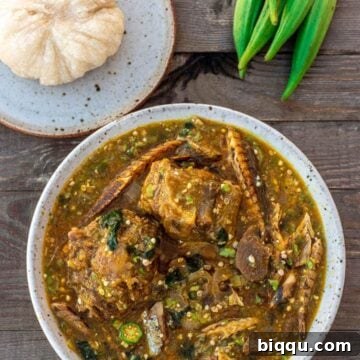
African Okra Soup
Rated 5 out of 5 stars by 5 votes.
Hearty, healthy, and incredibly flavorful, this African Okra Soup is a true comfort food. Perfectly paired with various fufu types or garri, it’s a taste of West African culinary tradition.
Prep Time: 1 hour | Cook Time: 30 minutes | Total Time: 1 hour 30 minutes
Servings: 10 servings
Ingredients
- 3-4 pounds oxtail, goat meat, cow leg (about 2 kg), boiled with water, salt, onions (for flavor), and stock cubes (Maggi) until tender
- 4 oz smoked fish (deboned), approximately 1 1/2 cups
- 1/3 cup red palm oil
- 1/2 cup chopped onion
- 1/3 cup coarsely ground crayfish (a kind of dried shrimp common in Cameroon, Nigeria, in West Africa)
- 4 cups beef stock (from boiling the meats used in this recipe)
- 2 seasoning cubes (Maggi, 4g per cube)
- Salt to taste
- 2 habanero peppers (optional)
- 1 pound fresh okra (chopped into circles), half kg
- 5 oz fresh spinach (roughly chopped)
Instructions
- Boil the Meats: Rinse your chosen meats thoroughly and place them in a pot. Add water to just cover the meat. Add salt and seasoning cubes (Maggi) as needed, along with half a chopped medium onion for flavor. Cover and cook on high heat until the meat is tender. Note: Start tougher meats first, or boil all at once and remove tender ones as they finish. A pressure cooker or instant pot makes this easier.
- Sauté Aromatics: Place a pot on high heat and pour in the palm oil. Heat for 2-3 minutes, then reduce to medium-high. Add the onions and sauté for about 1 minute, stirring occasionally.
- Add Crayfish: Add the crayfish to the pot and stir for only a few seconds to release its flavor. Do not allow it to cook for long, or it will burn.
- Combine and Simmer: Add the cooked meats and their stock to the pot. Bring to a simmer, spooning liquid over the meats if not fully submerged.
- Season and Integrate Fish: Add the smoked fish to the pot. Taste for salt, then add the 2 seasoning cubes. Adjust salt as needed, considering the cubes are salty. Let everything simmer on medium heat.
- Infuse Peppers (Optional): Add the habanero peppers whole to the pot to soften. Those who prefer spicy soup can press some pepper into their serving. For a uniformly spicy soup, blend one habanero with water and add it earlier.
- Prepare Okra: While the pot simmers, prepare the okra. Place about a cup of okra into a blender or food processor and pulse for about 2 seconds at a time to achieve a chopped, slightly chunky consistency (not a smooth paste). Repeat with all okra.
- Cook Okra: Add the prepared okra to the pot. Gently stir to ensure even distribution. Let it cook for 2 minutes.
- Add Greens and Finish: Add the spinach (or other leafy greens like kale or fluted pumpkin leaves) to the pot and stir in. Let it simmer for another 2-3 minutes. Turn off the heat and serve hot with your fufu of choice.
Recipe Notes:
- Meat Varieties: You can use beef, goat meat, beef tripes, smoked turkey, smoked chicken, beef feet, or chicken in this okra soup.
- Fish Varieties: Smoked fish, dried fish, stock fish, fresh mackerel, or any firm-fleshed fish can be used.
- Stock Fish Preparation: If using stock fish, cook it separately until done, then add to the pot at the same time as other fish.
- Deboning Fish: All smoked and dried fish must be properly deboned before adding to the pot.
- Spicy Option: To make a spicier okra soup, blend one habanero pepper and add it to the pot.
Nutrition Information (per serving):
- Calories: 645 kcal
- Carbohydrates: 21g
- Protein: 62g
- Fat: 34g
- Saturated Fat: 15g
- Polyunsaturated Fat: 2g
- Monounsaturated Fat: 15g
- Cholesterol: 173mg
- Sodium: 25173mg
- Potassium: 697mg
- Fiber: 2g
- Sugar: 17g
- Vitamin A: 1687 IU
- Vitamin C: 18mg
- Calcium: 143mg
- Iron: 7mg
Additional Information:
- Course: Dinner
- Cuisine: African
Tried this recipe? Mention @preciouscore or tag #PreciousCore!