
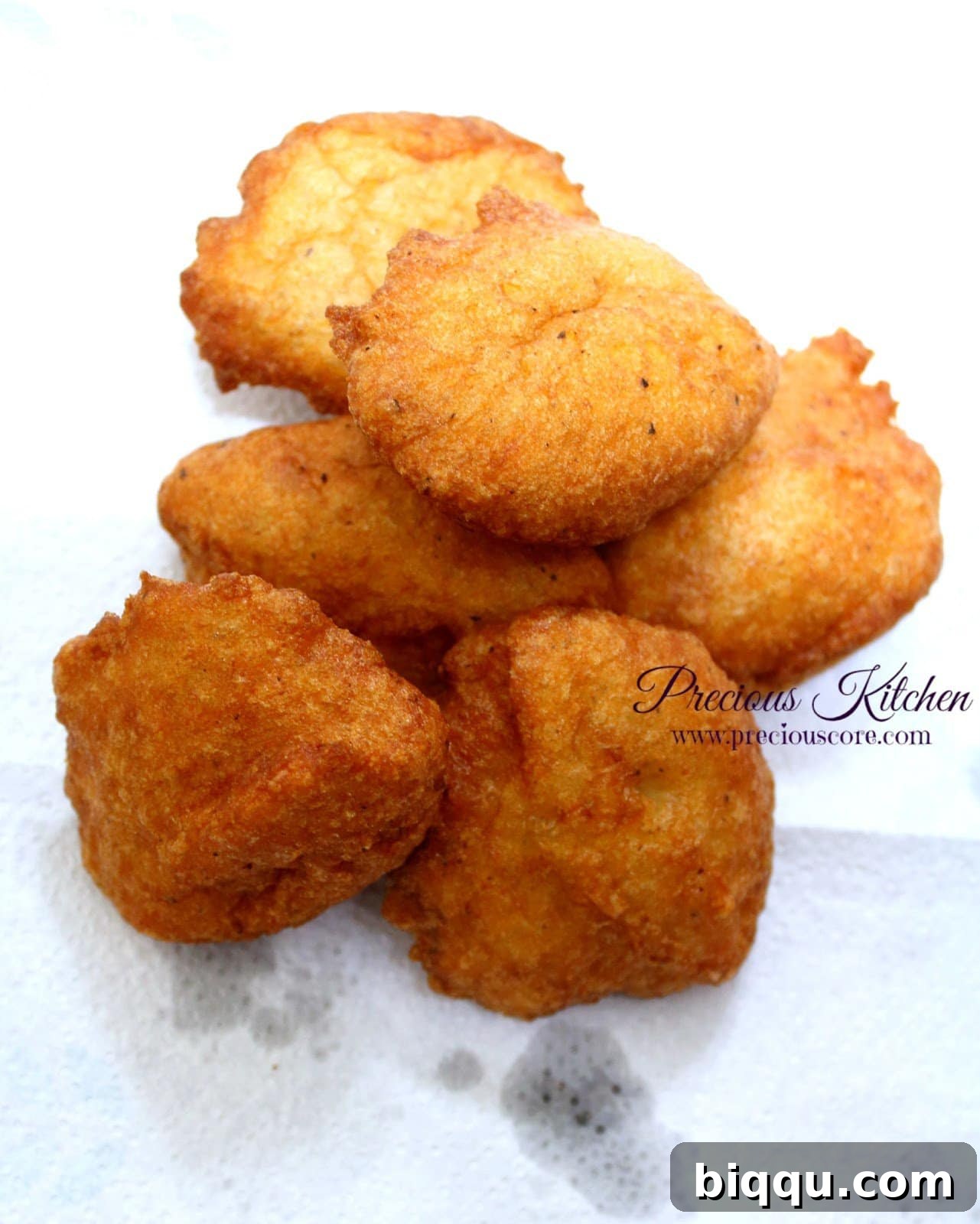
Mastering the Art of Accra Beans: Your Guide to Perfect Black Eyed Peas Fritters
Every home cook occasionally faces those frustrating kitchen moments when even the simplest tasks go awry. Just yesterday, my oven seemed to be staging a full-blown rebellion. I had carefully prepared a delightful, milky cake mixture, envisioning a perfect golden-brown treat. Instead, within minutes, my hopes were dashed as the oven aggressively scorched the top while leaving the inside raw. It was a truly infuriating experience.
Believing the oven might have been running too hot, I adjusted the temperature to its lowest setting. With renewed, albeit cautious, optimism, I placed a batch of savory black-eyed peas batter into the oven, hoping to create some traditional koki beans. To my dismay, the treacherous oven once again turned my culinary aspirations into a burnt offering. The consistent failure left me utterly enraged and longing for a reliable cooking method.
In those moments of culinary disappointment, a familiar thought always surfaces: I wish I had put my precious black-eyed peas batter to better use by making Accra Beans. The truth is, Accra Beans, also widely known as Akara or Black Eyed Peas Fritters, are an undeniable winner every single time. Their simplicity, the satisfying crunch, and the incredible flavor profile make them a foolproof choice, especially when your kitchen appliances decide to be uncooperative. This popular Cameroonian street food delight is unbelievably easy to make right in the comfort of your own home, offering a guaranteed delicious outcome.
Accra Beans (Akara): A Culinary Treasure of West African Street Food
Accra Beans, or Akara as they are predominantly called across Nigeria, Ghana, and other parts of West Africa, are more than just a snack; they are a cultural cornerstone. These savory fritters are crafted from humble black-eyed peas, which are meticulously peeled, blended into a smooth batter with fresh onions, hot peppers, and a medley of aromatic spices. The mixture is then deep-fried until it achieves a perfect golden hue and an irresistible crispy texture. The result is a satisfying, flavorful, and incredibly addictive treat that has nourished and delighted generations.
The widespread appeal of Akara stems from its accessibility and its profound role in daily life. You’ll encounter countless vendors skillfully frying these fragrant bean cakes on bustling street corners, their enticing aroma drawing crowds through vibrant markets and lively neighborhoods. Akara often serves as a beloved breakfast staple, typically enjoyed alongside a warm bowl of akamu (corn porridge) or pap, or simply tucked into a soft, fluffy bread roll for a hearty start to the day. Beyond breakfast, they make for an excellent appetizer, a convenient light lunch, or a comforting snack at any hour.
Tracing the Roots: The Rich History and Cultural Significance of Akara
The story of Akara is deeply woven into the historical fabric of West Africa, with its origins stretching back several centuries, long before the colonial era. This remarkable dish embarked on a significant journey across the Atlantic during the Trans-Atlantic slave trade, giving rise to similar and equally beloved preparations in the Americas. A prime example is “Acarajé” in Brazil, a dish that not only shares a culinary lineage but also holds profound spiritual and cultural symbolism within Afro-Brazilian communities. This remarkable culinary migration serves as a powerful testament to the resilience, adaptability, and enduring legacy of West African cuisine, demonstrating how food can carry history and identity across continents.
In countless West African societies, Akara transcends its role as mere sustenance; it is an integral part of daily rituals, communal celebrations, and shared experiences. It’s a dish prepared with joy for festive occasions, savored during busy morning commutes, and lovingly enjoyed by families gathering together. The entire process—from the careful peeling of the beans to their transformation into a golden-brown fritter—is often a communal activity, fostering connection, camaraderie, and the sharing of cherished stories. The unique flavor profile, characterized by the earthy richness of black-eyed peas, the sharp, pungent notes of onion, and the comforting warmth of spices, evokes a powerful sense of home, tradition, and cultural pride for those who enjoy it.
Crafting Perfect Accra Beans at Home: Simple Steps for Authentic Flavor
Embarking on the journey to make Accra Beans in your own kitchen is a surprisingly straightforward endeavor, beautifully illustrating that some of the most profoundly satisfying dishes are often the least complicated. The preparation typically involves a few essential steps that, once mastered, will empower you to effortlessly whip up batches of these incredibly delicious fritters. Bid farewell to the anxieties of precise oven temperatures or the whims of unreliable appliances; making Akara is all about embracing the delightful simplicity and immediate gratification of stovetop cooking.
Essential Ingredients for an Authentic Akara Experience
To recreate the genuine taste of Accra Beans, you’ll need a handful of fresh, high-quality ingredients:
- Black-Eyed Peas: These legumes are the undeniable star of the dish. You’ll typically use dried black-eyed peas, which require soaking to achieve the perfect texture for blending. While some regional variations might use fresh beans, dried ones are more commonly available and used.
- Onions: A fundamental component for both flavor and moisture. Onions impart a distinctive sweet and pungent character that is absolutely essential to the authentic taste of Akara.
- Fresh Peppers: For that signature West African kick, Habanero or Scotch Bonnet peppers are traditionally favored. However, you can easily adjust the heat level to suit your palate by opting for milder alternatives like bell peppers or serrano peppers, or by simply using less of the fiery ones.
- Salt: Crucial for seasoning and enhancing all the other beautiful flavors, bringing them into perfect harmony.
- Vegetable Oil: A neutral-flavored oil is needed for deep frying the fritters to a beautiful golden crispness.
While the core recipe is simple, some creative variations might incorporate additional ingredients such as a touch of fresh ginger, minced garlic, or a pinch of baking powder to achieve an even lighter texture. However, many traditional recipes rely purely on the air incorporated during the blending and whisking process for that desired lightness.
The Preparation Process: Transforming Beans into Delectable Fritters
- Soaking and Peeling the Peas: Begin by thoroughly soaking your dried black-eyed peas for several hours, ideally overnight. This crucial step softens the beans considerably and greatly facilitates the peeling process. Peeling the skins is absolutely essential for achieving a smooth, consistent batter and ultimately, a lighter, crispier fritter. You can either rub them vigorously between your hands under running water or use a food processor with a pulse setting and water to gently loosen and remove the skins.
- Blending the Batter to Perfection: Once the peas are impeccably peeled, combine them with roughly chopped onions and peppers in a blender or food processor. Add just a minimal amount of water—only enough to allow the blades to move freely—and blend until you achieve a thick, smooth batter. The consistency is paramount here; it should be thick enough to hold its shape when scooped, yet not overly stiff.
- Seasoning for Flavor: Transfer the batter to a bowl and season it generously with salt. This is your opportunity to fine-tune the flavor profile. Some cooks enjoy adding a small amount of bouillon powder or other spices for an extra layer of umami.
- Achieving Lightness through Aeration: Before frying, vigorously whisk the batter for several minutes. This crucial step incorporates air, which is vital for making the Akara light and fluffy internally. This traditional aeration technique often negates the need for chemical leaveners.
- Frying to Golden Crispness: Heat a generous amount of vegetable oil in a deep pot or Dutch oven over medium-high heat. The oil must be sufficiently hot to cook the fritters quickly and prevent them from becoming greasy, but not so hot that they burn on the exterior before cooking through. Carefully drop spoonfuls of the prepared batter into the hot oil.
- The Final Touch: Fry the Akara, turning them occasionally to ensure even cooking, until they are beautifully golden brown and thoroughly cooked through. They should visibly puff up, boasting a wonderfully crispy exterior and a tender, soft interior. Once cooked, remove the fritters with a slotted spoon and place them on paper towels to drain any excess oil.
Expert Tips for Achieving the Ultimate Crispy Akara
While the process of making Accra Beans is inherently simple, incorporating a few expert tips can truly elevate your homemade fritters from merely good to absolutely phenomenal:
- Prioritize Proper Soaking: Never rush the soaking process. Well-soaked black-eyed peas will blend far more smoothly and are significantly easier to peel, contributing directly to a superior batter consistency.
- Embrace Patience with Peeling: This is arguably the most labor-intensive step, but it’s non-negotiable for authentic Akara. Removing all the skins ensures a consistently smooth batter and eliminates any gritty texture, leading to a much more refined fritter.
- Master the Batter Consistency: This is critical. A batter that is too thin will result in flat, oil-laden fritters. Conversely, an overly thick batter can yield dense, heavy Akara. Strive for a consistency akin to a slightly thicker pancake batter. You can adjust it gradually by adding a tablespoon of water at a time until perfect.
- Vigorous Whisking is Key: After blending, take the time to whisk the batter vigorously for at least 5-10 minutes. This essential step incorporates vital air into the mixture, which is what gives Akara its characteristic lightness and fluffiness without the need for baking powder.
- Maintain Optimal Oil Temperature: This is paramount for success. If the oil is not hot enough, your Akara will absorb too much oil and become greasy. If it’s excessively hot, the fritters will burn on the outside before the inside can cook properly. Aim for a temperature between 350-375°F (175-190°C). If you don’t have a thermometer, test the oil by dropping a tiny amount of batter; it should sizzle immediately and float to the surface.
- Avoid Overcrowding the Pot: Resist the urge to fry too many fritters at once. Frying in small batches is crucial for maintaining a consistent oil temperature and ensuring that each Akara cooks evenly and develops a perfect crisp. Overcrowding will significantly drop the oil temperature and lead to greasy results.
Delicious Serving Suggestions: Enjoying Your Homemade Accra Beans
Accra Beans are remarkably versatile and can be enjoyed in a multitude of ways, making them perfect for any meal or snack:
- The Classic Breakfast Staple: For an authentic West African breakfast experience, pair your hot Akara fritters with a warm, comforting bowl of Akamu (a smooth corn porridge) or Pap.
- Akara Sandwich: A popular street food pairing involves slicing open a soft, fresh bread roll, filling it generously with several warm Akara fritters, and adding a dollop of spicy sauce for a truly satisfying and flavorful sandwich.
- Perfect Snack or Appetizer: Enjoy them simply on their own, or elevate the experience by serving them with a vibrant hot pepper sauce, a zesty chili dip, or even a cooling avocado salsa.
- Accompaniment to Meals: Akara can also serve as a delightful side dish to a light vegetable stew, a flavorful tomato sauce, or even alongside grilled fish for a more complete meal.
- Fresh Garnishes: A sprinkle of freshly chopped cilantro, green onions, or a squeeze of lime juice can add a refreshing burst of flavor and a touch of color to your finished fritters.
Why Accra Beans Always Reign Supreme: Reliability and Pure Deliciousness
Reflecting on my recent struggles with a temperamental oven, the unwavering reliability and consistent deliciousness of Accra Beans shine even brighter. There’s an immense sense of comfort and satisfaction in knowing that a simple combination of humble black-eyed peas and a hot pan can consistently deliver such incredible flavor and perfectly crisp texture. It stands as a powerful testament to the efficacy and enduring appeal of traditional cooking methods and ingredients that have truly withstood the test of time.
These savory fritters are far more than just a delicious solution to an uncooperative oven; they are a vibrant celebration of West Africa’s rich and diverse culinary heritage. Whether you are venturing into African cuisine for the very first time or are a seasoned enthusiast, making Accra Beans at home is an incredibly rewarding experience that offers a direct and flavorful connection to a cherished cultural tradition. It’s a dish that promises joy in every crispy bite.
Watch and Learn: Your Visual Guide to Making Accra Beans at Home
To ensure your journey to making perfect Accra Beans is as smooth and enjoyable as possible, I’ve prepared an easy-to-follow video tutorial. You can watch me prepare this delightful Cameroonian street food directly in my own kitchen, guiding you through each crucial step of the process. Seeing the techniques in action makes it unbelievably simple to replicate this amazing dish at home, guaranteeing fantastic results!
For those who prefer a detailed, written guide alongside visual aids, be sure to check out this comprehensive post, which includes step-by-step photos of the entire Accra Beans preparation. I genuinely enjoy creating these instructional videos and plan to share many more delicious recipes, cooking tips, and behind-the-scenes glimpses of my culinary adventures with you. To stay updated and ensure you don’t miss out on any future culinary delights, please take a moment to subscribe to my growing YouTube channel. You’ll be among the very first to see new videos as soon as they are released!
Now, relax, enjoy the video below, and get ready to transform simple black-eyed peas into extraordinary, crispy, and utterly delicious Accra Beans!