
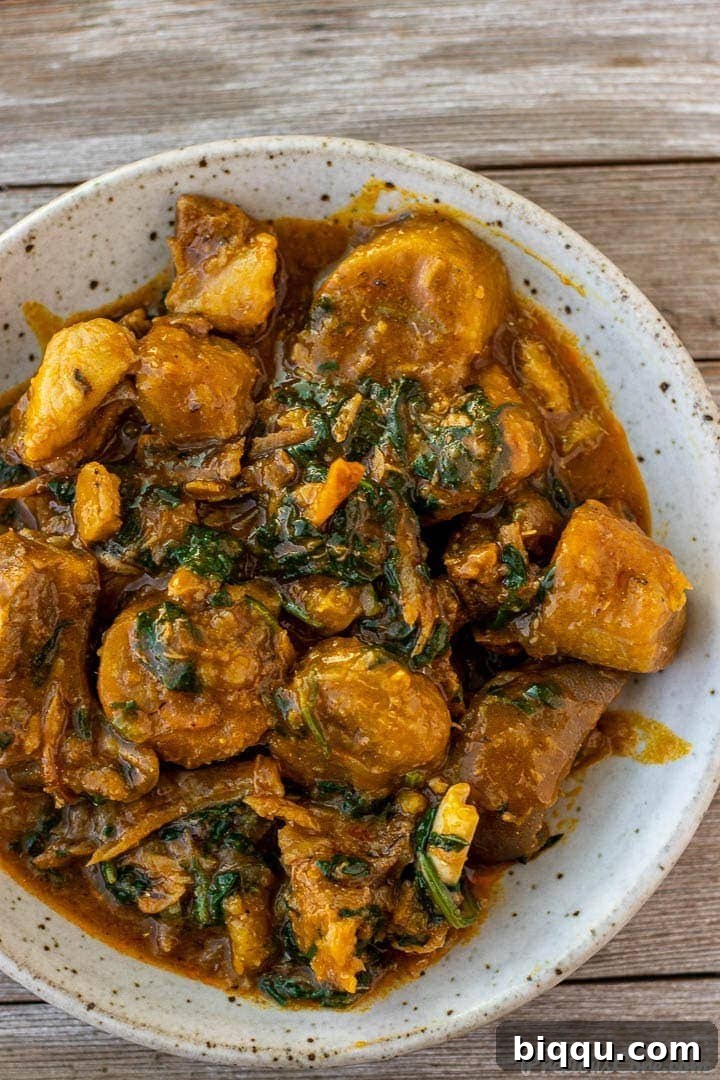
Cameroonian Sese Plantains, often affectionately known as Sese Planti or Turning Planti, is more than just a meal; it’s a culinary journey into the heart of West African tradition. This vibrant one-pot dish masterfully combines the earthy sweetness of green plantains with the rich, smoky notes of red palm oil, dried fish, and crayfish, alongside other aromatic ingredients. The result is a profoundly satisfying and hearty meal, perfect for a fulfilling dinner that brings warmth and comfort to any table.
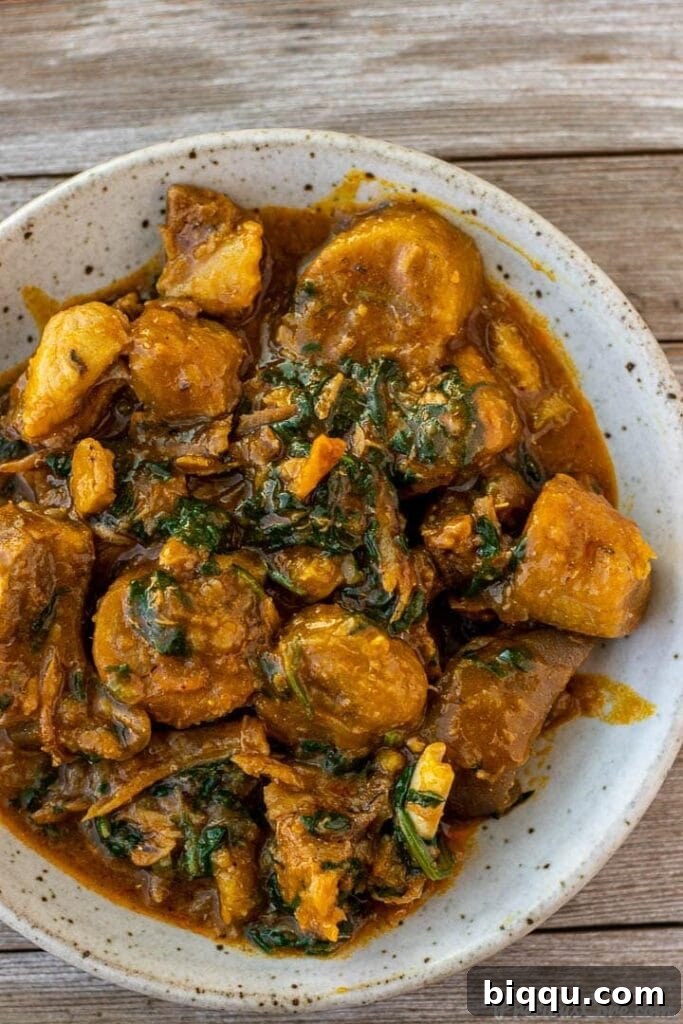
Today, we’re delving into one of Cameroon’s most cherished and flavorful meals: Sese Plantains. Also referred to as unripe plantain porridge, its name, “sese,” beautifully captures the essence of its preparation, referring to the rhythmic stirring motion applied to the plantains as they gently simmer to perfection. This continuous turning ensures that all the ingredients meld together, creating a harmonious blend of tastes and textures that is truly unique.
For many, including myself, Sese Planti evokes cherished childhood memories. While perhaps not an instant favorite, my mother’s rendition, brimming with an generous assortment of dried fish, transformed it into an utterly irresistible delight. That special touch of diverse dried fish varieties infused the meal with an extraordinary depth of flavor, making each spoonful a memorable experience. It’s this legacy of rich, authentic flavors that inspires our recipe today.
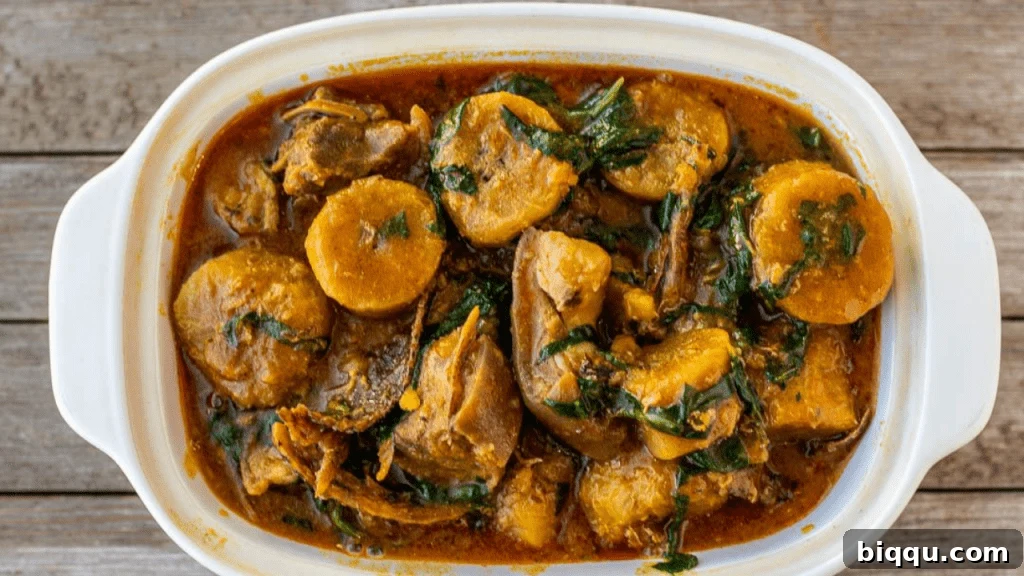
Our Sese Plantain recipe thoughtfully combines the robust flavors of both dried fish and tender goat meat, offering a truly elevated taste experience. While goat meat is an optional addition, contributing an extra layer of richness and making the dish exceptionally special, delicious Sese Plantains can certainly be prepared without it, focusing on the powerful flavors of the dried fish and spices. For authentic ingredients, a visit to a local African grocery store is highly recommended, as these specialized shops often carry the unique components that define this beloved dish.
Key Ingredients for Authentic Sese Plantains
Creating an authentic pot of Sese Plantains hinges on a few essential ingredients, each playing a vital role in building the dish’s distinctive flavor profile and vibrant appearance. Understanding the contribution of each component is key to mastering this traditional Cameroonian recipe.
1. Green Plantains: The Foundation of Sese Planti
The star of Sese Plantains is undoubtedly the green, unripe plantain. Unlike their ripe, yellow counterparts which are sweet and soft, green plantains are firm, starchy, and subtly savory, providing the perfect base for this hearty porridge. When selecting plantains, look for those that are entirely green and firm to the touch, with no signs of yellowing or softening. These will hold their shape better during the long cooking process and absorb the rich flavors of the stew more effectively, transforming into a tender, melt-in-your-mouth texture that defines the dish. Green plantains are also a fantastic source of complex carbohydrates and dietary fiber, contributing to the meal’s incredibly satisfying and nourishing qualities.
2. Red Palm Oil: The Soul of West African Cuisine
Red palm oil is not just an ingredient; it’s a cornerstone of West African cuisine, indispensable for Sese Plantains. Revered for its sustainability (when sourced responsibly) and numerous health benefits, this oil imparts a distinct, earthy flavor and a stunning, vibrant orange hue to the dish. It’s rich in antioxidants like Vitamin E and beta-carotene, making it one of the healthiest cooking oils available. Substituting red palm oil with vegetable oil or other neutral oils is strongly discouraged, as they simply cannot replicate the unique taste, aroma, or characteristic color that red palm oil brings to Sese Plantains, elevating it from a simple porridge to a true culinary masterpiece.
3. Crayfish: Adding Smoky Umami Depth
Dried crayfish is a powerhouse of flavor in West African cooking, and Sese Plantains is no exception. This variety of dried shrimp is finely ground or crushed, releasing an intense, smoky, and umami-rich aroma that permeates the entire dish. It’s a non-negotiable ingredient that lends a profound depth of flavor, acting as a natural seasoning enhancer. Just a small amount of crayfish can dramatically transform the taste profile, making it a key secret to the irresistible allure of dishes like Sese Plantains and even Eru.
4. Dried Fish: The Hearty Protein & Flavor Booster
Smoked or dried fish is a traditional and highly valued ingredient in West African cooking, celebrated for its robust flavor and texture. Numerous types of dried fish can be used in Sese Plantains; the most crucial step is ensuring that all bones are meticulously removed before adding it to the pot. The process of drying or smoking concentrates the fish’s natural flavors, contributing a unique savory, oceanic, and slightly pungent taste that beautifully complements the plantains and other ingredients. It provides a wonderful source of protein and adds a layer of traditional authenticity that truly makes the dish sing.
5. Goat Meat (Optional, but Recommended for Richness)
While Sese Plantains can be incredibly delicious without any meat, the inclusion of goat meat elevates the dish to a more luxurious and flavorful experience. Goat meat is lean, flavorful, and yields a tender texture when slow-cooked, imparting a rich, gamey note that pairs exceptionally well with the other bold ingredients. If goat meat is not readily available or preferred, beef can serve as an excellent substitute, offering a similar heartiness. Adding meat makes this dish particularly special and substantial, transforming it into an even more celebratory meal.
6. Leafy Greens: Freshness and Nutritional Boost
Traditionally, bitterleaf, a leafy green known for its distinct bitter taste, is incorporated into Sese Plantains, lending a unique flavor complexity that is highly prized. However, fresh bitterleaf can be difficult to source outside of West Africa. Fortunately, substitutes like baby spinach or kale work wonderfully, offering a burst of freshness and a significant nutritional boost. Baby spinach is particularly convenient as it requires no laborious stem picking, making preparation quicker and easier while still providing essential vitamins and minerals.
7. Salt: The Universal Seasoning
Essential for balancing and enhancing all the flavors, salt is added incrementally throughout the cooking process to ensure perfect seasoning. It helps to draw out the natural tastes of the ingredients, creating a well-rounded and harmonious palate.
8. Maggi Seasoning Cubes: The Secret to Umami
Maggi seasoning cubes are a staple in many West African kitchens, used to add a concentrated burst of umami and savory depth to dishes. These small cubes, typically weighing around 4g each, contain a blend of ingredients that elevate the overall flavor profile, contributing to the distinctive taste that many associate with authentic West African cuisine. They work in tandem with salt to create a truly delicious and well-seasoned meal.
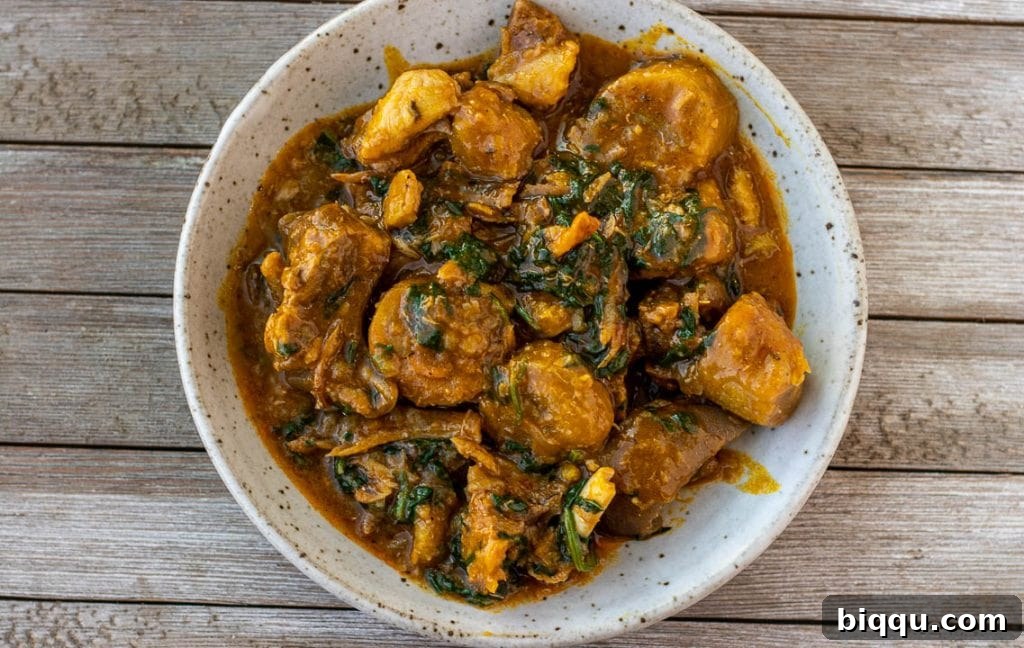
With its smoky essence, profound flavors, and heartwarming substance, Sese Plantains is a truly unforgettable dish. We sincerely hope you enjoy preparing and savoring this authentic Cameroonian Sese Plantain recipe!
Watch Our Sese Plantains Recipe Video
For a visual guide to making Sese Plantains, also known as Turning Plantains or Unripe Plantain Porridge, watch our step-by-step video below. Don’t forget to SUBSCRIBE to our YouTube Channel for more delicious West African recipes!
Tips for a Perfect Sese Plantains
- **Plantain Tenderness:** The key to a truly enjoyable Sese Plantains is ensuring the plantains are cooked until they are exceptionally soft. They should practically melt in your mouth and break apart easily when pressed with a fork. Under-cooked plantains will be hard and unappetizing, so patience is crucial.
- **The Art of “Sese”:** The name “sese” implies stirring. While it’s a one-pot meal, occasional gentle stirring, especially as the plantains soften, helps to prevent sticking and allows the flavors to integrate thoroughly. This also helps achieve that desirable porridge-like consistency.
- **Water Management:** Maintain a consistent water level throughout the cooking process. Sese Plantains should be saucy, not dry. Add hot water incrementally if the liquid reduces too much, ensuring the plantains remain submerged and cook evenly.
- **Seasoning to Taste:** Always taste and adjust seasoning towards the end of cooking. The salt and Maggi cubes are guides; your preference for savory intensity might require slight adjustments.
- **Authentic Greens:** While spinach and kale are excellent alternatives, if you ever come across fresh bitterleaf, don’t hesitate to use it! Its unique bitterness adds an authentic depth that is truly distinctive.
Health Benefits of Sese Plantains
Beyond its incredible flavor, Cameroonian Sese Plantains is a nutrient-dense meal that offers several health benefits:
- **Rich in Fiber:** Green plantains are an excellent source of dietary fiber, which aids digestion, promotes gut health, and helps maintain stable blood sugar levels.
- **Complex Carbohydrates:** Plantains provide complex carbohydrates, offering sustained energy release without the sharp spikes associated with simple sugars.
- **Vitamins and Minerals:** Red palm oil is packed with Vitamin A (beta-carotene) and Vitamin E, powerful antioxidants. The leafy greens contribute Vitamin K, Vitamin C, and iron, while goat meat and dried fish offer lean protein and essential B vitamins.
- **Lean Protein:** Goat meat is a lean source of protein, essential for muscle building and repair. Dried fish also contributes significant protein, making the dish very filling and nutritious.
- **Heart-Healthy Fats:** Red palm oil contains a balanced profile of saturated and unsaturated fats, and when consumed in moderation as part of a balanced diet, contributes healthy fats.
Explore More Cameroonian Delicacies
If you’ve enjoyed the flavors of Sese Plantains, we invite you to explore other beloved Cameroonian recipes that showcase the diversity and richness of our culinary heritage:
- Poulet DG
- Jollof Rice
- Kwacoco Bible

Cameroonian Sese Plantains
20 minutes
1 hour
1 hour
20 minutes
8
servings
Rate
Print Recipe
Ingredients
- 1 pound goat meat, cut into 2 inch slices (sub with cow meat or more dried fish or smoked fish)
- 2 medium onions, chopped
- 1 1/2 teaspoons salt
- 6 green (unripe) plantains
- 2 cups dried fish, bones removed
- 1/2 cup crayfish
- 1 cup red palm oil
- 2-3 inches ginger root, peeled
- 6-8 cloves garlic, peeled
- 4 Maggi seasoning cubes (4g cubes)
- 1 habanero or scotch bonnet pepper (optional)
- 4 cups baby spinach (sub with kale)
Instructions
-
1. Place the goat meat in a pot. Pour in enough water to completely cover the meat. Add 1/4 cup of the chopped onion and sprinkle in 1/2 teaspoon of salt. Cover the pot, bring to a boil, and cook until the goat meat is tender but still retains a slight bite, approximately 20 minutes.
-
2. Prepare the plantains by cutting off both ends. Score the plantains from top to bottom, making several cuts about 1 inch apart, being careful not to cut too deeply into the flesh. Use your fingers to gently lift and peel off the skin; it should come off easily from unripe plantains.
-
3. Rinse the peeled plantains thoroughly under cold water. Cut them into thick coin-shaped slices, about 1 inch in thickness.
-
4. Add the sliced plantains to the pot with the tender goat meat. Pour in additional water to fully cover the plantains. Stir in the red palm oil and the remaining diced onions.
-
5. Gently crush the crayfish to break it down and release its full flavor. This can be done using a small mortar and pestle, a blender, or by placing it in a Ziploc bag, sealing it (after removing air), and using a rolling pin to crush it.
-
6. Add the crushed crayfish and the dried fish (ensure bones are removed) to the plantains. Mix all ingredients thoroughly with a wooden spoon to combine. Cover the pot and bring the mixture to a boil.
-
7. While the pot comes to a boil, prepare the aromatics: blend or crush the garlic and ginger into a smooth paste.
-
8. Once the pot is boiling, add the blended garlic and ginger paste, the remaining 1 teaspoon of salt, and sprinkle in the Maggi seasoning cubes. If using, add the whole habanero or scotch bonnet pepper (it will impart flavor without making the dish overly spicy if left whole). Stir everything to combine well. Cover the pot and allow it to simmer for about 30 minutes, or until the plantains are very soft and can be easily pierced with a fork. If the water level becomes too low, add more hot water to keep the plantains covered and maintain a saucy consistency.
-
9. Once the plantains are fully cooked and tender, taste the stew and adjust the seasoning with more salt if necessary to achieve your desired flavor.
-
10. Roughly chop the baby spinach (or kale) and add it to the pot. Stir well to incorporate the greens into the stew. Cook just until the vegetables have wilted and fully integrated with the other ingredients, then turn off the heat.
-
11. Cover the pot and let the Sese Plantains rest for 5 minutes before serving hot. This allows the flavors to further meld. Serve with sliced avocado on the side for a perfect pairing. Enjoy this incredibly delicious meal!
Notes
2. Traditionally, Sese Plantains is prepared with bitterleaf, a distinct leafy green found in West Africa. Bitterleaf contributes a unique, slightly bitter flavor that is a hallmark of authentic Sese Plantains. However, if fresh bitterleaves are unavailable, baby spinach or kale make excellent, accessible substitutes, adding freshness and nutrients to the dish.
Nutrition
Carbohydrates: 47g |
Protein: 52g |
Fat: 41g |
Saturated Fat: 18g |
Polyunsaturated Fat: 3g |
Monounsaturated Fat: 15g |
Trans Fat: 1g |
Cholesterol: 151mg |
Sodium: 5143mg |
Potassium: 1856mg |
Fiber: 3g |
Sugar: 25g |
Vitamin A: 3022IU |
Vitamin C: 36mg |
Calcium: 146mg |
Iron: 4mg
Additional Info
Dinner
Cameroonian
756
Tried this recipe?
Mention @preciouscore or tag #PreciousCore!