
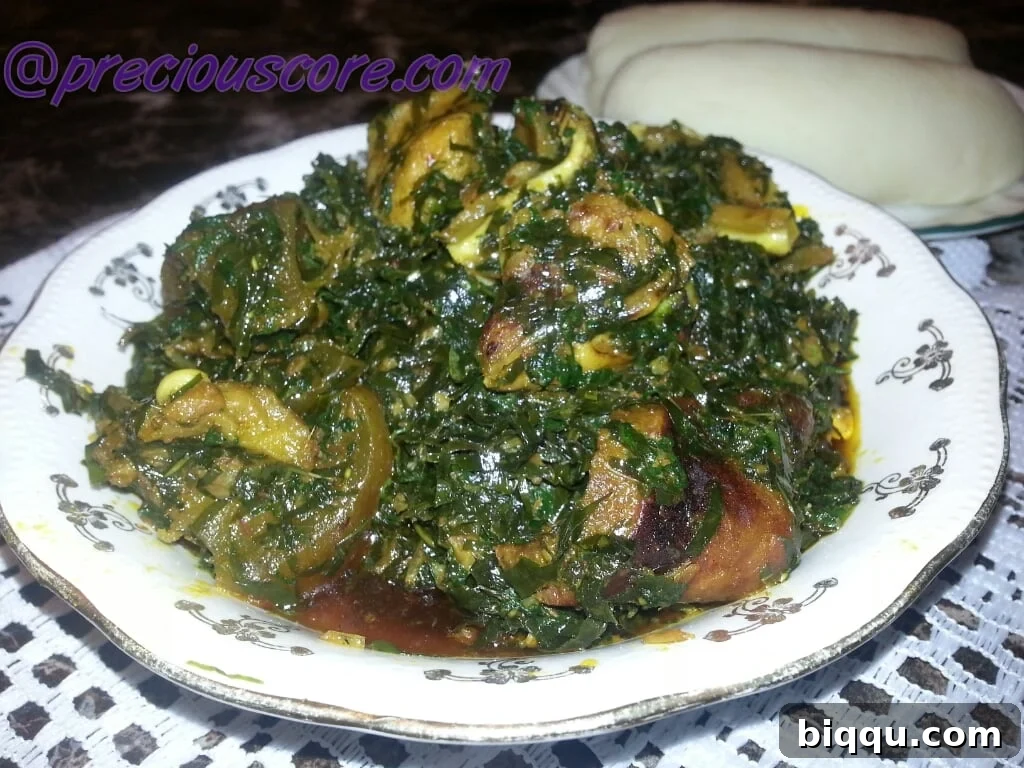
Authentic Cameroonian Eru Recipe: A Culinary Journey into West African Flavors
There are some meals that transcend mere sustenance, becoming a celebration of culture, family, and pure joy. For my household, Eru is precisely that dish. From the pickiest eaters to the most seasoned food enthusiasts, it’s a universal favorite, guaranteeing absolutely no leftovers. Just a few weeks ago, my incredible parents, knowing my deep affection for this delicacy, sent me a thoughtful package all the way from home – brimming with dried Eru leaves and premium crayfish. I quite literally leaped with joy! This generous gesture saved me a trip to the African store and brought a piece of home right to my doorstep. My parents, bless their hearts, even meticulously labelled the packs with my name, reminding me of boarding school days. Truly heartwarming!
This culinary treasure is more than just food; it’s a connection to my roots, a taste of comfort, and a testament to the rich culinary heritage of Cameroon. Join me as we explore the fascinating world of Eru and recreate this unforgettable meal in your own kitchen.
What is Eru? Unveiling the Beloved Cameroonian Delicacy
Eru is a distinctive and highly cherished meal, originating from the lush forests of Cameroon. It is prepared from the leaves of a wild plant known botanically as Gnetum africanum, or simply ‘eru leaves’. These vibrant green leaves are typically harvested fresh from the forest, but are also widely available in dried form for those living outside the region. The unique slightly bitter, earthy flavor, coupled with its fibrous texture, sets Eru apart from other African soups.
While Eru is deeply rooted in Cameroonian culture, it also shares a close kinship with dishes from neighboring Nigeria. In Nigeria, these same leaves are known as Ukazi or Afang. Natives of Cross River State, particularly the Efik and Ibibio people, expertly use Ukazi to prepare their famous Afang soup. Although Afang soup boasts a striking similarity to Eru in terms of key ingredients, it is generally more “soupy” and often requires the Ukazi leaves to be ground or pounded into a finer consistency before cooking. This results in a slightly different mouthfeel and overall texture compared to the more rustic, fibrous Eru.
Another beloved Nigerian dish that bears a remarkable resemblance to Eru is Edika Ikong. Also a staple of the Calabar people in Cross River State, Edika Ikong uses a combination of different leafy greens, often including fluted pumpkin leaves (ugu) and waterleaf, alongside Ukazi. While it looks almost identical to Eru in appearance, the blend of greens and preparation method gives it its own distinct character. If I may offer a playful comparison, I’d venture to say that Eru is truly the “grandmother” of Afang! Having tasted both extensively, I can confidently identify the ‘mama’ and the ‘pikin’ (child) in this culinary family tree. Each dish holds its own special place, but Eru, with its unique preparation, often feels like the original, unadulterated classic.
Why Eru Captivates Hearts: A Taste of Tradition and Unforgettable Flavor
It’s rare to encounter someone who doesn’t fall head over heels for this incredible delicacy. Eru holds a special place in the hearts of many, revered for its robust flavors, satisfying texture, and the warmth it brings to any table. It’s the kind of meal that can inspire even the most responsible individual to momentarily forget their manners, perhaps even “jump the queue” at a party if they notice it’s nearly gone! But seriously, the immense popularity of this dish is no exaggeration; people simply adore it. Its rich, savory taste, combined with the earthy notes of the Eru leaves and the smoky depth of crayfish, creates an utterly addictive culinary experience. It’s not just a meal; it’s a culinary icon, a source of pride, and a staple at family gatherings and celebrations across Cameroon and beyond.
Beyond its incredible taste, Eru is also packed with nutritional benefits. The Gnetum africanum leaves are known for being rich in protein, fiber, and various minerals, while spinach or waterleaf contributes essential vitamins and antioxidants. Paired with healthy palm oil and lean proteins, Eru offers a wholesome and balanced meal that is as nutritious as it is delicious.
Below, I’ll guide you through the process of making the perfect Eru every single time. But first, let’s dive into some crucial tips – the “Eru Don’ts” – to ensure your dish is as authentic and flavorful as possible.
Mastering Eru: Essential Tips for a Flawless Dish (The Eru “Don’ts” Explained)
To truly capture the authentic essence of Eru, it’s vital to heed these traditional guidelines. These aren’t just suggestions; they are the secrets to creating a dish that is flavorful, textured, and perfectly balanced, just as it’s meant to be.
- Don’t Add Excess Water: After you’ve added your Eru leaves, resist the urge to pour in more water. Eru is inherently a “dry soup” or stew. While you’ll certainly need water to boil your meat or fish until it’s tender, ensure that this liquid has almost completely dried up or evaporated before you introduce your spinach or waterleaf. The fresh greens, once added, will naturally release enough moisture to soften the Eru leaves and create the ideal consistency for the dish. Adding extra water will dilute the flavors and result in a watery Eru, which is not its traditional characteristic.
- Don’t Add Onions: This is a common point of contention, but for an authentic Eru, onions are generally considered out of place. Some modern recipes might include them, but traditional Eru relies on the distinct flavors of the Eru leaves, palm oil, and crayfish. Onions, with their strong aromatic profile, can overpower and alter the unique, earthy taste that defines classic Eru. Stick to the traditional approach to preserve its true character.
- Don’t Cook Eru Without Crayfish: My Mom always emphasizes this point: “Crayfish is the ingredient of Eru.” This statement couldn’t be truer. Crayfish provides an unparalleled depth of flavor, a smoky aroma, and a savory umami that is absolutely essential to Eru. No amount of dried fish, smoked fish, or other seasonings can replicate the profound impact of crayfish in this dish. It is the soul of Eru, so ensure you have a generous supply on hand.
- Don’t Eat Eru with a Spoon: Okay, I’m just kidding on this one – mostly! While you certainly *can* eat Eru with a spoon, traditionally, it’s best enjoyed with your hands, scooped up with a swallow like fufu or garri. This method allows for a more tactile and immersive eating experience, connecting you directly to the food.
With these crucial tips in mind, you are now well-equipped to embark on your culinary adventure. Let’s start cooking, and prepare to be amazed by the rich, comforting flavors of authentic Cameroonian Eru!
The Ultimate Eru Recipe: Step-by-Step Guide to Perfection
This comprehensive recipe will guide you through every stage of preparing a delicious and authentic pot of Eru. Pay close attention to the details, and you’ll soon be savoring a taste of Cameroon.
Recipe Overview
Cooking time: 1 hour
Total time: 1 hour 30 minutes
Yields: 6-8 servings
Ingredients
- 6 cups of Eru/Ukazi leaves (fresh or dried, thoroughly washed)
- 3 bags/bundles of spinach or waterleaf (approximately 2 lbs, thoroughly washed and chopped)
- 2-3 pounds of mixed meat/fish of choice (e.g., beef skin/canda, beef stripes/towel, beef, goat meat, smoked fish, stock fish, snails, tripe, ponmo – use a variety for best flavor and texture)
- 2 cups of ground crayfish (high quality for maximum flavor)
- 3 cups of red palm oil
- ½ cup of canola or groundnut (peanut) oil (for optimal texture and consistency)
- 1 crayfish seasoning cube (such as Maggi Crevette, for enhanced flavor)
- 1 Habanero pepper (optional, for a kick of heat; adjust to your preference)
- Salt to taste
Detailed Instructions
- Prepare the Eru Leaves: If you are using dried Eru leaves, begin by soaking them in hot water for about 15-20 minutes. This helps to rehydrate and soften them. After soaking, drain the water, and wash the leaves thoroughly multiple times, squeezing out excess water with your hands. This step is crucial to remove any grit or impurities and to reduce bitterness. If using fresh Eru, wash them equally well and chop if necessary.
- Cook Your Proteins: Wash your chosen meats (beef skin/canda, beef stripes/towel, goat meat, etc.) thoroughly. Place them in a large cooking pot. Season generously with salt and any preferred all-purpose seasoning (avoiding onions). Add just enough water to cover the meat. Bring to a boil, then reduce heat and simmer until the meats are tender. For tough cuts like beef skin, this could take longer. As the meat cooks, allow most of the water to evaporate, leaving only a small amount of liquid or a thick reduction at the bottom of the pot. This concentrated broth will form a flavorful base for your Eru.
- Prepare the Greens: While your meat is boiling, meticulously wash your spinach or waterleaf. Ensure there is no dirt or sand. Chop the leaves finely and set aside.
- Integrate the Greens: Once your meat is fully cooked and the water has reduced, add the chopped spinach or waterleaf directly into the pot. Stir well to combine with the meat. The spinach is quite soft and will shrink significantly as it cooks, releasing its natural moisture. Allow it to wilt completely, stirring occasionally, until it has softened.
- Add the Eru Leaves: Now, add the drained Eru leaves to the pot with the wilted spinach and meat. The small amount of liquid released from the spinach, combined with any remaining meat broth, will be sufficient to soften the Eru leaves. Stir everything together thoroughly, ensuring the Eru is well incorporated with the other ingredients.
- Incorporate Fish and Other Delicacies: If you are using already boiled or smoked fish, or other delicate proteins like snails, gently add them to the pot now. Mix carefully to avoid breaking them apart. I often add pre-boiled stock fish at this stage.
- Add Oil, Seasoning, and Crayfish: Pour in the palm oil and canola/groundnut oil mixture. The tip here is to mix palm oil with a small amount of neutral oil like canola or groundnut oil; this prevents the Eru from hardening and becoming stiff when it cools down, keeping it moist and appealing. Crumble in the crayfish seasoning cube and, most importantly, add the ground crayfish. If you like a bit of heat, you can also add a whole habanero pepper (be cautious if cutting it open, as it will release more spice).
- Final Stir and Simmer: Stir everything together very well, ensuring the oil, seasoning, and crayfish are evenly distributed throughout the Eru. Allow the Eru to simmer gently for another 10-15 minutes, allowing all the flavors to meld beautifully. Taste and adjust salt if necessary. The Eru is ready when the leaves are tender, the oil has taken on a rich red hue, and the aroma is irresistible.
Serving Eru: Traditional Pairings and Beyond
Once your delicious pot of Eru is ready, it’s time to enjoy it! Eru is traditionally served with a variety of “swallows” – starchy foods designed to be scooped with the hand and eaten alongside the soup. The most popular accompaniments include:
- Water Fufu (Akpu): Made from fermented cassava, water fufu has a slightly sour taste and a soft, pliable texture that perfectly complements the rich flavors of Eru.
- Garri: Also derived from cassava, garri can be prepared into a smooth, thick paste (Eba) that is another excellent choice for scooping up Eru.
- Pounded Yam: A classic Nigerian swallow, pounded yam is made by pounding boiled yam until it achieves a smooth, dough-like consistency. Its subtle sweetness and firm texture are a delightful contrast to Eru.
While these are the most traditional pairings, Eru can also be enjoyed with other starchy sides like rice or boiled plantains, though this is less common. The beauty of Eru lies in its ability to be a hearty, satisfying meal on its own, especially when paired with a perfect swallow. The works of Mr. N’s hands, as seen below, beautifully illustrate this classic pairing.
Troubleshooting Common Eru Issues
Even with a detailed recipe, cooking can sometimes present challenges. Here are a few common issues you might encounter with Eru and how to fix them:
- Eru is Too Watery: If your Eru turns out more soupy than desired, it likely means too much liquid was retained from the meat boiling or released by the greens. To fix this, increase the heat and allow it to simmer uncovered, stirring occasionally, to let some of the excess moisture evaporate.
- Eru Lacks Flavor: If your Eru tastes bland, it might need more salt, crayfish, or seasoning cube. Adjust these to taste during the final simmering stage. Ensure your crayfish is fresh and potent, as it’s the primary flavor driver.
- Eru is Too Oily: While Eru needs a good amount of palm oil for flavor and texture, if it feels excessively oily, you can try to skim some of the excess oil from the top. Next time, consider reducing the oil slightly, or ensuring your meat has less fat.
- Eru Leaves are Too Hard: This usually happens if dried Eru wasn’t soaked long enough or if it wasn’t simmered adequately after adding to the pot. A longer soaking time and gentle simmering will help soften the fibrous leaves.
Storage and Reheating
Eru keeps wonderfully! Store any leftovers in an airtight container in the refrigerator for up to 3-4 days. To reheat, simply warm gently on the stovetop over low heat, stirring occasionally, or in the microwave. The flavors often deepen overnight, making it even more delicious the next day.
There you have it – a comprehensive guide to preparing authentic Cameroonian Eru! This dish is a true celebration of West African cuisine, offering a unique blend of earthy flavors, rich textures, and comforting warmth. It’s a meal that brings people together and leaves a lasting impression.
If you try this recipe, please do come back and share your experience! Drop a comment below and let me know how your Eru turned out, what variations you explored, or what memories it evokes for you. I’d love to hear all about it. Enjoy the culinary journey!