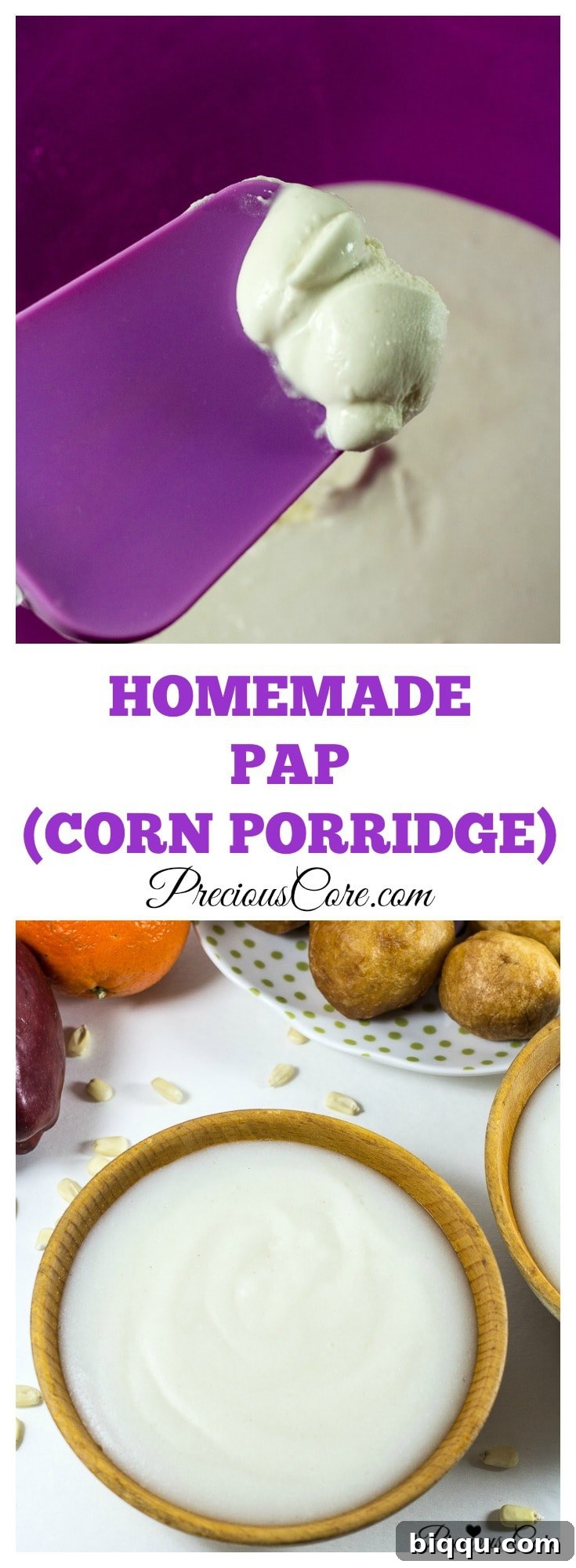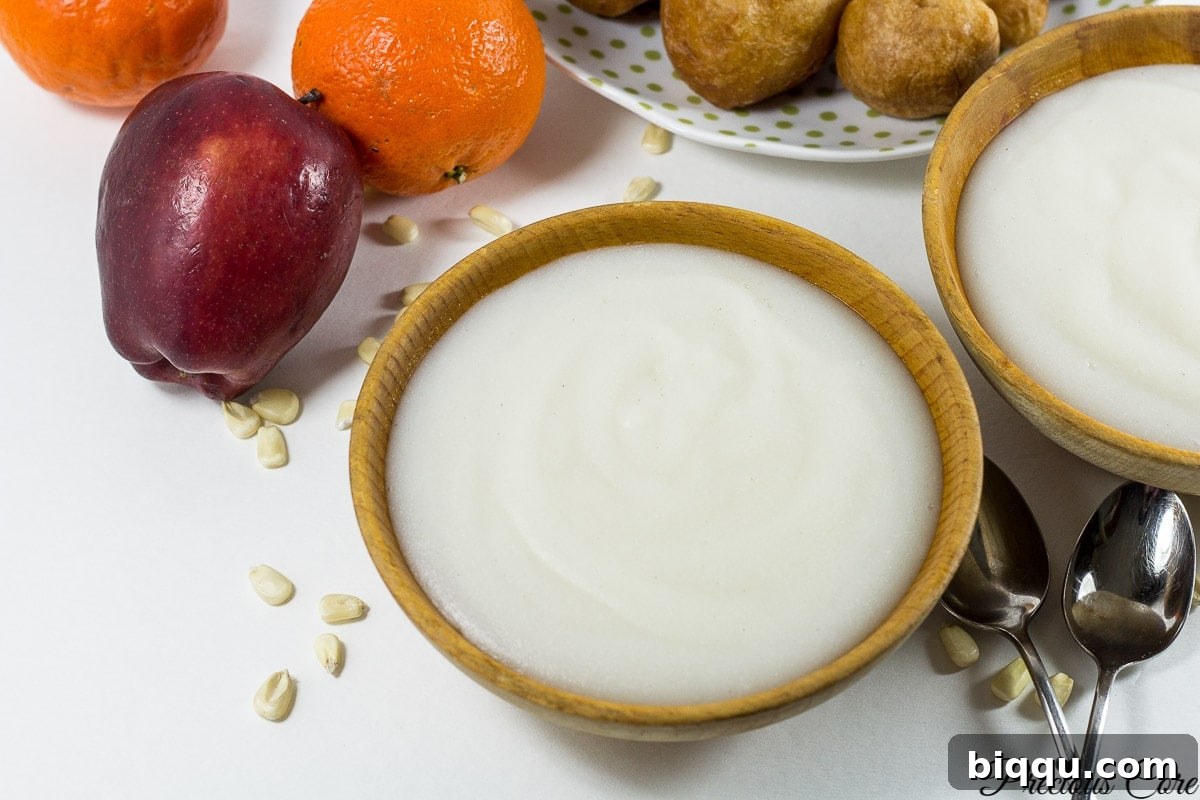
Welcome to the heartwarming world of Pap, a beloved fermented corn porridge that holds a special place in the culinary traditions of Cameroon and Nigeria. More than just a meal, pap is a comforting embrace, a taste of home, and a foundational part of daily life for millions. While traditionally crafted from whole corn, our journey today takes a delightful shortcut, utilizing readily available corn flour to achieve that authentic, slightly tangy, and deeply satisfying flavor profile. Prepare to discover a recipe that’s not only epic in taste but also surprisingly simple to create, perfect for a nourishing breakfast or a quick, fulfilling dinner. This is the art of making pap from scratch, simplified for the modern kitchen, promising divine results every time.
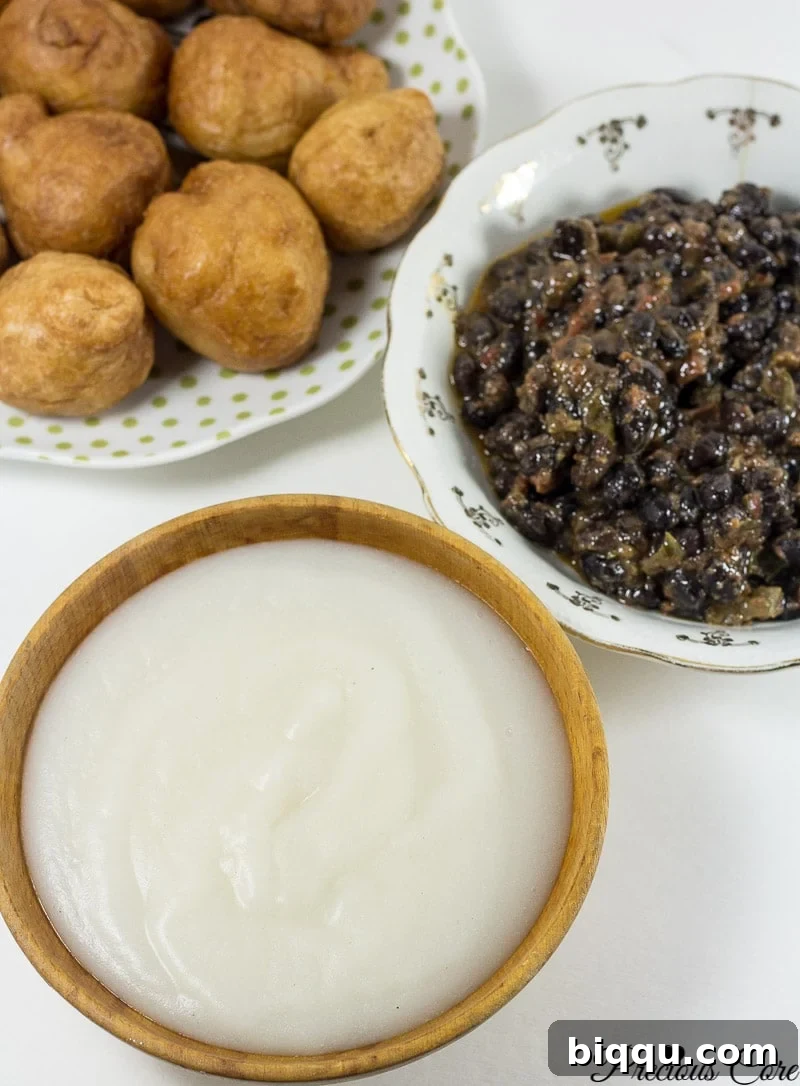
Imagine a bustling Monday morning in Douala, Cameroon. The vibrant city hums awake, its streets alive with the symphony of honking vehicles and the chatter of early risers. Amidst this lively scene, at a busy intersection where life converges, stands a familiar figure: a woman known affectionately as “Mami Makala,” an artisan of morning sustenance, skillfully serving pap alongside her perfectly fried Puff Puffs.
With practiced grace, Mami Makala plunges her hands into a large bowl, scooping out portions of elastic batter. Each dollop she releases into the sizzling hot oil of her wok magically transforms, puffing up into golden-brown, perfectly round balls, dancing in the heat until they reach a delightful crispness. The aroma alone is enough to draw a crowd.
A gentleman, impeccably dressed in a full suit, approaches her stall. Mami Makala retrieves an old newspaper, carefully lining it before placing a generous serving of the piping hot Puff Puffs inside. She expertly wraps them, a small package of joy, and hands them over. Next, she opens a steaming pot, ladling out several spoons of rich, savory beans, which she also presents to the gentleman, whose mouth already begins to water in anticipation. Finally, she reaches for yet another pot, from which she scoops a hearty portion of her signature corn porridge, completing his much-awaited breakfast. With a few coins exchanged, the gentleman departs, his morning made utterly blissful by Mami Makala’s offerings.
Behind him, a long line of eager customers patiently waits. Some yearn specifically for the light, airy Puff Puffs. Others are here for the comforting beans. Many seek out the signature pap, while a fortunate few indulge in the complete trio. Each person knows that Mami Makala’s stand offers more than just food; it offers a taste of tradition, community, and pure comfort.
Understanding Pap: A West African Staple
This fermented corn porridge, universally known as “pap” (and not to be confused with any other kind!), is a true dietary cornerstone in both Cameroon and Nigeria. Whether enjoyed under the humble shade of a street vendor like Mami Makala or lovingly prepared and savored within the comfort of homes, it would be a rare find to encounter anyone from these nations who hasn’t experienced its unique taste. Pap transcends socio-economic boundaries, bringing a sense of warmth and nourishment to every table.
Growing up, my own journey with pap, also affectionately called “le bouillie” in French, “akamu,” or “ogi,” was a rich and constant one. Sometimes, we would embark on the elaborate process of making it entirely from scratch, a labor of love passed down through generations. On other occasions, we’d opt for the convenience of purchasing the raw, pre-fermented version from local markets, ready to be cooked at home. And then there were those special, rare moments when I’d buy the fully cooked pap directly from a “Mami Makala” – or a “Mami Achombo,” depending on the regional dialect – savoring the immediate gratification of this delightful porridge.
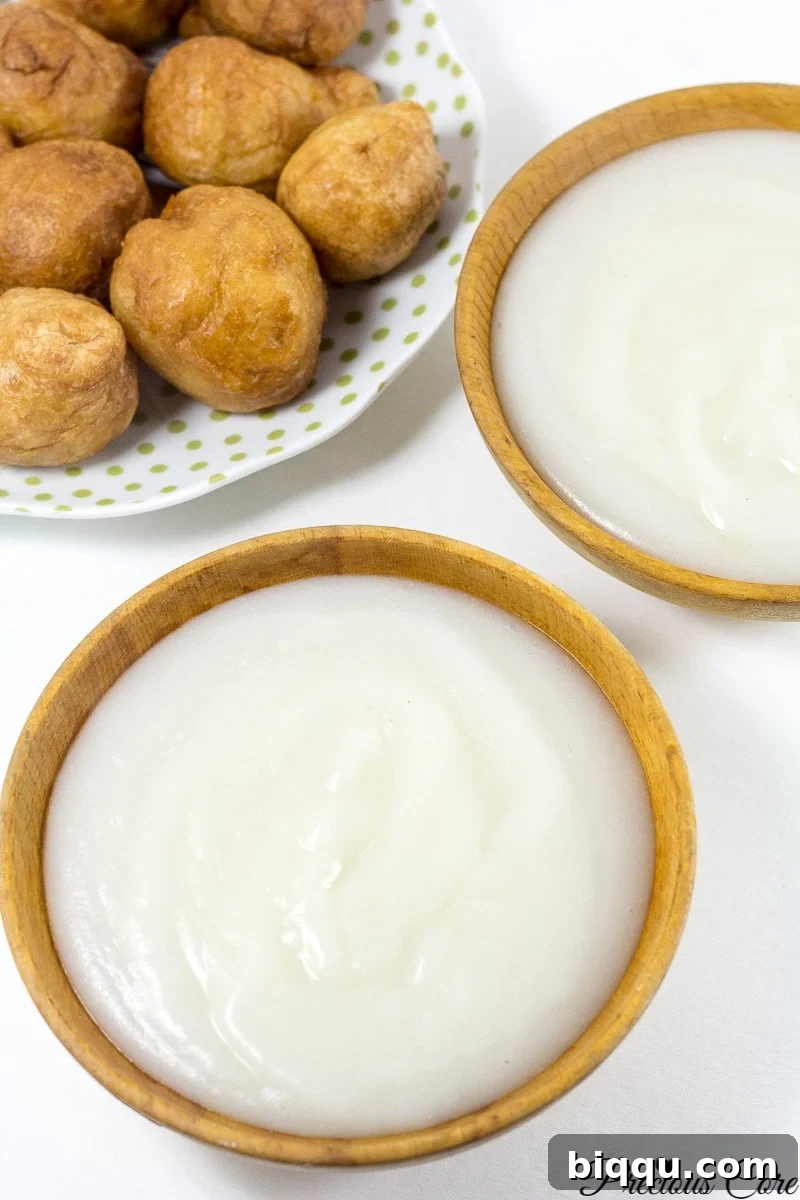
My profound connection to pap deepened significantly during my first pregnancy. I developed an intense, almost unquenchable craving for its comforting presence. Each time I attended my antenatal classes at the clinic, I made it a ritual to stop by my favorite Mami Makala. There, I would indulge in a generous bowl of hot, steaming pap, allowing its warmth and unique flavor to soothe my cravings before heading back home. It became a cherished part of that special time, a small luxury that brought immense comfort.
With the colder weather upon us, a desire for comforting, warm dishes naturally arises. It felt like the perfect moment to share with you how to recreate this incredible corn porridge right in your own kitchen. And here’s the best part: it’s infinitely easier than you might imagine, thanks to a clever simplification that doesn’t compromise on authenticity or taste.
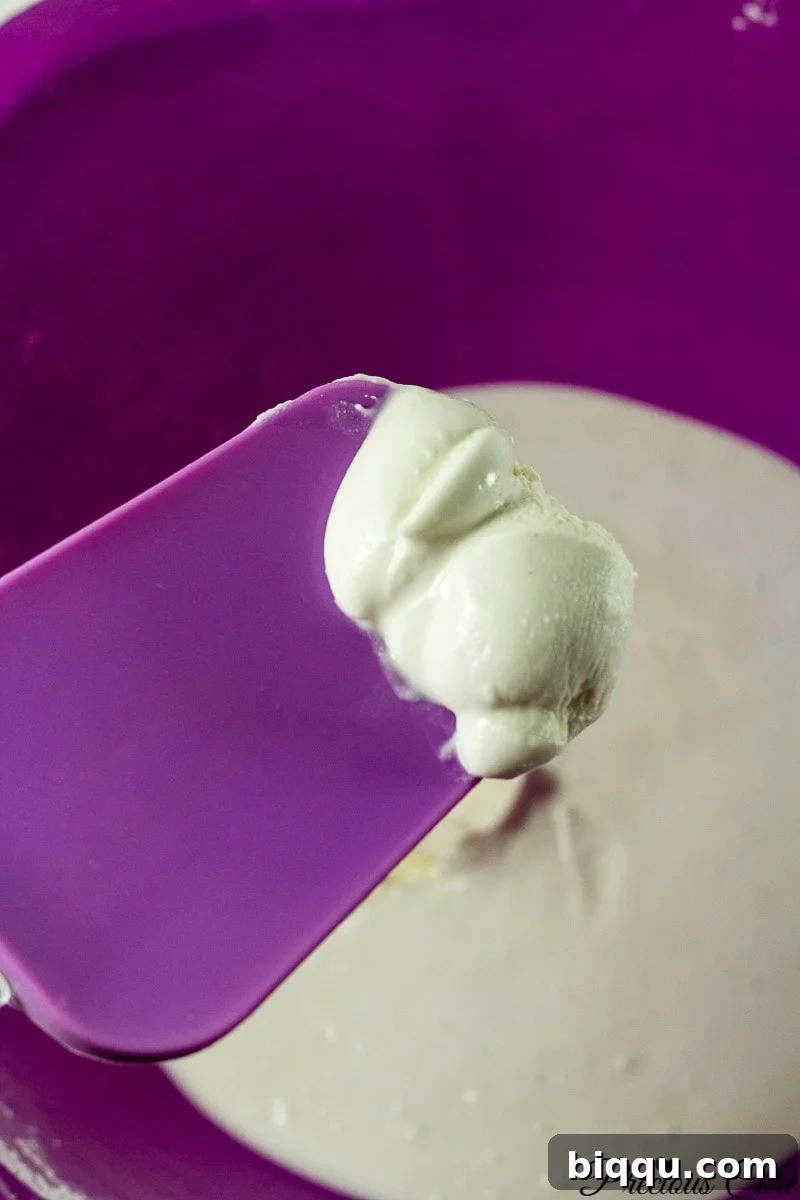
Traditional Pap Making vs. Our Simplified Method
Traditionally, the journey to making pap begins with soaking whole corn kernels (whether fresh or dried) for several days. This soaking period is crucial for fermentation, which imparts pap its characteristic tangy flavor. Once sufficiently fermented, the corn is then ground into a fine paste and passed through a sieve to meticulously separate the smooth starch from any remaining fibrous chaff. This age-old process, while rewarding, can be time-consuming and labor-intensive.
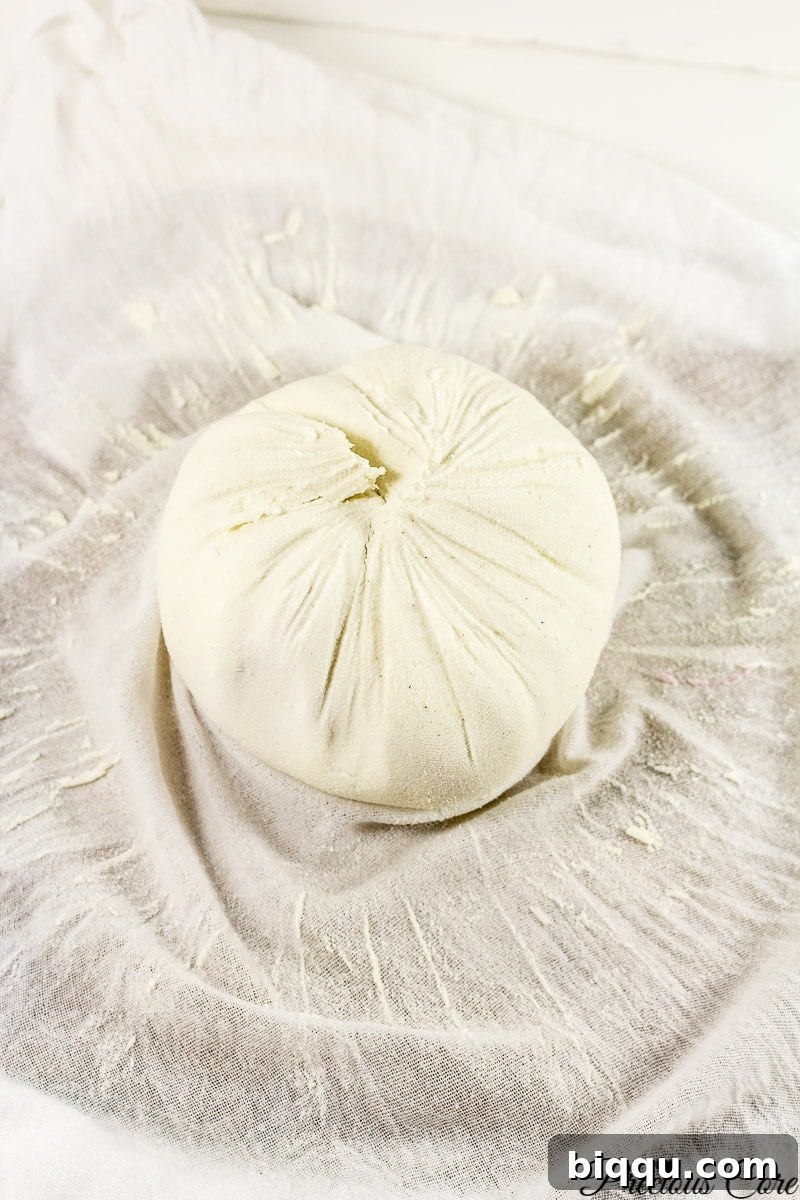
However, in this recipe, we embrace innovation to bring you an incredibly streamlined approach. We completely bypass the grinding of whole corn because, and here’s the game-changer, we use corn flour! Oh my goodness – this single substitution transforms pap-making into an astonishingly simplified task. The beauty of this method lies not only in its ease but also in its ability to deliver a taste that is remarkably authentic. When I enjoy this corn flour pap, I can close my eyes for a moment and easily imagine myself back home, perhaps even in Mami Makala’s cozy hut, savoring the very same comforting flavors.
The Taste and Simplicity of Perfect Pap
So, what exactly does this fermented corn porridge taste like? It presents a delightful paradox: it’s subtly tangy, yet inherently wholesome and utterly delicious. I know, “bland and delicious” might seem contradictory when paired in the same sentence, but trust me, it truly is GOOD. The fermentation process lends it a faint sourness that perfectly balances the natural sweetness of corn, creating a unique and deeply satisfying flavor profile that is both simple and profound.
The magic unfolds with minimal effort. All you need to do is soak corn flour, covered, in a warm place for approximately three days to allow it to ferment. This simple step is key to developing its characteristic flavor. Afterward, you’ll pass the mixture through a fine mesh sieve, effectively separating the smooth starch from any residual chaff. Finally, you cook a portion of this pristine starch in boiling water, stirring until it thickens into a creamy, luscious porridge. The result is pure epicness in a bowl – the ultimate comfort food, perfectly suited for chilly mornings or any time you need a soothing, nourishing meal.
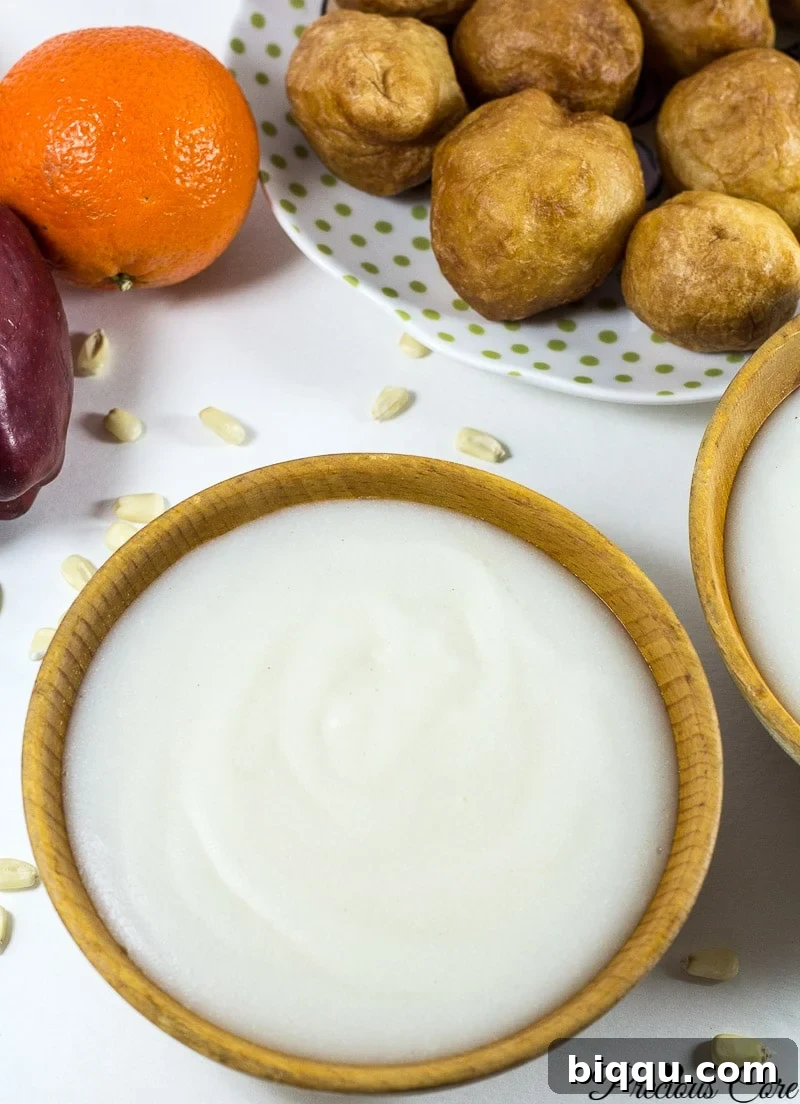
This is truly what breakfast dreams are made of – a hearty, flavorful start to your day that nourishes both body and soul. Beyond breakfast, I also love preparing it as an easy and nutritious dinner for my children. Its gentle taste and smooth texture make it a favorite for all ages in our home. We absolutely adore it!
To ensure you master this recipe, I’ve created a comprehensive video demonstrating the complete process, from start to finish. I invite you to watch it, then gather your ingredients and make your own batch of this wonderful pap. I promise, you’ll be weeping with joy at the delicious results!
How to Make Pap from Scratch (Video Tutorial):
How To Make Pap (Fermented Corn Porridge) From Scratch
Pin Recipe
Rate
Print Recipe
Ingredients
- 2 pounds corn flour – white or yellow (about 1 kg)
- Water
Instructions
-
Place corn flour in a large container with a tight-fitting lid (preferably a plastic container because plastic retains heat). Add water to come up above the corn flour. Mix well with a wooden spoon or whisk to dissolve any lumps.
-
Cover and place in a warm area to ferment for 3 days. After that, it will have a pungent smell – this is perfectly okay. It might also have bubbles at the top – this again is okay.
-
Pour out the water from the top of the corn paste. Then add fresh water into the fermented corn paste and whisk well to form a light creamy mixture (about the consistency of whole liquid milk).
-
Place a fine mesh sieve above a large bowl. Then pass the liquid through a fine mesh sieve to separate the chaff from the starch. You may need to do this in small batches depending on how large your sieve is. Place the chaff in a separate bowl.
-
When all the chaff is separated from the starch, add more water into the chaff and mix to form a light creamy mixture (about the consistency of whole liquid milk). Pass it again through the sieve and press chaff with a spoon (while on the sieve) to squeeze out the excess liquid.
-
Repeat the process as needed until the chaff is no longer creamy.
-
Let the corn starch rest for 1-2 hours. During this period, the water will come up and the starch will stay at the bottom. Pour out the excess water at the top. You can proceed to cook the corn starch right away or preserve.
-
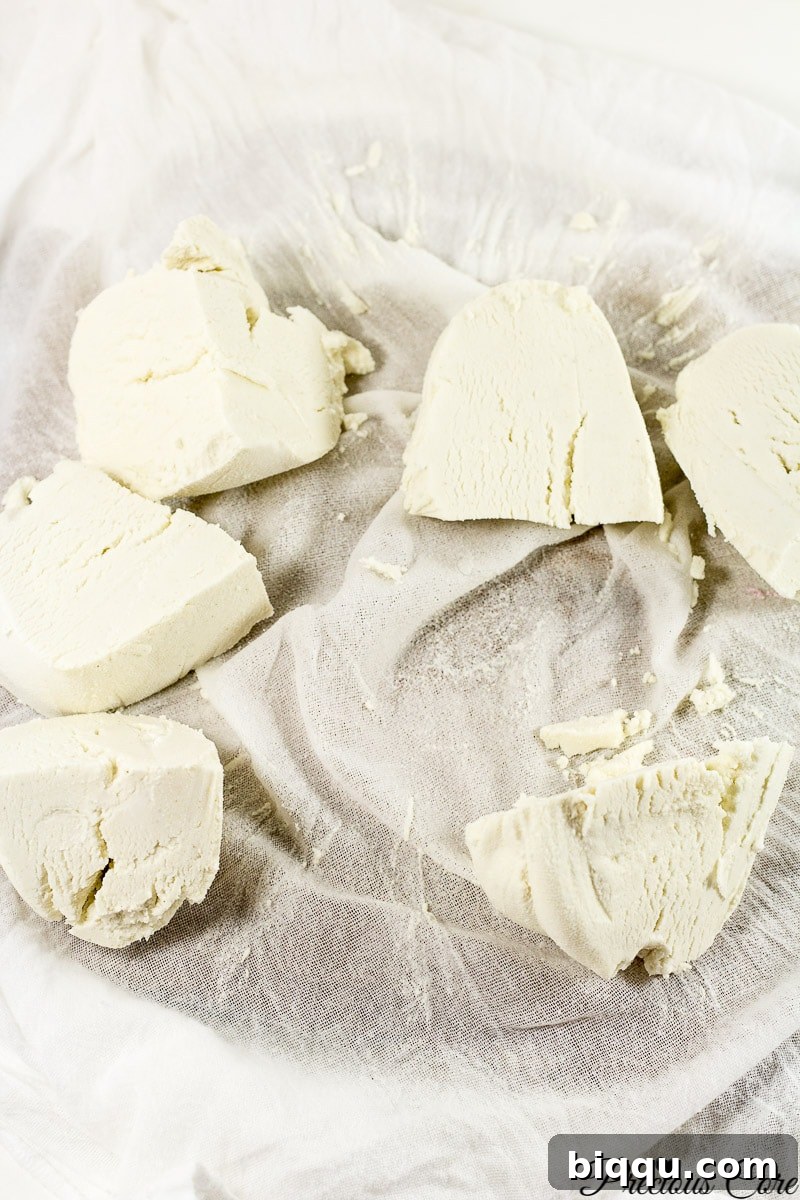
To preserve: place the corn paste into a plain (preferably white) kitchen towel or cheese cloth. Then squeeze well to remove excess water. The corn starch will now be hard. Cut into desired sizes then put in ziploc bags and place in the fridge or freezer for future use.
How to cook pap.
-
Mix 1 cup and a half of fermented corn paste (the soft version, not squeezed yet) with a quarter cup of water. Please watch the video to understand what I mean.
-
Note: If you are using the hard version – use half a cup, mixed with half a cup of cold water to form the corn paste.
-
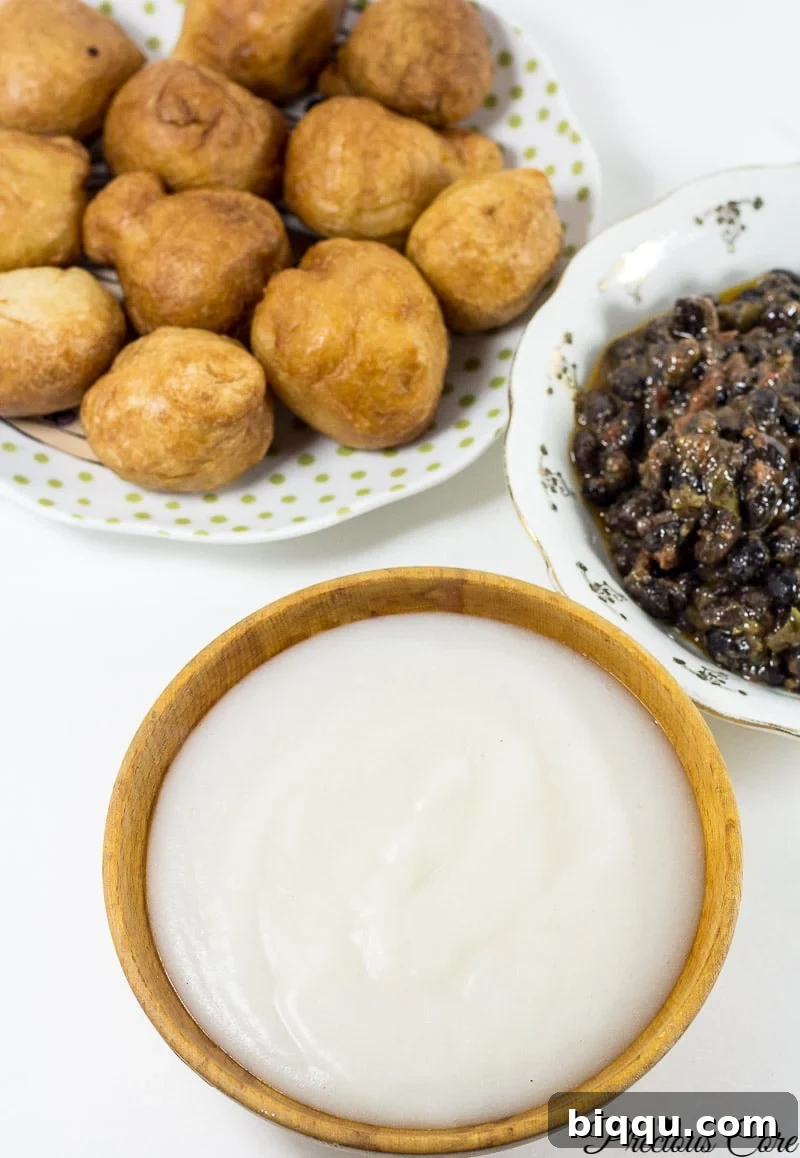
Bring four cups of water to a boil. Then add the corn paste mixture to the boiling water, stirring rapidly with a wooden spoon as you do so. The mixture will thicken rapidly. Let it cook for 2-3 minutes while you stir continuously. If you love it lighter, you could add more water at this point. Sweeten with sugar to taste (I used about half a cup) then turn off the heat. Serve hot as it is with some evaporated milk poured ontop or with akara/accra beans or puff puff.
-
Alternately, you could cook your pap by adding the boiling water to the corn paste mixture in a bowl, away from the heat. If you choose to use this method, you must equally stir simultaneously as you pour in the water to prevent lumps from forming.
Notes
2. Flavor the cooked pap with some fresh lemon juice or lime juice if you like.
3. You need a fine mesh sieve for this recipe. This is different from a regular strainer. You could purchase it online from Amazonhere (affiliate link).
Nutrition
Additional Info