
 |
| Authentic Cameroonian Rice and Beans |
Discover the Soul of Cameroonian Cuisine: Irresistible Rice and Beans
There’s a universally comforting dish that transcends cultures and generations, finding its way into countless hearts and homes: rice and beans. This humble yet incredibly satisfying combination holds a special place in the culinary landscape of Cameroon, where it’s not just a meal, but a staple that evokes nostalgia, community, and the warmth of home. If you’ve ever had the pleasure of tasting authentic Cameroonian rice and beans, you’ll understand the profound connection people feel to this delightful pairing.
Many who attended boarding schools in Cameroon will recount countless memories centered around this dish. It’s often the meal that fuels late-night study sessions, celebrates small victories, and brings a sense of familiarity to a communal dining hall. The marriage of fluffy rice with rich, savory beans creates a harmonious balance, as if these two ingredients were destined to be together. It’s a culinary match made in heaven, offering both sustenance and profound satisfaction.
My younger brother, for instance, developed an enduring love for this dish during his boarding school days. Each time it graced the menu, a small, uncontainable victory dance would ensue, a testament to the simple joy it brought him. Similarly, my “adopted” daughter cherishes it, frequently suggesting it whenever meal planning comes around. This shared affection highlights the dish’s widespread appeal and its role as a beloved comfort food across different age groups and backgrounds.
The Art of Cameroonian Stewed Beans: A Flavorful Journey
While rice is often the quiet partner, the beans are undoubtedly the star of this show. I’ve witnessed countless methods of preparing beans, but for me, the Cameroonian approach of stir-frying the beans in oil with a vibrant medley of spices—with or without tomatoes—stands head and shoulders above the rest. This technique isn’t just about cooking; it’s about crafting layers of flavor that transform simple beans into a culinary masterpiece. The process of sautéing the aromatics until golden, then frying the tomatoes until their essence intensifies, creates a deeply savory and aromatic base that truly takes the crown.
This method ensures that every spoonful of beans is packed with a complex, heartwarming taste that is both robust and incredibly satisfying. It’s a taste that speaks of tradition, family, and the rich culinary heritage of Cameroon. Let’s embark on a flavorful journey into the kitchen and uncover the secrets behind this beloved dish.

Why Cameroonian Rice and Beans is a Must-Try
- Nutritional Powerhouse: Beans are an excellent source of plant-based protein, dietary fiber, complex carbohydrates, and essential minerals like iron, potassium, and magnesium. Paired with rice, it forms a complete and balanced meal.
- Budget-Friendly: Made with accessible and affordable ingredients, this dish is a fantastic option for nutritious eating without breaking the bank.
- Versatile and Customizable: While we present a traditional recipe, it’s incredibly adaptable. You can adjust spice levels, add different vegetables, or incorporate various proteins to suit your taste.
- Comfort Food at its Best: There’s a reason this dish is so loved – it’s hearty, warming, and deeply satisfying, offering a taste of home no matter where you are.
Authentic Cameroonian Stewed Beans Recipe
Preparing this dish is a labor of love, but the results are truly worth every moment. The key to perfectly stewed beans lies in patient preparation and the careful layering of flavors. Here’s how you can bring the authentic taste of Cameroon to your table.
This recipe focuses on the stewed beans component, which is traditionally served with plain boiled white rice.
- Prep time: Approximately 2 hours (mostly inactive time for soaking/boiling beans)
- Cook time: 30-40 minutes
- Total time: 2 hours, 30 minutes to 2 hours, 40 minutes
- Serves: 4 generous portions
Ingredients
- 2 cups dried beans (black beans or small red beans are ideal for their texture and flavor)
- 3 medium-sized ripe tomatoes, finely chopped or blended
- 1 medium-sized onion, finely chopped
- 2 stems of green onions (scallions), thinly sliced
- ½ teaspoon ground garlic (or 2-3 cloves fresh garlic, minced)
- ½ teaspoon ground ginger (or ½ inch fresh ginger, grated)
- 2 seasoning cubes (such as Maggi, known for enhancing African dishes)
- ½ cup vegetable oil (or more, depending on desired richness)
- Salt to taste
- Water for boiling beans
Method
-
Prepare the Beans:
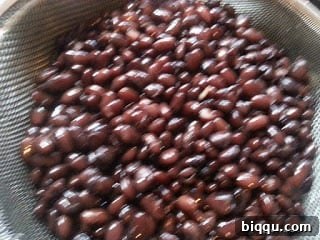
For best results and to reduce cooking time and aid digestion, consider soaking your dried beans overnight (8-12 hours) in plenty of cold water. Drain and rinse thoroughly before cooking. If you don’t soak them, you might need to boil them for a longer period.
Place the rinsed beans in a large pot and cover with fresh water, ensuring there’s at least 2-3 inches of water above the beans. Bring to a boil, then reduce heat and simmer for approximately 1 hour 30 minutes to 2 hours, or until the beans are tender but still hold their shape. The cooking time will vary depending on the type and freshness of the beans, and whether they were soaked. Stir occasionally and add more hot water if needed to keep the beans submerged. When the beans are almost done, about 15-20 minutes before they are fully tender, season with a generous pinch of salt. This allows the salt to penetrate the beans without making them tough. Once tender, let them sit in their cooking liquid for a few minutes, then drain and set aside. Reserve a little bit of the cooking liquid if you want to adjust the stew’s consistency later.

-
Prepare Your Aromatics:
While the beans are cooking, prepare the rest of your ingredients. Finely chop the onions and tomatoes. Slice the green onions and set them aside. Measure out your ground garlic and ginger (or mince/grate fresh ones).
-
Build the Flavor Base (Sautéing):
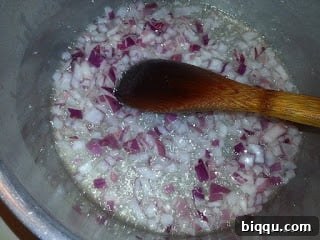
In a large pot or deep skillet, warm the ½ cup of vegetable oil over medium heat. Once shimmering, add the chopped onions and sauté until they become translucent and fragrant, about 5-7 minutes. Be careful not to burn them; the goal is to soften and sweeten them.
-
Fry the Tomatoes:
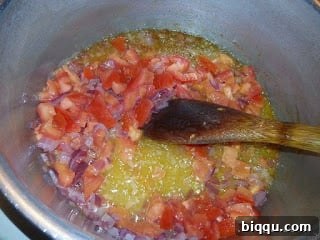
Add the chopped or blended tomatoes to the pot. Increase the heat slightly and let the tomatoes fry, stirring frequently to prevent sticking. This step is crucial for developing depth of flavor. The tomatoes are ready when they have significantly shrunk, darkened in color, and the oil starts to separate and rise to the surface, indicating that most of their water has evaporated and their flavor has concentrated. This process typically takes 10-15 minutes.
-
Incorporate Spices and Seasonings:
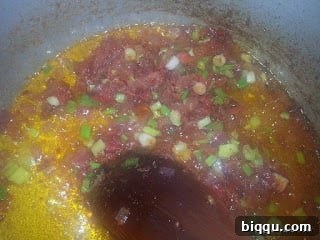
Once the tomatoes are beautifully fried, add the sliced green onions, ground garlic, ground ginger, and crumble in the seasoning cubes. Stir well to combine all these aromatic ingredients with the tomato base. Allow them to cook together for another 2-3 minutes, letting the flavors meld and the spices release their fragrance. This creates a rich, aromatic foundation for your beans.
-
Combine and Simmer:
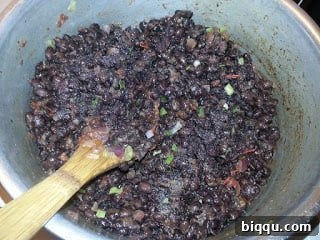
Finally, add the boiled and drained beans to the pot with the aromatic stew base. Mix everything thoroughly but gently, ensuring the beans are evenly coated with the rich sauce. If the stew seems too thick, you can add a small amount of the reserved bean cooking liquid or a little hot water to reach your desired consistency. Bring the mixture to a gentle simmer and let it cook for another 5-10 minutes. This allows the beans to absorb all the wonderful flavors of the stew. Taste and adjust for seasonings. You may add more salt or a pinch of black pepper if desired.

Serving Your Cameroonian Rice and Beans
The beauty of Cameroonian Rice and Beans lies not only in its taste but also in its versatility of presentation. Whether you prefer a rustic, homely feel or an elegant, gourmet plate, this dish adapts beautifully.
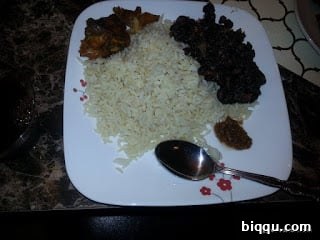
Serve your delicious stewed beans alongside freshly boiled rice. (While boiling rice might seem basic, ensure it’s fluffy and separate, providing the perfect canvas for the flavorful beans. A simple 1:2 rice to water ratio, simmered gently after boiling, usually does the trick.)
Traditional Homestyle Presentation
If you’re aiming for the comforting, familiar style often found in local eateries or homes, reminiscent of “Ma Dorothy’s restaurant,” serve it simply and generously. A mound of fluffy white rice crowned with a hearty ladleful of the rich, stewed beans is the quintessential way to enjoy this meal. It’s about abundance, warmth, and unpretentious goodness.
Elevated, Five-Star Experience
For those special occasions or when you simply want to elevate your home dining, transform your rice and beans into a gourmet experience. This calls for thoughtful plating and complementary additions. Imagine perfectly cooked rice pressed into a neat mold, flanked by the vibrant, stewed beans. To take it up a notch, consider adding:
- Slices of Pan-Fried Chicken Breast: Seasoned and seared to golden perfection, adding a lean protein element.
- Homemade Peppered Sauce: A drizzle of a spicy, tangy sauce (made from blended red bell peppers, habanero, onions, and a touch of vinegar) can introduce an exciting kick.
- Fresh Parsley Garnish: Finely chopped parsley adds a burst of color and a fresh, herbaceous note.
- Other Accompaniments: Fried plantains, avocado slices, or a crisp side salad can further enhance the meal.
This sophisticated presentation not only makes the dish visually stunning but also introduces additional textures and flavors, turning a simple meal into an unforgettable culinary event.

Tips for a Perfect Pot of Stewed Beans
- Soak Your Beans: While not strictly necessary, soaking beans overnight can drastically cut down on cooking time and may help with digestibility.
- Quality Ingredients: Fresh, ripe tomatoes and good quality spices make a significant difference in the final flavor.
- Don’t Rush the Sauté: Allow the onions to caramelize slightly and the tomatoes to fry thoroughly. This deepens the flavor of the stew.
- Taste and Adjust: Always taste your stew before serving and adjust salt or other seasonings as needed. Different beans absorb salt differently.
- Batch Cooking & Freezing: Stewed beans freeze exceptionally well. Make a larger batch and freeze portions for quick, healthy meals on busy days.
Embrace the Flavors of Cameroon
Cameroonian rice and beans is more than just a recipe; it’s an invitation to experience a vital part of African culinary heritage. It’s a testament to how simple ingredients, when prepared with care and love, can create a dish that is deeply satisfying, culturally resonant, and utterly delicious. Whether you’re seeking a nostalgic taste of home, a nutritious weeknight meal, or a dish to impress, this recipe offers a truly rewarding cooking and eating experience.
So, gather your ingredients, set aside some time, and immerse yourself in the delightful process of creating this classic Cameroonian dish. We promise, your taste buds will thank you. Enjoy your meal, and remember, we “luff” you for trying!