
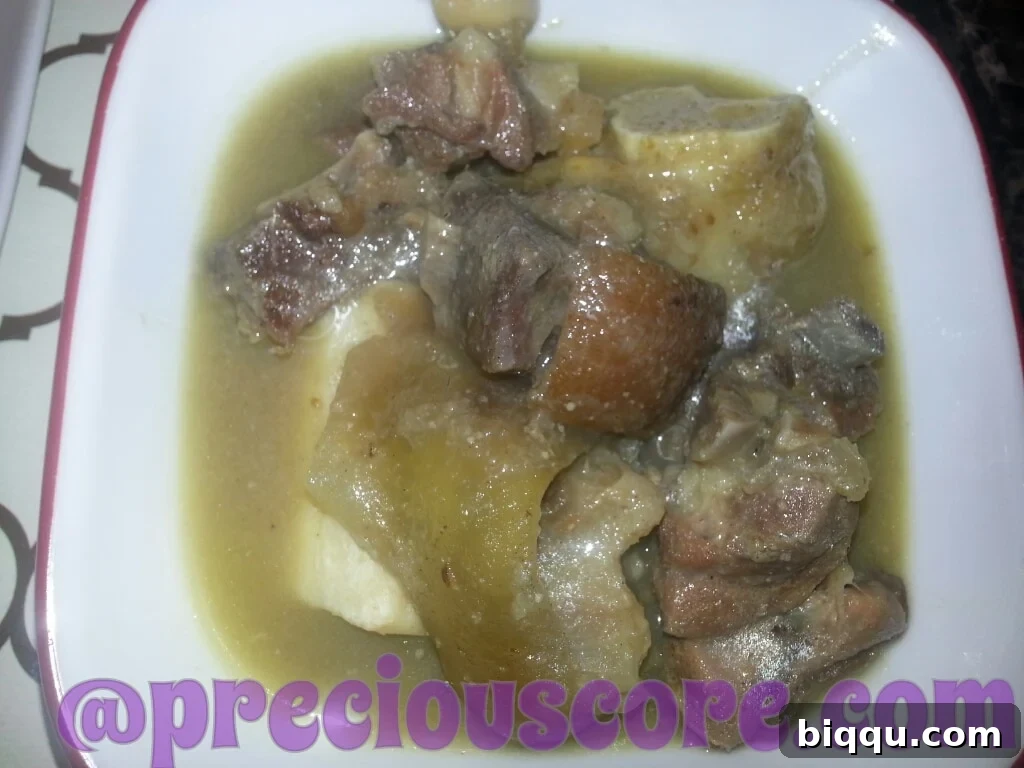
Discover the Soul-Soothing Magic of African Pepper Soup
In the vibrant tapestry of African cuisine, certain dishes stand out not just for their tantalizing flavors but also for their profound cultural significance and the comforting warmth they bring. Among these culinary treasures, African Pepper Soup reigns supreme. This aromatic and spicy broth is more than just a meal; it’s a culinary hug, a natural remedy, and a celebration of rich, earthy spices. Many believe it possesses remarkable healing properties, a sentiment born from the potent blend of herbs and spices that infuse every spoonful. When you savor a bowl of Pepper Soup, it truly feels like indulging in a delicious form of medication, designed to soothe both body and soul.
Making authentic Pepper Soup is surprisingly straightforward, relying on simple techniques that yield incredibly complex flavors. The core process involves gently simmering your chosen protein to tender perfection, then introducing a symphony of freshly blended or ground spices. A final touch of seasoning transforms these humble ingredients into a deeply flavorful and aromatic concoction. This guide will walk you through the secrets to crafting a perfect bowl of Pepper Soup, ensuring a comforting and unforgettable culinary experience right in your kitchen.
The Essence of Pepper Soup: A Symphony of Spice, Not Just Heat
Despite its name, “Pepper Soup” doesn’t necessarily mean an overwhelmingly spicy dish. While it certainly can be made with a fiery kick, the true essence lies in the complex interplay of various aromatic spices, many of which inherently lend a gentle warmth to the broth. The key is balance. You have complete control over the heat level, allowing you to tailor the soup to your preference. For instance, a small amount of habanero pepper can provide a pleasant tingle without overwhelming the palate. For those who prefer a milder experience, or when serving children, the addition of habanero can be completely omitted, letting the natural warmth from other spices shine through. This adaptability ensures that everyone can enjoy the rich flavors of Pepper Soup without shedding a tear.
The beauty of this dish lies in its versatility. It’s a canvas for diverse palates, allowing you to experiment with spice levels until you find your perfect balance. Whether you crave a bold, spicy sensation to clear your sinuses or a mellow, comforting broth to warm your insides, Pepper Soup delivers. It’s a testament to how traditional recipes can be adapted while retaining their authentic soul and flavor profile.
Unlocking Authentic Flavor: The Magic of Njansa Nut
For connoisseurs of Cameroonian Pepper Soup, one ingredient stands out as the undisputed star: Njansa. Also known as Akpi or Akwa, Njansa (botanically RicinoDendron Heudelotii) is a unique nut cherished for its ability to both thicken the soup and impart a distinctive, earthy, slightly nutty flavor that is characteristic of authentic Cameroonian preparations. This golden-hued nut elevates the soup from simply delicious to truly exceptional, giving it that signature depth and richness.
Finding Njansa might require a visit to specialized African grocery stores, especially in regions outside of Africa like the United States. Many of these ethnic markets stock a wide array of ingredients essential for traditional African cooking. Alternatively, if you’re lucky enough to have friends, aunties, or cousins who frequently travel to or from Cameroon, a polite request might just land you a treasured supply of these essential nuts. However, if Njansa proves elusive, there’s no need to despair. The fantastic news is that a truly delightful Pepper Soup can still be achieved using a robust blend of other readily available spices, as we’ll explore next. While Njansa adds a unique dimension, its absence shouldn’t deter you from creating a wonderfully flavorful and comforting bowl of this cherished soup.
The Aromatic Core: Essential Spices for Your Pepper Soup
Beyond the optional Njansa, the heart of any exceptional Pepper Soup lies in its carefully selected blend of aromatic spices. These foundational ingredients are what truly define the soup’s character, creating a complex flavor profile that is both invigorating and soothing. While there’s room for personal creativity, some spices are practically non-negotiable for achieving that authentic taste.
My personal must-haves, forming the indispensable trinity for any Pepper Soup, are:
- Garlic: Known for its pungent aroma and savory depth, garlic provides a robust base note that complements the other spices beautifully.
- Ginger: Offering a warm, spicy, and slightly sweet undertone, ginger not only enhances flavor but also contributes to the soup’s perceived healing qualities.
- Onions: Whether finely chopped or blended, onions provide a foundational sweetness and aroma, mellowing as they cook to create a rich savory background.
In addition to this core trio, I frequently incorporate a range of other spices, depending on what I have available and the specific flavor nuances I wish to achieve. These alternate spices allow for subtle variations and personalization:
- White Pepper: Offers a milder, earthy heat compared to black pepper, often used for its distinct aroma.
- Celery: While sometimes used as a vegetable, powdered celery seeds or finely chopped fresh celery stalks can lend a fresh, slightly bitter, and aromatic note.
- Bay Leaves: These fragrant leaves infuse the broth with a subtle, woodsy aroma that adds depth and sophistication.
- Fennel Seeds: Known for their anise-like flavor, fennel seeds introduce a sweet, aromatic dimension that pairs wonderfully with savory ingredients.
- African Nutmeg (Ehu/Pèbè): A highly prized spice in West African cuisine, offering a unique, earthy, and slightly smoky aroma that is a hallmark of many traditional dishes.
- Uziza Seeds/Leaves: Known for their pungent, peppery flavor, Uziza adds an invigorating kick and distinct aroma.
- African Bush Mango Seeds (Ogbono): Can also be used in smaller quantities to add a slight thickening and nutty flavor, though distinct from Njansa.
The beauty of this spice blend is its flexibility. Feel free to experiment with combinations that appeal most to you. Many African markets also offer pre-blended Pepper Soup spice mixes, which can be an excellent starting point for beginners, ensuring an authentic flavor profile with minimal effort.
Choosing Your Protein: The Versatility of Pepper Soup
One of the most appealing aspects of Pepper Soup is its incredible versatility when it comes to protein choices. While this specific recipe highlights the rich flavors of goat meat and cow feet, the truth is, almost any protein can be transformed into a delectable Pepper Soup. This adaptability makes it a perfect dish for various dietary preferences and availability.
Consider these popular protein options:
- Goat Meat: A traditional and highly prized choice, goat meat offers a robust, slightly gamey flavor that stands up beautifully to the bold spices. It cooks down to a tender, succulent texture.
- Cow Feet: Known for their gelatinous texture and rich flavor, cow feet release collagen into the broth, adding a delightful mouthfeel and nutritional value. They require longer cooking times to become tender.
- Fish: A lighter and quicker-cooking option, fish (such as catfish, tilapia, or croaker) creates a delicate yet intensely flavorful soup. It’s a popular choice for those seeking a less heavy meal or a faster preparation time.
- Chicken: Universally loved, chicken offers a milder flavor that readily absorbs the essence of the spices. Both bone-in and boneless chicken can be used, with bone-in often imparting more flavor to the broth.
- Beef: Cuts like oxtail, brisket, or stewing beef can create a hearty and satisfying Pepper Soup, full of rich, beefy flavor.
- Assorted Meats: For the ultimate culinary adventure, consider combining various meats like goat, cow tripe, oxtail, or even snails. This medley creates a deeply complex and textural soup that is a true feast for the senses.
Whichever protein you choose, ensure it is thoroughly cleaned and cut into manageable pieces. The protein choice significantly influences the cooking time, so adjust accordingly – fish cooks much faster than tougher cuts of meat like goat or cow feet. Feel free to suit your taste and availability; the beauty of Pepper Soup is in making it your own.
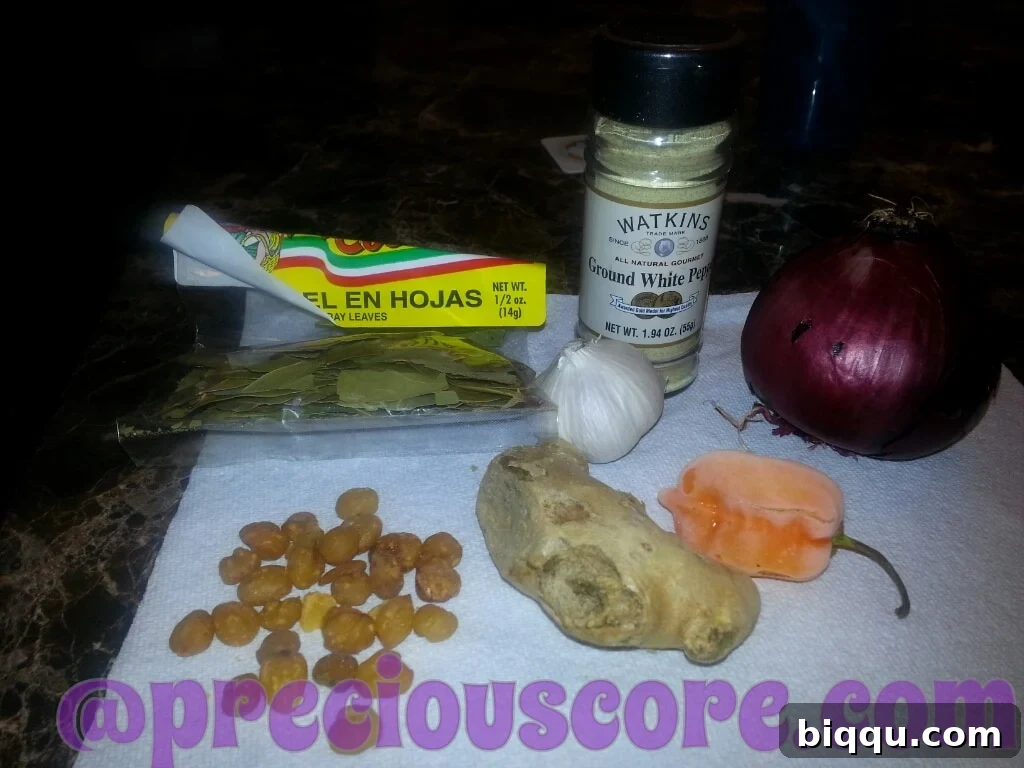
Here are some of the key ingredients used in this recipe, with Njansa nuts prominently featured on the left.
Authentic Pepper Soup Recipe
Experience the heartwarming flavors of this traditional African dish.
Prep Time: 30 minutes
Cook Time: 60 – 90 minutes (depending on protein)
Serves: 4
Ingredients
- 2 pounds of your chosen protein (meat, fish, or chicken)
- 1/4 cup of Njansa nuts (Akpi, optional but highly recommended for authentic flavor)
- 2 tablespoons blended fresh garlic and ginger paste
- 1 bay leaf
- 1 habanero pepper (adjust to desired heat, or omit for mild)
- 1 large red onion, roughly chopped (or blended into a paste)
- 2 seasoning cubes (e.g., Maggi, Knorr) or 2 teaspoons of bouillon powder
- Salt to taste
- Water, as needed
Method
1. Prepare the Protein: Begin by thoroughly washing your chosen protein under cold running water. If using tougher meats like goat or cow feet, cut them into desired, manageable pieces. Place the cleaned protein into a large cooking pot.
2. Initial Simmer (for Meat/Chicken): Add enough water to the pot to just cover the protein. Bring the mixture to a rolling boil over medium-high heat. Once boiling, reduce the heat to medium-low, cover the pot, and let it simmer for approximately 30-40 minutes. This initial simmering helps to tenderize the meat and create a foundational broth. If using fish, proceed directly to step 3 after cleaning, as fish cooks much faster.
3. Prepare the Njansa (if using): While the protein simmers, prepare the Njansa nuts. If they are whole, you can toast them lightly in a dry pan for a few minutes to enhance their flavor, then grind them into a smooth paste using a spice grinder or mortar and pestle. You can also soak them briefly to soften before blending.
4. Infuse with Spices and Aromatics: After the initial 30-40 minutes of simmering (for meat/chicken), or immediately if using fish, it’s time to introduce the heart of the flavor. Add the blended Njansa paste (if using), the blended garlic and ginger paste, the bay leaf, the whole habanero pepper (if desired), and the chopped or blended red onions. The timing of adding spices is crucial for meat: adding them halfway through the cooking process ensures the flavors remain vibrant and do not dissipate during prolonged boiling, resulting in perfectly seasoned protein and a profoundly tasty soup. For fish, add all spices and seasoning at the beginning due to its rapid cooking time.
5. Season to Perfection: Crumble in the seasoning cubes or add the bouillon powder. Stir well to combine all ingredients. Add salt to taste, starting with a small amount and adjusting as needed. Remember, you can always add more salt, but you cannot take it away. Cover the pot again and continue to simmer until the protein is fork-tender and the flavors have fully melded – typically another 20-30 minutes for meat, or just 10-15 minutes for fish.
6. Final Touches: Once the protein is perfectly cooked and the broth is rich and aromatic, taste and adjust any seasonings if necessary. Remove the bay leaf before serving. Your authentic African Pepper Soup is now ready to be enjoyed!
Serving Your Delicious Pepper Soup
The versatility of African Pepper Soup extends to how it’s served, making it suitable for a variety of occasions and preferences. Its comforting warmth and robust flavors make it a favorite for many. Here are some popular ways to enjoy this delightful dish:
- As an Appetizer: Serve it on its own in small bowls as a warming and invigorating appetizer. It’s perfect for whetting the appetite before a larger meal, especially on a chilly evening.
- As a Main Dish with Starches: For a more substantial meal, pair your Pepper Soup with traditional African staples. Popular choices include:
- Boiled Yams: The starchy, slightly sweet yam beautifully complements the savory, spicy broth.
- Boiled Plantains: Both green (unripe) and ripe plantains offer a pleasant textural and flavor contrast.
- Rice: White rice, especially, is excellent for soaking up all the delicious broth.
- Fufu or Eba: These swallow foods are perfect for scooping up the soup, offering a truly authentic African dining experience.
- As a “Healing” Broth: Due to its traditional reputation as a remedy, many enjoy Pepper Soup when feeling under the weather. The ginger, garlic, and spices are believed to help clear congestion and soothe sore throats.
However you choose to enjoy it, savor each spoonful of this aromatic and deeply satisfying African Pepper Soup. It’s a dish that truly embodies comfort, flavor, and tradition.
We hope you’ve enjoyed this journey into the heart of African cuisine. If this recipe inspires you, please consider sharing it with your friends and family using the social media icons below. Thank you for reading, and God bless you!