
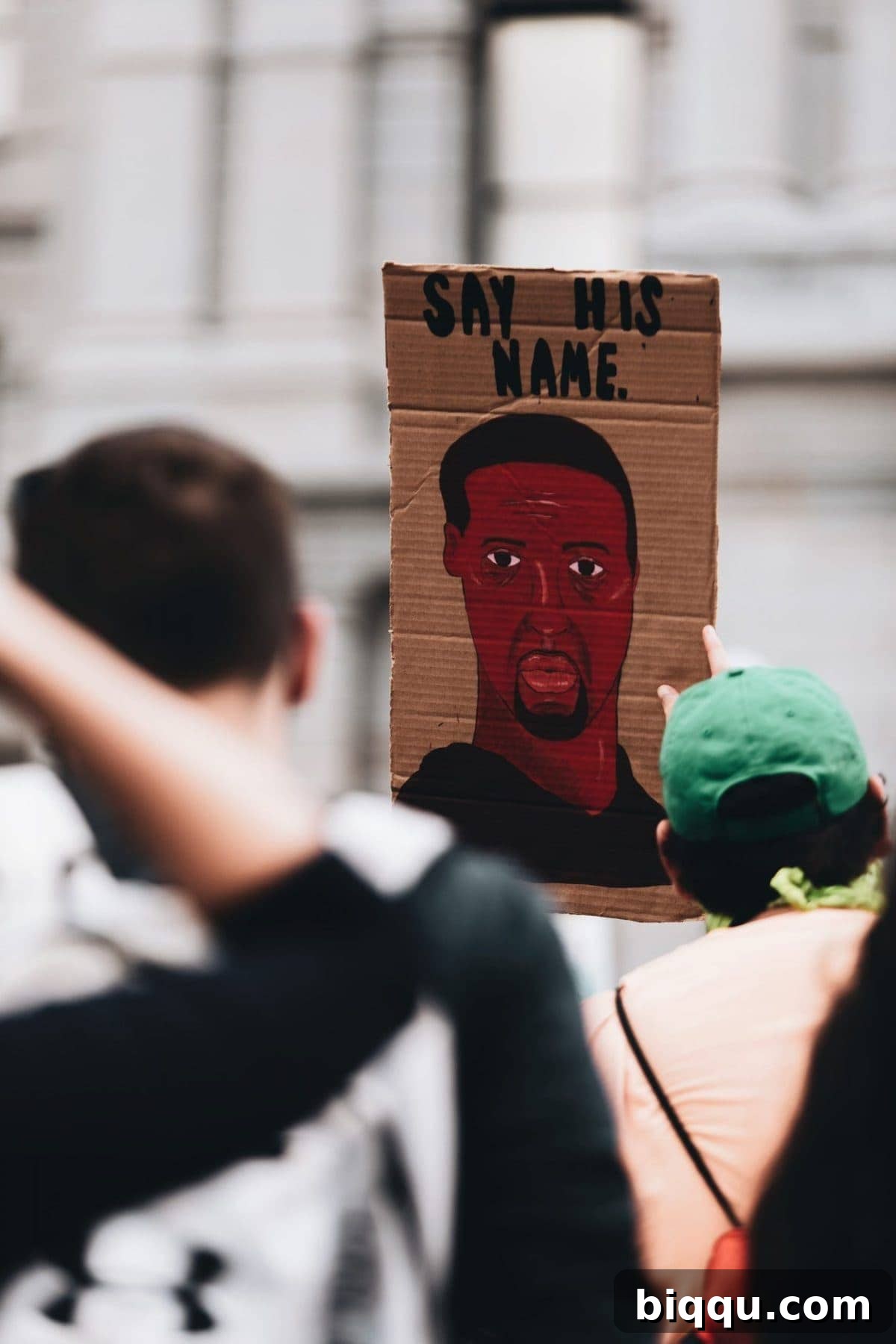
The indelible image of a black man, prone on unforgiving concrete, with the knee of a white police officer pressed against his neck, has haunted countless minds across the globe. For many, it’s a stark reminder of deep-seated injustice; for others, a horrifying awakening to realities long denied. This man, a father, a brother, a son named George Floyd, tragically died after an unbearable eight minutes under the officer’s relentless pressure in Minneapolis.
His desperate plea, “I can’t breathe!” echoed the pain and suffering of generations, yet the officer remained unmoved. This single act of brutality ignited a global outcry, shining an uncomfortable but necessary light on the systemic issues of racial inequality and police misconduct that persist in societies claiming freedom and justice for all.
Having witnessed the American landscape for the past six years, the stories of police brutality against people of color – individuals who resemble me, my husband, and countless others – have been a sobering reality. Too often, black lives have been senselessly taken by those sworn to protect, simply because of the color of their skin. This is not merely an unfortunate incident; it is a profound evil that undermines the very fabric of human rights and dignity.
In a nation often heralded as the “land of the free,” the harsh truth for many people of color is that true freedom and safety remain elusive. This disparity is a heavy burden, a painful reality that we are collectively challenged to confront and overcome. However, amidst the despair and anger, there is an enduring flame of hope, a collective resolve to dismantle the structures of injustice.
We are not powerless in the face of this monumental challenge. We possess the capacity to be actively anti-racist, to name the virulent disease of racism for what it is, and to fight it with unwavering conviction and every fiber of our being. The question then becomes, how can each of us, individually and collectively, contribute to extinguishing this virus of hate and division? Here are seven profound ways we can become an integral part of the solution, moving from passive observation to active engagement.
Standing Against Racism: 7 Powerful Ways We Can Create a More Just World
1. Seek To Understand: The Foundation of Anti-Racism
A significant barrier to progress is a fundamental lack of understanding about the true nature and pervasive impact of racism. For those who have never experienced discrimination based on their race, the concept can feel abstract or distant. This is understandable, as privilege often renders systemic injustices invisible to those who benefit from them. However, ignorance is not an excuse for inaction. The journey towards anti-racism begins with a deliberate and sustained commitment to education.
Actively seek out knowledge. Immerse yourself in literature that illuminates the history of racial injustice, the dynamics of systemic oppression, and the lived experiences of marginalized communities. Watch compelling documentaries that meticulously unravel the complex tapestry of racism, from its historical roots to its modern manifestations. Powerful films like Ava DuVernay’s “13th,” which explores the link between slavery and the contemporary American prison system, and “When They See Us,” which dramatizes the wrongful conviction of the Central Park Five, both available on Netflix, offer invaluable insights and are excellent starting points for this vital educational journey. Furthermore, numerous anti-racism resources provide comprehensive guides and further materials to deepen your understanding. This continuous learning process is crucial for challenging unconscious biases and developing a truly empathetic perspective.
2. Treat Every Human With Dignity and Respect: Upholding Universal Worth
At the core of a just society is the unwavering belief in the inherent worth of every human being. Regardless of language, skin color, ethnicity, or any other superficial difference, all individuals are deserving of dignity and respect. It is imperative that we never diminish or elevate another person’s value based on their origin, background, or appearance. Such distinctions are arbitrary and contribute to the very divisions we seek to overcome.
All of humanity – black, brown, yellow, white, and every shade in between – holds equal importance and intrinsic value. Every single life matters, and this truth must guide our interactions and inform our policies. Embracing this principle means actively challenging our own biases and ensuring that our words and actions consistently reflect a profound respect for the humanity in others. It’s about seeing beyond categories and recognizing the shared experiences and aspirations that connect us all. This commitment to universal dignity is a powerful antidote to the dehumanization that fuels racism.
3. Teach Your Children About the Realities of Racism: Nurturing a Future of Equity
The fight against racism is a generational endeavor, and educating the younger generation is perhaps the most critical investment we can make. Children are not born with prejudice; it is learned through observation, subtle cues, and direct instruction. Therefore, it is our moral imperative to teach them the true story of racism in America and globally, not shying away from its painful truths but presenting them in an age-appropriate manner.
Share with them the inspiring narratives of courageous individuals like Rosa Parks, whose defiant act on a bus sparked a movement, and Dr. Martin Luther King Jr., whose non-violent struggle for civil rights changed the course of history. Teach white children about the existence and impact of racism, and empower black children with the knowledge of their heritage and the strength of their ancestors. Instill in all children, irrespective of their background, that racism is a destructive force, a societal disease that they have a responsibility to recognize, challenge, and actively fight. By fostering empathy, critical thinking, and an understanding of justice from a young age, we equip them to build a future free from prejudice.
4. Speak Up: The Power of Your Voice
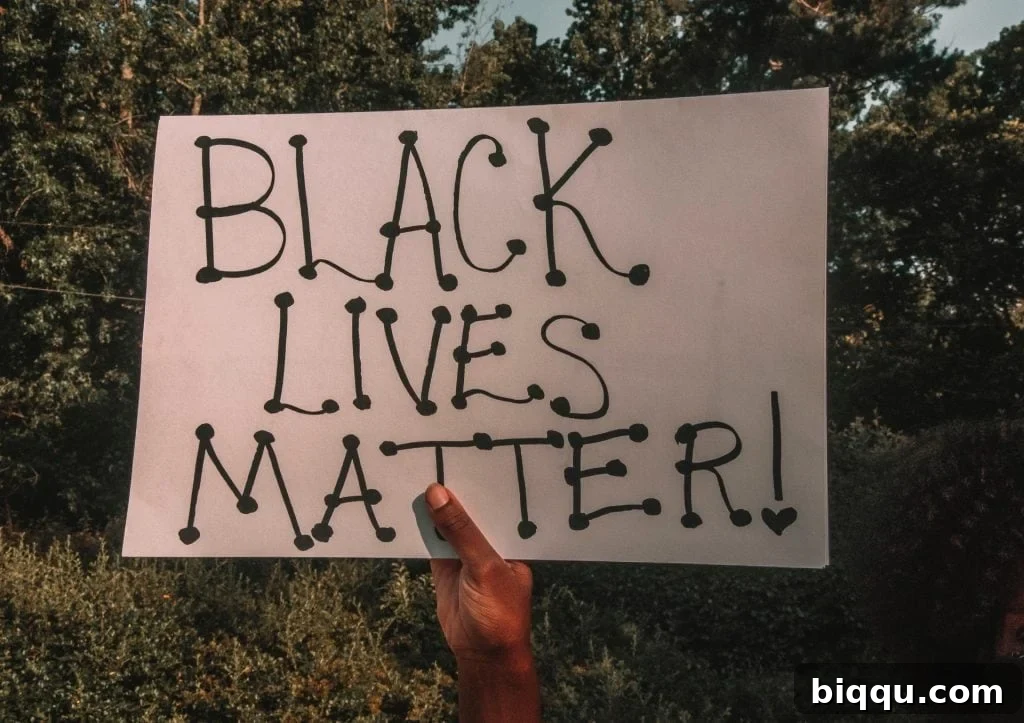
Silence is a powerful accomplice to injustice. Whether you encounter racism in your immediate community, within your workplace, or on social media, remaining silent allows prejudice to fester and grow. It is crucial to speak up and unequivocally state that racism is wrong. Challenging racist remarks, questioning discriminatory practices, and amplifying messages that promote equality are all vital forms of advocacy.
Remember the profound impact of individuals who dared to speak. Dr. Martin Luther King Jr. did not achieve monumental change by being silent; he used his voice, his moral authority, and his unwavering conviction to dismantle segregation and challenge systemic racism. Every single person possesses the capacity to make a difference by choosing to speak up, to lend their voice to the cause of justice, and to refuse to let hateful rhetoric or actions go unchallenged. Your voice, combined with the voices of others, forms a powerful chorus that can demand accountability and drive meaningful change.
5. Love and Do Not Hate: Breaking the Cycle of Division
Responding to hate with more hate only perpetuates a destructive cycle. Hating an entire race because of the actions of some individuals within that race, or because of historical injustices, will never lead to healing or progress. Such animosity only deepens divisions, fuels resentment, and hinders any possibility of reconciliation. The principle is simple yet profound: hate begets hate, but love begets love.
We must actively cultivate love and empathy for our fellow human beings, regardless of their racial or ethnic background. This does not mean condoning injustice or ignoring wrongdoing; rather, it means choosing a path that seeks understanding, forgiveness, and unity, even when faced with prejudice. Learning to extend compassion to our brothers and sisters from all walks of life, even when some individuals within a group fail to do the right thing, is fundamental to dismantling the very foundations of racial animosity. It is a conscious choice to build bridges rather than walls, to foster connection instead of animosity.
6. Build Tables: Fostering Dialogue and Connection
Often, fear stems from a lack of understanding or exposure. When we fear people from a different race or background, it is a sign that we need to actively counteract that fear, not feed it. Instead of retreating into segregated comfort zones, we must actively seek to know and understand those who are different from us. This means stepping out of our familiar circles and intentionally building relationships across racial and cultural lines.
Invite diverse voices to your table – metaphorically and literally. Sit down, share a meal, and engage in open, honest conversations. Listen actively to their experiences, their perspectives, and their concerns without judgment. Such interactions foster genuine understanding, break down stereotypes, and reveal the shared humanity that connects us all. Through these dialogues, you will discover that, beneath the surface differences, we all breathe, laugh, cry, and bleed the same. Building these “tables” of connection is a powerful way to dismantle prejudice one relationship at a time, transforming fear into empathy and ignorance into insight.
7. Pray: A Call for Spiritual Healing and Unity
Then if my people who are called by my name will humble themselves and pray and seek my face and turn from their wicked ways, I will hear from heaven and will forgive their sins and restore their land.
The ancient wisdom found in 2 Chronicles 7:14 (NLT) offers a powerful prescription for healing our land through spiritual humility, prayer, and a turning away from wickedness. For many, prayer is not merely a passive act but a profound and active engagement with a higher power, seeking guidance, strength, and intervention in times of crisis.
Our land, and indeed our world, is profoundly sick with the disease of division, prejudice, and injustice. It desperately needs healing. Let us collectively call upon a divine source of love and peace to permeate our communities, our nations, and especially America. Whether through organized prayer, quiet meditation, or personal reflection, let us channel our hopes and intentions towards fostering a world where love triumphs over hate, and unity replaces discord. May all of us, as children of a shared humanity, learn to dwell together in profound peace and enduring unity. All of us – brown, black, white, and every hue – are fundamentally human, interconnected, and deserving of a world where justice and harmony prevail.