
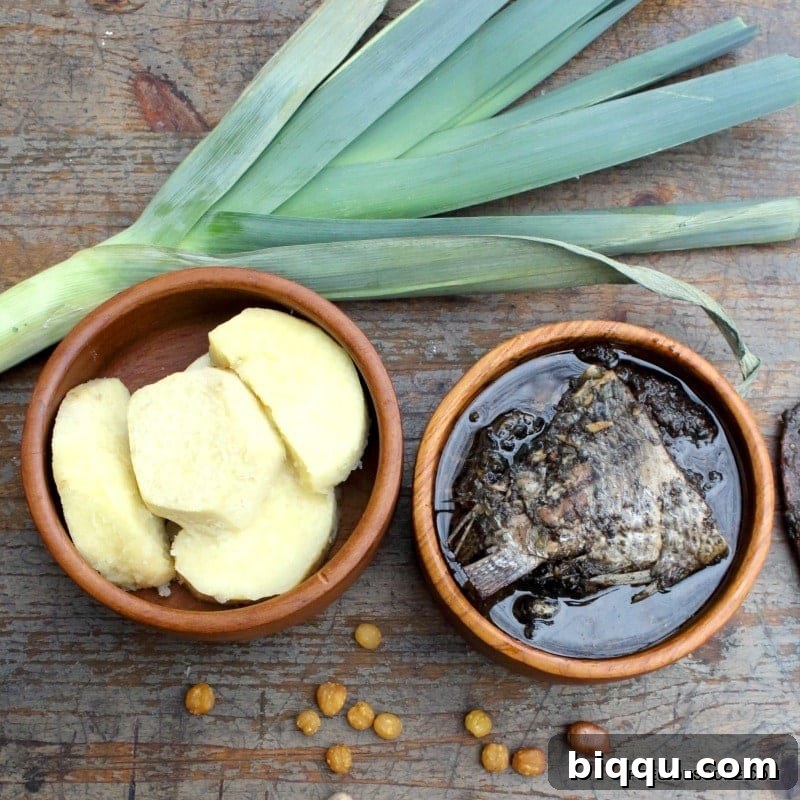
Mbongo Tchobi: Unveiling the Authentic Cameroonian Black Stew
Embark on a culinary journey to the heart of Cameroon with Mbongo Tchobi, a deeply flavorful and aromatic black stew that is a cherished staple of the Bassa people. This distinctive dish, renowned for its rich, earthy taste and captivating dark hue, has transcended its regional origins to become a beloved delicacy enjoyed across Cameroon and increasingly, by African cuisine enthusiasts worldwide. At the core of its unique character lies the extraordinary Mbongo spice, a local treasure that not only gives the stew its name but also its characteristic black color and intoxicating aroma.
The magic of Mbongo Tchobi begins with this special spice. The Mbongo spice, a blend of various seeds and roots, undergoes a fascinating preparation process where it is lightly burnt before being meticulously ground into a fine powder. This pre-cooking ritual imbues the spice with a profound smokiness and a darker pigment, which then translates into the stew’s signature deep black appearance and complex flavor profile. It’s this artisanal step that sets Mbongo Tchobi apart, offering a depth of flavor that is both exotic and comforting.
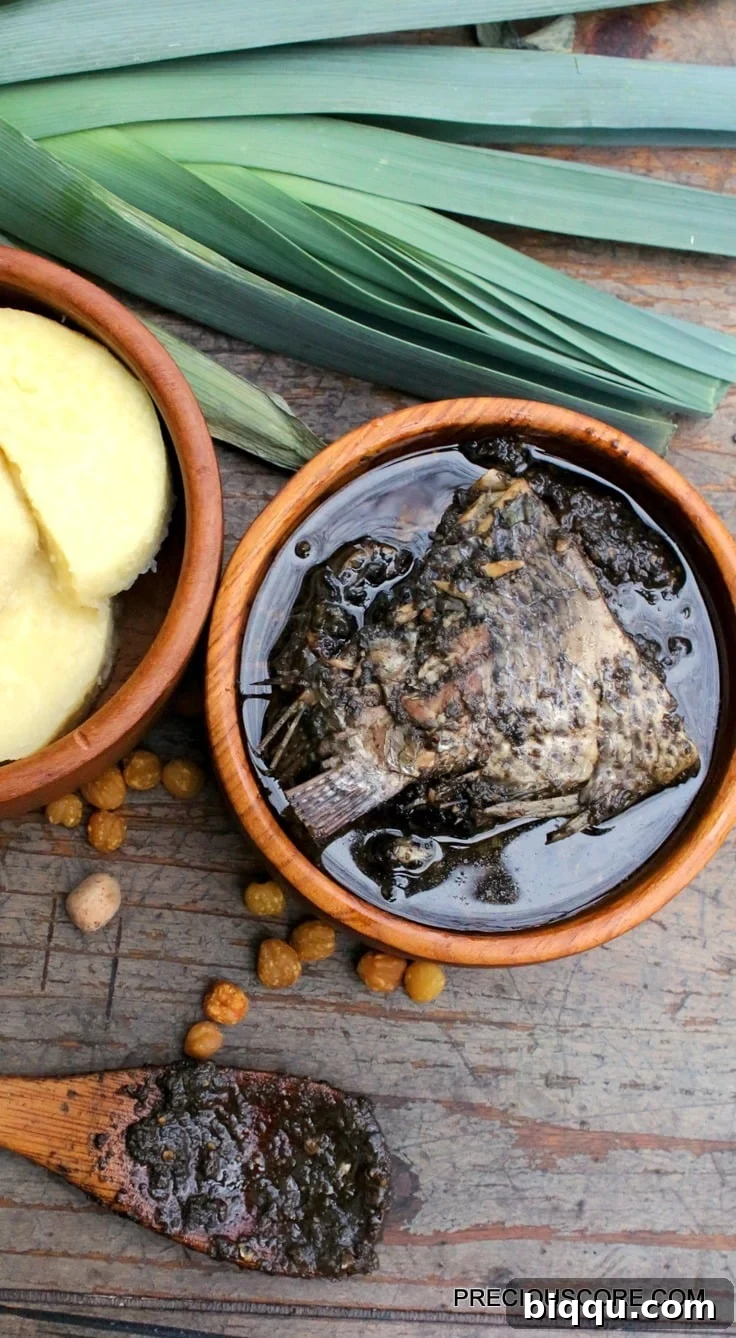
The Heart of the Dish: Understanding Mbongo Spice
For those living in Cameroon, the quest for Mbongo spice is straightforward. The already ground black spice, often simply referred to as “mbongo spice” or “épice mbongo” in French-speaking regions, is readily available in local markets. Its widespread availability is a testament to its integral role in Cameroonian cooking. However, for those in the diaspora or venturing into African cuisine from afar, finding this exotic ingredient might require a visit to select African specialty stores or online retailers that cater to ethnic foods. Its distinctive aroma and flavor are irreplaceable, making it worth the effort to source.
Beyond the mystical Mbongo spice, the stew is built upon a foundation of fresh, vibrant ingredients that are quintessential to West African cooking. These include ripe tomatoes, pungent onions, robust garlic, spicy peppers, and a crucial nutty seed known as Njangsa. Njangsa, scientifically known as Ricinodendron heudelotii, is a highly valued culinary seed in Cameroon and other West African countries, primarily celebrated for its use in enriching soups and stews, most notably the popular peppersoup. It contributes a subtle, earthy, and nutty richness that harmonizes beautifully with the strong flavors of the Mbongo spice.
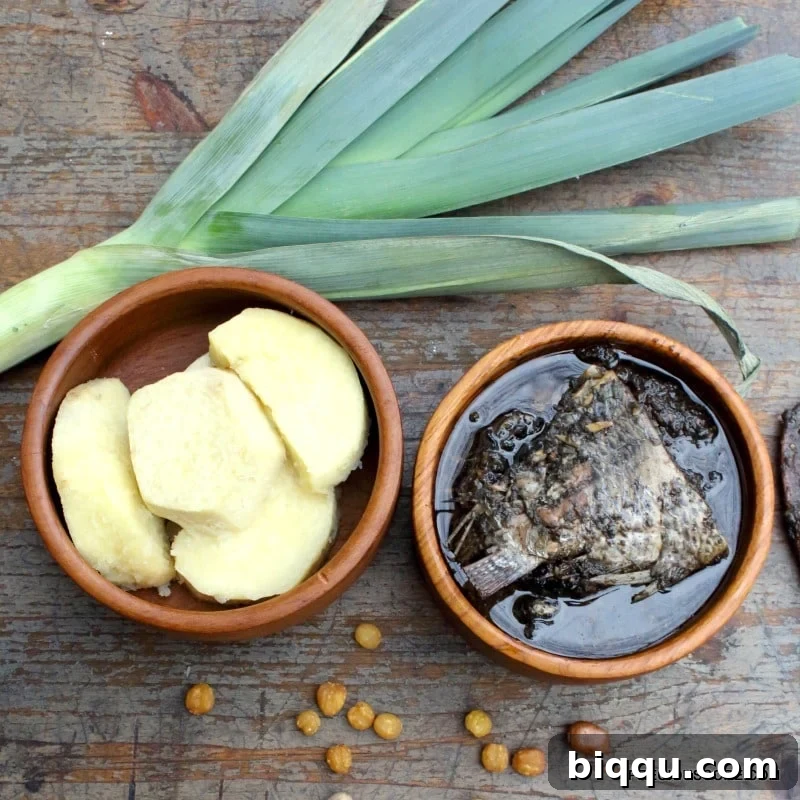
A Culinary Symphony: Essential Ingredients for Mbongo Tchobi
To truly appreciate Mbongo Tchobi, one must understand the interplay of its core ingredients. While Mbongo spice and Njangsa lay the groundwork for its unique taste, the fresh aromatics and choice of protein elevate the dish into a complete culinary experience. African nutmeg, often called Ehuru or Pèbè, further enhances the complexity with its warm, slightly peppery, and intensely aromatic notes. Combined with ginger, leeks, and celery, these ingredients form a powerful flavor base that supports the primary spices, creating a well-rounded and deeply satisfying stew.
Traditionally, Mbongo Tchobi is often prepared with fish, especially freshwater varieties like tilapia, which readily absorb the rich flavors of the spice blend. The tender fish, simmered in the dark, aromatic sauce, becomes incredibly succulent and infused with every nuance of the stew. However, the versatility of Mbongo Tchobi allows for other protein options. Many variations incorporate chicken or pork, offering different textures and flavor dynamics while still honoring the essence of the original dish. The adaptability of this recipe ensures that it can be enjoyed by a wide range of palates and preferences.
The Perfect Accompaniment: Serving Mbongo Tchobi
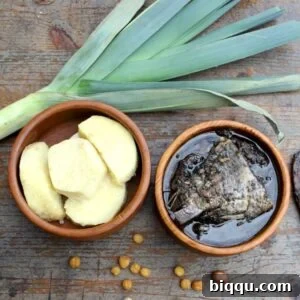
Known affectionately as “Mbongo” by many, this delectable stew is rarely eaten in isolation. It is traditionally paired with starchy sides that act as the perfect canvas for its bold flavors and rich sauce. Common accompaniments include boiled plantains, which offer a hint of sweetness, or yams, providing a hearty and slightly crumbly texture. The choice of side is often a matter of personal preference and regional availability, but the principle remains the same: a neutral, starchy base is essential for soaking up every drop of the savory black stew.
The experience of eating Mbongo Tchobi with boiled African yam is particularly cherished. There’s an unmatched satisfaction in combining the soft, floury texture of well-cooked yam with the intense, spicy, and earthy flavors of the stew. This pairing creates a balanced meal that is both filling and incredibly flavorful, reflecting the heart and soul of Cameroonian home cooking. Other popular choices include fufu (a staple made from cassava or other tubers), garri (cassava flour), or even simple white rice, each offering a unique textural contrast to the velvety stew.
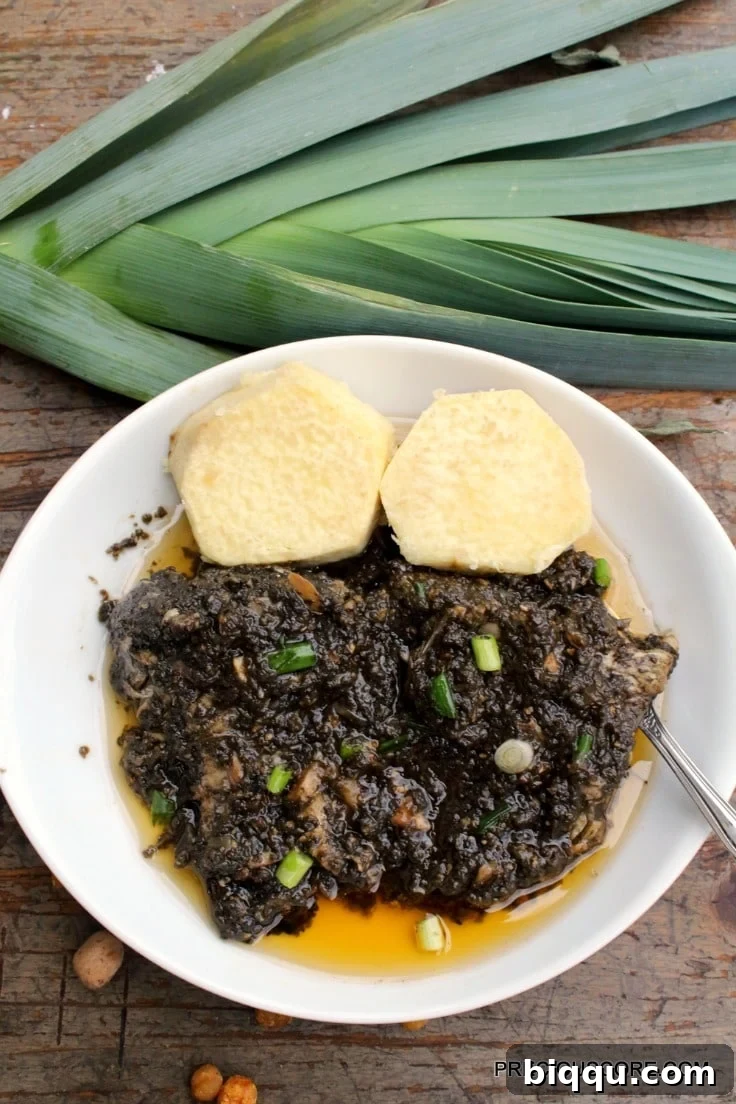
Watch the Magic Unfold: A Visual Guide to Mbongo Tchobi
For those who learn best by watching, a visual demonstration can make all the difference. Observing the process of cleaning the fish, blending the spices, and simmering the stew allows you to grasp the nuances and techniques involved in crafting this authentic Cameroonian dish. It demystifies the steps and provides confidence to recreate this culinary masterpiece in your own kitchen.
Now, let’s dive into the detailed recipe, ensuring you have all the necessary information to prepare a truly memorable Mbongo Tchobi.
Mbongo Tchobi – Cameroonian Black Stew
Rate
Print Recipe
Ingredients
- 2 large fish of choice (I used tilapia) about 2 pounds
- 4 teaspoons ground mbongo spice
- 30 seeds njangsa
- 2 seeds African nutmeg (Ehuru/Pebe) peeled
- 3 small seasoning cubes (Maggi)
- 1 1/2 teaspoon salt
- 2 large tomatoes (or four small ones) roughly chopped
- 1 large onion
- 1/2 celery stalk – chopped
- 1/2 stem of leeks – chopped
- 7 garlic cloves – peeled
- 1/2 inch ginger root – peeled
- 1/2- 1 cup vegetable oil
- 1/4 teaspoon white pepper (optional)
- 1 habanero/hot pepper (optional)
- 2 stems green onions (optional) for garnishing
Instructions
-
Clean the fish thoroughly and cut it into desired steaks. Rinse them well under running water, sprinkle a pinch of salt over the pieces, and set them aside to marinate slightly.
-
In a blender, combine the roughly chopped tomatoes, half of the large onion, peeled garlic cloves, ginger root, leeks, celery stalk, African nutmeg, njangsa seeds, and the ground mbongo spice. Add half a cup of water to help with blending. Process until a smooth, consistent paste is formed.
-
Pour this vibrant blended mixture over the prepared fish in a bowl. Gently mix to ensure all fish pieces are coated. Allow it to rest for at least 15-20 minutes, or longer if time permits, to allow the flavors to penetrate the fish.
-
Heat the vegetable oil in a sturdy pot or Dutch oven over medium heat. Finely chop the remaining half of the onion and add it to the hot oil. Sauté the onions until they become translucent and fragrant, developing a sweet aroma.
-
Carefully add the marinated fish and the entire spice mixture into the pot with the sautéed onions. Crumble the seasoning cubes (Maggi) over the stew and add the specified amount of salt. If you choose to use white pepper and/or a whole habanero/hot pepper for extra heat, incorporate them at this stage.
-
Cover the pot and allow the stew to simmer gently for approximately 15 minutes. After this time, open the lid, carefully stir, and taste for seasoning. Adjust salt or other spices as needed to achieve your desired flavor profile. If the stew appears too thick, you may add a small amount of water (1/4 to 1/2 cup) to reach a lighter consistency. Cover again and let it cook for another five minutes to allow the flavors to meld further.
-
Once cooked to perfection, garnish with fresh green onions if desired, and serve Mbongo Tchobi warm. It pairs exquisitely with boiled yams, plantains, or your preferred starchy side.
Notes
For a more intense heat, you can blend the habanero or hot pepper directly with the other ingredients in step 2. Alternatively, for a milder kick and an easy removal option, add the whole pepper to the stew during cooking.
Nutrition
Additional Info
Tried this recipe?Mention @preciouscore or tag #PreciousCore!