
Discerning the Voice of God: Navigating ‘God Told Me’ Statements with Wisdom
The gentle hum of spiritual communion, a moment of profound intimacy with the divine, was abruptly shattered one quiet morning. I sat on my university hostel bed, absorbed in prayer, drawing near to the heart of Jesus. It was then that my roommate, a fellow believer, burst into the room with an urgency that commanded immediate attention. Her declaration was clear and unwavering: “God says I should tell you something!” Even as she witnessed my posture of prayer, her insistence grew, paving the way for a message that would resonate with an unsettling irony.
When I finally opened my eyes to meet her gaze, she delivered the pronouncement: “God says you are deviating from the truth!” The words hung in the air, a stark contrast to the spiritual closeness I had just experienced. How could I, in a moment of deep devotion and connection with Christ, be simultaneously accused by God of straying from the truth? This incident sparked a profound reflection on the nature of divine communication and the often-misguided ways in which it is perceived and conveyed.
Initially, my mind sought logical explanations. Perhaps unspoken grievances or personal judgments had colored her perception, leading her to believe I was spiritually adrift. It’s not uncommon for human emotions or preconceived notions to masquerade as divine revelation. Alternatively, I considered the possibility of a more sinister influence – a subtle whisper of the enemy designed to sow seeds of doubt and discouragement during a spiritually elevated time. This experience eventually led me to establish a firm boundary, politely but resolutely telling her never to relay messages she believed were directly from God to me. This marked the end of a potentially endless chain of “what God said” pronouncements.
The Perilous Path of Unverified Divine Messages
My roommate’s declaration was far from an isolated incident. Throughout my journey of faith, I’ve encountered numerous instances where individuals claim to possess direct messages from heaven, often delivering pronouncements that are perplexing, unsettling, or downright destructive. As a young Christian, I was diligently taught that God speaks to us, that His voice resonates within our innermost beings, and that discernment is key to understanding His guidance. Crucially, one foundational lesson stood out: any message truly from God must align perfectly with His infallible Word, the Bible. For God, by His very nature, cannot lie or contradict Himself.
Yet, the Christian landscape is, unfortunately, littered with stories of believers approaching others with messages purportedly from God, only for these revelations to wreak havoc on the recipient’s life. The consequences can be devastating, tearing apart families, draining financial resources, and shattering personal faith.
When “God Said” Becomes a Tool of Destruction
Consider the insidious scenario where “God” supposedly tells a sister to inform a man that his current wife is not his divinely appointed partner. Such a message, masquerading as truth, can tragically lead a man to divorce his “spiritually unfit” spouse, only to pursue another relationship within the church. This narrative stands in stark opposition to the very God who declares, “I hate divorce” (Malachi 2:16) and who implores husbands to love their wives unconditionally, just as Christ loved the Church (Ephesians 5:25). The inherent contradiction should immediately raise a red flag, signaling that such a message cannot originate from a God who is unchanging in His character and commands.
Another disturbing pattern emerges when “God” reportedly instructs a sister to sow a substantial sum of money as a “seed” for her healing. This tactic preys on desperation and spiritual vulnerability, promising miraculous intervention in exchange for a hefty financial contribution. However, it completely disregards the compassionate ministry of Jesus Christ, who walked the earth healing people freely, without demanding payment or sacrificial offerings (Matthew 10:8). True divine healing is a gift of grace, not a transaction.
What about the prophet who, with unwavering certainty, declares the baby in your womb will be a boy, only for you to give birth to a beautiful girl? Is God suddenly confused or prone to making errors? Does He speak with ambiguity, meaning the opposite of what He says? The immutable truth is that God is omniscient and perfectly consistent. His prophecies are precise and unfailingly accurate. Any message that proves to be false or contradictory cannot be attributed to the God of truth.
And then there’s the pressure to offer a “sacrificial offering” of an amount so exorbitant that it plunges you into financial hardship or debt. While sacrificial giving is a biblical principle, it is always to be done from a cheerful heart and within one’s means, never under duress or coercion (2 Corinthians 9:7). God does not demand offerings that devastate His children financially; instead, He desires generosity born of love and trust, not fear or manipulation. These examples underscore a critical point: if a message attributed to God contradicts scripture, His character, or the principles of love and grace, it is unequivocally not from Him.
Manipulation and Control: The Authoritarian “God Says…”
Beyond the potential for destructive outcomes, the phrase “God said” has regrettably become one of the most potent tools of manipulation wielded by those seeking control over others. When someone approaches with an authoritative “God says you should…” or “God says you must not…”, there’s an inherent expectation for immediate obedience and unquestioning submission. This tactic bypasses personal discernment, undermines individual spiritual authority, and often fosters an unhealthy dependence on the self-proclaimed messenger.
This form of spiritual intimidation is fundamentally wrong and antithetical to the liberating nature of the Gospel. As believers, we are called to stand firm in our faith, discerning all things through the lens of Scripture and the guidance of the Holy Spirit. We must refuse to be manipulated by anyone claiming a closer, more privileged access to God’s heartbeat than we ourselves possess. Every child of God has direct, unhindered access to their Heavenly Father.
Foundational Truths: God’s Word and Your Direct Access
A pivotal moment in Christian history irrevocably changed the way humanity relates to God: when Jesus Christ died on the cross, the veil of the temple was torn in two, from top to bottom (Matthew 27:51). This dramatic event was profoundly symbolic. Before Christ’s sacrifice, this thick veil separated the holy place from the most holy place, where God’s presence dwelt. Only the High Priest, once a year, could enter that sacred space to atone for the sins of the people. But with Jesus’ death, that barrier was removed forever. The tearing of the veil signified that all believers, through Christ, now have direct, unmediated access to God’s presence. There is no longer a need for intermediaries to bridge the gap between humanity and divinity.
This radical truth means we do not have to rely on any single man or woman to bring us direct quotes or special instructions from God. We are no longer like the people of old, dependent on priests to commune with the divine on their behalf. According to Scripture, every child of God is a “royal priest” and a member of a “holy nation,” set apart for God’s purposes. As 1 Peter 2:9 (NLT) powerfully declares:
“But you are not like that, for you are a chosen people. You are royal priests, a holy nation, God’s very own possession. As a result, you can show others the goodness of God, for he called you out of the darkness into his wonderful light.”
This passage affirms our direct access and our priestly role. We are called to approach God boldly and intimately, knowing that His Spirit dwells within us and His Word is our ultimate guide (Hebrews 4:16, 1 Corinthians 6:19).
Furthermore, the entire edifice of Christianity is not built upon a constant stream of new, individual “direct quotes” from God. Instead, its foundation is the timeless, unchanging truth revealed in the Bible, centered on God’s profound love for humanity, manifested through Jesus Christ. The Bible contains all that we need to know for salvation, spiritual growth, and righteous living (2 Timothy 3:16-17). While God certainly speaks to His children, and the Holy Spirit unquestionably directs us, this guidance will always be consistent with the established truths of Scripture. A faith constantly chasing after subjective “God said” messages, rather than grounding itself in the objective truth of the Bible, risks becoming unstable and easily led astray.
Cultivating Authentic Divine Connection: How God Truly Speaks
It is vital to reiterate: Yes, God speaks to His children. Yes, the Holy Spirit provides guidance, conviction, and comfort. I have countless personal testimonies of God speaking to me and directing my path, often through profound peace, unexpected opportunities, or clear convictions that align perfectly with His Word. God also uses other people to speak into our lives through wise counsel, encouragement, or prophetic insights, but even these must be rigorously tested against Scripture and characterized by humility and love.
However, we must be careful not to abuse this sacred privilege or hastily translate our personal desires, fleeting thoughts, or even unvalidated feelings into a definitive “word from heaven.” This not only misrepresents God but also opens the door to self-deception and the very manipulation we seek to avoid. Genuine divine guidance is characterized by peace, consistency with God’s character and Word, and a fruit that builds up, encourages, and brings glory to God, not to the messenger.
Steps to Deepen Your Personal Relationship and Discern God’s Voice
The ultimate antidote to spiritual manipulation and the misinterpretation of divine messages is a deep, intimate, and personal relationship with God. This intimacy empowers you to discern His authentic voice from all others. Here’s how to cultivate it:
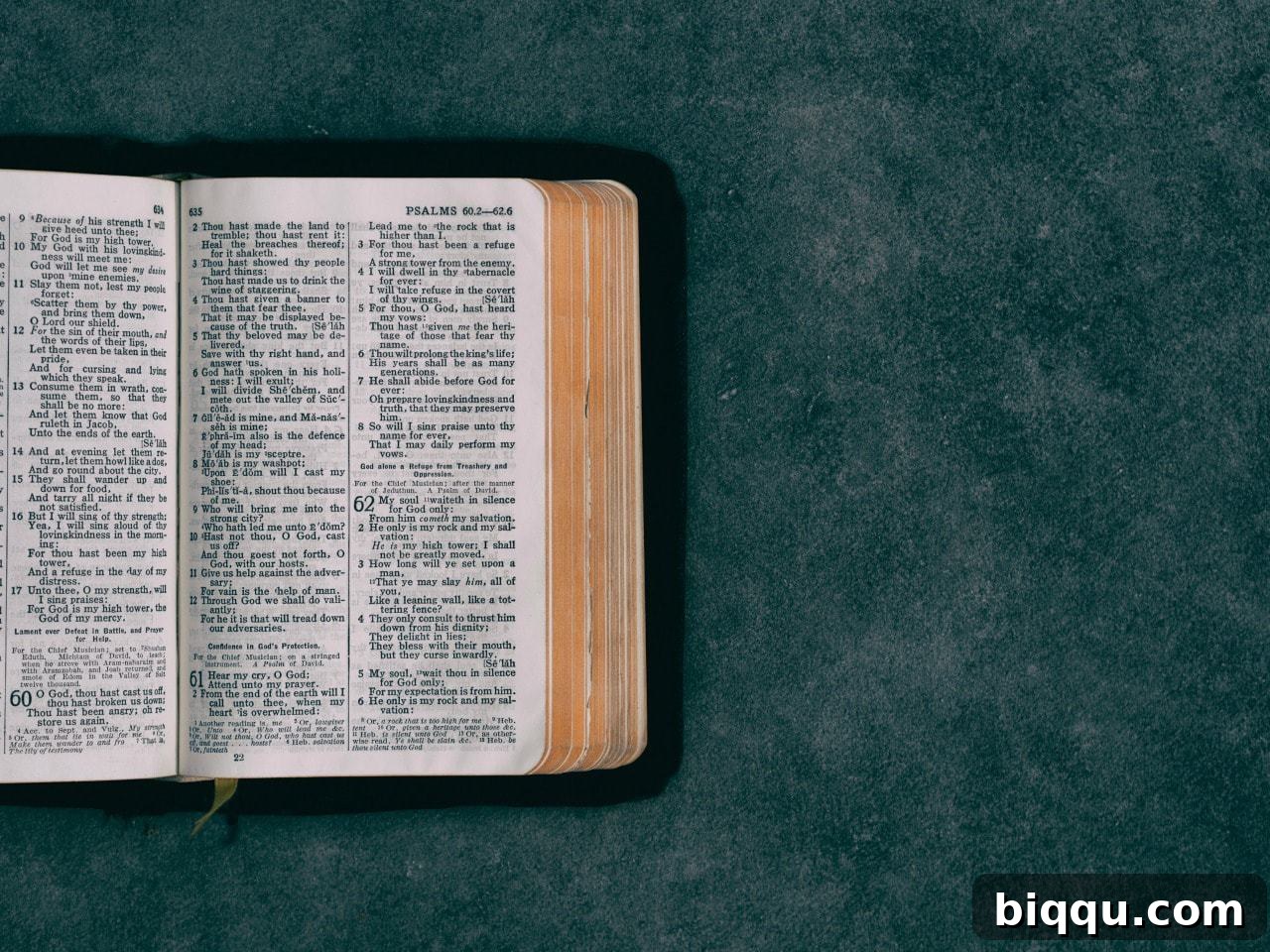
- Study Your Bible Diligently: The Bible is God’s primary revelation to humanity. Immerse yourself in it daily. Read it, meditate on it, memorize key verses, and study it systematically. The more you know God’s written Word, the easier it becomes to recognize His voice and distinguish it from anything that contradicts His revealed will. A disciplined approach to Scripture builds a robust internal filter for discernment.
- Cultivate a Vibrant Prayer Life: Prayer is a two-way conversation. Beyond making requests, it’s about building a friendship with God. Talk to Him openly and honestly, just as you would with your closest confidant. Share your joys, your fears, your struggles, and your dreams. Thank Him for His blessings, praise Him for who He is, confess your shortcomings, and pour out your heart before Him. But also, learn to listen. Create space for quiet reflection, allowing the Holy Spirit to impress thoughts, convictions, or peace upon your heart that align with what you’ve learned from His Word.
- Seek Godly Counsel, But Filter It: While we have direct access to God, He often uses wise and mature believers to speak into our lives. Be open to receiving counsel, but always test what you hear against Scripture and your own prayerful discernment. True godly counsel will always point you back to Christ and His Word, not to the counselor themselves.
- Practice Obedience: As you begin to discern God’s voice through His Word and the Holy Spirit, step out in obedience. This builds spiritual muscle and trust, making it easier to recognize His leading in the future.
Remember, the goal is not to be a passive recipient of secondhand messages but to be an active participant in your spiritual journey, drawing ever closer to the heart of God Himself. Your ability to recognize God’s voice is not a mystical gift reserved for a select few; it is the privilege and responsibility of every believer who seeks Him with a sincere heart.
Resources to Help You Know God More:
- Proverbs 31 Ministries: Offers daily devotions, podcasts, and articles that encourage women to live biblical lives.
- Pastor Rick Devotional: Daily devotionals offering practical insights into applying biblical truths to everyday life.
Let’s Talk: Your Experience with Hearing from God
This journey of discerning God’s voice is a deeply personal yet universally shared experience among believers. What are your thoughts on hearing from God? Do you actively seek His voice in your life? What experiences, positive or challenging, have shaped your understanding of divine communication? Share your insights and contribute to this vital conversation in the comments below.
Photo by Aaron Burden on Unsplash.