
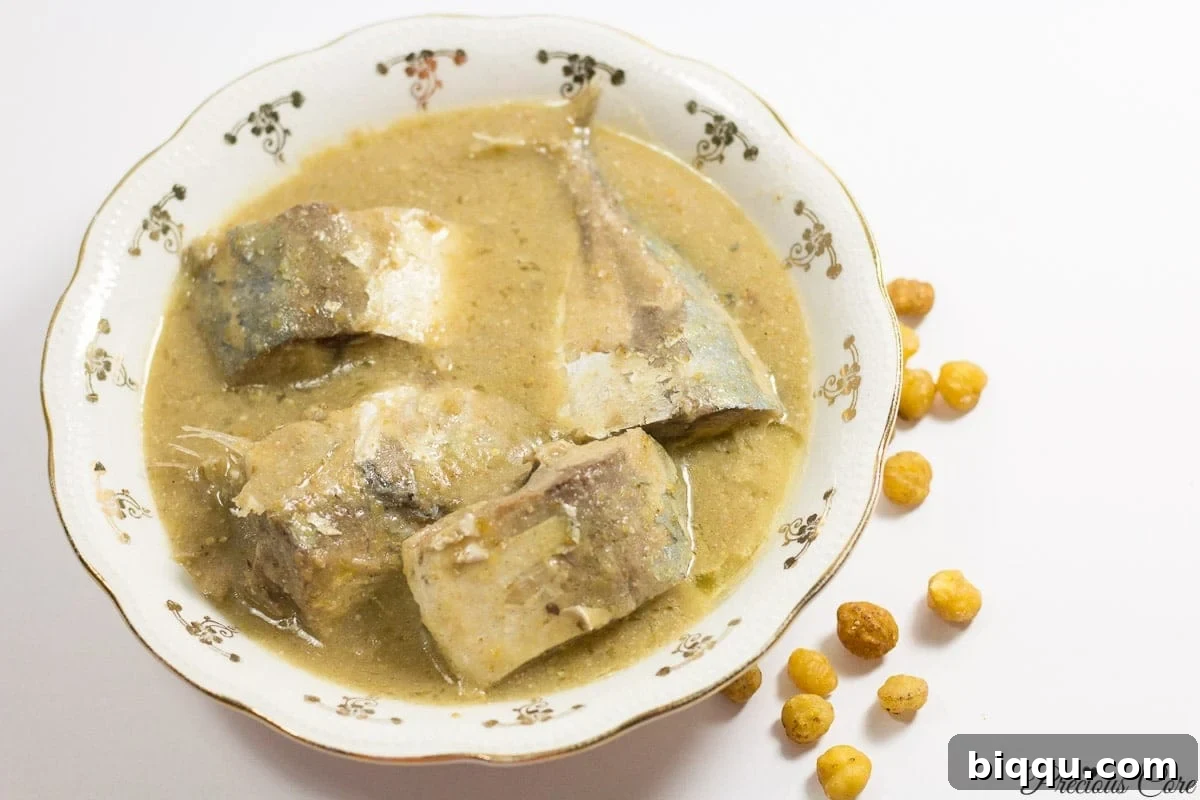
Discover Mpuh Fish: A Beloved Cameroonian White Sauce
There’s a special kind of magic that happens in the kitchen when generations come together, sharing recipes and stories. For me, that magic often revolved around a truly delicious creamy white sauce, a dish I fondly remember preparing with my mother when I was just eight or nine years old. It was a time when my little hands yearned to be involved in every culinary creation. So, when a viewer recently requested a demonstration of this particular recipe, my first instinct, of course, was to call Mama.
“Mommy,” I began, “I want to make Mpuh fish. How do I go about it?”
Her answer was immediate and clear, emphasizing the heart of the dish: “You need Njangsa! A lot of Njangsa! They normally make it with ground plantains, but…” She paused, likely assuming I wouldn’t have immediate access to freshly ground plantains.
Interrupting her with a touch of pride, I reassured her, “I already dried some plantains in the oven. I just need to grind them!”
“Good!” she exclaimed, her voice conveying approval. “So you will mix the plantain powder and Njangsa with water and some spices. Bush pepper… then you rub it all over the fish. MAKE SURE IT ENTERS THE HEAD OF THE FISH!” Her emphasis on the fish head was unmistakable, a testament to how crucial it is for the flavors to penetrate every part.
“Then you place it on the fire to cook. If you like, drizzle some palm or groundnut oil on top. That’s it.” Simple, yet profound, her instructions laid the foundation for a dish steeped in tradition and flavor.
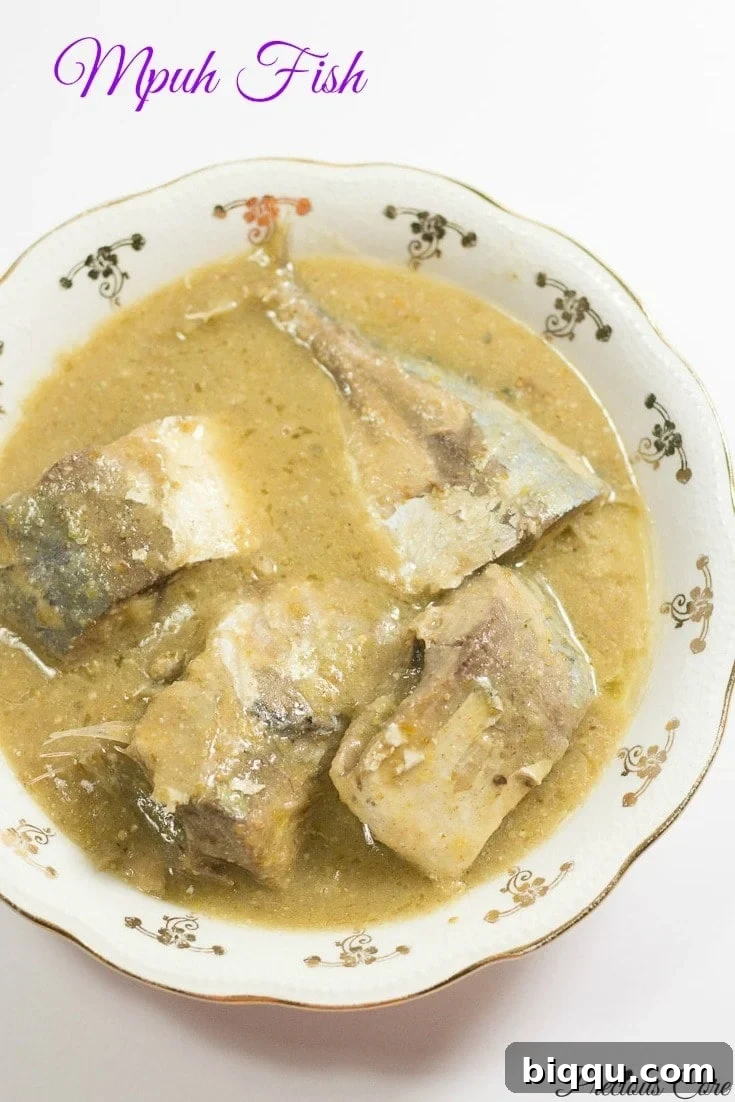
My mother also shared a fascinating variation: Mpuh fish can be transformed into a delectable pudding. Instead of cooking the fish mixture in a pot as a sauce, you can wrap it snugly in banana leaves (or even aluminum foil for convenience) and steam it until tender and infused with all the rich spices. This versatility highlights the adaptability of Cameroonian cuisine.
I diligently followed Mama’s wisdom, though with a slight adaptation. Lacking the traditional “bush pepper” (a unique, twisted variety of black pepper common in Cameroon), I opted for readily available white pepper, which proved to be an excellent substitute, maintaining the dish’s characteristic warmth without overpowering it.
A little update note from my mom, the ultimate authority on Mpuh fish: she insists it should be thicker than what my initial picture showed. “More fish, less sauce!” she advised. Her feedback is invaluable, guiding me—and now you—to perfect this authentic dish. It’s a reminder that even in culinary exploration, the wisdom of tradition is paramount.
Below, you’ll find a video demonstrating the preparation of this exquisite sauce. If you’re eager to delve deeper into the origins, ingredients, and nuances of Mpuh fish, keep reading!
What is Mpuh Fish? A Culinary Gem from Cameroon
Mpuh fish, also known as mpu fish or mpouh fish, is a renowned white, flavorful sauce that holds a special place in the culinary landscape of Cameroon, particularly cherished in the South West region. This iconic dish is a celebration of local ingredients, combining the succulence of fresh fish with the unique nutty notes of Njangsa seeds and the comforting texture of plantain flour. It’s a dish that beautifully embodies the rich, earthy, and spicy essence of Cameroonian cuisine.
The characteristic creamy texture of Mpuh fish is utterly captivating, making it an irresistible delicacy. Its flavor profile is a harmonious blend of earthy undertones from the Njangsa, a gentle warmth from the pepper, and the savory depth of the fish, all brought together by the subtle sweetness of plantain flour. Traditionally, Mpuh fish is served with wholesome accompaniments like boiled plantains or fluffy white rice, offering a balanced and satisfying meal. What truly makes this recipe a favorite is its straightforward preparation: it’s essentially a “dump and go” dish, making it accessible even for novice cooks.
The Heart of Mpuh Fish: Key Ingredients
At the core of an authentic Mpuh fish recipe are three primary components: fresh fish, plantain flour, and Njangsa seeds. Understanding these ingredients is key to appreciating the depth and tradition of this Cameroonian delicacy.
Njangsa: The Nutty Soul of Cameroonian Cooking
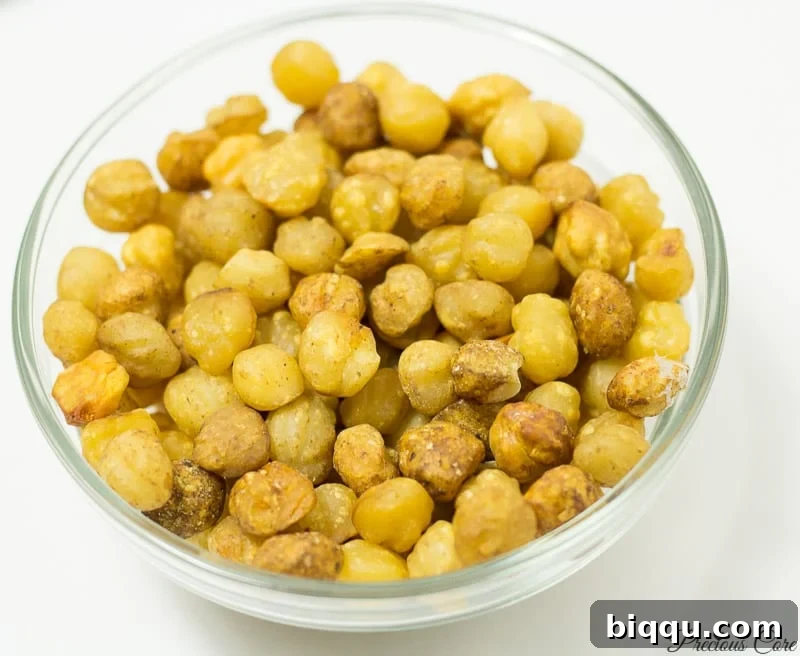
Njangsa (Ricinodendron heudelotii) is more than just an ingredient; it’s a cornerstone of West and Central African cooking, especially in Cameroon. These highly prized, nutty seeds are celebrated for their distinctive flavor and aroma, which are essential in dishes like the popular pepper soup and, of course, Mpuh fish. When ground, Njangsa adds a remarkable richness and a slight thickening quality to sauces, contributing to the creamy texture that makes Mpuh fish so distinctive. The flavor is often described as slightly bitter, earthy, and nutty, providing a complex background note that elevates the entire dish. Sourcing fresh Njangsa can make a significant difference in the final taste, so look for good quality seeds if buying.
Homemade Plantain Flour: A Healthier, Fresher Alternative
As my mom highlighted, plantain flour is an indispensable ingredient for Mpuh fish. Back home in Cameroon, it’s common to buy ready-made plantain flour from the bustling local markets, or to dry plantains under the sun to prepare one’s own. However, you don’t need tropical sunshine or specialized stores to make excellent plantain flour. Crafting it at home is incredibly simple and ensures the freshest possible ingredient for your dish.
To make homemade plantain flour, you’ll need unripe plantains. Peel them and slice them into very thin strips. Arrange these strips on an oven tray and bake them on a very low heat (ideally less than 200 degrees F or 100 degrees C). The goal is to dry them out completely until they are brittle and snap easily when touched. Depending on your oven’s specifics, this process typically takes about two hours, and you might need to flip the slices halfway through for even drying.
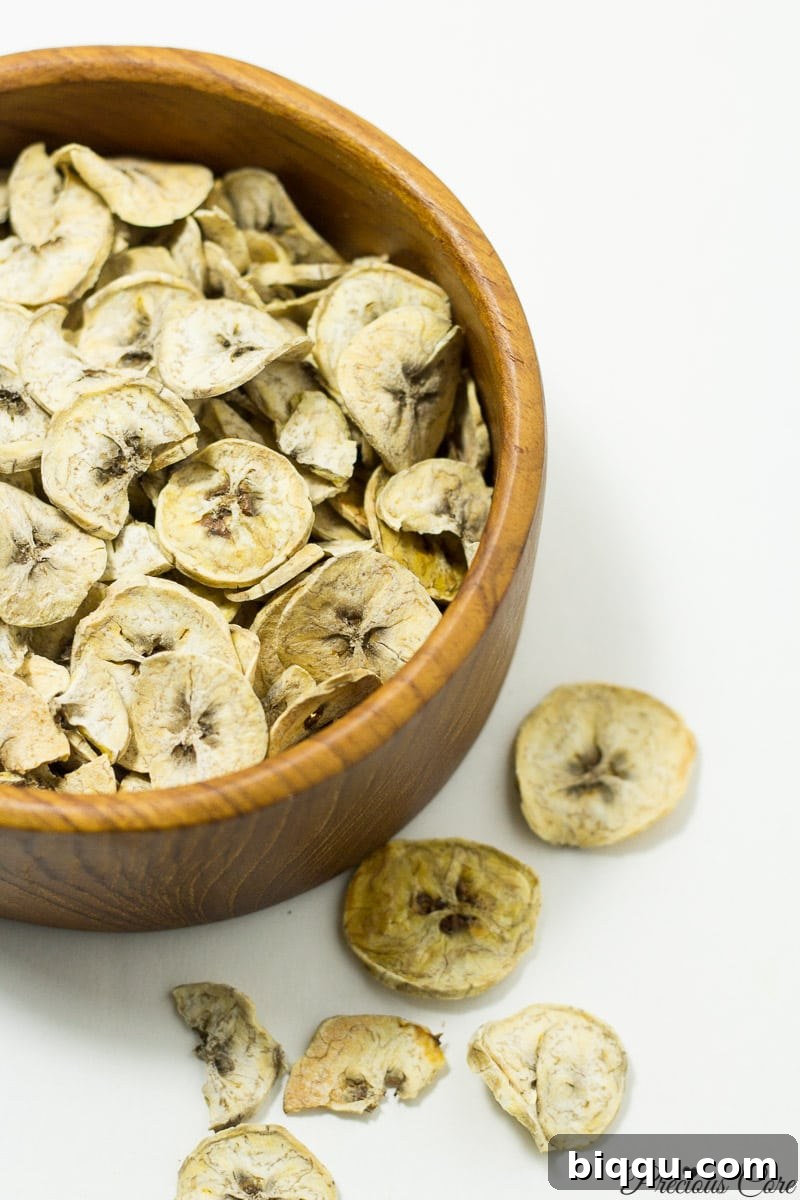
Once the plantain slices are thoroughly dried, allow them to cool completely. This step is crucial for achieving a fine powder. Then, simply grind them into a powder using the small cup attachment of your blender or a dedicated coffee grinder. The result is a fine, nutritious flour perfect for Mpuh fish and other recipes.
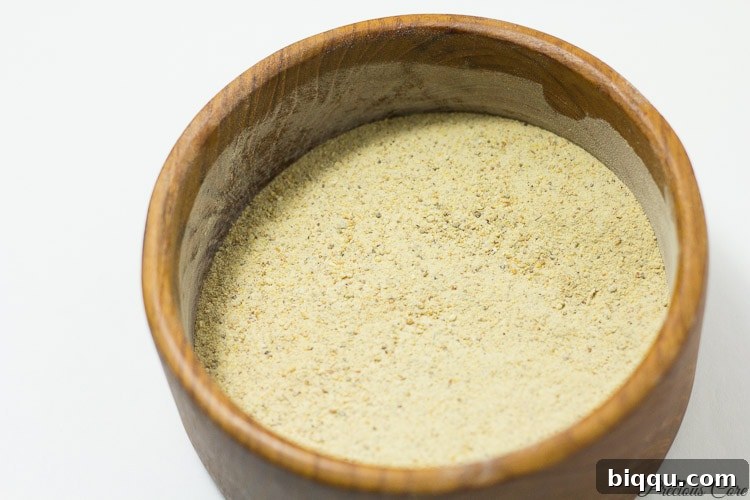
Not only is homemade plantain flour simple to prepare, but it also offers a healthier and gluten-free alternative to other flours like yam flour or corn flour. For those who enjoy “fufu” – a staple doughy accompaniment in many African cuisines – plantain fufu is a delightful variation worth exploring. It’s lighter and has a subtly different flavor profile that many find appealing.
Mastering the Mpuh Fish Recipe: Your Step-by-Step Guide
Now, let’s bring all these wonderful ingredients together to create an unforgettable Mpuh fish. This recipe, straight from the heart of Cameroonian tradition, promises a rich and satisfying culinary experience.
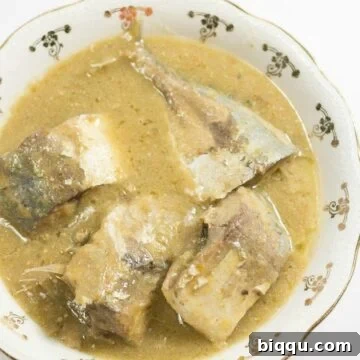
Mpuh Fish
20 mins
20 mins
40 mins
6 servings
Rate
Print Recipe
Ingredients
- 2-3 pounds fish cut into steaks (about 1-1 1/2 kg)
- 2 unripe plantains
- 1 cup njangsa seeds – ground
- 2 cloves garlic
- 1/2 medium onion – chopped
- 3 small seasoning cubes – Maggi
- 1/2 teaspoon ground white pepper (or bush pepper)
- 1 teaspoon salt
- 1/2 cup vegetable/canola/palm oil
Instructions
To make the plantain flour
-
Cut plantain into very thin strips and place on an oven tray. Bake on very low heat (about 200 degrees F or 100 degrees C) until the plantain slices are dry and break easily when touched. Depending on how your oven works, you may need to flip the slices half-way through cooking.
-
Allow to cool completely then grind into a powder using the small cup of your blender or a coffee grinder.
To make the Mpuh Fish Sauce
-
Blend together onion and garlic. Then in a large pot, mix together, plantain flour, ground Njangsa, onion, garlic, white or bush pepper, hot pepper (if using), salt and Maggi and three cups of water.
-
Add fish into the mixture and cover to ensure the mixture touches every angle of the fish. Cover and let it cook for twenty minutes, checking half way through to add in water if needed. You can make it as light or as thick as you want. That’s it! Enjoy!
To make the pudding instead
-
Put fish and spice mixture into banana leaves or aluminum foil and place in a large pot. Add water to about halfway through and steam for about an hour.
Nutrition
Calories:
449kcal
|
Carbohydrates:
22g
|
Protein:
35g
|
Fat:
26g
|
Saturated Fat:
5g
|
Polyunsaturated Fat:
13g
|
Monounsaturated Fat:
7g
|
Trans Fat:
0.1g
|
Cholesterol:
76mg
|
Sodium:
947mg
|
Potassium:
857mg
|
Fiber:
2g
|
Sugar:
11g
|
Vitamin A:
674IU
|
Vitamin C:
12mg
|
Calcium:
30mg
|
Iron:
2mg
Additional Info
Main Course
Cameroonian
449
Tried this recipe?
Mention @preciouscore or tag #PreciousCore!
Mpuh Fish Variations: The Pudding Style
Beyond the classic stew, Mpuh fish offers a delightful alternative: the pudding style. This method transforms the sauce into a denser, steamed delicacy. To prepare Mpuh fish pudding, the spiced fish mixture is carefully wrapped in either traditional banana leaves or modern aluminum foil packets. These packets are then placed in a large pot with water, typically filled halfway up the sides of the packets, and steamed for approximately an hour. This steaming process allows the flavors to meld beautifully, creating a tender, aromatic fish pudding that is rich in taste and distinct in texture.
Serving Suggestions: Completing Your Cameroonian Meal
Mpuh fish is a versatile dish that pairs wonderfully with a variety of staple foods, turning a simple meal into a hearty feast. The most traditional accompaniments are boiled plantains, which offer a starchy sweetness that beautifully complements the savory and spicy notes of the fish. White rice is another popular choice, its neutral flavor providing a perfect canvas for the vibrant sauce. Other excellent pairings include boiled yams, cassava, or even fufu made from plantain or corn flour, allowing you to explore different textures and tastes within Cameroonian culinary traditions. Don’t hesitate to experiment and find your favorite combination!
Why You’ll Love Mpuh Fish: A Culinary Journey
Mpuh fish is more than just a meal; it’s a sensory experience and a journey into the heart of Cameroonian culture. Its creamy texture, rich earthy flavors, and warming spices make it incredibly satisfying. The simplicity of its preparation, combined with the depth of its taste, ensures that it will become a cherished recipe in your kitchen. Whether you’re a seasoned chef or a culinary enthusiast looking to explore new horizons, Mpuh fish offers a unique and rewarding cooking adventure. It’s truly amazing – absolutely amazing!
If you embark on this culinary adventure and create this deliciousness, please don’t forget to share your photos! Tag me on Instagram @preciouscore. I would absolutely love to see your creations!