
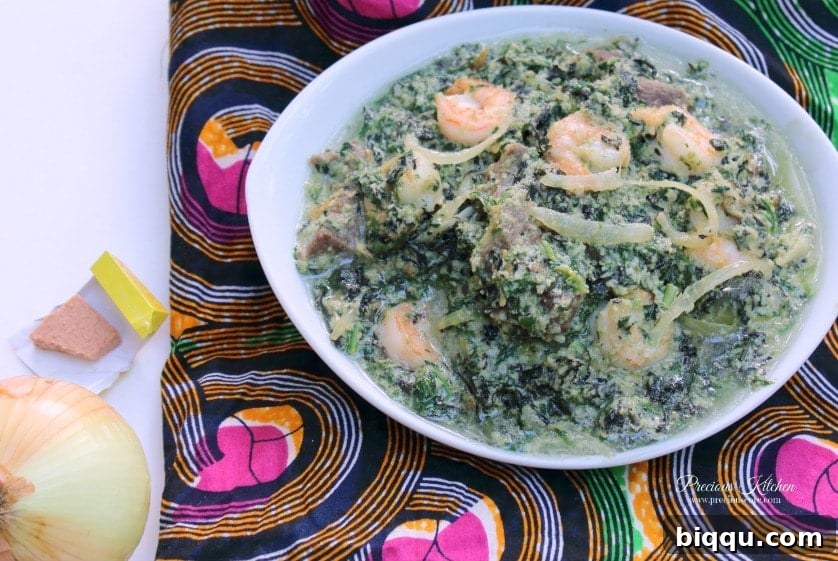
Mastering Ndole: The Ultimate Guide to Cameroon’s Beloved Delicacy
Hello, culinary adventurers! Today, we embark on an exciting gastronomic journey to the heart of Cameroon, West Africa, to uncover the secrets of one of its most cherished and iconic dishes: Ndole. More than just a meal, Ndole is a culinary masterpiece, deeply embedded in the cultural fabric of the Douala people and celebrated across the nation. This comprehensive guide will not only walk you through preparing an authentic Ndole recipe but also delve into its origins, key ingredients, and the nuanced techniques that make it truly special.
For those new to this African delight, Ndole is a hearty, flavorful stew known for its unique combination of blanched and blended groundnuts (peanuts) simmered with an abundance of vibrant green leafy vegetables, traditionally bitterleaf. It’s a dish that strikes a perfect balance between savory, nutty, and subtly bitter notes, creating an incredibly rich and comforting experience. Often described as oniony, robust, and profoundly satisfying, Ndole is a staple on Cameroonian tables, perfect as a main course or a luxurious side dish to staples like boiled plantains, white yam, or even fluffy rice.
While we’ve previously shared a quick overview, this extended feature provides an in-depth exploration, ensuring you have all the tools and knowledge to recreate this beloved dish in your own kitchen. Whether you’re a seasoned chef or a curious beginner, get ready to dive into the rich culinary heritage of Cameroon with this step-by-step guide to crafting a truly unforgettable Ndole.
The Essence of Ndole: A Taste of Cameroonian Heritage
Ndole originates from the picturesque Littoral region of Cameroon, particularly among the Douala ethnic group, but its popularity has since spread throughout the country and beyond. It’s a dish often served at celebrations, family gatherings, and special occasions, symbolizing hospitality and togetherness. The magic of Ndole lies in its complex flavor profile, which masterfully blends the creaminess of groundnuts with the distinctive, slightly bitter taste of bitterleaf, creating a harmonious and addictive stew.
At its core, Ndole is a celebration of contrasting textures and tastes. The smooth, velvety groundnut paste forms the foundation, providing a rich, earthy base. Layered upon this are the tender green leaves, which, when properly prepared, offer a delicate bitterness that beautifully cuts through the richness, preventing the dish from being overly heavy. The addition of various proteins, such as beef, fish, or shrimp, along with aromatic spices, elevates the dish to a truly gourmet experience. It’s this intricate interplay of ingredients that gives Ndole its characteristic depth and makes it an unforgettable part of Cameroonian cuisine.
Key Ingredients: Building the Flavors of Ndole
Crafting authentic Ndole begins with understanding and appreciating its core ingredients. Each component plays a vital role in achieving the dish’s signature taste and texture.
- Peeled/Blanched Groundnuts (Peanuts): These are the heart of Ndole, providing its distinctive nutty flavor and creamy consistency. It’s crucial to use peeled, raw groundnuts. Blanching them helps remove their skins easily and prepares them for blending into a smooth paste.
- Bitterleaf (Vernonia amygdalina): This leafy green vegetable is what truly defines Ndole. Its characteristic bitterness, when properly processed, is essential to the dish’s unique flavor. If fresh bitterleaf is unavailable, thoroughly processed (de-bittered) dried bitterleaf can be used, or spinach can serve as a milder substitute, though it will alter the authentic taste significantly.
- Meat (Beef/Goat): Traditionally, tender cuts of beef are used, but goat meat or even smoked fish can be incorporated for added depth. The meat is usually cooked until tender, infusing its savory juices into the stew.
- Aromatics: Onions, garlic, and ginger form the aromatic backbone of Ndole. They are blended with the groundnuts or sautéed to release their fragrant oils, building a complex flavor base.
- Crayfish (Dried Shrimp): A quintessential West African seasoning, dried crayfish adds an umami-rich, savory depth that is hard to replicate. It’s often ground and incorporated into the stew, and sometimes whole dried crayfish are used for garnish.
- Hot Pepper (Habanero or Scotch Bonnet): For those who enjoy a kick, a whole or blended hot pepper adds a vibrant heat that complements the rich flavors without overpowering them. Adjust according to your spice preference.
- Vegetable Oil: Used for sautéing the aromatics and often for the final flavor infusion (the “fry” on top), contributing to the dish’s richness and sheen.
- Seasoning Cube & Salt: These are used to enhance the natural flavors of the ingredients and achieve perfect seasoning.
- Raw Shrimps (Optional): Fresh shrimp, quickly pan-fried at the end, adds a delightful seafood element and beautiful presentation.
A Step-by-Step Guide to Crafting Authentic Ndole
Creating a perfect pot of Ndole requires attention to detail, especially when processing the bitterleaf and achieving the right creamy texture for your groundnut paste. Follow these instructions carefully to bring the true taste of Cameroon to your table.
Video Tutorial: Visualizing the Ndole Process
Before we dive into the detailed printable recipe, take a moment to watch this helpful video. It provides a visual guide to many of the steps, especially the critical process of blanching and preparing the bitterleaf, ensuring you achieve the perfect texture and bitterness level.
The video will clarify nuances that words alone might miss, making your Ndole journey even smoother.
Authentic Ndole Recipe Card
Printable Recipe
Ingredients
- 2 cups peeled/blanched groundnuts (peanuts)
- 5 large bundles fresh or 3 cups blanched bitterleaf (substitute with spinach for a milder taste)
- ½ teaspoon baking soda (for blanching bitterleaf, if needed)
- 1 pound (about ½ kg) beef or preferred meat, cut into chunks
- 5 cloves peeled garlic
- 1 inch peeled ginger root
- 1½ Crayfish seasoning cube (e.g., Maggi Crevette)
- 1 large onion, divided
- 1 cup vegetable oil
- 1 hot pepper (e.g., habanero or scotch bonnet), optional
- ¼ teaspoon salt, or to taste
- ¼ cup ground crayfish
- 1 pound raw shrimps (optional, for garnish)
Instructions
- Prepare the Meat: Cut your chosen meat (beef or goat) into bite-sized chunks. Place them in a sturdy pot. Add 2 cups of water, a quarter of the chopped onion, and season with a pinch of salt. Bring to a boil, then reduce heat and simmer until the meat is tender, usually about 20-30 minutes, or longer for tougher cuts. Set aside the cooked meat and its broth.
- Process the Bitterleaf: If using fresh bitterleaf, thoroughly rinse and chop them. For fresh bitterleaf, the bitterness needs to be reduced. The traditional method involves scrubbing the leaves with salt or baking soda, rinsing repeatedly until the bitterness is minimal. If using dried bitterleaf, soak it in warm water for at least 30 minutes to rehydrate and help remove any residual bitterness.
- Blanch the Bitterleaf: In a large pot, bring water to a boil, filling it about three-quarters full. Add about a teaspoon of salt and, if using fresh bitterleaf, a quarter to half teaspoon of baking soda (baking soda helps soften and de-bitter the leaves faster). Once boiling, submerge your prepared bitterleaf. Blanch for 5-10 minutes (watch the video for visual cues). Drain thoroughly, rinse under cold water, and squeeze out excess water. This step is crucial for achieving the right balance of flavor.
- Prepare the Groundnut Paste: In a blender, combine the peeled groundnuts with the peeled garlic cloves, ginger root, and the hot pepper (if using). Add a small amount of water, just enough to help the blades move, and blend until you achieve a super smooth, creamy paste. The consistency should be similar to a thick milkshake or thin hummus.
- Combine & Simmer: Add the smooth groundnut paste directly to the simmering meat and its broth in the pot. Stir well to ensure there are no lumps and the paste is evenly distributed. Let this mixture gently simmer for about 5-10 minutes, allowing the groundnut flavor to develop and thicken.
- Add Vegetables & Seasonings: Now, carefully fold in your blanched bitterleaf (or spinach) into the simmering groundnut and meat mixture. Stir thoroughly to combine all ingredients. Add the ground crayfish and the crayfish seasoning cube. Continue to simmer for another 10-15 minutes, stirring occasionally to prevent sticking or burning at the bottom of the pot. Taste and adjust salt or seasoning as needed. The stew should be rich, fragrant, and slightly thick.
- Prepare the Garnish (Optional but Recommended): While the Ndole is simmering, chop the remaining quarter of the large onion. If using raw shrimps, peel and season them with a pinch of salt.
- Fry Aromatics & Shrimps: In a separate frying pan, heat the vegetable oil over medium heat. Sauté the chopped onions until they are translucent and fragrant, about 3-5 minutes. If adding shrimps, toss them into the pan and cook until they turn a vibrant pink, which usually takes only 2-3 minutes. Be careful not to overcook them.
- Final Assembly & Serve: Once the Ndole has achieved its desired consistency and flavor, turn off the heat. Pour the hot fried onion and shrimp mixture directly over the Ndole in the pot. This final step infuses the dish with a wonderful aromatic oil and adds a beautiful presentation. Serve hot.
Details
Prep time:
Cook time: (adjust for meat tenderness)
Total time:
Yield: 6-8 servings
Serving Suggestions: The Perfect Accompaniments for Ndole
Ndole is a versatile dish that pairs beautifully with a variety of traditional Cameroonian accompaniments. The richness and complexity of the stew are wonderfully complemented by simple, starchy sides that help soak up its savory flavors.
- Boiled Plantains: This is arguably the most classic pairing. Ripe or semi-ripe plantains, simply boiled until tender, offer a sweet and soft contrast to the savory Ndole.
- Boiled White Yam: Another popular choice, boiled yam provides a subtly sweet and starchy base that absorbs the Ndole’s flavors perfectly.
- Rice: Plain white rice is an excellent canvas for Ndole, especially for those who prefer a familiar accompaniment.
- Fufu (Eba/Garri): For an authentic West African experience, serve Ndole with fufu made from cassava flour (eba) or garri. The fufu is traditionally used to scoop up the stew, offering a textural contrast.
- Bread: A simple, crusty baguette or soft rolls can also be used to mop up every last drop of this delicious stew.
Regardless of your choice, ensure the accompaniment is relatively plain to allow the vibrant flavors of Ndole to truly shine.
Tips for Perfecting Your Ndole
To ensure your Ndole turns out exceptionally delicious every time, keep these expert tips in mind:
- Bitterness Control: The key to good Ndole is managing the bitterness of the bitterleaf. If using fresh leaves, be diligent in washing and squeezing them until the bitterness is at a level you enjoy. For those who prefer a very mild taste, a quick blanching in water with baking soda can significantly reduce bitterness.
- Smooth Groundnut Paste: A perfectly smooth groundnut paste is crucial for the creamy texture of Ndole. Blend for longer than you think, adding water sparingly to achieve a silky consistency.
- Slow Simmering: Allow the groundnut and bitterleaf mixture to simmer gently. This slow cooking process allows the flavors to meld and deepen, resulting in a more complex and satisfying stew. Don’t rush it!
- Don’t Skimp on Aromatics: Onions, garlic, and ginger are vital for building a rich flavor base. Use fresh ingredients for the best results.
- The Final Fry: The final step of frying onions (and optional shrimp) in oil and pouring it over the finished Ndole is not just for garnish; it adds a burst of fresh onion flavor and a beautiful sheen that enhances the dish’s appeal.
- Taste and Adjust: Always taste your Ndole as it cooks. Adjust salt and seasoning cubes as needed to achieve your preferred flavor balance. Remember, the bitterness of the leaf can sometimes mute other flavors, so re-seasoning towards the end might be necessary.
Why You Need to Try Ndole
Ndole is more than just a recipe; it’s an experience that offers a glimpse into the heart of Cameroonian culinary tradition. Its unique blend of flavors, comforting texture, and rich cultural significance make it a dish truly worth exploring. Whether you’re looking to expand your culinary repertoire or simply seeking a deeply satisfying meal, Ndole promises to deliver.
We encourage you to embark on this cooking adventure. Gather your ingredients, follow these detailed steps, and prepare to be amazed by the delicious complexity of authentic Cameroonian Ndole. Share your creations with us, and let’s celebrate the vibrant flavors of Africa together! Happy cooking!