
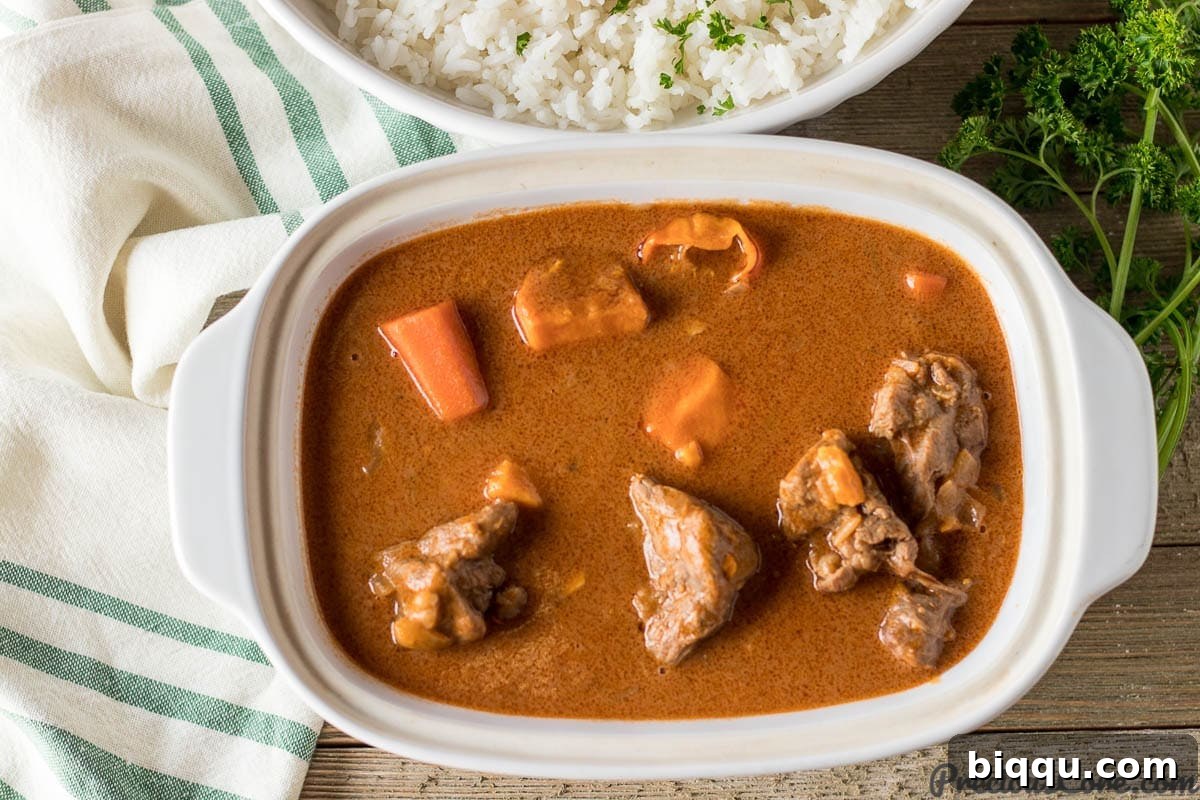
This African Peanut Stew, widely known as Mafe or Maafe, is an exquisite dish that deserves a permanent spot in your culinary repertoire. With just a handful of accessible ingredients, you can create a rich, creamy, nutty, and subtly spicy stew that pairs wonderfully with a fluffy bed of rice. Its deep flavors and comforting warmth make it an ideal meal for any occasion, promising a delightful gastronomic journey to West Africa.
Beyond rice, this versatile stew can be enjoyed in various ways. Imagine dipping crusty French bread into its luscious sauce, allowing the bread to soak up every drop of its savory goodness. For those mindful of carb intake, Mafe is equally satisfying alongside a light, low-carb side dish. Its robust and hearty nature ensures that it is incredibly filling and profoundly satisfying, whether you’re seeking a quick weeknight dinner or a special meal to share.
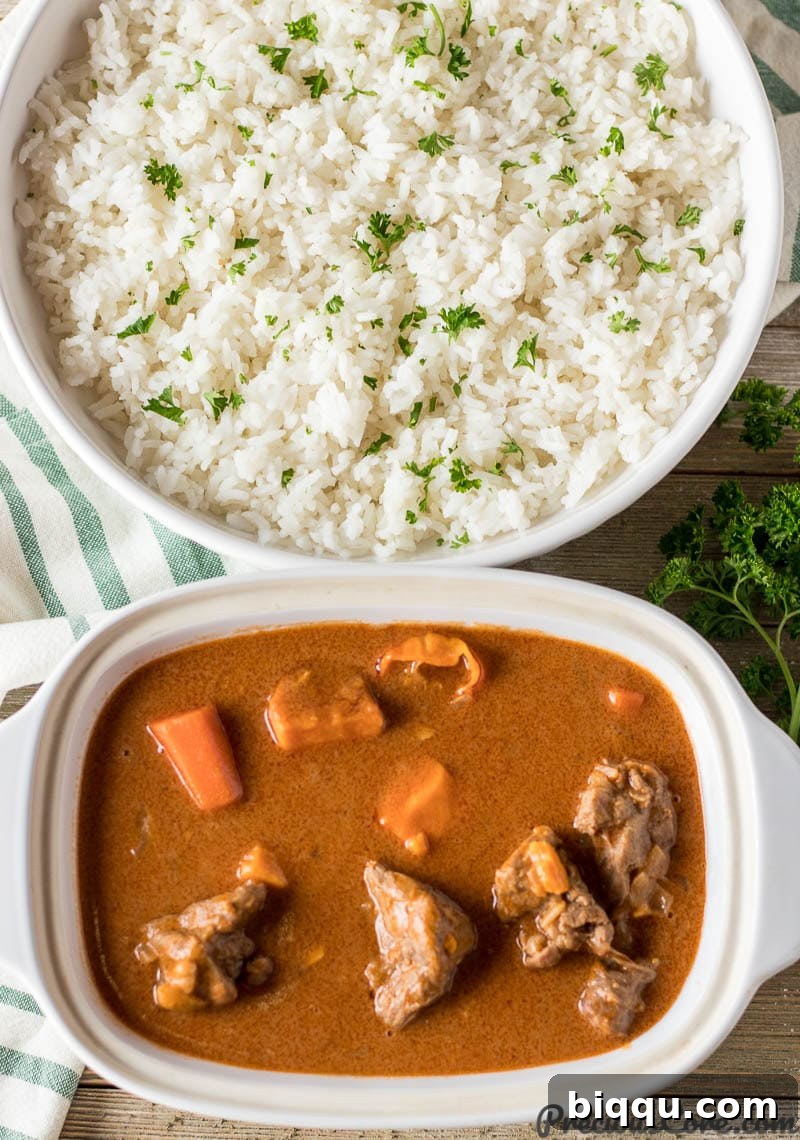
Discovering Authentic West African Peanut Stew
Allow me to emphasize: this Senegalese stew is an absolute must-try! I reiterate this not just because of its incredible flavor, but also because of its surprising simplicity. Don’t be intimidated by its exotic name; the preparation is straightforward, and you likely already have most of the necessary ingredients in your pantry. It’s a testament to how simple ingredients can yield profoundly complex and satisfying results.
For too long, authentic West African Peanut Stew recipes have been underrepresented or misrepresented online. Many versions circulating internet lack the genuine depth and balance of flavors characteristic of traditional Mafe. This recipe, meticulously crafted, aims to bring you the true essence of West African Peanut Stew, exactly as it’s cherished in its native lands. While some might refer to it as “African Peanut Soup,” I prefer the term “stew” due to its thick, luscious consistency that truly embodies a hearty meal rather than a light soup.
This dish is, in essence, West Africa on a plate. Mafe, or groundnut stew, holds a special place in the culinary traditions of many West African nations. Each country, and often even individual regions or families within them, boasts its own unique rendition, making it a vibrant tapestry of shared heritage and diverse flavors.
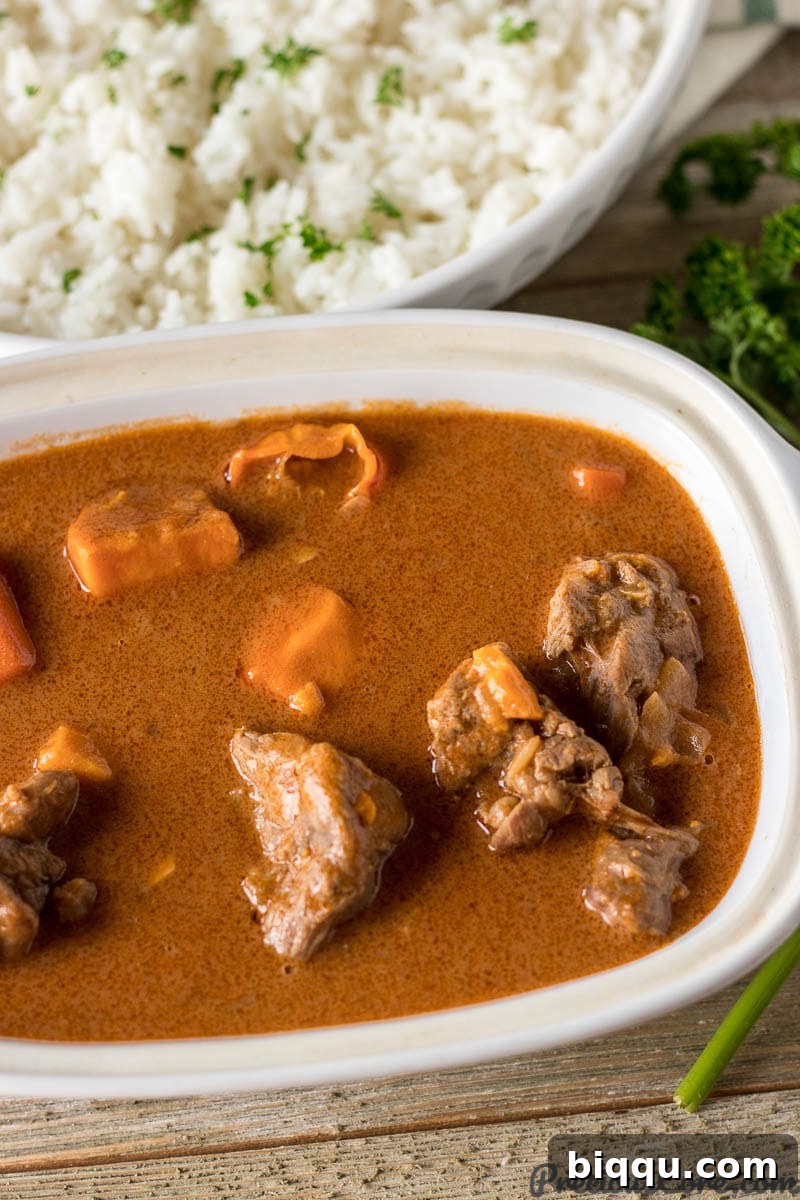
Peanut Butter Stew is a culinary cornerstone enjoyed across a wide array of West African countries, including Togo, Mali, Nigeria, Ghana, and Cameroon. These nations each contribute their distinct nuances to the core recipe, resulting in a rich spectrum of flavors and textures. For instance, you might encounter a Cameroonian version known as Groundnut Soup, which, while similar, often features regional specific ingredients and cooking techniques. The beauty of African Peanut Stew lies in its adaptability, allowing for countless interpretations while retaining its signature nutty base.
Despite the numerous variations, one fundamental principle remains constant across all authentic renditions: the central role of peanuts. Whether it’s freshly ground peanuts, known as groundnuts, or natural unsweetened peanut butter, this ingredient forms the very soul of the stew. Traditionally, it’s combined with a protein source, most commonly beef, lamb, chicken, or fish, lending robustness and savory depth. However, the versatility of Mafe also allows for a delicious vegan adaptation; simply omit the animal protein and enhance it with more vegetables or plant-based proteins like chickpeas or lentils, creating a wholesome and satisfying plant-based meal.
The particular version shared here is the celebrated Senegalese Mafé. Other names by which this beloved dish is known include Maafe, sauce d’arachide (a French term meaning “peanut sauce”), or domoda. A hallmark of this stew is the inclusion of tender vegetables, which contribute both texture and a subtle sweetness that beautifully complements the rich nuttiness and invigorating spiciness of the stew. In this recipe, sweet potatoes and carrots are chosen for their natural sweetness, which harmonizes perfectly with the overall flavor profile, creating a balanced and irresistible dish.
Key Ingredients for a Flavorful African Peanut Stew
Crafting an authentic African Peanut Stew requires a carefully selected handful of simple yet potent ingredients. Each component plays a vital role in building the stew’s characteristic rich and complex flavor profile. Here’s a closer look at what you’ll need:
Natural Peanut Butter: This is unequivocally the star of the show. For the most authentic and healthful taste, opt for natural peanut butter with no added sugar or excessive oils. Its pure, roasted peanut flavor forms the creamy base and nutty essence of the stew, distinguishing it from other dishes.
Beef, Lamb, or Chicken: The choice of protein significantly influences the stew’s depth of flavor. Beef, particularly cuts like chuck roast, is highly recommended for its ability to impart a profound, savory richness as it simmers. However, tender chicken pieces or flavorful lamb are equally excellent choices, each adding their unique character to the Mafe. For a vegetarian or vegan version, consider hearty mushrooms, firm tofu, or a medley of additional root vegetables.
Tomato Sauce or Paste: The combination of tomatoes and peanuts might initially seem unconventional to those unfamiliar with West African cuisine, but it’s a marriage made in culinary heaven. Tomato sauce or paste provides essential acidity, balancing the richness of the peanuts and contributing a vibrant reddish-orange hue. It also enhances the stew’s umami and texture. If using tomato paste, remember it’s more concentrated, so use about half the quantity recommended for tomato sauce.
Onion: A large onion forms the aromatic foundation of the stew. Sautéing it until fragrant and slightly caramelized is a crucial first step, as it builds a powerful and sweet base of flavor that will permeate the entire dish, creating a layer of savory depth.
Garlic: This indispensable aromatic adds a pungent, savory kick that brightens the overall flavor profile. Do not skip the garlic; its robust essence is fundamental to the authentic taste of Mafe.
Chicken Bouillon Powder: Bouillon cubes or powder are frequently employed in West African cooking, serving as a flavor enhancer that provides a concentrated savory boost and a touch of saltiness. Using bouillon contributes to that inimitable, authentic taste that makes this stew so comforting and delicious.
Vegetable Oil: A neutral-flavored oil is needed for sautéing the aromatics and browning the meat, helping to build the initial layers of flavor in the pot.
Habanero Pepper or Scotch Bonnet Pepper: For those who appreciate a fiery kick, these peppers are essential. Their intense heat perfectly counterbalances the richness of the peanut butter, adding an exciting dimension to the stew. Handle them with care! If you prefer a milder heat, a pinch of cayenne pepper can be a suitable substitute.
Root Vegetables: Carrots and sweet potatoes are classic additions, offering not only delightful texture but also a natural sweetness that complements the nutty and spicy elements. They make the stew heartier and more nutritious. Other vegetables like cassava, regular potatoes, or even leafy greens can also be incorporated.
African Peanut Stew – Mafe
Pin Recipe
Rate
Print Recipe
Ingredients
- 2 tablespoons vegetable oil
- 1 large onion diced
- 1 pound beef cut into 1-2 inch pieces, chuck roast works well here
- 8 oz tomato sauce ¾ cup
- 1 teaspoon salt
- 2 teaspoons chicken bouillon powder
- 4 cloves garlic minced
- ½ cup natural peanut butter no sugar added
- 1 cup sweet potatoes peeled and chopped into 1 inch pieces
- ½ cup carrots chopped into 1-inch pieces
- 1 habanero pepper
Instructions
-
Heat the vegetable oil in a medium to large pot or Dutch oven over high heat for approximately 3 minutes. Add the diced onions and sauté, stirring occasionally, for about 5 minutes until they become fragrant and translucent.
-
Introduce the beef pieces to the pot, followed by the tomato sauce, four cups of water, salt, and chicken bouillon powder. Bring the mixture to a rolling boil, then reduce the heat to a gentle simmer, allowing the flavors to meld and the beef to tenderize.
-
Stir in the minced garlic and the natural peanut butter. Ensure the peanut butter is thoroughly incorporated into the stew, creating a smooth, creamy consistency. Let it continue to simmer for another 5 minutes, allowing the peanut butter to infuse its richness.
-
Add the chopped sweet potatoes and carrots. Carefully slice the habanero pepper in half (or leave whole for less heat, or omit if desired) and add it to the pot. Cover the pot and simmer for 10-15 minutes, or until the sweet potatoes are fork-tender. Before serving, carefully remove and discard the habanero pepper.
-
Serve this rich and aromatic African Peanut Stew warm, ideally over a bed of fluffy boiled rice. Garnish with fresh cilantro or chopped roasted peanuts for an extra layer of flavor and texture.
Notes
2. Feel free to experiment with other vegetables you enjoy. Cabbage, spinach, kale, okra, or bell peppers are fantastic additions that add nutrients and texture to the stew.
3. Japanese Sweet Potatoes, also known as Murasaki sweet potatoes, can be used for a slightly different sweetness and texture. Their purple skin and white flesh offer a beautiful contrast.
Nutrition
Additional Info
Mastering the Art of African Peanut Stew: A Step-by-Step Guide
Creating this authentic African Peanut Stew is a rewarding experience, and with these clear steps, you’ll achieve a deeply flavorful and satisfying meal every time. The key lies in building layers of flavor from the very beginning.
Step 1: Build the Aromatic Foundation. Begin by heating the vegetable oil in a sturdy pot, preferably a Dutch oven, over medium-high heat. Once shimmering, add the diced onions. Sauté them patiently, stirring frequently, until they become translucent and beautifully fragrant – about 5 minutes. This step is crucial for developing a sweet, savory base that will infuse the entire stew.
Step 2: Brown the Meat and Develop the Broth. Introduce your chosen protein, such as beef chunks, to the pot. Brown the meat on all sides to seal in its juices and add a rich, caramelized flavor. Then, pour in the tomato sauce, add approximately four cups of water, season with salt, and stir in the chicken bouillon powder. Bring the mixture to a vigorous boil, then reduce the heat to a gentle simmer. Cover the pot and let it cook for about 20 minutes, allowing the beef to tenderize and the flavors to meld beautifully. This initial simmer ensures the meat is partially cooked and the broth starts to concentrate.
Step 3: Introduce the Peanut Butter and Aromatics. After the initial simmer, add the minced garlic and the natural peanut butter to the pot. Stir vigorously until the peanut butter is completely dissolved and smoothly incorporated into the liquid, transforming the broth into a creamy, nutty sauce. Continue to simmer for another 5 to 10 minutes, stirring occasionally to prevent the peanut butter from sticking to the bottom. This allows the peanut flavor to bloom and thicken the stew to its desired consistency.
Step 4: Incorporate Vegetables and Spice. Add the chopped sweet potatoes and carrots. For a bold kick, carefully slice the habanero or scotch bonnet pepper in half and gently place it into the stew. If you prefer a milder heat, you can poke a few holes in the pepper instead of slicing it, or even omit it and add a pinch of cayenne pepper later. Cover the pot again and continue simmering for an additional 10-15 minutes, or until the sweet potatoes are tender when pierced with a fork. Once cooked, carefully remove and discard the habanero pepper, as its job of infusing heat is done.
Step 5: Final Touches and Serving. Taste and adjust seasonings if necessary, adding more salt or bouillon if desired. The stew should be thick, creamy, and deeply flavorful. Serve your magnificent African Peanut Stew hot, ladled generously over a bed of fluffy white rice. For an extra touch of authenticity and fresh flavor, consider garnishing with a sprinkle of chopped fresh cilantro or a scattering of roasted peanuts.
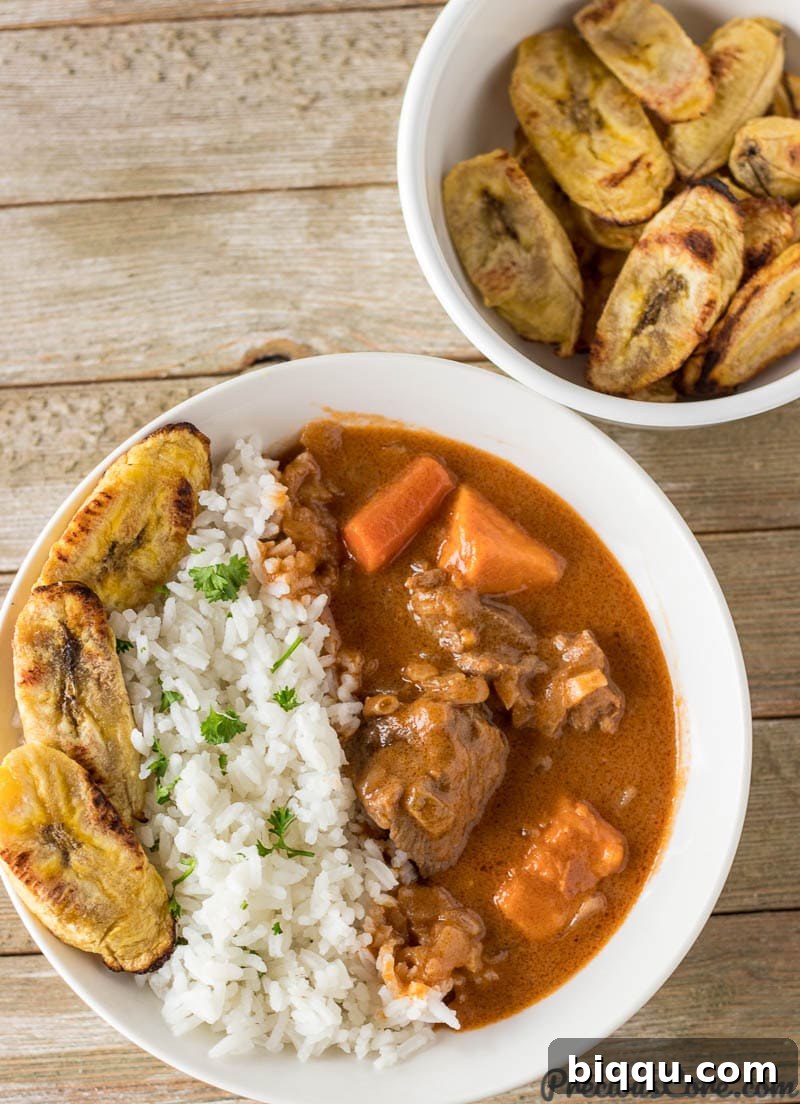
Perfect Pairings: What to Serve With African Peanut Stew
The versatility of African Peanut Stew means it can be paired with a wide array of side dishes, complementing its rich and complex flavors beautifully. Here are some popular and delicious suggestions to elevate your Mafe experience:
- Boiled Rice: This is the classic and most common accompaniment. Plain white rice provides a neutral base that perfectly soaks up the stew’s luscious sauce, allowing its intricate flavors to shine. For an aromatic twist, consider serving with Garlic Herb Rice.
- Fried Plantains: Sweet fried plantains offer a delightful contrast to the savory stew. Their caramelized sweetness and soft texture provide a wonderful counterpoint, creating a truly authentic West African meal. Alternatively, try healthier Baked Plantains.
- Couscous: If you’re looking for an alternative to rice, couscous is an excellent choice. Its light, grainy texture works well to absorb the rich sauce, offering a different mouthfeel while still being incredibly satisfying.
- French Bread or Crusty Bread: For a wonderfully comforting and interactive dining experience, serve your Mafe with a fresh baguette or any crusty bread. Use it to scoop up every last bit of the stew, savoring the flavors. This is a highly recommended pairing for its sheer indulgence.
- Fufu or Other Swallows: For a truly traditional West African meal, consider serving Mafe with fufu (made from cassava, yam, or plantain) or other “swallows” like banku or kenkey. These dense doughs are typically eaten with hands, used to scoop up the stew, and swallowed, offering a unique textural experience.
- Steamed Greens: A simple side of steamed collard greens, spinach, or kale can add a refreshing, slightly bitter balance to the rich stew, enhancing the nutritional profile of your meal.
Whether you prefer a carb-filled companion or a lighter, low-carb option, this stew is incredibly adaptable, promising a satisfying meal no matter your preference.
Storage and Make-Ahead Tips for African Peanut Stew
One of the many advantages of African Peanut Stew is its excellent keeping qualities, making it a fantastic candidate for meal prepping and freezing. This stew often tastes even better the next day as the flavors have more time to deepen and meld.
Can You Freeze It? Absolutely! African Peanut Stew freezes exceptionally well. Once cooled completely, transfer portions into airtight, freezer-safe containers or heavy-duty freezer bags. It can be stored in the freezer for up to 3 months without significant loss of quality. To reheat, thaw overnight in the refrigerator, then gently warm on the stovetop over medium-low heat, stirring occasionally, until heated through. You might need to add a splash of water or broth to adjust the consistency if it has thickened too much.
Make-Ahead Benefits: This stew is a perfect recipe to prepare in advance. Cook a large batch on the weekend, and you’ll have delicious, hearty meals ready for busy weeknights. Store leftovers in an airtight container in the refrigerator for up to 3-4 days. Reheating is simple: just warm it gently on the stove or in the microwave until piping hot.
Enjoy the convenience and rich flavors of this West African Peanut Stew, a recipe that promises to be a cherished favorite!
Exploring Delicious Variations and Dietary Adaptations
The beauty of African Peanut Stew lies in its adaptability. Once you have the basic recipe down, feel free to experiment with different ingredients and techniques to customize it to your taste or dietary needs:
- Enriched Broth: For an even deeper flavor, substitute some or all of the water with rich chicken broth or vegetable broth. This adds another layer of savoriness and body to the groundnut stew.
- Vegetable Medley: Don’t limit yourself to just sweet potatoes and carrots. Add sliced bell peppers (red, yellow, or green), chopped zucchini, green beans, okra, or even a handful of fresh spinach or kale during the last 10 minutes of simmering for added nutrients and color. Cabbage and cassava also work wonderfully.
- Protein Swaps: While beef is traditional and delicious, chicken thighs are an excellent substitute, offering tenderness and rich flavor. Pork shoulder can also be used. For a seafood variation, consider adding firm white fish (like cod or snapper) or shrimp in the final minutes of cooking, ensuring they don’t overcook.
- Vegan & Vegetarian Options: To make this stew completely plant-based, simply omit the meat. You can replace it with hearty ingredients like chickpeas, lentils, firm tofu (pressed and cubed), or a mix of substantial vegetables such as mushrooms, eggplant, and additional root vegetables. Ensure you use vegetable bouillon instead of chicken bouillon.
- Spicy Adjustments: If habanero is too intense, use a milder pepper like serrano, jalapeño, or a generous pinch of cayenne pepper to control the heat level. Alternatively, a dash of hot sauce stirred in at the end can provide a customizable kick.
- Aromatic Boosts: Experiment with additional aromatics such as a small piece of grated fresh ginger or a sprig of fresh thyme added during the simmering stage for extra layers of flavor.
- Low-Carb Options: For those following a low-carb diet, serve your African Peanut Stew with cauliflower rice, zucchini noodles, or simply a larger portion of non-starchy vegetables instead of traditional rice.
More Inspiring Serving Suggestions
Enhance your African Peanut Stew experience by pairing it with these complementary dishes, turning a delicious meal into a culinary feast:
- Garlic Herb Rice: An aromatic twist on classic rice, adding another layer of flavor.
- Sweet Fried Plantains: The perfect balance of sweet and savory against the rich stew.
- Baked Plantains: A healthier alternative to fried, offering natural sweetness and soft texture.
- Fufu or Eba: For a truly authentic West African experience, serve with traditional ‘swallows’ made from cassava, yam, or plantains.
- Crusty French Bread: Ideal for soaking up every last drop of the rich, flavorful sauce.
- Simple Green Salad: A fresh, crisp salad with a light vinaigrette can provide a refreshing contrast.
Explore More African Culinary Delights
If you’ve enjoyed the authentic flavors of this African Peanut Stew, delve deeper into the vibrant and diverse world of African cuisine with these other cherished recipes:
- African Chicken Stew: A hearty and flavorful stew, perfect for family dinners.
- African Okra Soup: A unique and delicious soup, rich in texture and nutrients.
- How To Make Fufu – Fufu Corn: Learn to prepare the staple swallow enjoyed across Africa.
- Nigerian Jollof Rice: The iconic, smoky, and spicy rice dish loved across West Africa.
- African Pepper Sauce: A fiery and versatile condiment to add a kick to any meal.
If you make this recipe, please consider leaving a star rating below. Your feedback helps others discover and enjoy this delicious recipe, and I always love hearing from you! Thank you!