
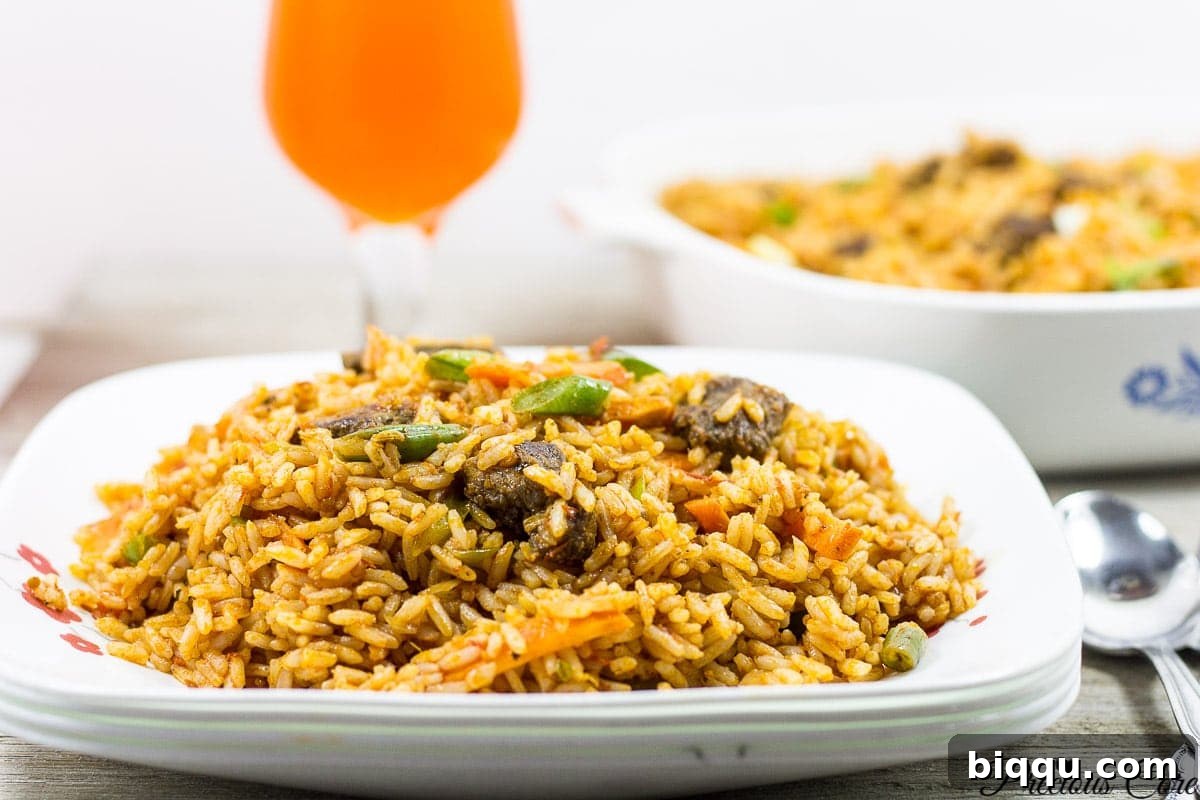
Welcome to a culinary journey that unveils the secrets of crafting the most exquisite Cameroonian Jollof Rice. Often affectionately known as Cameroonian Jellof Rice, this recipe promises to deliver a dish that’s not only visually stunning but also bursting with unforgettable flavors. If you’ve ever found preparing Jollof Rice to be a culinary challenge, or even if you’re a seasoned cook looking to elevate your skills, you’ve arrived at the perfect place. Get ready to transform your Jollof game and delight your taste buds with this tried-and-true method, passed down through generations.
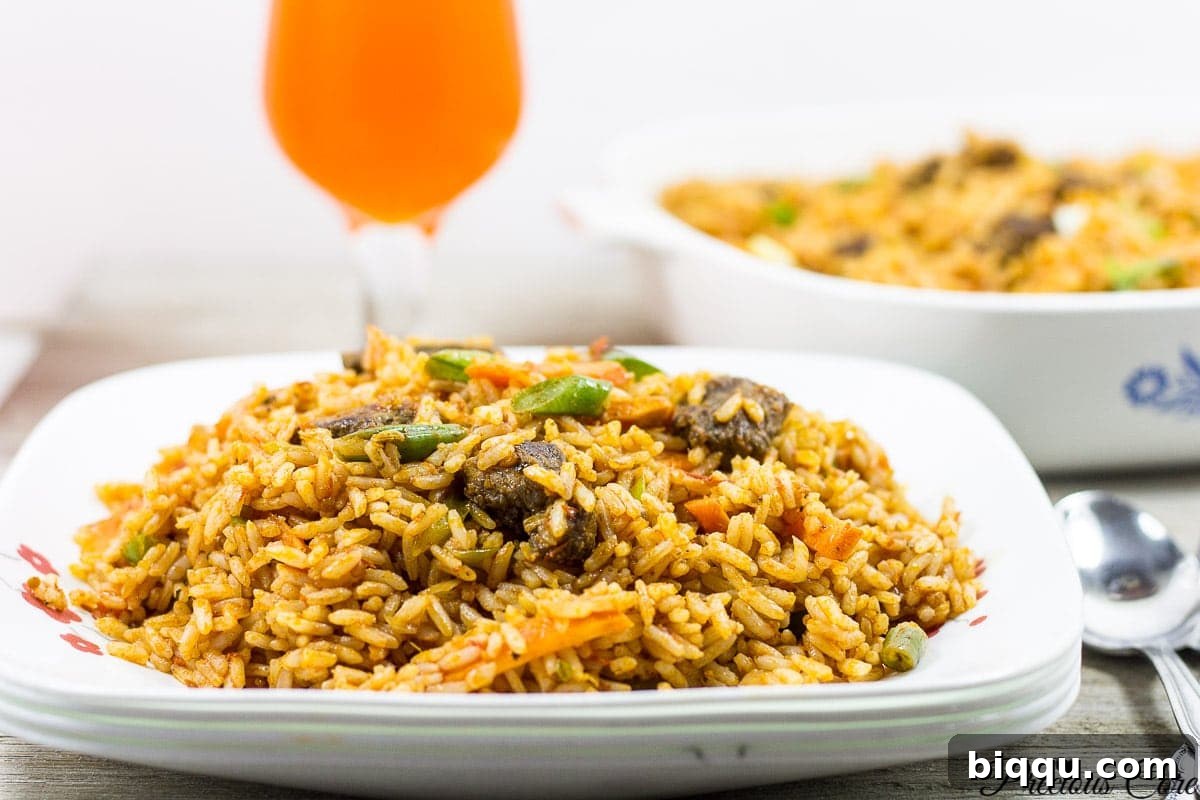
Jollof Rice holds a special place in the hearts of West Africans, rightfully earning its title as the region’s culinary sweetheart. At its core, Jollof is a vibrant rice dish cooked in a rich tomato sauce, infused with a medley of aromatic spices and seasonings. The result is a truly delicious and deeply satisfying meal that rarely fails to impress. Indeed, it’s hard to imagine anyone not falling in love with this ultimate West African rice dish.
Its widespread appeal spans across numerous African nations, including Cameroon, Nigeria, Ghana, Senegal, The Gambia, and Sierra Leone, among many others. Such is its fame that August 22nd is dedicated annually as #WorldJollofRiceDay, a global celebration of this iconic dish. And who are we not to join in such a joyous occasion? It’s a testament to Jollof’s universal charm and cultural significance.
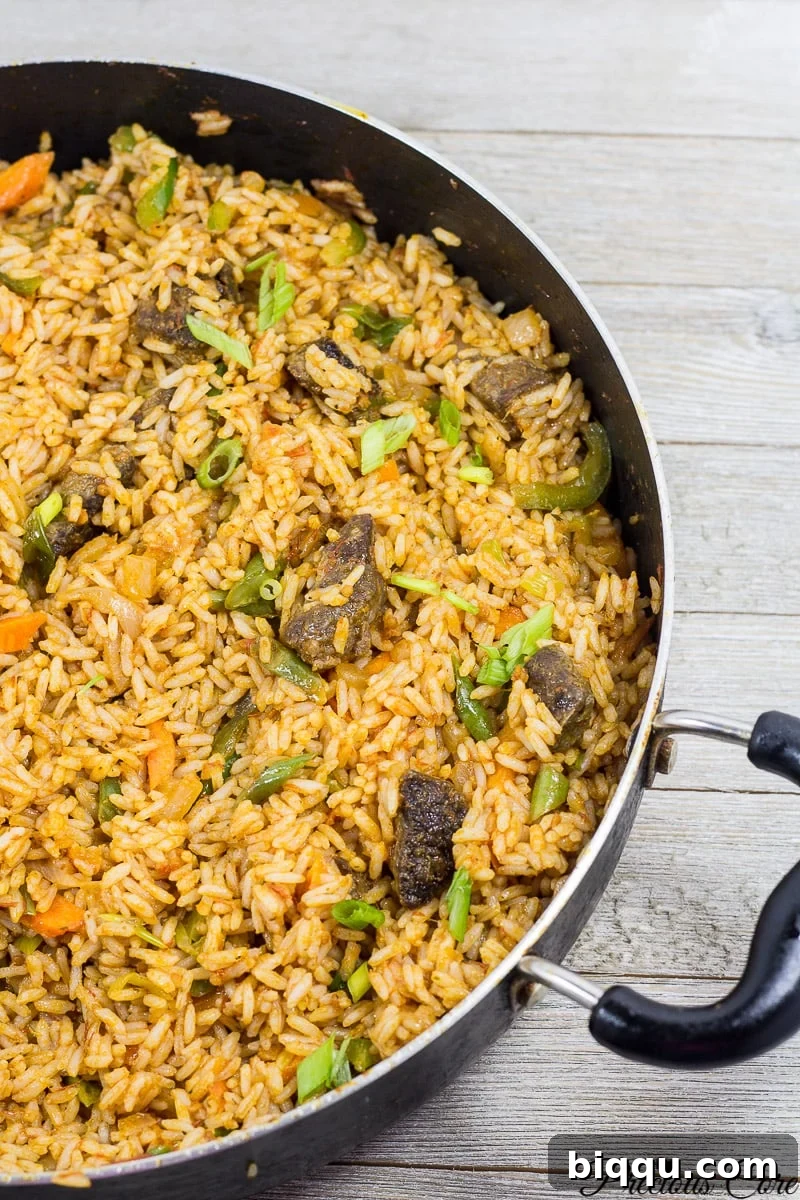
Just as diverse as the countries that cherish Jollof Rice are their unique preparation methods. This diversity often leads to passionate debates and playful rivalries, famously dubbed the “Jollof Wars,” where loyal fans fiercely defend their nation’s version as the best. For instance, Nigerian Jollof Rice offers a distinct experience compared to Cameroonian Jollof Rice, and Ghanaian Jollof Rice brings its own unique characteristics to the table. Each variation boasts a signature flavor profile and texture, making the Jollof experience endlessly fascinating.
Beyond national borders, even within my home country of Cameroon, there exist various approaches to making Jollof Rice. The most common method involves cooking raw rice directly in the tomato sauce and stock until everything is harmoniously combined. However, my mother imparted a truly exceptional Jollof Rice recipe to me, one that deviates from the norm and yields consistently outstanding results.
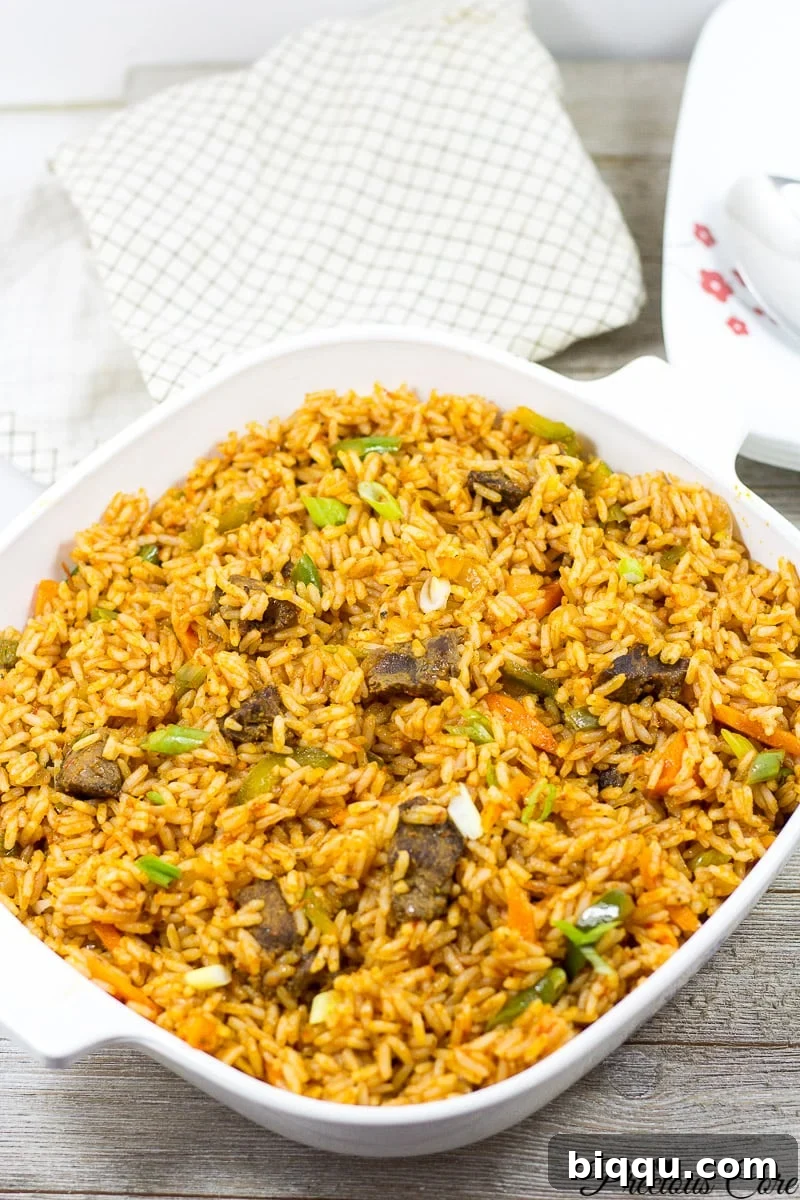
Her secret? She prepares the rice and the rich tomato sauce separately, only mixing them together at the final stage. While this might sound unconventional, trust me, it’s a brilliant technique that works wonders. This method simplifies the cooking process immensely, eliminating common Jollof pitfalls such as rice sticking to the bottom of the pot or burning. The result is consistently fluffy, perfectly cooked rice, each grain infused with flavor without being overcooked or mushy.
The first time I tasted Jollof Rice prepared this way was during my high school years, on the day of my Confirmation in the Presbyterian church. My mama arrived with a massive cooler of this amazing dish, a cherished memory that brings a smile to my face. Confirmation is a significant occasion where one affirms their faith before the congregation and family, followed by a joyful celebration—often involving “item 11,” our local term for eating and drinking, which, as we all know, makes every celebration better!
Amidst the festive atmosphere of “item 11,” her perfect Jollof rice was undeniably the star. It was incredibly delicious! Upon returning home from boarding school, I eagerly asked Mama to teach me her unique method. Since then, I’ve never prepared Jollof Rice any other way. This recipe isn’t just a dish; it’s a cherished family tradition and a testament to the wisdom passed down through generations.
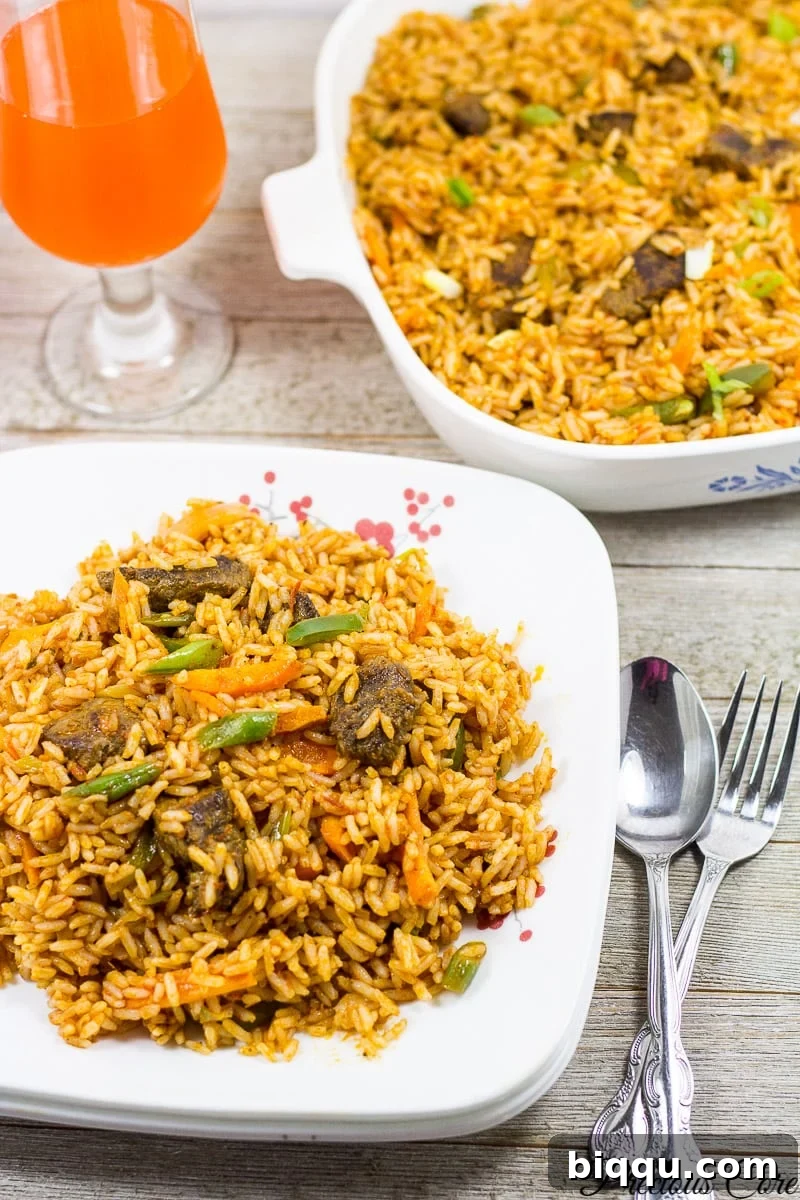
The brilliance of this separate cooking method lies in how it preserves the integrity of each component. The herbs and spices in the sauce are never overcooked, allowing their full aroma and flavor to shine through. The added vegetables retain their vibrant color and satisfying crispness, providing a delightful textural contrast. This Jollof Rice is a symphony of flavors: savory, garlicky, subtly meaty, and deeply warming—truly satisfying to the last bite.
Just a few months ago, I brought a batch of this “nice rice” to my nephew-in-law’s birthday party. A Caucasian lady who tasted it literally shrieked with joy, exclaiming, “This is the best rice I’ve ever had!” She couldn’t have been more accurate; it truly is an exceptional Jollof Rice recipe. My Ugandan friend’s children are equally enamored, affectionately nicknaming it “the nice rice.” When they visit, their first question is always, “Can you make the nice rice???” And when I do, they devour it as if there’s no tomorrow, proving its irresistible appeal.
So, I wholeheartedly encourage you to try making “the nice rice” for yourself. I guarantee you’ll be incredibly pleased with the results, and it might just become your new go-to Jollof recipe!
Choosing the Right Rice
The foundation of any great Jollof Rice begins with the right grain. For this recipe, parboiled rice (often referred to as “Uncle Ben’s” in Cameroonian markets due to the brand’s early popularity) is absolutely ideal. Unlike other types of rice, parboiled rice is robust and less prone to crumbling or turning into “potopoto” (a mushy consistency). It maintains its individual grain structure beautifully, ensuring your Jollof is fluffy and never sticky. Avoid using sticky rice varieties, as they will compromise the desired texture of your Jollof.
Master Your Spices for Maximum Flavor
One of the most crucial elements in this Cameroonian Jollof Rice recipe is the strategic incorporation of spices. Do not cook all your spices with the rice from the very beginning. When spices are subjected to prolonged cooking, their delicate aromas and essential nutrients can dissipate. By adding them at specific stages, as outlined in this recipe, you ensure that their vibrant flavors and fragrant essences are preserved, resulting in a more aromatic and deeply flavorful dish.
Vibrant Vegetables for Color and Nutrition
To maintain their nutritional value, fresh taste, and visually appealing, vibrant colors, vegetables should be added towards the end of the cooking process. Overcooking vegetables can strip them of their essential nutrients and turn them dull. By incorporating them later, they retain their crisp texture and bright hues, adding both aesthetic appeal and a refreshing bite to your Jollof Rice.
The Meat Factor: Unbeatable Flavor
For an exceptionally rich and exotic beef flavor, always fry your meat after boiling it. Alternatively, if you’re prioritizing a healthier option, grilling the meat can achieve a similar depth of flavor without excess oil. The browning of the meat adds a layer of savory complexity that elevates the entire dish, ensuring every bite is packed with deliciousness.
A Legacy of Flavor: Continuous Improvement
This beloved recipe has evolved over time. I initially shared this post with step-by-step photos, back when my food photography skills were still developing. Today, I’ve lovingly updated it with enhanced images and a more comprehensive recipe guide. To provide an even clearer cooking experience, I’ve replaced the static step-by-step photos with a detailed video demonstration, allowing you to visually follow along and see exactly how every component comes together for the perfect Cameroonian Jollof Rice.
Watch How to Make Authentic Cameroonian Jollof Rice:
Subscribe to my channel for more delicious recipes!
Subscribe
Serving Suggestions for Your Jollof Feast
Cameroonian Jollof Rice is a magnificent meal on its own, satisfying and flavorful. However, to complete your culinary experience, consider pairing it with these delightful accompaniments:
Lettuce Salad
Sweet Fried Plantains
Mango Avocado Salsa
Crispy Baked Chicken Drumsticks
Baked Dry Rub Chicken Wings
Baked Dry Rub Ribs
Explore More Delicious Rice Recipes:
- Hearty Rice and Beans
- Fragrant Coconut Fried Rice
- Savory Steak Fried Rice
- Delicious Beef Fried Rice
Discover Other Jollof Rice Variations
NIGERIAN JOLLOF RICE
Jollof Rice With Chicken
JOLLOF RICE WITH SHRIMP
Authentic Cameroonian Dishes to Try Next
Cameroonian Snails Recipe
Folere Drink (Cameroonian Hibiscus Drink)
Cameroonian Spaghetti Omelette Sandwich
Fried Pork And Plantains
If you make this incredible Cameroonian Jollof Rice recipe, please take a moment to leave a star rating below. Your feedback helps others discover and enjoy this fantastic dish, and I always love hearing from you! Thank you!

Cameroon Jollof Rice Recipe: Easy Method
Rate
Print Recipe
Ingredients
- 3 cups parboiled rice also known as “Uncle Ben’s”
- 5 large tomatoes – blended into a puree
- 1 cup tomato sauce (8 oz or 227 g) I used a can this size
- 1 medium sized onion – chopped
- 6 large cloves garlic
- 1 inch ginger root – peeled and chopped
- ½ stalk celery – chopped
- 1 sprig parsley or cilantro – chopped
- 1 green onions – chopped
- 1 sprig basil – chopped
- ½ teaspoon white pepper (optional)
- 1 cup cooking oil I used corn oil
- 3 seasoning cubes-Maggi/Knorr (about 4g each) or three teaspoons chicken bouillon
- ½ pound beef cut into 1 inch slices
- Salt
- 1 habanero pepper optional
- 2 medium carrots – chopped about 1 cup
- 1 handful green beans – chopped about 1 cup
- ½ large green pepper – chopped about 1/2 cup
- 1 teaspoon curry powder (optional)
Instructions
-
To begin crafting the aromatic base, combine the fresh garlic cloves, vibrant ginger root, fragrant basil leaves, crisp celery, fresh parsley, and the optional habanero pepper (if you desire a spicy kick) into a blender. Add about half a cup of water to facilitate blending and process until you achieve a smooth, well-combined puree.
-
Place your beef slices into a small pot. Pour in 1-2 cups of water, then season with a quarter teaspoon of salt, one tablespoon of chopped onions, and one tablespoon of the aromatic blended spices you just prepared. Allow the beef to cook gently for approximately 10 minutes, ensuring it tenderizes slightly. After cooking, carefully strain the meat from the stock, reserving the flavorful stock for later use. Cut the beef into small, manageable pieces, roughly a quarter-inch thick each. Lightly sprinkle a pinch of salt over the chopped beef, then add half a teaspoon of the blended spice puree. Mix thoroughly to coat the meat evenly and set it aside to marinate slightly.
-
In a separate pot, measure three cups of water and bring it to a rolling boil. Add 1 teaspoon of salt (and curry powder if you’re using it, for a subtle yellow hue and added flavor) to the boiling water. Wash your parboiled rice thoroughly under cold running water until the water runs clear, then add it to the boiling water. Let the rice cook on medium heat, stirring occasionally, until all the water has been absorbed and the grains are tender. Once cooked, remove from heat, allow the rice to rest for about 5 minutes with the lid on, and then gently fluff it with a fork.
-
Take a large, sturdy pot and pour in a quarter of your cooking oil. Heat the oil over high heat for approximately 3 minutes until it shimmers. Carefully add the seasoned beef from step 2 into the hot oil. Allow the meat to brown beautifully for about 2 minutes on each side, developing a rich, caramelized crust. Once browned, remove the meat from the oil and set it aside on a plate; this will be incorporated later.
-
Add the remaining cooking oil to the same large pot and let it heat up again for another 3 minutes. Introduce the chopped onions to the hot oil and sauté them for about 2 minutes, stirring frequently, until they become soft and translucent. This step builds a fragrant foundation for your tomato sauce.
-
Next, add the pureed tomatoes to the pot with the sautéed onions. Allow this mixture to cook down, stirring from time to time to prevent sticking, until it thickens and begins to cling slightly to the bottom of the pot—this usually takes around 10 minutes. This process deepens the tomato flavor and removes excess water.
-
Stir in the tomato sauce and mix it thoroughly with the tomato puree. Continue cooking this vibrant sauce, stirring intermittently for about 10 minutes. You’ll know the sauce is ready when the oil begins to separate from the tomato mixture, rising to the surface, and the sauce no longer has a raw or sour taste, indicating it has cooked sufficiently.
-
Now, incorporate your remaining blended spice mix and the white pepper (if you’re using it) into the rich tomato sauce. Stir well to distribute the spices evenly and let it cook for approximately 3 minutes, allowing the flavors to meld beautifully.
-
Pour in the reserved beef stock and crumble in the seasoning cubes (Maggi or chicken bouillon). Bring the mixture to a gentle simmer and let it cook for about 5 minutes, allowing the stock to infuse the sauce with its savory depth.
-
Add the chopped green onions to the simmering sauce and give it a good stir. Let it cook for just one minute, allowing the green onions to slightly soften while retaining their fresh flavor.
-
Finally, add the chopped vegetables – carrots, green beans, and green pepper – into the sauce. Mix everything thoroughly, ensuring the vegetables are well coated with the flavorful sauce.
-
Gently add the boiled rice and the browned beef into the pot with the sauce and vegetables. Working carefully, mix all the ingredients on low heat until everything is fully incorporated and the rice is evenly coated with the vibrant sauce. Take care not to break or mash the rice grains. Once combined, turn off the heat. Your incredibly delicious and perfectly cooked Jollof Rice is now ready to be served and enjoyed!
Notes for Your Cameroonian Jollof Rice
2. If you enjoy the warm, earthy notes of curry powder and prefer your Jollof to have a slightly yellowish tint, consider adding a teaspoon of curry powder while boiling the rice.
3. To reheat any delicious leftover Jollof rice, you have a couple of options: you can either gently warm it in a pot over medium heat on the stovetop, or for a superior result, place it in an oven-safe bowl and heat it in the oven. I personally find the oven method yields a better texture for reheated Jollof.
4. For those following a vegan diet, this recipe can be easily adapted. Simply substitute the beef with your favorite mushrooms or other plant-based protein options.
Nutrition Information
Additional Information
*This recipe has been thoughtfully updated for enhanced clarity and deliciousness.