
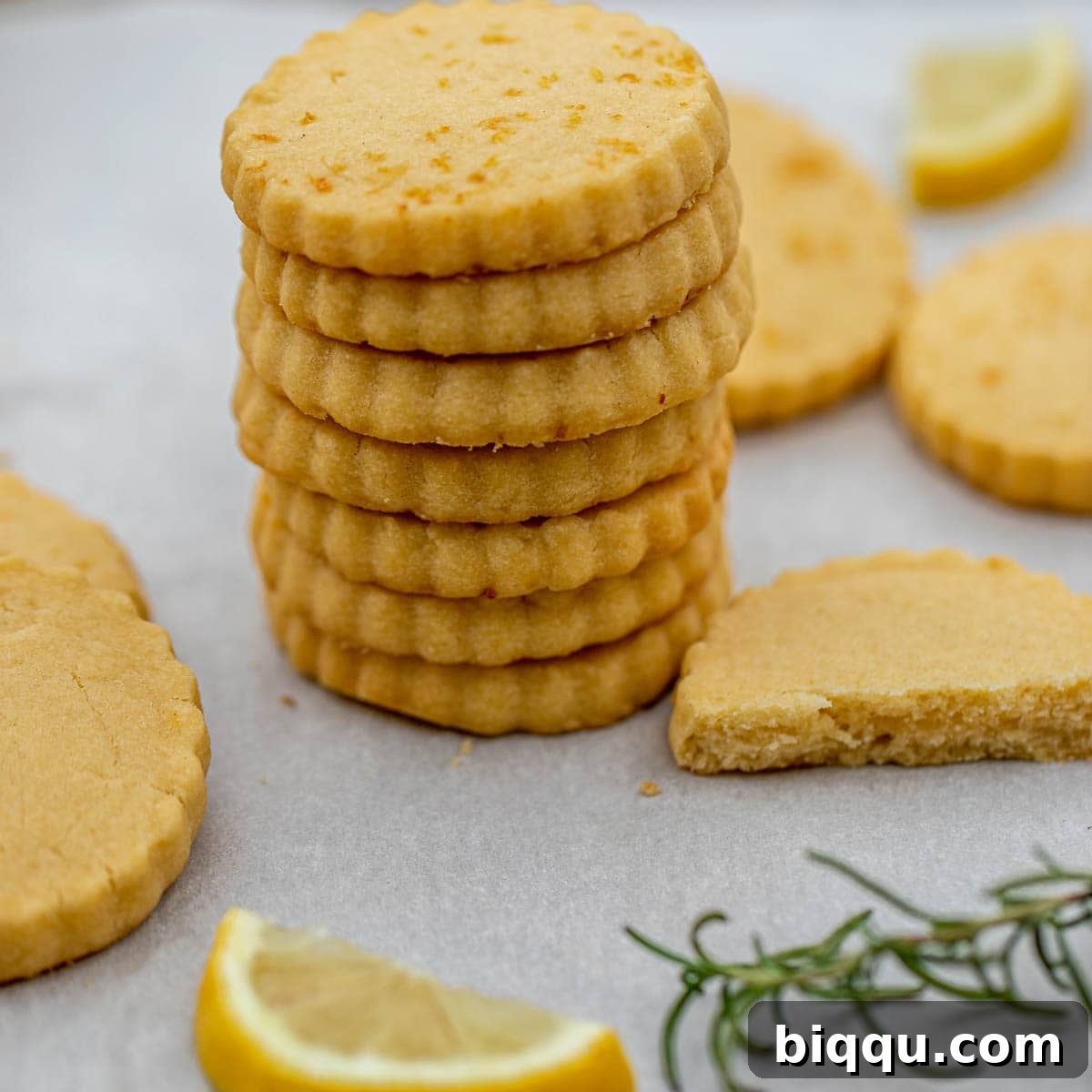
Indulge in the sublime simplicity of **Lemon Shortbread Cookies** – a delightful treat that perfectly balances rich, buttery goodness with a bright, zesty lemon tang. These melt-in-your-mouth shortbread cookies are incredibly easy to make, requiring just a handful of staple ingredients, yet they deliver an extraordinary burst of fresh lemon flavor that will captivate your taste buds. Whether you’re looking for the perfect addition to your holiday dessert spread, a charming tea-time companion, or simply a comforting homemade cookie, this recipe promises irresistible results every single time.
There’s something truly magical about the combination of sweet and tart, and fresh lemon brings an unparalleled vibrancy to classic shortbread. Forget artificial flavors; our recipe emphasizes real lemons to ensure that authentic, sun-kissed taste shines through. You’ll be amazed at how effortlessly these elegant cookies come together, offering a rewarding baking experience even for novice bakers. Prepare to fall in love with their delicate texture and refreshing flavor profile!
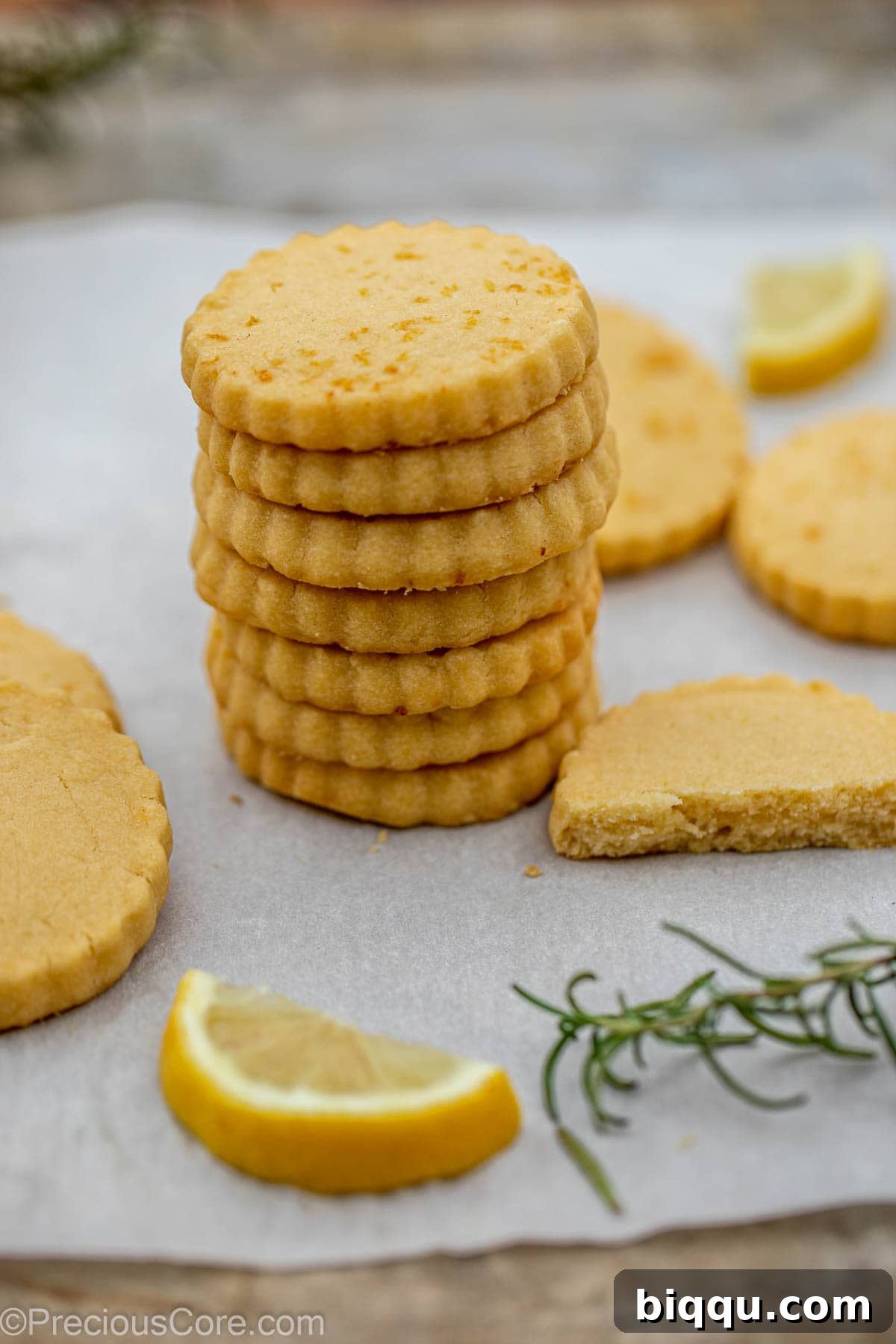
These lemon shortbread cookies are more than just a sweet treat; they’re a celebration of flavor and texture. Each bite offers a delicate crumb that truly melts in your mouth, a hallmark of perfectly made shortbread. The vibrant lemon zest and juice infuse every cookie with a natural, refreshing flavor that’s both invigorating and comforting. Unlike many complicated cookie recipes, this one is remarkably straightforward, making it an ideal choice for busy bakers or anyone seeking a delicious reward with minimal effort. Their elegant simplicity also makes them versatile enough for any occasion, from casual family gatherings to sophisticated holiday parties.
If you’re a devoted lemon lover, you’ll definitely want to explore my Lemon Pound Cake recipe for another delightful citrus creation. For those who can’t get enough of homemade cookies, be sure to check out my classic Homemade Shortbread Cookies, the incredibly easy Easiest Chocolate Chip Cookies, and the beloved Danish Butter Cookies.
Table of Contents
- Essential Ingredients for Lemon Shortbread
- Step-by-Step Guide to Lemon Shortbread Cookies
- 1. Creaming Butter and Sugar
- 2. Adding Lemon and Dry Ingredients
- 3. Rolling Out the Cookie Dough
- 4. Cutting the Cookies
- 5. Arranging on Baking Sheets
- 6. Baking Until Lightly Golden
- 7. Cooling the Baked Cookies
- Creative Substitutions
- Delicious Variations to Try
- Pro Tips for Perfect Lemon Shortbread
- Storage and Serving Suggestions
- Troubleshooting Common Shortbread Issues
- Lemon Shortbread FAQs
- More Irresistible Cookie Recipes You’ll Love
- Lemon Shortbread Cookies Recipe Card
Essential Ingredients for Lemon Shortbread
One of the many charms of a classic shortbread cookie recipe is its beautiful simplicity. You’ll likely find most of the required items already stocked in your pantry, saving you a trip to the grocery store! To achieve the perfect balance of buttery richness and bright lemon flavor in these Lemon Shortbread Cookies, gather these key ingredients:
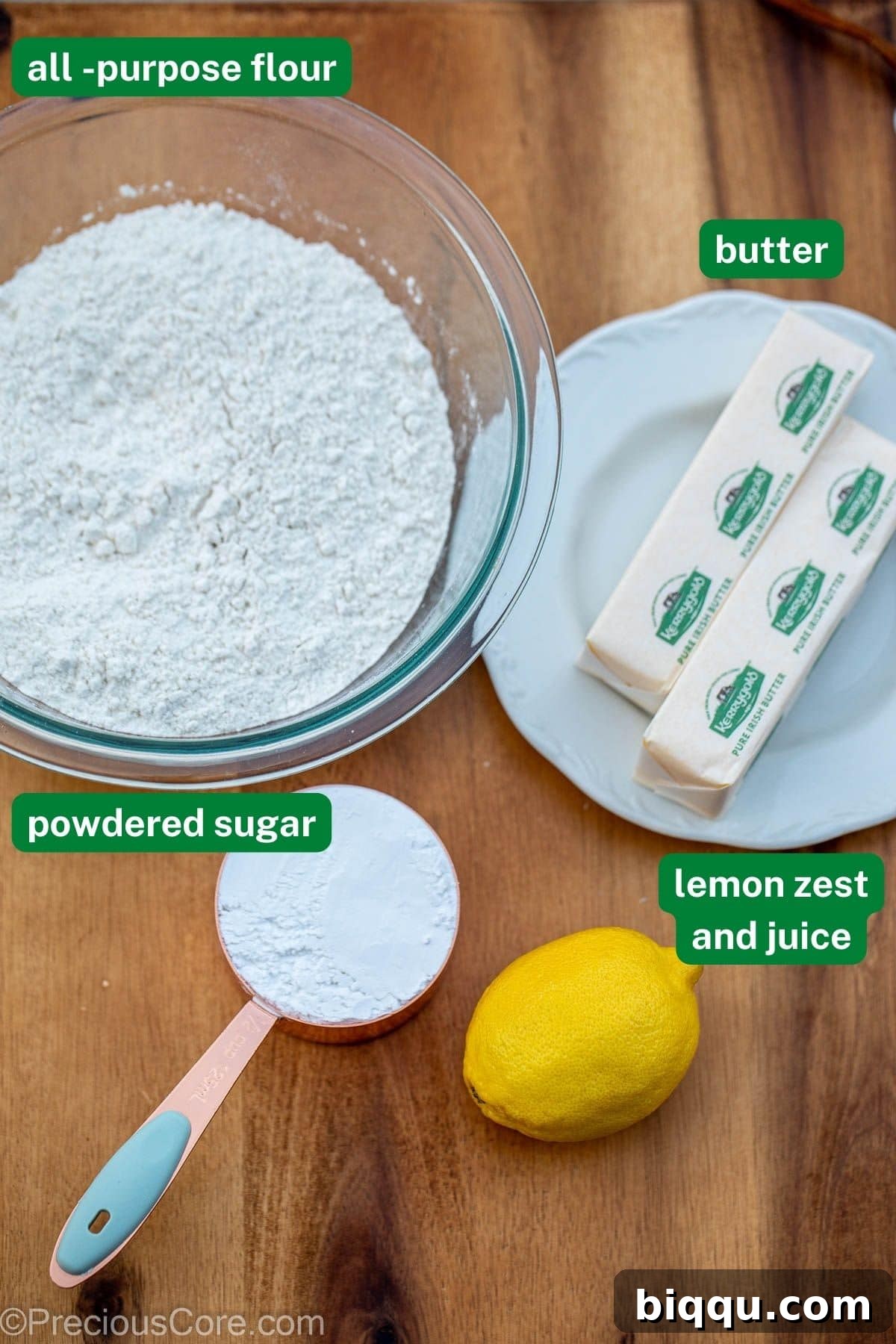
- Unsalted Butter: The foundation of any great shortbread is high-quality butter. Using unsalted butter allows you to control the exact salt content in your cookies. I highly recommend a premium brand like Kerrygold for its rich flavor and creamy texture. Crucially, the butter needs to be softened to room temperature, not melted. This ensures it creams properly with the sugar, creating a light and airy dough.
- Powdered Sugar (Confectioners’ Sugar): This is the secret to shortbread cookies that literally melt in your mouth. Unlike granulated sugar, powdered sugar dissolves more completely into the butter, resulting in a finer, more tender crumb. It also helps prevent the cookies from spreading too much during baking, maintaining their shape.
- Fresh Lemons: For an unparalleled burst of natural lemon flavor, fresh lemons are non-negotiable. You’ll need both the zest and the juice. Always zest the lemon first before cutting and squeezing out the juice – it’s much easier! The zest contains fragrant oils that provide an intense lemon aroma, while the juice adds a delightful tang. Depending on their size, you might need one large lemon or a couple of smaller ones to get the required amount.
- All-Purpose Flour (Plain Flour): This recipe is specifically designed for all-purpose flour. It provides the necessary structure without making the cookies tough. Avoid using self-rising flour or cake flour, as their different protein content and leavening agents will alter the texture and may lead to undesirable results.
- Salt: A pinch of salt is crucial for balancing the sweetness and enhancing all the other flavors in the cookies. If you opt for salted butter, you can omit the added salt from the recipe. If using unsalted butter, don’t skip this ingredient – it makes a noticeable difference.
For the precise measurements of each ingredient, please refer to the detailed recipe card at the end of this article.
Step-by-Step Guide to Lemon Shortbread Cookies
This lemon shortbread recipe is incredibly straightforward, making it perfect for bakers of all skill levels. You won’t need any fancy equipment; a simple bowl and a sturdy spoon will do the trick, or a stand mixer for even less effort. Follow these 7 easy steps to create your own batch of irresistible Lemon Shortbread Cookies:
1. Creaming Butter and Sugar
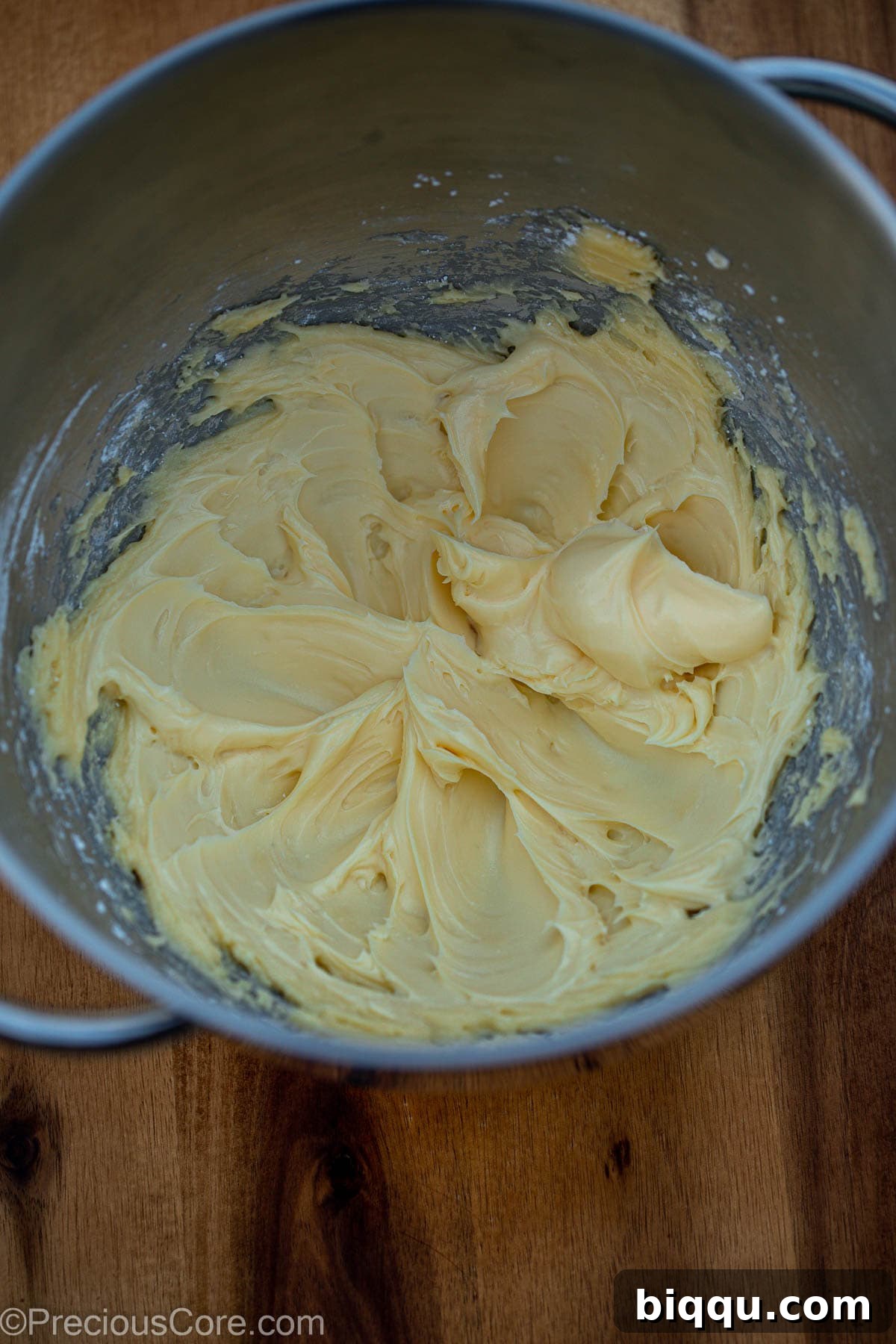
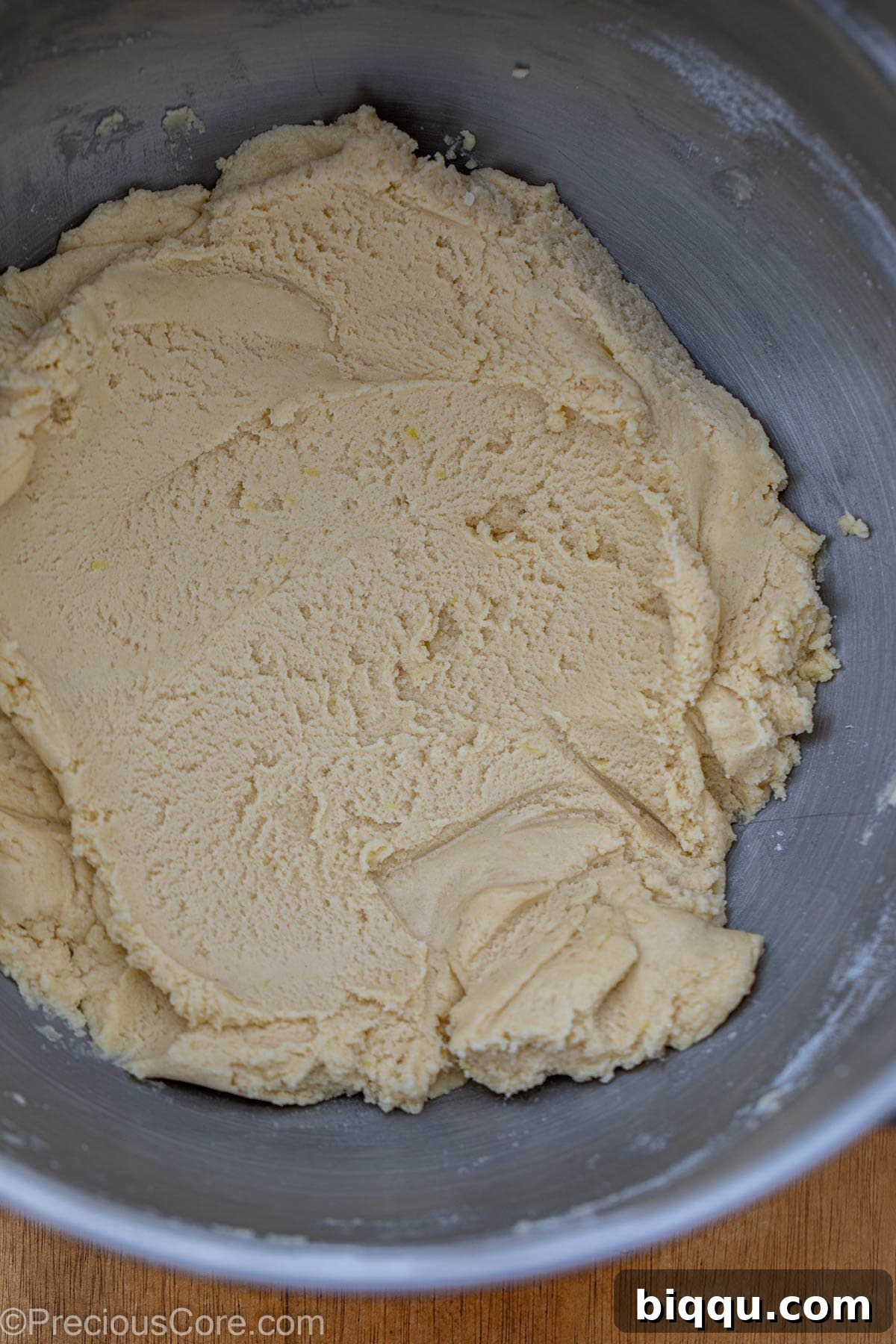
In a large mixing bowl, combine your softened unsalted butter and powdered sugar. Beat them together until the mixture is light, fluffy, and well-combined. If you’re using a stand mixer, attach the paddle attachment and beat on medium speed for 2-3 minutes. For hand mixing, use a sturdy wooden spoon or rubber spatula and cream vigorously until smooth and airy. Proper creaming is key to achieving that signature melt-in-your-mouth texture.
2. Adding Lemon and Dry Ingredients
Next, add the fresh lemon zest and lemon juice to the creamed butter and sugar mixture. Mix until just incorporated. The mixture might look slightly curdled at this point, but don’t worry, it will come together. Then, gradually add the all-purpose flour and salt (if using). Mix on low speed if using an electric mixer, or gently fold by hand, until the dry ingredients are just combined and no streaks of flour remain. Be careful not to overmix the dough, as this can develop the gluten in the flour and result in tough cookies. Continue mixing until the crumbly texture transforms into a cohesive, soft dough. Once it forms a ball or comes together easily when pressed, stop mixing.
3. Rolling Out the Cookie Dough
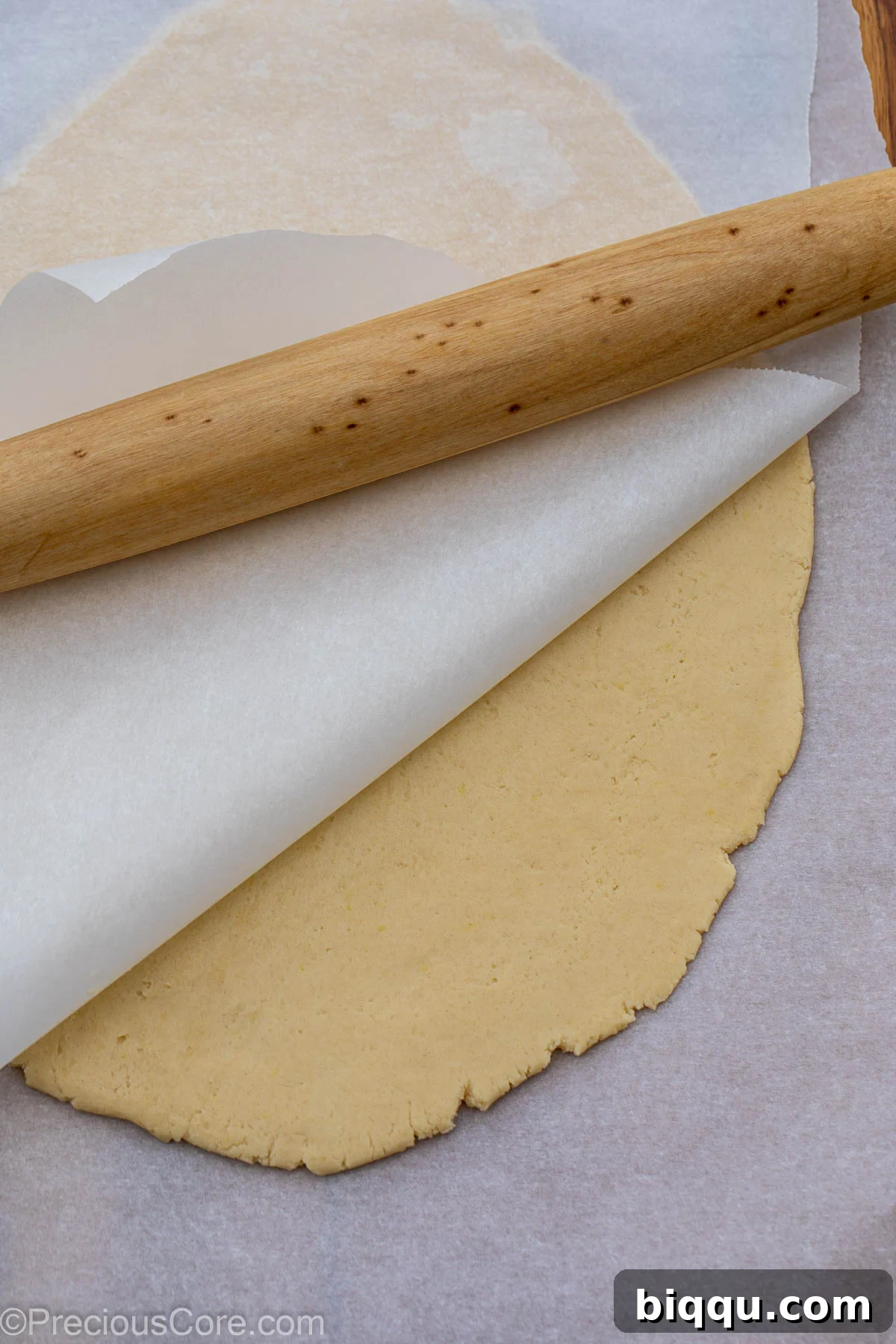
Transfer the soft dough onto a piece of parchment paper. Place another piece of parchment paper on top and, using a rolling pin, roll the dough out to an even quarter-inch thickness. This method is incredibly useful as it prevents the buttery dough from sticking to your rolling surface and makes cleanup a breeze. Alternatively, you can roll it out on a lightly floured surface, but the parchment paper technique minimizes added flour, which can dry out your cookies. Once rolled, place the parchment-covered dough onto a baking sheet and chill it in the refrigerator for at least one hour. Chilling is a critical step that solidifies the butter, preventing the cookies from spreading excessively and ensuring they hold their shape beautifully during baking.
4. Cutting the Cookies
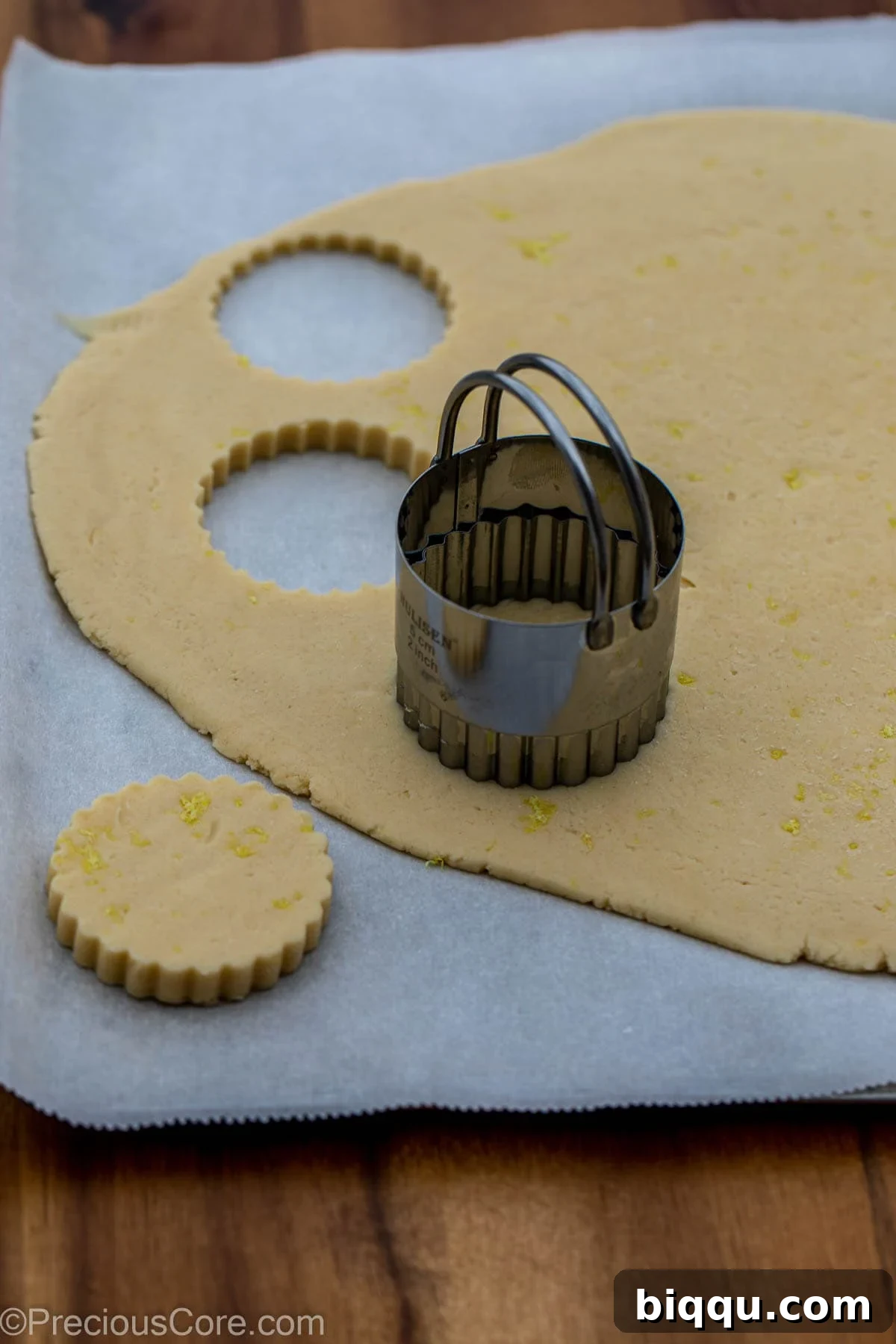
Once the dough is thoroughly chilled and firm, remove the top layer of parchment paper. Using your favorite cookie cutters, cut out your desired shapes. I typically use 2-inch circular cutters, which I find perfect for these shortbreads. You can find excellent sets on Amazon or at most kitchen supply stores. If you don’t have a specific cookie cutter, you can shape the dough into a log before chilling and then slice it into rounds. Carefully gather any dough scraps, gently re-roll them between parchment paper, and chill again before cutting out more cookies. This ensures all your cookies have a consistent texture.
5. Arranging on Baking Sheets
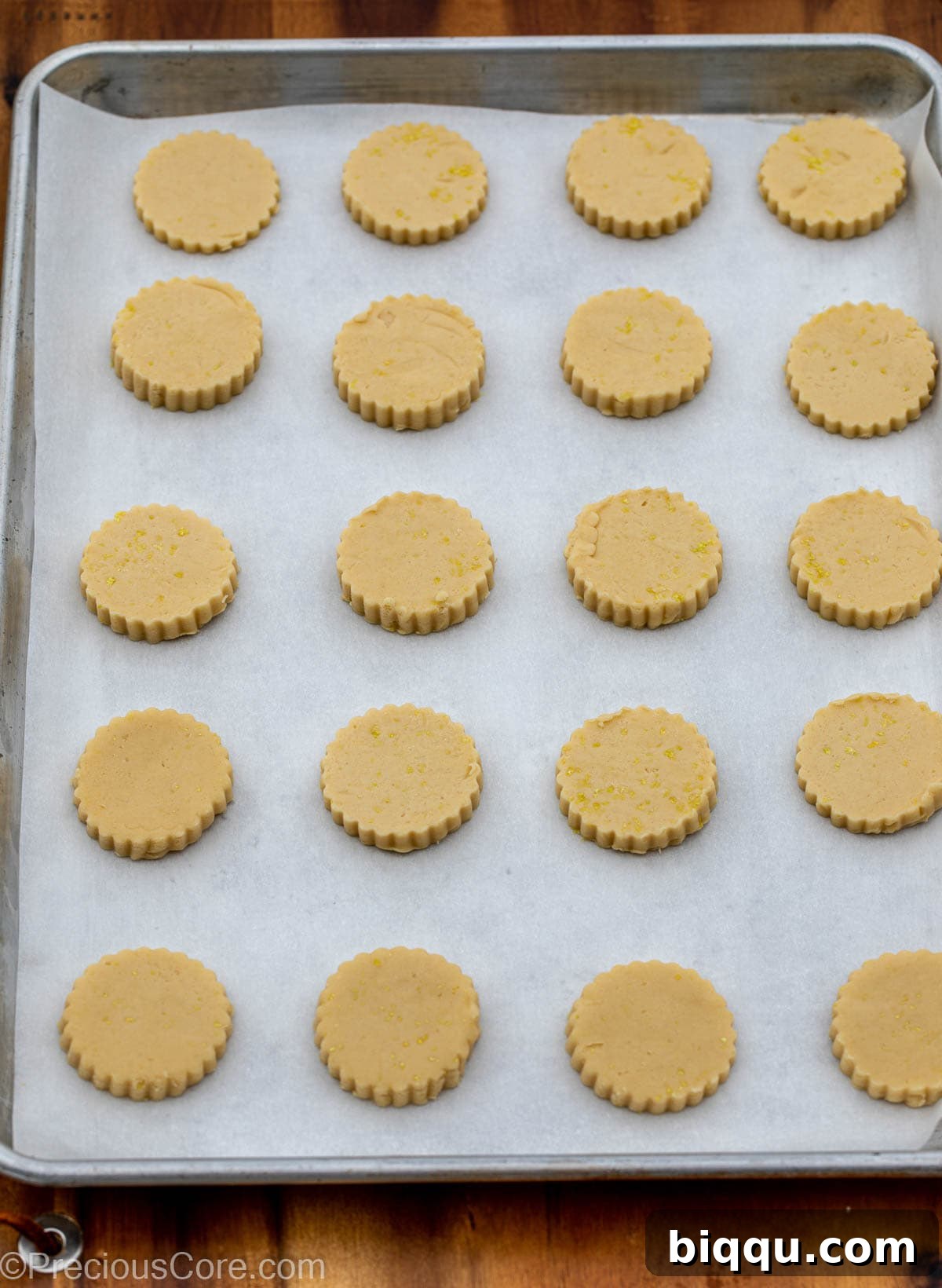
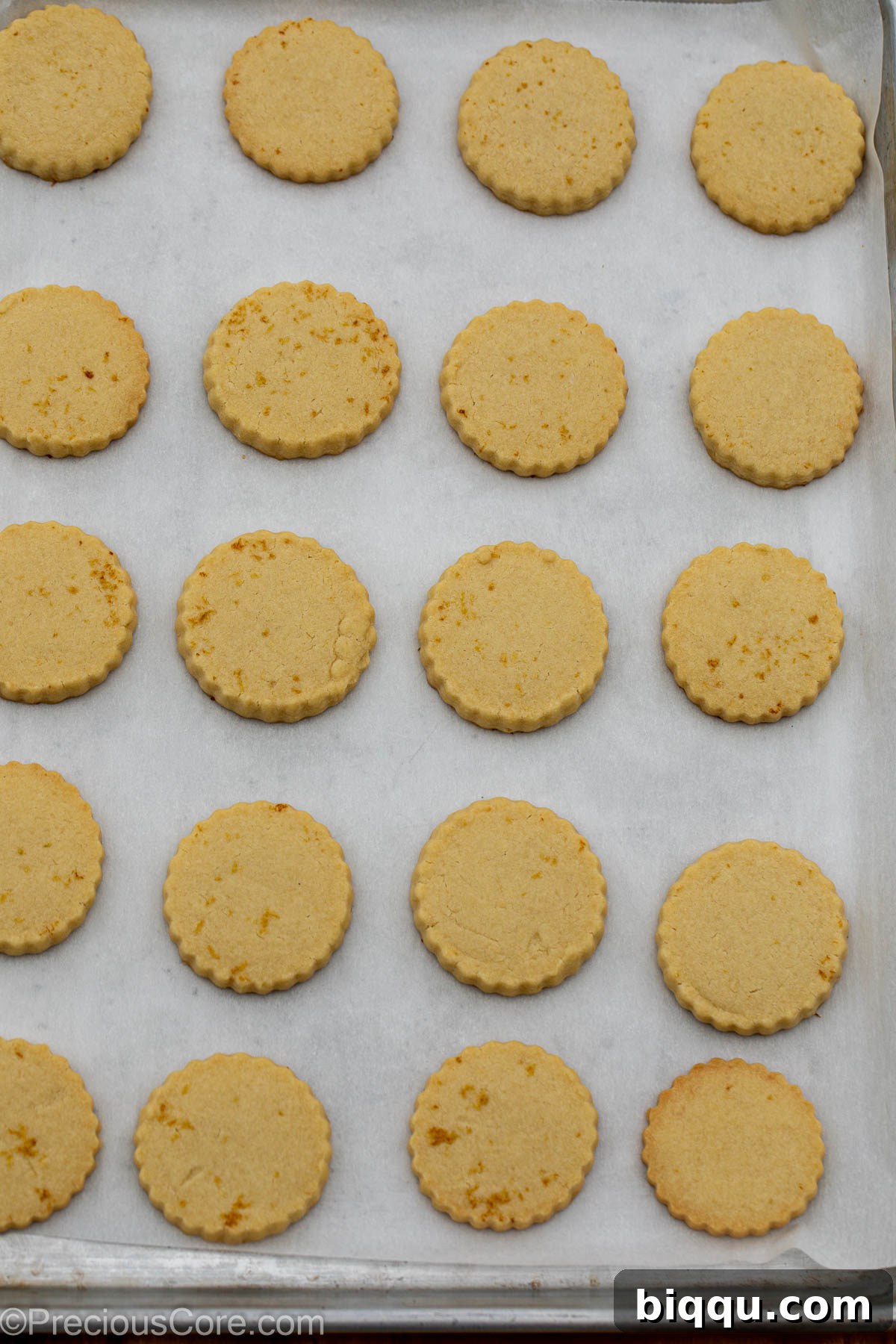
Carefully transfer the cut-out cookies onto a baking sheet lined with parchment paper. Leave about an inch of space between each cookie to allow for slight spreading. It’s important to use a perfectly flat baking pan; a warped pan can cause your cookies to bake unevenly or lose their perfect shape. If you’re using a smaller or square pan, you may need to bake the cookies in multiple batches. Keeping the dough cold until it hits the oven is crucial for maintaining the cookies’ shape and preventing them from becoming greasy.
6. Baking Until Lightly Golden
Preheat your oven to 350°F (180°C). Bake the cookies for approximately 13 to 15 minutes. Shortbread cookies are typically pale, so you’re looking for just a slight browning around the edges, not a deep golden color. The center of the cookies should appear set and firm to the touch. Over-baking can lead to dry, tough cookies, so keep a close eye on them, especially during the last few minutes.
7. Cooling the Baked Cookies
Once baked, remove the cookies from the oven and let them cool on the baking sheets for about 5 minutes. This brief cooling period on the hot sheet allows them to firm up slightly, making them easier to handle. After 5 minutes, carefully transfer the cookies to a wire rack to cool completely. Cooling on a rack ensures air circulation all around the cookies, preventing sogginess and promoting an even, crisp texture.
Hint: For those who prefer a crisper shortbread, increase the baking time by an additional 2 minutes. My children absolutely adore them extra crispy!
Tip: For an extra layer of lemon flavor and visual appeal, finely grate some additional lemon zest over the rolled-out cookie dough *before* cutting. Cover it with parchment paper and gently press with the rolling pin to ensure the zest adheres to the dough. This simple step adds a wonderful aromatic boost that elevates the entire cookie.
Creative Substitutions
The beauty of this easy lemon shortbread cookie recipe lies in its remarkable versatility. The basic shortbread dough is a fantastic canvas for countless flavor combinations. Don’t hesitate to experiment with these simple substitutions to tailor the cookies to your liking or to utilize what you have on hand:
- Mixed Citrus Shortbread: Elevate the citrus profile by using a combination of lemon and lime zest and juice. This adds a more complex, layered brightness to your shortbread, creating truly unique citrus shortbread cookies. You could even add a hint of orange zest for a “triple citrus” delight!
- Orange Cranberry Shortbread: For a festive twist, swap out the lemon zest and juice for orange zest and juice. Then, fold in finely chopped dried cranberries into the dough. The sweet-tart cranberries pair wonderfully with the warm orange flavor, making these perfect for autumn and winter holidays.
- Pure Lime Shortbread: If you’re a fan of lime’s distinct tartness, replace all the lemon zest and juice with lime zest and juice to create refreshing lime shortbread cookies. They offer a unique tang that’s incredibly appealing.
- Baking Extracts: While fresh juice and zest are highly recommended for the best, most natural flavor, you can use lemon extract if fresh lemons are unavailable. Start with a small amount (e.g., ½ teaspoon) and adjust to taste, as extracts can be quite potent. This substitution also opens the door to other exciting flavor possibilities, like almond, vanilla bean, or even a touch of ginger extract for a spicy kick.
As you can see, this classic shortbread cookie dough is incredibly adaptable – a true kitchen essential to have in your repertoire. Once you bake your first batch, you’ll undoubtedly find yourself reaching for this recipe again and again, eager to explore new flavor dimensions!
Delicious Variations to Try
Beyond simple ingredient substitutions, you can completely transform your lemon shortbread with these fun and flavorful variations. Don’t be afraid to get creative and personalize your cookies!
- Lemon Rosemary Shortbread: For an unexpected yet sophisticated flavor, finely chop a small amount of fresh rosemary leaves and incorporate them into the dough. Rosemary and lemon are a match made in culinary heaven, but be careful not to overdo it, as rosemary can be quite potent. Start with about ½ teaspoon of chopped rosemary and adjust to your preference.
- Lemon Thyme Shortbread: Similar to rosemary, fresh thyme leaves offer an earthy, herbaceous counterpoint to the bright lemon. Add about 1 teaspoon of fresh thyme leaves to the dough for a fragrant and unique cookie that’s perfect for a gourmet touch.
- Lemon Curd Shortbread Thumbprints: For a truly decadent treat, shape the cookie dough into small, 1-tablespoon balls. Roll each ball in granulated sugar, then use your thumb to create an indent in the center of each. Fill these indents with a dollop of your favorite lemon curd before baking. The curd will set slightly in the oven, creating a delicious, gooey center.
- Lemon Glaze: Once your cookies have cooled completely, whip up a simple lemon glaze. Whisk together extra powdered sugar with a small amount of fresh lemon juice until you reach a smooth, pourable consistency. Drizzle this tangy glaze over the shortbread for added sweetness, moisture, and an extra boost of lemon flavor. You can also add a tiny bit of lemon zest to the glaze for visual appeal.
If you enjoy exploring unique cookie flavors, you might also love my Cinnamon Chocolate Chip Cookies recipe!

Pro Tips for Perfect Lemon Shortbread
Achieving bakery-quality shortbread at home is entirely possible with a few insider tricks. Here are some expert tips to ensure your Lemon Shortbread Cookies turn out perfectly buttery, tender, and full of flavor every time:
- Room Temperature Butter is Non-Negotiable: This is perhaps the most crucial tip for shortbread. Softened butter creams beautifully with sugar, incorporating air for a light texture. If it’s too cold, it won’t cream properly; if it’s melted, it will result in greasy, dense cookies. Plan ahead and leave your butter out on the counter for 1-2 hours before baking.
- Quick-Softening Butter Trick: Forgot to take your butter out? No problem! Fill a medium saucepan halfway with water and bring it to a simmer over medium heat. Place a medium mixing bowl on top (ensuring it doesn’t touch the water). Cut your cold butter into smaller pieces and place them in the bowl. Turn off the heat and let the butter sit for 5-10 minutes, or until perfectly softened. Do not melt it!
- Parchment Paper for Easy Rolling: The best method for rolling out shortbread dough is between two sheets of parchment paper. This rich, buttery dough can be sticky, and parchment prevents it from adhering to your work surface and rolling pin, making for a mess-free process and easy cleanup. It also helps achieve a consistent thickness.
- Always Chill the Dough: Chilling shortbread dough before baking is vital. This step solidifies the butter, which prevents the cookies from spreading too much in the oven (the dreaded “greasy puddle” effect) and helps them maintain their crisp, delicate texture. A minimum of one hour in the fridge is recommended.
- Re-chill Scraps: When you cut out your first batch of cookies, gather the dough scraps, gently re-roll them between parchment, and return them to the refrigerator to chill again. This keeps the butter cold and prevents the re-rolled dough from becoming warm and sticky, which can lead to greasy, less tender cookies.
- Speedy Chilling Method: If you’re pressed for time, you can place the rolled-out, parchment-covered cookie dough on a baking sheet and transfer it to the freezer for about 10-15 minutes to quickly firm up. Be careful not to leave it in for too long, as it can freeze solid and affect the final texture of the baked cookies.
- Add More Sweetness/Texture: For an extra touch of sweetness and a delightful crunch, sprinkle granulated sugar or lemon sugar (granulated sugar mixed with fine lemon zest) over the top of the cookies just before baking. This creates a beautiful sparkling finish and a pleasant texture contrast.
- Double the Recipe: If you’re baking for a crowd, a party, or simply want to stock up on these delicious buttery cookies, this recipe doubles beautifully without any adjustments needed.
Storage and Serving Suggestions
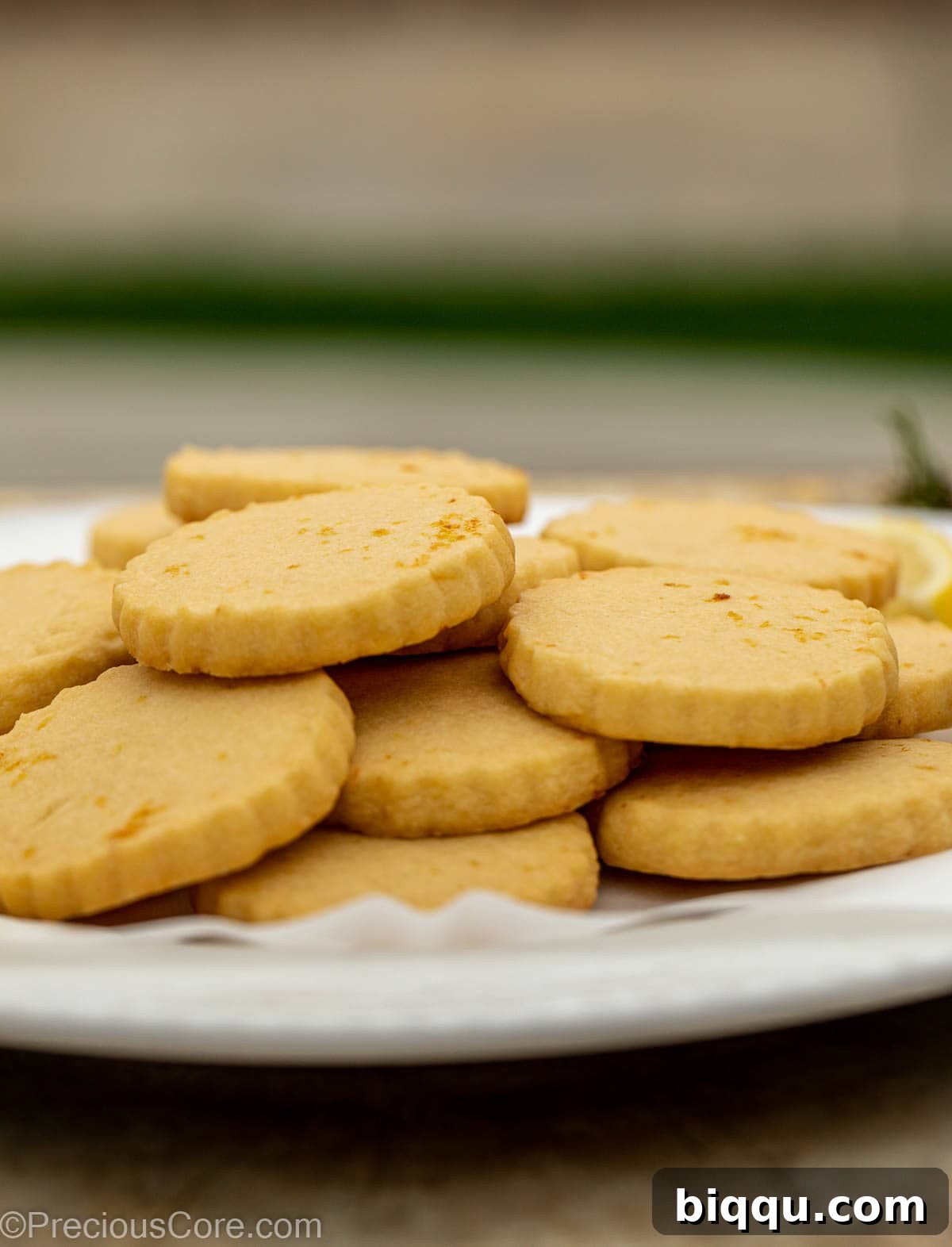
Once your delectable lemon shortbread cookies have completely cooled, transfer them to an airtight container or a freezer-safe bag. Stored at room temperature, they will remain fresh and wonderfully crisp for up to one week, making them an excellent make-ahead treat for any occasion. For longer storage, you can freeze the baked cookies for up to 2-3 months. Thaw them at room temperature before serving.
These versatile cookies are perfect for pairing with a warm cup of coffee or a comforting mug of tea. Their bright lemon flavor also makes them an ideal complement to other sweet treats. Consider serving them on platters alongside rich brown sugar muffins, tangy lemon bars, or a variety of other homemade desserts at your next party, bake sale, or family gathering. They also make a thoughtful and much-appreciated homemade gift!
Troubleshooting Common Shortbread Issues
Even with a straightforward recipe, sometimes things don’t go exactly as planned. Here are common issues you might encounter with shortbread and how to troubleshoot them:
- Cookies are Spreading Too Much: This is almost always due to the butter being too warm or the dough not being chilled enough. Ensure your butter is softened, not melted, and always chill the rolled-out dough for at least an hour (or 10-15 minutes in the freezer). Overworking the dough can also warm up the butter.
- Cookies are Greasy or Oily: Again, this points back to warm butter or insufficient chilling. If the butter melts too much during mixing or before baking, it will separate from the flour and create a greasy texture. Use room-temperature butter, chill the dough thoroughly, and work quickly.
- Cookies are Hard or Tough: Overmixing the dough is the usual culprit here. When flour is overmixed, the gluten develops too much, leading to a tough cookie. Mix only until the ingredients are just combined and no dry streaks of flour remain. Also, ensure you’re using all-purpose flour, as high-protein flours can also result in tougher cookies.
- Cookies are Crumbling Excessively: While shortbread is meant to be crumbly, if it’s falling apart too easily, it might be too dry. This could be due to too much flour (e.g., spooning flour directly from the bag instead of weighing or lightly spooning and leveling), or not enough fat. Ensure accurate measurements and use high-quality butter.
- Lack of Lemon Flavor: If your cookies don’t taste as lemony as you’d like, ensure you’re using fresh lemon zest (where most of the essential oils are concentrated) and not just juice. You can also boost the flavor with the “lemon zest sprinkle” tip before baking, or by adding a lemon glaze after baking.
Lemon Shortbread FAQs
The primary difference lies in their ingredients. Traditional shortbread cookies are typically made with only butter, sugar, and flour, and crucially, they contain no eggs. Butter cookies, while also rich in butter, often include eggs or egg yolks, which contribute to a slightly richer flavor and a crispier snap. Both are buttery and do not use chemical leavening agents like baking powder or baking soda (unlike sugar cookies).
Butter is undeniably superior for shortbread. Its rich flavor and unique fat composition are essential for achieving the signature melt-in-your-mouth texture and authentic taste. Margarine, with its different fat content and often added water, will not yield the same quality or flavor. For the best results, always opt for high-quality unsalted butter.
Always use room-temperature (softened) butter for shortbread. This allows the butter to cream easily and thoroughly with the sugar, incorporating air into the mixture. This aeration is crucial for a tender, crumbly shortbread. Cold butter will be difficult to mix, and melted butter will lead to greasy, dense cookies.
Powdered sugar (confectioners’ sugar) is the preferred choice for shortbread. Its fine texture dissolves completely into the butter, resulting in a wonderfully smooth, tender, and melt-in-your-mouth cookie. Granulated sugar can leave a slightly grittier texture and may cause the cookies to spread more during baking. For that signature delicate shortbread texture, powdered sugar is key.
More Irresistible Cookie Recipes You’ll Love
- Easiest Chocolate Chip Cookies
- How To Make Classic Shortbread Cookies
- Danish Butter Cookies Recipe
- Cinnamon Chocolate Chip Cookies
- Chocolate Chip Butterscotch Chip Cookies
- Brown Butter Pecan Cookies
- Cinnamon Chocolate Chip Cookies
- Lemon Shortbread Cookies
If you try this delightful Lemon Shortbread Cookies recipe, please consider leaving a comment and a star rating below. I always love hearing from you and seeing your wonderful creations! Connect with me on Facebook, Instagram, Pinterest, and TikTok. Don’t forget to tag me when you share your baking triumphs!
Lemon Shortbread Cookies
Print Recipe
Ingredients
- 1 cup butter softened, at room temperature
- ½ cup powdered sugar
- 2 teaspoons lemon zest
- 1½ Tablespoons lemon juice
- 2 cups all-purpose flour
- ¼ teaspoon salt use salt if using unsalted butter
Instructions
- In a large mixing bowl, beat together the butter and sugar until fluffy, or mix in a stand mixer fitted with a paddle attachment.
- Add the lemon zest and juice and beat until just combined.
- Add the flour and salt (if using) and mix until all the flour is incorporated. Gather the dough so everything comes together to form a ball.
- Place the dough on a piece of parchment paper. Cover with another piece of parchment paper. Roll out to about ¼ inch thick. Place the dough together with the parchment paper on a baking sheet and place in the fridge to chill for one hour.
- As the dough chills, preheat oven to 350° Fahrenheit or 180° Celsius.
- Take out the dough from the fridge, remove the top parchment paper, and cut the dough out into 2-inch circles using a 2-inch cookie cutter. You could also cut the dough out into different shapes with different cookie cutters. Re-roll the scraps of the dough and cut out more cookies.
- Place the cookies on an 11 by 13 inch baking sheet lined with parchment paper. (Cover again with parchment paper, roll out and keep any leftover cookie dough in the fridge until ready to bake.) Bake in the preheated oven for about 13-15 minutes until the cookies are slightly brown around the edges and slightly firm to the touch.
- Let the cookies cool on the baking sheet for 5 minutes. Then transfer them to a cooling rack and let them cool completely.
- Cut out and bake the remaining cookie dough.
- Serve with milk, hot tea, or coffee.
Notes
2. No cookie cutter? Roll the dough into a 2-inch round log. Let it chill for about 2 hours or until the dough is firm. Then using a knife, cut the dough into 1-inch thick round cookies.
3. Lemon glaze: Make a lemon glaze with lemon juice and powdered sugar then drizzle the glaze over the cooled cookies.
4. More sweetness: Sprinkle granulated sugar over the cookies before baking for more sweetness and some texture.
Nutrition
Carbohydrates: 9g |
Protein: 1g |
Fat: 7g |
Saturated Fat: 4g |
Polyunsaturated Fat: 0.3g |
Monounsaturated Fat: 2g |
Trans Fat: 0.3g |
Cholesterol: 17mg |
Sodium: 73mg |
Potassium: 13mg |
Fiber: 0.3g |
Sugar: 0.1g |
Vitamin A: 203IU |
Vitamin C: 0.5mg |
Calcium: 4mg |
Iron: 0.4mg
Additional Info
Tried this recipe?
Mention @preciouscore or tag #PreciousCore!