
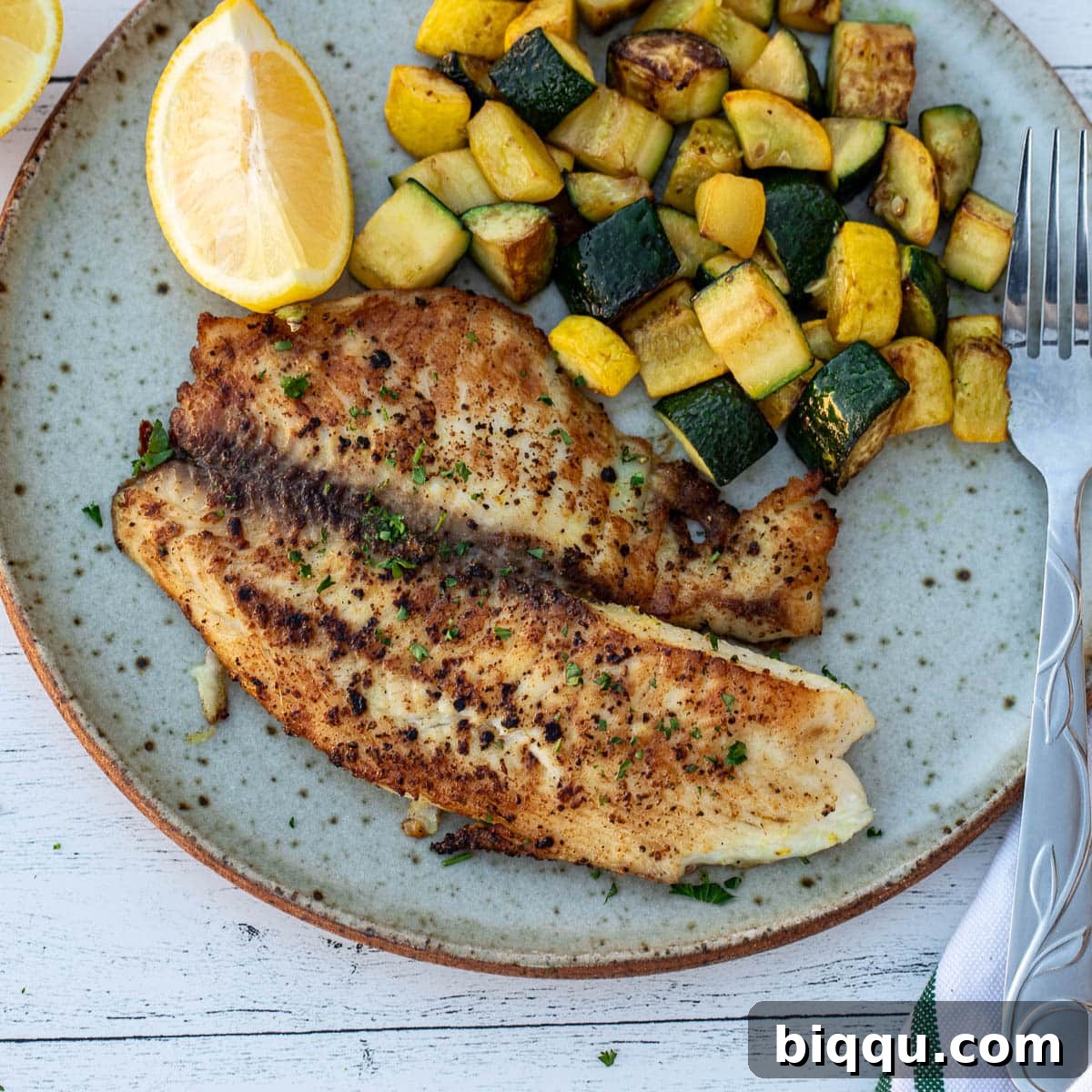
Transform your dinner routine with this incredibly simple and outrageously delicious Lemon Pepper Tilapia recipe. Featuring just a handful of fresh ingredients, this zesty and flaky fish dish comes together in a remarkable 15 minutes, making it the perfect solution for busy weeknights or whenever you crave a light, healthy, and satisfying meal. Get ready to elevate your culinary game with minimal effort and maximum flavor!
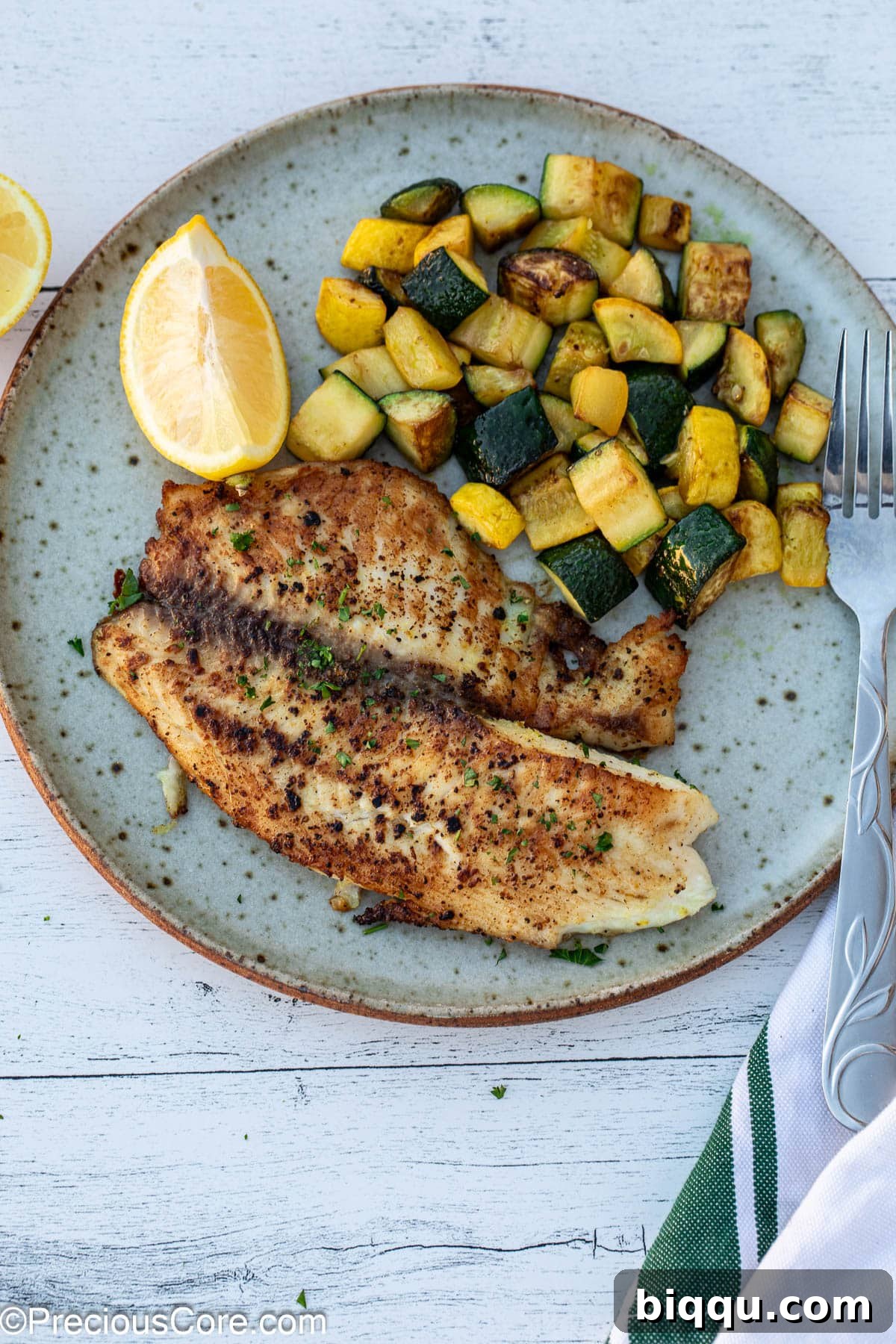
Tilapia, a mild-flavored white fish, serves as an ideal canvas for vibrant seasonings. When prepared correctly, it transforms into a tender, flaky entrée that delights the palate and satisfies the whole family. Its versatility and subtle taste make it a staple in countless kitchens, and this lemon pepper rendition showcases just how effortlessly delicious it can be. We’re confident that both you and your loved ones will adore the straightforward elegance of this dish.
The light, refreshing flavors of this lemon pepper tilapia pair beautifully with a variety of side dishes, offering endless possibilities for a complete meal. Consider serving it alongside our Easy Coconut Rice for an exotic touch, Sweet Fried Plantains for a hint of sweetness, or a medley of Sautéed Vegetables for a truly wholesome experience. For a fun and casual twist, you can even flake the cooked fish into warm tortillas for delectable fish tacos!
Table of Contents
- The Ultimate Lemon Pepper Tilapia Recipe
- Why This Quick & Healthy Recipe Is a Winner
- Essential Ingredients for Flawless Tilapia
- Step-by-Step: How to Prepare Lemon Pepper Tilapia
- Creative Substitutions & Flavor Variations
- Expert Tips for Perfectly Cooked Tilapia
- Safe & Quick Thawing Methods for Tilapia
- Storing & Reheating Leftover Tilapia
- Lemon Pepper Tilapia: Your FAQs Answered
- Perfect Pairings: What to Serve with Lemon Pepper Tilapia
- Explore More Tilapia Recipes
- Lemon Pepper Tilapia Full Recipe
The Ultimate Lemon Pepper Tilapia Recipe
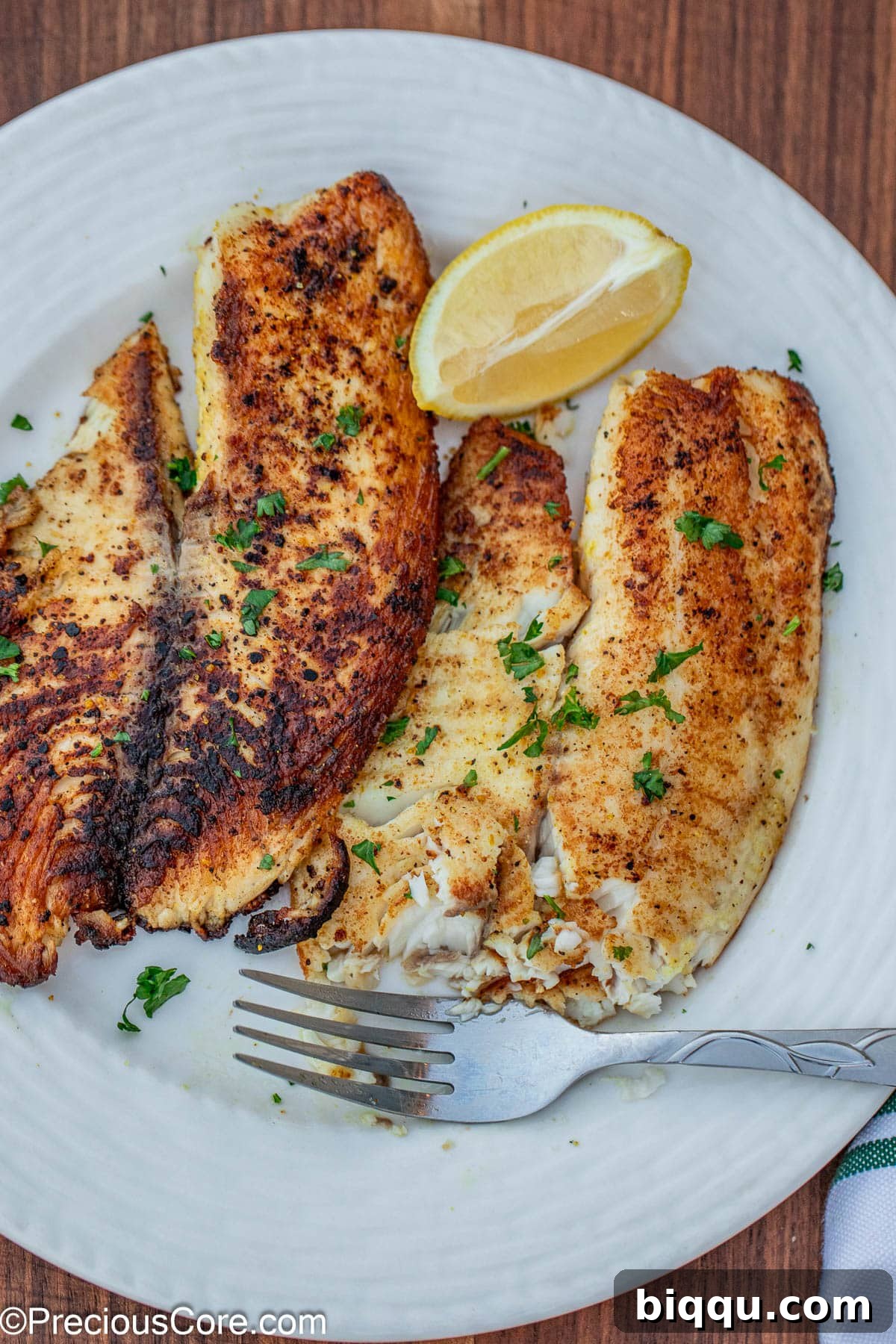
Today, we’re thrilled to present a lemon pepper tilapia recipe that’s destined to become a household favorite. This dish boasts an irresistibly flaky texture and a vibrant, citrusy-peppery flavor profile that truly awakens the taste buds. While the distinctive lemon pepper notes are the star, subtle hints of garlic beautifully complement the overall aroma and taste, creating a harmonious blend that’s both bold and comforting.
Beyond its exceptional taste and texture, responsibly farmed tilapia offers an excellent and economical choice for feeding a crowd. Its affordability makes it a smart option for families and anyone seeking a high-quality protein source without breaking the bank. This particular recipe is designed to yield four generous servings, and its straightforward measurements make it incredibly easy to scale up or down, ensuring you can effortlessly prepare a meal for any number of guests or family members.
Why This Quick & Healthy Recipe Is a Winner
This Lemon Pepper Tilapia isn’t just another fish recipe; it’s a culinary triumph for several compelling reasons, making it a staple in any busy kitchen:
- Unbelievably Low Effort & Fast: In today’s fast-paced world, finding meal ideas that are both delicious and quick is a true gift. This lemon pepper tilapia recipe is a perfect example, requiring only about 5 minutes of active prep time and a mere 10 minutes for cooking. This means you can have a gourmet-tasting dinner on the table in under 20 minutes! It’s especially beneficial on those hectic evenings when you’re short on time and energy but still aspire to serve a homemade, flavorful meal rather than resorting to takeout.
- A Pillar of Healthy Eating: Tilapia is a lean, white fish renowned for its impressive nutritional profile. This lemon pepper preparation creates a fantastic foundation for a balanced and nutritious meal. It’s packed with essential nutrients, including significant amounts of protein for muscle repair and growth, potassium for maintaining fluid balance, and vital B vitamins like B12 and niacin, which are crucial for energy metabolism and nerve function. Furthermore, because you have the freedom to customize your side dishes, you can easily maintain a healthy streak by pairing this fish with equally wholesome options like steamed vegetables, quinoa, or a fresh salad.
- Simple Yet Exquisitely Delicious Flavors: The beauty of this recipe lies in its elegant simplicity. The mild, buttery flavor of tilapia provides the perfect backdrop for the bright, zesty notes of lemon, the bold kick of black pepper, and the warm, aromatic depth of garlic. These core seasonings combine to create a simple yet incredibly satisfying flavor profile that is never overpowering. This makes it an ideal dish for individuals of all ages and palates, ensuring that even the pickiest eaters will find something to love. It’s a testament to the fact that you don’t need a complex list of ingredients to create truly memorable food.
Essential Ingredients for Flawless Tilapia
Crafting perfectly delicious Lemon Pepper Tilapia requires only a few key ingredients. Quality matters, so choose wisely!
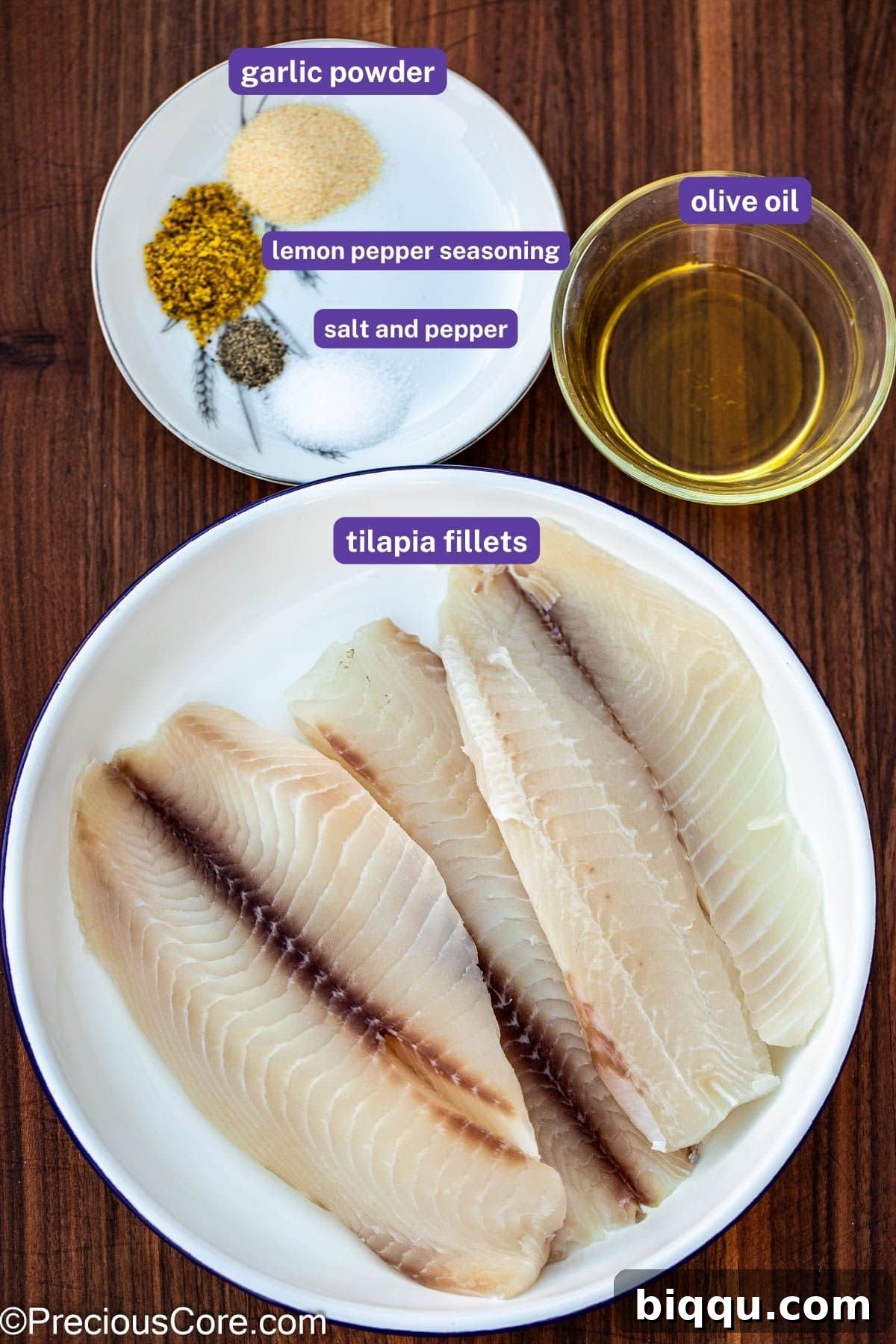
- Tilapia Fillets: The star of our dish! For the best results, opt for fresh tilapia fillets that are firm, moist, and responsibly farmed. Fresh fish will always yield superior flavor and texture. If using frozen tilapia, ensure they are completely thawed before cooking. Unevenly thawed fish will cook inconsistently, potentially resulting in dry edges and a raw center. Aim for 3-4 fillets, totaling about 1 pound.
- Salt-Free Lemon Pepper Seasoning: This seasoning is crucial for that delightful burst of simple yet enticing citrus-pepper flavor. Using a salt-free version allows you to control the sodium content precisely, tailoring it to your preference. Its bright, tangy profile is an exceptional complement to the mildness of tilapia, enhancing the fish without overwhelming it.
- Garlic Powder: A touch of garlic powder introduces a warm, savory undertone that perfectly rounds out the lemon and pepper. It’s an indispensable addition that adds depth and aroma without the intensity of fresh garlic.
- Salt: Essential for seasoning the fish and bringing out its natural flavors. Adjust the amount based on whether your lemon pepper seasoning contains salt.
- Black Pepper: Freshly ground black pepper adds a pungent, spicy kick that enhances the lemon and garlic, contributing to the “pepper” in lemon pepper.
- Olive Oil: You’ll need a modest amount of good quality olive oil to prepare your skillet. It not only acts as a non-stick agent, preventing the fish from adhering to the pan, but also plays a vital role in forming that desirable golden-brown crust, adding to both texture and flavor.
For precise measurements and additional details on these ingredients, please refer to the comprehensive recipe card below.
Step-by-Step: How To Prepare Lemon Pepper Tilapia
Creating this flavorful lemon pepper tilapia is incredibly straightforward. Follow these simple steps for a perfect meal:
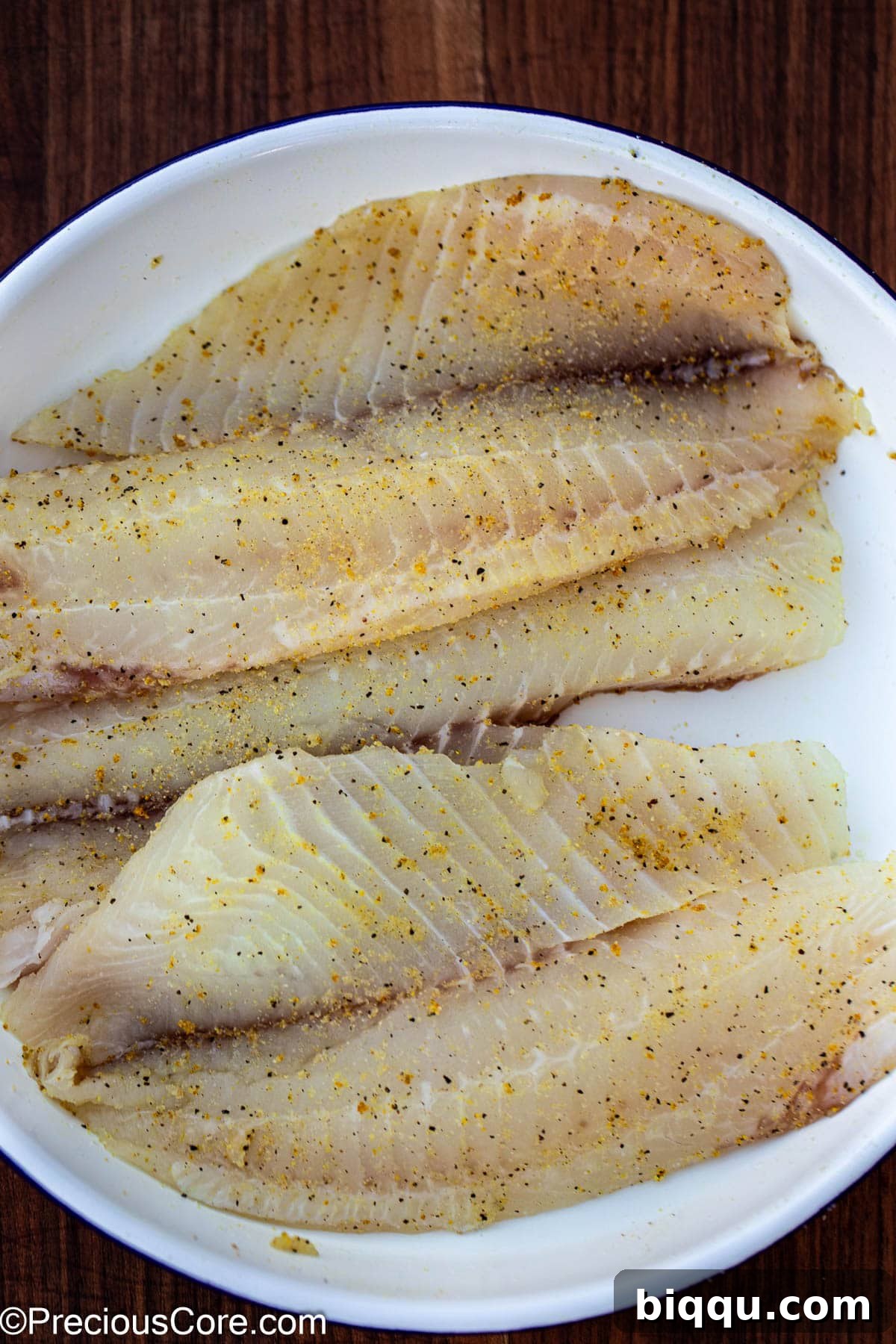
- Prepare the Tilapia: Begin by gently patting both sides of your tilapia fillets dry with paper towels. This crucial step removes excess moisture, which is key to achieving a beautiful, golden crust when seared. Once dry, generously and evenly coat each fillet with your chosen seasonings: salt-free lemon pepper seasoning, garlic powder, salt, and black pepper. Ensure every surface is covered for maximum flavor.
- Heat the Skillet: Place a cast iron skillet (or any heavy-bottomed, non-stick pan) over medium heat. Allow the pan to heat thoroughly for a couple of minutes before adding the oil.
- Add Oil and Fish: Pour the olive oil into the heated pan. Swirl to coat the bottom evenly, then let it warm for about 1-2 minutes until shimmering. Carefully place the seasoned tilapia fillets into the hot pan, ensuring not to overcrowd it. If you have many fillets or a smaller skillet, it’s best to cook them in two batches, adding a little more oil for the second batch if needed.
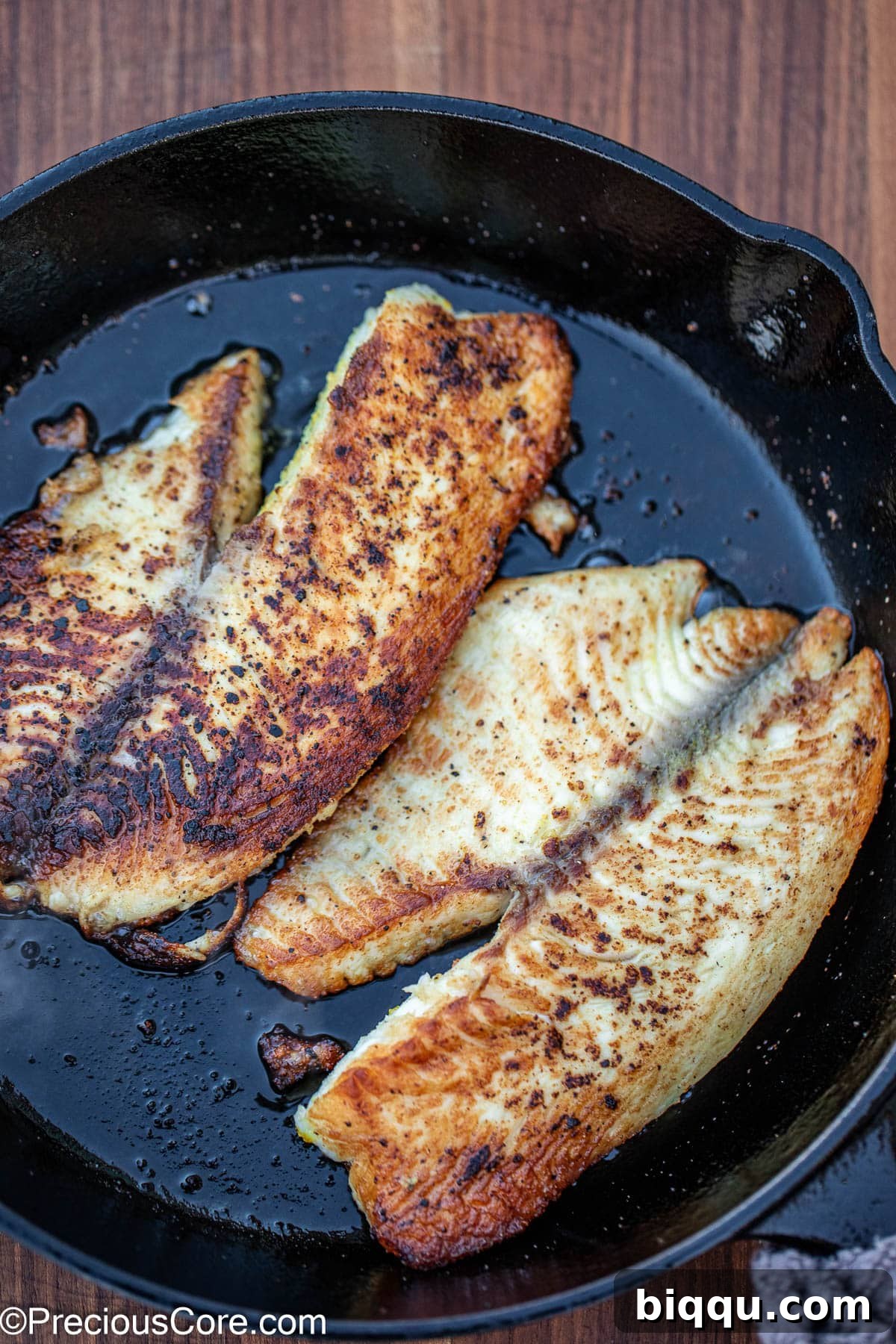
- Cook to Golden Perfection: Cook the fillets for approximately 3-4 minutes per side. You’ll know it’s time to flip when the edges become opaque and the fish easily releases from the pan, indicating a golden-brown crust has formed. Continue cooking on the second side until the fish is entirely opaque, flaky, and golden brown. Avoid overcooking to maintain moisture and tenderness.
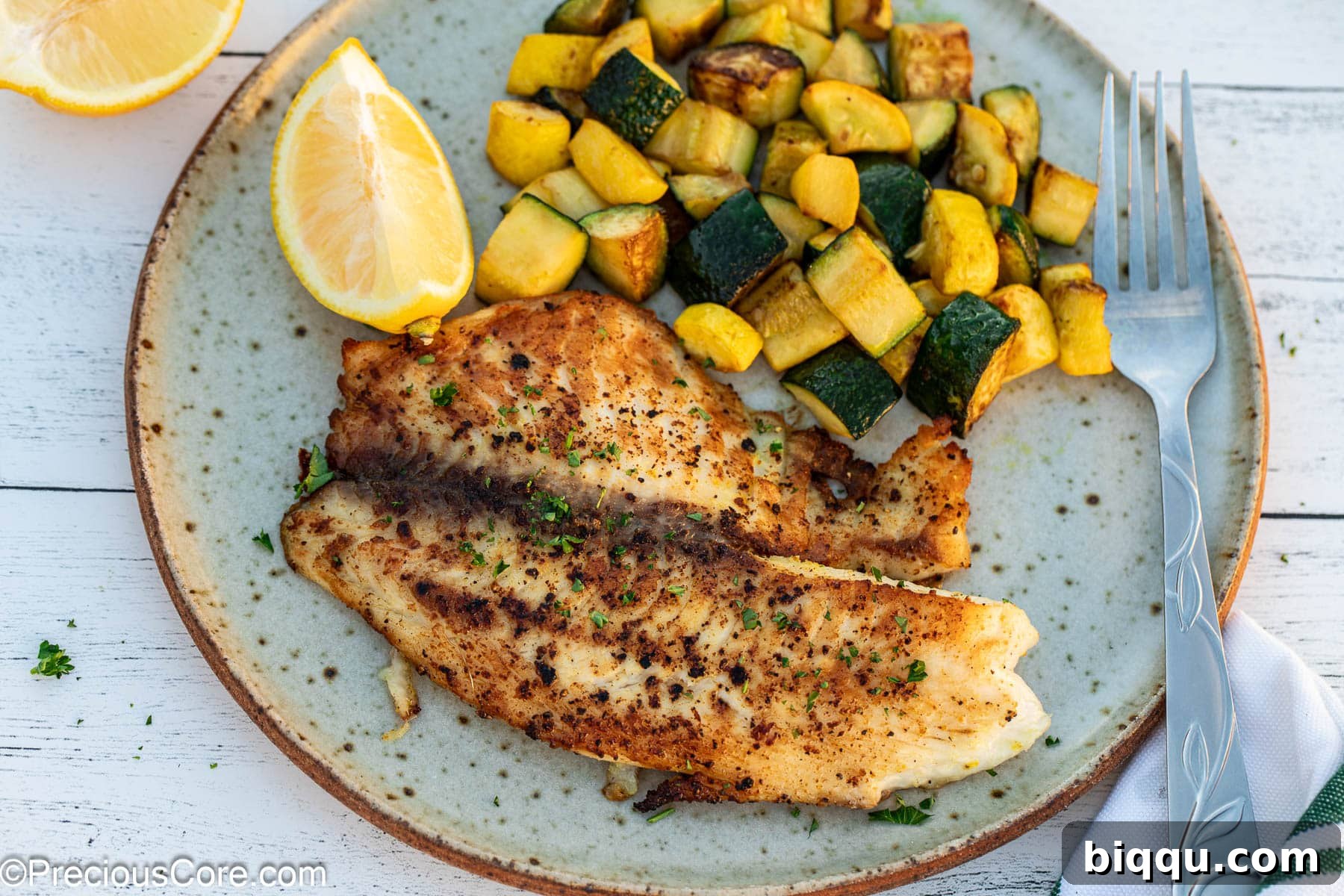
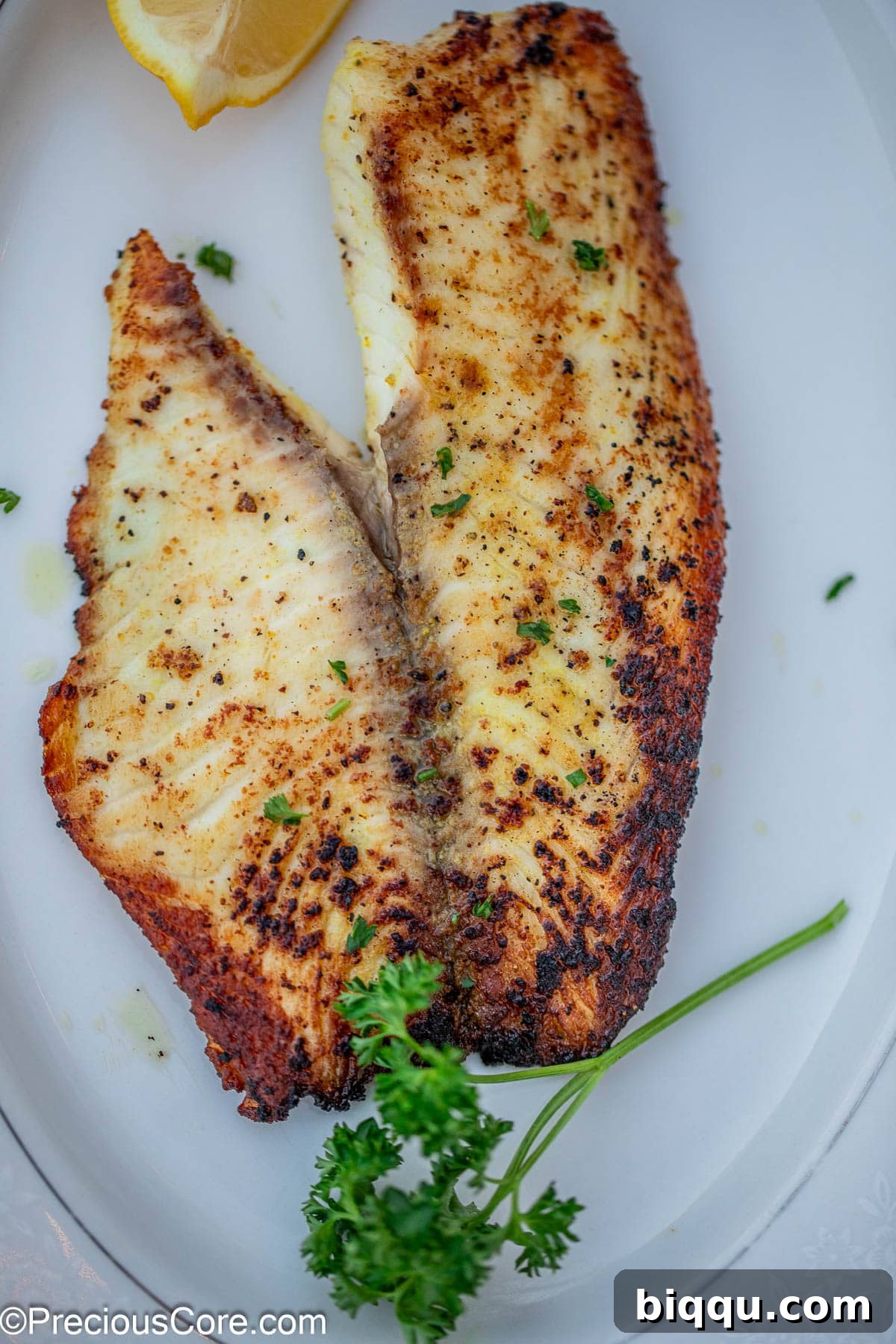
- Serve Immediately: Once cooked, transfer the lemon pepper tilapia fillets to serving plates. Serve them warm with your favorite accompanying side dishes for a complete and satisfying meal.
Creative Substitutions and Flavor Variations
One of the joys of cooking is the freedom to customize. This lemon pepper tilapia recipe is incredibly flexible, allowing for various substitutions and variations to suit your taste or what you have on hand:
- Lemon Pepper Seasoning: If you can’t find a salt-free lemon pepper seasoning, don’t worry! It’s perfectly fine to use a version that contains salt. Just be mindful of the amount of additional salt you add to the fish to prevent it from becoming too salty. A quick taste test of the seasoning itself can guide your decision.
- Butter for Olive Oil: For an even richer, more decadent flavor, unsalted butter can be used in place of olive oil. Butter adds a wonderful nutty depth that complements the fish beautifully. When cooking with butter, keep the heat at a consistent medium to prevent it from burning, which can happen quickly at high temperatures.
- Add Capers for Tang: Capers and lemon are a match made in culinary heaven! For an extra layer of briny, tangy flavor and a unique texture, consider adding a tablespoon or two of capers to the pan during the last minute or two of cooking the tilapia. Spoon the warm, cooked capers over the top of the fish just before serving for an elegant finish.
- Amplify Fresh Lemon Flavor: Craving an even bolder lemon presence? There are several ways to infuse more fresh citrus.
- Lemon Slices: Place thin slices of fresh lemon directly into the pan after you’ve flipped the fish. Allow them to soften for a few minutes; they’ll release their aromatic oils and juice, subtly flavoring the fish.
- Lemon Zest: Sprinkle fresh lemon zest over the fillets along with your other seasonings for an intense burst of citrus aroma that permeates the fish as it cooks.
- Fresh Lemon Juice: A squeeze of fresh lemon juice over the cooked tilapia just before serving brightens all the flavors and adds a juicy finish.
- Herbal Touches: Fresh herbs like chopped parsley, dill, or chives sprinkled over the cooked fish can add a wonderful freshness and visual appeal.
- Spice It Up: For those who enjoy a little heat, a pinch of cayenne pepper or red pepper flakes can be added to the seasoning mix.
- Alternative Cooking Methods: While pan-searing provides a fantastic crust, tilapia can also be baked or air-fried with similar seasonings for a different texture.
Don’t stop here! Also explore our other fantastic fish recipes, including Lemon Butter Tilapia for a rich, buttery variation and our delectable baked Garlic Butter Tilapia for a savory twist.
Expert Tips for Perfectly Cooked Tilapia
Achieving perfectly cooked, moist, and flaky tilapia is easier than you think with these expert tips:
- Selecting Quality Fillets: Before you even start cooking, ensure your tilapia is fresh and of good quality. Fresh tilapia should feel firm and resilient to the touch, not soft or mushy. It should have a clean, mild smell – an “off” or overly fishy odor, along with a sticky texture, are definitive signs of spoilage. Always prioritize fresh, high-quality fish for the best results in flavor and safety.
- The Right Spatula is Key: When it comes to flipping delicate fish like tilapia, the right tool makes all the difference. Always use a fish spatula, which is typically thin, flexible, and wide enough to support the entire fillet. Small or stiff spatulas can make it difficult to get underneath the fish cleanly, often resulting in the fillet breaking apart. If you’re feeling less confident, don’t hesitate to use two spatulas to gently lift and turn the fish, providing maximum support.
- Avoid the Dreaded Overcook: Overcooking is the most common mistake when preparing fish, and it can quickly turn a tender fillet into a dry, rubbery disappointment. Tilapia cooks quickly, so keep a close eye on it. Cook only until the fish turns opaque throughout and flakes easily with a fork. The minimum safe internal temperature for fish is 145°F (63°C). You can remove the fish from the heat slightly before it reaches this temperature, as it will continue to cook for a minute or two from residual heat (carryover cooking). Following the recommended cooking times closely will help ensure a perfectly tender result.
- Patting Dry is Non-Negotiable: This might seem like a minor detail, but thoroughly patting the fish dry with paper towels before seasoning is absolutely essential. Any residual moisture on the surface of the tilapia will prevent it from achieving that desirable golden-brown, crispy crust. Instead, the moisture will steam the fish, leaving it bland and lacking texture. Dry fish means superior searing!
- Mind Your Skillet Temperature: A properly heated skillet is vital. Too low, and the fish will stick and fail to develop a crust. Too high, and it will burn on the outside while remaining raw inside. Medium heat is typically ideal for pan-searing tilapia, allowing it to cook evenly and brown beautifully.
Safe & Quick Thawing Methods for Tilapia
If you’re using frozen tilapia fillets, proper thawing is paramount for even cooking and food safety. While planning ahead is always best, we offer options for both slow and quick thawing methods:
- Overnight in the Refrigerator (Recommended): The safest and most recommended method is to transfer your frozen tilapia fillets from the freezer to the refrigerator and allow them to thaw slowly overnight. This gradual thawing helps maintain the fish’s texture and minimizes the risk of bacterial growth. Simply place the sealed fillets on a plate or in a container to catch any drips and refrigerate for 8-12 hours, or until completely thawed.
- Cold Water Thawing (Quick Method): If you’re in a hurry and forgot to thaw your fish overnight, the cold water method is a reliable alternative. Place the vacuum-sealed (or tightly sealed in a Ziploc bag) fillets in a large bowl of cold water. Ensure the water is truly cold, not lukewarm or warm. Change the water every 30 minutes to keep it cold and facilitate thawing. Depending on the thickness of the fillets, this process can take anywhere from 30 minutes to an hour.
Important Safety Note: It is absolutely crucial not to use warm or hot water to thaw fish. While it might seem like a faster option, exposing fish to temperatures above 40°F (4°C) for extended periods creates a prime environment for rapid bacterial growth, making the fish unsafe to eat. Always stick to cold water or refrigerator thawing to ensure food safety.
Storing & Reheating Leftover Tilapia for Best Flavor
While this lemon pepper tilapia is best enjoyed fresh off the skillet, sometimes you might find yourself with delicious leftovers. Proper storage and reheating are key to preserving its flavor and texture:
- Immediate Cooling: Allow the cooked fish to cool completely to room temperature (within two hours of cooking) before storing. This prevents condensation build-up, which can lead to sogginess.
- Airtight Storage is Essential: Tilapia has a mild flavor and can easily absorb other odors from your refrigerator if not properly protected. To keep your leftovers fresh and free from unwanted smells, transfer the cooled tilapia to an airtight container. This will lock in its delicious flavors and prevent cross-contamination.
- Refrigeration Lifespan: When stored correctly in an airtight container, cooked lemon pepper tilapia will remain fresh and delicious for up to three days in the refrigerator. Beyond this, it’s best to discard any remaining fish for food safety reasons.
- The Best Way to Reheat: When it’s time to enjoy your leftovers, avoid the microwave! Microwaving fish can often result in a rubbery texture and can quickly dry out the delicate fillets, leading to a less-than-pleasant experience.
Instead, the best method for reheating tilapia is in the oven. Preheat your oven to 350°F (175°C). Place the tilapia fillets on a baking sheet, ideally lined with parchment paper for easy cleanup. If you want to restore some of that delightful crispy crust, you can lightly brush or rub the fillets with a small amount of olive oil before reheating. Heat for about 10-15 minutes, or until the fish is thoroughly warmed through. Be careful not to overcook it again; remove it from the oven as soon as it’s hot.
Lemon Pepper Tilapia: Your FAQs Answered
While some people choose to soak fish in milk, it’s generally not necessary for tilapia, especially when prepared with bold flavors like lemon pepper. Tilapia is already a very mild-tasting fish, and we believe it doesn’t require this extra step to achieve a pleasant flavor profile. The practice of soaking fish in milk traditionally aims to neutralize any “fishy” odors or tastes, resulting in a more delicate aroma and flavor. However, if you do opt for this method, it’s crucial to thoroughly pat the fish dry after soaking. If not properly dried, the residual moisture from the milk can cause the fish to become mushy and prevent it from forming a desirable crust when cooked, detracting from the overall texture.
Pan-sticking is a common frustration, but it’s usually easily remedied by addressing a few key factors. Firstly, ensure you are using the correct equipment and temperature. A well-seasoned cast iron skillet or a high-quality non-stick pan is ideal for cooking fish. If the heat is too high, the fish can burn and adhere to the pan quickly before a crust can properly form. Conversely, if the pan isn’t hot enough, the fish may also stick as it “sits” and steams. The pan should be adequately preheated, and the oil shimmering, but not smoking. Secondly, you might be trying to flip the fish too soon. A crucial indicator that fish is ready to be flipped is when a crust has formed and it naturally releases from the pan. If you attempt to flip it prematurely, before that crust has developed, it will almost certainly stick and tear.
Generally, rinsing tilapia before cooking is not necessary and, in fact, can sometimes be counterproductive. Most commercially processed fish, including tilapia fillets, are already rinsed thoroughly during the filleting process to ensure cleanliness. Furthermore, rinsing raw fish in your kitchen sink can inadvertently lead to cross-contamination. Bacteria from the raw fish can splash onto your countertops, cutting boards, utensils, and other surfaces, potentially spreading foodborne pathogens. If you feel compelled to rinse your fish, do so very carefully under a gentle stream of cold water and immediately clean and sanitize all surrounding surfaces and tools to prevent any risk of contamination.
While some recipes allow cooking certain types of fish directly from frozen, it is generally recommended to thaw tilapia fillets completely before cooking for the best results, especially when pan-searing. Cooking from frozen can lead to uneven cooking, where the outside might be done or overcooked while the center remains undercooked or still partially frozen. This also hinders the ability to achieve that desired crispy crust, as the excess moisture from the ice will steam the fish rather than sear it. For optimal flavor, texture, and even cooking, always thaw your tilapia as described in our thawing section.
Perfect Pairings: What to Serve with Lemon Pepper Tilapia
Lemon Pepper Tilapia is wonderfully versatile, making it easy to pair with a wide array of side dishes. Here are some excellent recommendations to complete your meal:
Sautéed Vegetables
A vibrant mix of quickly sautéed seasonal vegetables adds freshness and essential nutrients, complementing the fish without overpowering it.
Garlic Herb Rice
Fluffy rice infused with aromatic garlic and fresh herbs makes for a comforting and flavorful accompaniment.
Sautéed Peppers
Sweet and savory sautéed peppers and onions add a touch of color and natural sweetness to your plate.
Mango Avocado Salsa
For a refreshing and tropical twist, a vibrant mango avocado salsa offers a beautiful contrast of flavors and textures.
Explore More Tilapia Recipes
If you’ve enjoyed this lemon pepper tilapia, you’ll love exploring other ways to prepare this versatile fish. Discover more delicious tilapia recipes to add to your repertoire:
Pan Seared Tilapia
Lemon Butter Tilapia
Garlic Butter Tilapia
Oven Grilled Tilapia
Love the zesty kick of lemon pepper? Don’t miss our equally delicious Lemon Pepper Turkey Wings and Lemon Pepper Chicken Drumsticks for more protein-packed meals infused with this incredible flavor!
Lemon Pepper Tilapia
Lemony tasty tilapia, with just a few ingredients! This Lemon Pepper Tilapia is ready in 15 minutes!
Ingredients
- 1 pound tilapia fillets (3-4 fillets)
- ½ teaspoon salt
- ⅛ teaspoon black pepper
- 1 teaspoon salt-free lemon pepper seasoning
- 1 teaspoon garlic powder
- 2 tablespoons olive oil
Instructions
- Pat dry both sides of the tilapia fillets and season evenly with salt, pepper, lemon pepper seasoning, and garlic powder.
- Heat a cast iron skillet on medium heat. Add the oil and heat up for 2 minutes. Add the seasoned fillets to the pan and cook for 3 minutes on each side. If using a smaller skillet, cook in 2 batches adding more oil during the second batch.
- Serve warm with your favorite sides.
Notes
If you use lemon pepper seasoning that contains salt, reduce the amount of salt added to the recipe.
Nutrition
Calories: 107kcal | Carbohydrates: 1g | Protein: 9g | Fat: 8g | Saturated Fat: 1g | Polyunsaturated Fat: 1g | Monounsaturated Fat: 5g | Cholesterol: 21mg | Sodium: 313mg | Potassium: 145mg | Fiber: 0.2g | Sugar: 0.02g | Vitamin A: 3IU | Vitamin C: 0.01mg | Calcium: 8mg | Iron: 0.4mg
If you make this recipe, please leave a star rating below. Your rating helps others find the recipe, and we love hearing from you! Thank you!