
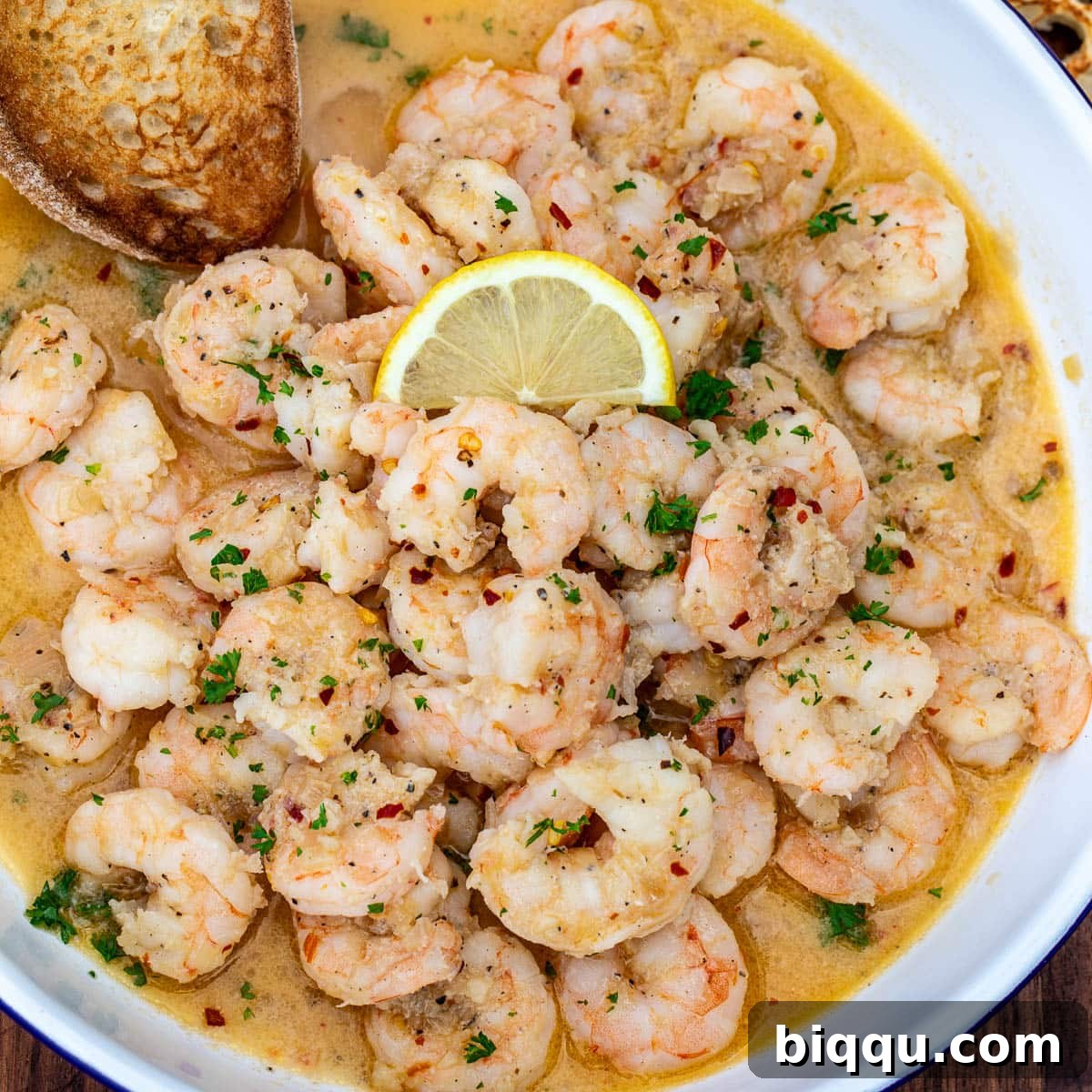
Delight your senses with this incredibly flavorful Shrimp In White Wine Sauce. Succulent shrimp bathed in a rich, garlicky white wine sauce create an irresistible appetizer or a light, elegant main course. Perfect for entertaining guests or simply treating yourself to something spectacularly delicious, this dish is surprisingly easy to prepare yet delivers a sophisticated culinary experience.
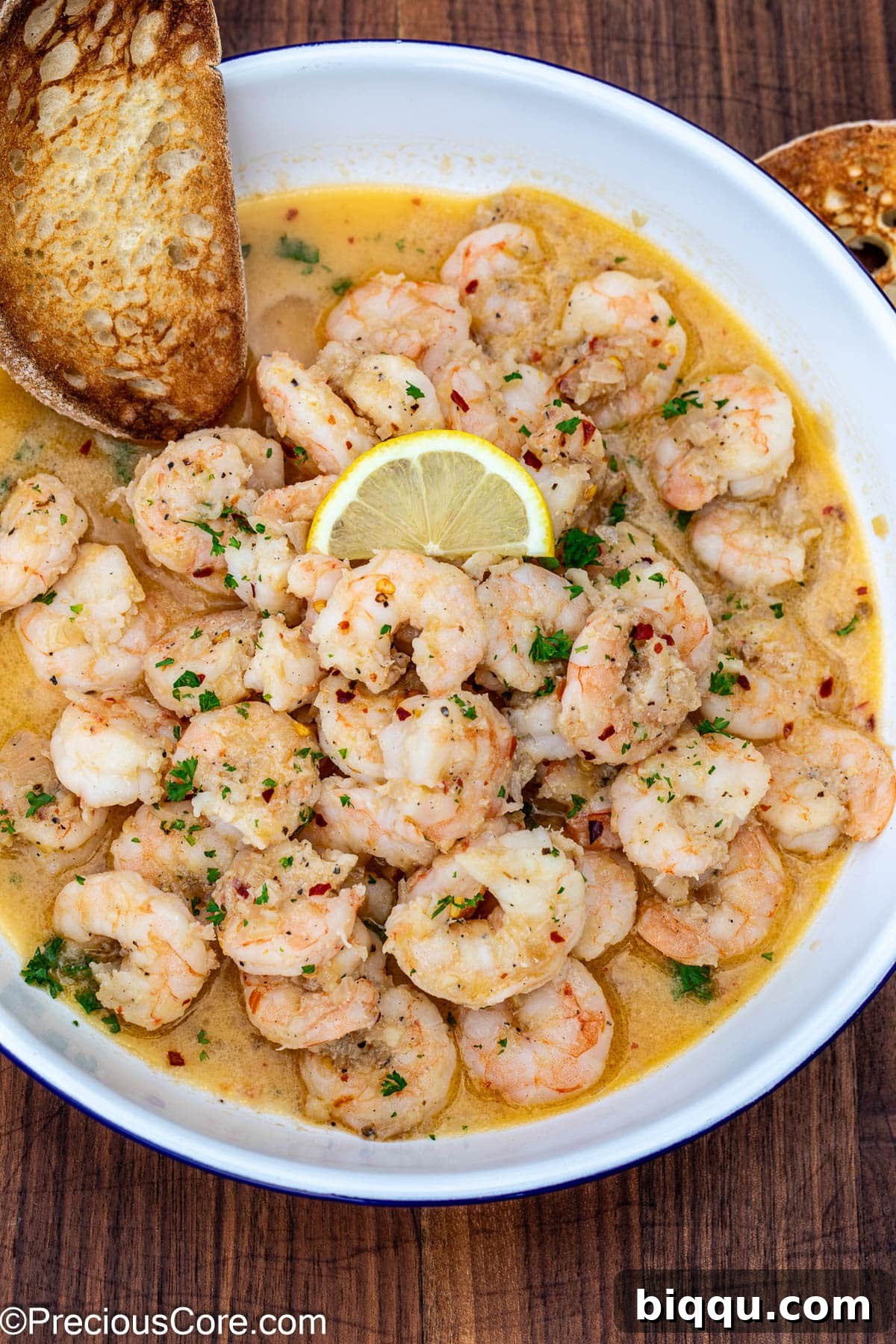
There’s something inherently luxurious and impressive about shrimp. Despite its quick cooking time and straightforward preparation, shrimp dishes always manage to elevate a meal. This recipe takes that natural elegance to a new level by featuring shrimp in a vibrant, savory white wine sauce that is truly unforgettable. Each bite offers a harmonious blend of zesty lemon, subtle heat from red pepper flakes, and the aromatic depth of fresh garlic, leaving a lingering desire for more.
Whether you’re hosting a dinner party, planning a romantic meal, or just craving a gourmet experience at home, this white wine shrimp promises to be a showstopper. Its alluring aroma and beautiful presentation make it an instant crowd-pleaser, consistently earning rave reviews from those who try it. The secret lies in a carefully crafted sauce that perfectly complements the delicate sweetness of the shrimp, creating a symphony of flavors that is both comforting and exciting.
If you’re a devoted fan of shrimp, you might also enjoy exploring some of our other popular recipes, such as Pan Seared Shrimp, a hearty Shrimp Pasta, or the flavorful Shrimp and Chicken Fried Rice. But for now, let’s focus on mastering today’s star recipe and uncover the tips and tricks to make your Shrimp in White Wine Sauce absolutely perfect.
Table of Contents
- Why Make Shrimp In White Wine Sauce?
- Ingredients Needed
- How To Make Shrimp In White Wine Sauce
- Step 1: In a large skillet, sauté garlic and shallots in olive oil and butter.
- Step 2. Add the white wine and red pepper flakes.
- Step 3: Add the shrimp, salt and pepper.
- Step 4: Cook until the shrimp turn pink.
- Substitutions and Variations
- Expert Tips For Shrimp In White Wine Sauce
- Recipe Frequently Asked Questions
- Serving Suggestions
- More Impressive Dinner Recipes
- Shrimp In White Wine Sauce Recipe
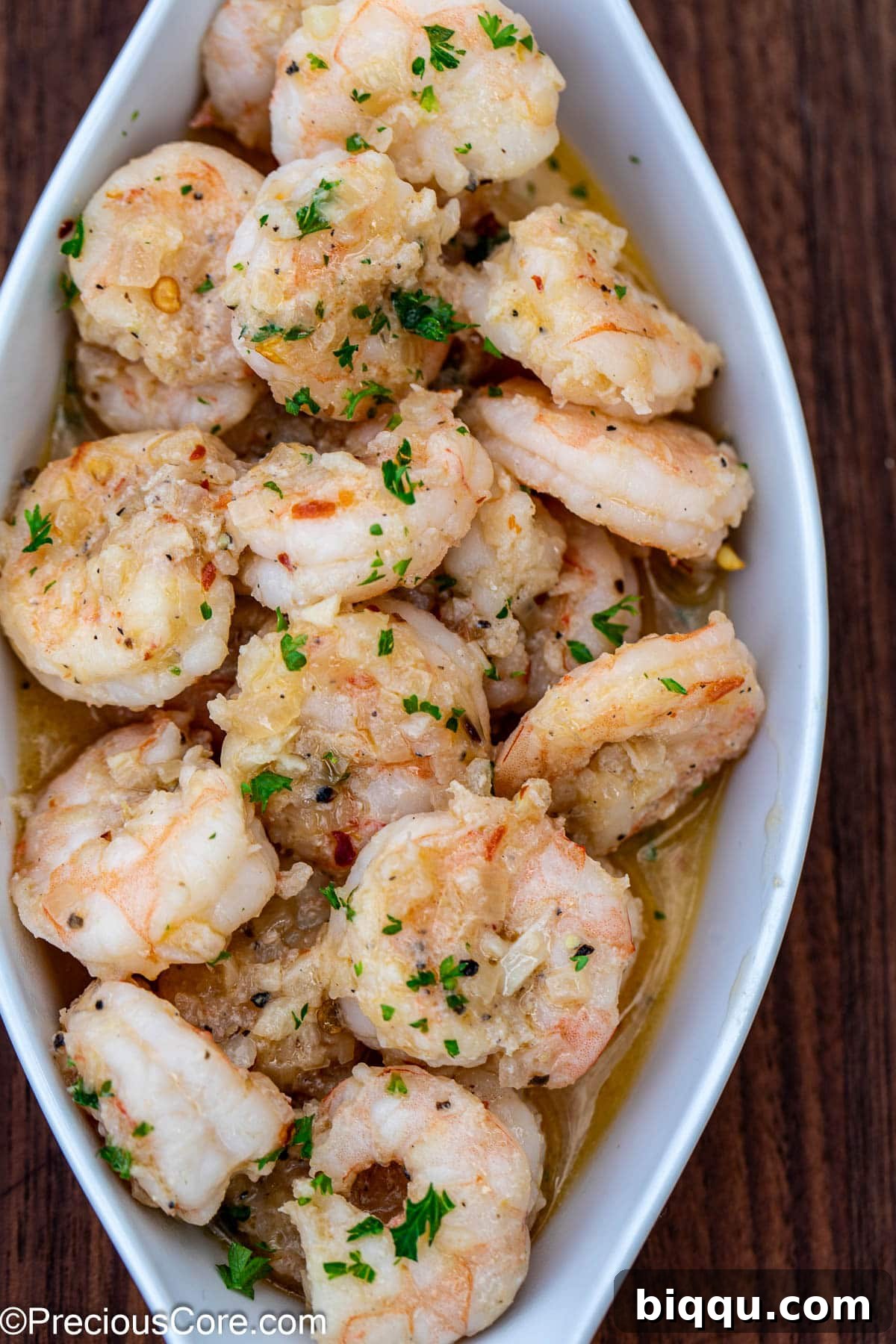
Why Make This Garlic Shrimp in White Wine Sauce?
This dish is an essential addition to your recipe repertoire, offering numerous benefits that make it a perfect choice for any occasion. Here’s why this particular shrimp in white wine sauce recipe stands out:
- Effortlessly Easy, Even for Beginners: Don’t let the elegant appearance fool you; this recipe is designed for simplicity. With clear, straightforward steps, even novice cooks can achieve restaurant-quality results. You won’t need advanced culinary skills or specialized equipment to whip up this impressive meal, making it ideal for busy weeknights or when you need a quick, delicious solution. The entire dish can be ready in under 15 minutes, proving that gourmet doesn’t have to mean complicated.
- Remarkable Versatility: One of the greatest assets of this dish is its adaptability. Serve it as a sophisticated appetizer alongside warm, crusty bread for dipping into the flavorful sauce. The rich, garlicky broth is too good to let go to waste! For a heartier main course, easily transform it into a satisfying meal by tossing it with al dente pasta for a delicious shrimp scampi, or pair it with fluffy rice and steamed vegetables for a complete and balanced dinner. Its flexibility ensures it can fit seamlessly into any dining plan.
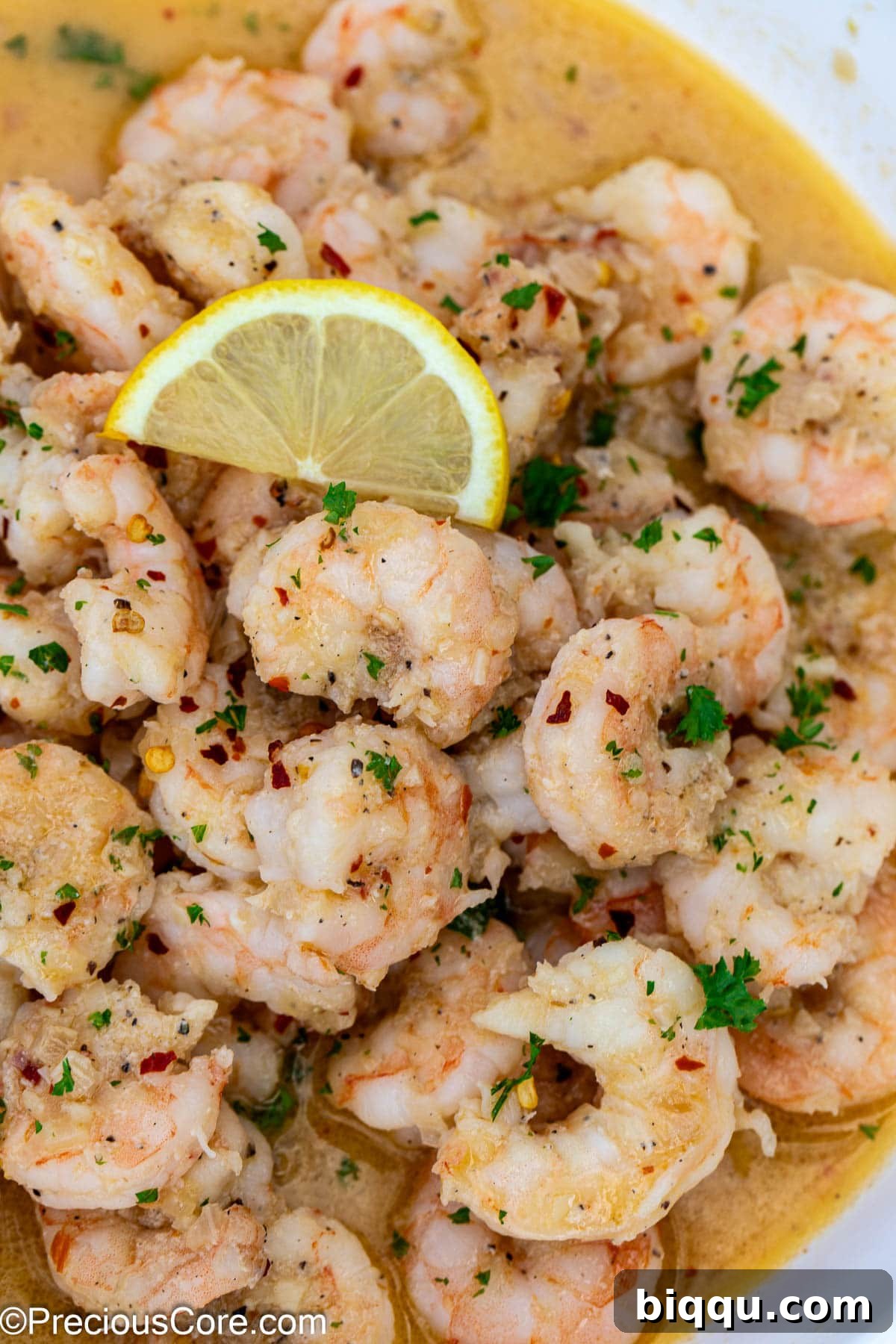
- A Show-Stopping Presentation: Beyond its incredible taste, this garlic shrimp in white wine sauce boasts an undeniable visual appeal. The plump, pink shrimp nestled in a vibrant, herbaceous sauce creates a dish that looks like it came straight from a high-end restaurant kitchen. Serving this at your table guarantees a five-star dining experience in the comfort of your own home, impressing guests with minimal effort. The bright colors and exquisite aroma alone are enough to capture attention.
Top Tip: For the best flavor and texture, always opt for wild-caught shrimp over farmed varieties when possible. The difference in taste is often noticeable and enhances the overall quality of your dish.
Essential Ingredients for Garlic Shrimp in White Wine Sauce
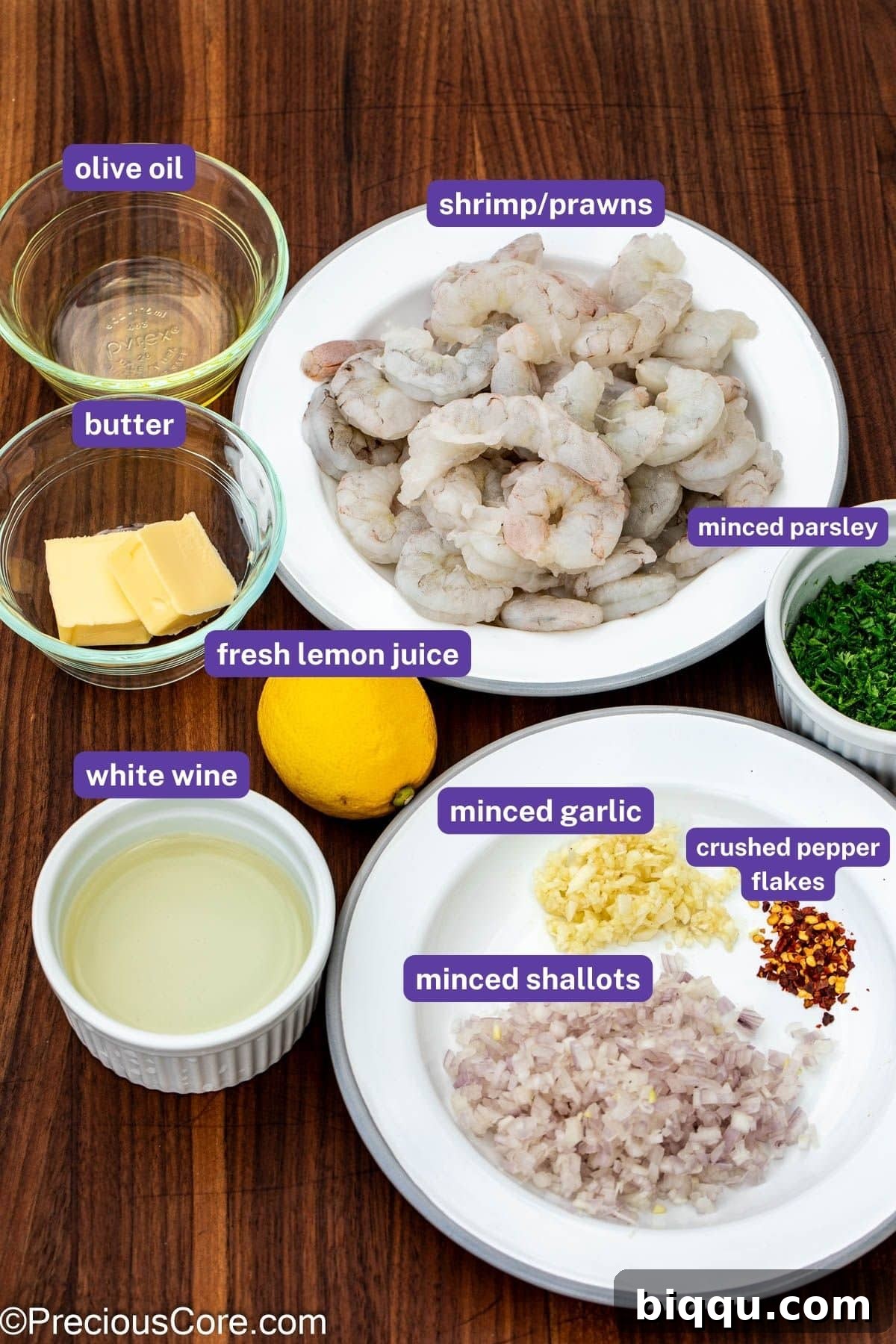
While this recipe might feature an array of ingredients, each component plays a vital role in crafting the dish’s signature depth of flavor and irresistible aroma. Understanding the function of each ingredient will help you achieve perfection every time.
- Medium Shrimp: The star of our dish! You can use either fresh or frozen shrimp, but ensure they are peeled and deveined for convenience and optimal texture. If using frozen shrimp, proper thawing is crucial to prevent a watery sauce and ensure even cooking. We recommend a gentle thaw in the refrigerator overnight or under cold running water. For a helpful guide on how to thaw frozen shrimp, refer to reputable culinary resources.
- Butter and Olive Oil: This dynamic duo forms the rich and flavorful base of our sauce. Olive oil provides a higher smoke point for sautéing, while unsalted butter adds a luxurious creaminess and unparalleled depth of flavor. This combination is essential for browning the aromatics and creating a silky-smooth sauce that clings beautifully to the shrimp. Using both ensures a balanced richness without being overly heavy.
- Crisp Dry White Wine: The foundation of our exquisite sauce. A dry white wine, such as Pinot Grigio, Sauvignon Blanc, or unoaked Chardonnay, is perfect. Its natural acidity is key to deglazing the pan, lifting all the flavorful browned bits (fond) from the bottom, and balancing the richness of the butter and oil. It also infuses the dish with a complex, aromatic essence. It’s crucial to add the wine at the right stage to create a perfect emulsion; incorrect timing can lead to a “broken” sauce. Avoid sweet wines, as they will overpower the delicate flavor of the shrimp and lemon.
- Fresh Lemon Juice: This essential ingredient provides a bright, zesty finish that cuts through the richness of the sauce and perfectly complements the shrimp. Always use freshly squeezed lemon juice for the most vibrant flavor. Bottled lemon juice often contains preservatives and lacks the fresh, aromatic punch that elevates this dish from good to extraordinary. The acidity also helps to brighten all the other flavors in the pan.
- Shallots and Garlic: These aromatics are the heart of the sauce. Shallots offer a milder, sweeter, and more delicate flavor than onions, lending a gourmet touch. Freshly minced garlic provides an unmistakable pungent aroma and taste that pairs perfectly with shrimp.
- Red Pepper Flakes: A touch of red pepper flakes introduces a subtle warmth and a gentle kick, enhancing the overall flavor profile without making the dish overly spicy. You can adjust the amount to your personal preference.
- Salt and Freshly Ground Black Pepper: Essential seasonings to highlight and balance all the flavors. Freshly ground black pepper offers more aroma than pre-ground. White pepper can be a great alternative for a cleaner visual, especially in white sauces.
- Fresh Parsley: Used for garnish, fresh minced parsley adds a burst of color and a fresh, herbaceous note that brightens the dish and enhances its presentation.
For precise measurements and a complete list of all ingredients, please refer to the detailed recipe card below.
Step-by-Step Guide: Crafting Shrimp In White Wine Sauce
Creating this irresistible garlic shrimp in white wine sauce is simpler than you might imagine. Follow these four easy steps, and you’ll have a gourmet meal ready in minutes. For more detailed instructions and precise timings, be sure to consult the full recipe below.
Step 1: Sauté Garlic and Shallots in Olive Oil and Butter
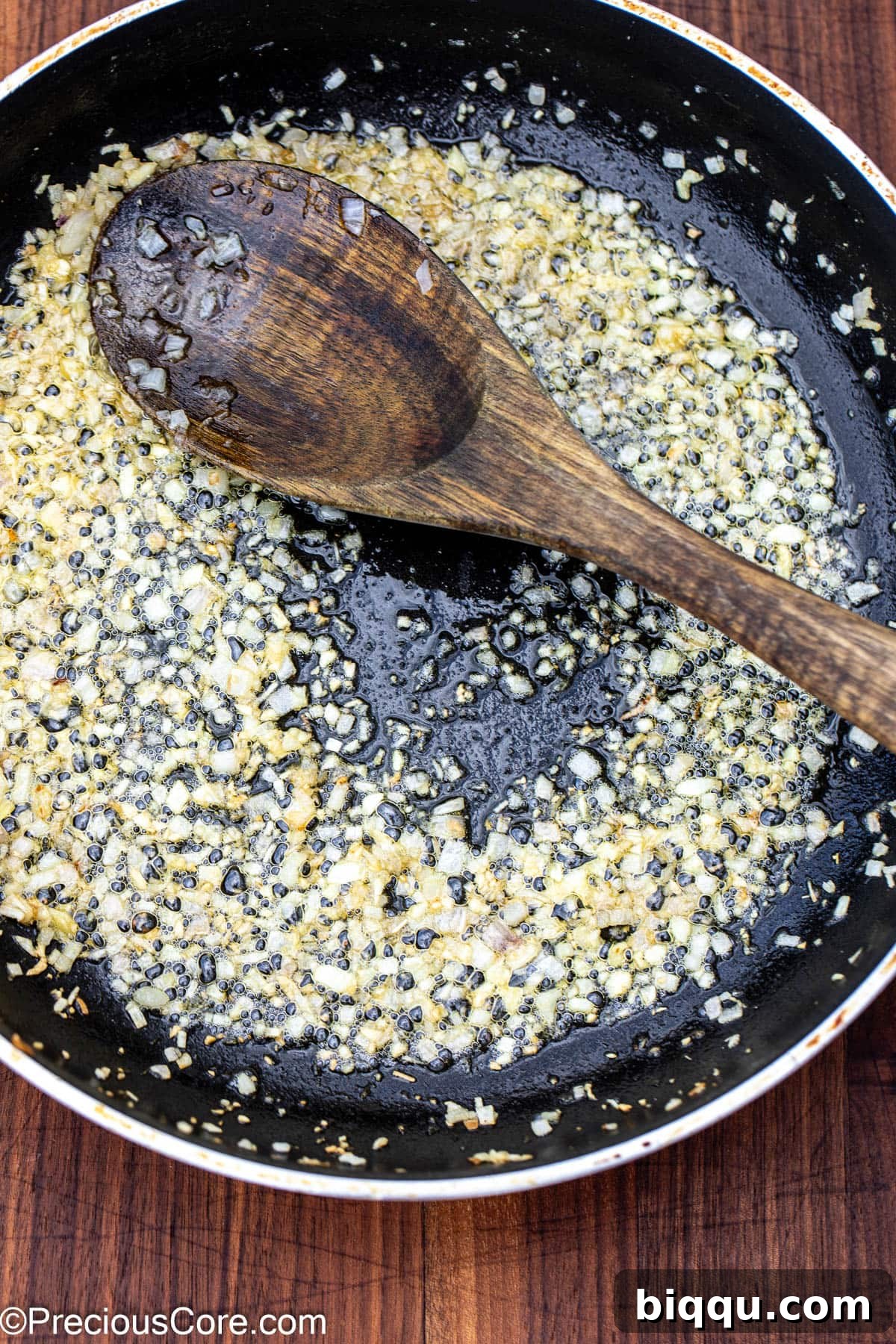
Begin by heating a large skillet over medium-high heat. Add the olive oil and butter, allowing the butter to melt and foam gently. Once shimmering, add your finely minced shallots and garlic. Shallots, with their delicate and sweet oniony flavor, are a key ingredient that distinguishes this sauce, elevating it to a truly gourmet standard. Ensure the shallots are very finely minced so they soften quickly and seamlessly integrate into the sauce, providing flavor without a strong textural presence. Sauté these aromatics for about 1-2 minutes, stirring occasionally, until they become fragrant and lightly golden. Be careful not to burn the garlic, as it can turn bitter very quickly.
Step 2: Incorporate White Wine and Red Pepper Flakes
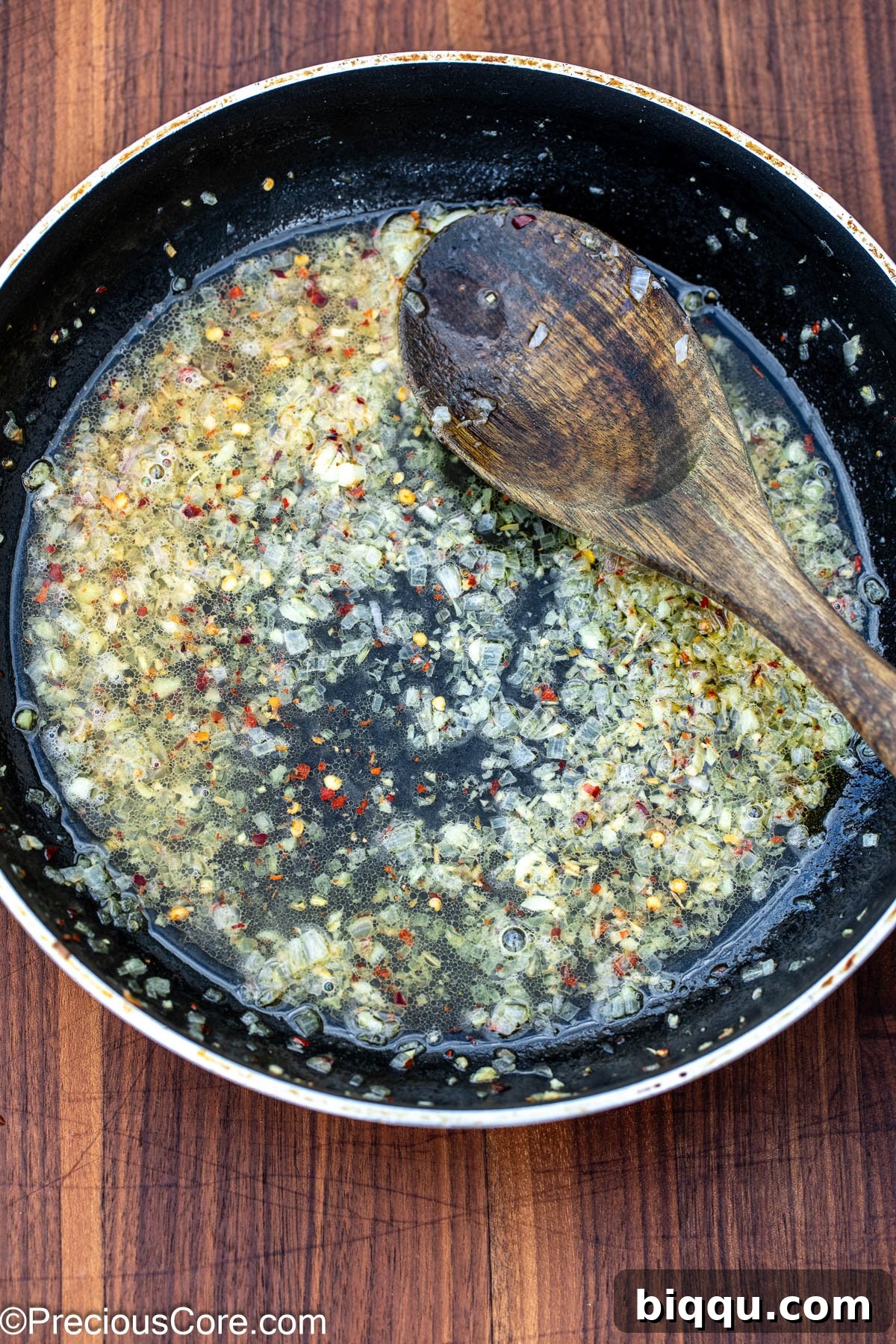
Next, carefully pour in the crisp dry white wine and sprinkle in the red pepper flakes. The white wine serves multiple crucial functions here: its acidity helps to deglaze the pan, dissolving any delicious browned bits (fond) from the bottom of the skillet, which are packed with concentrated flavor. This process enriches the sauce significantly. The wine also cuts through the richness of the butter and oil, creating a perfectly balanced flavor profile. Bring the mixture to a gentle simmer and let it cook for 2 to 3 minutes, allowing the alcohol to cook off and the flavors to meld beautifully. The red pepper flakes will infuse a subtle warmth into the sauce during this stage.
Step 3: Add the Shrimp, Salt, and Pepper
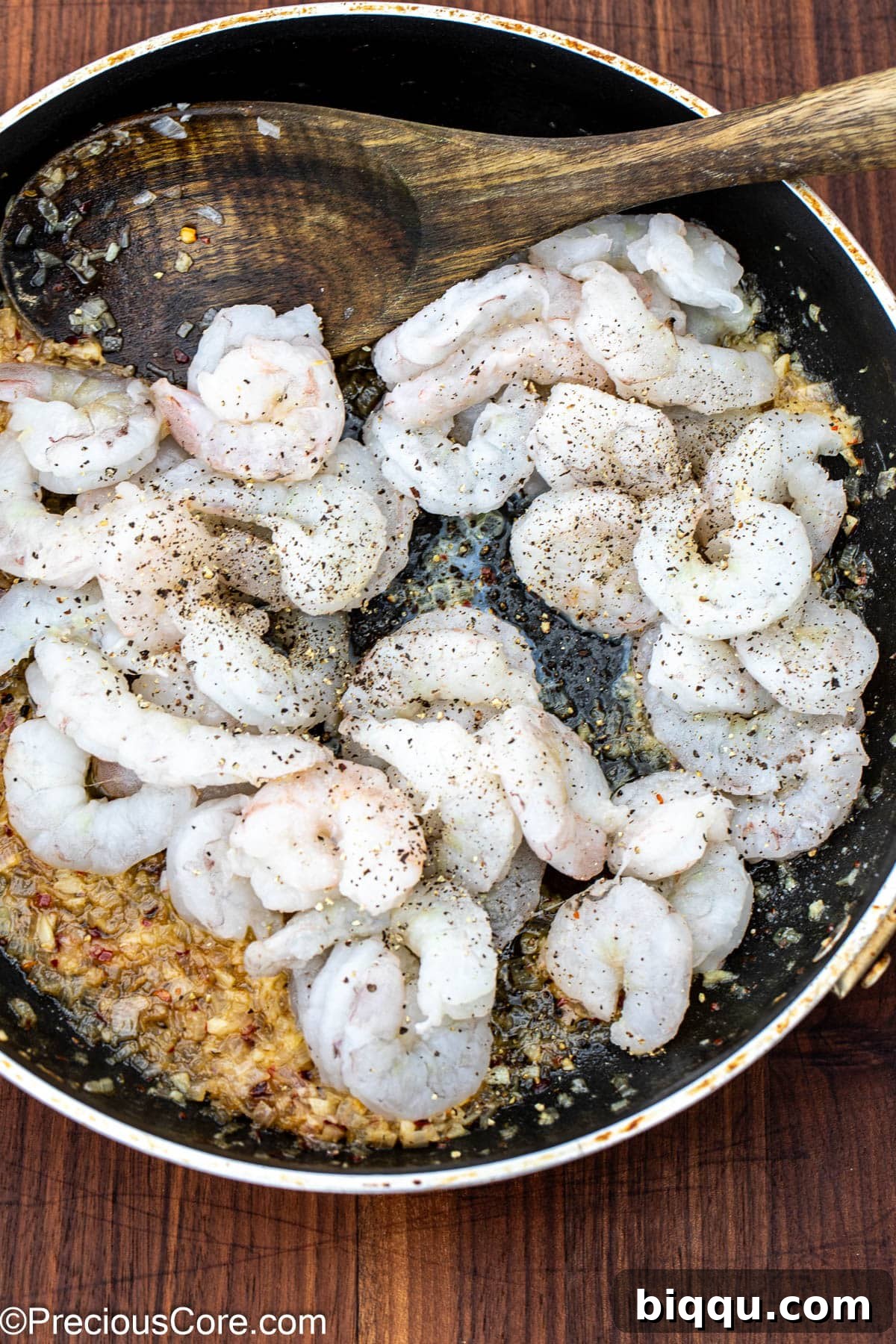
Once your sauce base has simmered and developed its flavors, it’s time to add the shrimp. Place the peeled and deveined shrimp directly into the skillet, then season generously with salt and freshly ground black pepper. For a more appealing presentation, especially as an appetizer, we recommend using medium to large shrimp, as they offer a more substantial and attractive bite. If you prefer, white pepper can be used as a substitute for black pepper, which is a common practice in seafood dishes to maintain a lighter visual while still providing a peppery kick. Stir everything gently to ensure the shrimp are evenly coated with the fragrant sauce and seasonings.
Step 4: Cook Until the Shrimp Turn Pink
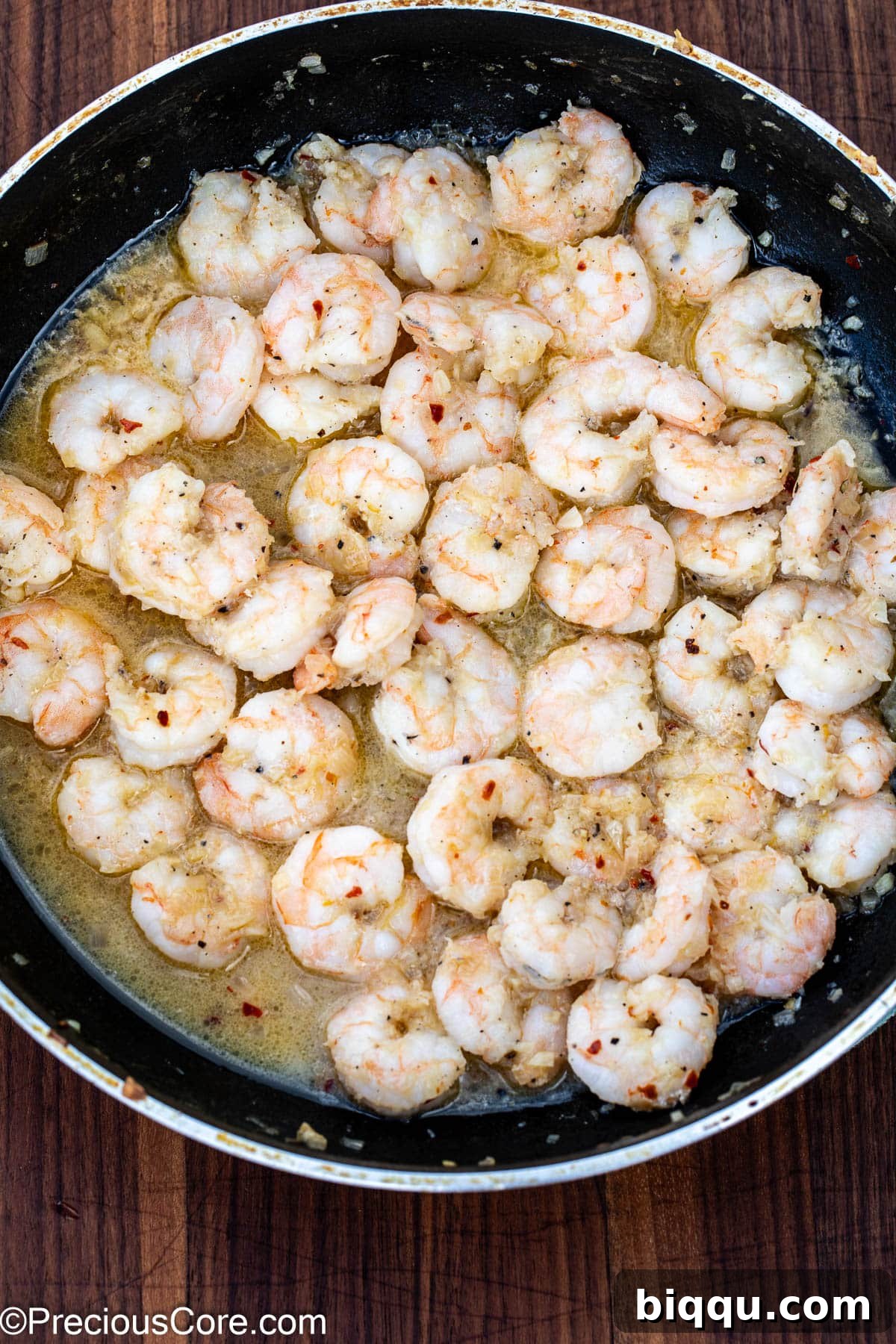
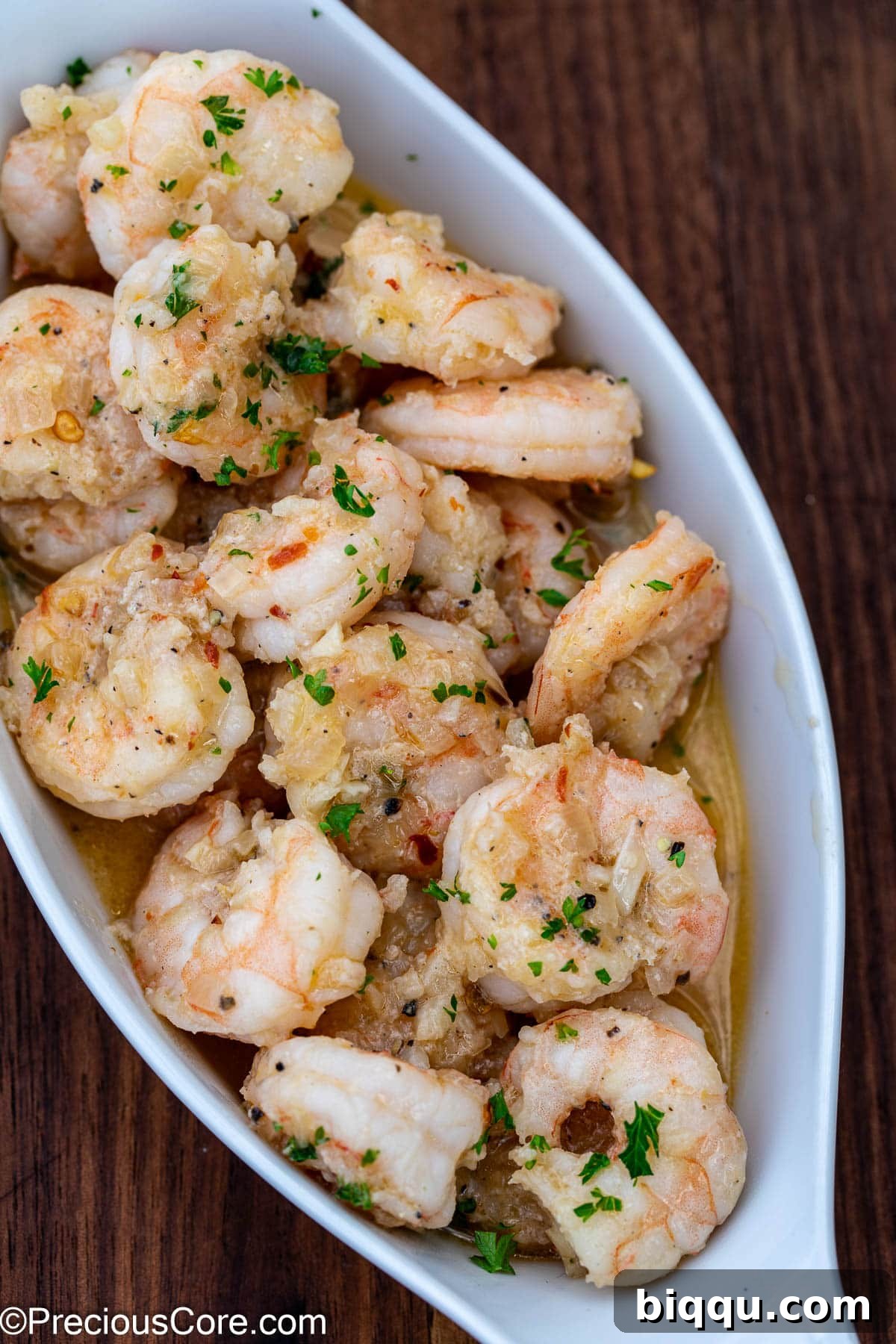
Continue to cook the shrimp over medium-high heat, stirring occasionally, until they transform from translucent grey to opaque pink. This typically takes a mere 3-4 minutes. Shrimp cook very quickly, so vigilance is key to prevent overcooking. Overcooked shrimp will become tough, rubbery, and lose their delicate texture and flavor. A good indicator that shrimp are perfectly cooked is when they curl into a gentle “C” shape. If they form a tight “O” shape, they are likely overcooked.
After the shrimp are cooked, remove the skillet from the heat. This is the moment for the finishing touches. Taste the sauce and adjust seasonings as needed, adding a pinch more salt if desired. Stir in the fresh lemon juice, which will brighten all the flavors and add a final burst of freshness. For an enhanced presentation and aromatic appeal, garnish the dish generously with freshly minced parsley, chives, or a scattering of fresh lemon zest. These fresh herbs and citrus notes truly elevate the entire experience, making it look as good as it tastes.
Creative Substitutions and Delicious Variations
This garlic shrimp in white wine sauce is wonderfully adaptable, allowing for numerous substitutions and variations to suit your taste preferences or pantry availability. Don’t hesitate to get creative and make this dish truly your own!
- Add Clams for a Seafood Medley: Elevate this dish into a delightful seafood medley by incorporating fresh clams. The briny flavor of clams beautifully complements the shrimp and the garlicky white wine sauce. If using fresh clams, ensure they are thoroughly cleaned and purged of any sand before cooking. Since clams take slightly longer to cook than shrimp, add them earlier to the simmering white wine sauce. Cover the skillet and steam them for a few minutes until they begin to open. Then, proceed with adding the shrimp as usual. Discard any clams that do not open after cooking.
- Transform it into a Hearty Pasta Dish: Easily turn this elegant appetizer into a satisfying main course by pairing it with your favorite pasta. Angel hair, linguine, or fettuccine are excellent choices that absorb the sauce beautifully, but any pasta shape you have on hand will work. Cook your pasta separately according to package directions until al dente. You can either serve the garlic shrimp directly over a bed of pasta or, for a more integrated dish, add the cooked pasta directly to the skillet with the shrimp and sauce, tossing everything together just before serving.
- Boost Nutrition with Fresh Spinach: For an added nutritional boost and a pop of color, fresh spinach is a phenomenal pairing with the shrimp. Its slightly bitter notes provide a lovely contrast to the rich sauce. For best results, use fresh baby spinach and add it to the skillet at the same time as the shrimp. The residual heat from the sauce will gently wilt the spinach, allowing it to incorporate seamlessly into the dish without overcooking.
- Non-Alcoholic Alternative with Chicken Broth: If you prefer to cook without alcohol or don’t have white wine available, chicken broth makes an excellent substitute. Use an equal amount of good quality chicken broth in place of the white wine. Rest assured, the dish will still be incredibly flavorful, savory, and delicious, offering a slightly different but equally delightful depth. Vegetable broth is also a viable option.
- Creamy Indulgence with Heavy Cream and Parmesan: For a richer, more indulgent experience, transform this dish into a creamy garlic shrimp pasta by incorporating a splash of heavy cream and a generous sprinkle of grated Parmesan cheese. Add the heavy cream during the last minute of cooking the sauce, allowing it to warm through, then stir in the Parmesan until melted and smooth. This variation is particularly decadent when served with pasta.
- A Touch of Spice with Cherry Tomatoes: Add some vibrant color and a burst of juicy sweetness by tossing in halved cherry tomatoes during the last few minutes of cooking. They will soften slightly and release their juices, adding another layer of flavor to the sauce.
Expert Tips for Perfect Garlic Shrimp in White Wine Sauce
Achieving perfectly cooked shrimp in a luscious white wine sauce is simple when you know a few key tricks. Follow these expert tips to ensure your dish is consistently delicious and impresses every time:
- Avoid Overcooking the Shrimp at All Costs: This is arguably the most critical tip for any shrimp dish. Shrimp cook incredibly fast, and overcooking them will result in a tough, rubbery texture that diminishes their delicate flavor. Pay close attention to their appearance: shrimp are done when they turn from translucent grey to opaque pink, curl into a gentle “C” shape, and are slightly firm yet still tender. If they form a tight “O” shape, they’ve been cooked too long. Keep a watchful eye, as they often only need 2-4 minutes in a hot pan.
- Choose the Right Shrimp Size: This recipe typically calls for medium shrimp (around 31-40 count per pound), which cook quickly and offer a good bite. If you have large or jumbo shrimp (21-25 count), that’s perfectly fine! Just remember that larger shrimp will require a minute or two more of cooking time. Adjust your timing accordingly to ensure they are cooked through but not overdone.
- Prioritize Your Mise en Place (Prep Work): To ensure a smooth and stress-free cooking experience, prepare all your ingredients before you even turn on the stove. This means peeling and deveining your shrimp, mincing your garlic and shallots, measuring out your wine and spices, and having your lemon ready. Shrimp cook so rapidly that you won’t have time to scramble for ingredients once the cooking process begins. Purchasing pre-peeled and deveined shrimp is a great time-saving shortcut if you’re in a hurry.
- Select Your White Wine Wisely: The quality and type of white wine significantly impact the final flavor of your sauce. Always opt for a dry white wine, such as Pinot Grigio, Sauvignon Blanc, or an unoaked Chardonnay. Avoid sweet wines like Moscato or Riesling (unless specifically cooking a dessert dish), as their sweetness will clash with the savory profile of the shrimp and lemon, throwing off the balance of the entire dish. You don’t need an expensive bottle; a good quality, moderately priced dry white wine will yield excellent results.
- Don’t Skimp on Fresh Ingredients: Fresh garlic, shallots, and especially fresh lemon juice make a noticeable difference in the vibrancy and depth of the sauce. While dried herbs or bottled lemon juice might seem convenient, they simply cannot replicate the bright, aromatic flavors that fresh ingredients impart.
- Taste and Adjust Seasoning: Always taste your sauce before adding the shrimp and again before serving. This allows you to adjust the salt, pepper, and lemon juice to your preference, ensuring a perfectly balanced and seasoned dish every time.
Recipe Frequently Asked Questions
For shrimp and other seafood dishes, a dry, crisp white wine is generally preferred. Excellent choices include Pinot Grigio, Sauvignon Blanc, and Viognier. These wines offer bright acidity and subtle fruity or herbaceous notes that beautifully complement the delicate flavor of shrimp and enhance the zest of fresh lemon juice in the sauce. The acidity helps to cut through the richness of the butter and oil, creating a perfectly balanced flavor profile. You don’t need to break the bank for a good cooking wine; there are many high-quality, moderately priced dry white wines available that will work wonderfully.
When you cook shrimp in a white wine sauce, the alcohol plays a significant role in infusing the shrimp with a remarkable depth of flavor. As the wine simmers, the alcohol evaporates, leaving behind its concentrated essence, which penetrates the shrimp. This process tenderizes the shrimp slightly and helps them absorb the complex flavors of the sauce, including the garlic, shallots, and lemon. Cooking the shrimp directly in the sauce, rather than separately, allows for maximum flavor absorption and creates a cohesive, delicious dish.
There isn’t a single “best” option, as both butter and olive oil bring unique qualities to cooking shrimp. Butter offers a rich, nutty flavor that enhances seafood beautifully and contributes to a luxurious sauce. However, butter has a lower smoke point, meaning it can burn easily at high temperatures. Olive oil, on the other hand, has a higher smoke point, making it excellent for sautéing at medium-high heat without burning. This specific recipe uses a combination of both butter and olive oil to harness the best of both worlds: the robust flavor of butter and the stability of olive oil for sautéing aromatics without scorching. Many chefs prefer this blend for its balanced flavor and versatility.
It is highly recommended to properly thaw frozen shrimp before cooking. Cooking frozen shrimp directly can release excess water into your pan, diluting the sauce and making it less flavorful. Additionally, it can lead to uneven cooking, where the outside might be done while the inside is still cold. Thaw shrimp overnight in the refrigerator or quickly under cold running water for the best results.
Serving Suggestions for Garlic Shrimp in White Wine Sauce
This exquisite Shrimp in White Wine Sauce is incredibly versatile and pairs beautifully with a variety of accompaniments. The key is to have something on hand to soak up every last drop of that delectable, garlicky sauce!
For the ultimate experience, serve this dish alongside any crusty bread. A freshly baked baguette, rustic ciabatta, or classic French bread are all perfect choices. The porous texture of crusty bread is ideal for mopping up the rich, flavorful sauce, ensuring that no drop of its goodness goes to waste. To truly elevate the presentation and flavor, consider serving it with homemade bread – the taste and aroma of freshly baked bread are simply unmatched and will impress your guests. Here are some of our favorite homemade bread recipes that pair wonderfully:
Garlic Butter Rolls
Easy Homemade French Bread
Easy Dinner Rolls
Easy Sandwich Bread Recipe
More Impressive Dinner Recipes to Explore
Looking for more delicious and impressive dinner ideas to add to your culinary repertoire? Here are some other fantastic recipes that are sure to delight your family and guests:
Garlic Butter Chicken Pasta
Garlic Butter Green Beans
Baked Dry Rub Ribs
Baked Dry Rub Chicken Wings
Fish In White Sauce
Marry Me Chicken
We hope you enjoy making this exquisite Shrimp in White Wine Sauce! If you try this recipe, please consider leaving a star rating below. Your feedback and ratings are incredibly valuable to us and help other home cooks discover and enjoy our recipes. Thank you for cooking with us!
Shrimp In White Wine Sauce
Ingredients
- 1 pound medium shrimp
- 1 tablespoon olive oil
- 2 tablespoons unsalted butter
- 1 medium shallot, minced
- 3 garlic cloves, minced
- ¼ teaspoon red pepper flakes
- ⅓ cup dry white wine
- ¼ teaspoon salt
- ⅛ teaspoon ground black pepper (sub with white pepper)
- 1 Tablespoon fresh lemon juice
- 2 Tablespoons minced parsley (for garnish)
Serving Suggestions
- Crusty bread like ciabatta or baguette
Instructions
- Rinse the shrimp and pat dry with paper towels.
- Heat a large skillet on medium-high heat then add the olive oil and butter. Once the butter melts, add the minced shallots and garlic. Stir well and let it cook for about a minute or two while stirring occasionally until fragrant and golden brown.
- Add the white wine and red pepper flakes. Bring to a simmer for 2 to 3 minutes, allowing the alcohol to cook off and flavors to meld.
- Add the shrimp, salt, and pepper. Stir well to combine and continue to simmer for about 3-4 minutes until the shrimp turn opaque pink. Be careful not to overcook.
- Add in the fresh lemon juice, then taste and adjust the seasoning as needed. A little pinch of salt might be needed at this stage.
- Garnish generously with minced parsley and serve warm with crusty bread.
Notes
What kind of white wine should I use? Dry wines like Pinot Grigio, Sauvignon Blanc, and Viognier beautifully complement the shrimp’s taste. However, any dry white wine you have on hand will work.
Fresh lemon juice: Please use fresh lemon juice instead of bottled juice. The bright, fresh taste is incomparable!
Serving: Serve with Garlic Herb Rice, pasta, or Easy Homemade French Bread.
Nutrition
Carbohydrates: 2g |
Protein: 23g |
Fat: 10g |
Saturated Fat: 4g |
Polyunsaturated Fat: 1g |
Monounsaturated Fat: 4g |
Trans Fat: 0.2g |
Cholesterol: 198mg |
Sodium: 287mg |
Potassium: 357mg |
Fiber: 0.4g |
Sugar: 1g |
Vitamin A: 381IU |
Vitamin C: 5mg |
Calcium: 86mg |
Iron: 1mg