
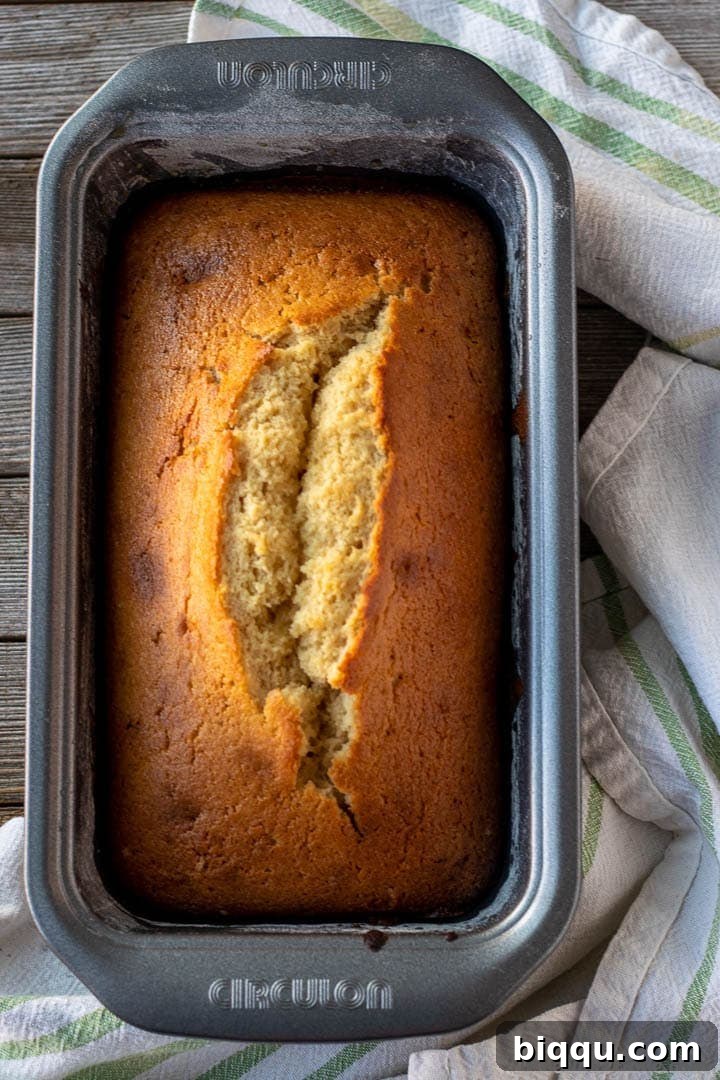
Vanilla Pound Cake: a timeless classic, beloved for its rich, buttery flavor, incredibly tender crumb, and delightful sweetness. This moist and easy-to-make pound cake is designed for simplicity, often requiring just one bowl for mixing, making it perfect for bakers of all skill levels. Whether enjoyed for a leisurely breakfast, a satisfying snack, or an elegant dessert, its versatility and irresistible taste make it a staple in any kitchen.
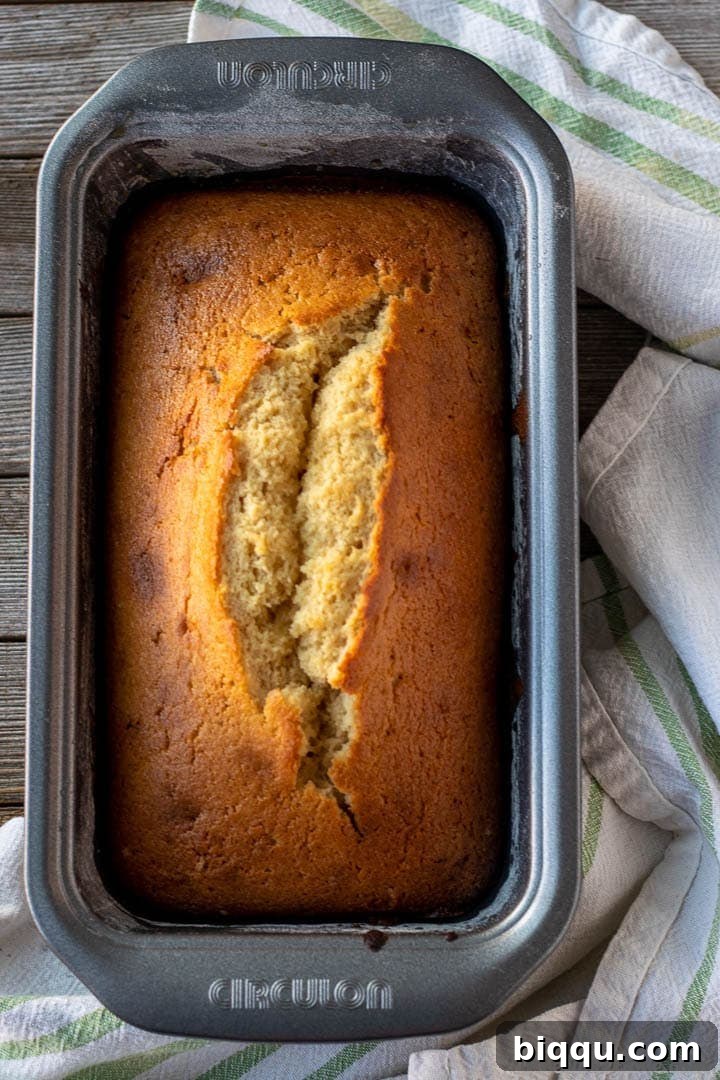
The Ultimate Guide to Baking a Perfectly Moist Vanilla Pound Cake
Pound cakes hold a special place in the hearts of many dessert enthusiasts, and for good reason! There’s an undeniable charm in their unpretentious elegance and straightforward appeal. Unlike elaborate layer cakes that demand intricate frostings and extensive decoration, pound cakes shine brightly in their pure, unadorned simplicity. They are the epitome of comfort baking – just bake, slice, and enjoy!
While some bakers enjoy drizzling a simple sugar glaze over their pound cake, many, myself included, find the unglazed version utterly perfect on its own. The inherent richness and depth of flavor in a well-made vanilla pound cake are often best appreciated without additional embellishments. Its golden crust and velvety interior offer a sensory experience that stands alone. Prepare to be delighted, as this recipe will undoubtedly have you reaching for a second, or even a third, slice!
Table of Contents
- Introduction to Vanilla Pound Cake
- Why Pound Cake is a Timeless Classic
- Essential Ingredients for Your Vanilla Pound Cake
- Creative Recipe Variations for Your Pound Cake
- Smart Ingredient Substitutions
- Step-by-Step Guide: How to Make Vanilla Pound Cake from Scratch
- Mastering the Perfect Pound Cake: Expert Baking Tips
- The Fascinating History of Pound Cake
- Deciphering Traditional Measurements in Baking
- Modernizing a Classic: Our Updated Pound Cake Recipe
- What to Expect: The Taste and Texture of a Perfect Pound Cake
- Recommended Baking Tools for Your Vanilla Pound Cake
- Watch the Vanilla Pound Cake Recipe Video
- More Delicious Recipes to Explore
- Serving Suggestions and Perfect Pairings
- Complete Vanilla Pound Cake Recipe Card
Introduction to Vanilla Pound Cake: A Buttery Delight
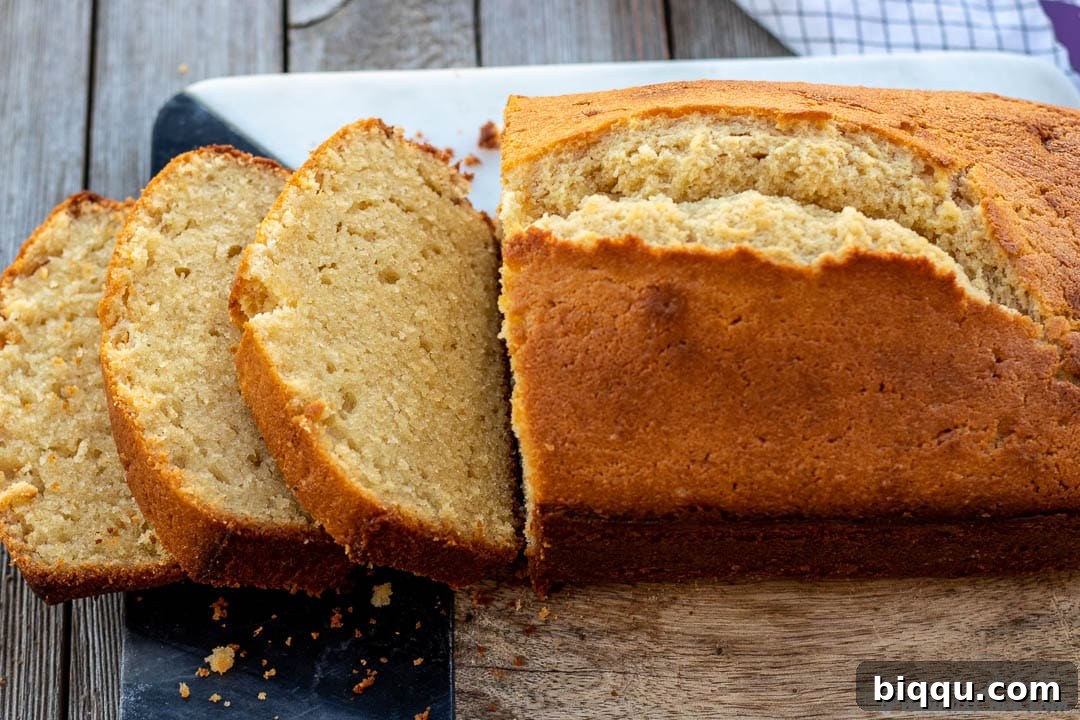
This exquisite Vanilla Pound Cake recipe promises an irresistibly buttery and wonderfully moist cake that will become a new favorite in your baking repertoire. It’s the kind of treat that perfectly complements a steaming cup of tea or coffee, instantly elevating your day. The simplicity of its preparation belies the depth of flavor it delivers, making it an ideal choice for both everyday indulgence and special occasions.
For this classic vanilla pound cake, the quality of your vanilla extract makes a significant difference. While any good quality vanilla extract or vanilla bean paste will yield excellent results, using homemade vanilla extract can truly elevate the flavor profile, imparting a richer, more nuanced vanilla essence. Vanilla essence can also be used if that’s what you have on hand. Beyond vanilla, pound cakes are incredibly adaptable, opening up a world of flavor possibilities. You’ll find recommendations for various delightful pound cake flavors later in this guide.
If you’re eager to explore more delightful baking adventures, be sure to check out our other popular recipes, including the incredibly delicious Southern Lemon Pound Cake Recipe, the comforting Old Fashioned Fresh Apple Cake Recipe, and the visually stunning Pineapple Upside Down Pound Cake. Each offers a unique twist on classic baking.
Essential Ingredients for Your Vanilla Pound Cake
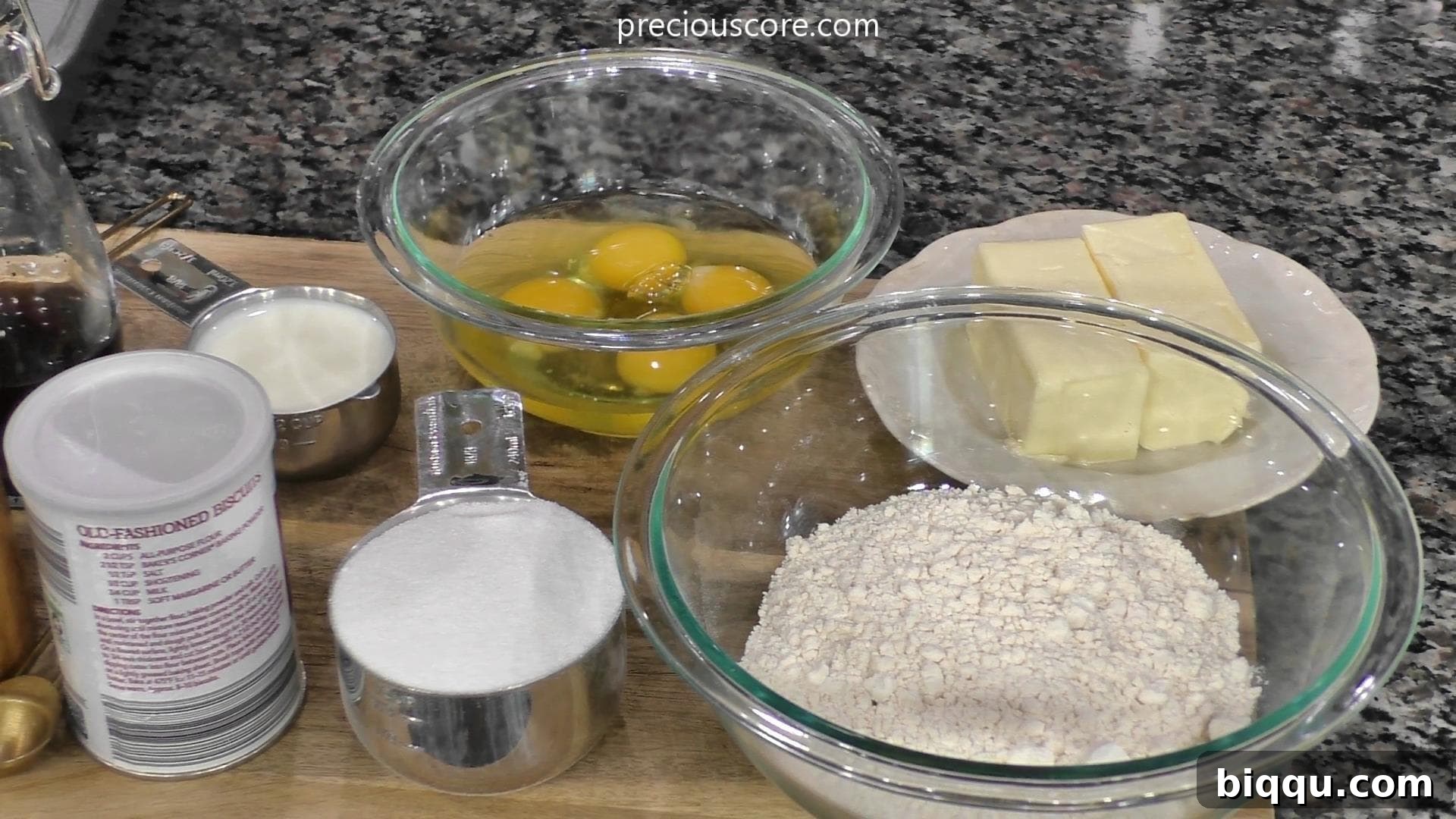
Crafting a truly exceptional vanilla pound cake relies on a handful of simple yet crucial ingredients. The beauty of this recipe lies in its reliance on pantry staples, ensuring that a delightful baking experience is always within reach. (For precise measurements, please refer to the complete recipe card below.) Here’s a closer look at the key components and their vital roles:
- Unsalted Butter: This is arguably the star of any pound cake, lending its characteristic rich, buttery flavor and incredibly tender texture. For optimal results, always opt for unsalted butter, as it allows you to control the exact amount of salt in your recipe. Butter is essential for moisture and richness; without it, the cake would be dry, crumbly, and lack that signature melt-in-your-mouth quality. Ensure it’s at room temperature for proper creaming.
- Large Eggs: Eggs are more than just a binding agent; they provide crucial structure, emulsification, and richness to the pound cake batter. The protein in the egg whites contributes to the cake’s lift and stability, while the yolks add moisture, fat, and a beautiful golden hue. Using large, room-temperature eggs ensures they incorporate smoothly into the batter, preventing curdling and promoting an even texture.
- Granulated Sugar: Beyond sweetness, sugar plays multiple roles in pound cake. It tenderizes the gluten in the flour, contributes to browning, and helps retain moisture, keeping the cake moist for longer. When creamed with butter, it creates air pockets, which are vital for the cake’s texture and rise. Standard granulated sugar is all you need for that perfect balance of sweetness.
- All-Purpose Flour: The foundational dry ingredient, all-purpose flour provides the structural backbone of the cake. Its moderate protein content is ideal for pound cakes, offering enough structure without making the cake too tough. While some recipes call for cake flour for a softer crumb, all-purpose flour yields a satisfyingly tender yet slightly dense texture that is characteristic of a classic pound cake.
- Baking Powder: As a chemical leavening agent, baking powder is indispensable in modern pound cake recipes. It helps the cake rise during baking, ensuring a delicate lift and preventing it from becoming overly dense. While traditional pound cakes relied solely on creamed butter and eggs for leavening, a touch of baking powder guarantees a lighter, more tender crumb without sacrificing the cake’s signature richness.
- Whole Milk: Milk adds essential moisture and richness to the batter, contributing to the cake’s tender crumb and smooth texture. Whole milk is preferred for its higher fat content, which enhances flavor and moisture. Using room-temperature milk ensures it combines seamlessly with the other ingredients.
- Salt: A pinch of salt is vital for balancing the sweetness and enhancing all the other flavors in the cake. It doesn’t just make the cake taste less bland; it actually amplifies the vanilla and butter notes, creating a more complex and satisfying flavor profile.
For those managing specific dietary needs or tracking nutritional intake, the full recipe card below includes comprehensive nutrition information. This will help you monitor daily values and enjoy this delightful treat responsibly.
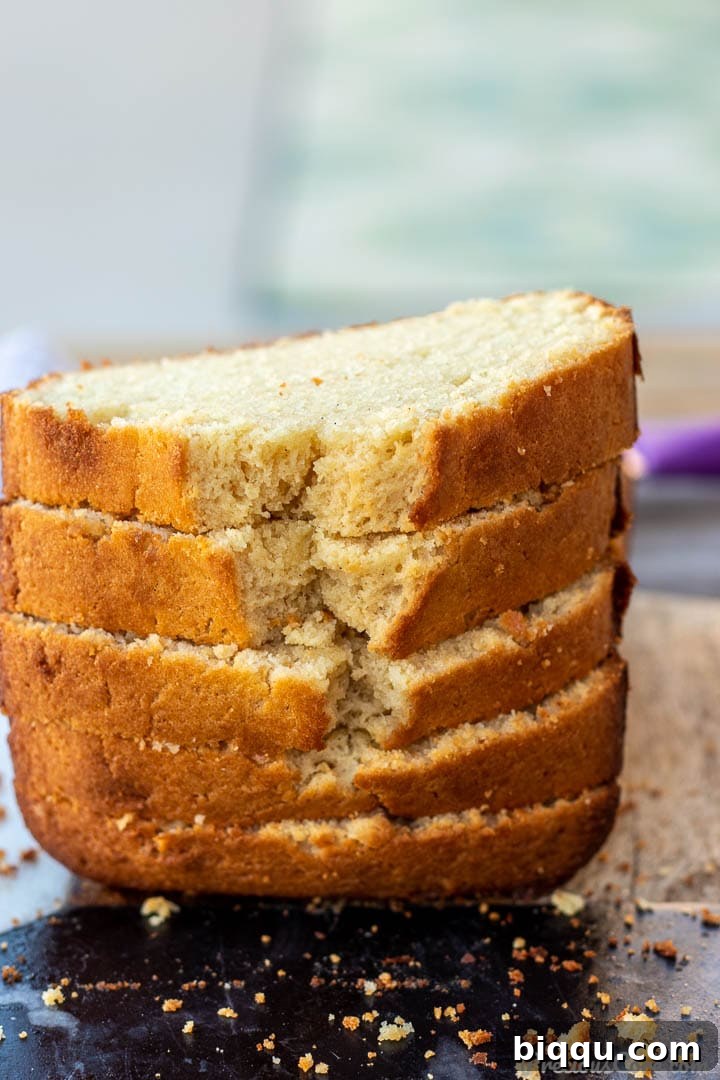
Creative Recipe Variations for Your Pound Cake
One of the most appealing aspects of pound cake is its incredible adaptability. While the classic vanilla version is divine, it also serves as a perfect canvas for a myriad of other flavors. Don’t hesitate to experiment and customize this recipe to suit your taste preferences or the season. Here are some inspiring ideas to transform your classic pound cake:
- Citrus Pound Cakes:
- Orange Pound Cake: Incorporate the vibrant aroma of fresh orange zest and the bright tang of orange juice. To maintain the right batter consistency, reduce the amount of whole milk by half to make room for the added orange juice. For an extra burst of flavor and moisture, consider brushing the warm cake with a simple orange syrup before it cools completely.
- Lime Pound Cake: For a zesty and refreshing twist, add finely grated lime zest and fresh lime juice. Similar to the orange variation, reduce the milk by half to accommodate the juice. A lime glaze or candied lime slices would make an excellent topping.
- Lemon Pound Cake: A perennial favorite, lemon pound cake is bright and invigorating. Infuse your batter with plenty of fresh lemon zest and juice, or enhance the flavor with a dash of lemon extract. Again, adjust the milk quantity to account for the lemon juice. Serve with a simple lemon glaze for a truly classic experience.
- Berry Infusions: Gently fold in a cup of fresh or frozen blueberries (tossed in a tablespoon of flour to prevent sinking) for a delightful blueberry pound cake. Raspberries or mixed berries would also be fantastic.
- Chocolate Indulgence: For chocolate lovers, stir in a generous quantity of chocolate chips – milk, semi-sweet, or dark – to create a decadent chocolate chip pound cake. A drizzle of chocolate ganache would be the perfect finish.
- Seasonal Fruit Cakes: Transform your pound cake into a festive fruit cake by folding in a mixture of dried fruits such as raisins, cranberries, apricots, or candied peel. A splash of rum or brandy can also be added for a richer, more traditional holiday flavor.
- Enriched with Sour Cream: For an exceptionally moist and tender crumb with a subtle tang, add a spoonful or two of sour cream (or Greek yogurt) to the batter. This addition helps to activate the baking powder further, contributing to a lighter texture.
Smart Ingredient Substitutions for Your Pound Cake
While the recipe specifies certain ingredients for optimal results, sometimes you need to make a quick swap. Here are some common and effective substitutions that can help you achieve a delicious pound cake even if you’re missing an item or catering to specific dietary needs:
- Vanilla Extract Alternatives: If you’re out of vanilla extract, don’t fret! You can successfully use vanilla essence or vanilla bean paste as direct substitutes. For a different but equally delightful aroma, consider using almond extract, which adds a lovely nutty note that pairs beautifully with the rich cake.
- Butter Options: The recipe calls for unsalted butter to give you control over the salt content. If you only have salted butter on hand, simply omit the additional salt specified in the recipe. Be mindful that different brands of salted butter have varying salt levels, so taste your batter if you’re concerned.
- Flour Choices: All-purpose flour is recommended for its balanced structure and tender crumb. However, if you prefer a slightly finer, more delicate texture, you can substitute cake flour. Keep in mind that cake flour has a lower protein content, which might result in a slightly less dense cake than a traditional pound cake. Avoid using bread flour, as its high protein content will make the cake tough.
- Milk Varieties: Whole milk provides the richest flavor and most tender crumb due to its fat content. If whole milk isn’t available or you prefer an alternative, skim milk, almond milk, or other plant-based milks can be used. Be aware that lower-fat alternatives might slightly alter the cake’s richness and moisture level.
Step-by-Step Guide: How to Make Vanilla Pound Cake from Scratch
Baking a delicious pound cake from scratch is a rewarding experience, and it’s surprisingly simple! This recipe utilizes the classic creaming method, a fundamental baking technique that ensures a light, airy, and tender crumb without any tricky procedures. Follow these detailed steps to create your perfect vanilla pound cake:
Preparation:
1. Preheat Your Oven: Begin by preheating your oven to 350 degrees Fahrenheit (180 degrees Celsius). Allowing your oven to reach the correct temperature before baking is crucial for an even rise and proper baking. While the oven preheats, you can prepare your pan and ingredients.
2. Prepare Your Baking Pan: Generously grease a 9×5 inch loaf pan with about half a tablespoon of oil or softened butter. Use a pastry brush or paper towel to ensure the entire interior surface, including the corners, is thoroughly coated. Next, add a tablespoon of all-purpose flour to the greased pan. Rotate and tap the pan from all angles until the flour evenly coats the greased surfaces. Invert the pan and gently tap out any excess flour. This greasing and flouring technique ensures your cake releases easily after baking. Alternatively, you can line the pan with parchment paper, leaving an overhang on the sides for easy lifting.
Mixing the Batter (The Creaming Method):
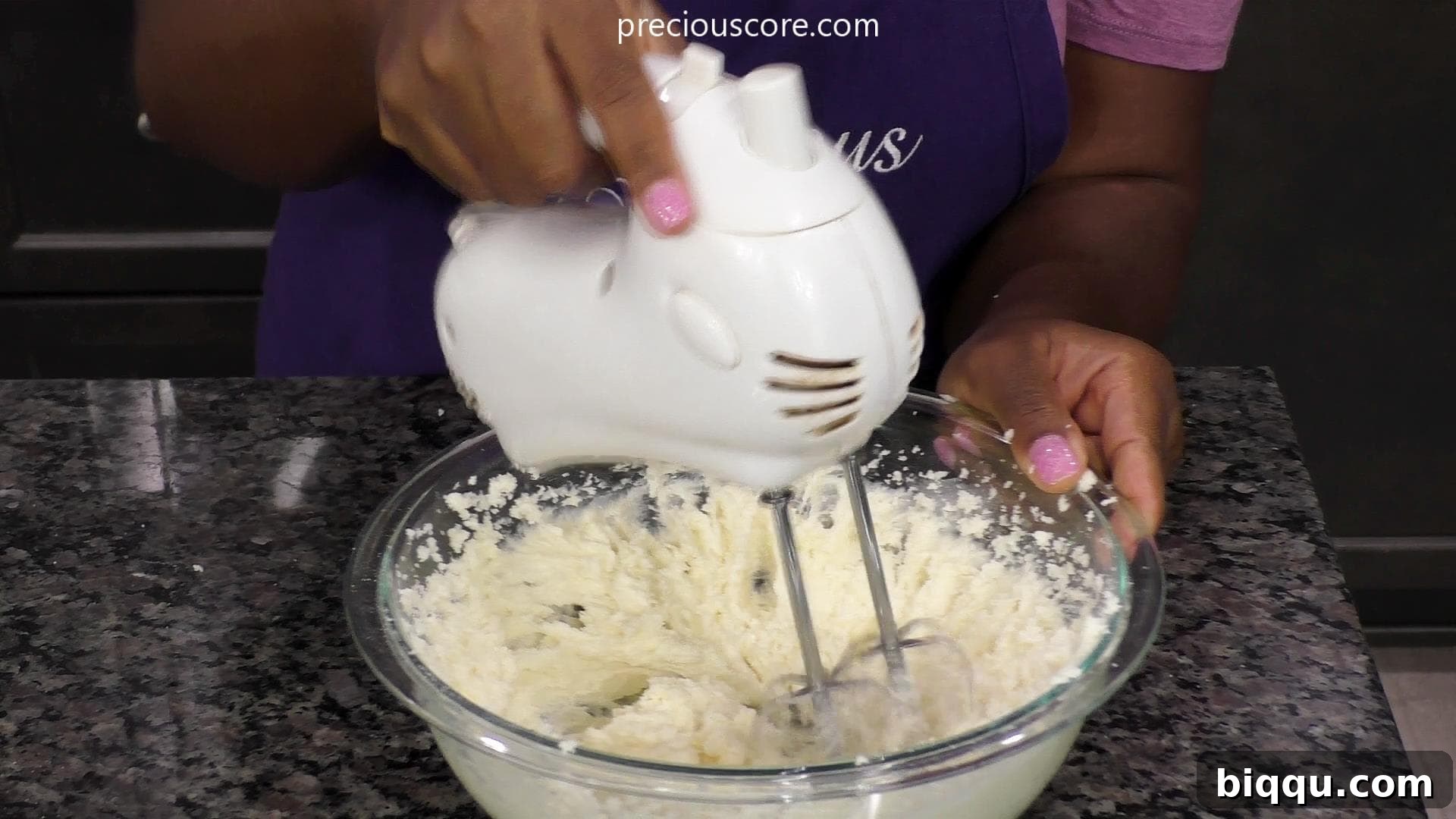
3. Cream Butter and Sugar: In a large mixing bowl, combine the room-temperature unsalted butter and granulated sugar. Using an electric mixer (either a handheld mixer with beaters or a stand mixer with a paddle attachment), start beating on low speed, gradually increasing to medium. Continue to beat the mixture for about 3-5 minutes, or until it becomes noticeably light in color, fluffy in texture, and aerated. This creaming process incorporates air into the butter and sugar, which is fundamental for the pound cake’s tender structure and helps it rise.
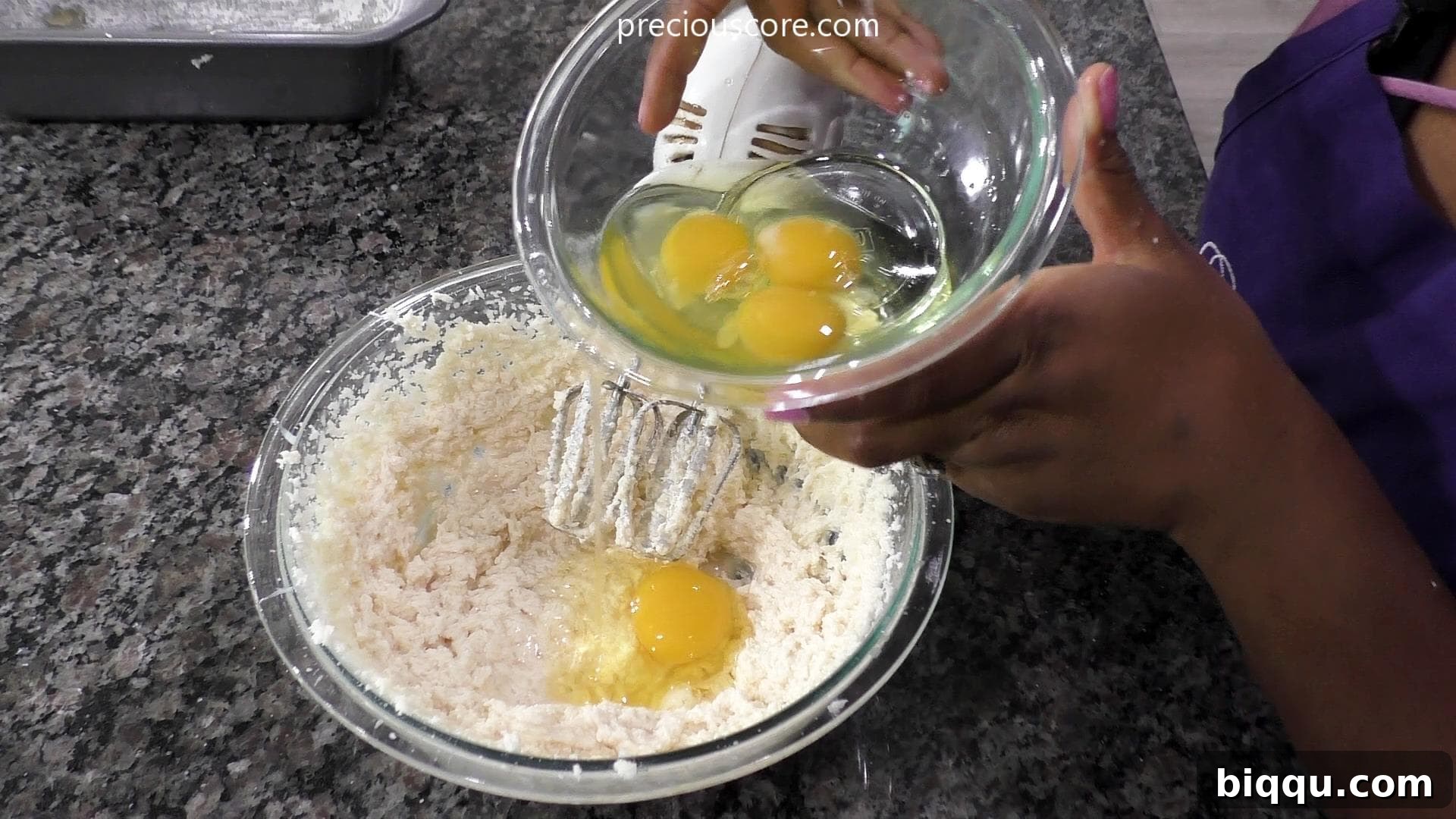
4. Incorporate Wet Ingredients: To the creamed butter and sugar mixture, add the vanilla extract and room-temperature whole milk. Beat on low speed until just combined. Next, crack your large eggs into a separate medium bowl to ensure no shells enter the batter. Add the eggs one at a time to the butter mixture, beating lightly after each addition until just incorporated. Avoid over-beating at this stage, as it can compromise the airy texture you’ve created.
5. Add Dry Ingredients: In a separate bowl, whisk together the all-purpose flour, baking powder, and salt. Sifting these dry ingredients together ensures they are evenly distributed and helps prevent lumps in the final batter. Gradually add the sifted dry ingredients to the wet mixture in two or three additions, beating on the lowest speed until just combined after each addition. A good practice is to add about half of the flour mixture, mix briefly, then add the remaining flour. Use a rubber spatula to scrape down the sides and bottom of the bowl periodically to ensure all ingredients are fully incorporated.
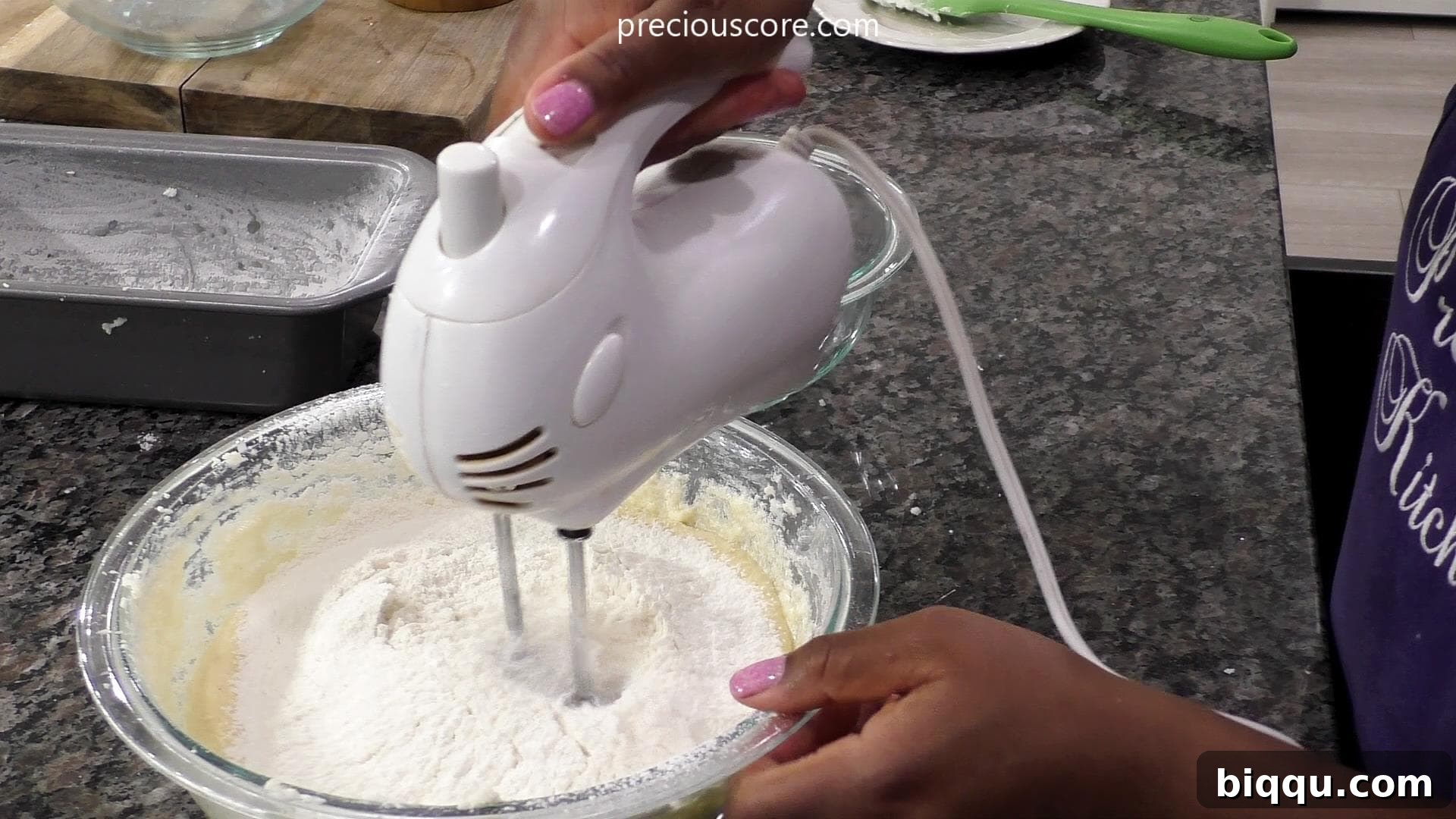
Important Note on Mixing: Be extremely careful not to overmix the batter once the flour is added. Overmixing develops the gluten in the flour, which can lead to a tough, chewy cake rather than a tender one. Stop mixing as soon as you no longer see streaks of dry flour. A few small lumps are perfectly acceptable.
Baking and Cooling:
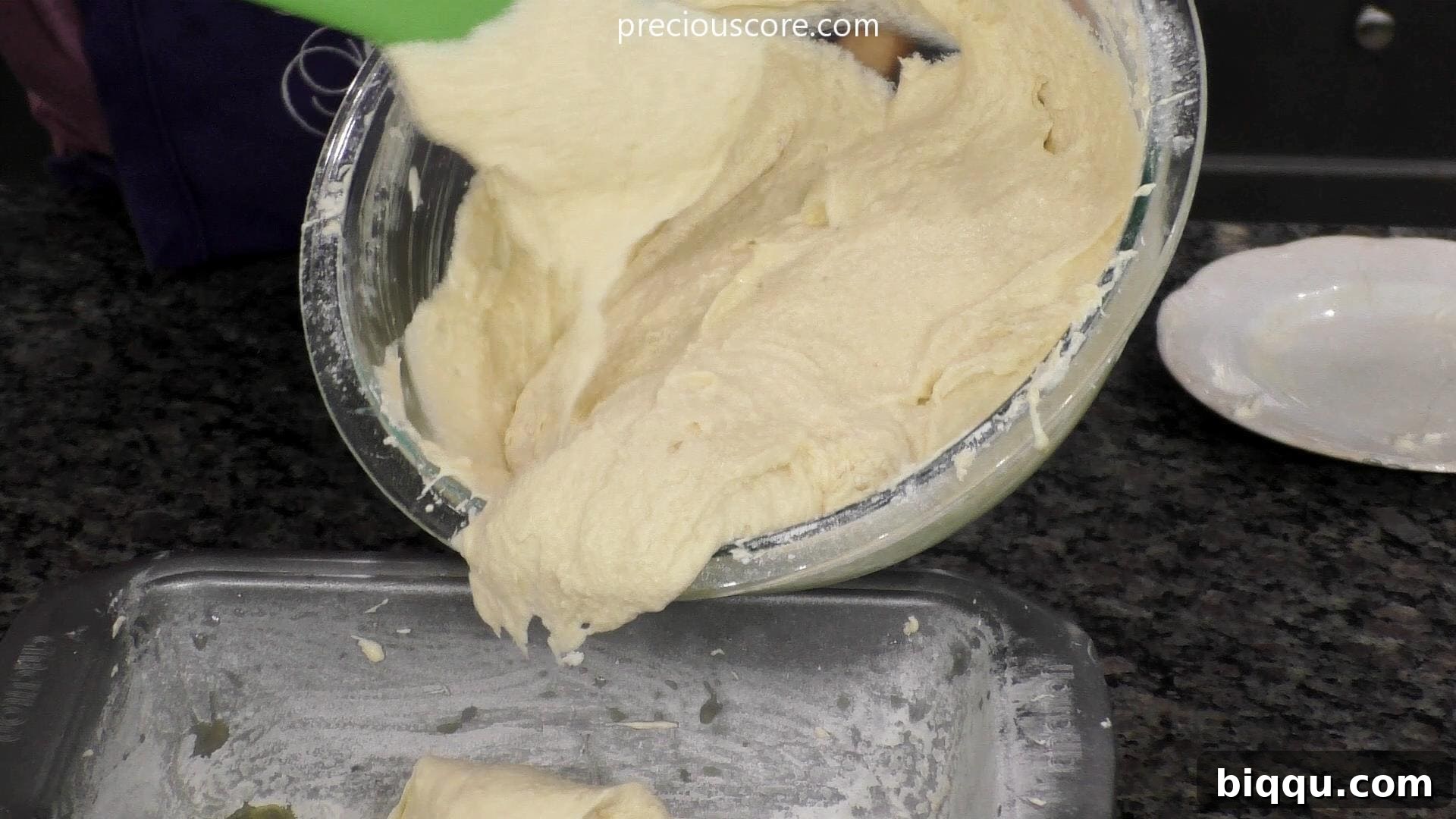
6. Pour Batter into Pan: Gently pour the prepared pound cake batter into your greased and floured loaf pan. Use a spatula to level the top of the batter for an even bake. Gently tap the pan a few times on your countertop to release any large air bubbles that may be trapped, ensuring a denser, more uniform crumb.
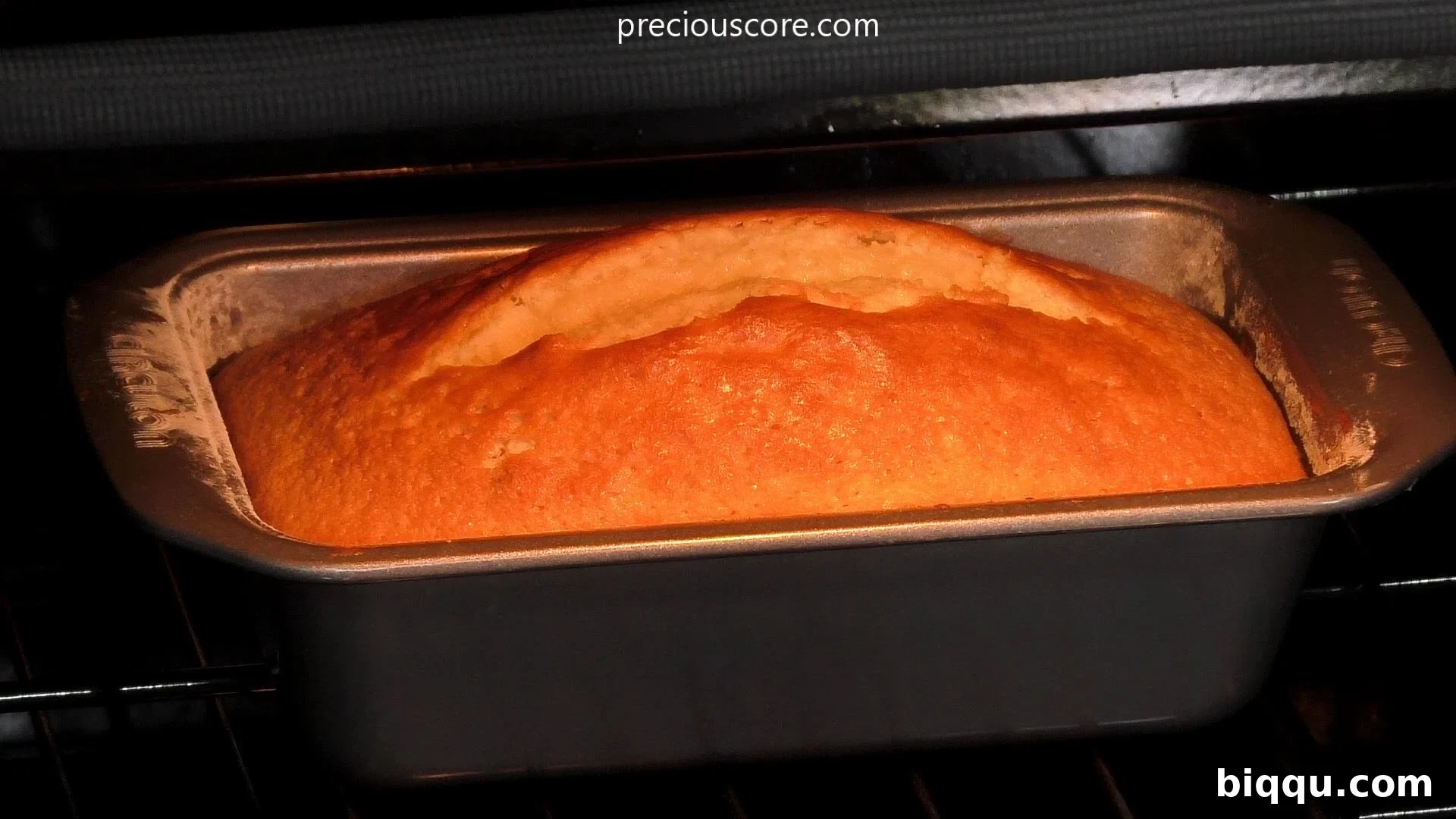
7. Bake to Golden Perfection: Place the loaf pan into your preheated oven. Bake for the suggested time (typically around 50-60 minutes, but this can vary depending on your oven), or until the top is beautifully golden brown and a wooden skewer or toothpick inserted into the very center of the cake comes out clean. Begin checking for doneness around the 40-minute mark. If you notice the top browning too quickly before the center is cooked, you can loosely tent the pan with aluminum foil to prevent excessive browning. Overbaking can lead to a dry cake, so watch it carefully.
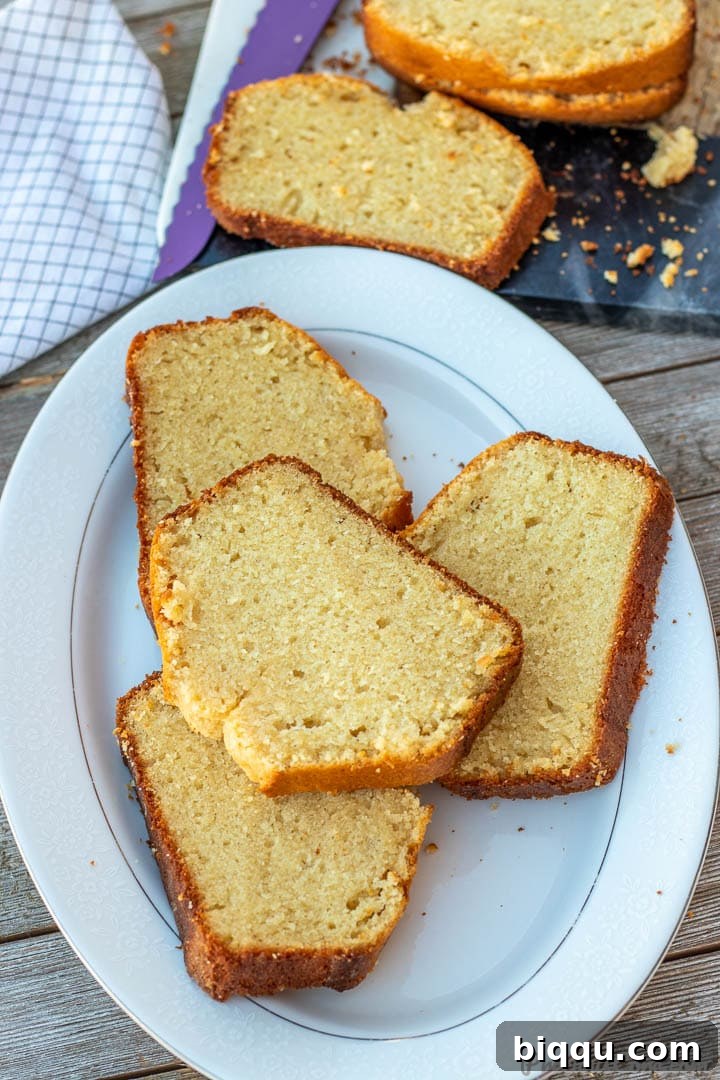
8. Cool and Serve: Once baked, remove the pound cake from the oven and place it on a wire cooling rack. Allow the cake to cool in the pan for about 10-15 minutes. This crucial resting period allows the cake to set and prevents it from breaking when removed. After cooling in the pan, invert the cake onto the wire rack to cool completely. Slicing a warm pound cake can be tempting, but waiting until it’s fully cooled will give you cleaner slices and a better texture. Once cool, slice and serve your magnificent vanilla pound cake!
For another sweet indulgence, don’t miss our delicious recipe for Salted Caramel Cake.
Mastering the Perfect Pound Cake: Expert Baking Tips
Achieving a consistently perfect vanilla pound cake is easier than you think when you follow a few essential baking principles. These tips will help you avoid common pitfalls and ensure your pound cake is always moist, tender, and flavorful:
- The Importance of Room Temperature Ingredients: This is perhaps the most critical tip for pound cake success. Ensure your butter, eggs, and milk are all at room temperature before you begin mixing. Room temperature butter creams smoothly with sugar, trapping more air for a lighter cake. Room temperature eggs and milk emulsify better with the butter mixture, resulting in a homogenous, smooth batter that bakes evenly.
- Quickly Soften Cold Butter: If you forgot to take your butter out, unwrap one stick and place it in the microwave for about 10-15 seconds on low power (or 50% power). You want it softened, not melted. It should yield slightly when pressed.
- Bring Eggs to Room Temperature Fast: Place cold eggs in a bowl of lukewarm (not hot) water for 5-10 minutes.
- Warm Cold Milk Quickly: Microwave one cup of milk for about 10-15 seconds. Stir it to ensure even warming, then use.
- Do Not Overmix the Batter: Once you add the flour, mixing should be kept to a minimum. Overmixing develops the gluten in the flour, making the cake tough, dense, and potentially dry. Mix just until the ingredients are combined and no streaks of dry flour remain. A few small lumps are perfectly fine and often indicate a well-mixed, tender batter.
- Accurate Measuring: Baking is a science, and precise measurements are key. Use a kitchen scale for flour and sugar if possible, as volume measurements can vary. When measuring flour, spoon it into your measuring cup and then level it off with a straight edge, rather than scooping directly from the bag, which can compact the flour.
- Pan Preparation is Crucial: Whether you grease and flour your pan or use parchment paper, ensure it’s done thoroughly. This step is vital for easy release and to prevent the cake from sticking and tearing when you try to remove it.
- Oven Temperature Matters: Invest in an oven thermometer to ensure your oven is truly at the temperature you set. Many ovens can be off by as much as 25-50 degrees Fahrenheit, which significantly impacts baking time and results.
- Proper Cooling: Allow the cake to cool in the pan for the recommended time before inverting it onto a wire rack. Cooling on a wire rack ensures air circulates around the entire cake, preventing the bottom from becoming soggy and allowing it to cool evenly.
- Serving Suggestions: This buttery cake is fantastic on its own, but it truly shines with a scoop of vanilla ice cream, a dollop of freshly whipped cream, or a medley of fresh seasonal fruits and berries. It’s also an excellent accompaniment to your morning coffee or afternoon tea.
- Storage: To keep your pound cake fresh and moist, store it in an airtight container at room temperature for up to 3-4 days. If you have individual slices, it’s particularly important to wrap them tightly in plastic wrap to prevent them from drying out. Pound cake also freezes beautifully; wrap tightly in plastic wrap and then foil for up to 3 months.
- Adjusting for Different Pans: While a loaf pan is recommended for this recipe, you can adapt it for a bundt pan. For a standard 12-cup bundt pan, increase all ingredients by approximately 25%. For instance, if the recipe calls for 1 cup of butter, you would use 1 1/4 cups. Remember that baking times will be longer for a bundt pan, so keep a close eye on it and test for doneness with a skewer.
The Fascinating History of Pound Cake
The name “pound cake” itself offers a delightful glimpse into its historical origins. This classic cake dates back to the early 18th century, primarily in Northern Europe. The original, traditional recipe was remarkably simple and straightforward: it called for one pound of each of its four core ingredients – butter, sugar, eggs, and flour. This precise, easy-to-remember ratio made it a staple in many households, as it required no complex calculations or elaborate measurements, just equal weights of its foundational components.
The simplicity of the original pound cake recipe contributed to its enduring popularity. It was a rich, dense, and satisfying cake that could be enjoyed plain or with minimal adornments, making it a versatile treat for various occasions. Over centuries, while the fundamental principles of pound cake remain, recipes have evolved. Modern versions, like ours, often include additional ingredients such as baking powder for a slightly lighter texture, milk for added moisture, and of course, a generous amount of vanilla extract to enhance its aromatic appeal. These additions refine the texture and flavor, adapting the classic for contemporary palates while still honoring its humble beginnings.
Deciphering Traditional Measurements in Baking
Understanding the historical “one pound of each” concept of pound cake often leads to practical questions about conversions, especially concerning eggs. For those who typically measure in grams, it’s useful to know that one pound is approximately equal to 454 grams, often rounded up to 500 grams in recipes for convenience. This makes scaling traditional recipes more manageable for modern kitchens.
How Many Eggs Is A Pound?
When considering the traditional measurement of a “pound of eggs,” it generally takes about 8 large eggs to reach a weight of one pound (approximately 454 grams). This can vary slightly depending on the size of the eggs, but 8 large eggs serve as a reliable estimate for historical recipes.
Modernizing a Classic: Our Updated Pound Cake Recipe
While paying homage to the traditional pound cake’s elegant simplicity, our vanilla pound cake recipe takes a slightly modernized approach to enhance both flavor and texture. It draws inspiration from the original “pound” concept by utilizing roughly half a pound of the core ingredients: butter, sugar, eggs, and flour. This proportional foundation ensures the cake retains its signature richness and satisfying density.
However, we’ve thoughtfully incorporated a few additional ingredients to elevate the cake’s overall quality and appeal. These enhancements include:
- Baking Powder: Added to provide a gentle lift, resulting in a cake that is still dense but possesses a more tender and less heavy crumb than its traditional counterpart.
- Salt: Essential for balancing the sweetness and intensifying the rich flavors of butter and vanilla, preventing the cake from tasting flat.
- Milk: Introduced for increased moisture and a softer texture, contributing to the cake’s desirable moistness.
- Vanilla Extract: A generous amount of high-quality vanilla extract is key, infusing the cake with a warm, inviting aroma and a profoundly comforting flavor profile that truly makes it a “vanilla” pound cake.
This updated recipe strikes a perfect balance, delivering all the classic charm of a pound cake with the added benefits of enhanced moisture, tenderness, and a more complex flavor.
What to Expect: The Taste and Texture of a Perfect Pound Cake
A perfectly baked vanilla pound cake is a symphony of delightful sensations. When you take your first bite, you’ll immediately notice its defining characteristics:
- Buttery Richness: The most prominent flavor is a luxurious, deep buttery note that permeates every crumb. This comes from the generous amount of butter, which also contributes to the cake’s incredible moistness and melt-in-your-mouth quality.
- Tender Crumb: Despite its density, a good pound cake boasts a remarkably tender and fine crumb. It’s not crumbly or dry; instead, it’s smooth and velvety, almost melting on the tongue.
- Moist and Satisfying: This cake is renowned for its moistness. It holds together beautifully, resisting dryness, making each bite incredibly satisfying without being heavy.
- Just Right Sweetness: While sweet, it’s perfectly balanced – not overly sugary. This moderate sweetness makes it versatile enough to be enjoyed at any time of day, from a morning treat to an after-dinner dessert.
- Slightly Dense: Unlike light and airy sponge cakes, pound cake has a distinct, comforting density. It’s substantial and fulfilling, offering a satisfying chew without being heavy or gummy.
- Warm Vanilla Aroma: The exquisite aroma of pure vanilla is present throughout, complementing the butteriness and adding a layer of sophisticated comfort.
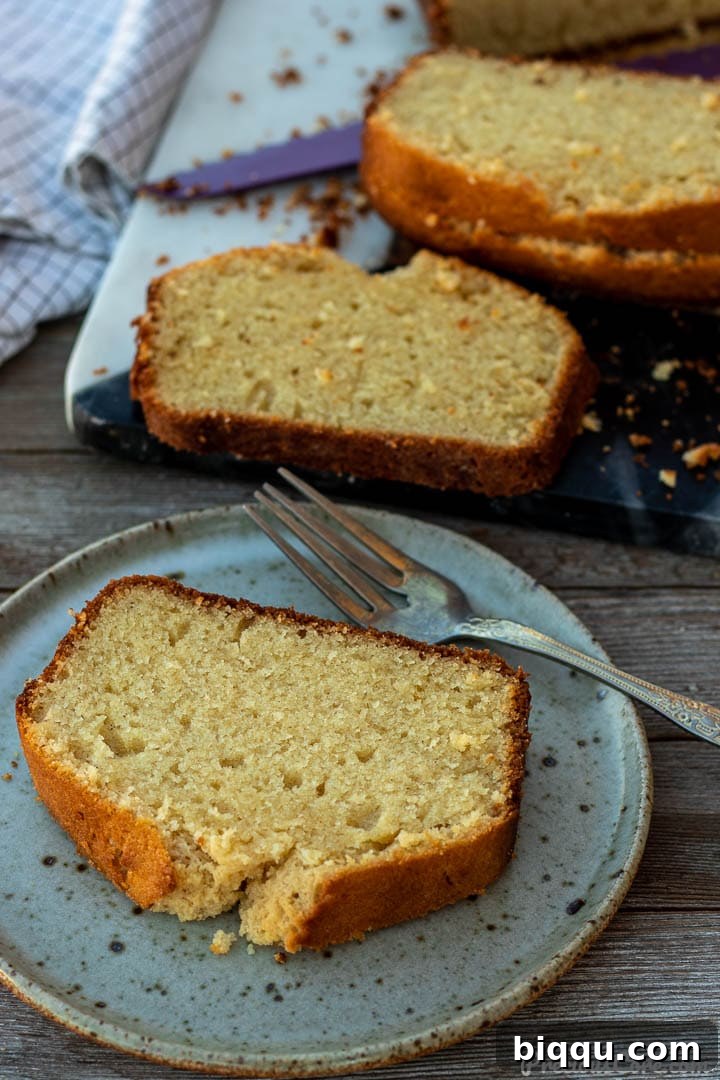
This combination of rich flavor, tender texture, and balanced sweetness makes vanilla pound cake an incredibly versatile and universally loved treat. It’s equally at home alongside a robust coffee for breakfast or as an elegant dessert with fresh berries.
Recommended Baking Tools for Your Vanilla Pound Cake
Having the right tools can make your baking experience much smoother and more enjoyable. While many items are common kitchen staples, a few specialized tools can greatly assist in achieving the perfect pound cake. Here’s a list of recommended equipment:
- 9×5 Inch Loaf Pan: Essential for achieving the classic pound cake shape. A good quality non-stick pan will make removal much easier.
- Pastry Brush: Ideal for evenly greasing and flouring your pan, ensuring every corner is covered for a clean release.
- Electric Hand Mixer or Stand Mixer: While you can certainly cream butter and sugar by hand, an electric mixer significantly reduces effort and ensures a much fluffier, better-aerated batter.
- Rubber Spatula: Indispensable for scraping down the sides of the bowl, ensuring all ingredients are fully incorporated, and for gently folding in dry ingredients.
- Oven Mitts: For safe handling of hot baking pans.
- Wire Cooling Rack: Crucial for allowing air to circulate around the cake as it cools, preventing a soggy bottom and ensuring even cooling.
- Measuring Cups and Spoons: For accurate ingredient proportions.
- Mixing Bowls: Several sizes for preparing wet and dry ingredients separately.
- Whisk or Sifter: For combining and aerating dry ingredients.
- Wooden Skewer or Toothpick: For testing the cake’s doneness.
Watch the Vanilla Pound Cake Recipe Video
For a visual guide to mastering this delicious cake, watch me making this Vanilla Pound Cake in the video below. Seeing the steps in action can be incredibly helpful for new bakers and seasoned pros alike!
Don’t forget to SUBSCRIBE to my YouTube Channel for more delightful recipes and baking tips!
More Delicious Recipes to Explore
If you loved baking this vanilla pound cake, you’ll surely enjoy exploring other recipes that are equally simple, comforting, and delicious. Expand your baking skills and discover new favorites with these fantastic suggestions:
- Yogurt Cake Recipe: For a wonderfully moist and tangy cake that’s surprisingly light.
- Plain Cake Recipe: A versatile and simple cake that’s perfect for any occasion.
- Homemade Vanilla Extract Recipe: Elevate all your baking with your own rich, artisanal vanilla.
- Lemon Pound Cake Recipe: A bright and zesty twist on the classic pound cake.
- The Most Delicious Banana Bread: A perfect way to use ripe bananas for a comforting treat.
Serving Suggestions and Perfect Pairings
The beauty of vanilla pound cake lies in its versatility. While utterly delightful on its own, it also serves as an excellent foundation for a variety of accompaniments that can transform it from a simple treat into an impressive dessert. Here are some ideas for serving and pairing your freshly baked pound cake:
- Classic Simplicity: Enjoy a slice plain with a hot cup of coffee or a soothing mug of tea. The rich, buttery notes of the cake perfectly complement the bitterness of coffee or the warmth of tea.
- With Fresh Fruit: Pair slices with a medley of fresh seasonal berries (strawberries, blueberries, raspberries) or sliced peaches. The natural sweetness and slight tartness of the fruit provide a wonderful contrast to the cake’s richness.
- Whipped Cream or Ice Cream: A generous dollop of freshly whipped cream adds a light, airy contrast, while a scoop of vanilla bean ice cream creates a truly decadent experience, especially if the cake is slightly warm.
- Simple Glaze: For a touch more sweetness and a glossy finish, drizzle a simple glaze made from powdered sugar and a touch of milk or lemon juice over the cooled cake.
- Fruit Compote or Sauce: A warm fruit compote (berry, apple, or cherry) or a homemade caramel or chocolate sauce can elevate the pound cake to a gourmet dessert.
- Lemon Curd: A spoonful of tangy lemon curd adds a bright, creamy counterpoint that is simply irresistible.
However you choose to enjoy it, this vanilla pound cake is sure to be a crowd-pleaser!
If you make this recipe, please leave a star rating below. Your rating helps others find the recipe, and I love hearing from you! Thank you!
Complete Vanilla Pound Cake Recipe Card
Vanilla Pound Cake
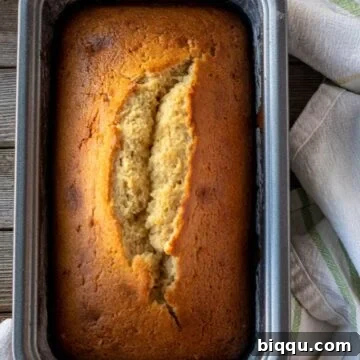
Vanilla Pound Cake is buttery, moist, sweet but not too sweet, and slightly dense. It is excellent with coffee or tea and can be served for breakfast or dessert. Top with whipped cream and fresh berries for a dessert that is sure to impress!
15 mins
50 mins
1 hr 5 mins
10 slices
Ingredients
- 1 cup unsalted butter (250g) room temperature
- 1 cup granulated sugar (200g)
- 2 ½ teaspoons vanilla extract
- ½ cup whole milk (125 ml) room temperature
- 4 large eggs room temperature
- 1 ½ cups all-purpose flour (180g)
- ½ teaspoon baking powder
- ¼ teaspoon salt
- Oil for greasing pan
- Flour for dusting pan
Instructions
-
Preheat oven. Preheat oven to 350 degrees Fahrenheit (180 degrees Celsius).
-
Grease and flour baking pan. Pour half a tablespoon of oil into a 9 by 5 inch loaf pan. Brush the pan with the oil, ensuring it completely coats the pan. Add a tablespoon of flour and tap the pan to ensure the flour completely coats it. Discard any excess flour.
-
Beat butter and sugar. Place room temperature butter and granulated sugar in a large bowl and beat using an electric mixer until light and fluffy (approximately 3-5 minutes). Scrape down the sides of the bowl as needed.
-
Add wet ingredients. Add the vanilla extract and room temperature milk to the butter and sugar mixture and beat until just combined. Add the room temperature eggs one at a time, lightly beating after each egg is added until incorporated.
-
Add dry ingredients. Sift the all-purpose flour, baking powder, and salt into the wet mixture. This step ensures an even distribution and prevents lumps.
-
Mix the batter. Beat everything on low speed until just combined. Do not overmix; stop as soon as no dry flour streaks remain. Pour the batter into the prepared cake pan, level the top using a spatula, and gently tap the pan on the counter to distribute the batter evenly and release any large air bubbles.
-
Bake. Place the pan into the preheated oven and bake for approximately 50-60 minutes, or until golden brown and a wooden skewer inserted into the center of the cake comes out clean. If the cake browns too quickly, loosely cover it with aluminum foil.
-
Cool and serve. Remove the cake from the oven and let it cool in the pan on a wire rack for 10-15 minutes. Then, invert the cake onto the wire rack to cool completely before slicing and serving.
Notes & Tips
Tips for bringing cold ingredients quickly to room temperature:
- To bring cold butter quickly to room temperature, place 1 stick of butter in the microwave and heat it up for 10-15 seconds on low power. It should be softened, not melted.
- To bring cold eggs to room temperature, place them completely submerged in a bowl of lukewarm water for 5-10 minutes.
- To bring cold milk to room temperature, place one cup of milk in the microwave and heat it up for 10-15 seconds. Stir the milk before using.
Nutrition Information
Per serving (1 slice):
- Calories: 343 kcal
- Carbohydrates: 35g
- Protein: 5g
- Fat: 21g
- Saturated Fat: 12g
- Polyunsaturated Fat: 1g
- Monounsaturated Fat: 6g
- Trans Fat: 1g
- Cholesterol: 116mg
- Sodium: 112mg
- Potassium: 70mg
- Fiber: 1g
- Sugar: 21g
- Vitamin A: 682 IU
- Calcium: 45mg
- Iron: 1mg
Additional Information
Breakfast, Dessert
American
343