

Prepare to tantalize your taste buds with Cameroonian Soya, the quintessential African street food that promises an explosion of smoky, spicy flavors. This iconic grilled beef dish is not just food; it’s a celebration of Cameroonian culinary heritage, and it can be yours in just 30 minutes! Forget the skewers; we’re bringing you an incredibly easy method to enjoy this beloved appetizer or snack from the comfort of your home.
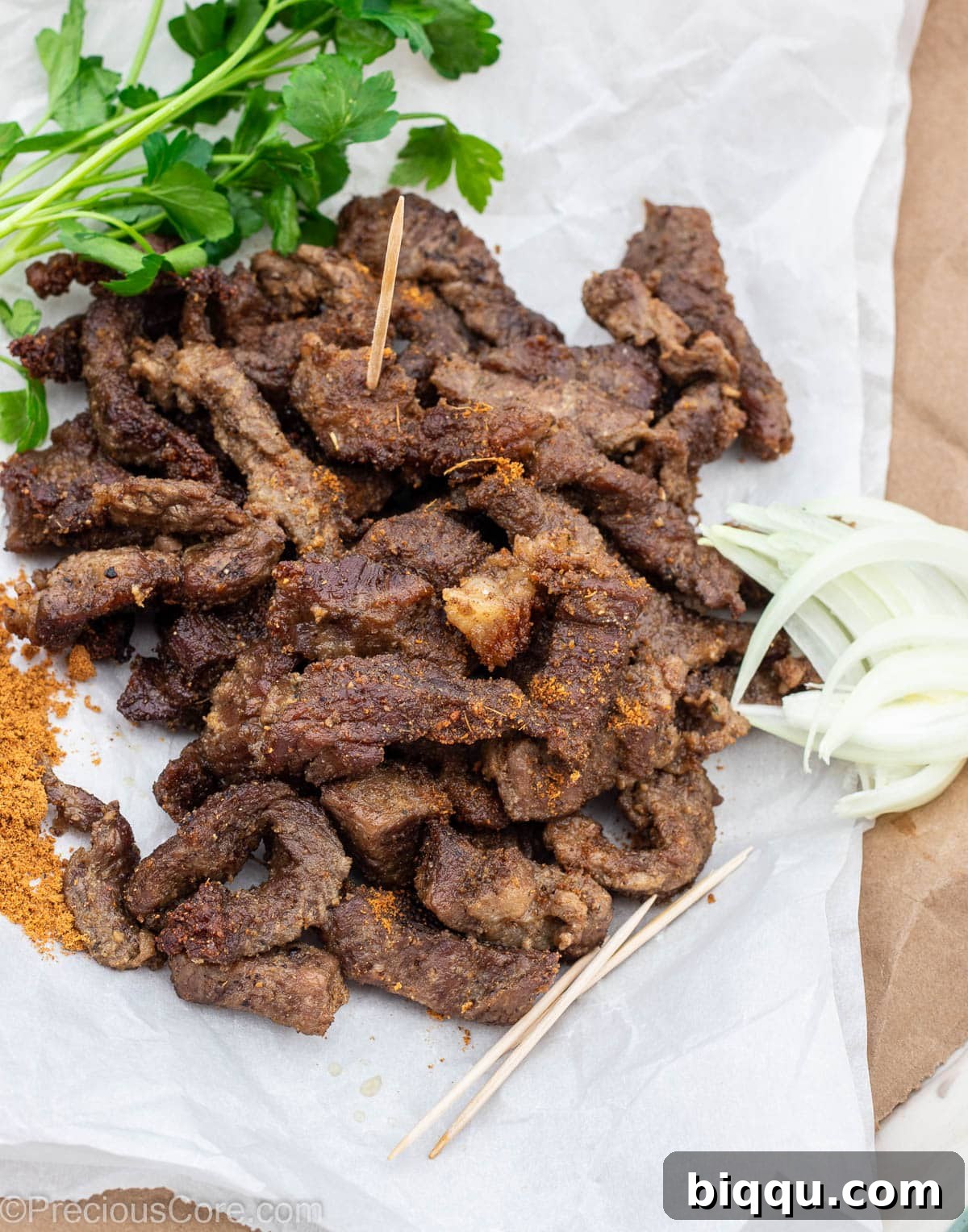
For me, making Soya is a cherished ritual, especially as the week winds down. It’s the perfect dish to unwind with, perhaps paired with your favorite beverage. This particular recipe, a fantastic discovery from a dear friend, streamlines the traditional process by eliminating the need for skewers. This simple adaptation significantly cuts down preparation time, making it accessible and enjoyable for everyone. Get ready to create some delicious memories!
For a visual guide to this incredible recipe, don’t miss the recipe video that accompanies the instructions below.
Elevate your African culinary journey by exploring these other fantastic recipes: our in-depth Beef Suya Recipe (with Homemade Suya Spice), the essential Homemade Suya Spice for that authentic flavor, and the fiery African Pepper Sauce, which is an absolutely divine companion to Soya!
Table of Contents
- What Is Cameroonian Soya?
- The Essence of Soya Spice
- Key Ingredients for Cameroonian Soya
- Effortless Cameroonian Soya: Step-by-Step (No Skewers)
- Serving Suggestions for an Authentic Experience
- Expert Tips for Perfect Soya Every Time
- Common Questions About Soya
- Explore More Cameroonian Recipes
- More Irresistible Beef Recipes to Try
- Full Cameroonian Soya Recipe Card
What Is Cameroonian Soya? A Taste of West African Heritage
Cameroonian Soya, often referred to by its French name Les Brochettes, is far more than just grilled meat; it’s a vibrant pillar of street food culture across Cameroon. This incredibly popular dish consists of succulent pieces of meat, typically beef, expertly seasoned and grilled until tender and smoky. Traditionally, it’s either threaded onto skewers and grilled over open coals or prepared as tender steaks that are then skillfully cut into bite-sized portions.
In Cameroon, Soya shares the spotlight with other beloved street foods like fluffy Puff Puff and hearty Beans, forming an integral part of the daily culinary landscape. These dishes are not merely sustenance; they are communal experiences, enjoyed by friends and families alike, often purchased from bustling street vendors whose expertise has been honed over generations.
While Soya is enjoyed throughout the country, its origins are widely attributed to the Hausa tribe in Northern Cameroon and Northern Nigeria. It is from this rich cultural melting pot that the iconic “soya spice” or “soya pepper” blend emerged – a unique concoction of ground peanuts, fiery hot pepper, aromatic ginger, and a symphony of other spices that imbues the meat with its signature, irresistible flavor.
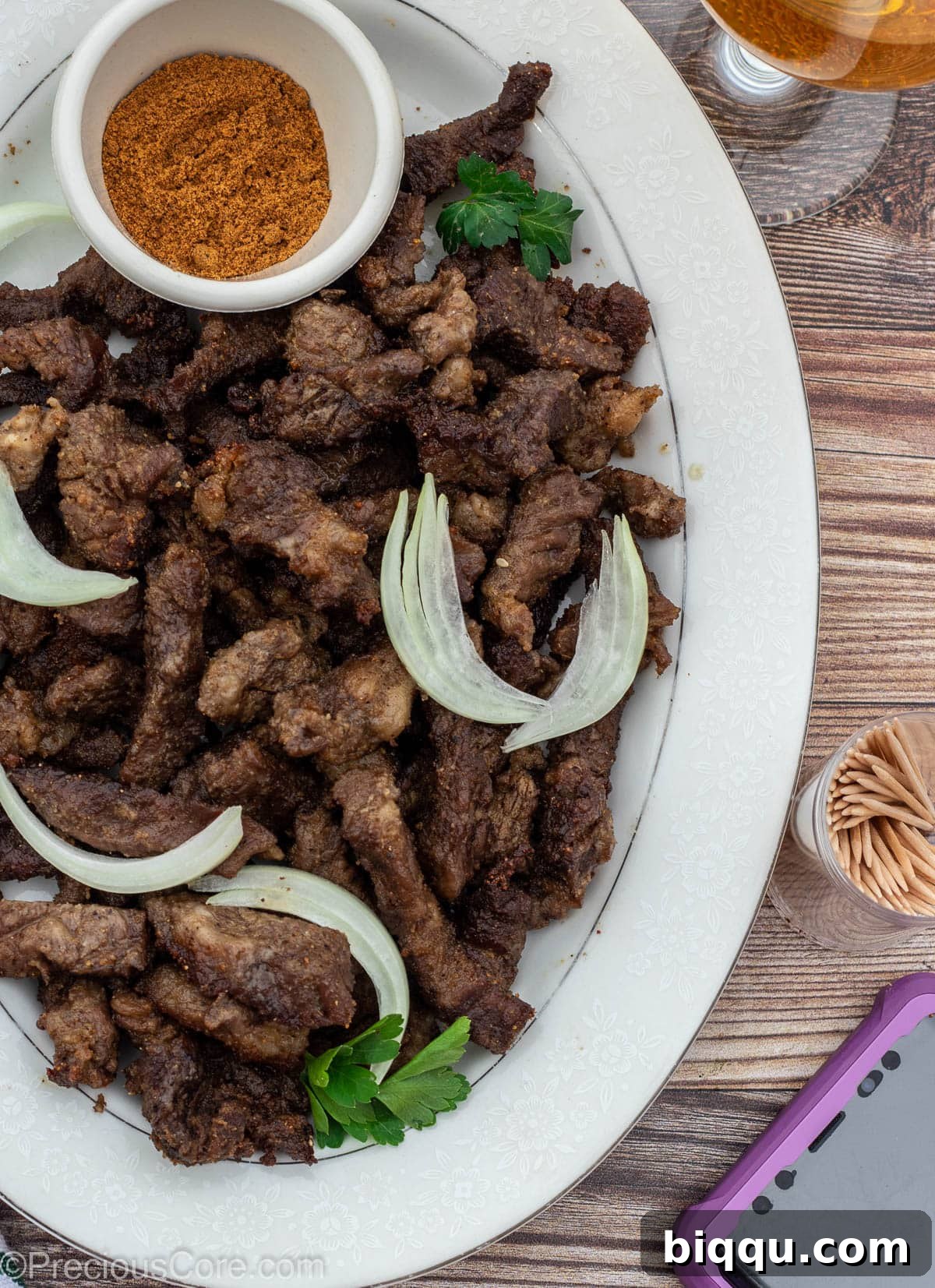
The Essence of Soya Spice: The Heart of the Flavor
The magic of Cameroonian Soya lies intrinsically in its unique spice blend, colloquially known as “kankan” in Cameroon. This isn’t just any spice mix; it’s a carefully balanced combination designed to elevate the beef to extraordinary heights of flavor. A good soya spice is fragrant, spicy, and nutty, creating an unforgettable sensory experience. While you can find excellent commercial soya spice online or at African specialty stores, crafting your own homemade soya spice allows you to customize the intensity and freshness, bringing an even deeper authenticity to your dish.
This special blend typically features roasted ground peanuts, which provide a rich, earthy base and a delightful texture. Complementing this are pungent ginger, often in dried or powdered form, and various types of chili peppers that deliver the characteristic heat. Other secret spices might include garlic, onion, and a hint of bouillon, all contributing to the complex flavor profile that makes soya so addictive.
It’s important to note that since soya spice traditionally contains peanuts, those with peanut allergies should be mindful and consider omitting it or seeking out a peanut-free alternative blend. However, even without the peanuts, the combination of other spices can still yield a delicious grilled meat experience.
Key Ingredients for Cameroonian Soya: Building Layers of Flavor
While the core of Cameroonian Soya requires only beef, soya spice, and a touch of oil, achieving that truly authentic, maximum flavor demands a thoughtful selection of ingredients. Each component plays a crucial role in developing the rich, savory, and spicy profile of this beloved dish.
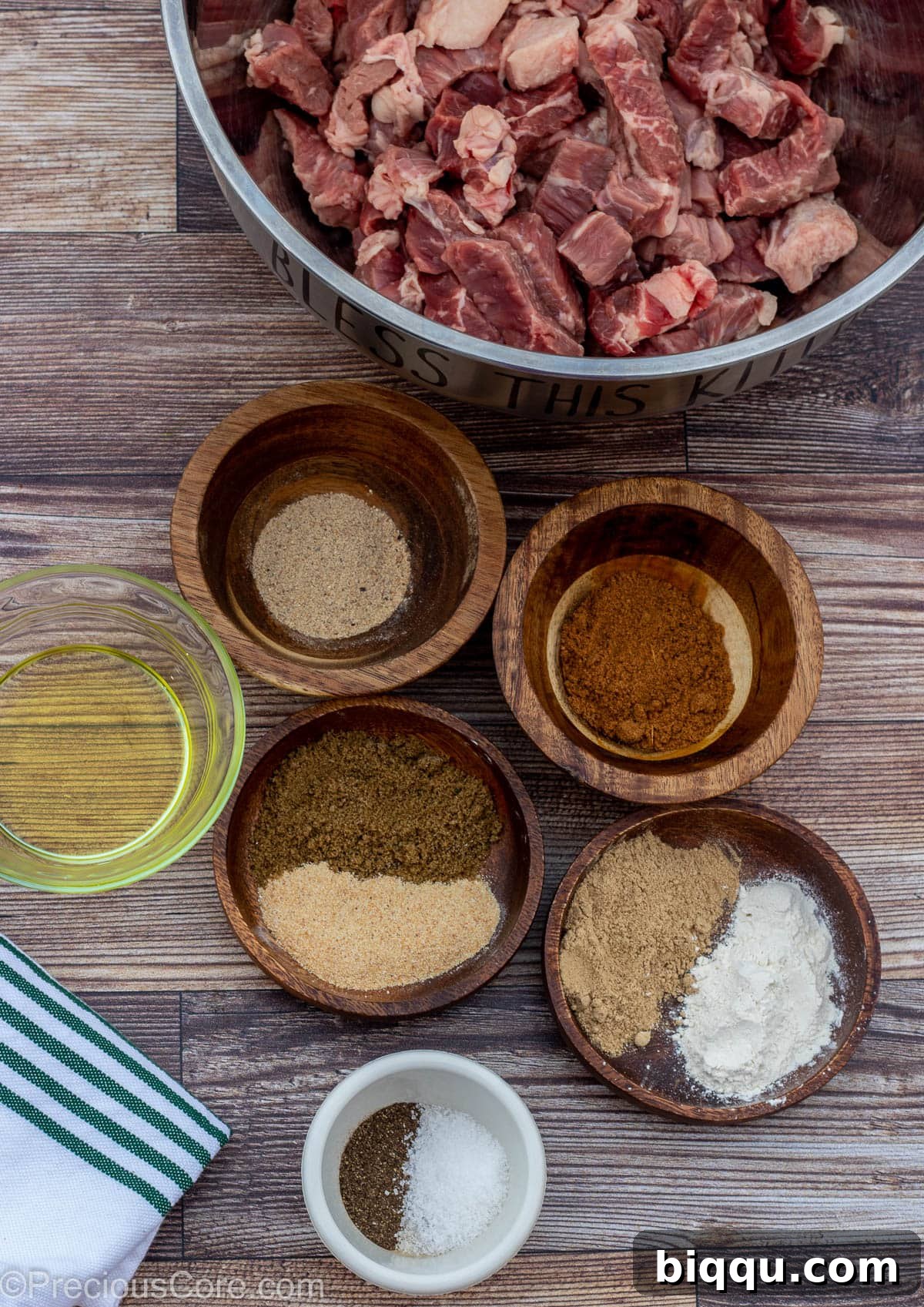
- Beef: The Foundation of Flavor
Choosing the right cut of beef is paramount. For the most tender, juicy, and flavorful soya, opt for a cut with generous marbling – those delicate streaks of fat running through the meat. This fat renders down during cooking, infusing the beef with incredible moisture and taste. Beef Chuck Steak or Beef Chuck Roast are excellent choices, known for their rich flavor and suitability for grilling or broiling when sliced thinly. If these aren’t available, other cuts with good fat content like sirloin tips or even flank steak can work, though they might require slightly more tenderizing.
- Soya Spice or Soya Pepper (Kankan): The Soul of the Dish
As discussed, this is the star ingredient. Its blend of peanuts, ginger, hot pepper, and other aromatics creates the distinctive taste of Cameroonian soya. Whether you purchase it pre-made from an African store or online, or choose to prepare your own homemade soya spice for ultimate freshness, ensuring its quality is key to an authentic experience.
- Olive Oil or Any Neutral-Tasting Oil: For Moisture and Adherence
A good quality oil serves multiple purposes: it helps the spices adhere uniformly to the beef, and more importantly, it locks in moisture during the high-heat cooking process, preventing the meat from drying out. Flavorless oils like vegetable oil, canola oil, or even a light olive oil work perfectly, allowing the robust flavors of the spices to shine through without competition.
- Dried Spices: Boosting Aromatic Depth
Beyond the core soya spice, a blend of dried garlic powder, ginger powder, and onion powder adds layers of aromatic complexity. These pantry staples amplify the savory notes, contributing to the overall rich and inviting aroma of the cooked soya. They ensure that every bite is bursting with flavor.
- “Contri Onion” Powder (Rondelles): The Unique Ethnic Signature
Known as “Rondelles” in English, “contri onion” powder is a unique Cameroonian spice that offers an unparalleled ethnic flavor profile. When ground, its pale white powder adds a distinctive earthy and slightly pungent aroma that is truly characteristic of traditional soya. This ingredient is a game-changer for authenticity, often found in local African markets or specialized online African stores in the United States. While optional if unavailable, it is highly recommended for the most genuine taste.
- Bouillon Powder: The Umami Enhancer
A touch of chicken or beef bouillon powder can dramatically elevate the flavor profile of your soya. It introduces an extra depth of savory, umami richness that complements the beef and spices, taking the dish from delicious to absolutely extraordinary. This secret weapon ensures a well-rounded and deeply satisfying taste.
- Salt and Ground Black Pepper or White Pepper: Essential Seasoning
These fundamental seasonings are crucial for balancing all the other flavors. While black pepper is widely used, many prefer white pepper in this dish for its slightly milder heat and less visible specks, allowing the vibrant color of the soya spice to truly stand out.
Important note for those with allergies: Traditional Soya spice contains peanuts. If you have a peanut allergy, it’s vital to either use a peanut-free alternative or prepare your soya without this specific ingredient. The dish can still be incredibly flavorful with the other spices.
Effortless Cameroonian Soya: Step-by-Step (No Skewers Needed!)
Making delicious Cameroonian Soya at home is surprisingly simple, especially with this skewer-free method. This approach ensures maximum flavor with minimal effort, perfect for a weeknight treat or a weekend gathering. Follow these steps to create perfectly grilled, spicy beef:
- Prepare the Beef: Begin by thinly slicing your beef chuck steak or roast into bite-sized pieces. Aim for uniform thickness to ensure even cooking. Transfer the sliced beef to a large mixing bowl.
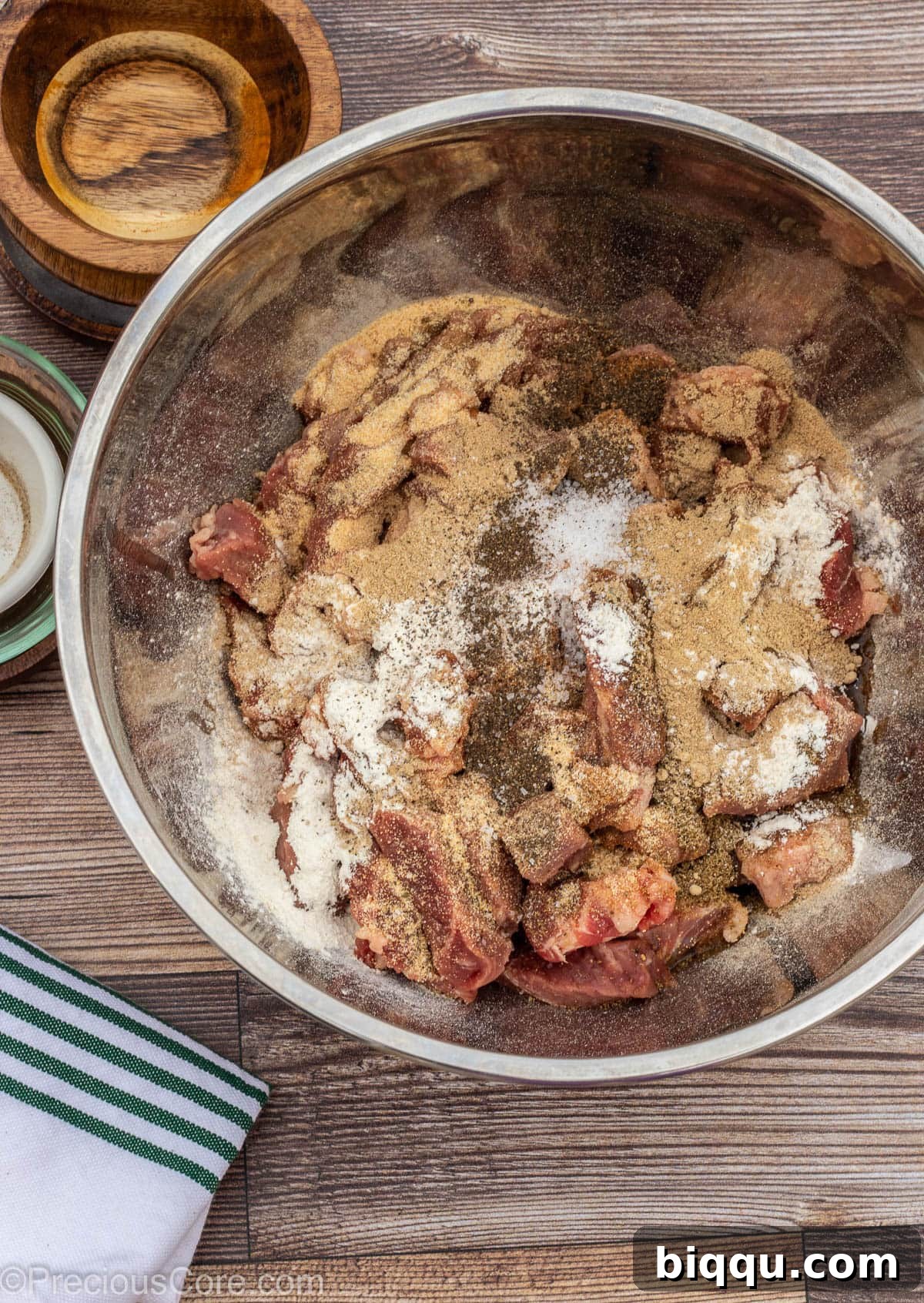
- Season and Combine: Add the olive oil (or your chosen neutral oil) and all the dried spices – soya spice, garlic powder, onion powder, ginger powder, beef bouillon powder, “contri onion” powder, salt, and black or white pepper – directly to the beef in the bowl.
- Toss Thoroughly: Using your hands (gloves recommended for the spice!) or tongs, vigorously toss the beef until every single piece is evenly coated with the oil and spice mixture. This ensures every bite will be bursting with flavor. Allow it to marinate for at least 10-15 minutes, or even longer in the refrigerator for deeper flavor penetration.
- Prepare for Broiling: Place a wire baking rack on top of a large baking sheet. This setup allows for air circulation around the meat, promoting even grilling and preventing sogginess. Evenly distribute the seasoned beef across the rack in a single layer, ensuring pieces are not overcrowded.
- Broil to Perfection: Place the baking sheet with the beef into a preheated oven set to the BROIL function on low. Broiling mimics the direct, high heat of a grill, creating that coveted charred exterior. Let the beef cook for 15 minutes.
- Flip and Finish: Carefully remove the sheet pan from the oven. Using tongs, flip the beef pieces to their other side (do your best to get as many as you can!). Return the pan to the oven and let it broil for another 5 minutes, or until the meat is cooked through and beautifully caramelized. Keep a close eye on it during this final stage, as broilers can cook very quickly.
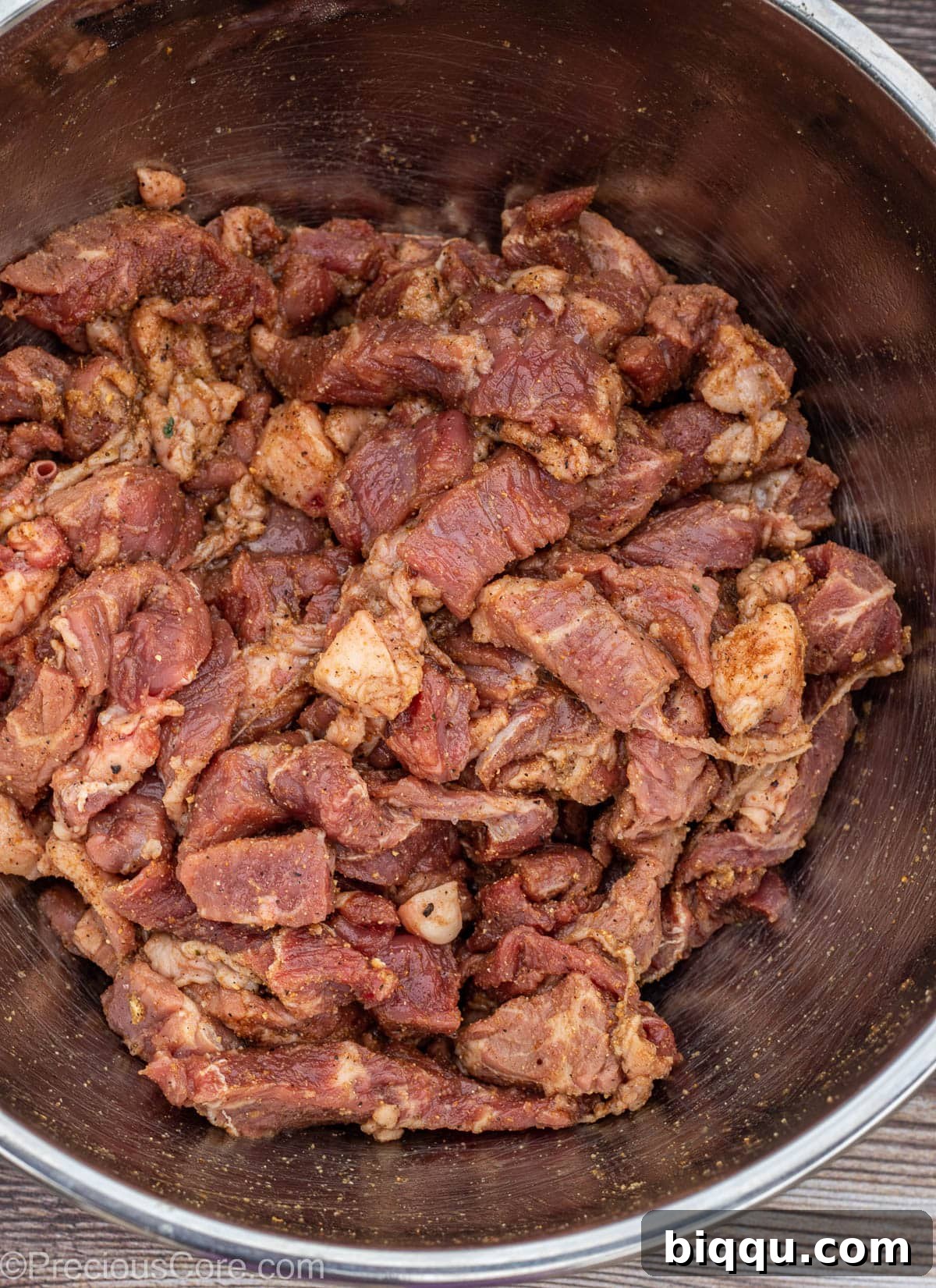
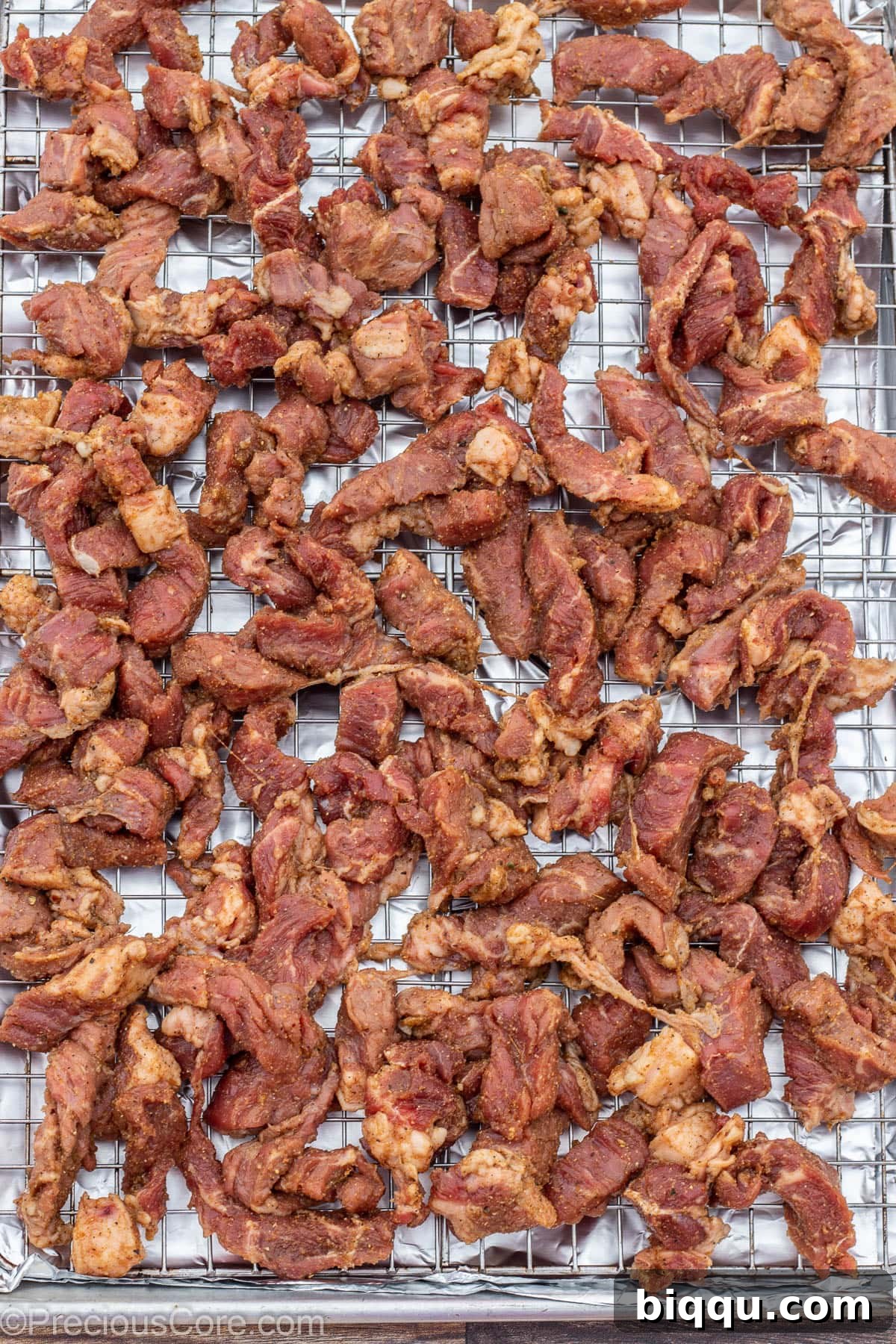
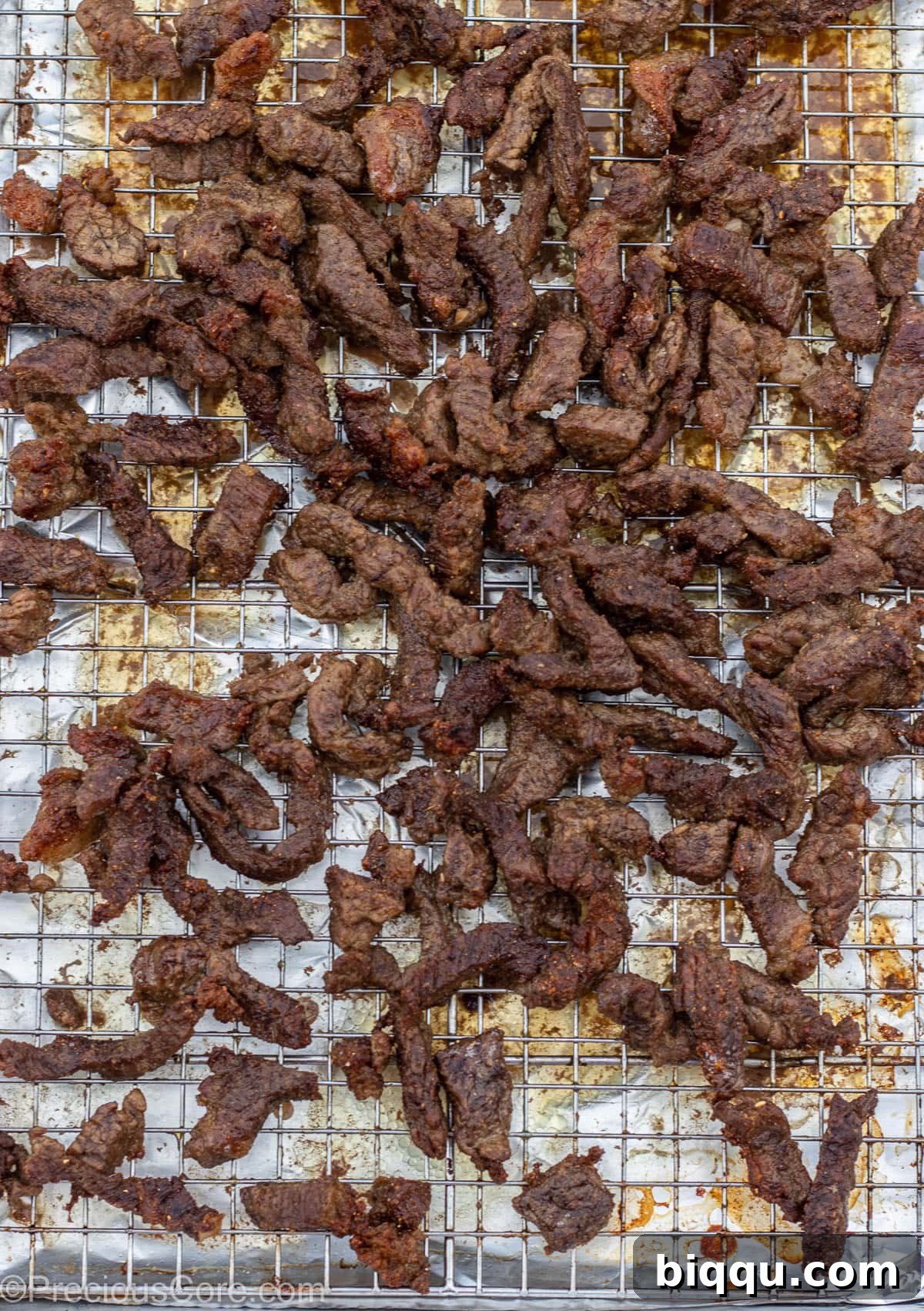
For those interested in alternative preparation methods, check out our recipe for Cameroonian Soya made with fresh spices or explore the traditional technique of Cameroonian Soya grilled on an outside grill.
Serving Suggestions for an Authentic Soya Experience
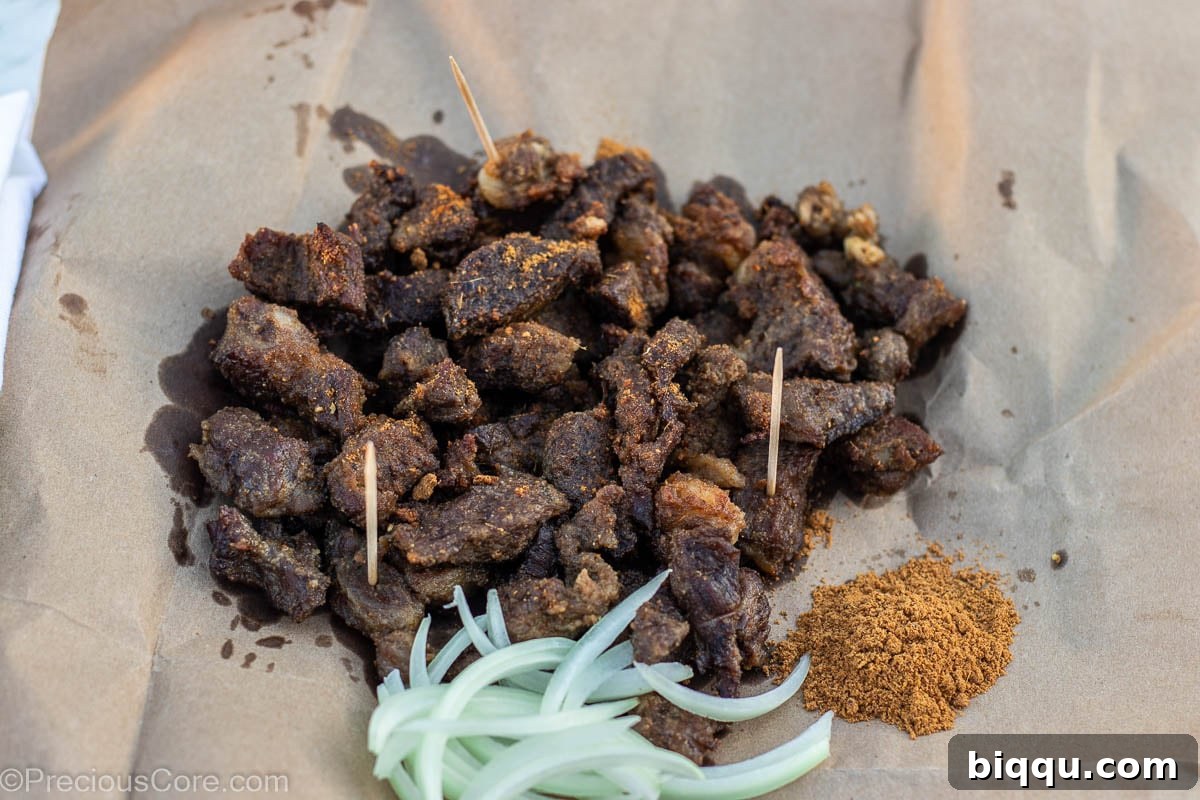
The beauty of Cameroonian Soya lies not only in its exquisite flavor but also in the simplicity of its traditional accompaniments. To truly capture the authentic street food experience, serve your freshly grilled Soya warm with these essential pairings:
- Thinly Sliced Onions: Crisp, raw onions are the perfect counterpoint to the rich, smoky beef. Their pungent freshness cuts through the spice and fat, providing a refreshing crunch and a delightful contrast in texture and flavor.
- Extra Soya Spice: A small bowl of additional homemade suya spice on the side allows everyone to customize their level of flavor and heat. Dusting a little extra over the hot meat just before eating brings out even more of those signature aromas.
- Cameroonian Pepper Sauce (Hot Sauce): For those who crave an extra kick, a vibrant Cameroonian pepper sauce is indispensable. Its intense heat and fruity undertones perfectly complement the smoky beef, creating a truly unforgettable culinary experience that will have you reaching for more.
The combination of savory grilled meat, the bite of fresh onions, and the fiery embrace of pepper sauce creates an irresistible harmony of tastes and textures. You’ll find it incredibly difficult to stop at just one piece!
This dish excels as a standalone appetizer, a crowd-pleasing snack for gatherings, or even a show-stopping inclusion in your Christmas Menu Idea. Its versatility and universal appeal make it suitable for any occasion, from casual get-togethers to festive celebrations.
Expert Tips for Perfect Soya Every Time
Achieving perfectly cooked, flavorful Cameroonian Soya is easier than you think, especially with these expert tips. Pay close attention to these details, and you’ll consistently turn out a dish that rivals the best street food vendors:
- Mastering the Broil Function:
Your oven’s broil setting is your best friend for this recipe. Ensure you set it to the “low broil” function. The broiler utilizes the top heating element of the oven, delivering intense, direct heat that effectively mimics the char and sizzle of an outdoor grill. This high-heat environment is crucial for creating that desirable smoky exterior and tender interior without overcooking.
- Vigilance is Key During Broiling:
Because the broil function operates at very high temperatures, meat can go from perfectly cooked to burned in a matter of moments. It is imperative to keep a constant eye on your soya while it’s broiling. Avoid walking away from the oven; instead, stay close and check frequently, especially during the last few minutes, to ensure a beautiful golden-brown char without any burnt edges.
- Embrace the Fat (Tandong):
The secret to truly succulent and delicious soya lies in the beef’s fat content. Select a cut of meat that has a good amount of marbling – those visible streaks of fat. In Cameroon, this prized fat is affectionately called “tandong.” As the meat cooks, the fat renders down, infusing the beef with incredible flavor and keeping it moist and tender. Don’t be shy about choosing fattier cuts; they are essential for the authentic taste and texture of Soya!
- Uniform Slicing:
Ensure your beef is sliced as uniformly as possible. This ensures that all pieces cook at roughly the same rate, preventing some from being overcooked while others are still underdone. Thin slices are preferred for quick cooking and maximum surface area for spice adherence.
- Don’t Overcrowd the Rack:
When arranging the beef on the wire rack, avoid overcrowding. Give each piece enough space to allow hot air to circulate freely around it. Overcrowding can steam the meat instead of broiling it, leading to a less desirable texture and a lack of proper charring.
Common Questions About Soya
African Soya, often referred to as Suya in Nigeria, is a beloved street food across West Africa. It consists of thinly sliced, marinated meat (typically beef, but sometimes chicken or ram) that is grilled to smoky perfection. It’s renowned for its distinctive spicy and nutty flavor profile, thanks to a unique blend of spices, most notably ground peanuts, ginger, and chili peppers. It’s sold either on skewers or chopped into delectable bite-sized pieces.
Absolutely! While beef is the most traditional choice for Soya, the versatility of the spice blend means you can easily adapt this recipe to other meats. Chicken Soya is incredibly popular, offering a lighter alternative that still carries all the signature flavors. Pork can also be used, providing a rich and tender result. Just ensure you cut the meat into thin, uniform pieces for even cooking, and adjust cooking times as needed for different protein types.
Don’t let the absence of store-bought soya spice deter you! You can easily make your own homemade soya spice using readily available ingredients like roasted peanuts, ginger powder, garlic powder, onion powder, and chili flakes. Alternatively, if you’re unable to source the pre-made blend or wish to avoid peanuts due to allergies, you can still create a delicious grilled meat dish by using a robust blend of garlic powder, ginger powder, onion powder, bouillon, and a good kick of cayenne pepper. It might not be exactly “soya” without the traditional spice, but it will still be incredibly tasty!
Leftover Soya can be stored in an airtight container in the refrigerator for up to 3-4 days. To reheat, the best method is to gently warm it in a pan over medium heat, or in a preheated oven (around 300°F/150°C) until just warmed through, to prevent it from drying out. A quick flash in an air fryer can also crisp it up beautifully. Avoid microwaving, as it can make the meat tough.
P.S. For another fantastic way to use soya spice, check out my Epic Oven Grilled Chicken Wings – they’re infused with that same irresistible flavor!
Explore More Cameroonian Recipes and Our Culinary Journey
It brings me immense joy to share with you the vibrant and delicious foods that shaped my childhood! There’s a special feeling of happiness every time I see someone embracing and creating dishes from my culture inspired by what I’ve shared. Thank you for joining me on this culinary adventure. If you’ve enjoyed the flavors of Cameroonian Soya, you’ll surely love these other authentic Cameroonian recipes:
- Cameroonian Jollof Rice (My Mama’s Recipe): A fragrant and richly flavored rice dish that’s a staple at every celebration.
- Sweet Fried Plantains: A beloved breakfast item or side dish, perfectly caramelized and naturally sweet.
- Groundnut Soup: A hearty and comforting peanut stew, deeply satisfying and packed with flavor.
- Poulet DG: An incredibly delicious chicken and plantain dish, a true Cameroonian delicacy that’s rich and incredibly flavorful.
More Irresistible Beef Recipes to Try
If you’re a fan of beef and are looking for more ways to incorporate this versatile protein into your cooking, these recipes are sure to delight. From quick stir-fries to hearty stews, there’s something here for every beef lover:
- Beef And Vegetable Stir Fry
- Beef Fried Rice
- Nigerian Beef Stew
- Pan Seared Ribeye Steaks
If you make this irresistible Cameroonian Soya recipe, please take a moment to leave a star rating and share your thoughts in the comments below. Your feedback truly brightens my day!
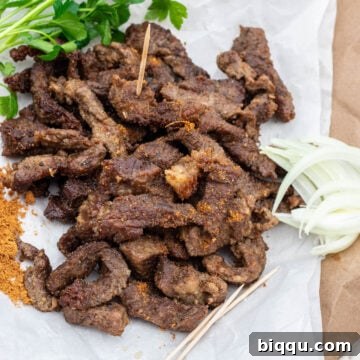
Cameroonian Soya
Rate
Print Recipe
Ingredients
- 3 pounds beef chuck steak with a lot of marbling
- 2 tablespoons olive oil or any neutral tasting oil
- 2 teaspoons soya pepper or soya spice
- 2 teaspoons garlic powder
- 2 teaspoons onion powder
- 2 teaspoons ginger powder
- 2 teaspoons beef bouillon powder
- 1 teaspoon “contri onions” powder rondelles* note 1
- 1 teaspoon salt
- ½ teaspoon black pepper
- More soya spice for garnish
- Thinly sliced onions for garnish
Instructions
-
Preheat oven to Low Broil. (Remember, the broil function uses the top heating element of the oven to grill your food.)
-
Line a large sheet pan with aluminum foil for easier cleanup, then place a wire baking rack on top. This setup promotes better air circulation and even grilling.
-
Cut your beef into thin, uniform bite-sized slices. This ensures consistent cooking and tenderness.
-
Place the sliced beef in a large bowl. Add the olive oil, soya spice, ginger powder, garlic powder, onion powder, bouillon powder, “contri onions” powder, salt, and black pepper. Toss well to combine, ensuring every piece of beef is thoroughly coated with the aromatic spices.
-
Arrange the seasoned beef in a single layer on the prepared baking rack. Make sure pieces are not overlapping to allow for proper grilling and browning.
-
Place the pan into the preheated oven and let it broil on low for 15 minutes. After 15 minutes, carefully remove the pan, flip the beef slices to the other side (as best as you can!), and return to the oven to broil for another 5 minutes, or until cooked through and beautifully charred. Remember to keep a close eye on the meat as broilers cook quickly!
-
Remove the delicious pieces of Soya from the oven and transfer them to a serving platter. Serve warm with thinly sliced fresh onions and extra soya spice on the side for garnish and added flavor.
Video
Notes
2. Air Fryer Alternative: This soya recipe can also be perfectly adapted for an air fryer! Simply adjust the cooking time and temperature to suit your specific air fryer model, aiming for a similar charred and tender result.
3. Selecting Beef: While you can use any cut of beef you prefer, the key to truly tasty Soya is to choose meat with a good amount of fat marbling. This fat renders during cooking, infusing the meat with incredible flavor and keeping it moist. Beef chuck roast, when thinly sliced, has proven to be an excellent choice for a rich and tender outcome.
Nutrition
Carbohydrates: 2g |
Protein: 44g |
Fat: 31g |
Saturated Fat: 12g |
Polyunsaturated Fat: 3g |
Monounsaturated Fat: 17g |
Trans Fat: 2g |
Cholesterol: 157mg |
Sodium: 746mg |
Potassium: 795mg |
Fiber: 1g |
Sugar: 0.2g |
Vitamin A: 37IU |
Vitamin C: 0.3mg |
Calcium: 47mg |
Iron: 5mg
Additional Info
Tried this recipe?
Mention @preciouscore or tag #PreciousCore!