
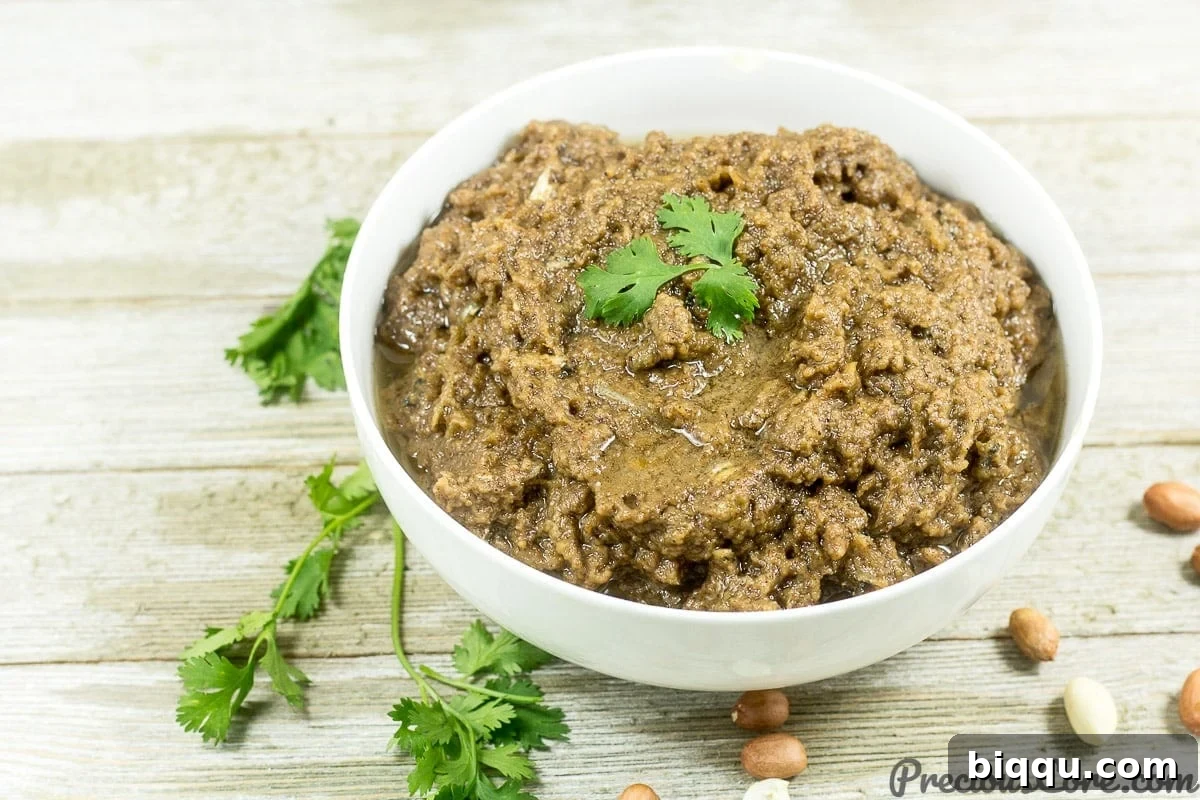
Authentic Cameroonian Groundnut Paste (Mboh) Recipe: A Savory African Peanut Delight
Welcome to the heart of Cameroonian cuisine, where flavors tell stories and meals bring people together. Today, we’re diving into a beloved traditional dish known as “Mboh” – a rich, savory groundnut paste that captivates the palate with its spicy, earthy, and intensely peanutty essence. More than just a meal, Mboh is a culinary experience, often evoking cherished memories of home cooking and vibrant roadside markets across Cameroon.
This recipe holds a special place in my heart, passed down with immense passion from my mother. Her vivid descriptions over the phone guided me through each step, resulting in a dish so authentic and comforting that it reminded a friend of his own grandmother’s legendary cooking. This testament to Mboh’s timeless appeal is why I’m thrilled to share its magic with you.
Mboh shares a delightful kinship with other Cameroonian delicacies, particularly Egusi Pudding, both of which are common sights sold by hawkers, testament to their popularity and widespread enjoyment.
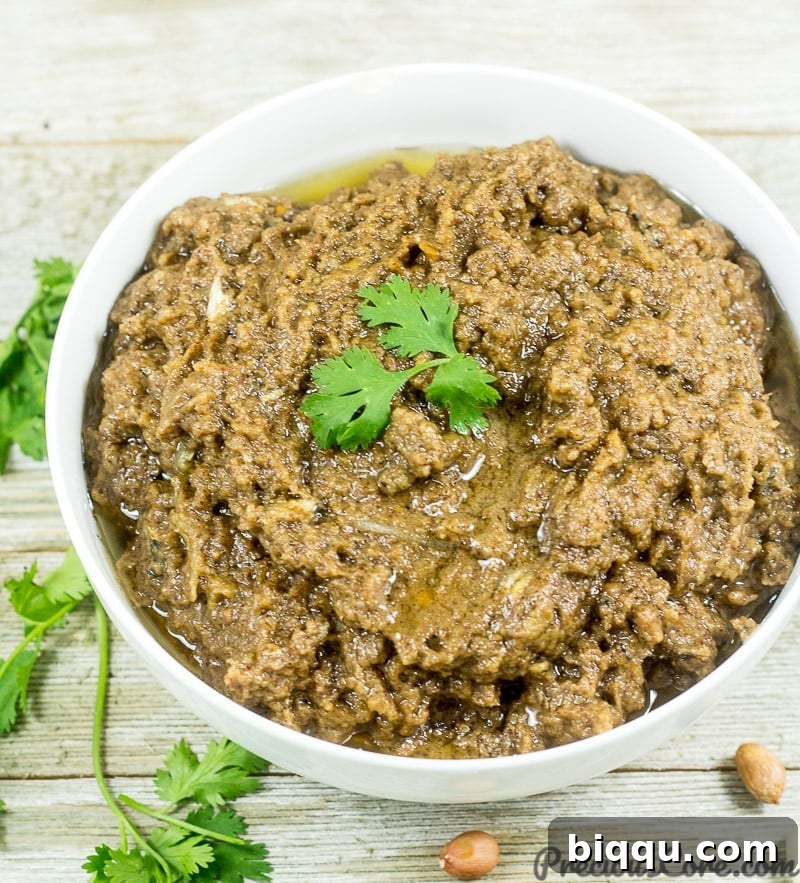
What is Cameroonian Mboh?
Cameroonian Groundnut Paste, or Mboh, is a unique savory pudding-like dish made primarily from roasted peanuts (groundnuts). Unlike sweet peanut butter, Mboh offers a complex flavor profile that is deeply savory, often spiced with habanero pepper, enhanced by the umami notes of crayfish, and seasoned to perfection. Its texture is smooth and creamy, yet robust enough to be satisfyingly substantial. It’s a versatile dish that can be enjoyed as a main course or a hearty side, celebrated for its nutritional richness and profound taste.
The dish is incredibly adaptable in how it’s served. Traditionally, it pairs wonderfully with various starchy accompaniments like boiled cassava (yuca roots), fried or boiled plantains, or steamed yams. For those seeking a simpler pairing, it’s also surprisingly delicious spread on fresh French bread. A truly exceptional combination involves serving Mboh with fresh garden eggs, adding a refreshing crunch and slight bitterness that beautifully complements the rich peanut flavor.
In Cameroon, two particular cassava products, Bobolo and Miondo, are quintessential partners to Mboh. These fermented cassava sticks provide a slightly tangy counterpoint to the rich paste, creating a balanced and deeply satisfying meal. I’ll be sharing how to prepare Bobolo and Miondo in an upcoming recipe, but for now, let’s focus on creating this incredibly flavorful Mboh!
Mastering Mboh: Steaming vs. Stovetop Methods
There are two primary ways to prepare Cameroonian Groundnut Paste, each yielding a slightly different texture and offering a unique cooking experience. Understanding these methods can help you choose the one that best suits your preference and available time.
- The Steaming Method: This traditional approach involves mixing all the ingredients, wrapping them securely in banana leaves (or sometimes foil for convenience), and then steaming the parcels until cooked through. This method results in a firmer, cake-like Mboh, similar in consistency to other steamed Cameroonian puddings like Koki (black-eyed peas pudding). It’s a classic preparation that imbues the paste with a distinct earthy aroma from the leaves and often yields a denser, more structured dish. While authentic and deeply flavorful, it can be more time-consuming and requires banana leaves, which may not be readily available everywhere. (Refer to the recipe notes for instructions on this method).
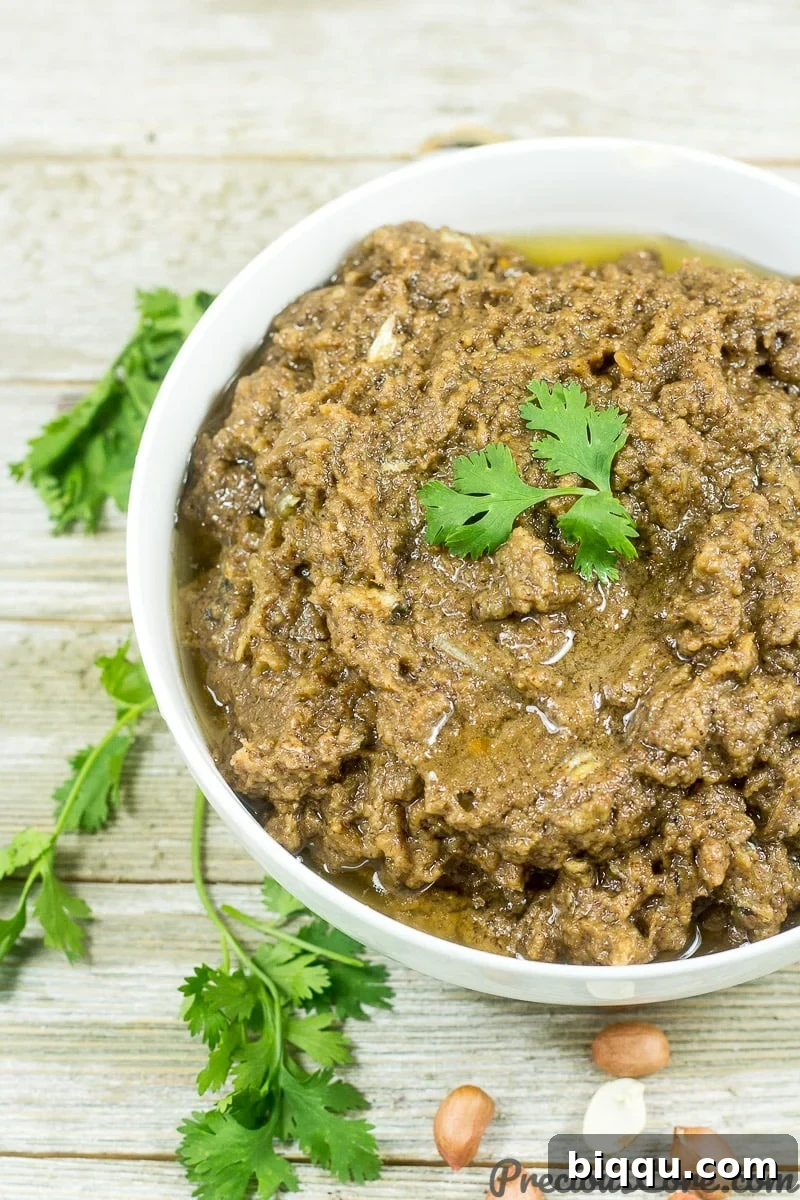
- The Stovetop Method: This is my preferred method for its ease and the delightful consistency it produces. Cooked directly on the stovetop, this Mboh is typically less thick than its steamed counterpart, making it wonderfully creamy and ideal as a dip or a smoother accompaniment to your starch of choice. It’s a faster and more straightforward process, perfect for everyday cooking without compromising on flavor.
For a visual guide, I’ve created a YouTube video demonstrating the stovetop method step-by-step. Don’t forget to subscribe to my YouTube channel so you don’t miss out on future African culinary adventures!
Essential Ingredients for Authentic Cameroonian Groundnut Paste (Mboh)
Crafting a truly authentic Mboh requires a few key ingredients that contribute to its distinctive taste and aroma. Here’s what you’ll need:
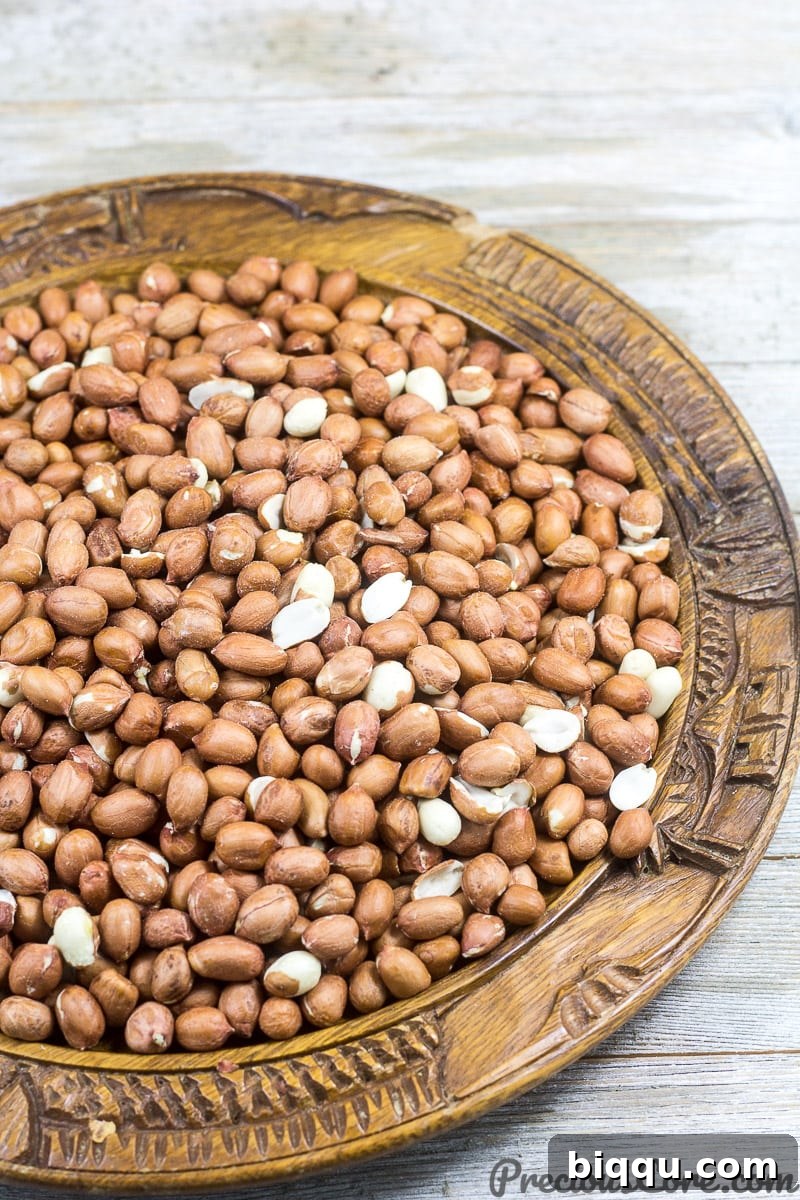
- Groundnuts (Peanuts): The star of the show! You’ll need 3 cups of raw peanuts. In Cameroon, they are always referred to as “groundnuts.” Roasting them properly is crucial for developing the deep, nutty flavor that forms the foundation of Mboh.
- Ground Crayfish: A staple in West African cooking, ground crayfish (1/2 cup) provides an unparalleled depth of umami and a savory seafood essence that elevates the dish. Do not skip this!
- Hot Pepper: For that essential spicy kick, 1 hot pepper (such as a habanero) is perfect. Adjust to your heat preference, but a little warmth truly makes Mboh shine.
- Seasoning Cubes: Whether it’s 1 crayfish seasoning cube or 2 regular Maggi cubes, these add a concentrated burst of flavor and a touch of saltiness, enhancing the overall taste profile.
- Salt: To balance and highlight all the flavors.
- Dried Fish (Optional): I personally love adding a cup of dried anchovies, known as “njanja moto” in Cameroon. This ingredient is entirely optional but contributes a wonderful layer of savory, smoky flavor that many find irresistible.
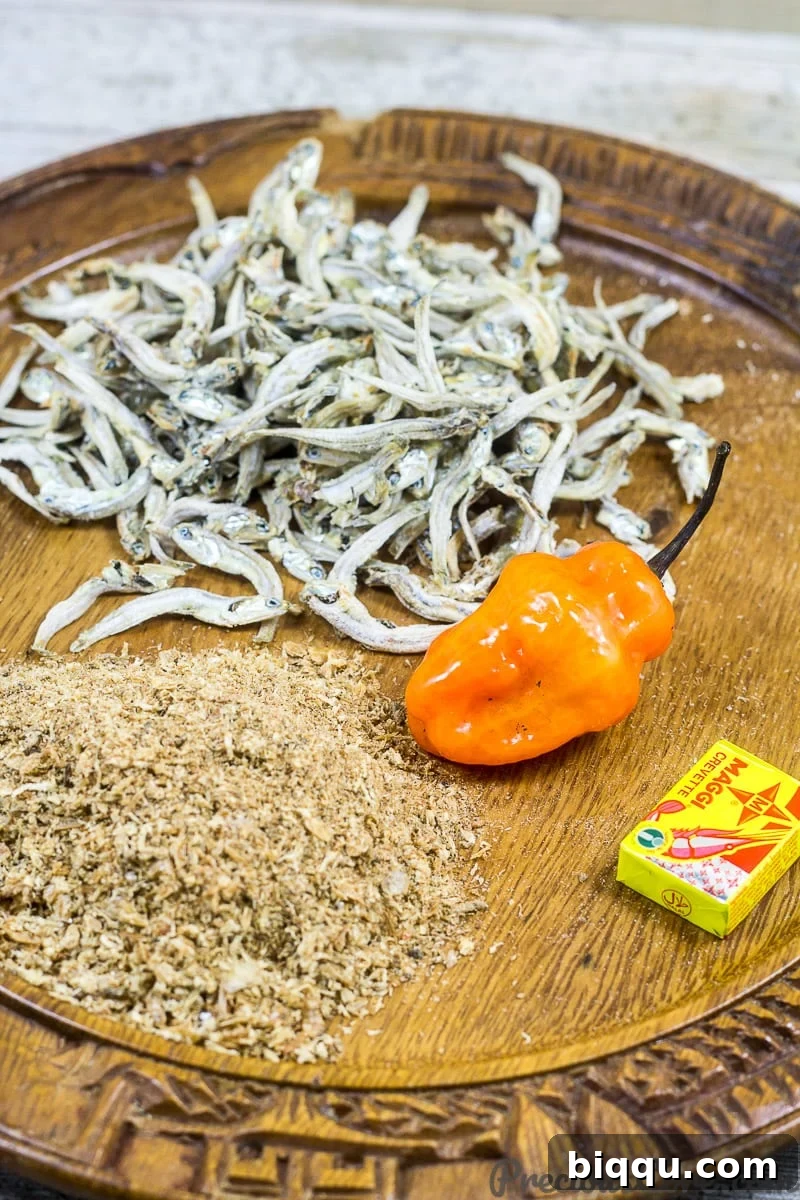
Step-by-Step Guide to Making Stovetop Cameroonian Groundnut Paste (Mboh)
Yields: 8 servings | Prep time: 15 minutes | Cook time: 15 minutes | Total time: 30 minutes
Ingredients:
- 3 cups raw groundnuts (peanuts)
- 1/2 cup ground crayfish
- 1 habanero pepper
- 2 seasoning cubes (Maggi) or 1 large Maggi crevette
- 1 teaspoon salt
- 3 cups water (divided)
- 1 cup dried fish (optional, such as dried anchovies)
Instructions:
- Roast the Peanuts: Place the raw groundnuts in a wide frying pan or pot. Roast them over medium heat for approximately 15 minutes, stirring continuously to ensure even roasting and prevent burning. The peanuts should turn a golden brown, indicating they are fully cooked and aromatic.
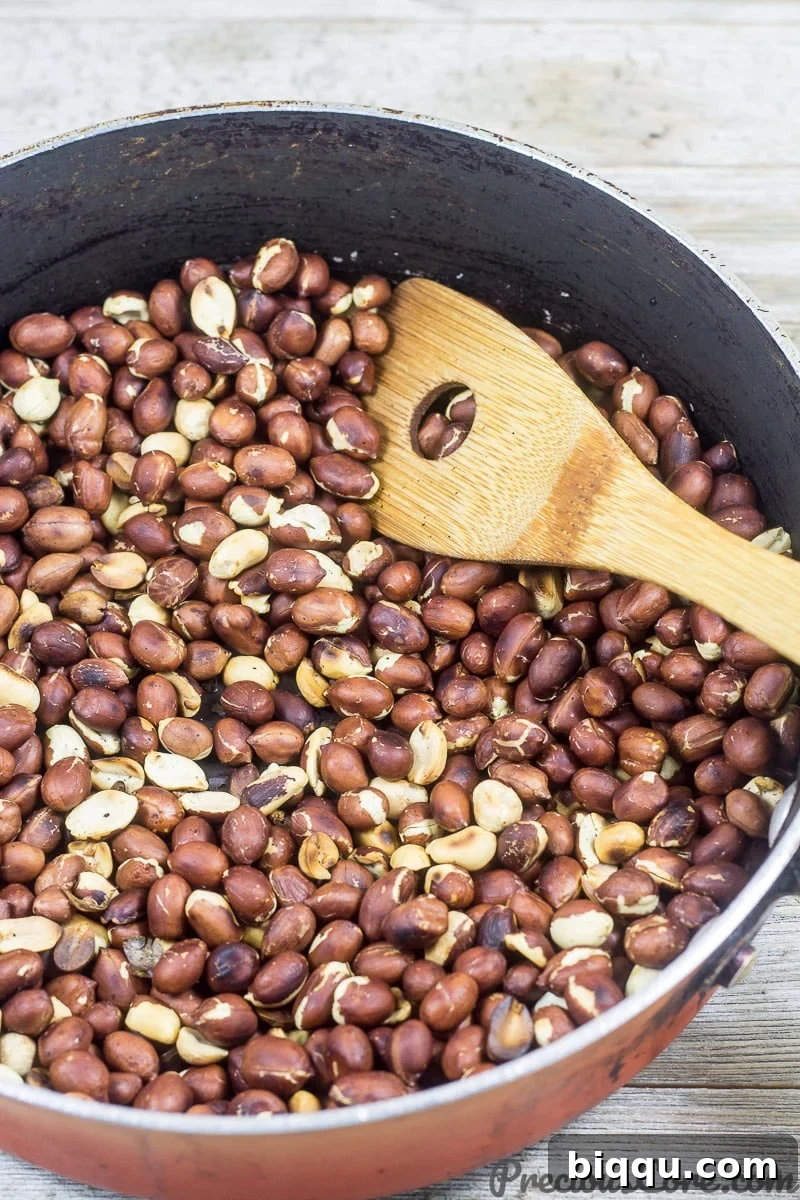
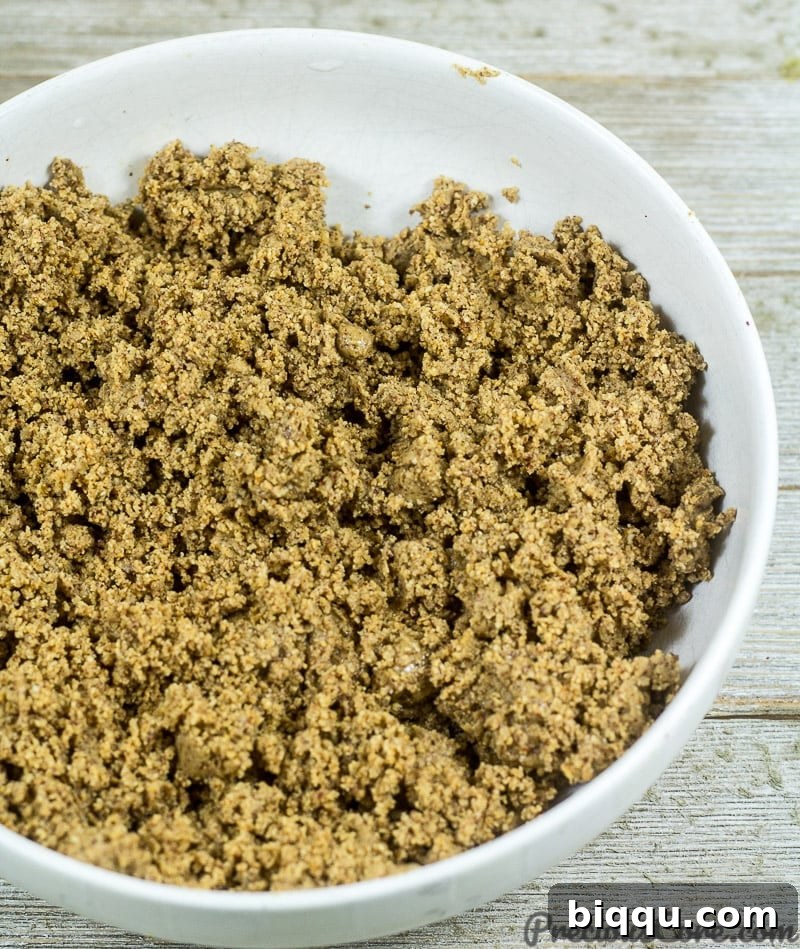
- Cool and Grind: Once roasted, transfer the peanuts to a tray and allow them to cool completely, which typically takes about 30 minutes. This cooling period helps them achieve the perfect texture for grinding. While the peanuts cool, blend your habanero pepper with about 2 tablespoons of water to form a smooth paste. Once cooled, grind the roasted peanuts using a small blender cup or a coffee grinder until they form a fine powder. Mix this ground peanut powder with about 1.5 cups of water to create a thick, smooth paste.
- Combine and Cook: In a separate pot, combine 1 cup of water, ground crayfish, and dried fish (if using). Bring this mixture to a boil. Once boiling, add the salt, Maggi cubes, blended habanero pepper, and your prepared groundnut paste to the pot. Mix all ingredients thoroughly to ensure everything is well combined. Add the remaining half cup of water and stir again.
- Simmer to Perfection: Bring the groundnut mixture to a boil over medium heat, stirring constantly to prevent it from sticking to the bottom of the pot. Continue to cook for approximately 15 minutes, or until the natural oil from the peanuts begins to separate and rise to the surface, and the paste achieves a considerably thick, pudding-like consistency. The dish is ready when you see a layer of oil glistening on top of the groundnut paste.
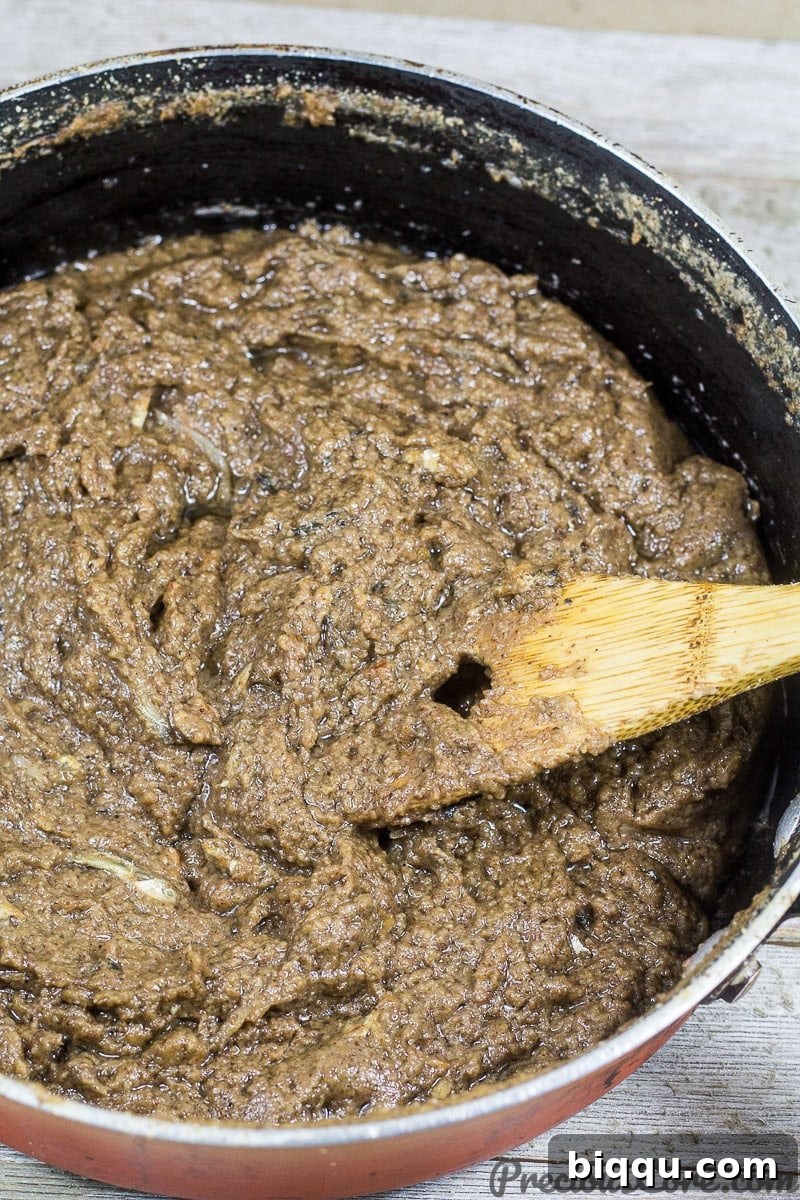
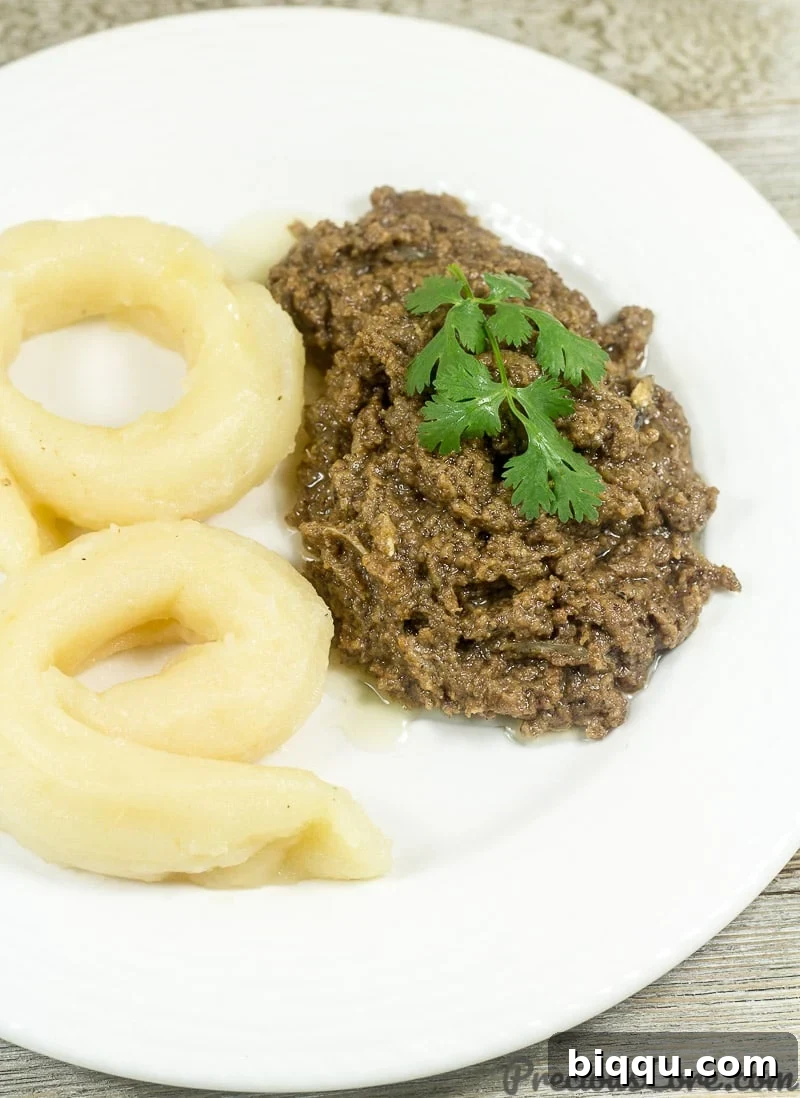
- Serve and Enjoy: Your flavorful Cameroonian Mboh is now ready! Serve it hot with your favorite starchy side. I particularly enjoyed mine with some fresh Bobolo.
Tips for Success & Variations
Achieving the perfect Mboh is simple with a few helpful tips and ideas for customization:
- Steaming Method Details: If you opt for the traditional steaming method, combine all ingredients with 2 cups of water. Wrap individual portions tightly in banana leaves or heat-safe foil, then steam until fully cooked. This process yields a denser, cake-like pudding, reminiscent of Koki (steamed black-eyed peas pudding).
-
Flavor Boosters: While this recipe is incredibly flavorful on its own, you can experiment with additional ingredients for an even deeper taste profile:
- Onion: Add half a small onion, ground together with the pepper, to the mixture for an aromatic base.
- Pèbè (African Nutmeg): Grind 1 pèbè alongside your groundnuts for a distinct, warm, and earthy spice.
- Bush Pepper (African Peppercorns): A half teaspoon of bush pepper offers a unique, slightly pungent heat.
- White Pepper: A half teaspoon of white pepper can add a subtle, peppery warmth without overwhelming the other flavors.
- Grinding Consistency: For the smoothest Mboh, ensure your roasted peanuts are ground very finely. A coffee grinder often works best for achieving this powdery consistency.
- Continuous Stirring: When cooking Mboh on the stovetop, constant stirring is non-negotiable. This prevents the paste from sticking and burning, and helps achieve that desirable smooth, creamy texture.
Nutritional Information (per serving):
(Based on 8 servings)
- Calories: 414 kcal
- Carbohydrates: 9g
- Protein: 36g
- Fat: 28g
- Saturated Fat: 4g
- Polyunsaturated Fat: 10g
- Monounsaturated Fat: 12g
- Cholesterol: 65mg
- Sodium: 2639mg
- Potassium: 881mg
- Fiber: 5g
- Sugar: 0.2g
- Vitamin A: 61 IU
- Vitamin C: 3mg
- Calcium: 118mg
- Iron: 3mg
Additional Info:
- Course: Side Dish
- Cuisine: Cameroonian
Share Your Culinary Creations!
I love seeing your cooking adventures! If you try this authentic Cameroonian Groundnut Paste recipe, please share a photo on Instagram and tag me @preciouscore, or share it on my Facebook page. I can’t wait to see your delicious Mboh!
Pin this recipe to save it for later:
Looking for a grinder? A lot of you have asked about the machine I use to grind groundnuts in my video. For your convenience, here’s an affiliate link to the exact machine I use, available on Amazon: