
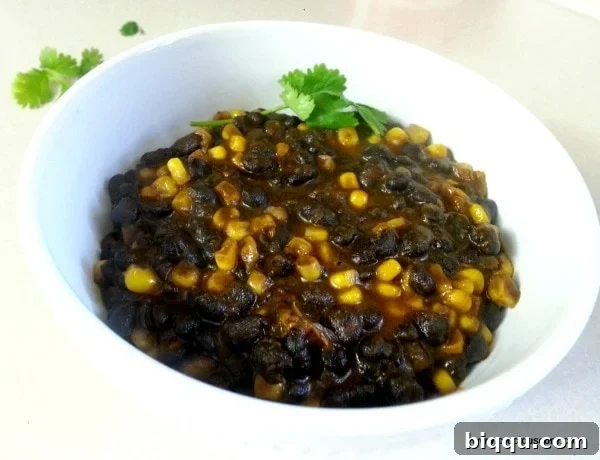
Experience the Heart of Cameroon: The Ultimate Corn Chaff Recipe
Imagine a dish so rich, so comforting, and bursting with vibrant flavors that it instantly transports you to the bustling kitchens of West Africa. This is the magic of Corn Chaff, a culinary treasure deeply rooted in Cameroonian culture. Growing up, this delightful concoction of corn and beans wasn’t just food; it was an experience, a celebration of simple ingredients transformed into something extraordinary. Creamy, deeply flavorful, and incredibly satisfying, Corn Chaff is truly a party in your mouth. Also affectionately known as Corn and Beans Porridge, it represents a perfect foodie marriage of wholesome grains and legumes, a staple enjoyed by families across Cameroon. Its Nigerian cousin, a similar yet distinct dish called Adalu, also shares this beloved combination, highlighting the regional appreciation for this nutritious and delicious pairing.
Corn Chaff is more than just a meal; it’s a testament to the ingenious use of staple ingredients to create a dish that is both nourishing and incredibly tasty. It embodies the warmth and hospitality of Cameroonian cuisine, often prepared for family gatherings, special occasions, or simply to bring comfort on an ordinary day. The simplicity of its core components belies the complexity of flavor achieved through traditional cooking methods and carefully selected spices. This article will guide you through the journey of preparing authentic Corn Chaff, exploring its cultural significance, various ingredient choices, and detailed steps to recreate this beloved African delicacy in your own kitchen. Prepare to embark on a culinary adventure that promises to delight your senses and broaden your palate.
What Makes Corn Chaff So Special?
At its core, Corn Chaff is a hearty porridge that combines two fundamental African food items: corn and beans. But it’s the preparation, the blend of spices, and the choice of oil that elevate it from a simple meal to an unforgettable culinary experience. The texture is key – a comforting creaminess achieved through slow cooking, allowing the corn and beans to meld perfectly. Each spoonful offers a delightful mix of tender grains and soft legumes, enveloped in a rich, aromatic sauce. While the basic concept is straightforward, the nuances in preparation can lead to vastly different outcomes, making each cook’s Corn Chaff uniquely theirs. From the type of corn used to the precise balance of spices, every detail contributes to the final masterpiece.
The appeal of Corn Chaff also lies in its versatility. It can be a humble everyday dish or an elaborate feast, depending on the additions. The base remains wholesome and fulfilling, offering a complete protein profile from the combination of corn and beans. This makes it not only a delicious option but also a highly nutritious one. Its popularity across Cameroon is a testament to its enduring charm and ability to bring people together over a shared love for good food. Whether you’re familiar with West African cuisine or a curious newcomer, Corn Chaff offers a flavorful introduction to the heart and soul of Cameroonian cooking.
The Essential Ingredients: A Symphony of Flavors
The foundation of a truly exceptional Corn Chaff lies in its ingredients. While the core remains corn and beans, it’s the supporting cast of spices and aromatics that crafts its signature profile. The ever-present ingredients used in preparation are oil (mostly palm oil), salt, and seasoning cubes (like Maggi or Knorr). These three components lay the groundwork, providing richness, essential taste, and umami depth. However, the true magic unfolds with the addition of other flavorful elements.
You can elevate your Corn Chaff by incorporating ingredients such as fresh onions, pungent garlic, spicy ginger, and vibrant green herbs like celery and parsley. Tomatoes are often included, lending a subtle tang and beautiful color, especially when paired with vegetable oil. For a richer, deeper flavor, many cooks add crayfish, a common ingredient in West African cuisine that imparts a unique, savory seafood note. If you’re feeling particularly indulgent or want to transform it into a more substantial meal, consider throwing in some smoked fish or even pieces of meat. These additions contribute a smoky depth and a satisfying texture that complements the creamy base perfectly.
A little secret ingredient, colloquially known as contri onions in Cameroon (also known as African nutmeg or calabash nutmeg), works wonders in this meal. This nutty spice offers an earthy, slightly pungent aroma that is truly unique and quintessential to many Cameroonian dishes, adding an authentic layer of flavor that is hard to replicate. My personal preference leans towards making Corn Chaff with a generous blend of garlic, ginger, onions, and various herbs, often omitting tomatoes. This combination consistently yields a deliciously aromatic and deeply satisfying dish every time. I only introduce tomatoes when using vegetable oil, allowing them to impart a lovely reddish hue and a touch of acidity to the meal, balancing the flavors beautifully.
Mastering the Corn: Traditional vs. Modern Approaches
Traditionally, Corn Chaff is made with either fresh corn straight off the cob or dried corn kernels. The preparation of dried corn, in particular, is an art form passed down through generations, involving a meticulous process to ensure the kernels are perfectly tender and easy to chew.
The Traditional Method: A Labor of Love
For those who appreciate the authentic taste and texture derived from traditional methods, preparing dried corn can be a rewarding experience. The process typically involves:
- First, whole dried corn is boiled with akanwa (a type of limestone or potash) until the skin begins to soften significantly. The akanwa plays a crucial role here, aiding in the softening process and making the corn more digestible.
- Once soft, the corn is allowed to cool completely, or rinsed immediately with cold water to halt the cooking process.
- Next, the kernels are peeled by rubbing them vigorously between your palms. This action helps to loosen and remove the outer skins.
- To separate the skins, the corn is then poured into a large quantity of water, allowing the lighter skins to float to the surface.
- A colander is then used to carefully drain off the floating skins, leaving behind the peeled corn kernels.
- The peeled corn is returned to the pot and boiled to perfection until it reaches an ideal tender consistency.
- Finally, pre-soaked raw beans are added to the pot with the corn and cooked together until both are tender. Seasoning with salt is done when both corn and beans are ready, allowing them to boil for an additional 5 minutes before turning off the heat. This entire traditional process ensures the corn is incredibly soft and easy to chew, contributing to the signature texture of authentic Corn Chaff.
This method, though time-consuming, yields a depth of flavor and texture that is highly prized in traditional Cameroonian kitchens.
Modern Convenience: Embracing Simplicity
While the traditional method is deeply cherished, modern life often calls for quicker, more convenient alternatives. In this recipe, for instance, I opted for frozen sweet corn, which works exceptionally well and significantly cuts down on prep time. The result is just as delicious and satisfying. Many cooks also successfully use canned corn, which offers similar ease of preparation. For the beans, you have a wide array of choices to suit your preference and availability: black beans, red kidney beans, small red beans, or any other variety you enjoy. I personally find black beans to be wonderfully tasty and they were readily available, making them a perfect choice for this particular rendition of Corn Chaff. The flexibility in choosing your corn and bean types allows for experimentation and customization, ensuring that Corn Chaff can be enjoyed by everyone, regardless of time constraints or ingredient availability.
Health Benefits of Corn Chaff
Beyond its incredible taste, Corn Chaff is also a powerhouse of nutrition. Both corn and beans are rich in dietary fiber, which aids digestion, promotes satiety, and helps regulate blood sugar levels. Corn provides essential carbohydrates for energy, along with vitamins like B vitamins and minerals such as phosphorus and magnesium. Beans, on the other hand, are an excellent source of plant-based protein, iron, folate, and potassium, contributing to muscle repair, blood health, and overall well-being. The fresh aromatics like garlic, ginger, and onions are known for their anti-inflammatory and antioxidant properties, further enhancing the nutritional profile of this wholesome dish. When prepared with palm oil, it also provides beneficial fats and a vibrant source of Vitamin A. Corn Chaff is truly a balanced meal that nourishes the body while delighting the palate.
Serving Suggestions for Corn Chaff
Corn Chaff is a versatile dish that can be enjoyed in various ways. It is often served as a complete meal on its own, given its hearty and filling nature. However, it also pairs wonderfully with other Cameroonian staples. Consider serving it alongside grilled fish or chicken for an added protein boost and complementary flavors. A side of fried ripe plantains offers a delightful sweet contrast to the savory richness of the Corn Chaff. Some enjoy it with a simple fresh salad to add crispness and a burst of freshness. Whether you choose to enjoy it by itself or as part of a larger meal, Corn Chaff promises a satisfying and flavorful experience.
The Ultimate Corn Chaff Recipe
Prep Time: 15 minutes
Cook Time: 2 hours
Total Time: 2 hours 15 minutes
Ingredients
- 2 cups of dried beans (or 1 can (15 oz) cooked beans, rinsed)
- 2 cups of dried corn (or 4 cups of pre-cooked corn: frozen sweet corn or canned corn, rinsed)
- 1 medium-sized onion
- 4 stems of green spices: parsley, celery (2 stems of each)
- 1 stem of green onions (or 1 leek, chopped)
- 5 cloves of garlic
- Half an inch of fresh ginger
- 1 cup of palm oil (or more, according to preference)
- 3 seasoning cubes (Maggi, Knorr, etc.) or two teaspoons of bouillon seasoning powder
- Half a cup of crayfish, ground (optional, but highly recommended for authentic flavor)
- 1 habanero pepper (or less, to taste, for heat)
- Salt to taste
- Water, as needed for boiling and simmering
Directions
Follow these steps carefully to create a delicious and authentic Corn Chaff:
1. Prepare the Corn and Beans:
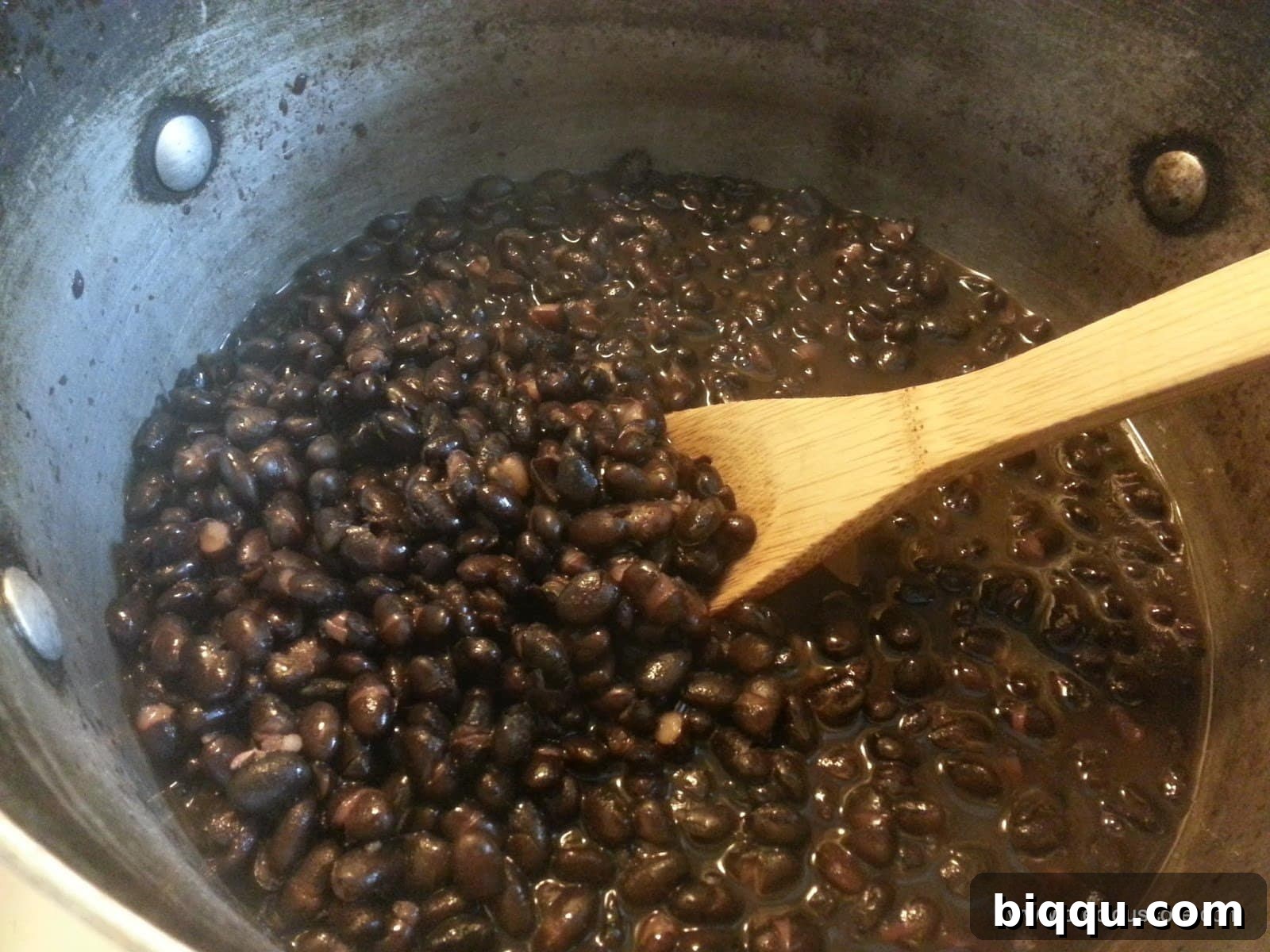
* If using dried corn, boil it until it is completely soft. This can take a significant amount of time, so plan accordingly.
* If you are using canned corn or frozen sweet corn (as I did here), you can skip the lengthy corn boiling process. Instead, focus on boiling your dried beans until they are incredibly soft. You do not want them to be hard or crunchy. If using canned beans, simply rinse them thoroughly.
* If using dried corn, boil it until it is completely soft. This can take a significant amount of time, so plan accordingly.
* If you are using canned corn or frozen sweet corn (as I did here), you can skip the lengthy corn boiling process. Instead, focus on boiling your dried beans until they are incredibly soft. You do not want them to be hard or crunchy. If using canned beans, simply rinse them thoroughly.
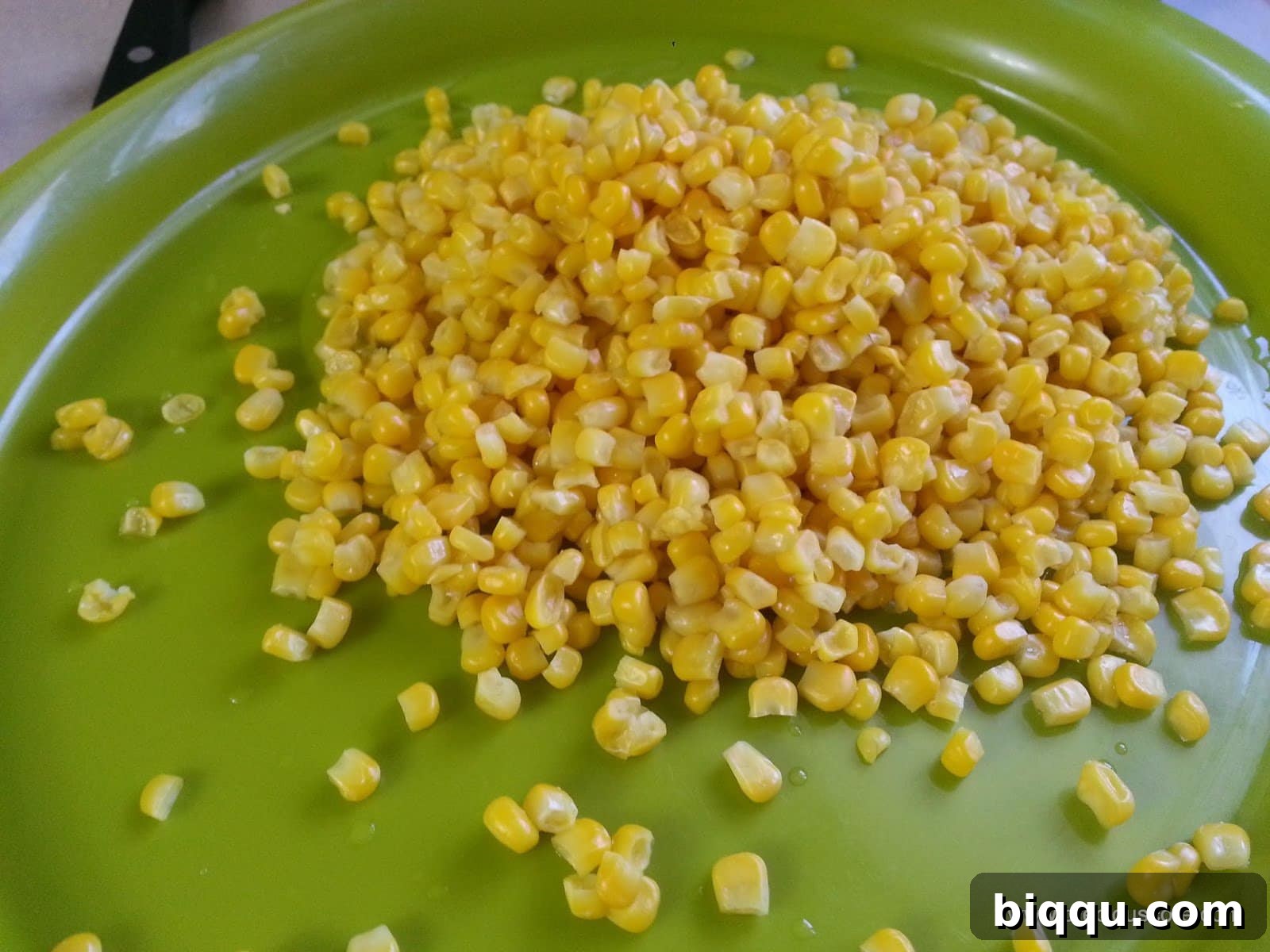
2. Rinse and Set Aside Corn:
* If using canned or frozen corn, rinse it thoroughly under cold water and set aside. This removes excess sodium from canned corn and any icy residue from frozen corn.
* If using canned or frozen corn, rinse it thoroughly under cold water and set aside. This removes excess sodium from canned corn and any icy residue from frozen corn.
3. Combine and Start Simmering:
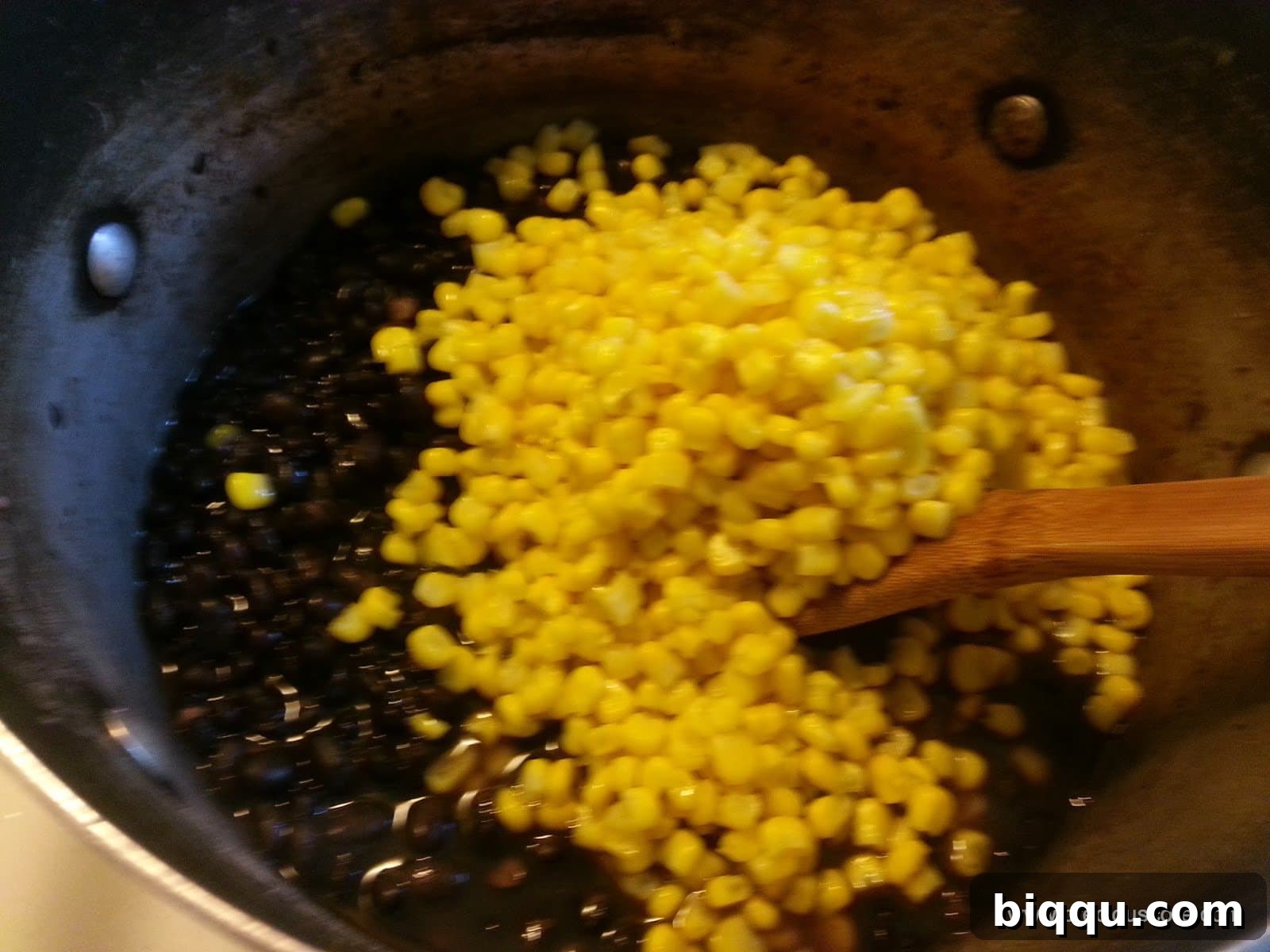
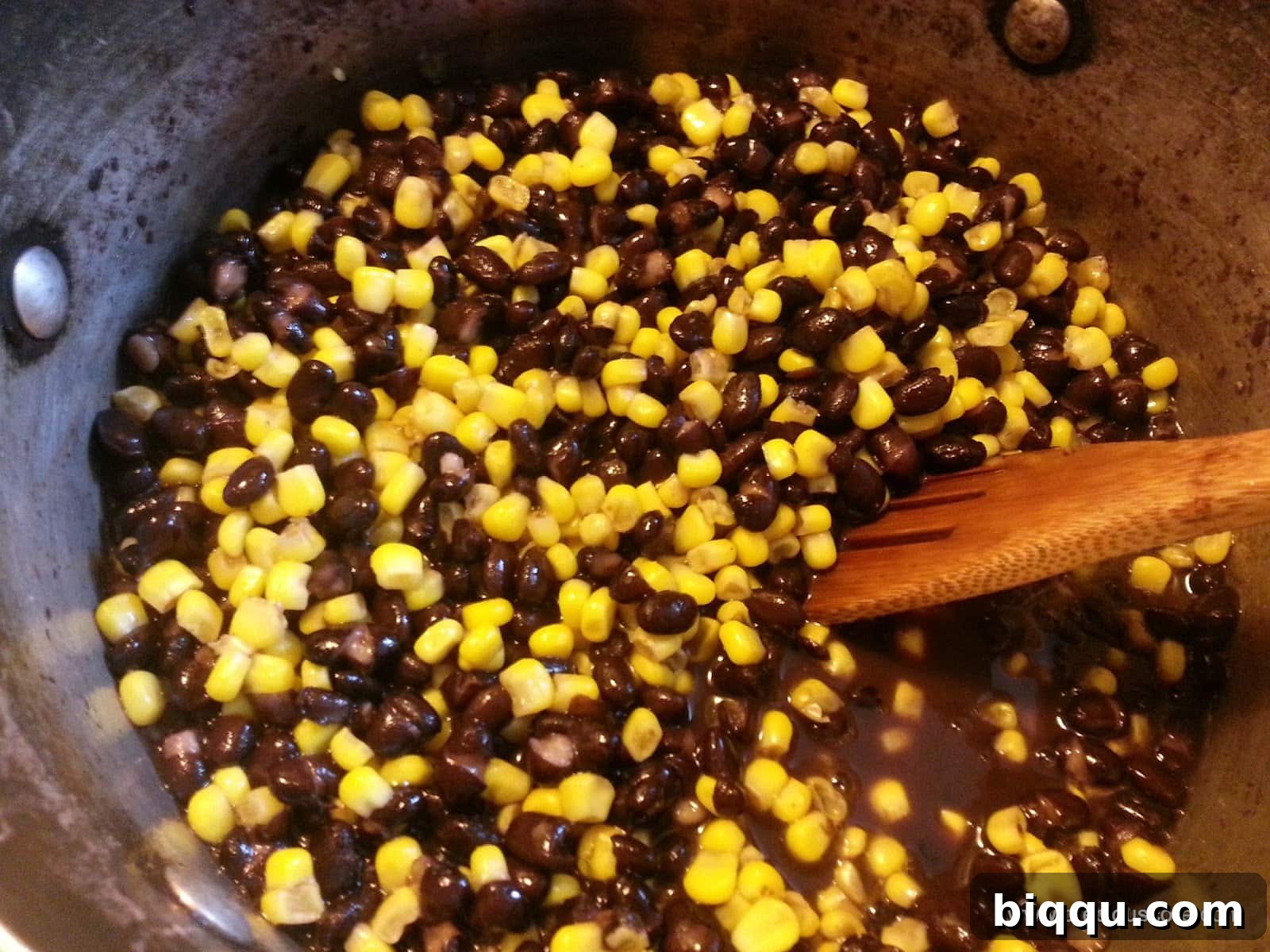
* Rinse your cooked beans (if not already rinsed) and then combine them with the prepared corn in a large pot.
* Add about a cup of fresh water to the pot.
* Place the pot on medium heat, allowing the corn and beans to begin simmering gently.
* Rinse your cooked beans (if not already rinsed) and then combine them with the prepared corn in a large pot.
* Add about a cup of fresh water to the pot.
* Place the pot on medium heat, allowing the corn and beans to begin simmering gently.
4. Prepare the Spice Blend:
* While the corn and beans are simmering, prepare all your aromatic spices: ginger, garlic, onions, green herbs (parsley, celery, green onions), and habanero pepper.
* Blend these ingredients together into a smooth or slightly coarse paste, depending on your preferred texture.
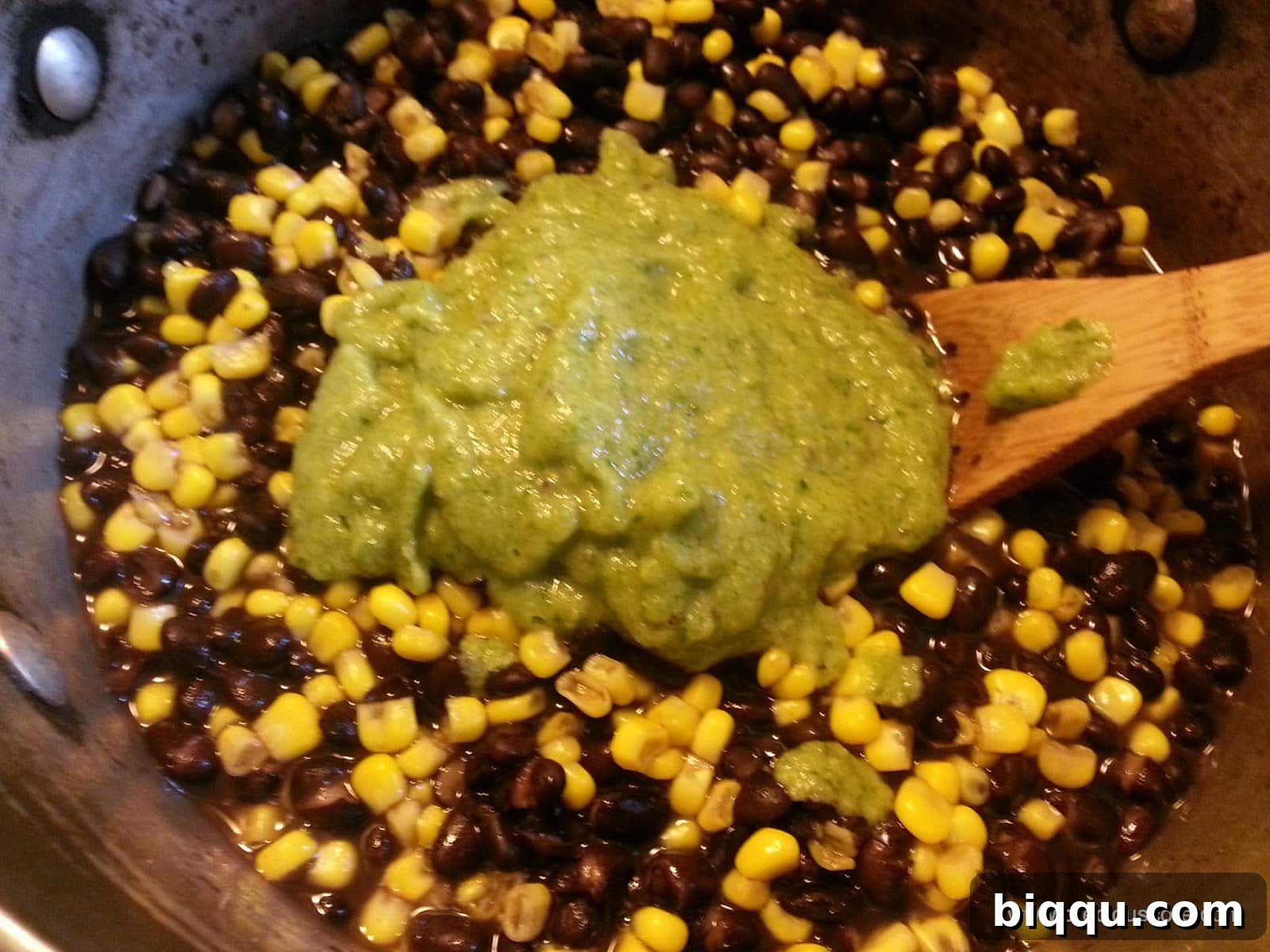
* Once blended, generously dump the entire spice mixture into the pot with the corn and beans.
* While the corn and beans are simmering, prepare all your aromatic spices: ginger, garlic, onions, green herbs (parsley, celery, green onions), and habanero pepper.
* Blend these ingredients together into a smooth or slightly coarse paste, depending on your preferred texture.
* Once blended, generously dump the entire spice mixture into the pot with the corn and beans.
5. Add Seasoning and Oil:
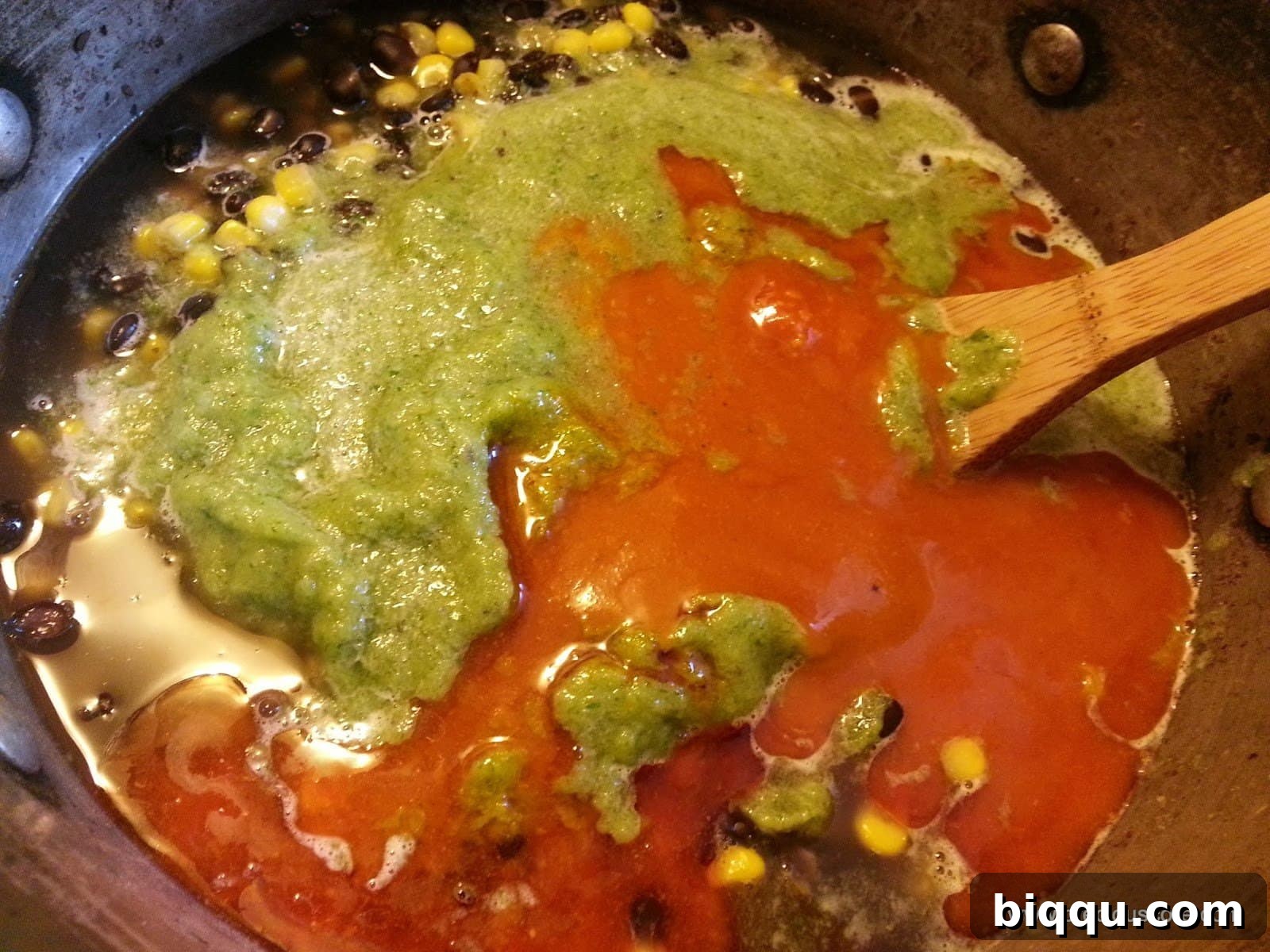
* Now, add the seasoning cubes (or bouillon powder), salt to taste, and the vibrant palm oil to the pot. If using crayfish, add it at this stage as well.
* Stir everything together thoroughly, ensuring all the ingredients are well combined and the palm oil coats the mixture evenly.
* Now, add the seasoning cubes (or bouillon powder), salt to taste, and the vibrant palm oil to the pot. If using crayfish, add it at this stage as well.
* Stir everything together thoroughly, ensuring all the ingredients are well combined and the palm oil coats the mixture evenly.
6. Simmer to Perfection:
* Reduce the heat to low, cover the pot, and let all that goodness simmer together for about 20 minutes. This crucial simmering time allows the flavors to meld, deepen, and create the characteristic richness of Corn Chaff.
* As it cooks, the aroma will beautifully fill your house, a delicious sign that something wonderful is brewing. Let your taste buds dance in anticipation!
* Stir occasionally to prevent sticking and ensure even cooking. If the mixture becomes too thick, you can add a little more water, a quarter cup at a time, until you reach your desired consistency.
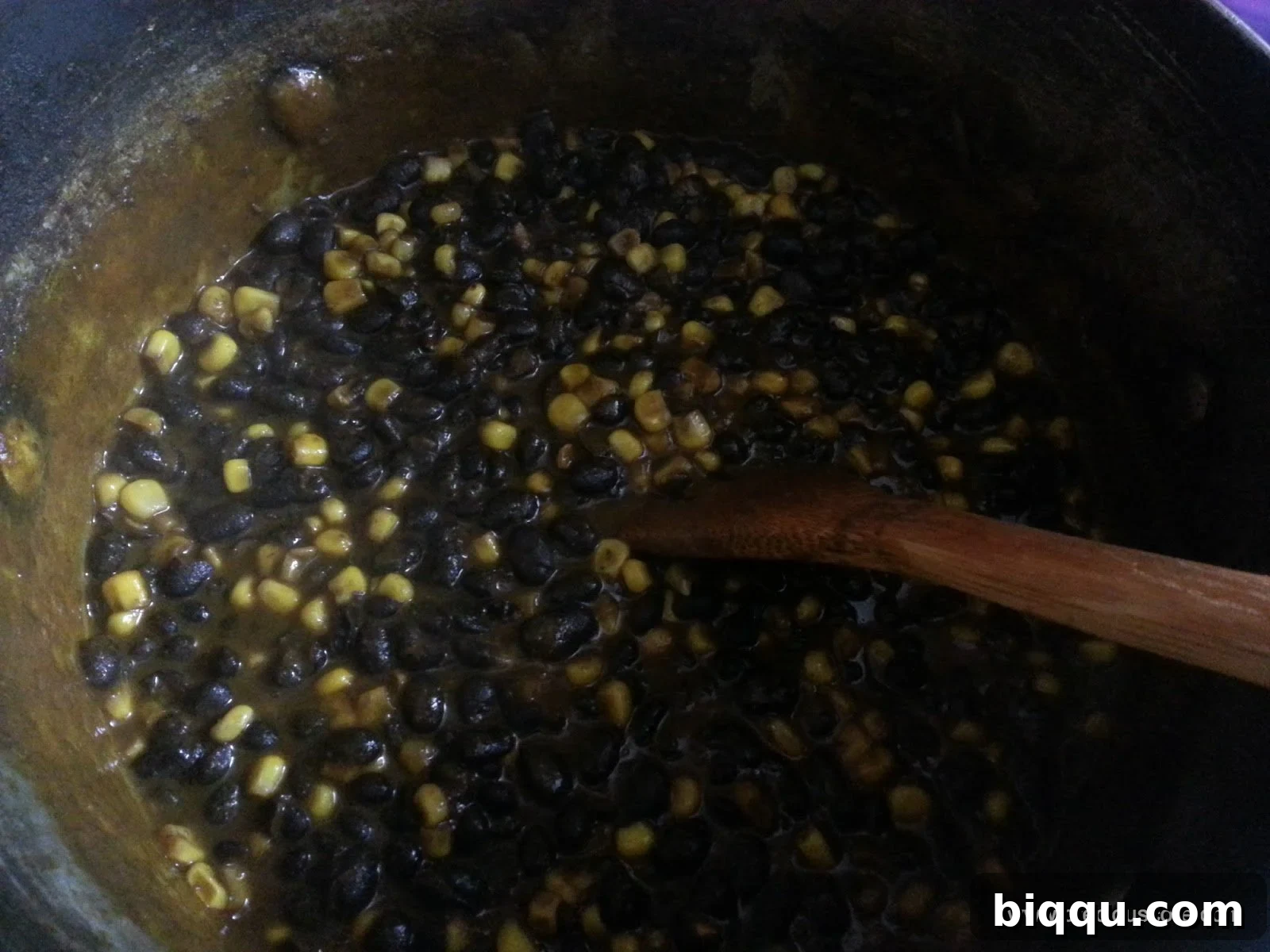
* Taste and adjust seasoning if necessary. When it reaches a creamy, flavorful consistency and the beans and corn are perfectly tender, your Corn Chaff is ready. As we say in Cameroon, Corn Chaff don done! (Corn Chaff is ready!)
* Reduce the heat to low, cover the pot, and let all that goodness simmer together for about 20 minutes. This crucial simmering time allows the flavors to meld, deepen, and create the characteristic richness of Corn Chaff.
* As it cooks, the aroma will beautifully fill your house, a delicious sign that something wonderful is brewing. Let your taste buds dance in anticipation!
* Stir occasionally to prevent sticking and ensure even cooking. If the mixture becomes too thick, you can add a little more water, a quarter cup at a time, until you reach your desired consistency.
* Taste and adjust seasoning if necessary. When it reaches a creamy, flavorful consistency and the beans and corn are perfectly tender, your Corn Chaff is ready. As we say in Cameroon, Corn Chaff don done! (Corn Chaff is ready!)
Tips for Success and Variations
* Soaking Beans: Always soak dried beans overnight or quick-soak them to reduce cooking time and improve digestibility.
* Consistency: If you prefer a thicker porridge, allow it to simmer longer, uncovered, to reduce moisture. For a thinner consistency, add a bit more water or stock during the final simmering stage.
* Spice Level: Adjust the habanero pepper to your liking. For less heat, use a milder pepper or omit it entirely. For more heat, add an extra pepper or a dash of cayenne pepper.
* Flavor Boost: A touch of smoked paprika can enhance the smoky notes if you’re not using smoked fish or meat.
* Vegetarian/Vegan: Corn Chaff is naturally vegetarian and can be made vegan by ensuring your seasoning cubes are plant-based and avoiding any meat or fish additions. Palm oil is a staple, but vegetable oil can be used as an alternative if preferred.
* Storage: Leftover Corn Chaff can be stored in an airtight container in the refrigerator for up to 3-4 days. It reheats well on the stovetop or in the microwave, though you might need to add a splash of water to loosen it up.
* Consistency: If you prefer a thicker porridge, allow it to simmer longer, uncovered, to reduce moisture. For a thinner consistency, add a bit more water or stock during the final simmering stage.
* Spice Level: Adjust the habanero pepper to your liking. For less heat, use a milder pepper or omit it entirely. For more heat, add an extra pepper or a dash of cayenne pepper.
* Flavor Boost: A touch of smoked paprika can enhance the smoky notes if you’re not using smoked fish or meat.
* Vegetarian/Vegan: Corn Chaff is naturally vegetarian and can be made vegan by ensuring your seasoning cubes are plant-based and avoiding any meat or fish additions. Palm oil is a staple, but vegetable oil can be used as an alternative if preferred.
* Storage: Leftover Corn Chaff can be stored in an airtight container in the refrigerator for up to 3-4 days. It reheats well on the stovetop or in the microwave, though you might need to add a splash of water to loosen it up.
Conclusion: A Taste of Cameroonian Heritage
Corn Chaff is more than just a recipe; it’s a culinary journey into the heart of Cameroon. It brings together simple, wholesome ingredients and transforms them through careful preparation and a symphony of spices into a dish that is deeply satisfying and incredibly flavorful. Whether you follow the traditional methods or embrace modern shortcuts, the essence of Corn Chaff remains the same: a comforting, nutritious, and undeniably delicious meal that embodies the rich culinary heritage of West Africa. I truly hope you enjoy preparing and savoring this wonderful recipe. It’s an experience that promises to nourish both body and soul, leaving you with a lasting impression of Cameroonian warmth and flavor. Happy cooking!