
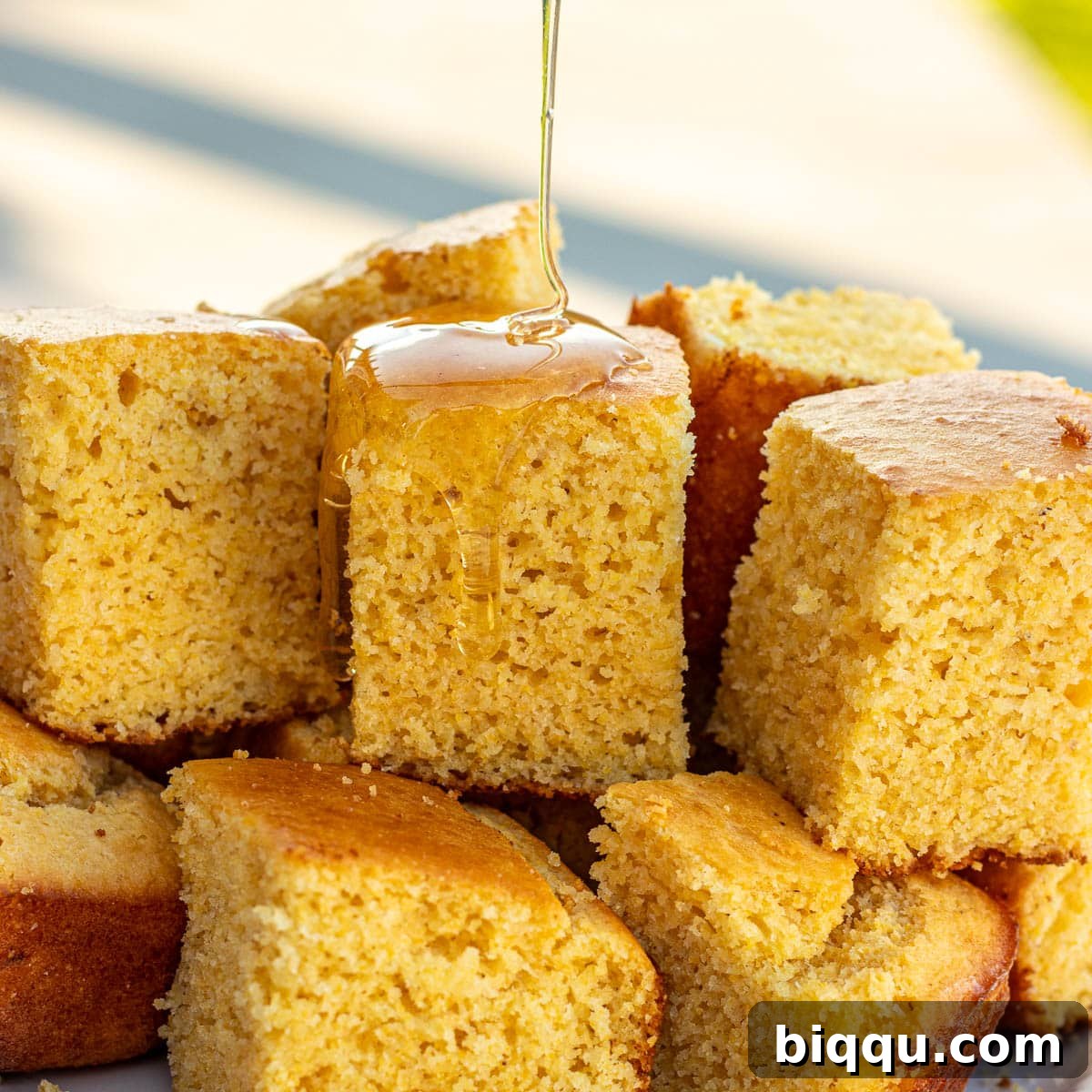
Craving that comforting, golden-brown goodness of homemade cornbread but don’t have buttermilk on hand? You’re in luck! This **Cornbread Without Buttermilk** recipe is not only incredibly easy, requiring just one bowl for mixing, but it also delivers an exceptionally moist, buttery, and flavorful result with those irresistible crispy edges. It’s a true delight, perfect for enjoying by itself, or elevated with a generous drizzle of golden honey or rich maple syrup.
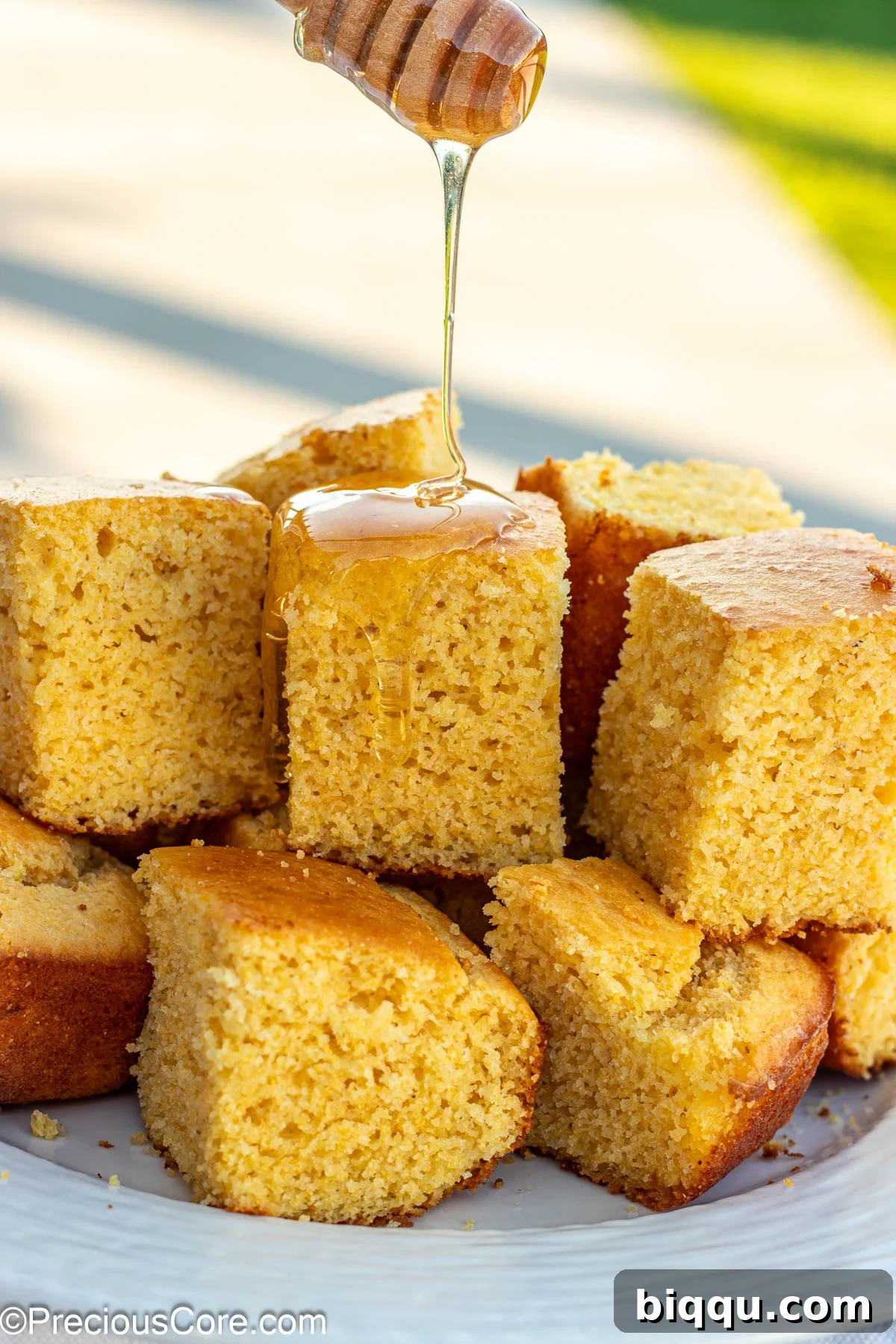
Forget the processed, store-bought cornbread mixes that often fall flat on flavor and texture. This from-scratch cornbread is the real deal, offering a rich, authentic taste that a boxed mix simply can’t replicate. With only 8 basic ingredients and a mere 30 minutes from start to finish, you can whip up this easy, comforting side dish anytime the craving strikes. It’s the perfect recipe for busy weeknights, holiday gatherings, or simply a cozy weekend meal.
If you’re a fan of delicious homemade baked goods, be sure to explore some of our other cherished recipes, including our 3 Ingredient Biscuits, wholesome Zucchini Muffins With Applesauce, the ever-reliable Perfect Plain Cake, and our wonderfully aromatic Vanilla Pound Cake.
My adoration for corn in all its forms runs deep – right up there with my love for plantains and coconut. This is precisely why Koki Corn, a savory corn dish akin to cornbread, never lasts long in my household. I often make grand plans to bake large batches of cornbread to freeze for later, but these plans rarely come to fruition. The moment that warm, fragrant cornbread emerges from the oven, I find myself unable to resist. I won’t rest until every last crumb is savored! There’s just something inherently satisfying about that distinct corn flavor baked into a tender, delightful treat.
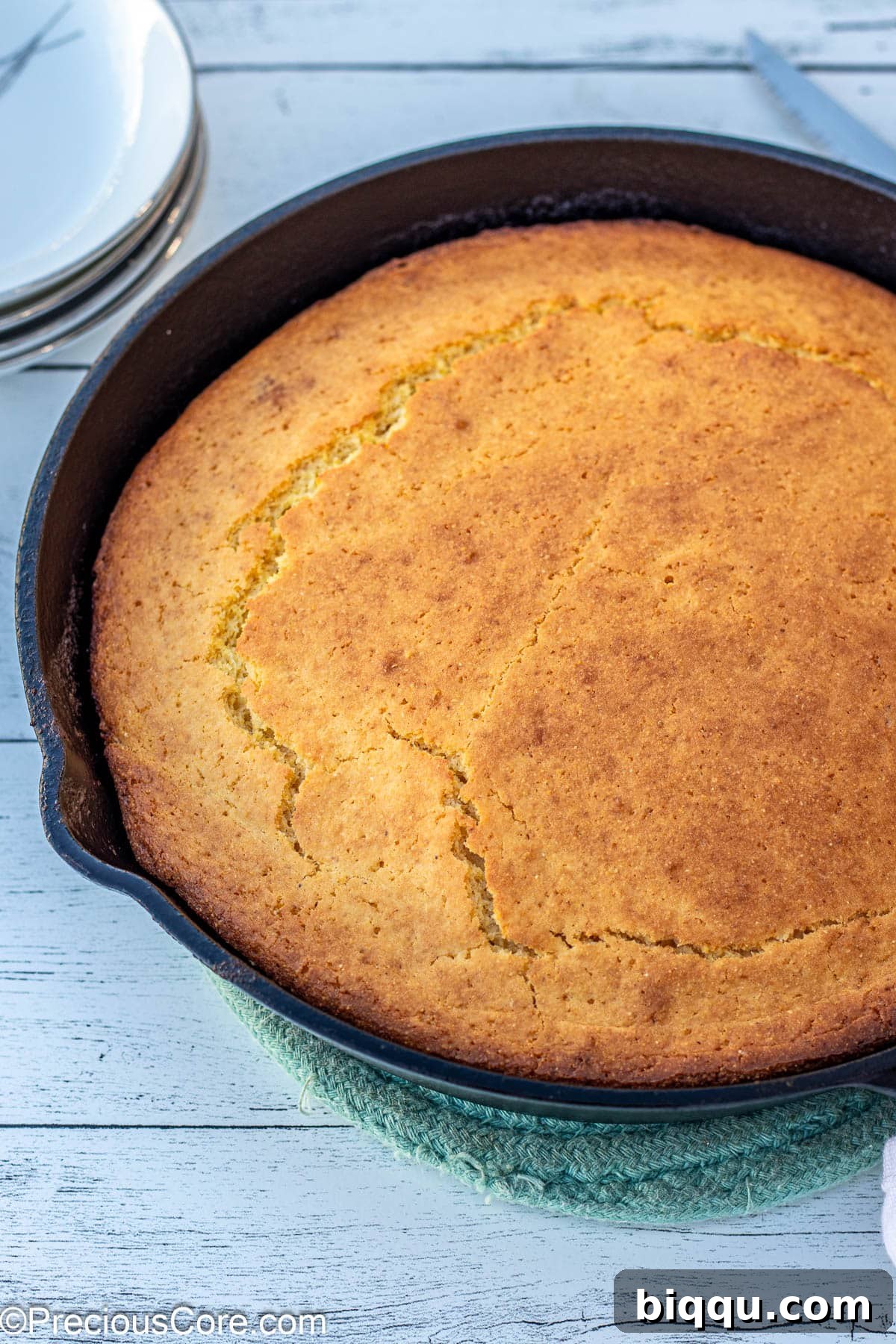
Table of Contents
- Easy Cornbread Recipe Without Buttermilk
- The Role of Fat in Cornbread
- Key Ingredients for Moist Cornbread
- How To Make Cornbread Without Buttermilk: Step-by-Step
- Cornbread Variations to Try
- Cornbread FAQs
- What To Serve With Cornbread?
- More Holiday and Everyday Recipes
- More Homemade Bread Inspiration
- Cornbread Without Buttermilk Recipe Card
Easy Cornbread Recipe Without Buttermilk
Can you truly make cornbread without buttermilk and still achieve that coveted moist, tender texture? The answer is a resounding yes! This recipe proves that buttermilk, while traditional for its tang and tenderizing properties, is not an absolute necessity for exceptional homemade cornbread. We understand that buttermilk can sometimes be a specialty item, not always readily available in every pantry or grocery store. That’s precisely why this recipe is a game-changer.
Instead of buttermilk, this recipe leverages a clever combination of readily available whole milk, reliable baking powder, and rich melted butter. This trio works harmoniously to create a cornbread with the perfect rise, an incredibly moist crumb, and a delightful richness that will make you forget all about buttermilk. You’ll be amazed at the depth of flavor and ideal texture you can achieve with these simple substitutions.
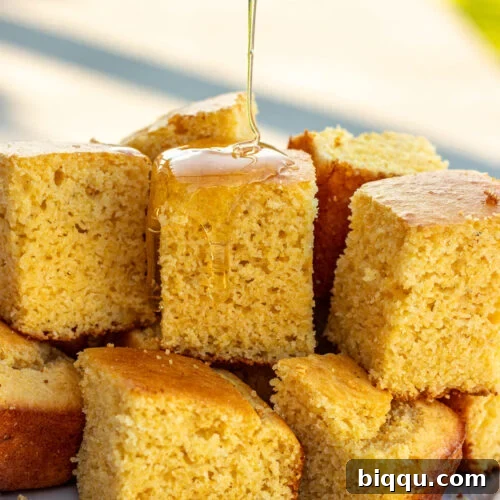
You’ll adore this cornbread recipe not just for its ease (it’s a single-bowl wonder!), but also for its perfectly balanced sweetness. It’s not overly sweet, which makes it incredibly versatile. This allows the natural corn flavor to shine through, and it provides the ideal canvas for drizzling with your favorite pure honey or rich maple syrup. Don’t be shy with that golden liquid – it truly elevates the experience!
The Role of Fat in Cornbread: Choosing Your Best Option
The type of fat you use in cornbread significantly impacts its flavor, moisture, and overall texture. Before perfecting this recipe, I experimented with several batches, trying different fats to find the ideal balance for a truly buttery and satisfying cornbread. Here’s what I discovered:
- Cornbread with Oil: My attempts using cooking oil resulted in a less than satisfactory cornbread. While it provided moisture, it lacked the rich, complex flavor and depth that butter brings to baked goods. The texture was often good, but the overall eating experience felt incomplete without that characteristic buttery taste.
- Cornbread with Melted Butter: My first try with melted butter was a learning curve. I likely used too much, resulting in a slightly greasy cornbread with an “off” taste. However, upon adjusting the quantity to the correct ratio, melted butter proved to be a fantastic choice! It infuses the cornbread with a wonderful buttery aroma and contributes significantly to its moistness. For an even deeper, nuttier flavor, consider browning your butter lightly before adding it to the batter.
- Cornbread with Softened Butter: This is another excellent method for achieving a rich, tender crumb. Softening butter to room temperature and then creaming it together with the sugar creates an aerated base for the batter. As the cornbread bakes, this butter melts beautifully, distributing its flavor evenly throughout the cake and contributing to an incredibly tender, melt-in-your-mouth texture.
This recipe has been carefully updated with an optimized ratio of ingredients, specifically designed to yield the moistest, most flavorful cornbread possible.
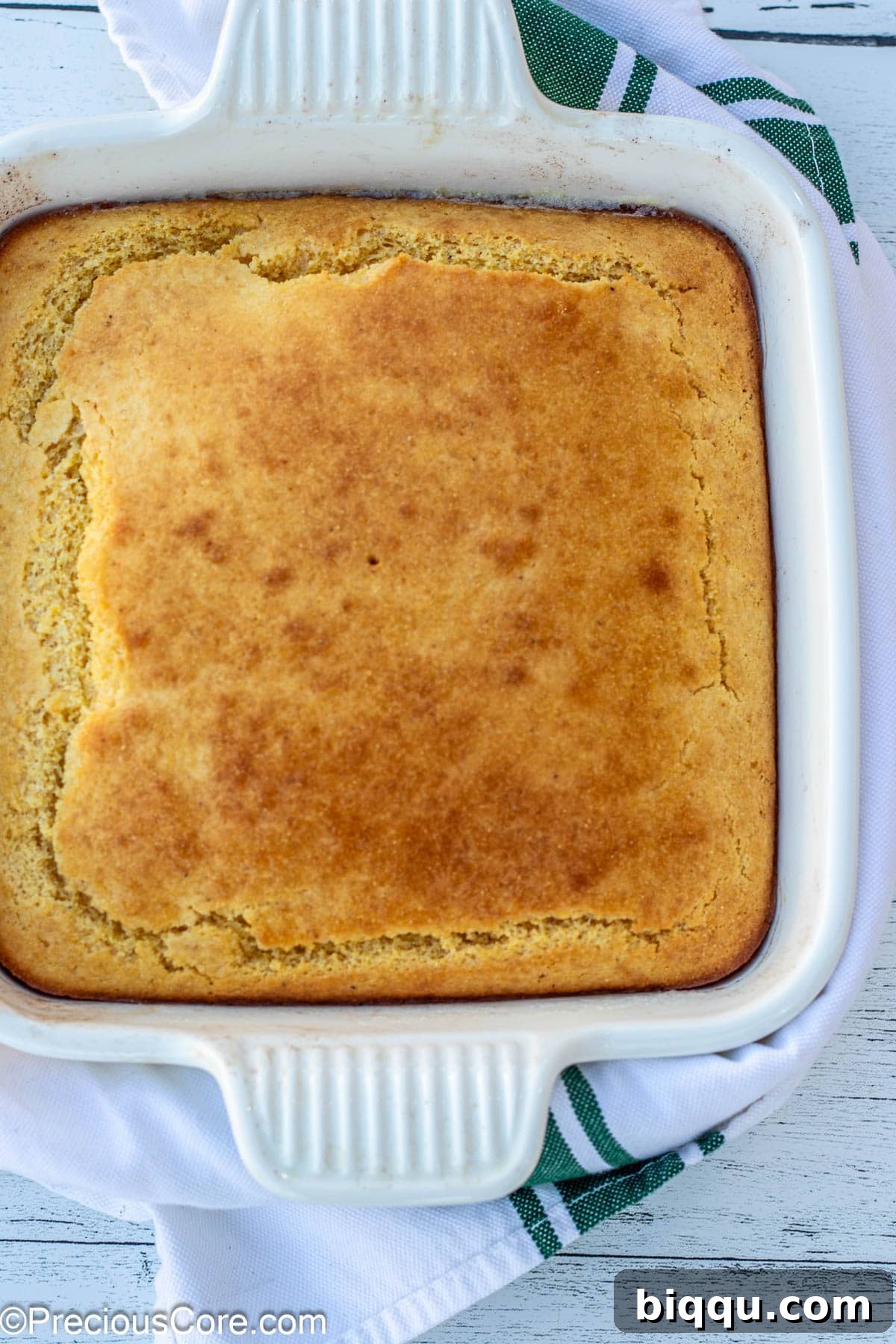
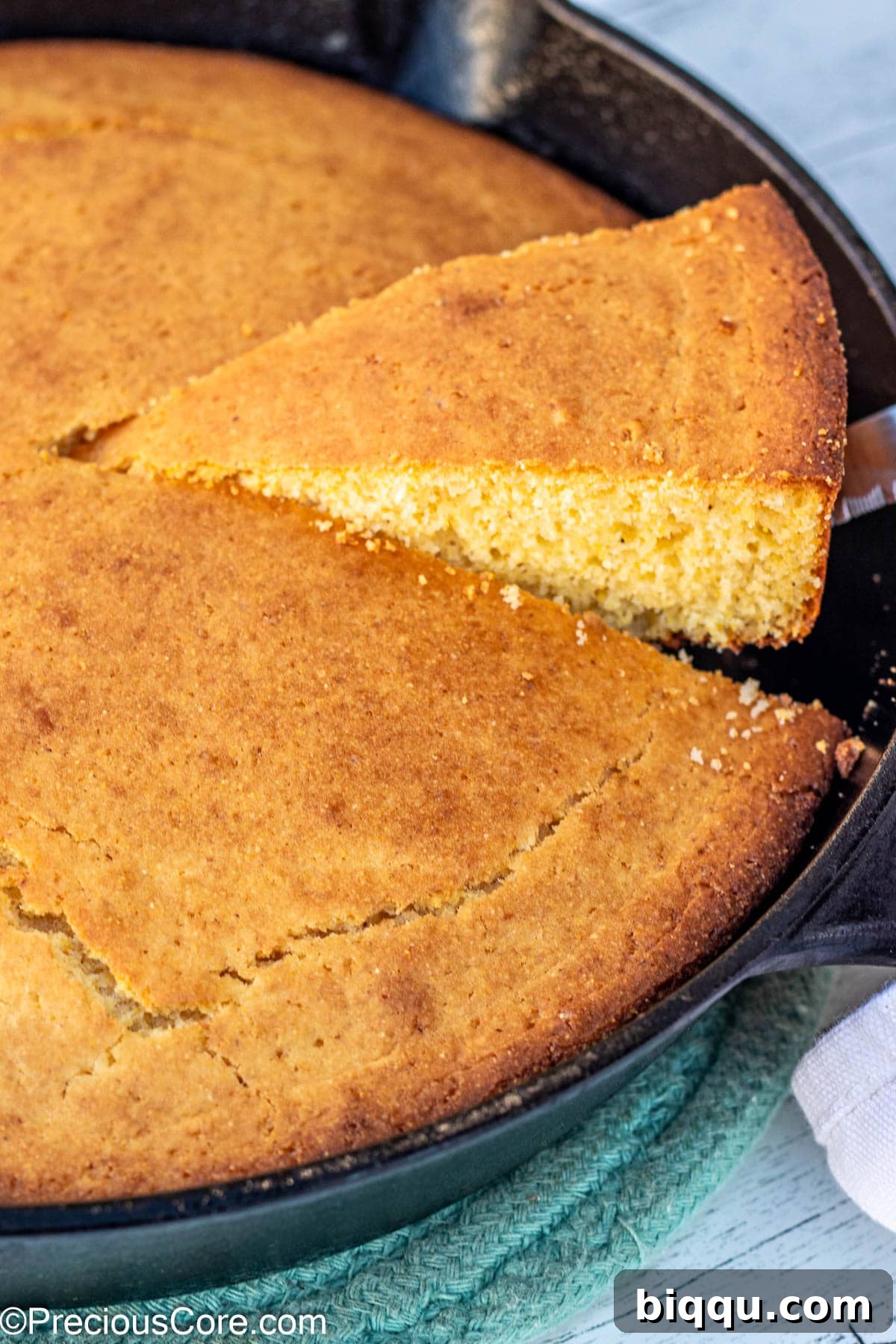
For baking, this cornbread is wonderfully versatile. It can be baked in a traditional cast iron skillet for those famously crispy edges, or in an 8×8 inch square baking dish for uniformly tender slices. Both options deliver fantastic results, so choose what best suits your preference and kitchen equipment.
Key Ingredients for Moist Cornbread Without Buttermilk
Creating truly outstanding cornbread from scratch doesn’t require a long list of exotic ingredients. In fact, you likely have most, if not all, of these simple items in your pantry and refrigerator right now. Here’s what you’ll need to make this delightfully tasty cornbread without buttermilk, and why each ingredient plays a crucial role:
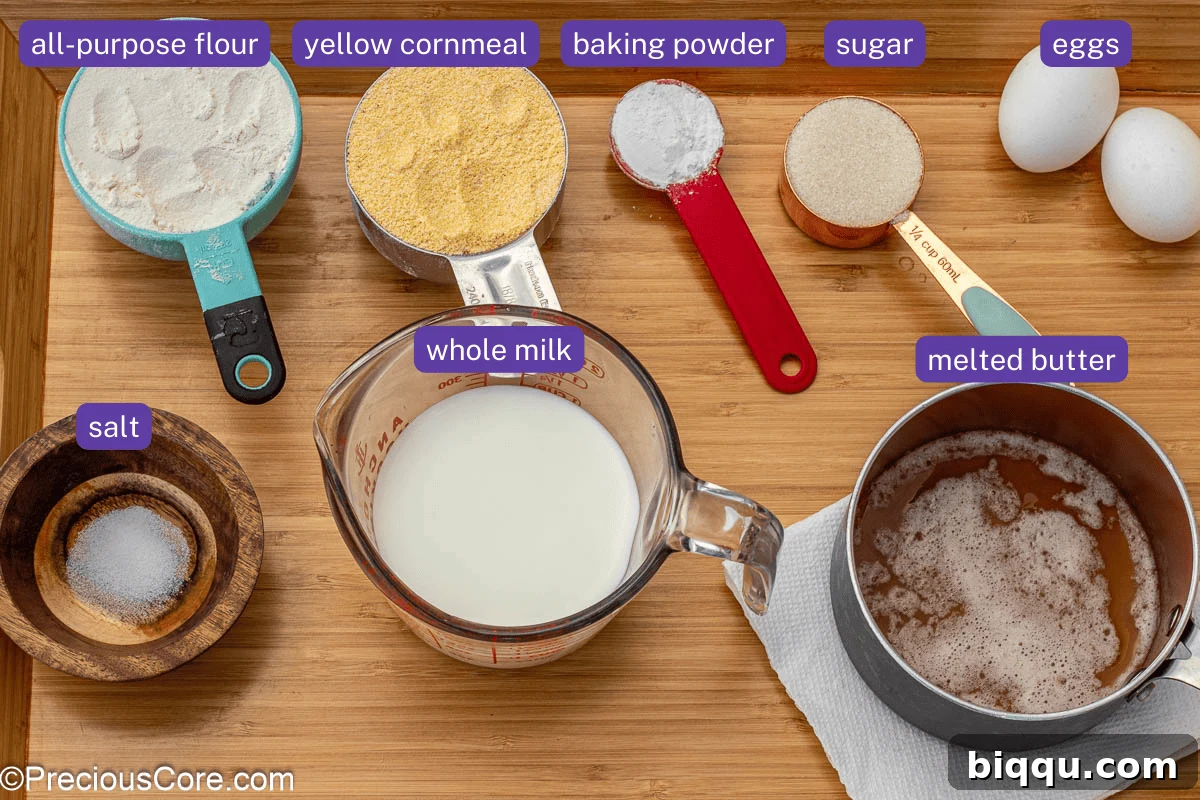
- Cornmeal: The star of the show! We recommend using fine-ground yellow cornmeal. Not only does it impart that classic, inviting golden hue to your cornbread, but its fine texture contributes to a smoother, less crumbly crumb compared to coarse-ground varieties.
- All-Purpose Flour: Regular all-purpose flour provides the necessary structure and tenderness. It balances the texture of the cornmeal, preventing the cornbread from becoming too dense or overly crumbly.
- Granulated Sugar: A modest amount of granulated or cane sugar enhances the flavor of the cornmeal and provides a hint of sweetness without overpowering the savory notes. This balanced sweetness makes it perfect for serving with both sweet and savory accompaniments.
- Baking Powder: This leavening agent is essential for creating a light and airy texture. It reacts with the milk to produce carbon dioxide bubbles, giving the cornbread its desirable rise and preventing it from becoming a dense, heavy cake.
- Salt: A pinch of salt is crucial for balancing the sweetness and enhancing all the other flavors in the cornbread. It truly brings out the best in the cornmeal and butter.
- Whole Milk: This is our key buttermilk substitute. Whole milk provides rich moisture and contributes significantly to the cornbread’s tender texture and creamy flavor. For best results, avoid low-fat or skim milk, as they simply don’t offer the same level of moisture or richness. Evaporated milk can also be used for an even richer result.
- Large Eggs: Eggs serve multiple purposes in this recipe. They add richness, contribute to the overall moisture content, and act as a crucial binding agent, ensuring your cornbread holds together beautifully and doesn’t fall apart.
- Melted Butter: Butter is paramount for both flavor and moisture. Melting the butter before adding it to the batter ensures it’s evenly distributed, resulting in a uniformly tender and buttery cornbread. For an extra layer of gourmet flavor, try browning the butter gently until it turns amber and smells nutty before incorporating it into the wet ingredients.
For the precise measurements of each ingredient, please refer to the detailed recipe card conveniently located at the end of this article.
How To Make Cornbread Without Buttermilk: Step-by-Step Guide
Preparing this homemade cornbread is incredibly straightforward and quick, making it an ideal recipe for bakers of all skill levels. Follow these simple steps for a perfect batch every time:
- Prepare Your Pan and Preheat Oven: Begin by preheating your oven to 425°F (218°C). While the oven heats, generously grease your chosen baking vessel – either a 10-inch cast iron skillet or an 8×8 inch square baking dish – with butter or a light coating of oil. Proper greasing ensures those coveted crispy edges and easy release.
- Whisk Together the Dry Ingredients: In a spacious mixing bowl, combine the yellow cornmeal, all-purpose flour, granulated sugar, baking powder, and salt. Use a whisk to thoroughly blend these ingredients until they are uniformly distributed. This ensures that the leavening agent and flavor enhancers are evenly incorporated throughout the batter.
- Combine Wet Ingredients: Create a small well in the center of your dry ingredient mixture. Into this well, pour the whole milk, crack in the two large eggs, and add the melted butter.
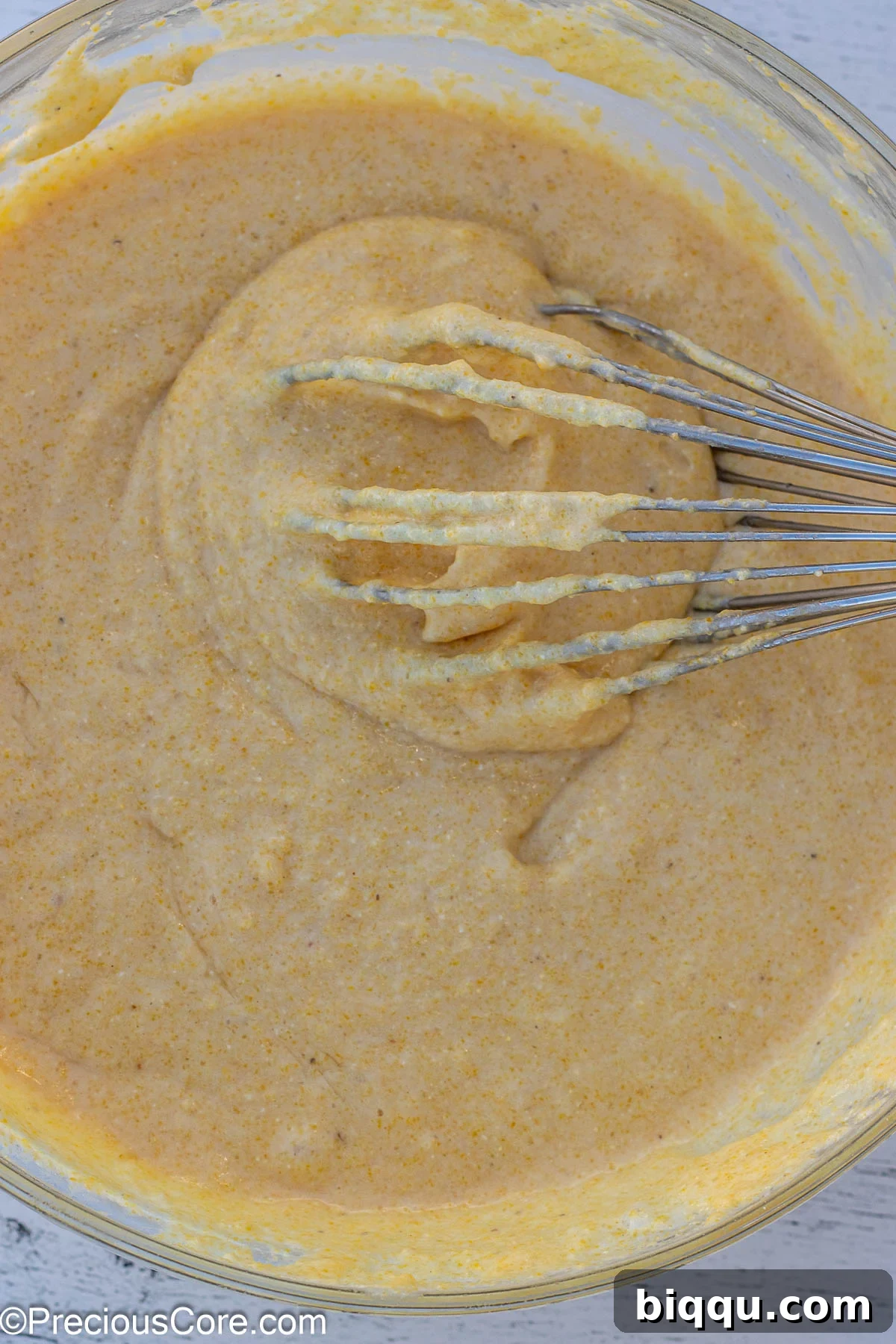
- Gently Whisk to Form Batter: Using your whisk, carefully mix the wet ingredients into the dry ingredients. Mix until just combined. A few small lumps are perfectly normal and actually desirable – overmixing can lead to a tough cornbread. Stop mixing as soon as no streaks of dry flour remain.
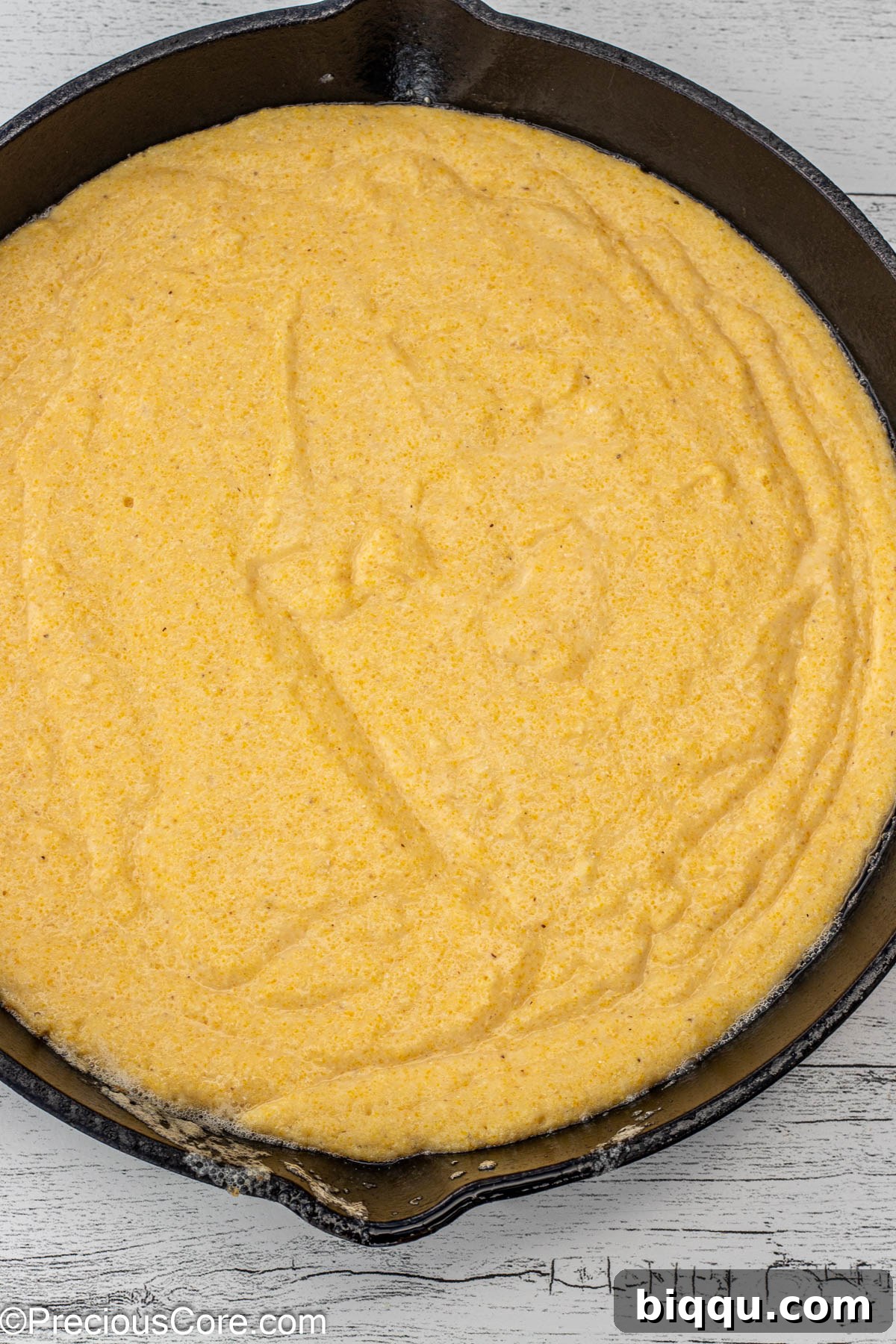
- Pour Batter into Prepared Pan and Bake: Carefully pour the freshly prepared cornbread batter into your greased baking dish or cast iron skillet. Gently spread the top with a spatula to ensure an even layer. Transfer the pan to your preheated oven and bake for approximately 20 minutes. Start checking for doneness around the 18-minute mark. The cornbread is ready when a toothpick inserted into the center comes out clean.
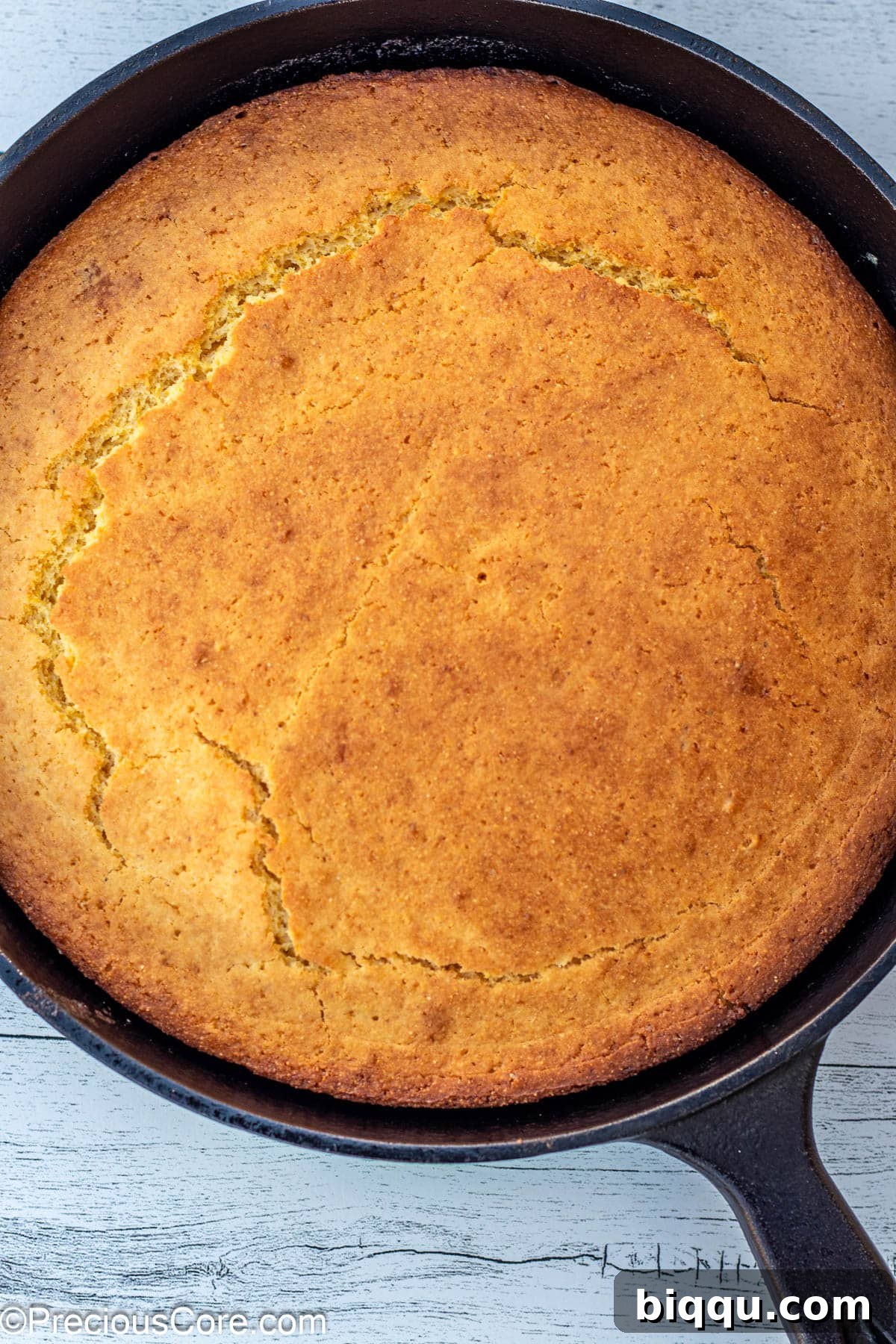
Top Tip: Be vigilant and careful not to overbake your cornbread! Cornbread can dry out very quickly if left in the oven too long. The moment your toothpick comes out clean, pull it from the oven to ensure a wonderfully moist and tender result.
For an extra boost of flavor and to guarantee a wonderfully moist cornbread, immediately after removing it from the oven, place two tablespoons of salted butter directly on top. The residual heat will quickly melt the butter, allowing it to seep into the warm cornbread, infusing it with even more richness and moisture.
Cornbread Variations to Try
While this classic cornbread recipe is perfect as is, it also serves as an excellent base for numerous creative variations. Don’t hesitate to experiment and customize it to your taste or for different occasions:
- Blueberry Cornbread: For a delightful sweet twist, gently fold in about half a cup of fresh or frozen blueberries (no need to thaw) into the batter just before baking. This version is a particular favorite among children and makes a lovely breakfast treat.
- Jalapeño Cheddar Cornbread: Add a savory kick and some cheesy goodness by incorporating half a cup of diced fresh jalapeños (deseeded for less heat, or left with seeds for more spice) and 1 cup of shredded sharp cheddar cheese into the batter. This is a robust and flavorful option, especially loved by those who enjoy a bit of heat with their savory bakes.
- Mashed Sweet Potato Cornbread: For a unique twist on texture and flavor, try adding about half a cup of mashed cooked sweet potatoes to the batter. This adds extra moisture, a subtle sweetness, and a beautiful orange hue, making it perfect for fall meals.
- “Corny” Cornbread: If you’re a true corn enthusiast, double down on the corn flavor and texture! Stir in about half a cup of fresh or frozen corn kernels, or even a can of creamed corn (drained if excessively liquidy), into the batter. This adds delightful pops of texture and an intensified corn taste.
Looking for more inspiration? Be sure to check out our decadent Cinnamon Rolls With Cream Cheese Frosting and my timeless Favorite Ambrosia Salad.
Cornbread Recipe FAQs
A common homemade buttermilk substitute is to combine regular milk with an acid. To make 1 cup of buttermilk substitute, add one tablespoon of lemon juice or white vinegar to a liquid measuring cup. Then, fill the rest of the cup with regular milk (preferably whole milk) until it reaches the 1-cup line. Stir gently and let it sit for about 5 minutes. The milk will curdle slightly, mimicking the acidity of buttermilk. However, with *this* particular recipe, you don’t need to worry about making a substitute; the combination of whole milk and baking powder is perfectly sufficient for excellent, moist cornbread.
Both buttermilk and regular milk can work wonderfully in cornbread, depending entirely on the specific recipe and the ratio of other ingredients. Buttermilk traditionally lends a slight tang and helps create a very tender crumb due to its acidity reacting with baking soda. However, as this recipe demonstrates, regular whole milk, when combined with the right amount of baking powder and fat, can achieve an equally moist, rich, and delicious cornbread without the tang, appealing to those who prefer a less acidic flavor profile.
While technically possible, substituting water for milk in cornbread is not recommended. Milk contributes significant richness, flavor, and moisture that water simply cannot replicate. Using water will likely result in a much drier, less flavorful, and less tender cornbread. If you don’t have regular milk, consider using evaporated milk, half-and-half, or even a non-dairy milk alternative (like almond or soy milk, though whole milk yields the best results) instead of water to maintain moisture and flavor.
To keep your cornbread fresh, store leftovers tightly wrapped in plastic wrap or in an airtight container at room temperature for 1-2 days. For longer storage, refrigerate it for up to 5 days. You can also freeze individual slices or the whole loaf, wrapped tightly, for up to a month. Thaw at room temperature and reheat gently for best results.
For classic cornbread, a cast iron skillet (preferably 10-inch) is highly recommended. It conducts heat beautifully, creating a crispy, golden-brown crust and moist interior. A well-greased 8×8 inch square baking dish is also an excellent choice, providing a more uniform texture. Both options will yield delicious results, so use what you have!
What Goes Good With Cornbread?
This versatile and delicious cornbread is wonderful on its own, but it truly shines when paired with hearty and flavorful dishes. Here are some perfect accompaniments:
Beef Stew Without Wine
Ginger Drink
Honey Lemon Tea
Lentil Stew
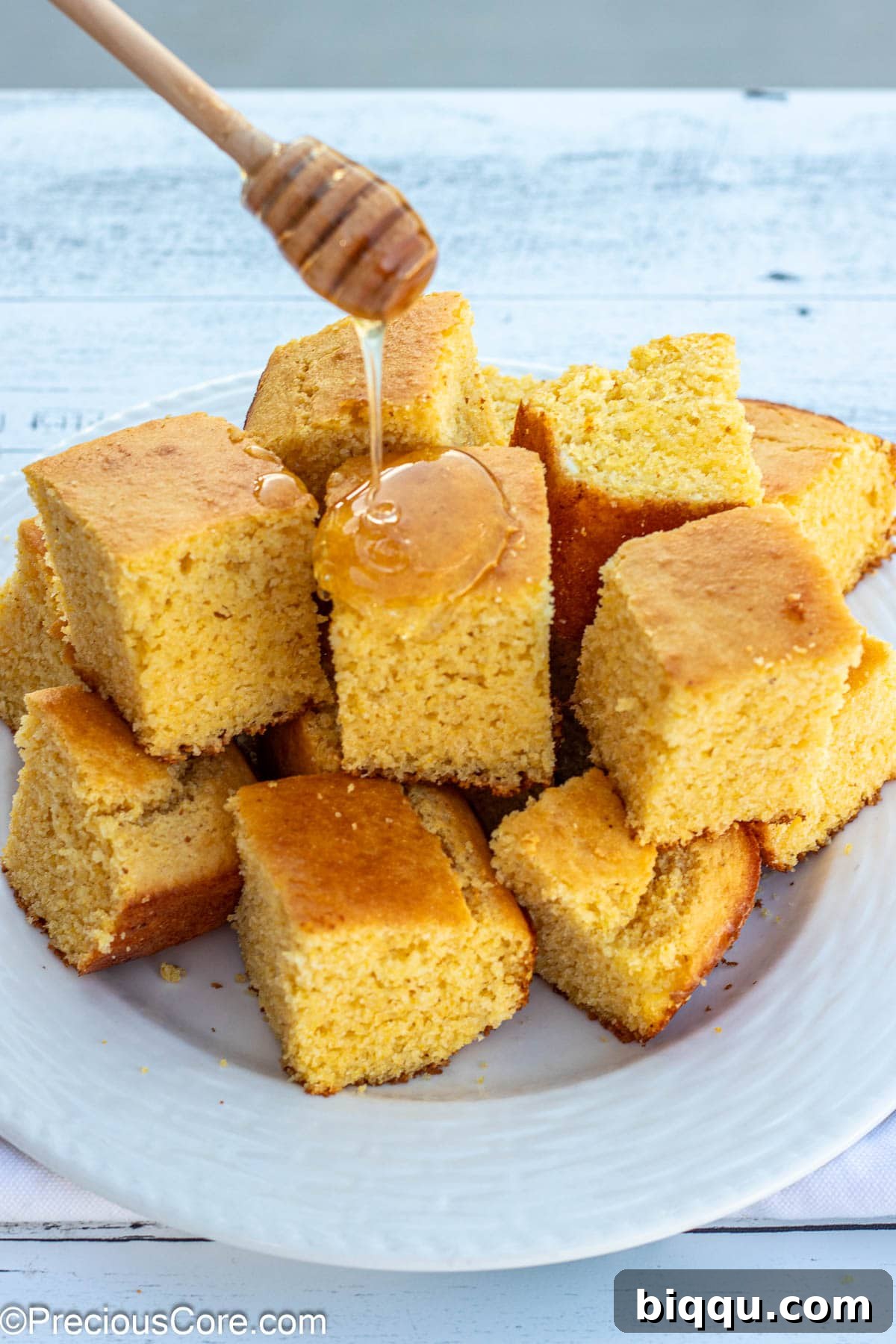
Our absolute favorite way to savor this cornbread is warm from the oven, generously smeared with extra butter, and drizzled with plenty of good quality honey. It’s a simple pleasure that never disappoints!
More Holiday and Everyday Recipes to Enjoy
Did you fall in love with this easy Cornbread Without Buttermilk recipe? You’ll definitely want to save these complementary recipes to complete your Thanksgiving table or for delicious everyday meals:
Oven Baked Turkey Wings
Rosemary Garlic Mashed Potatoes
Fried Carrots
Herb Roasted Chicken
Sautéed Vegetables
Baked Turkey Drumsticks
More Homemade Bread Inspiration
If you enjoyed the simplicity and satisfaction of baking your own cornbread, you’ll love exploring these other delightful homemade bread recipes:
Easy Homemade French Bread
Easy Sandwich Bread Recipe
Easy Dinner Rolls
Homemade Milk Bread
If you try this recipe, please consider leaving a star rating and a comment below. Your feedback helps others discover the recipe, and I truly love hearing from you! Thank you!
Cornbread Without Buttermilk
Super easy Cornbread Without Buttermilk recipe that happens in one bowl! The cornbread is moist, buttery, and not too sweet with sufficient corn flavor. This is the cornbread recipe you’ll want to make over and over again!
Prep Time: 10 mins
Cook Time: 20 mins
Total Time: 30 mins
Servings: 8 servings
Ingredients
- 1 cup yellow cornmeal
- 1 cup all-purpose flour
- ¼ cup granulated sugar
- 1 Tablespoon baking powder
- ½ teaspoon salt
- 1 cup whole milk
- 2 large eggs
- 4 Tablespoons butter, melted
Instructions
- Preheat oven to 425°F (218°C). Grease a 10-inch cast iron skillet or an 8×8 inch square baking dish with oil or butter.
- Whisk together the dry ingredients: In a large mixing bowl, whisk together the cornmeal, flour, sugar, baking powder, and salt until well combined.
- Add the wet ingredients: Make a well in the middle of the dry ingredients. To the well, add the milk, eggs, and melted butter. Whisk the dry and wet ingredients together to combine. Don’t overmix; a few lumps are okay.
- Pour into pan and bake: Pour the batter into the greased pan and level the top using a spatula. Place in the preheated oven to bake for about 20 minutes until a toothpick inserted in the middle comes out clean. Start checking around 18 minutes. Be careful not to overbake so it doesn’t turn out dry.
- Add butter to top: As soon as the cornbread comes out of the oven, top with more butter (about 2 tablespoons) then let the butter melt and seep into the cornbread.
- Slice and share: Enjoy warm. Wrap and store leftovers in the fridge for up to 5 days or freeze for up to a month.
Notes
- Baking dish choice: Use a cast iron skillet or a square 8-inch baking dish. Both yield amazing results, but if you want crunchy edges, go with a well-buttered 10-inch cast iron skillet.
- Cornbread muffins: If you’d love to make cornbread muffins instead, pour the batter of this recipe into greased muffin tins, filling them about 2/3 full. Then bake for about 20 minutes until a toothpick inserted in the middle comes out clean.
- Storing leftover cornbread: Store leftover cornbread at room temperature for 1-2 days or store tightly wrapped in the refrigerator for up to 5 days or in the freezer for up to a month.
Nutrition
Calories: 242kcal | Carbohydrates: 35g | Protein: 6g | Fat: 9g | Saturated Fat: 5g | Polyunsaturated Fat: 1g | Monounsaturated Fat: 3g | Trans Fat: 0.2g | Cholesterol: 60mg | Sodium: 378mg | Potassium: 144mg | Fiber: 2g | Sugar: 8g | Vitamin A: 284IU | Calcium: 137mg | Iron: 2mg
Additional Info
Course: Breakfast, Side Dish
Cuisine: American, Southern
Calories: 242
Tried this recipe? Mention @preciouscore or tag #PreciousCore!