
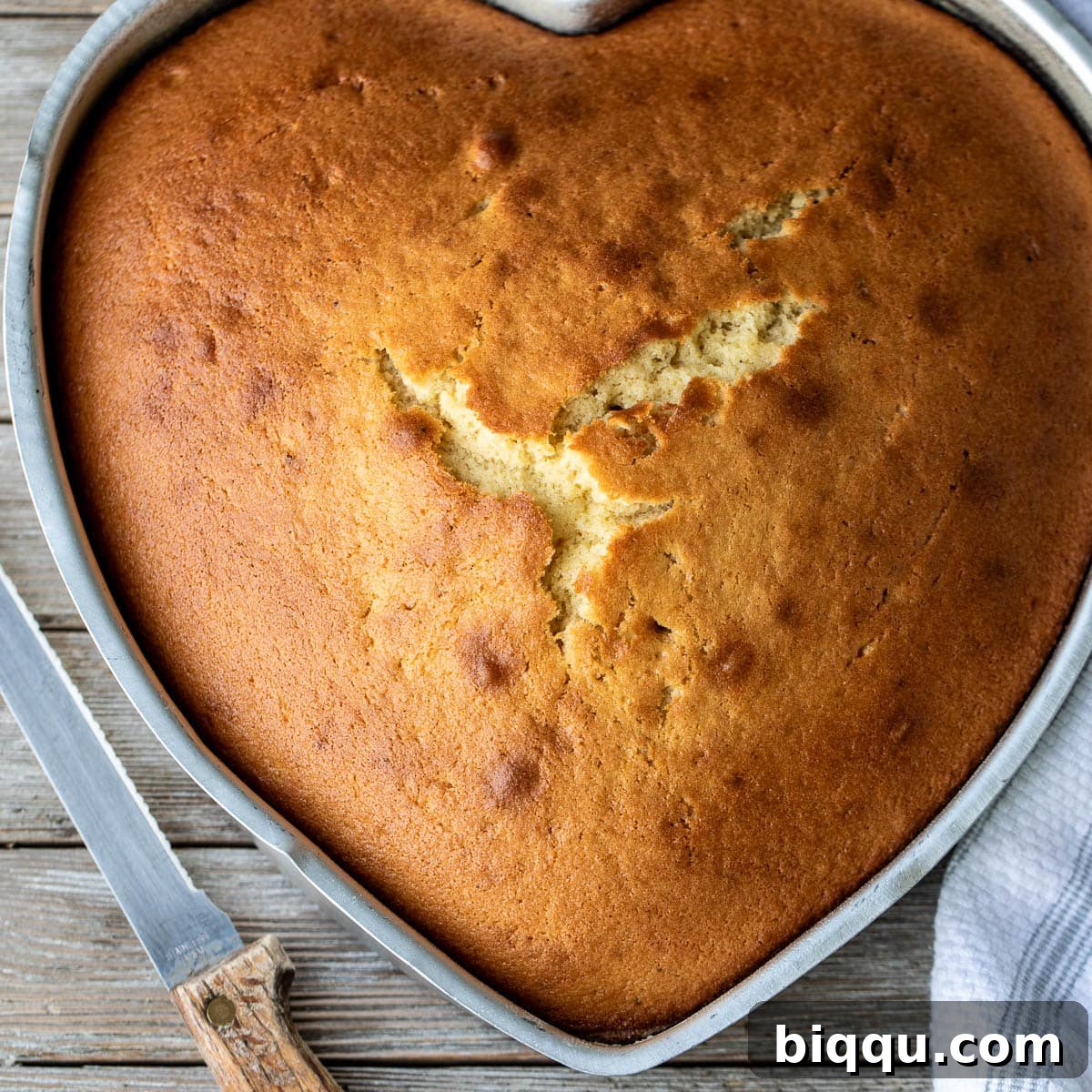
Welcome to the ultimate guide for a truly perfect Plain Cake Recipe. This classic vanilla cake is a timeless treat, ideal for any moment – be it a comforting breakfast, a delightful brunch centerpiece, a satisfying afternoon snack, or a simple yet elegant dessert. This foolproof recipe has been enjoyed by countless bakers and is guaranteed to deliver success every time, even if you’re a beginner in the kitchen.
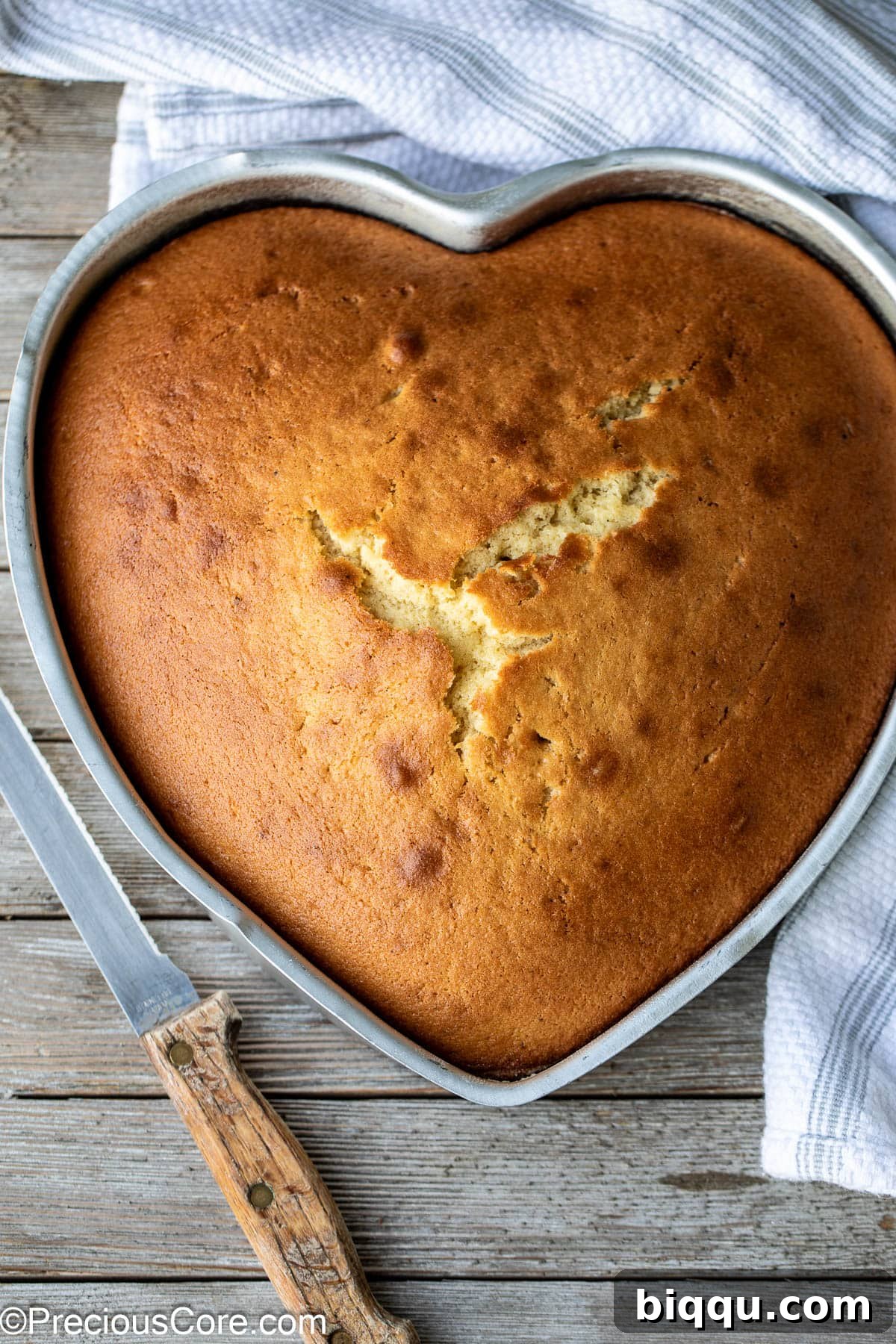
This recipe holds a special place in my heart, rooted in the very first baking lesson I received many years ago from my food and nutrition teacher, affectionately known as home economics madame. It was the foundation of my baking journey, the inaugural cake that sparked a lifelong passion for creating delicious treats from scratch.
Before I embarked on adventures of enriching my batters with a kaleidoscope of flavors like tropical coconut, wholesome carrot, crisp apple, or autumnal pumpkin – leading to popular recipes such as Classic Chocolate Cake, Coconut Cupcakes, Old Fashioned Carrot Cake, Old Fashioned Fresh Apple Cake, and Pumpkin Roll Cake – this simple plain cake was my staple. It was the cake I made umpteen times, mastering the basics before exploring more complex flavor profiles.
Today, we’re taking a nostalgic journey back to basics. Back to the humble origins of my cake craze. Back to the quintessential plain cake recipe that I have baked successfully, both with a conventional oven and without. This recipe truly stands the test of time and circumstance.
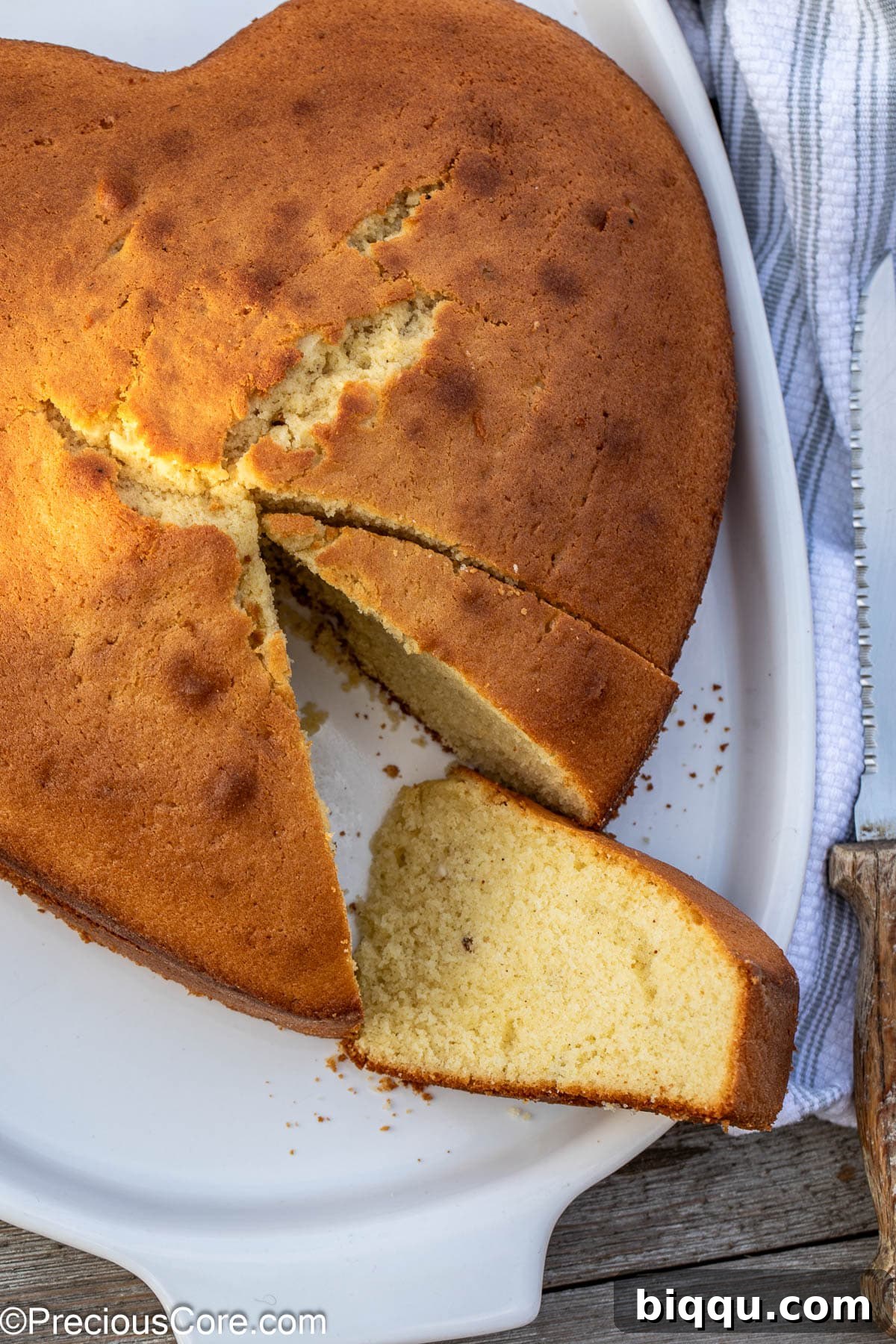
I still vividly recall my early baking days in Cameroon. Without access to a conventional oven, I devised my own ingenious solution: a DIY oven crafted from a large pot filled with sand, heated over a traditional three-stone fireside. This rudimentary setup, common in many households, became my gateway to baking.
With my simple ingredients and this makeshift oven, I would mix my batter and bake my way into local stardom. The aroma of freshly baked cake would waft through our home and even reach our neighbors, who would eagerly “campaign” for a share. The joy of seeing their delighted faces as they savored a slice was immeasurable.
After generously sharing with everyone, I would carefully wrap any leftovers and find a secluded spot to hide them away. These precious reserves were saved for my father after his evening meal, for unexpected guests, or simply for my own quiet indulgence. Such cherished memories underscore the simple pleasure this plain cake brings.
Table of Contents
- Why This Recipe Works
- Ingredients for the Perfect Plain Cake
- Watch How To Make A Plain Cake
- Step-by-Step Plain Cake Instructions
- Plain Cake Substitutions and Variations
- Expert Tips For A Flawless Plain Cake
- Plain Cake Recipe Frequently Asked Questions
- Similar Cake Recipes You’ll Love
- Classic Plain Cake Recipe Card
Why This Recipe Works
This classic plain cake recipe isn’t just easy; it’s designed for consistent success and pure enjoyment. Here’s why it deserves a permanent spot in your baking repertoire:
- Perfectly Balanced Sweetness: Many modern cakes can be overwhelmingly sweet, but this plain cake strikes a delicate balance. It offers a subtle, satisfying sweetness that allows the natural flavors of vanilla and a hint of nutmeg to shine through. It’s the kind of sweetness that feels comforting and never cloying, making it a truly pleasant experience with every bite.
- Incredibly Versatile: The beauty of a plain cake lies in its adaptability. This recipe creates a moist, tender crumb that pairs wonderfully with a variety of accompaniments. Enjoy it with your morning tea or coffee, as a light afternoon snack, or as a simple dessert after dinner. You can serve it as is, or dress it up with a dollop of whipped cream, fresh berries, or a light drizzle of fruit compote. It also serves as an excellent foundational recipe if you wish to bake cake layers for frosting on special occasions.
- Delicious Without Frosting: While it makes a fantastic base for frosting, this plain cake is a testament to the idea that sometimes, simplicity is the ultimate sophistication. It’s designed to be a delightful treat on its own, showcasing its pure flavor and tender texture. If you are specifically looking for a robust cake base that holds up beautifully to rich frostings, consider this Vanilla Sponge Cake. However, for everyday indulgence, this plain cake is a perfect, unadorned pleasure.
Ingredients for the Perfect Plain Cake
Crafting this simple vanilla cake requires basic pantry staples, making it accessible even for first-time bakers. The secret to its success often lies in the quality and preparation of these ingredients. Always remember to use room temperature ingredients for the best results, as they combine more smoothly and create a finer crumb.
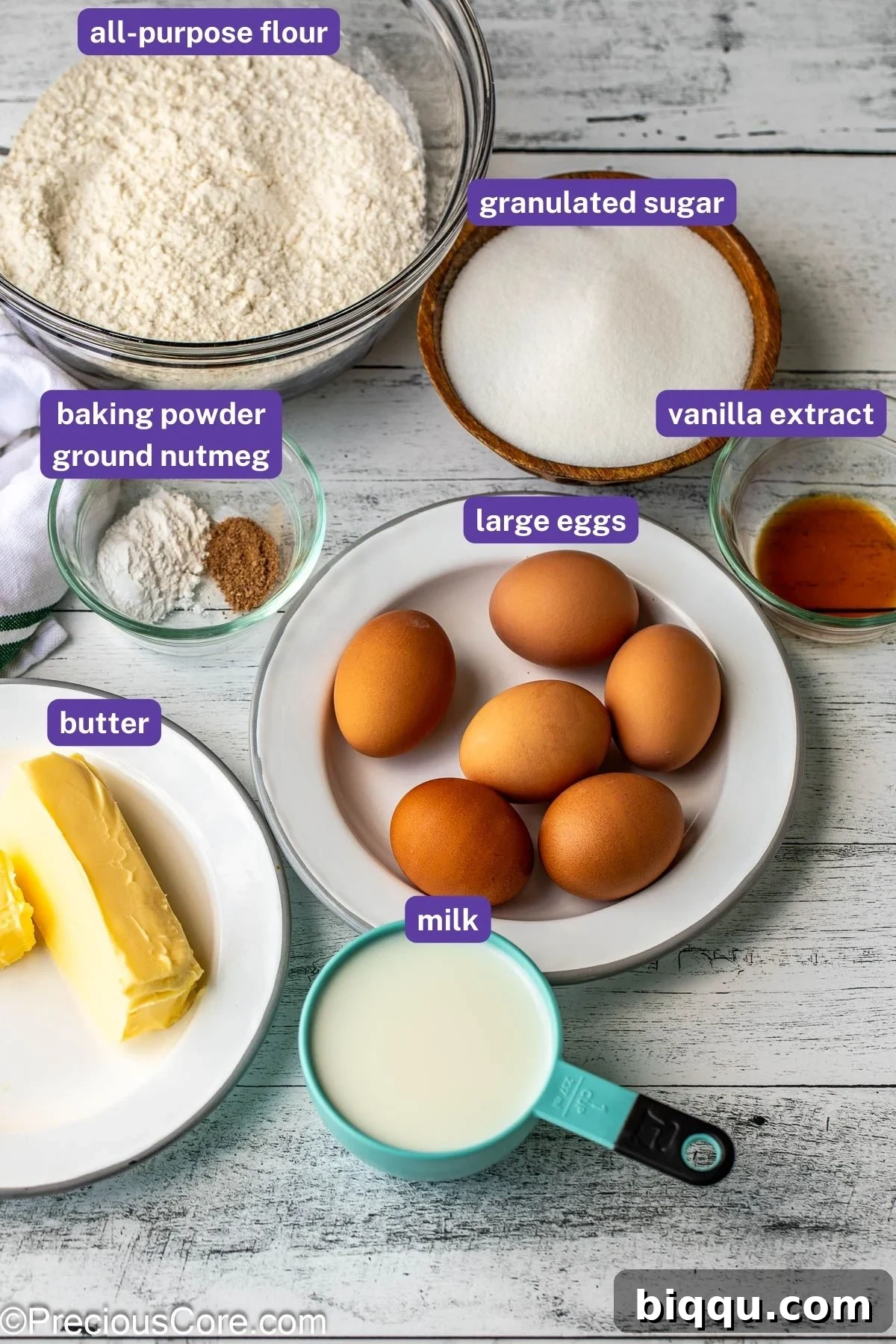
- All-Purpose Flour: For this classic recipe, all-purpose flour is your go-to. It provides the ideal structure and texture without needing specialized flours. Sifting the flour before use helps to aerate it and prevents lumps, ensuring a smooth batter and a light, even crumb. Precision in measuring is key, so use a measuring cup properly.
- Granulated Sugar: Standard granulated sugar contributes to the cake’s perfect sweetness and also aids in tenderizing the crumb when creamed with butter. There’s no need for fancy sweeteners; the classic choice works best here.
- Eggs: Six large eggs are crucial for this plain cake. They provide essential structure, richness, and moisture, preventing the cake from becoming too crumbly. Ensure your eggs are at room temperature; this helps them emulsify better with the fats, leading to a more homogenous and lighter batter.
- Milk: Milk is vital for adding moisture to the batter, ensuring your cake is not dry but wonderfully tender. You can use whole milk for a richer flavor and moister texture, skim milk for a slightly lighter result, or evaporated milk for a subtle creaminess. Any type you prefer will work well.
- Butter or Margarine: The fat content from softened butter or margarine plays a significant role in achieving a tender crumb and preventing a dense cake. It also contributes to the cake’s rich flavor. Crucially, make sure your butter or margarine is soft (but not melted) so it can cream effortlessly with the sugar, incorporating air for a light texture.
- Baking Powder: As a chemical leavening agent, baking powder is indispensable for helping the cake rise, creating that airy, fluffy texture. Always check the expiration date; old or inactive baking powder can lead to a flat, dense cake.
- Vanilla Extract: A staple in almost any sweet baked good, vanilla extract provides that comforting, universally loved aroma and flavor that defines a classic plain cake. It enhances the sweetness and adds depth without overpowering.
- Ground Nutmeg: A pinch of ground nutmeg adds a subtle warmth and aromatic complexity that elevates the simple flavor profile of this plain cake. It’s a traditional touch that makes a noticeable difference.
For the precise measurements of each ingredient, please refer to the detailed recipe card at the end of this article.
Watch How To Make A Plain Cake
Prefer visual guidance? This video demonstration will walk you through each step of baking the perfect plain cake, making it even easier for beginners to follow along and achieve fantastic results.
If you enjoy my recipes and baking tips, make sure to subscribe to my YouTube channel for more delicious content!
Step-by-Step Plain Cake Instructions
Baking this simple vanilla cake is a gratifying process that begins with the classic creaming method, followed by the careful incorporation of wet and dry ingredients. Follow these steps for a beautifully risen, perfectly textured cake:
- Prepare Your Pan and Preheat Oven: Start by preheating your oven to 350°F (175°C). Prepare your baking pan (a 10-inch round pan or a heart-shaped pan works well) by generously greasing and flouring it. Alternatively, line it with parchment paper for easy removal. This crucial step prevents the cake from sticking.
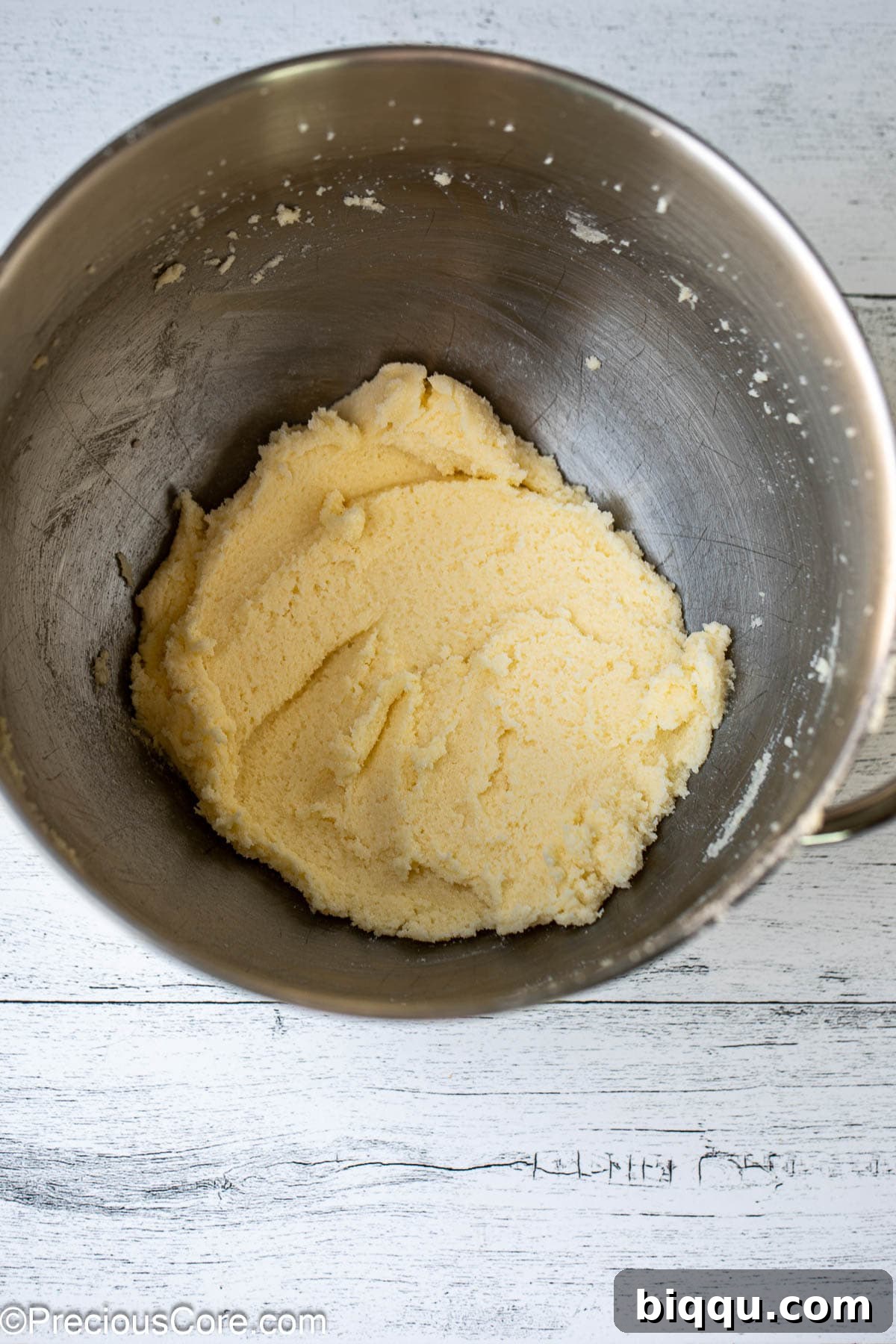
- Cream Butter and Sugar: In a large mixing bowl, or the bowl of a stand mixer fitted with the paddle attachment, cream together the softened butter (or margarine) and granulated sugar. Beat on medium-high speed until the mixture is light, fluffy, and pale in color. This process typically takes about 5 minutes with an electric mixer. This step is vital as it incorporates air, which contributes to the cake’s light and airy texture.
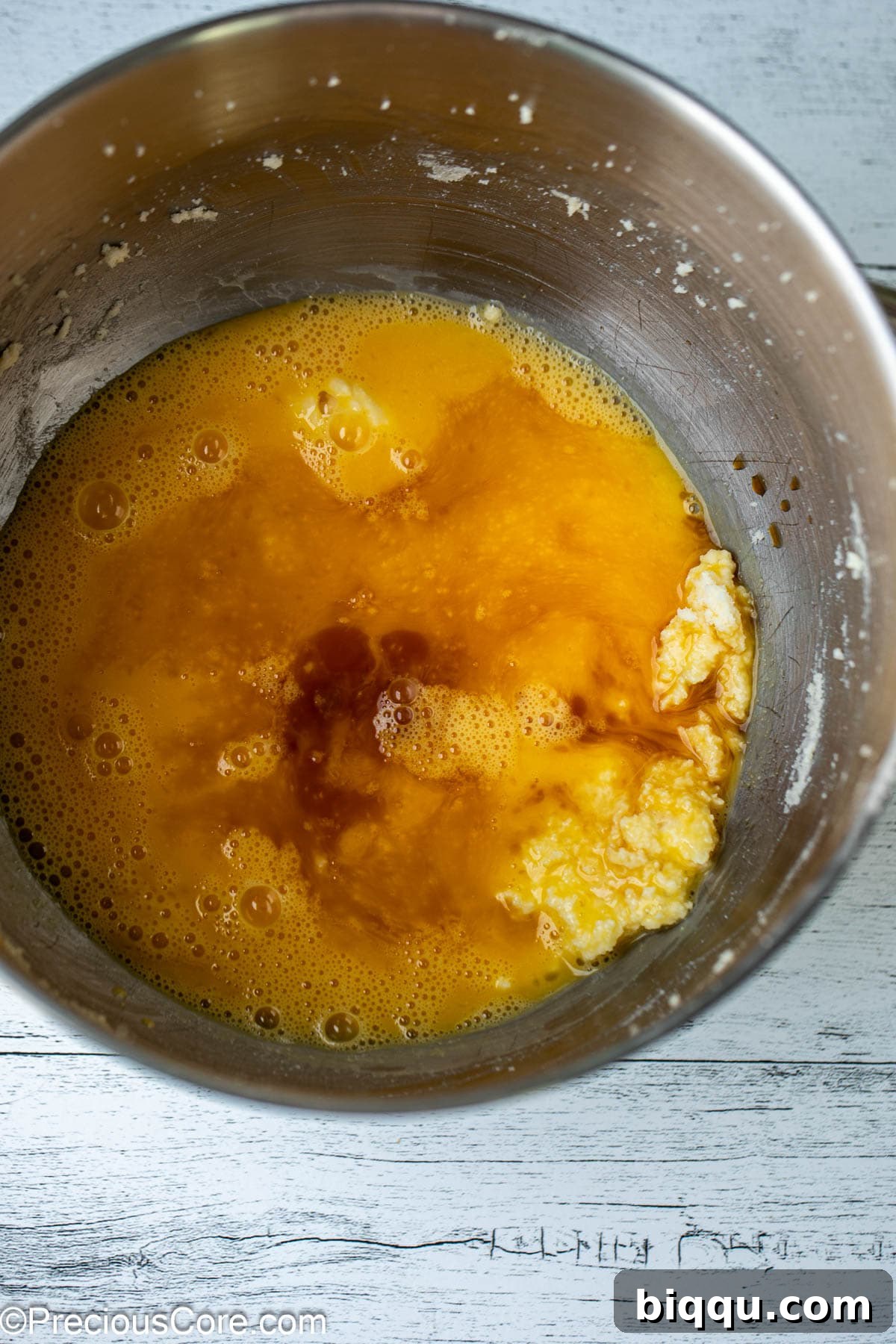
- Incorporate Eggs and Vanilla: Add the large eggs to the creamed butter and sugar mixture, one at a time. Mix well after each addition until fully incorporated, scraping down the sides of the bowl as needed. This prevents the batter from curdling. Once all eggs are in, stir in the vanilla extract until just combined.
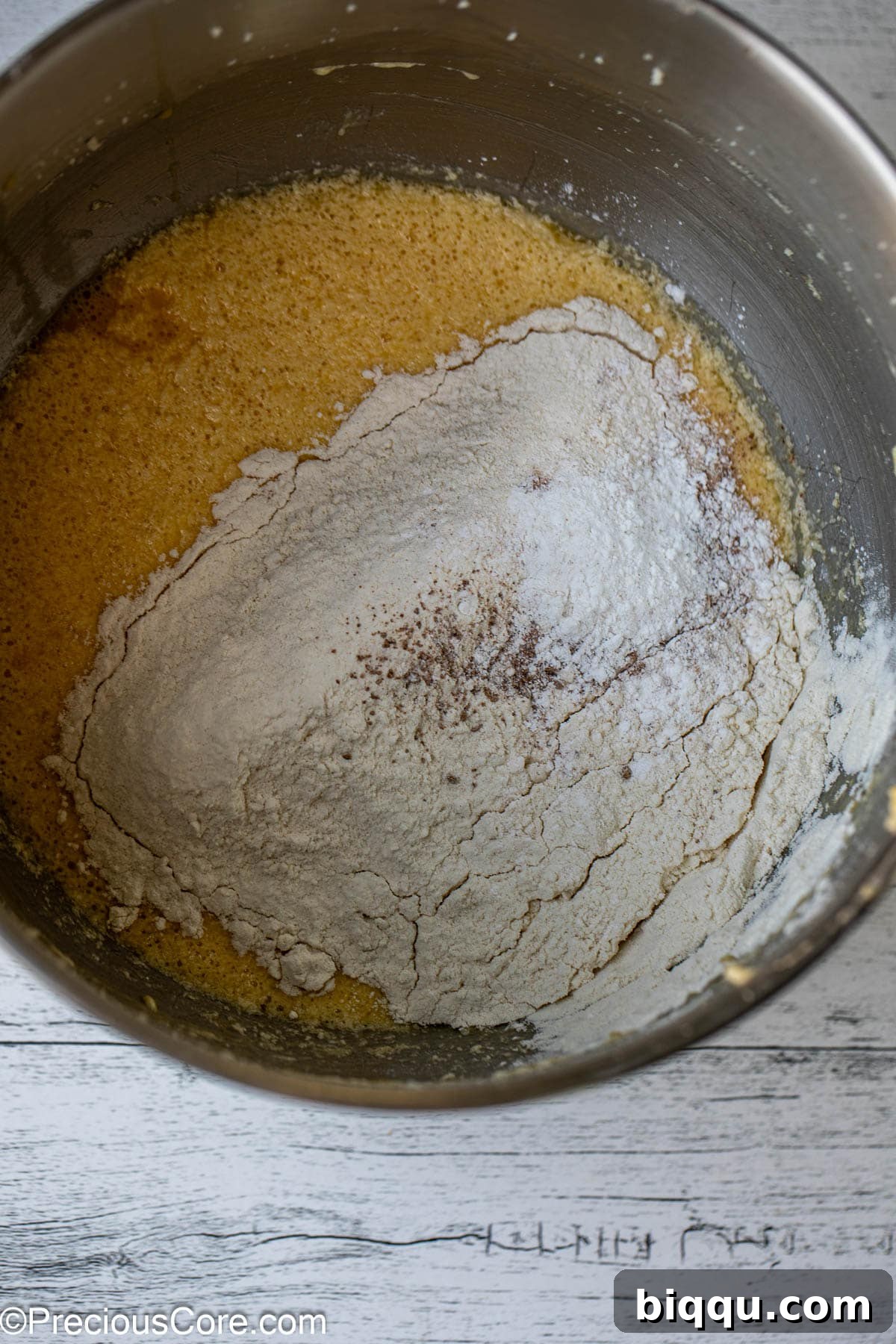
- Add Dry Ingredients (Flour, Nutmeg, Baking Powder): In a separate bowl, whisk together the sifted all-purpose flour, ground nutmeg, and baking powder. Add approximately one-third of this dry mixture to the wet ingredients and mix on low speed until just combined. Be careful not to overmix at this stage.
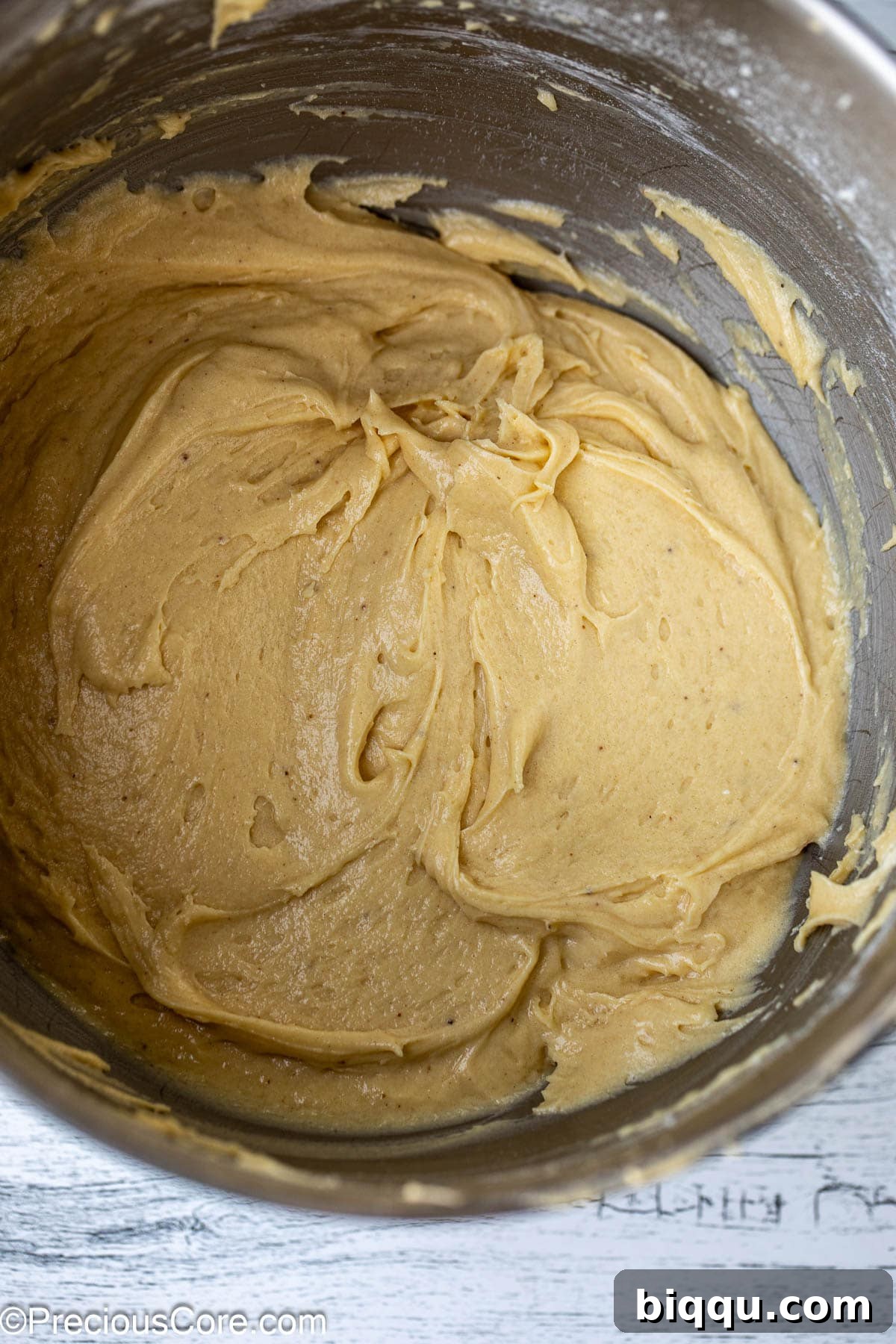
- Alternate Milk and Remaining Flour: Now, begin alternating additions of milk and the remaining flour. Add half of the milk and mix until fully incorporated. Then, add half of the remaining flour and mix gently. Follow this with the remaining milk, mixing until just combined, and finally, add the last portion of flour, mixing until no dry streaks remain. This alternating method helps maintain a smooth batter and prevents overmixing of the flour, which can lead to a tough cake.
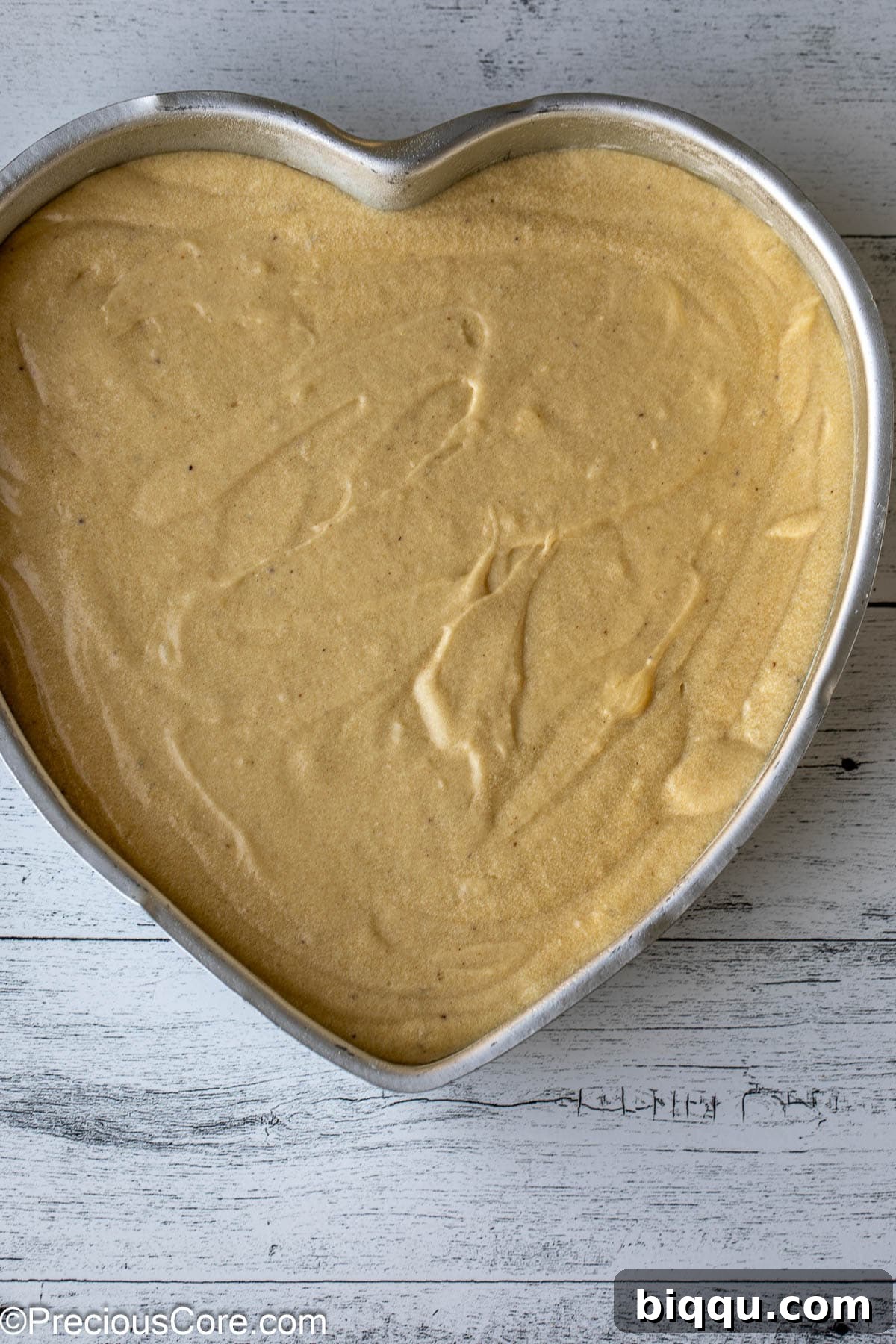
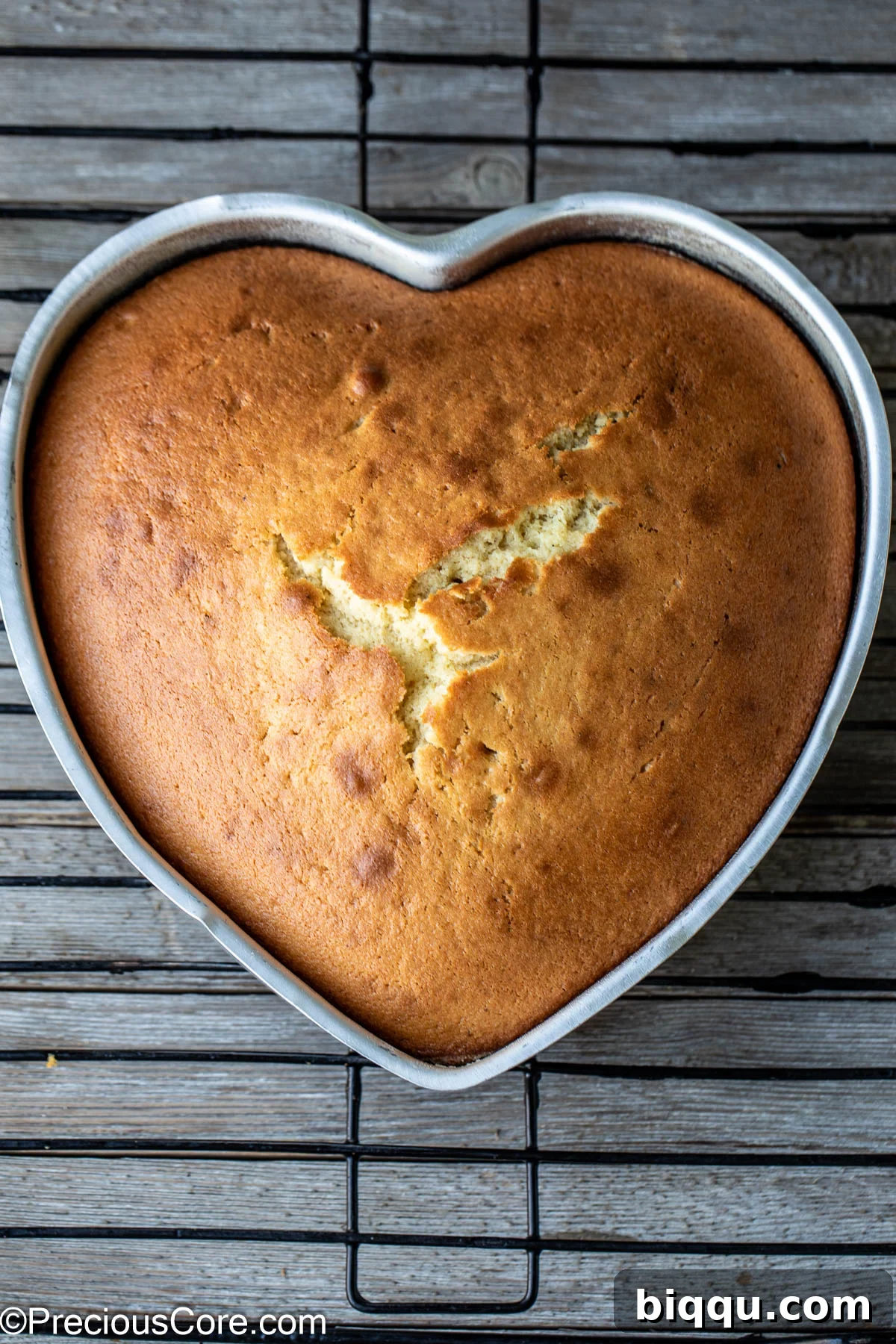
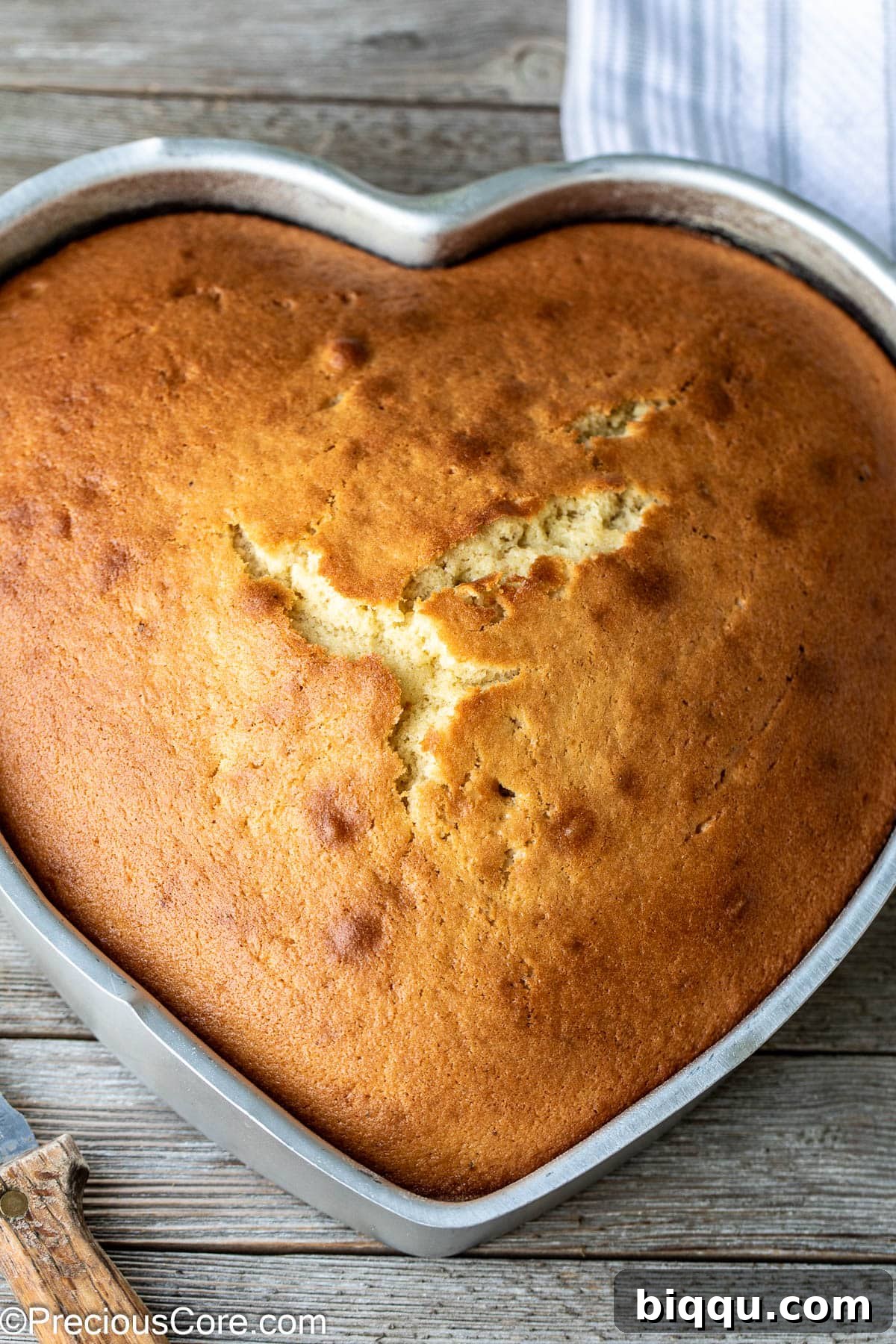
- Pour and Bake: Pour the smooth batter into your prepared baking pan. Gently tap the pan on the counter a few times to release any air bubbles. Bake for approximately 50 minutes, or until a wooden skewer or toothpick inserted into the center comes out clean. The top should be golden brown and spring back when lightly touched.
- Cooling: Once baked, let the cake cool in the baking pan for about 10 minutes. This allows the cake to set and prevents it from breaking when removed. Then, carefully invert the cake onto a wire rack to cool completely. Slicing into a warm cake can result in a gummy texture, so patience is key!
Top Tip: Mixing Your Batter
You can easily mix this simple vanilla cake batter by hand using a whisk, or with an electric mixer (either a stand mixer or a hand mixer). All methods are effective, but an electric mixer will achieve the light and fluffy consistency of the butter and sugar more quickly.
Plain Cake Substitutions and Variations
The beauty of a plain cake is its versatility. While delicious on its own, it also serves as a perfect canvas for creative modifications. Feel free to experiment with these substitutions and variations to tailor the cake to your preferences:
- Spice it Up: Although this recipe includes a touch of nutmeg for warmth, you can easily amplify the spice profile. Consider adding a half teaspoon of ground cinnamon, a quarter teaspoon of ground cloves, or a pinch of ginger for a more pronounced spiced flavor. A combination of these can create a wonderful “winter spice” cake.
- Flavorful Extracts: Vanilla extract is classic, but don’t hesitate to experiment with other baking extracts to transform the flavor. Lemon extract can provide a bright, zesty note, while almond extract offers a delicate, nutty aroma. Maple extract is perfect for an autumnal twist, and coconut extract can transport you to a tropical paradise. The options are endless, allowing you to easily customize your plain cake to suit any craving.
- Milk Alternatives: If you prefer or require plant-based options, almond milk, soy milk, or oat milk can be successfully substituted for dairy milk. Keep in mind that plant-based milks might slightly alter the overall flavor and sometimes the texture of the cake. For instance, almond milk beautifully complements vanilla and can enhance a subtly nutty undertone.
- Citrus Zest: For an extra burst of fresh flavor, finely grate the zest of one lemon, orange, or lime into your batter along with the vanilla extract. The oils in the zest will infuse the cake with a vibrant, aromatic lift.
- Mix-Ins: Once your batter is mixed, gently fold in up to a cup of your favorite mix-ins. Options include chocolate chips (milk, dark, or white), chopped nuts (walnuts, pecans, almonds), dried fruits (raisins, cranberries, apricots), or even shredded coconut. Be careful not to overmix when adding these.
- Glaze or Drizzle: Instead of a full frosting, a simple glaze can elevate your plain cake. A quick lemon glaze (powdered sugar mixed with lemon juice) or a vanilla glaze (powdered sugar with milk and vanilla) adds an extra layer of sweetness and moisture.
Baking Flour Note: For this particular plain cake recipe, it is strongly recommended to use all-purpose flour. Cake flour, while yielding a very tender crumb, might result in a cake that is too delicate for this recipe’s intended texture. Stick with all-purpose for optimal results.
Expert Tips For A Flawless Plain Cake
Achieving a consistently perfect plain cake goes beyond just following the recipe. These expert tips will help you troubleshoot common baking challenges and elevate your cake-making skills:
- Adjusting for Pan Sizes: While this recipe is optimized for a 10-inch round or heart-shaped pan, you can use cake tins of varying sizes. Remember that baking time will need adjustment. A larger pan will cause the batter to spread thinner, resulting in a shorter cake that bakes faster. Conversely, a smaller, deeper pan will require a longer baking time, as the center needs more time to cook through. In the latter case, consider slightly lowering your oven temperature (by about 25°F or 15°C) to prevent the edges from over-baking before the center is done.
- Doubling the Recipe: If you need a larger cake or want to bake multiple layers, you can easily double this recipe. When doubling, ensure your mixing bowl is large enough to accommodate the increased volume, and divide the batter evenly among your prepared pans. Never fill your baking pans more than two-thirds full to allow for proper rising and prevent overflow.
- Preventing Cake Domes: If your cakes frequently form a high dome in the center, it could be a sign that your oven runs hotter than its set temperature. An inexpensive oven thermometer can help you verify your oven’s accuracy. If it’s off, you may need to calibrate your oven or simply adjust your baking temperature accordingly. Another effective method to prevent doming is to use cake strips. These moist, insulated strips wrap around the outside of your pan, helping the cake bake more evenly by slowing down the cooking of the outer edges, thus promoting a flatter top.
- Storage and Freshness: Store any leftover plain cake in an airtight container or tightly wrapped in plastic wrap at room temperature for up to 3 days, or in the refrigerator for up to a week. For the best flavor and texture, I always recommend bringing refrigerated cake to room temperature before serving. For longer storage, slices can be individually wrapped and frozen for up to 2-3 months. Thaw at room temperature.
- Serving Suggestions: This plain cake is wonderful on its own, but it also shines with simple accompaniments. Serve it alongside fresh fruit, a scoop of vanilla ice cream, or a dollop of homemade whipped cream. It’s also fantastic paired with your favorite coffee or tea for a comforting afternoon treat.
- Frosting for Layer Cakes: If you bake this recipe in two 8-inch round cake pans for a layer cake, you have a solid foundation for various frostings. Classic choices like smooth vanilla buttercream, rich chocolate ganache, tangy cream cheese frosting, or a simple lemon glaze would all be exquisite.
Plain Cake Recipe Frequently Asked Questions
The inherent charm of a plain cake lies in its delightful simplicity, often making it delicious as is. My recipe includes subtle notes of vanilla and nutmeg, which, combined with the ideal amount of sugar, create a wonderfully balanced flavor profile. However, if you’re looking to enhance or diversify the flavor, there are many avenues to explore. Beyond simply using different baking extracts like lemon, almond, or coconut, you can also fold in fresh citrus zest, such as lemon or orange zest, for a bright lift. Mix-ins like chopped nuts, dried fruits, or even mini chocolate chips can add texture and bursts of flavor. Consider infusing the milk with spices like cardamom pods or cinnamon sticks before adding it to the batter for a deeper, more aromatic experience.
While both are types of simple cakes, plain cake and sponge cake typically differ significantly in their ingredient ratios and mixing methods, resulting in distinct textures. Sponge cakes often rely heavily on a higher proportion of eggs, especially whipped egg whites, as their primary leavening agent, with minimal or no chemical leaveners. The eggs are beaten until light and airy, incorporating a lot of air that gives sponge cakes their characteristic light, springy, and often fat-free texture. My plain cake recipe, on the other hand, utilizes the creaming method, where softened fat (butter or margarine) is beaten with sugar to incorporate air before other ingredients are added. It contains both eggs and a chemical leavening agent (baking powder), resulting in a cake that is moist, tender, and has a classic, slightly denser crumb than a true sponge cake, offering a more robust and satisfying mouthfeel.
Cakes are broadly categorized into two primary types: butter cakes and foam cakes. Some culinary experts argue for a third category for certain cakes that don’t neatly fit into either, but most traditional cakes fall under these two classifications. Butter cakes, also known as shortened cakes or oil cakes, are characterized by the presence of fat (butter, margarine, or vegetable oil) which contributes to their moist, dense, and rich texture. They are typically made using the creaming method, like our plain cake recipe. Foam cakes, in contrast, are lighter and airier, deriving their structure and volume primarily from a high proportion of whipped eggs, often egg whites, and contain very little to no fat. Examples include angel food cake, chiffon cake, and sponge cake. While a third category isn’t universally accepted, it might encompass specialized cakes like cheesecakes or custards which have unique structural properties.
Similar Cake Recipes You’ll Love
If you enjoyed baking this plain cake recipe, you might also love exploring these other easy and delicious cake recipes from my collection:
Classic Chocolate Cake
Plantain Cake
Southern Lemon Pound Cake Recipe
Vanilla Pound Cake
If you make this plain cake recipe, please take a moment to leave a star rating below. Your feedback helps others discover and enjoy this recipe, and I always love hearing from you! Thank you for your support!
Classic Plain Cake Recipe
A super simple and classic basic cake recipe that even a baking novice can master! This plain vanilla cake is fluffy, perfectly sweet, and incredibly versatile for any occasion.
15 mins
50 mins
1 hr 5 mins
10 servings
Pin Recipe
Rate
Print Recipe
Equipment
- 1 heart baking pan (or 10-inch round cake pan)
- 1 Stand mixer (or large mixing bowl and whisk)
Ingredients
- 10 tablespoons softened salted butter (141 grams) or margarine
- 1 ½ cups granulated sugar (300 grams)
- 6 large eggs, at room temperature
- 2 teaspoons vanilla extract
- 3 cups all-purpose sifted flour (360 grams)
- ½ teaspoon ground nutmeg
- 2 teaspoons baking powder
- 1 cup whole milk (250 ml), 2% milk or evaporated milk would also work
Instructions
- Preheat your oven to 350 degrees F (175 degrees C). Generously oil and flour a 10-inch baking pan (or a heart-shaped pan) and set it aside.
- In a large mixing bowl or the bowl of a stand mixer, cream the softened butter or margarine and sugar together until the mixture is light, fluffy, and pale. If using a stand mixer, mix on medium to high speed for about 5 minutes, adjusting based on your mixer’s power.
- Add the eggs one at a time to the creamed butter and sugar, mixing well after each addition until fully incorporated. Once all eggs are in, add the vanilla extract and mix until just combined.
- In a separate bowl, whisk together the sifted flour, ground nutmeg, and baking powder. Add approximately one-third of this dry mixture to the wet ingredients and mix until just incorporated.
- Begin alternating additions of milk and the remaining flour. First, add half of the milk and mix until combined. Then, add half of the remaining flour and mix gently. Add the rest of the milk, mix to combine, and finally, add the remaining flour, mixing until just combined and no dry flour streaks are visible. Avoid overmixing.
- Pour the batter into your prepared cake pan. Bake for about 50 minutes, or until a toothpick inserted into the center of the cake comes out clean.
- Let the cake cool in the pan for about 10 minutes before carefully inverting it onto a wire rack to cool completely. Enjoy your perfect plain cake!
Video Tutorial
Notes
- Pans of varying sizes could be used, but the baking time may need to be adjusted. A larger pan means the batter spreads out more, resulting in a shorter cake that bakes faster. For smaller, deeper pans, the cake will take longer; consider lowering the oven temperature slightly.
- To create a two-layer cake for frosting, bake the batter in two 8-inch round pans instead of one large pan. Adjust baking time accordingly.
- This versatile cake pairs beautifully with tea or coffee! It’s also delightful served with whipped cream and fresh fruit or a dollop of yogurt for a light dessert.
- This recipe has been carefully rewritten for enhanced clarity and an even better baking experience, with slight alterations in how eggs and milk are incorporated to ensure the best possible texture, while retaining the beloved original flavor.
Nutrition Information (per serving)
- Calories:
- 384 kcal
- Carbohydrates:
- 56g
- Protein:
- 7g
- Fat:
- 15g
- Saturated Fat:
- 4g
- Polyunsaturated Fat:
- 4g
- Monounsaturated Fat:
- 7g
- Trans Fat:
- 0.01g
- Cholesterol:
- 101mg
- Sodium:
- 265mg
- Potassium:
- 114mg
- Fiber:
- 1g
- Sugar:
- 31g
- Vitamin A:
- 683 IU
- Vitamin C:
- 0.03mg
- Calcium:
- 101mg
- Iron:
- 2mg
Additional Info
Dessert, Breakfast, Snack
International
Tried this recipe?
Mention @preciouscore or tag #PreciousCore!