
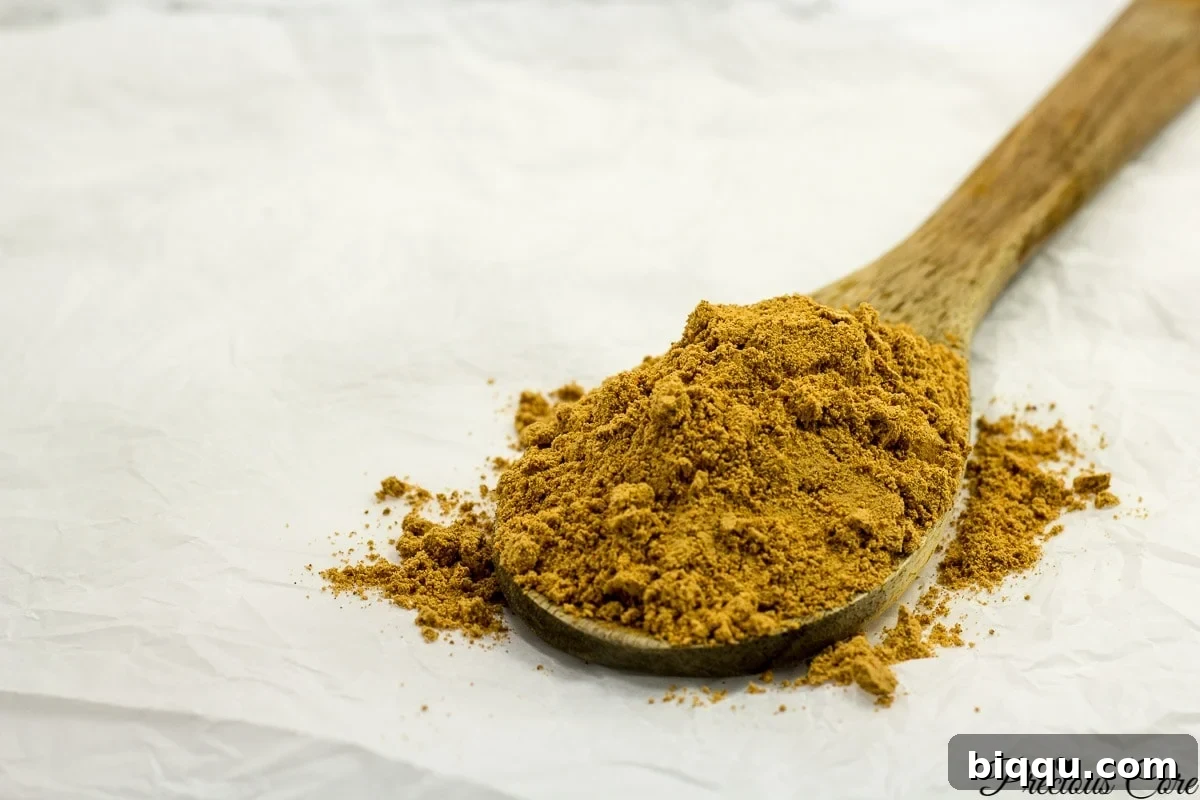
Prepare to embark on a culinary adventure that will forever change your grilling game! This homemade suya spice recipe isn’t just a collection of ingredients; it’s an essential gateway to recreating the vibrant flavors of West African street food in your own kitchen. Whether you’re crafting succulent Beef Suya, preparing sensational Epic Chicken Wings, or experimenting with Cameroonian Soya Without Skewers, this blend promises an unforgettable burst of flavor that will leave your taste buds craving more.
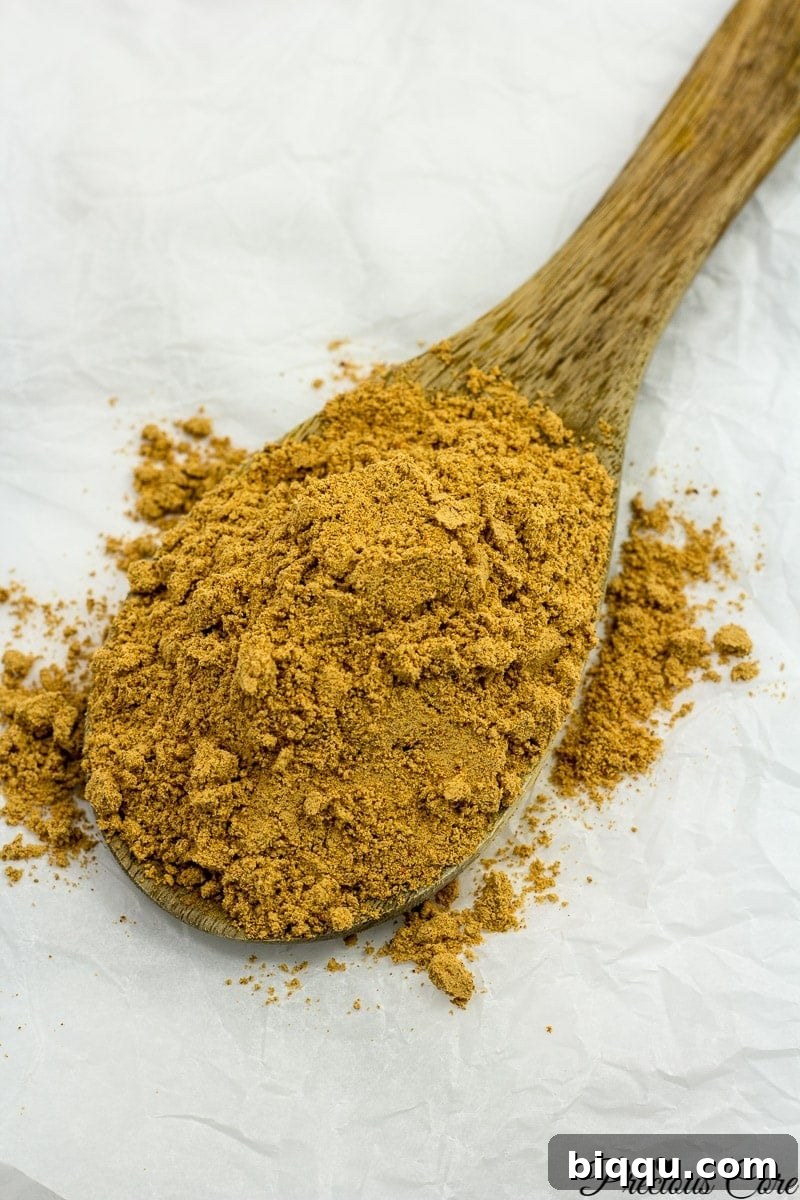
Unveiling Suya: West Africa’s Iconic Grilled Delicacy
Suya, also widely known as soya in some regions, is more than just a dish; it’s a culinary institution, a beloved staple of West African street food culture. Originating from the northern parts of Nigeria and predominantly associated with the Hausa people, suya consists of thinly sliced, marinated pieces of meat, typically beef, chicken, or ram, meticulously seasoned with a unique spice blend, then skewered and grilled over an open flame until perfectly tender and smoky. The result is a mouth-watering explosion of savory, nutty, and spicy flavors, often served with a garnish of sliced raw onions, tomatoes, and extra ground spice.
This quintessential West African barbecue has adopted various names across the continent, each reflecting its local charm. In its birthplace, Nigeria, it’s famously called “suya.” Travel to Cameroon, and you’ll find it lovingly referred to as “soya.” Ghana boasts its own version, known as “chinchinga,” while in French-speaking countries, it’s recognized as “les brochettes.” Internationally, it’s often likened to “beef kebab” or “kabob,” though true suya connoisseurs will attest to its distinctive taste profile. For many, including myself, suya isn’t just food; it’s a delightful guilty pleasure, deeply flavorful and wonderfully addictive.
The Irresistible Allure of Suya Spice: A Culinary Journey
At the heart of every perfect suya lies its extraordinary spice blend. This aromatic mixture is what elevates simple grilled meat into a dish of legendary status. The intricate balance of earthy, pungent, and fiery notes creates a robust flavor profile that clings to the meat, caramelizing beautifully over heat and delivering an unforgettable taste with every bite. The secret lies not just in the ingredients, but in the harmonious proportions and the quality of each component, ensuring a depth of flavor that is truly unparalleled.
Bringing Street Food Home: My Quest for the Perfect Suya Spice
Like many who have fallen under the spell of suya, I’ve spent a significant portion of my life frequenting the bustling roadside stalls where skilled Hausa men masterfully prepare this savory treat. The smoky aroma, the perfectly grilled meat, the tantalizing spice—it was a consistent source of culinary joy, and indeed, a fair share of my money!
However, after moving to the United States, the availability of authentic street-side suya became a rare luxury. This ignited a personal quest: to bring the authentic taste of suya into my home kitchen. My journey began with various experiments. Initially, I focused on fresh spice marinades, grinding whole spices to infuse the meat with flavor, a process I’ve documented in this video. While delicious, something was still missing—that distinctive, potent blend that defines true suya.
Driven by a desire to replicate the signature suya spice (or soya pepper, as it’s often called) used by the street vendors, I delved into countless iterations. The early attempts were often met with disappointment; the homemade spice simply wasn’t “suya-ish” enough. But giving up on a new recipe, especially one as beloved as suya, was simply not an option. Through persistent testing and meticulous tweaking, adjusting proportions and experimenting with different qualities of each ingredient, I finally achieved it: the perfect, authentic homemade suya spice recipe. The sheer satisfaction of nailing that elusive flavor was truly a moment to celebrate!
Essential Ingredients for Your Homemade Suya Spice
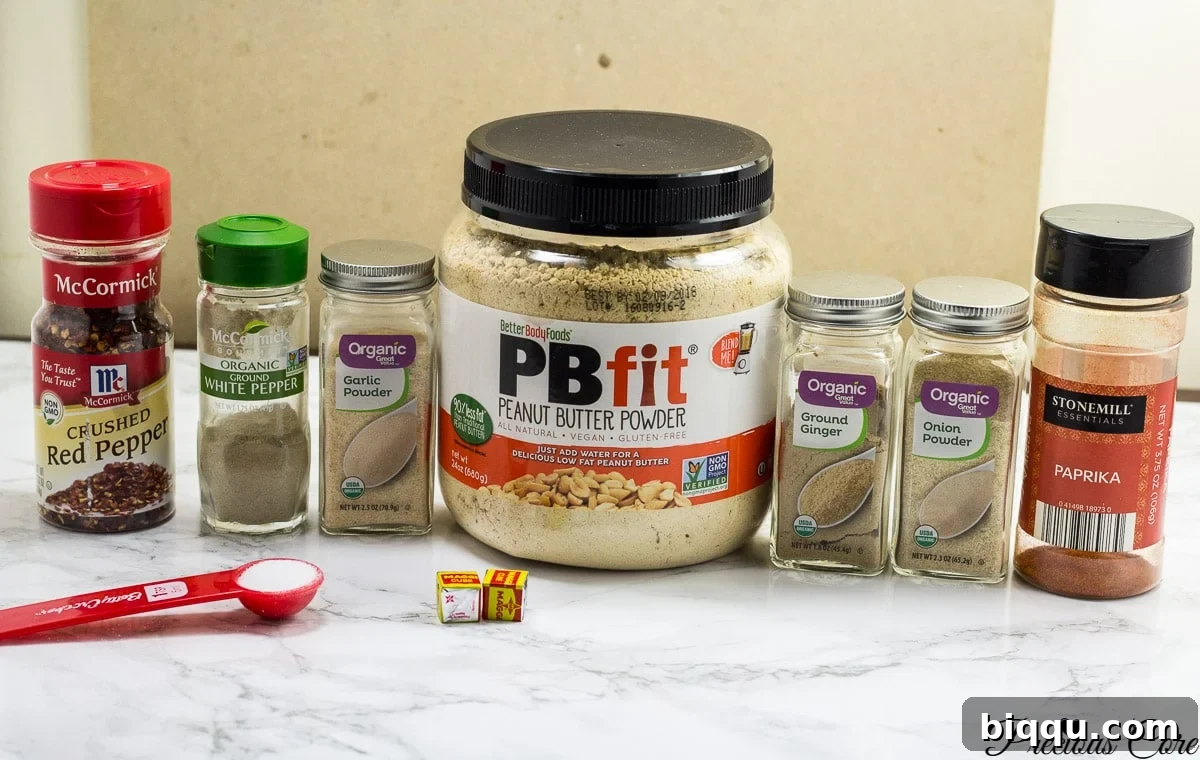
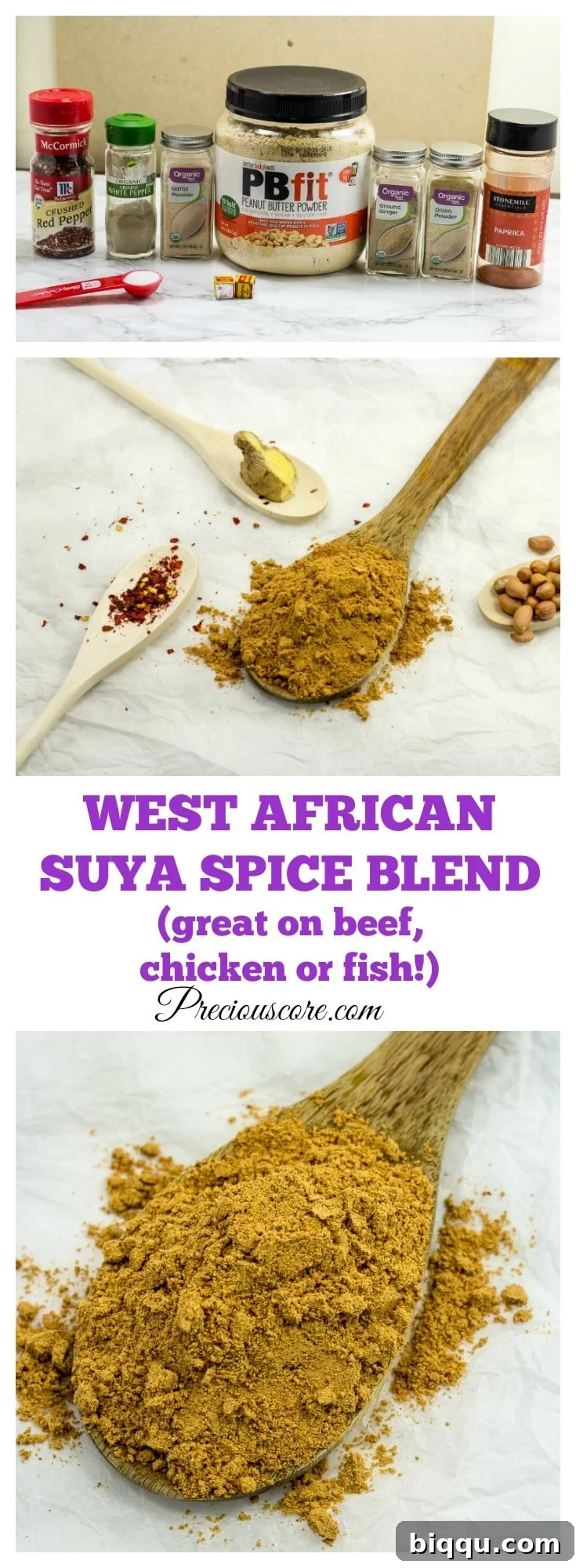
Crafting the ultimate homemade suya spice requires a thoughtful selection of key components. The magic lies in the synergy of these ingredients, each contributing its unique profile to the overall blend. Here are the core elements:
The Three Main Pillars of Suya Spice:
- Roasted Peanut Powder: This is arguably the most crucial ingredient, lending suya its characteristic nutty flavor and slightly grainy texture. In Central and West Africa, peanuts are commonly known as groundnuts. Roasting the peanuts before grinding intensifies their flavor and aroma, which is essential for an authentic taste.
- Ginger Powder: Contributing a warm, pungent, and slightly sweet undertone, ginger powder adds a unique aromatic depth that is fundamental to the suya profile. Its distinct kick complements the other spices beautifully.
- Hot Pepper Powder: For that signature fiery zest, a good quality hot pepper powder is indispensable. Cayenne pepper powder is an excellent choice due to its vibrant heat and readily available nature. You can adjust the quantity based on your preferred spice level, or even use red pepper flakes for a different texture and visual appeal.
Additional Flavor Enhancers for the Perfect Blend:
- Salt: A fundamental seasoning that enhances all the other flavors, bringing balance and depth to the blend.
- Maggi (or Bouillon Powder): This savory seasoning is widely used in West African cuisine to boost umami and add a rich, meaty depth to dishes. Its inclusion is key to achieving that authentic, robust suya taste.
- White or Black Pepper: Either white or black pepper can be used to add a subtle layer of pungent heat and complexity. White pepper often offers a slightly earthier, less harsh heat.
- Onion Powder: Providing a sweet and savory aromatic base, onion powder contributes to the overall complexity and depth of the spice blend.
- Garlic Powder: Its pungent and savory notes are essential for building a robust flavor foundation, complementing the ginger and other aromatics.
- Paprika: Primarily for color, paprika can also add a mild, sweet peppery note. For an extra layer of complexity and that beloved smoky essence reminiscent of roadside grilling, smoked paprika is a fantastic addition.
Why Homemade Suya Spice is Unquestionably Superior
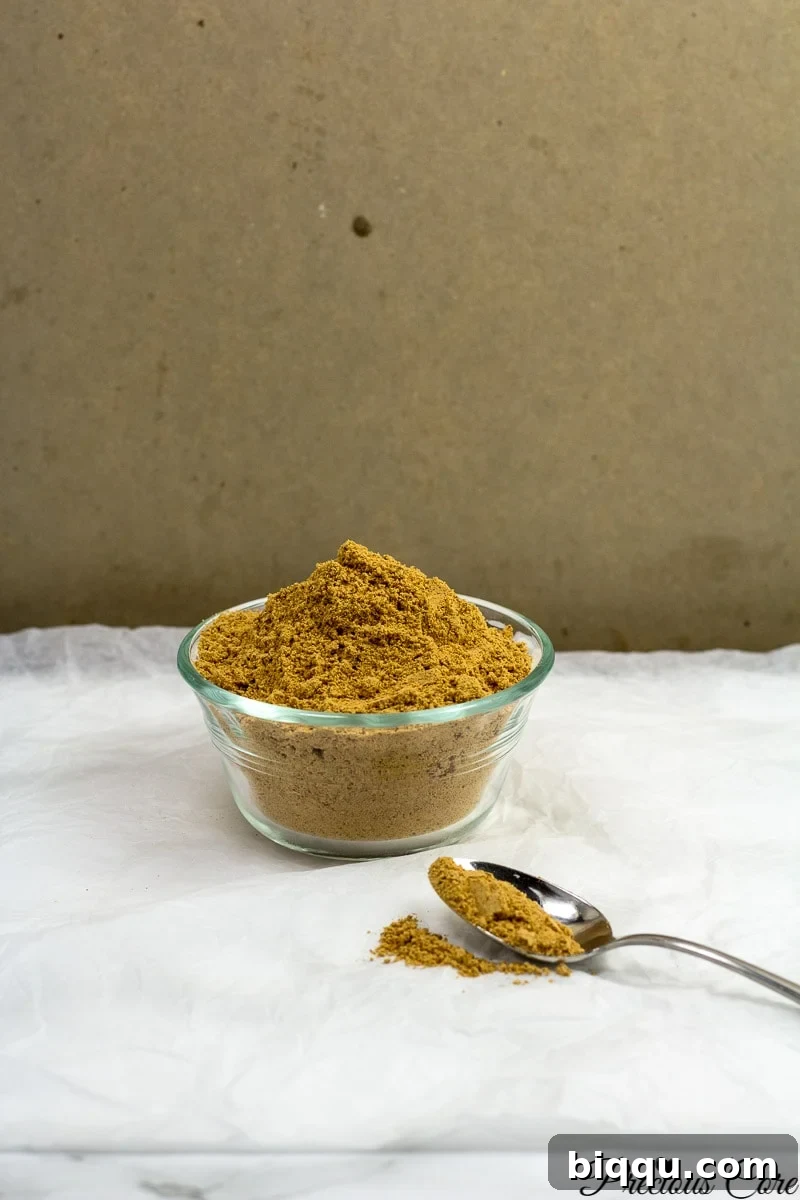
Let me state this with absolute confidence: this homemade suya spice recipe is incredibly TASTY. The difference between a freshly prepared blend and its commercial counterpart is night and day. I’ve conducted direct comparisons with packaged suya spice bought from African stores, and my homemade version consistently triumphs. It’s not just better; it’s far superior.
The freshness of homemade spice is unparalleled. It bursts with vibrant, complex flavors and an inviting aroma that permeates your kitchen. In contrast, many store-bought versions often taste flat, lacking the lively pungency and depth that define authentic suya. Some even carry a faint, undesirable stale or moldy scent, a clear indicator of age or lower quality ingredients. When you make it yourself, you control the quality of each spice, ensuring optimal freshness and potency. This empowers you to create a blend that is tailored to your exact preferences, free from any unwanted additives or fillers. So, when it comes to flavor, aroma, and overall quality, homemade suya spice truly reigns supreme over store-bought alternatives every single day.
The versatility of this spice blend is another reason it’s a must-have for your kitchen shelf. It’s not just for beef; you can use this incredible suya spice to marinate and season a wide array of proteins, including chicken, fish, lamb, goat, or even plant-based alternatives like tofu and tempeh. It also makes a fantastic dry rub for roasted vegetables or a unique seasoning for popcorn. For those who prefer a milder flavor, simply omit or reduce the hot pepper. I personally keep two versions at home: one with a fiery kick for myself and my partner, and a milder, family-friendly version for the kids, ensuring everyone can enjoy the irresistible taste of suya.
Mastering the Blend: Tips for Success
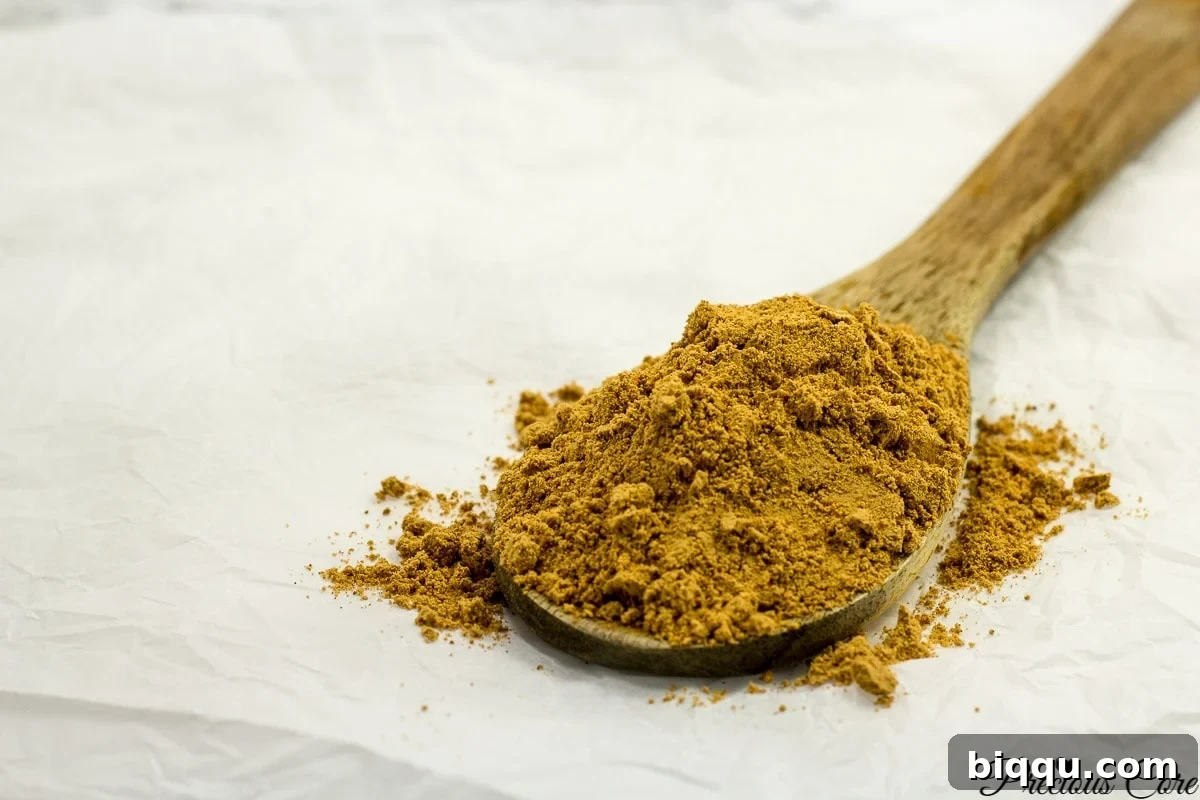
Creating your own suya spice at home is incredibly rewarding, and with a few tips, you can ensure a perfect blend every time. The key is to achieve a fine, uniform powder that will adhere beautifully to your meat. For the best results, use a small, dedicated spice grinder or a clean coffee grinder. These appliances are designed to pulverize dry ingredients into a fine consistency, which is crucial for a smooth and effective rub. Blend all the ingredients in small batches if necessary, ensuring everything is thoroughly combined into a cohesive mixture.
After blending, passing the spice through a fine-mesh sieve is an essential step. This process removes any larger, unground particles, ensuring a consistently smooth powder. A fine texture allows the spice to distribute evenly and penetrate the meat more effectively, resulting in a more flavorful and tender final product. Don’t discard the coarse bits that remain in the sieve; you can re-grind them until they reach the desired fineness, minimizing waste and maximizing flavor.
Proper storage is vital for maintaining the potency and freshness of your homemade suya spice. Transfer the finished blend into an airtight container, such as a glass jar with a tight-fitting lid. Store it in a cool, dark place away from direct sunlight and heat, which can degrade the spices’ flavor and aroma. For extended freshness, especially if you’ve made a larger batch, consider freezing the spice. Stored in an airtight container or freezer-safe bag, it will retain its vibrant flavors for several months, ready to be thawed and used whenever inspiration strikes. Always give the container a good shake before each use to redistribute the ingredients evenly.
Watch The Video: Become Your Own Spice Guru!
Seeing is believing, and to truly master the art of homemade suya spice, I’ve prepared a comprehensive video tutorial. In this video, I demonstrate each step of the process, from selecting the finest ingredients to blending them into the perfect aromatic powder. You’ll gain valuable insights and tips, helping you confidently become your own spice guru right in your kitchen.
To ensure you never miss out on any of my delicious cooking videos and to stay updated with all my latest culinary creations, I highly recommend you SUBSCRIBE to my YouTube channel. Make sure to turn on notifications to receive instant updates directly on your mobile phone or computer each time I release a new video!
Watch how to make homemade suya spice:
Ready for more delicious recipes? Join our community!
Subscribe to my channel
More African Recipes To Try
If you’ve enjoyed the taste of West Africa with this suya spice, you’ll love exploring more authentic and flavorful dishes from the continent. Expand your culinary repertoire with these cherished African recipes:
- Nigerian Beef Stew: A hearty and flavorful stew, perfect with rice or yams.
- Vitumbua – East African Coconut Rice Pancakes: Sweet, fluffy pancakes with a delightful coconut aroma, ideal for breakfast or a snack.
- African Chicken Stew: A versatile and comforting stew, rich in tomatoes and spices.
- African Okra Soup: A nutritious and delicious soup, a staple in many West African homes.
- How To Make Puff Puff: Learn to make these beloved deep-fried dough balls, a popular street snack.
- Cameroonian Pepper Soup: A warming and spicy soup, known for its medicinal properties and rich flavor.
If you make this homemade suya spice recipe, please don’t forget to leave a star rating below. Your rating helps fellow food enthusiasts discover and enjoy this recipe, and I absolutely love hearing about your culinary experiences! Thank you for your support!
Homemade Suya Spice
★
★
★
★
10 mins
10 mins
10 tablespoons
Rate This Recipe
Print Recipe
Ingredients
- 1/4 cup ginger powder
- 1/4 cup peanut powder (substitute with ground roasted peanuts/groundnuts. Use a cloth to squeeze out excess oil from the groundnuts before use for a drier powder)
- 2 small cubes Maggi (or other bouillon powder, crushed)
- 2 tablespoons red pepper flakes (or cayenne pepper, adjust to taste for desired heat)
- 1 teaspoon salt
- 1 tablespoon garlic powder
- 1 tablespoon onion powder
- 1 teaspoon ground white pepper
- 1 tablespoon paprika (optional, for color and mild flavor; use smoked paprika for added smokiness)
Instructions
-
Combine all the listed ingredients into a small blender cup or a coffee grinder. Blend them thoroughly until you achieve a fine, well-combined powder.
-
Pass the blended spice mixture through a fine-mesh sieve. This step ensures a uniform, smooth consistency, removing any larger, unground particles. Re-grind any coarse bits remaining in the sieve until they are fine.
-
Transfer the finished suya spice into an airtight container. Store it in a cool, dark place for immediate use, or freeze it for extended freshness.
-
Use this exceptional homemade suya spice as a dry rub for skewered meats before grilling, or blend it with a little oil to create a flavorful marinade for chicken, fish, or other proteins.
Notes
Nutrition Facts (Approximate Per Serving)
Serving: 1 tablespoon | Calories: 57kcal | Carbohydrates: 10g | Protein: 3g | Fat: 1g | Saturated Fat: 0.2g | Polyunsaturated Fat: 0.3g | Monounsaturated Fat: 0.1g | Cholesterol: 0.1mg | Sodium: 498mg | Potassium: 217mg | Fiber: 2g | Sugar: 2g | Vitamin A: 821IU | Vitamin C: 0.3mg | Calcium: 24mg | Iron: 2mg
Additional Information
Side Dish, Spice Blend, Seasoning
African, Nigerian, Cameroonian, West African
57 kcal
Tried this recipe?
Mention @preciouscore or tag #PreciousCore!
I am incredibly thrilled that you’re interested in trying one of my recipes! If you make this homemade suya spice, I would absolutely love to see your creations. Please be sure to tag me in a photo on Instagram: @preciouscore, or share your culinary masterpieces with me on my Facebook page: Facebook.com/preciouscore. Happy cooking!