
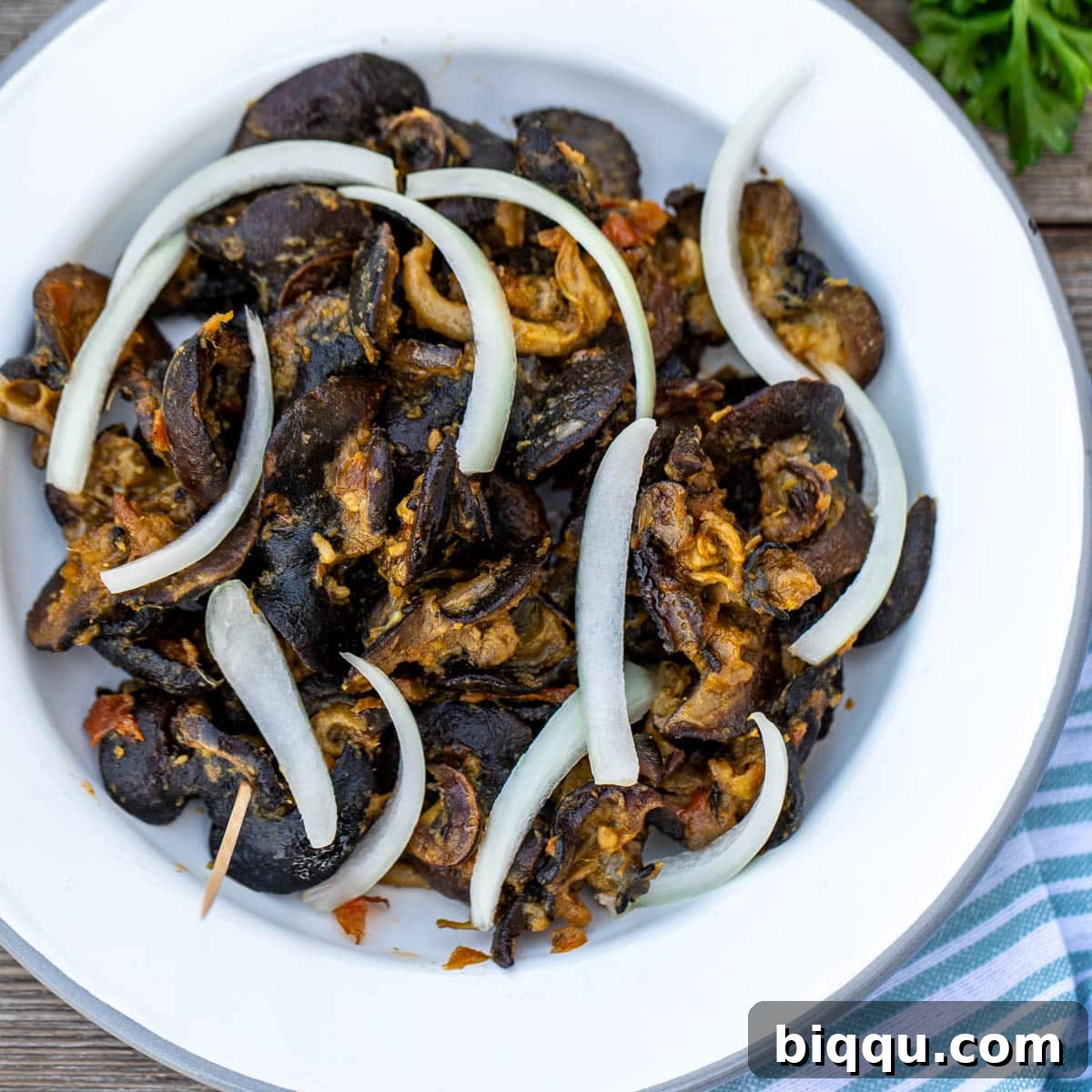
Embark on a culinary adventure with this exquisite Cameroonian Snails Recipe, a true jewel of West African cuisine. This dish promises to transform your perception of snails, turning even the most hesitant diner into a fervent enthusiast. Infused with a symphony of vibrant herbs and aromatic spices, these snails are not just a meal; they are an experience, offering a perfectly balanced texture that is both delightfully crunchy and satisfyingly tender. Prepare to discover your new favorite way to enjoy this beloved delicacy, making it your ultimate go-to method for preparing snails.
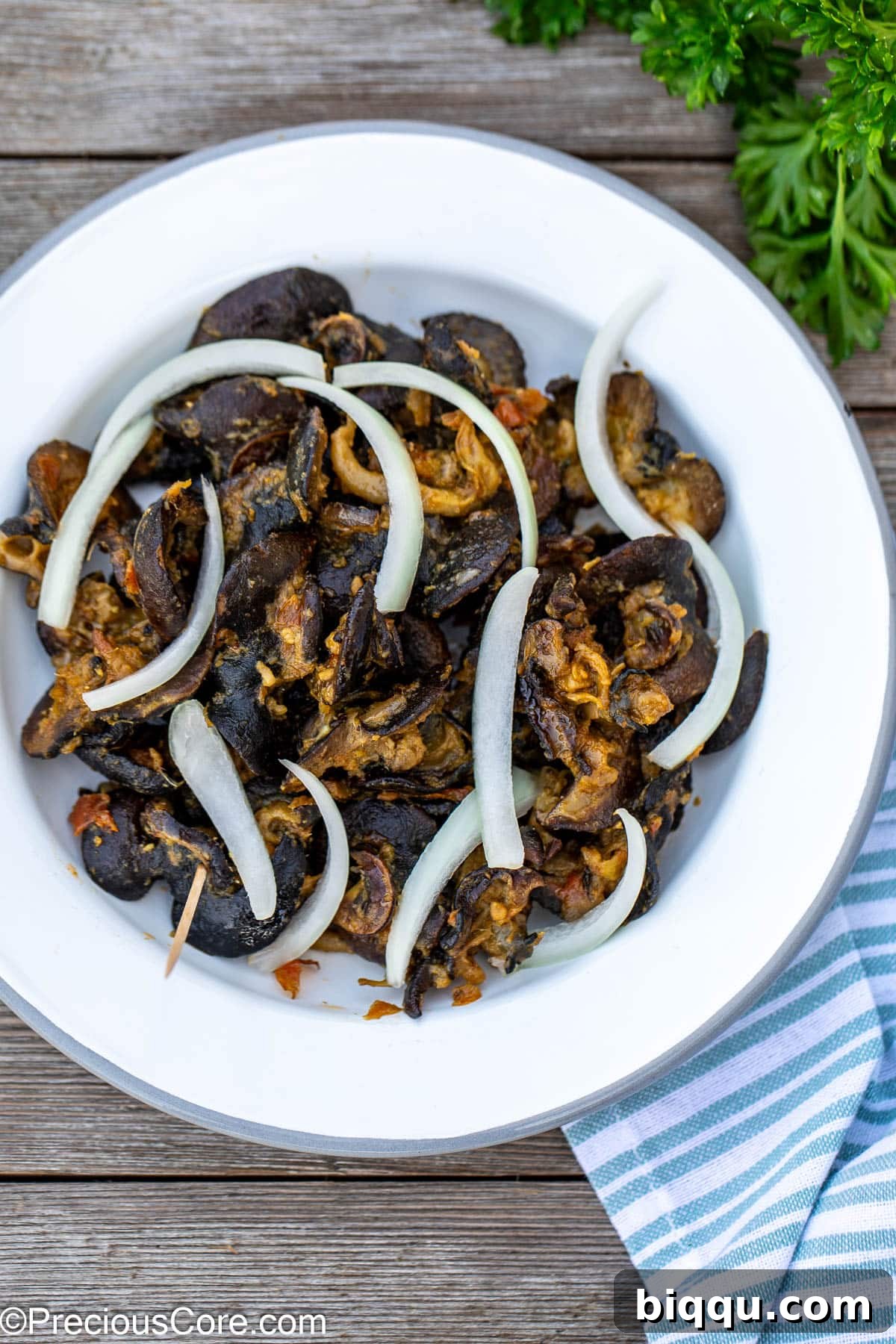
This remarkable recipe proudly stands as the fourth installment in my acclaimed Cameroonian Street Food Series, available on YouTube. Our journey through the vibrant culinary landscape of Cameroon has brought cherished street food traditions into homes worldwide. If you’ve enjoyed this exploration, I highly recommend delving into other popular recipes from the series, including the savory Fried Pork And Plantains, the innovative Cameroonian Spaghetti Omelette Sandwich, and the refreshing Folere Drink (Cameroonian Hibiscus Drink). Each recipe offers a unique taste of Cameroon’s rich and diverse gastronomic heritage.
This particular snail recipe holds a special place in my heart, with its origins tracing back to September 17, 2015. On that memorable day, I received a cherished gift of dried snails from my sister-in-law, sparking the initial inspiration for this dish. Over the years, I’ve refined and perfected this recipe, culminating in this updated version, complete with enhanced flavors, clear instructions, and a comprehensive recipe guide. The story behind this recipe is as rich as its flavors, beginning with a personal connection to the heart of Cameroon.
The Story Behind the Snails: A Personal Journey
Some moments in life are truly unique and unforgettable. For me, one such moment was receiving a generous gift of dried snails, hand-carried all the way from Cameroon by my dear sister-in-law. This was no ordinary gift; it was a taste of home, a tangible link to my roots, and an exciting culinary promise. The anticipation of transforming these precious creatures into a delectable meal in my own kitchen was palpable. It felt less like cooking and more like an exciting scientific experiment to unlock their authentic flavor and share it with my loved ones.
Snails, or “nyamangoro” as they are affectionately called in some parts of Cameroon, are deeply embedded in the culinary traditions of many communities, particularly among the people of the South West region. This region, known for its vibrant food culture, celebrates snails as a delicacy, incorporating them into various festive and everyday meals. However, cultural perceptions vary widely across the country. Interestingly, in my own childhood home, snails were a dish reserved for my father’s absence. He harbored a distinct aversion to these shelled marvels, a sentiment shared by some other tribes who view them with skepticism or even detestation. Yet, it was my mother who instilled in us a profound appreciation for them, teaching us to embrace them as a cherished delicacy, enjoyed with enthusiasm any day, anytime. This rich duality in perception highlights the diverse tapestry of Cameroonian food culture, where a single ingredient can evoke such contrasting sentiments, making it a fascinating subject of culinary exploration.
Cameroonian Snails: More Than Just a Delicacy – A Nutritional Powerhouse
Beyond their savory taste and unique texture, snails, scientifically known as Achatina achatina, are a remarkable source of nutrition. Often overlooked in Western diets, these “slow boys” are packed with vital nutrients that contribute significantly to a healthy lifestyle. They boast high levels of lean protein, making them an excellent choice for muscle building and repair, and are rich in iron, essential for preventing anemia and supporting healthy blood circulation. The nutritional profile of snails extends further, revealing a treasure trove of essential vitamins and minerals, including magnesium, phosphorus, potassium, and calcium, all crucial for bone health, nerve function, and overall metabolic processes. Studies have even suggested that they possess anti-cancer properties and are loaded with beneficial compounds that support overall well-being and boost the immune system. I vividly recall a doctor once passionately discussing the immense nutritional value of snails, making me want to rush to the market and stock up immediately! This robust nutritional content makes Cameroonian snails not only a delicious treat but also a smart dietary choice.
Across the globe, snails have various names that reflect their cultural significance. In French cuisine, they are elegantly known as “escargot,” a term synonymous with gourmet dining and fine dining establishments. In Cameroon, their local appellations are far more endearing and descriptive, embodying the warmth and cultural richness of the land. Colloquially, they are widely referred to as “nyamangoro,” a name that resonates deeply within local communities and is frequently heard in markets and homes. Other affectionate titles include “slow boys,” a playful nod to their leisurely pace and perhaps their humble origins, and “congo meat,” a term that speaks to their hearty and satisfying nature as a substantial protein source. The multitude of names given to these edible creatures truly underscores their special place in Cameroonian hearts and kitchens, reflecting their popularity and versatility. Throughout this article, I will use these various names interchangeably, celebrating the rich linguistic and culinary heritage they represent and inviting you to explore their many facets.
In Cameroon, these “slow boys” are a ubiquitous sight as popular street food, readily available from vendors who expertly grill or stir-fry them, often serving them on bamboo skewers, offering a convenient and delicious snack for people on the go. Their versatility extends far beyond street stalls; they are a cherished ingredient in a wide array of traditional Cameroonian dishes, lending their distinctive flavor and texture to various stews and soups. Snails lend their unique character to rich stews like Eru, a vibrant leafy green stew typically made with okok or waterfufu, where their succulent meat adds depth. They also enhance the depth of Tomato Stew, providing a hearty base for rice or other staples. Furthermore, snails are a key component in a hearty Pepper Soup, where their tender meat perfectly complements the spicy, aromatic broth, creating a warming and invigorating meal. Incorporating snails into these dishes elevates them from simple meals to memorable culinary experiences, demonstrating their importance in Cameroonian gastronomy.
Mastering the Art of Cooking with Dried Snails
Cooking with dried snails requires a bit of thoughtful preparation, but the results are incredibly rewarding, yielding a dish that is rich in flavor and tender in texture. The key is to properly rehydrate and tenderize them to unlock their full culinary potential. Here are essential tips to ensure your dried snails turn out perfectly every time:
- Overnight Soaking for Optimal Rehydration: For the most tender and plump snails, it is highly recommended to immerse dried snails in a bowl of fresh water and let them soak overnight, ideally for 12 to 24 hours. This extended soaking period allows them to fully rehydrate, absorb moisture, and regain a texture remarkably similar to fresh snails. It’s a crucial first step that contributes significantly to their tenderness and overall palatability, making them easier to chew and more enjoyable.
- Separate Boiling for Enhanced Flavor and Tenderness: Once rehydrated, always boil the snails separately with a selection of seasonings before incorporating them into your main stir-fry sauce or stew. This initial boiling step serves multiple purposes: it ensures they are thoroughly cooked, tenderizes them further, and, most importantly, infuses them with foundational flavors right from the start. A generous pinch of salt and one or two bouillon cubes (such as Maggi or Knorr) can work wonders here, building a deeper, more complex taste profile that will shine through in the final dish.
- Quick Softening with Baking Soda (When Time is Short): If you find yourself pressed for time and unable to soak the snails overnight, there’s a useful trick to expedite the tenderizing process. After thoroughly rinsing the dried snails to remove any surface impurities, boil them with a pinch of baking soda (ensure it’s baking soda, not baking powder). The baking soda acts as a tenderizer, helping to break down the snail’s connective tissues, which significantly reduces cooking time and helps achieve a desirable tender texture more quickly. Be sure to rinse them again thoroughly after boiling with baking soda to remove any residual alkaline taste before proceeding with the rest of the recipe.
- Thorough Cleaning is Paramount: Whether you’re using dried, rehydrated, fresh, or frozen snails, meticulous cleaning is non-negotiable. After rehydration, or if starting with fresh snails, rinse them multiple times under running water, gently rubbing them between your hands to remove any lingering grit, sand, or debris that might be present. A solution of water with a generous squeeze of fresh lemon or lime juice can be incredibly effective in both cleaning and neutralizing any earthy flavors, leaving the snails fresh, clean, and ready to absorb the delicious spices of your recipe.
- Patience is a Virtue in Cooking Snails: Remember that snails, especially dried ones, require adequate cooking time to become truly tender and enjoyable. Rushing the process will inevitably result in tough, rubbery snails that are difficult to chew and less pleasant to eat. Cook them gently and consistently until they reach that perfect balance of crunch and tenderness that makes them so enjoyable in Cameroonian cuisine.
For a comprehensive breakdown of all ingredients and precise measurements, please refer to the detailed recipe card conveniently located at the bottom of this article.
Experience the Recipe: Watch How To Make Cameroonian Snails
Don’t miss out on more delicious recipes!
Subscribe to my YouTube channel
The Perfect Accompaniments: Serving Cameroonian Snails
The culinary journey with Cameroonian snails extends beyond their preparation; it culminates in how they are served. These flavorful delicacies are incredibly versatile and pair beautifully with a variety of traditional sides, enhancing the overall dining experience. A classic and highly recommended pairing is with Sweet Fried Plantains. The natural sweetness and soft texture of the plantains provide a delightful contrast to the rich, savory, and slightly chewy snails, creating a harmonious balance of flavors and textures in every bite. This combination is a staple in Cameroonian homes and street food stalls, offering a truly authentic taste of the region and a comforting meal.
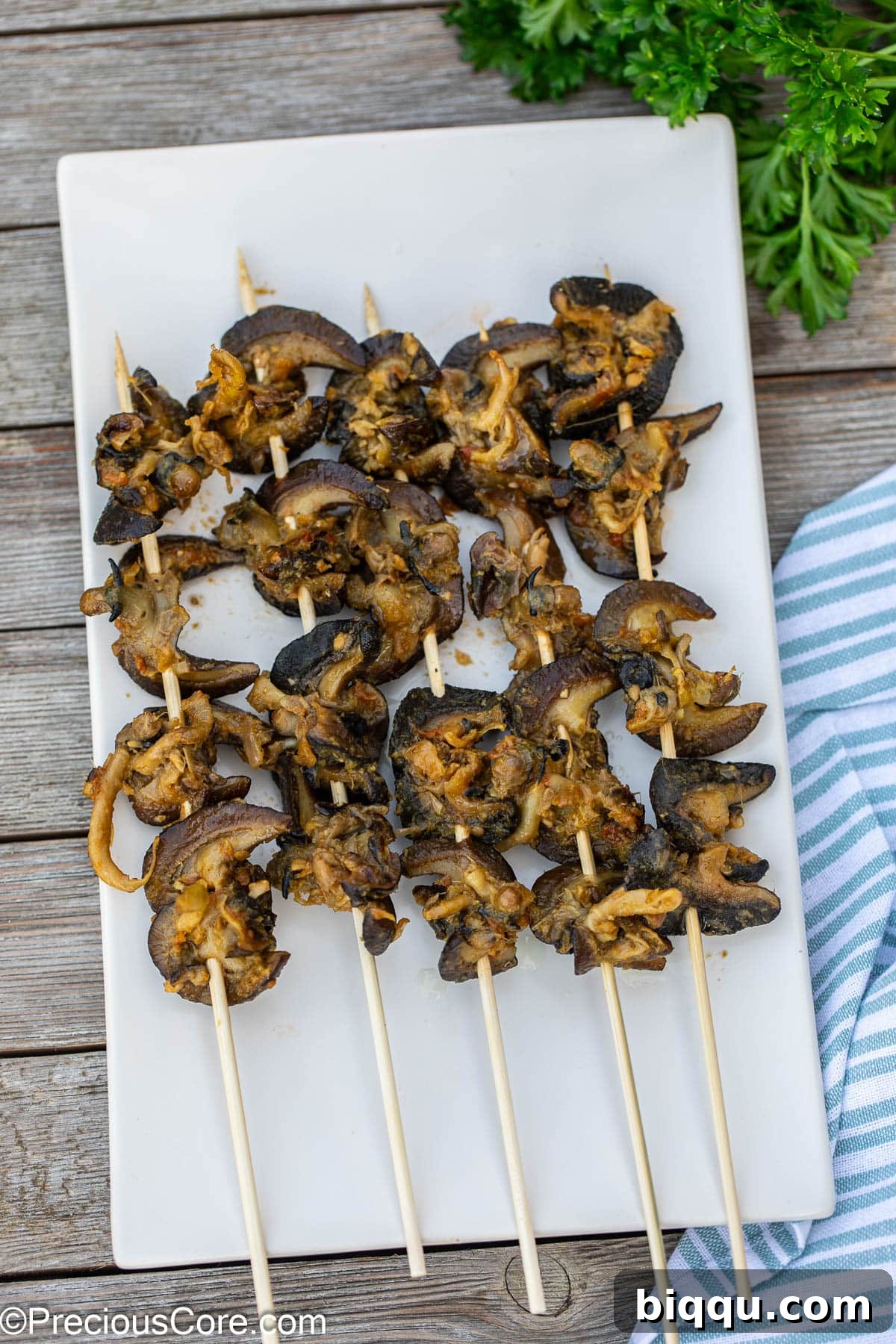
For those who appreciate a fiery kick, serving these snails with African Pepper Sauce is an absolute must. The bold, piquant flavors of the pepper sauce cut through the richness of the snails, invigorating the palate and adding an exciting layer of heat. Whether you prefer a mild zing or an intense burn, a good pepper sauce elevates the dish, making it even more addictive and memorable. When serving, consider presenting the snails on a communal platter, perhaps garnished generously with fresh onion rings, reminiscent of the vibrant street food presentations. Offering toothpicks alongside allows guests to easily pick and enjoy each succulent piece, adding to the interactive and communal dining experience, typical of West African hospitality. For a truly authentic street food vibe and a fun presentation, you can even thread the cooked snails onto bamboo skewers after cooking, mirroring how they are traditionally sold and enjoyed in bustling markets across Cameroon.
Explore More Cameroonian Culinary Delights
If you’ve enjoyed the rich flavors and unique experience of this Cameroonian snails recipe, we invite you to further explore the diverse and captivating world of Cameroonian cuisine. Each dish tells a story, offering a blend of traditional ingredients and authentic cooking methods. Discover more beloved Cameroonian recipes that will transport your taste buds:
Cameroonian Snails Recipe
Folere Drink (Cameroonian Hibiscus Drink)
Cameroonian Spaghetti Omelette Sandwich
Fried Pork And Plantains
Cameroonian Njangsa Sauce
How To Make Chin Chin
If you try this delightful recipe, we would be thrilled to hear from you! Please consider leaving a star rating below to share your experience. Your valuable feedback not only helps others discover this recipe but also inspires us to continue sharing authentic flavors. Thank you for being a part of our culinary community!
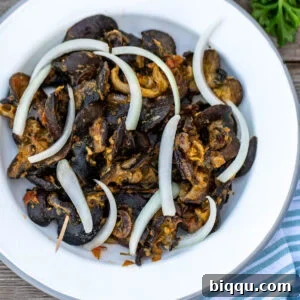
Cameroonian Snails Recipe
(No ratings yet)
This Cameroonian snails recipe will quickly become your go-to method for making snails! Snails could be an acquired taste for many, but these are so delicious! The herbs and spices used in the recipe load the snails with flavor, and the texture is the perfect balance of crunchy and tender.
Pin Recipe
Rate
Print Recipe
Ingredients
- 8 cups dried snails, soaked in water overnight to rehydrate
- 1 teaspoon salt, plus more as needed
- 3 Maggi cubes, divided (4g cubes)
- 2 tomatoes, cut into quarters
- 1 medium onion or a large shallot, cut into chunks
- 5 large garlic cloves
- 2 thumb sizes ginger root, peeled and chopped
- 3 sprigs fresh parsley
- 3 sprigs fresh basil
- 1 habanero pepper (adjust to your spice preference)
- ½ teaspoon whole white pepper
- ½ cup vegetable or olive oil
Instructions
- Cook the snails: Place the rehydrated snails into a medium pot. Add one teaspoon of salt, two small Maggi seasoning cubes, and one cup of water. Cover the pot and bring the mixture to a gentle simmer over medium heat. Allow the snails to cook until they become tender, which can take a variable amount of time depending on their size and initial texture.
- Prepare the tomato and onion blend: In a blender, combine the quartered tomatoes and the chopped onion (or shallot). Blend these ingredients into a coarse, rustic paste. For this step, I typically use a low-power setting on my blender to achieve the desired texture without making it too smooth. Transfer the tomato-onion blend to a separate bowl and set aside.
- Prepare the spice and herb paste: Add the garlic cloves, ginger root (peeled and chopped), fresh parsley, fresh basil, habanero pepper, and whole white peppercorns to the blender. Pour in half a cup of water. Blend until you achieve a smooth, fragrant paste. This aromatic blend is the heart of the snail’s flavor.
- Build the flavorful sauce: Heat the vegetable or olive oil in a wide-bottom pot over medium heat until it shimmers. Carefully add the prepared tomato-onion blend to the hot oil. Cook, stirring occasionally, until the moisture has evaporated and the mixture begins to dehydrate and the oil separates, indicating it’s well-cooked. Next, incorporate the smoothly blended spices and herbs. Continue cooking and stirring for approximately 5 minutes, allowing the flavors to meld beautifully. Add the remaining Maggi seasoning cube and stir thoroughly to combine.
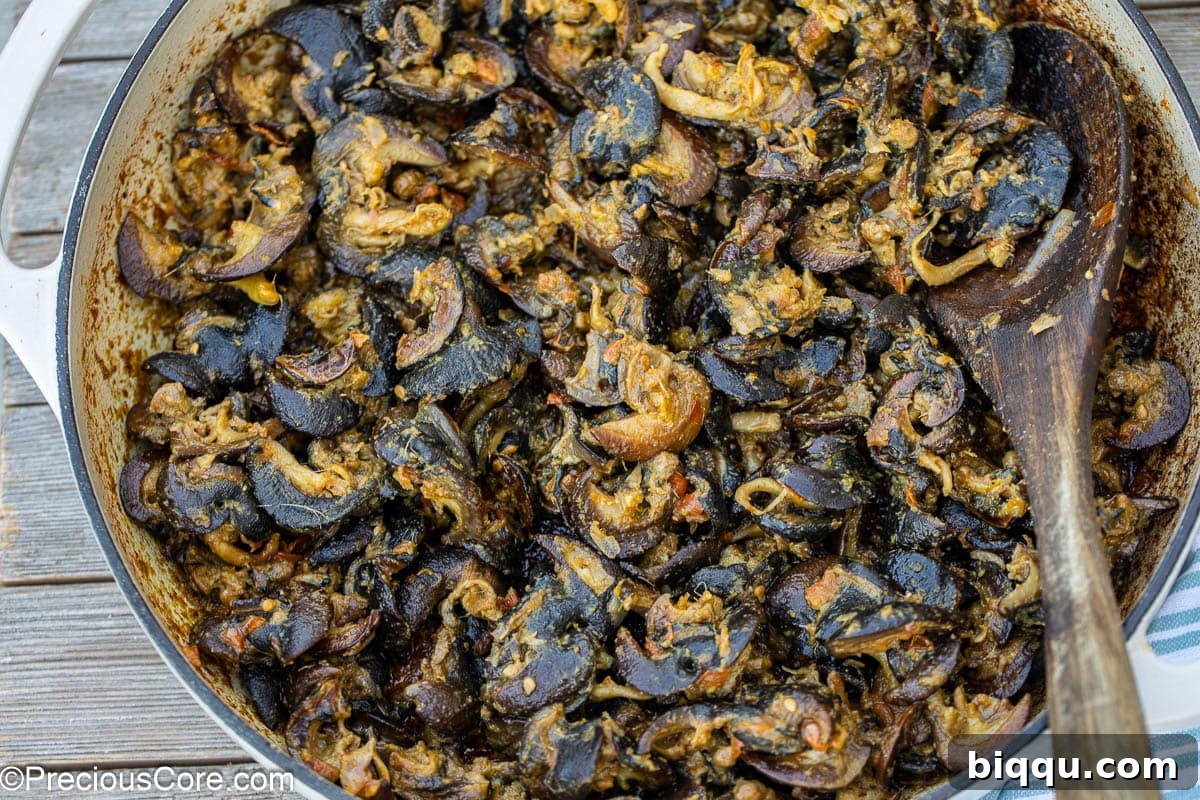
- Combine with snails: Gently add the pre-cooked, tender snails into the pot with the rich, simmering sauce. Toss everything together vigorously, ensuring each snail is thoroughly coated in the fragrant sauce. Taste the dish and adjust the seasoning as needed; a little more salt at this stage often enhances the overall flavor.
- Serve and enjoy: Serve your delectable Cameroonian snails immediately. Traditionally, they are presented on a plate, garnished with thin slices of fresh onions. Provide toothpicks for easy enjoyment, allowing each succulent snail to be savored. Alternatively, for an authentic street food presentation, thread the cooked snails onto bamboo skewers, perfectly reminiscing their iconic sale style in Cameroon.
Video
Notes
- Working with Dried Snails: As detailed earlier, if using dried snails, it is crucial to soak them overnight. This process rehydrates them, making them plump and tender. After soaking, rinse them thoroughly, ideally three times or more, to remove any lingering grit or impurities. A quick squeeze of lemon juice during the final rinse can add a wonderful touch of freshness.
- Sourcing Snails: Finding snails, whether fresh or frozen, is often easiest at African or Asian specialty markets. When using fresh or frozen snails, always ensure they are meticulously cleaned. A solution of water with generous amounts of lime or lemon juice is excellent for this purpose, helping to cleanse and prepare them for cooking.
- Maggi Cubes Alternatives: Should Maggi seasoning cubes be unavailable, you can confidently substitute them. For every small Maggi cube used in this recipe, approximately one teaspoon of chicken bouillon or beef bouillon powder will work effectively. I personally find the Knorr brand of bouillon powder to be an excellent and reliable alternative.
- Ideal Serving Suggestions: These flavorful snails, often referred to as ‘Nyamangoro,’ are a delightful standalone snack but truly shine when paired with other dishes. They famously complement sweet fried plantains, creating a balanced and satisfying meal. For an added layer of flavor and heat, consider serving them alongside a vibrant African pepper sauce.
Nutrition
Carbohydrates: 9g |
Protein: 39g |
Fat: 17g |
Saturated Fat: 3g |
Polyunsaturated Fat: 2g |
Monounsaturated Fat: 11g |
Cholesterol: 118mg |
Sodium: 820mg |
Potassium: 1024mg |
Fiber: 1g |
Sugar: 2g |
Vitamin A: 545IU |
Vitamin C: 8mg |
Calcium: 36mg |
Iron: 9mg
Additional Info
Cuisine: Cameroonian, West African
Calories: 351
Mention @preciouscore or tag #PreciousCore!