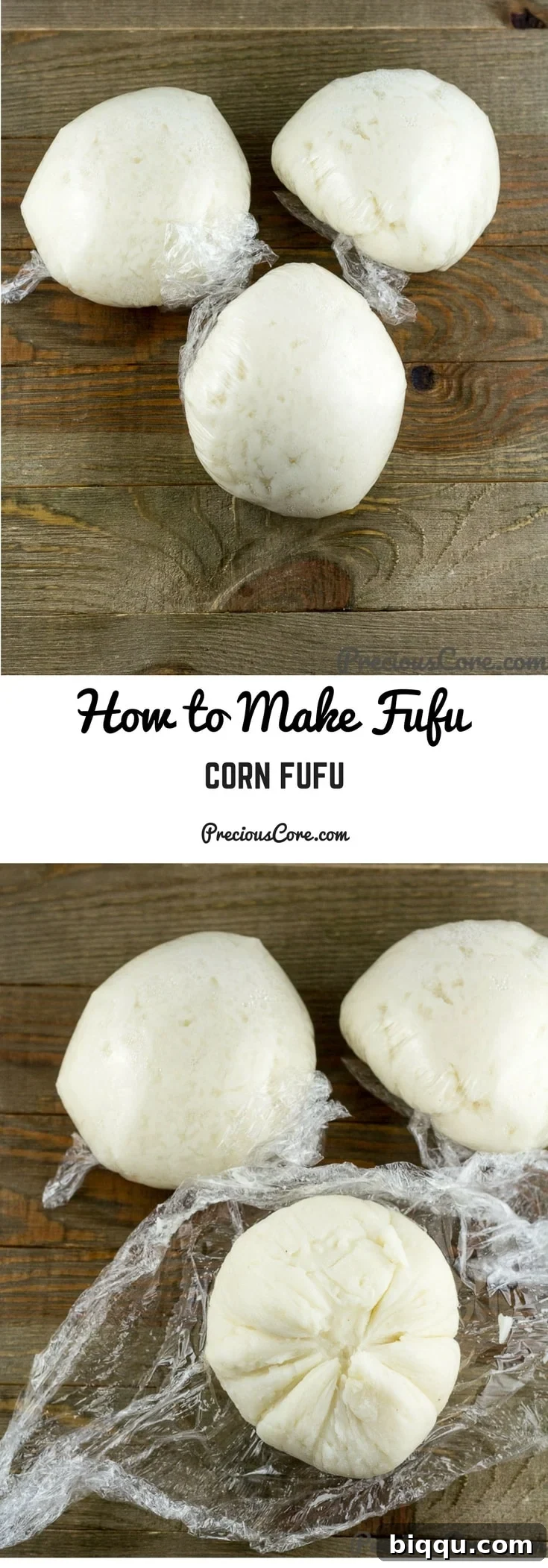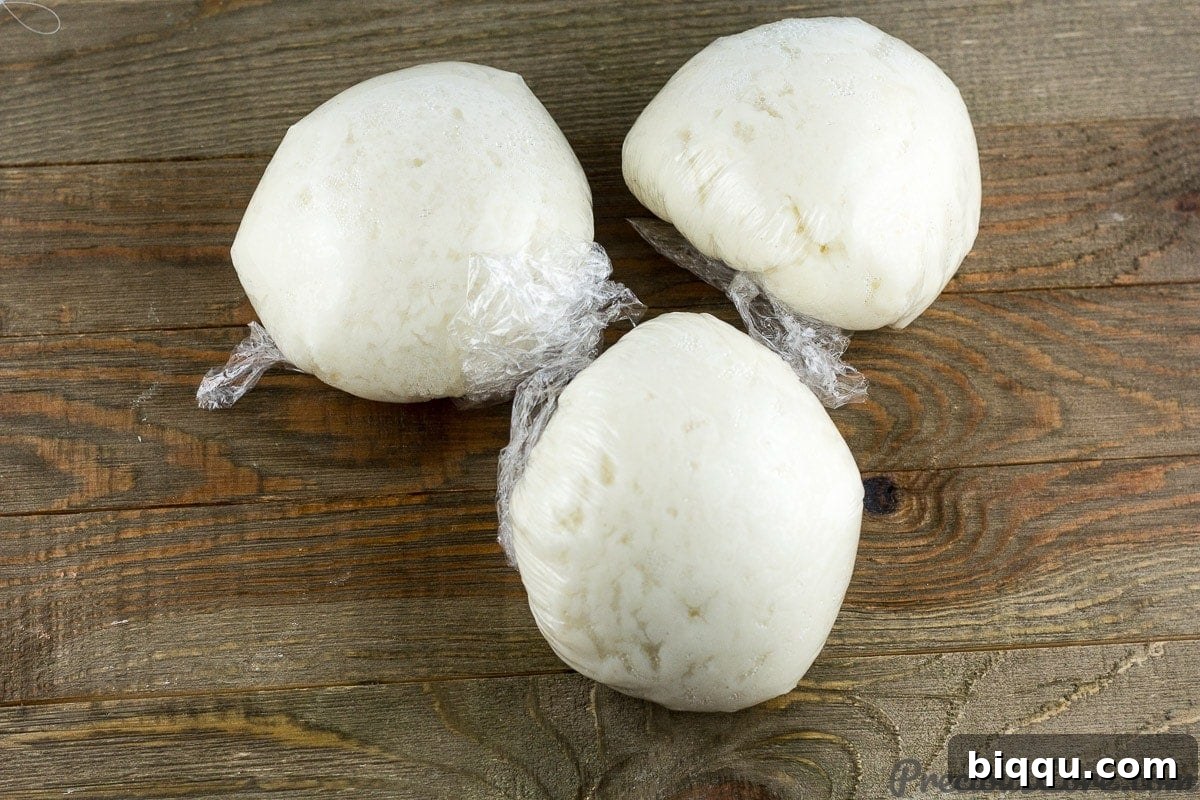
Welcome, food enthusiasts, to a culinary journey into the heart of West Africa! Today, we’re diving deep into the world of fufu, specifically focusing on how to master the creation of Fufu Corn, also lovingly known as Corn Fufu. This staple side dish, celebrated across many West African nations, is a testament to the region’s rich gastronomic heritage. While varieties of fufu abound—from cassava to plantain—corn fufu offers a unique texture and flavor profile that pairs exquisitely with an array of vibrant soups and stews.
For those unfamiliar, fufu is more than just a dish; it’s a culinary cornerstone, often serving as the perfect accompaniment to hearty African meals. Its dough-like consistency and mild flavor make it an ideal canvas for soaking up the rich, complex flavors of accompanying sauces, making every bite a delightful experience. If you’ve ever yearned to bring a piece of authentic West African cuisine into your kitchen, this comprehensive guide to making fufu corn is your starting point.
Understanding Fufu: A West African Staple
Fufu is a truly iconic dish throughout West Africa, with each country, and even different regions within countries, boasting its own beloved variation. Traditionally, fufu is prepared by pounding starchy root vegetables or grains into a smooth, pliable dough. Common ingredients include cassava (also known as yucca), yams, cocoyams, green plantains, and of course, corn. The beauty of fufu lies in its versatility and its ability to complement almost any savory dish.
Regardless of its origin, fufu serves a similar purpose: it’s a swallow food. This means it’s typically eaten by hand, pinched off in small portions, and then swallowed with soup or stew, rather than chewed. This method allows the eater to fully savor the accompanying sauce, making fufu an integral part of the meal experience rather than just a side dish.
Among the many delightful fufu variations, water fufu (cassava fufu) and achu are just a couple of examples that highlight the diverse culinary landscape of West Africa. Today, however, our spotlight shines brightly on the beloved fufu corn.
The Distinctive Charm of Fufu Corn
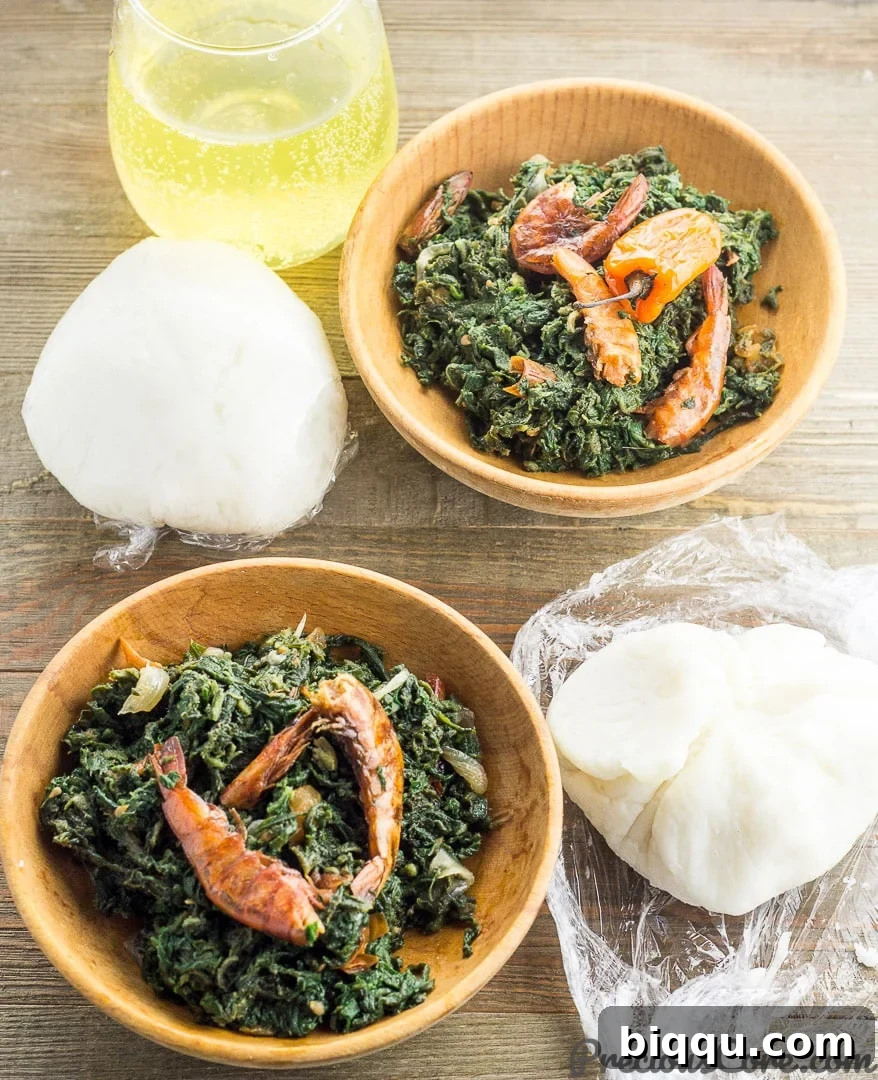
Fufu corn, or corn fufu, stands out with its unique characteristics derived from its primary ingredient: corn flour. While it shares a distant relative in the Western world—polenta—there are crucial distinctions. Polenta is often seasoned with herbs, cheese, or butter, served as a flavorful dish on its own. Corn fufu, on the other hand, is intentionally prepared plain, without any added seasonings. This neutrality is key, as it allows the fufu to absorb and highlight the robust flavors of the rich soups and sauces it’s served alongside, such as the ever-popular African okra soup.
Texture and Consistency
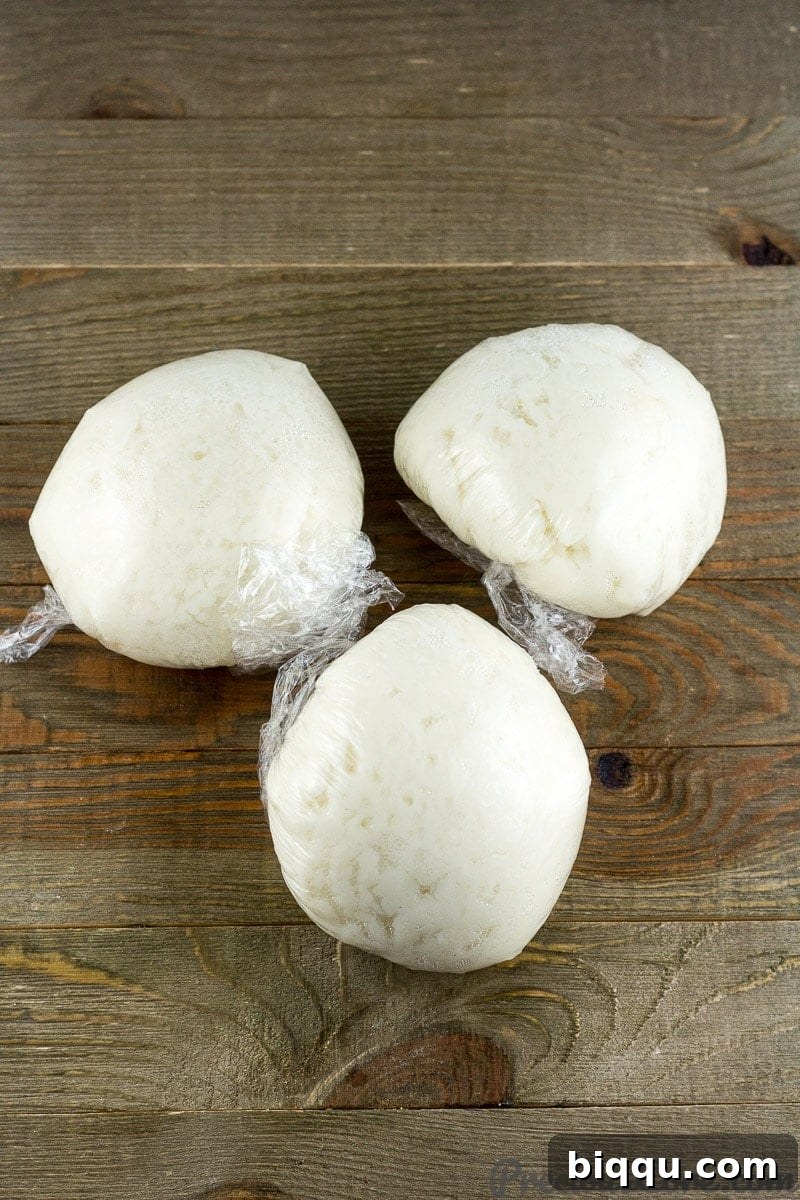
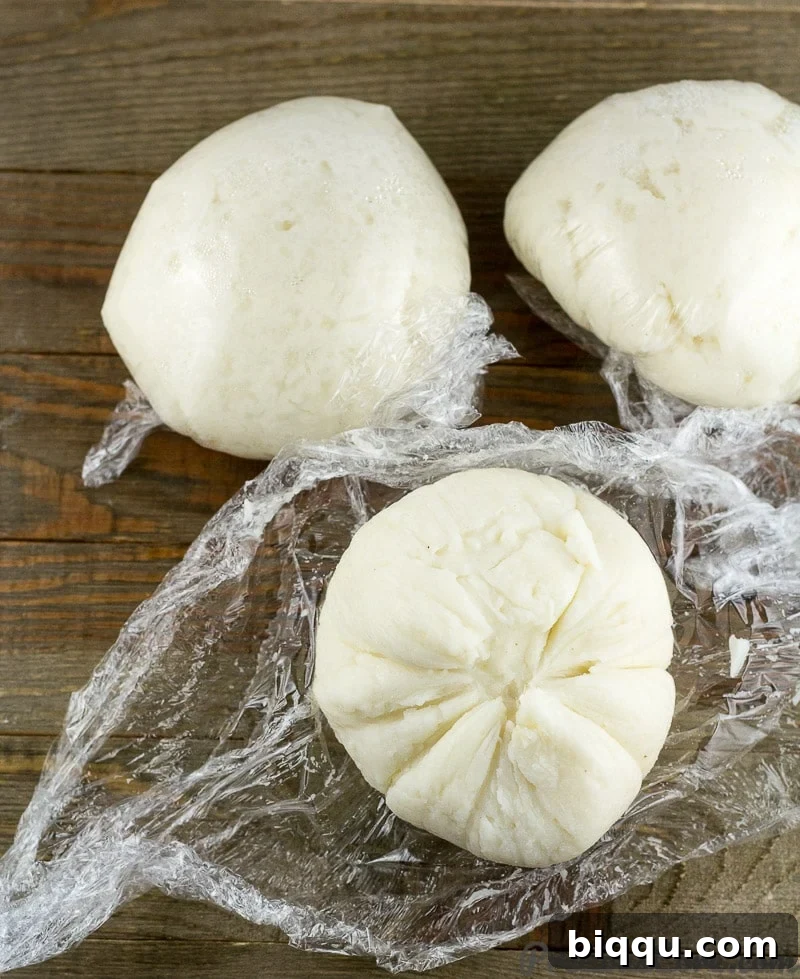
The texture of fufu corn is another defining characteristic. When freshly made and hot, it possesses a soft, fluffy, and slightly elastic consistency, almost like a firm porridge. It’s warm, comforting, and easy to mold. However, as it cools, fufu corn undergoes a transformation, firming up significantly, much like a cake. This change in texture is perfectly normal and expected, making it easy to handle and portion.
A Taste of Cameroon: Our Recipe Focus
Across Africa, the preparation of corn fufu varies, reflecting the diverse culinary traditions of each nation. For instance, my Ugandan friends prepare their version, known as “Ugali,” using a method distinct from what we’ll explore today. This recipe, cherished and perfected, will guide you through the traditional Cameroonian way of making fufu corn.
In many Cameroonian villages, including the village of “Mr. N,” fufu corn isn’t just a delicacy—it’s a dietary cornerstone, enjoyed almost daily with a variety of vibrant soups and vegetables. This speaks volumes about its cultural significance and its beloved status as a nourishing and satisfying meal component. My own children, for example, absolutely adore fufu corn, especially when paired with a simple okra soup, highlighting its universal appeal.
Nutritional Insight: A Whole Grain Choice
Beyond its cultural significance and delicious taste, fufu corn offers some nutritional benefits. Made from corn flour, it’s considered a whole grain, contributing fiber and essential nutrients to your diet. However, like many starchy staples, it is calorie-dense. Therefore, portion control is always recommended to maintain a balanced diet. Enjoying this traditional dish mindfully allows you to appreciate its flavors and cultural roots without overindulging.
Watch How to Make Fufu Corn
To truly grasp the technique, watching the process is invaluable. This video demonstrates each step, ensuring you achieve the perfect texture and consistency for your fufu corn. Visual guidance can make all the difference, especially when mastering the continuous stirring required for a lump-free result.
Consider subscribing to the channel for more authentic West African recipes and cooking tips!
If you try this recipe, please leave a star rating and comment below. Your feedback helps others discover and enjoy this wonderful dish, and I always love hearing from you!
Authentic Fufu Corn Recipe: A Cameroonian Delight
This recipe will guide you through making authentic Cameroonian fufu corn. With just two simple ingredients and a bit of arm work, you’ll achieve a perfectly smooth, firm, and flavorful fufu, ready to be paired with your favorite West African soups.
Recipe Summary
Fufu Corn is a well-loved starchy side dish for soups and vegetables throughout West Africa. This recipe focuses on teaching you how to prepare the perfect Cameroonian corn fufu, ensuring the right texture and consistency. Even if you’re a beginner, you can master the art of making fufu with this guide. Enjoy!
- Prep Time: 10 minutes
- Cook Time: 20 minutes
- Total Time: 30 minutes
- Servings: 8 servings
Ingredients
- 4 cups corn flour (approximately 500g or half a kilogram)
- 8 cups water (approximately 2 liters)
Instructions
- Prepare the Water: In a large, sturdy pot, bring 6 and a half cups of water to a rolling boil. Ensure the pot is large enough to accommodate the fufu as it expands and you stir vigorously.
- Create a Corn Flour Paste: While the water is heating, take one cup of the corn flour and place it in a separate mixing bowl. Gradually add 1 cup of water to the flour, mixing thoroughly to form a smooth, lump-free paste. Continue to add another half cup of water, mixing until you achieve a loose, creamy mixture with a consistency similar to liquid whole milk. This step is crucial for preventing lumps later on.
- Combine and Thicken the Base: Once the water in the pot boils, carefully subtract about 5 cups of the hot water and set it aside in a heat-safe container. This reserved hot water will be used later. With a strong wooden spoon or spatula, begin stirring the remaining boiling water in the pot continuously. While stirring, slowly pour in the corn flour mixture you prepared earlier. Continue to stir without interruption. You will notice the mixture thickening rapidly as the corn flour cooks. This initial mixture forms a smooth, pliable base, which will make it easier to incorporate the rest of the dry flour without lumps.
- Incorporate Remaining Flour: Now, add half of the remaining dry corn flour to the pot. Stir vigorously and continuously, ensuring it is fully incorporated into the thickened mixture. The fufu will become much harder to stir at this point, requiring significant effort. This is where the “turning” of fufu comes into play – a true arm workout! Once the first half is well mixed, add the other half of the flour and continue to mix until completely smooth and there are no dry spots. Persistence is key here for a perfect fufu.
- Cook and Finish the Fufu: After all the flour is thoroughly mixed in and the fufu is dense and smooth, add half of the previously reserved hot water to the pot. Cover the pot tightly and allow it to cook on medium heat for 5 minutes. This steaming process helps the fufu cook evenly and become more tender.
- Final Stir and Steam: After 5 minutes, uncover the pot and vigorously mix the fufu with the added water in a circular motion until the water is fully incorporated and the fufu regains a smooth consistency. Next, add the remaining hot water, cover the pot again, and let it cook for another 5 minutes. Uncover, and repeat the mixing process to ensure everything is well combined and the fufu is perfectly uniform. Finally, cover it one last time and allow it to cook for about 3 more minutes. Your fufu corn is now ready!
Wrapping the Corn Fufu (Serving Suggestion)
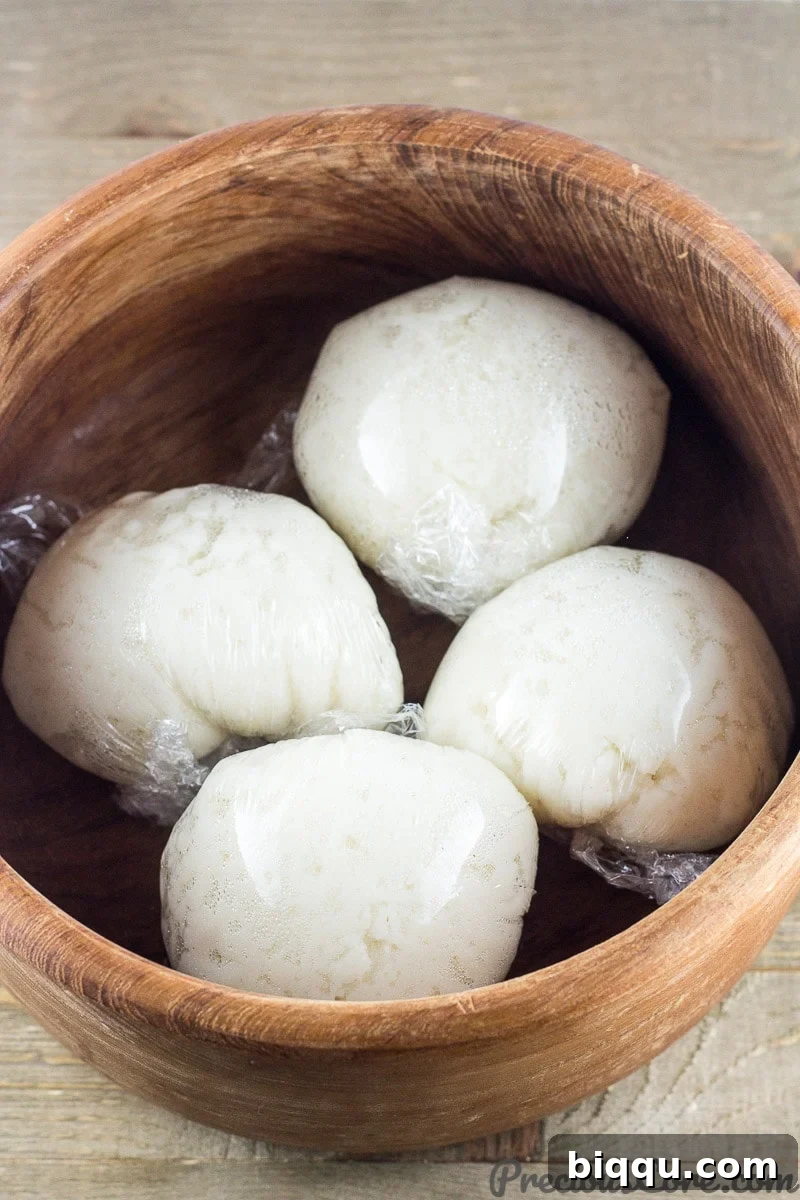
Wrapping fufu corn not only helps in portion control but also keeps it warm and gives it a traditional presentation. Here’s how to do it:
- Prepare Your Wrap: Cut a piece of plastic wrap about the length from your wrist to your forearm. This size is ideal for creating individual portions.
- Portioning: Drape the plastic wrap over a small, deep bowl. Using a spoon, scoop a generous portion of the hot fufu corn onto the center of the wrap.
- Wrapping Technique: Gather all the sides of the plastic wrap, pulling them upwards to fully enclose the fufu. Then, twist the gathered ends tightly to seal and shape the fufu into a compact, rounded ball. This creates neat, individual servings. For a visual guide, please refer to the video provided earlier.
- Alternative Serving: If you prefer a more traditional touch, you can wrap your fufu corn in warm banana leaves. The leaves impart a subtle aroma and are a beautiful, eco-friendly option. Alternatively, you can simply scoop the entire batch of fufu into a large, attractive serving bowl and serve it family-style from there.
Notes for Success
- Corn Flour Alternative: If authentic corn flour is difficult to find in your region, especially outside of West Africa, semolina makes an excellent substitute. The cooking process remains identical, yielding a similarly satisfying result.
- Visual Learning: For the best understanding of the technique, particularly the continuous stirring and wrapping steps, I strongly recommend watching the accompanying video. It offers invaluable visual cues that written instructions alone might miss.
Nutrition Information (Per Serving)
Understanding the nutritional value of your meal is always helpful. For one serving of fufu corn:
- Calories: 212 kcal
- Carbohydrates: 44g
- Protein: 5g
- Fat: 2g
- Saturated Fat: 0.3g
- Polyunsaturated Fat: 1g
- Monounsaturated Fat: 1g
- Sodium: 15mg
- Potassium: 153mg
- Fiber: 4g
- Sugar: 1g
- Vitamin A: 3 IU
- Calcium: 86mg
- Iron: 1mg
Additional Information
- Course: Main Course, Side Dish
- Cuisine: Cameroonian, West African
- Keywords: Fufu, Fufu Corn, Corn Fufu, West African Food, Cameroonian Recipe
Frequently Asked Questions about Fufu Corn
1. Can I use regular cornmeal instead of corn flour?
While corn flour is finely milled, giving fufu corn its characteristic smooth texture, you might be able to use very finely ground cornmeal. However, using coarser cornmeal could result in a grainier texture, similar to polenta, which is not the traditional fufu consistency. Look for “masa harina” or finely ground white corn flour for the best results, or opt for semolina as suggested.
2. How can I avoid lumps in my fufu?
Lumps are the nemesis of smooth fufu! The key strategies are: 1) creating a smooth, liquid paste with a portion of the flour and water before adding it to the boiling water, and 2) continuous, vigorous stirring, especially when incorporating the dry flour. Don’t be afraid to put some muscle into it!
3. What are the best soups to serve with fufu corn?
Fufu corn is incredibly versatile. It pairs wonderfully with a wide range of West African soups and stews. Popular choices include okra soup (such as this simple okra soup), egusi soup, bitter leaf soup, groundnut soup, or any rich, savory vegetable or meat stew. The plain flavor of fufu corn makes it a perfect vehicle for these flavorful dishes.
4. How do I store leftover fufu corn?
Leftover fufu corn can be stored in an airtight container in the refrigerator for up to 3-4 days. It will firm up considerably when cold. To reheat, you can place it in a microwave with a splash of water, covered, until heated through and softened, or steam it gently in a pot on the stovetop. It will become soft and pliable again.
5. Is fufu corn gluten-free?
Yes, corn flour is naturally gluten-free, making fufu corn a suitable option for those with gluten sensitivities or celiac disease. However, always double-check the label of your corn flour to ensure it hasn’t been processed in facilities that also handle gluten-containing grains, if cross-contamination is a concern.
Conclusion: Embrace the Fufu Experience
Making fufu corn is an experience that connects you directly to the heart of West African culinary traditions. It requires a little effort and practice, but the reward of a perfectly smooth, warm, and delicious fufu to complement your favorite soups is truly fulfilling. This recipe, rooted in Cameroonian tradition, provides a clear path to achieving that authentic taste and texture.
So gather your ingredients, prepare for a rewarding kitchen workout, and get ready to savor a dish that brings comfort and cultural richness to any table. Whether you serve it traditionally wrapped or family-style, fufu corn is sure to become a cherished addition to your recipe repertoire. Enjoy the process, and most importantly, enjoy your homemade fufu corn!
Pin this recipe: