
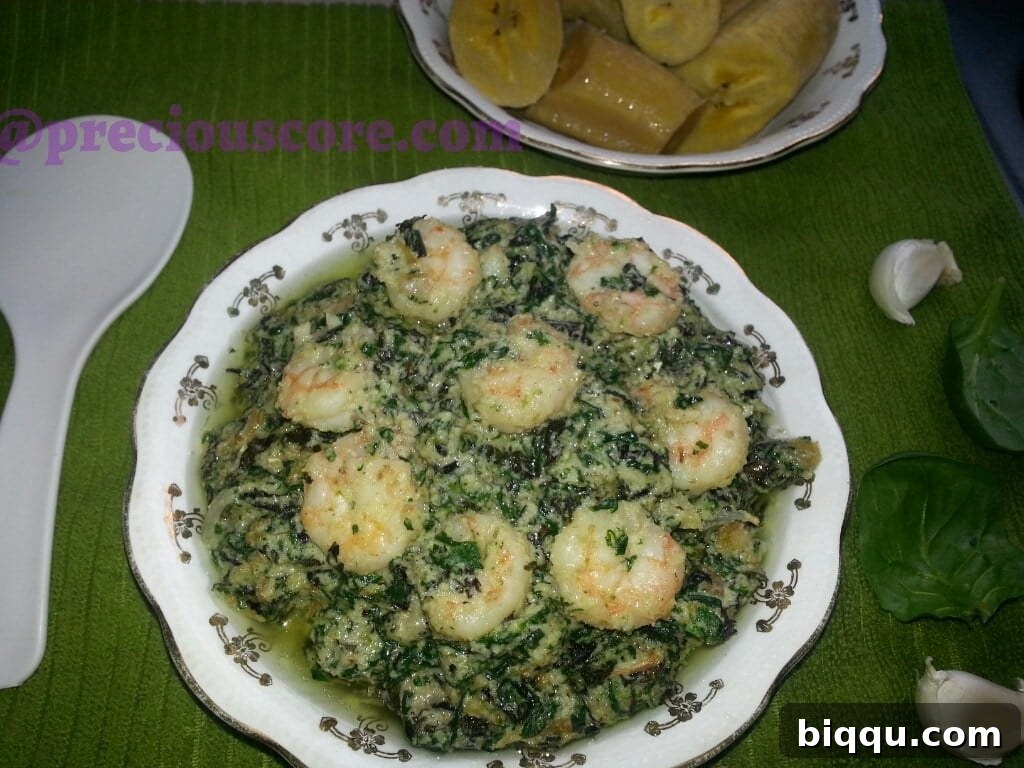
Discover the Ultimate Cameroonian Ndole Recipe: A Culinary Gem
Ndole, a name that evokes joy and culinary delight, stands as a crowning jewel of Cameroonian cuisine. Originating from the vibrant Littoral region, this iconic dish is a masterful blend of rich, earthy bitterleaf (a leafy green vegetable) and creamy groundnuts (peanuts), expertly combined with various proteins. More than just a meal, Ndole is a celebration of flavors, a testament to the country’s diverse gastronomic heritage, and a dish that truly embodies the heart of Cameroonian hospitality. Its unique profile, characterized by a subtle bitterness beautifully balanced with the nutty sweetness of peanuts, makes it an unforgettable experience for anyone who tastes it.
What is Ndole? The Perfect Fusion of Bitterleaf and Groundnuts
At its heart, Ndole is a flavorful stew renowned for its two primary ingredients: bitterleaf and groundnuts. The bitterleaf, known locally as “ndole,” gives the dish its name and distinctive character. While its bitterness might sound intimidating, proper preparation involves blanching and rinsing to mellow its intensity, leaving behind a delightful, complex earthy flavor. This is exquisitely complemented by groundnuts, which are cooked and blended into a smooth, creamy paste, providing the dish with its rich texture and a naturally sweet, nutty depth. This harmonious combination is what elevates Ndole from a simple dish to a culinary masterpiece.
Cultural Significance and Appeal: A Staple for Celebrations
Ndole isn’t just a weekday meal; it’s often the star of the show at Cameroonian gatherings, celebrations, and festive occasions. Its sophisticated taste and hearty nature make it a definite crowd-pleaser, eagerly anticipated by guests. From weddings to family reunions, the presence of Ndole on the table signifies joy and abundance. If you’ve never had the pleasure of tasting or preparing this remarkable dish, be warned: it’s often “love at first cook.” Its enchanting aroma and unparalleled flavor profile are truly captivating, promising a gastronomic adventure that you’ll want to revisit time and again.
Crafting Your Ndole: Protein Choices and Flavorful Adaptations
While the bitterleaf and groundnuts form the soul of Ndole, the choice of protein adds another layer of complexity and flavor, making each preparation unique. Traditionally, Ndole is often made with beef or beef feet, which contribute a rich, savory depth to the stew. However, the beauty of Ndole lies in its versatility. On this occasion, I found myself with stock fish at hand and decided to embrace creativity rather than making a special trip to the store. As the saying goes, “use what you have to get what you want.” To enhance this version, I introduced shrimps, transforming it into an absolutely amazing seafood rendition of the classic meal. The combination of succulent shrimp and the tender flakiness of stock fish with the creamy groundnut and bitterleaf base created a symphony of ocean and earth flavors.
For those who may not be ardent fans of seafood, fear not! Ndole is incredibly adaptable. You can easily revert to using any regular meat—chicken, goat, or even smoked turkey—and the results will be just as delicious and satisfying. The essence of Ndole remains consistent across protein choices, delivering a comforting and deeply flavorful experience. This flexibility ensures that everyone can enjoy a personalized version of this beloved Cameroonian staple.
Authentic Ndole Recipe
Preparation and Cook Times:
- Prep time: 30 minutes
- Cook time: 30 minutes
- Total time: 1 hour
- Serves: 4-6
Essential Ingredients:
- 2 cups of peeled groundnuts (also known as peanuts)
- 3 cups of bitterleaf and/or spinach (fresh or dried bitterleaf, or a combination)
- ½ teaspoon of baking SODA (for blanching vegetables, optional)
- ¼ cup crayfish – coarsely blended
- 2 pounds of boiled protein: beef, beef feet, smoked fish, stock fish, or shrimps
- 5 cloves of garlic
- 1 inch of fresh ginger
- 1 Maggi Crevette (crayfish seasoning cube)
- 2 regular seasoning cubes (Maggi or Knorr)
- 1 large onion
- 1 cup of vegetable oil
- 1 habanero pepper (optional, for a spicy kick)
Step-by-Step Guide to Crafting Authentic Ndole
Embark on a culinary journey to prepare this exquisite Cameroonian Ndole. Follow these detailed steps to ensure a perfect dish that tantalizes your taste buds.
1. Prepare Your Greens
If you’re using dried bitterleaves, begin by soaking them in water for at least 30 minutes, or longer if they are very dry, to rehydrate. This step is crucial for softening the leaves and making them easier to cook. If you opt for fresh bitterleaf, you can skip this initial soaking stage. In this recipe, a blend of dried bitterleaves and fresh spinach was used. The spinach adds a lovely freshness and helps to temper the inherent bitterness of the bitterleaf, creating a well-rounded flavor profile.
2. Boil the Groundnuts (Peanuts)
Place your peeled groundnuts in a pot. Add just enough water to cover them slightly. The goal is to cook them until tender without having to discard excess water, as this nutrient-rich liquid will be used later during the blending process. Boil until they are soft and easily mashable. Using pre-peeled groundnuts saves significant preparation time.
Once cooked, the groundnuts should be soft with very little water remaining in the pot. This remaining liquid is perfect for achieving the right consistency when blending.
3. Marinate and Prepare Proteins
If you’re using shrimps, season them lightly with a pinch of salt and a dash of white pepper (if desired). Set them aside to marinate while you continue with other preparations. This allows the flavors to meld beautifully before cooking.
4. Chop Your Spinach
Wash and roughly chop your fresh spinach. This prepares it for blanching and ensures it integrates well with the bitterleaf.
5. Blanch the Vegetables
Bring a pot of water to a rolling boil. Add a pinch of salt and the baking soda. Baking soda, like local “Akangwa” or “Kangwa” (limestone), helps the vegetables retain their vibrant green color and can aid in softening them. However, it’s worth noting that some studies suggest baking soda might reduce certain nutrients in vegetables; if this is a concern, you may omit it. Once the water boils vigorously, add the soaked bitterleaf and stir. The baking soda will cause the water to foam slightly.
Use the tip of your finger to test the bitterleaf for desired softness. It should be tender but still have a slight bite.
Once the bitterleaf reaches the desired tenderness, add the chopped spinach and immediately turn off the stove. Let the spinach sit in the hot water for no more than two minutes. Overcooking the spinach will make it too soft and compromise its texture. Observe the beautiful color contrast between the deep green bitterleaf and the brighter spinach—a visual treat!
Drain the blanched vegetables into a strainer and immediately rinse them thoroughly with cold running water. This “shocks” the vegetables, stopping the cooking process and preserving their vibrant color and texture. After rinsing, gently squeeze out any excess water using both hands and set the mixed greens aside in a bowl. Note: a generous amount of vegetables contributes to the richness of the final dish.
6. Blend the Groundnuts with Aromatics
Peel the garlic and ginger, and chop half of your large onion. Combine these aromatics in a blender along with the boiled groundnuts and the optional habanero pepper. To achieve the best consistency, it’s often effective to blend the groundnuts in small batches, especially if using a smaller blender compartment. Add a little of the groundnut cooking water to aid blending if needed.
Blend until the mixture forms a paste that is slightly rough, not completely smooth like a puree. Think of the texture of ground egusi mixed with water – it should have a subtle graininess that adds character to the Ndole.
7. Combine Proteins and Groundnut Paste
Return to the pot containing your boiled meat and/or fish and its flavorful stock. If using stock fish (affectionately known as “Mukanjo” in Cameroon for its unique taste and texture), ensure it’s tender and its stock is rich. Bring this mixture to a gentle boil.
Carefully add the blended groundnut paste to the boiling protein and stock. Stir well to incorporate the paste evenly, ensuring no lumps remain. Continue to boil gently, allowing the flavors to meld and the sauce to thicken slightly. The rich aroma filling your kitchen at this stage is truly a blessing!
8. Introduce Crayfish and Vegetables
Stir in the coarsely blended crayfish. Crayfish is a cornerstone of West African flavor, imparting a distinctive umami depth that is essential to authentic Ndole.
Next, carefully add your blanched and squeezed bitterleaf and spinach mixture to the pot.
Give everything a thorough mix, ensuring the vegetables are evenly distributed throughout the creamy groundnut sauce. Allow the Ndole to simmer gently for about 5 minutes, letting all the flavors harmonize. Then, turn off the heat.
9. Season to Perfection
Now is the time to add the seasoning cubes. Introduce the Maggi Crevette, a crayfish seasoning cube that enhances the overall seafood flavor, along with your two regular seasoning cubes (Maggi or Knorr). Stir them in until dissolved. Taste the Ndole and adjust the seasoning as needed, adding more salt if necessary, to ensure a perfectly balanced flavor profile.
10. The Flavorful Finishing Touch: Sautéed Onions and Shrimps (Optional)
Remember the remaining half of your onion? Chop it finely. Heat the vegetable oil in a skillet and sauté the chopped onions until they are fragrant and translucent, releasing their sweet aroma. This step adds an incredible depth of flavor.
Add the marinated shrimps to the skillet with the sautéed onions. Cook them quickly, stirring constantly, until they turn a vibrant pink and are just cooked through. Be careful not to overcook them, as this can make them tough.
Once the shrimps are perfectly pink, gently fold this fragrant mixture of sautéed onions and shrimps into your pot of Ndole. This final addition introduces a burst of freshness and a complex aromatic layer that truly completes the dish.
Your incredible Ndole is now ready to be served! Prepare to be amazed by the depth of flavor and the satisfying richness.
Serving Suggestions and Perfect Pairings
Ndole is an incredibly versatile dish that pairs wonderfully with a variety of accompaniments. Traditionally, it is served with boiled plantains (ripe or unripe, depending on preference), boiled yams, or miondo (fermented cassava sticks). These starchy sides provide a perfect counterpoint to the rich, flavorful stew. However, its deliciousness doesn’t stop there; you can also enjoy Ndole with fluffy boiled rice or a comforting mound of garri (cassava flakes). Whichever you choose, the experience is truly satisfying.
On this particular occasion, I couldn’t resist pairing my Ndole with sweet, ripe plantains. The allure of the Ndole was so strong that my patience wore thin, and the plantains were devoured almost before they reached their perfect tenderness – a true testament to the irresistible power of Ndole!
Tips for the Best Ndole
- Healthier Version: For a lighter take on this classic, feel free to significantly reduce the amount of oil used or even omit it entirely. The rich flavors from the groundnuts, proteins, and aromatics will still shine through.
- Adjusting Bitterness: If you prefer a less bitter taste from the bitterleaf, you can repeat the blanching and rinsing process more times until you achieve your desired level of mildness.
- Don’t Overcook Spinach: Remember the two-minute rule for spinach during blanching. This prevents it from becoming overly soft and mushy, maintaining a pleasant texture in your Ndole.
- Taste and Adjust: Always taste your Ndole as you go, especially after adding seasonings. Adjust salt and seasoning cubes to your personal preference for a perfectly balanced dish.
Conclusion: A Taste of Cameroon Awaits
Ndole is more than just a recipe; it’s an invitation to experience the warmth and richness of Cameroonian culture through its food. With its unique blend of flavors, customizable protein options, and satisfying texture, it’s a dish that promises to delight your palate and leave a lasting impression. We sincerely hope you try this detailed recipe and bring the authentic taste of Ndole into your home. Your feedback is invaluable and truly appreciated, so please do share your cooking experiences with us!
Happy cooking!