
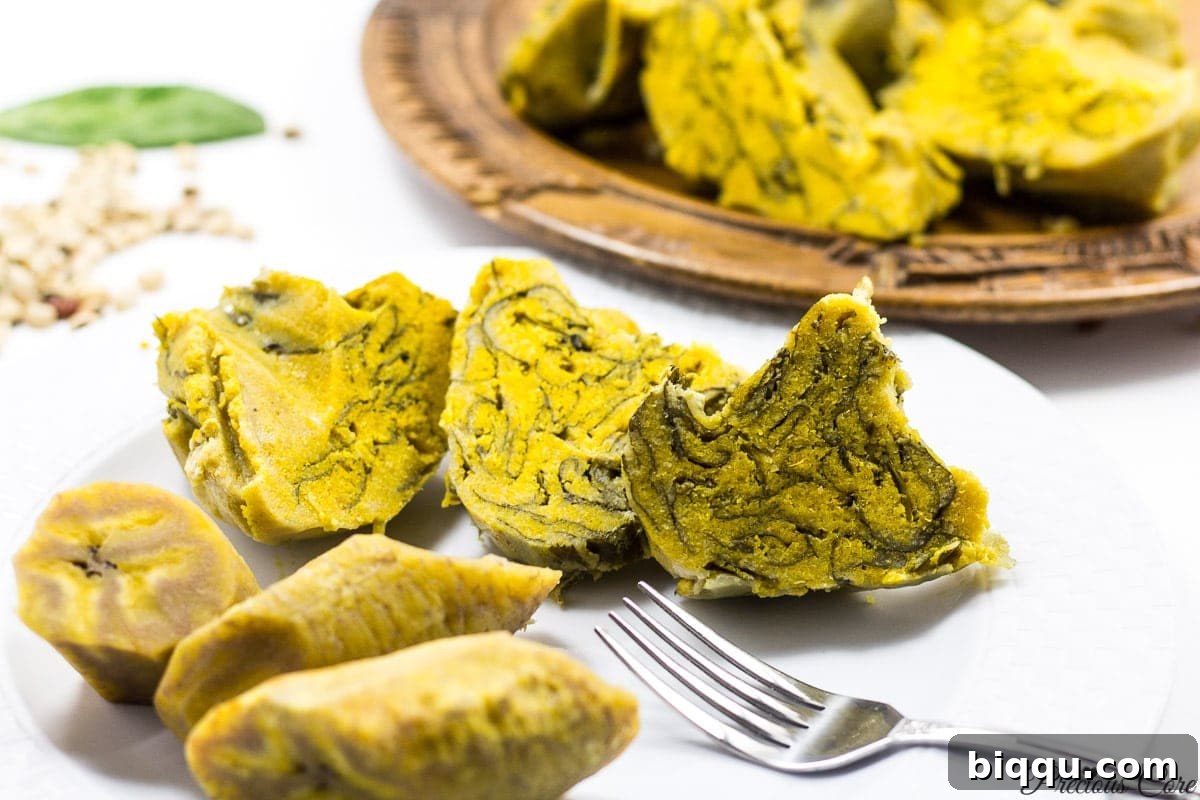
Authentic Koki Beans Recipe: A Culinary Gem from Cameroon
Ah, Koki Beans – a dish that instantly transports me back to the vibrant streets and bustling kitchens of Cameroon. This delectable pudding, meticulously crafted from black-eyed peas, isn’t just food; it’s a celebration of culture, a symphony of flavors, and a staple that evokes profound nostalgia. Its taste is truly extraordinary, a culinary masterpiece that never lasts long in my home. The moment a batch of Koki Beans is cooked, I find myself in a delightful pursuit, eager to savor every single bite until it has all found its happy resting place in my belly. This isn’t merely a meal; it’s an experience, a memory, and a testament to the rich culinary heritage of Cameroon.
The Global Appeal of Black-Eyed Peas: Koki’s Cousins Around the World
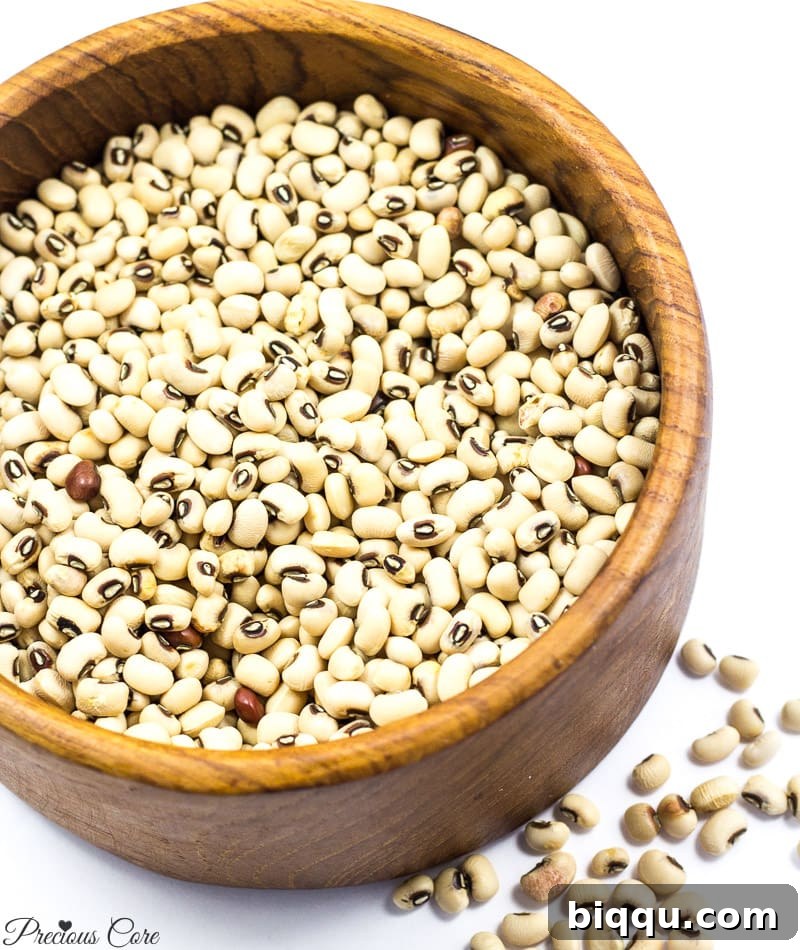
Imagine my sheer delight when I realized the universal presence of black-eyed peas, the star ingredient of Koki Beans! While it is affectionately known as Koki Beans in Cameroon, these versatile legumes are celebrated under different names across the globe. In the United States, they are simply called black-eyed peas. Across the border in Nigeria, a strikingly similar and equally beloved dish is known as Moin Moin. This culinary kinship highlights the shared gastronomic traditions across West Africa and beyond, where black-eyed peas form the foundation of countless hearty and flavorful dishes. It’s fascinating to discover how a single ingredient can inspire such diverse yet equally cherished creations, each bearing the unique stamp of its cultural origin.
In Cameroon, black-eyed peas are primarily transformed into two iconic dishes: the beloved Koki Beans or the crispy Accra Beans fritters. Unlike many other cuisines that might use them in stews or soups, Cameroonians have a unique preference for grinding these beans, “hiding” their earthy goodness within the comforting embrace of fritters and puddings. This method not only enhances their flavor but also creates textures that are truly unparalleled. When meticulously prepared into the exquisite pudding known as Koki Beans, it’s a dish I would gladly go to great lengths for. Its Nigerian counterpart, Moin Moin, shares a similar preparation and enjoys immense popularity, proving that both dishes, though distinct in nuance, are equally delicious. I often refer to them affectionately as “African cakes,” given their cake-like texture and celebratory appeal.
The Irresistible Flavor and Texture Profile of Koki Beans
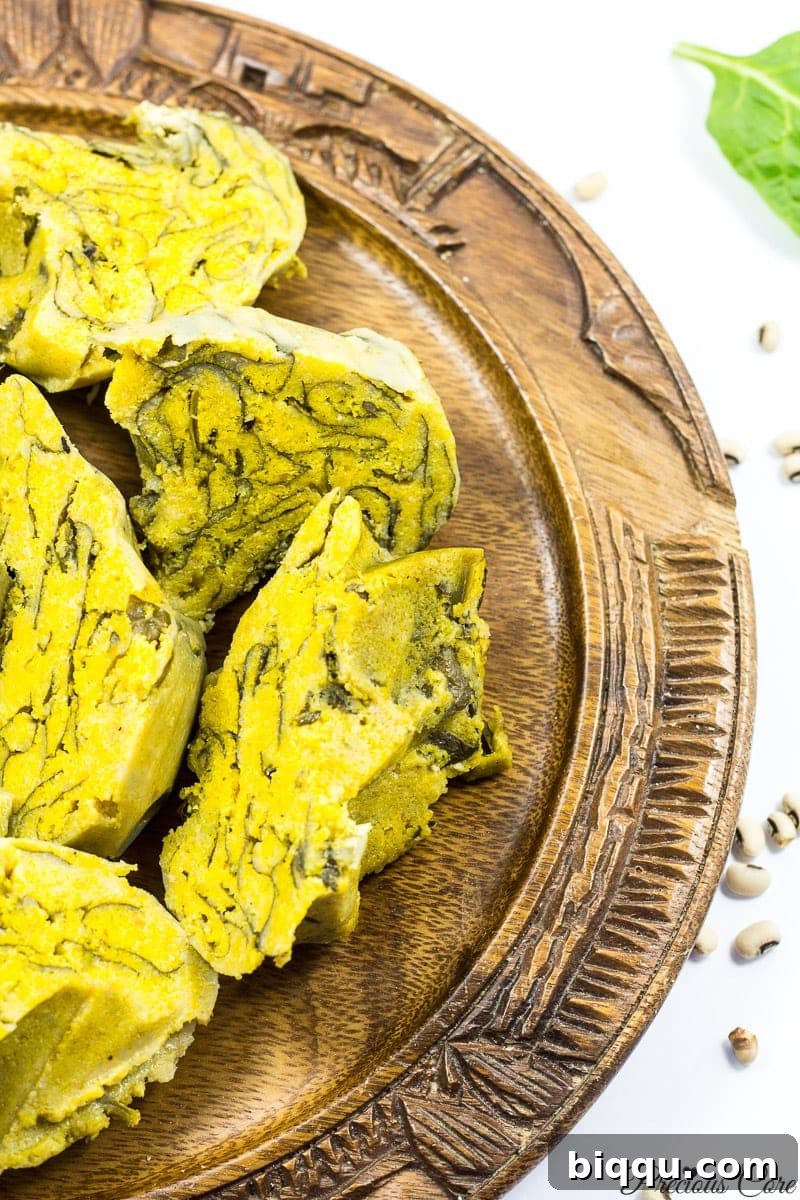
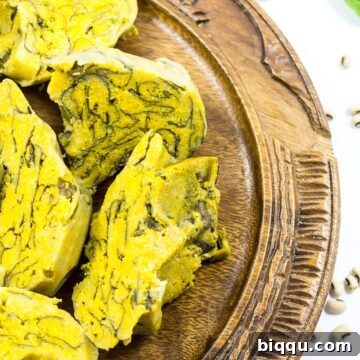
So, what exactly does Koki Beans taste like? Thank you for asking! Prepare your palate for an unforgettable experience. Koki is exquisitely savory, boasting a delightful earthiness from the black-eyed peas. It carries a subtle yet invigorating spiciness, courtesy of the chili peppers, which adds a gentle warmth without overpowering the other flavors. Beyond its taste, the texture is a key highlight: it’s wonderfully moist, a characteristic achieved through careful blending and the incorporation of palm oil. This moisture contributes to its uniquely spongy consistency, making every bite a soft, yielding delight. The combination of these elements creates a harmonious balance that is both comforting and exciting, leaving a lasting impression on anyone who tries it.
The texture of Koki Beans is particularly important in Cameroonian cuisine. The spongy quality is not accidental; it’s the result of precise whisking techniques that incorporate air into the bean paste, similar to how one might create a light and airy cake batter. This aeration prevents the pudding from becoming dense, ensuring a delicate and melt-in-your-mouth experience. The moistness, meanwhile, prevents it from being dry, ensuring that each spoonful is rich and succulent. These carefully controlled elements come together to make Koki Beans not just a dish, but a culinary marvel that appeals to all the senses, a true representation of the artistry involved in traditional African cooking.
Mastering the Art of Koki Beans: A Step-by-Step Culinary Journey
Preparing Koki Beans might appear to be a time-consuming endeavor, but I assure you, every single bite of this rich, flavorful pudding is absolutely worth the effort. The most substantial part of the work lies in the meticulous preparation of the black-eyed peas themselves, which involves peeling and thoroughly rinsing the beans to separate them from their tough outer skins. This step is crucial for achieving the smooth, light texture characteristic of authentic Koki Beans. To help you visualize and master this initial process, I’ve prepared a comprehensive video guide.
Step 1: The Essential Bean Preparation – Peeling for Perfection
My method for peeling the beans begins with soaking them in water for a brief period, typically around 5 to 10 minutes. This short soak helps to soften the skins without making the beans overly mushy. Next, I transfer the soaked beans to a blender and pulse them for just a few seconds. The goal here isn’t to grind them into a paste yet, but rather to gently agitate them enough to loosen and remove their outer skins. This pulsing technique is incredibly efficient and significantly cuts down on manual labor, making the peeling process much more manageable.
Once the skins have been loosened, I transfer the beans to a large bowl and pour water over them, ensuring the water level is well above the beans. The freed skins, being lighter, will naturally float to the surface. I then carefully drain these floating skins using a colander. This process is repeated multiple times, adding fresh water and draining the skins, until the black-eyed peas are completely free of their outer coverings and appear perfectly clean. This thorough peeling is vital for achieving the desired smooth, creamy texture of the Koki paste. For a detailed visual demonstration of this technique, be sure to watch this video.
Step 2: Achieving the Perfect Batter – Blending and Whisking
With the beans perfectly peeled and rinsed, the next crucial step is transforming them into the foundational paste for Koki. I achieve this using a high-quality blender, crushing the beans into a slightly grainy, yet smooth, paste. The consistency is key here – it shouldn’t be too coarse, but also not entirely liquid. This finely ground paste forms the heart of our Koki Beans. A good blender is indispensable for this task, ensuring a consistent texture that is essential for the pudding’s final form.
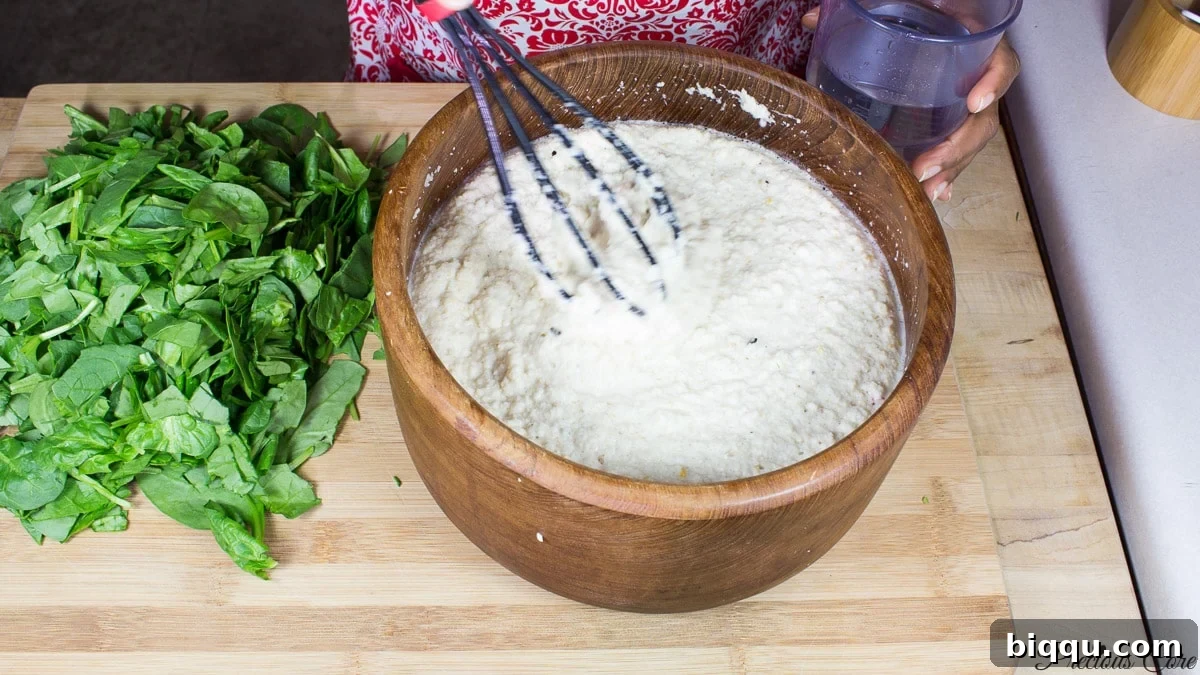
Once the beans are blended into a paste, the magic of aeration begins. I transfer the bean paste to a large bowl and vigorously whisk it, much like beating egg whites, for a considerable amount of time. This intense whisking is critical because it traps air within the paste, giving the Koki its signature spongy and light texture, reminiscent of the traditional Koki prepared by “Mami Koki.” “Mami Koki” is a revered term in Cameroon, a generic and affectionate name for any woman who expertly sells Koki Beans, embodying generations of culinary wisdom. Their Koki is legendary for its lightness, and this whisking technique is our secret to replicating that beloved quality. Their dedication to this craft and the deliciousness they bring to communities are truly admirable.
Step 3: Flavor Infusion – Adding the Staples
After the bean paste reaches its ideal consistency, it’s time to infuse it with the core flavors that define Koki. I carefully incorporate all the other ingredients, starting with palm oil, salt, fresh spinach (which serves as a wonderful, accessible substitute for the traditional cocoyam leaves), and a measured amount of water to achieve the perfect batter thickness. This is truly a low-maintenance meal in terms of ingredients, requiring only a few simple yet impactful components.
Some individuals prefer to add seasoning cubes, such as Maggi, but honestly, they are not at all necessary for an authentic Koki experience. The natural flavors of the black-eyed peas, vibrant palm oil, and fresh spinach, complemented by the perfect level of salt and the subtle kick from the chili peppers, create a taste profile that is rich, balanced, and deeply satisfying on its own. Koki, in its purest form, relies on these foundational ingredients to deliver a taste that is traditionally perfect.
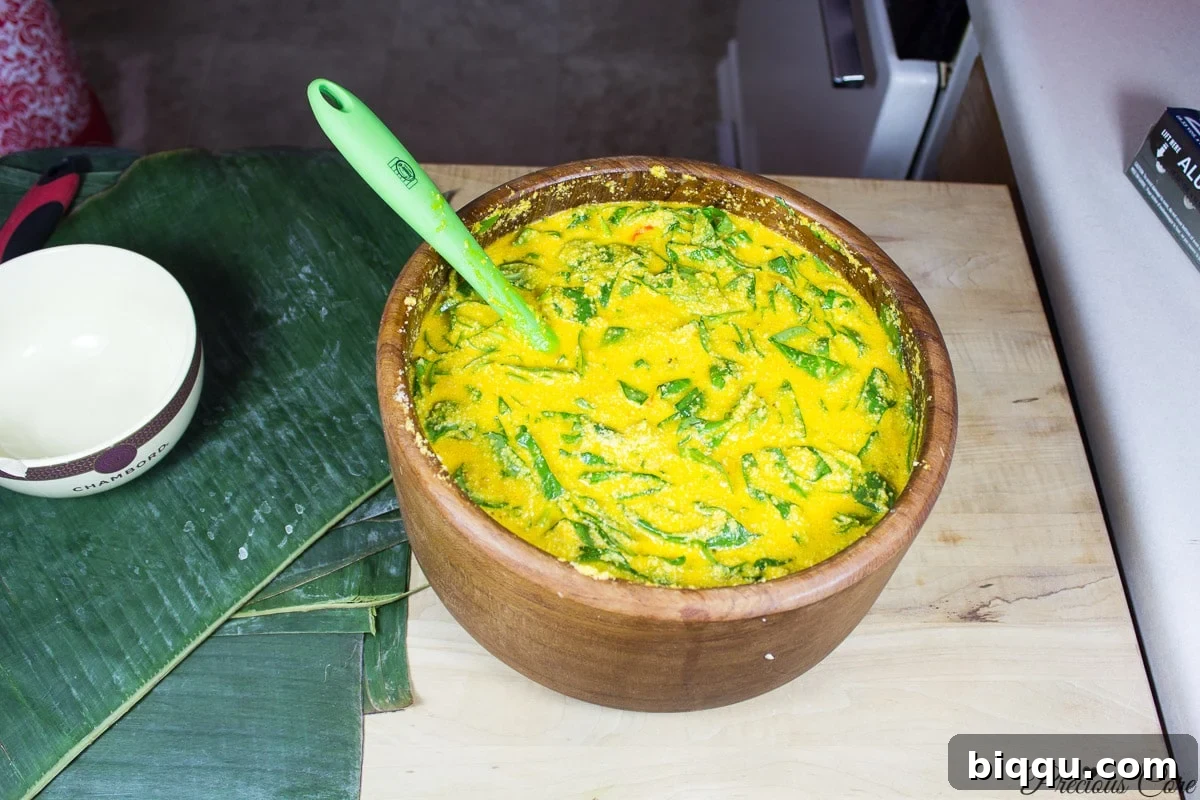
Step 4: The Traditional Wrap – Banana Leaves vs. Foil
Now comes the art of wrapping, a step that imparts unique flavor and moisture to the Koki. Traditionally, Koki Beans are steamed in warmed plantain or banana leaves. These leaves not only lend a delicate, earthy aroma to the pudding but also help to keep it incredibly moist during the steaming process. If you can source banana leaves, I highly recommend using them for an authentic taste. Simply warm them gently over a flame or immerse them in hot water to make them pliable and prevent tearing. Wash them thoroughly and cut them into manageable rectangles for wrapping.
However, if banana leaves are not readily available, fear not! Aluminum foil works as an excellent substitute. I often use a combination of both banana leaves and foil paper, wrapping the banana leaf bundle in foil for extra security and heat retention. If using only foil, opt for the non-stick variety to prevent any sticking. Each wrap creates a neat, individual portion, making Koki an ideal single-serving meal or snack. The joy of unwrapping a fresh, warm bundle is part of the experience.
Look at that little cute bundle!
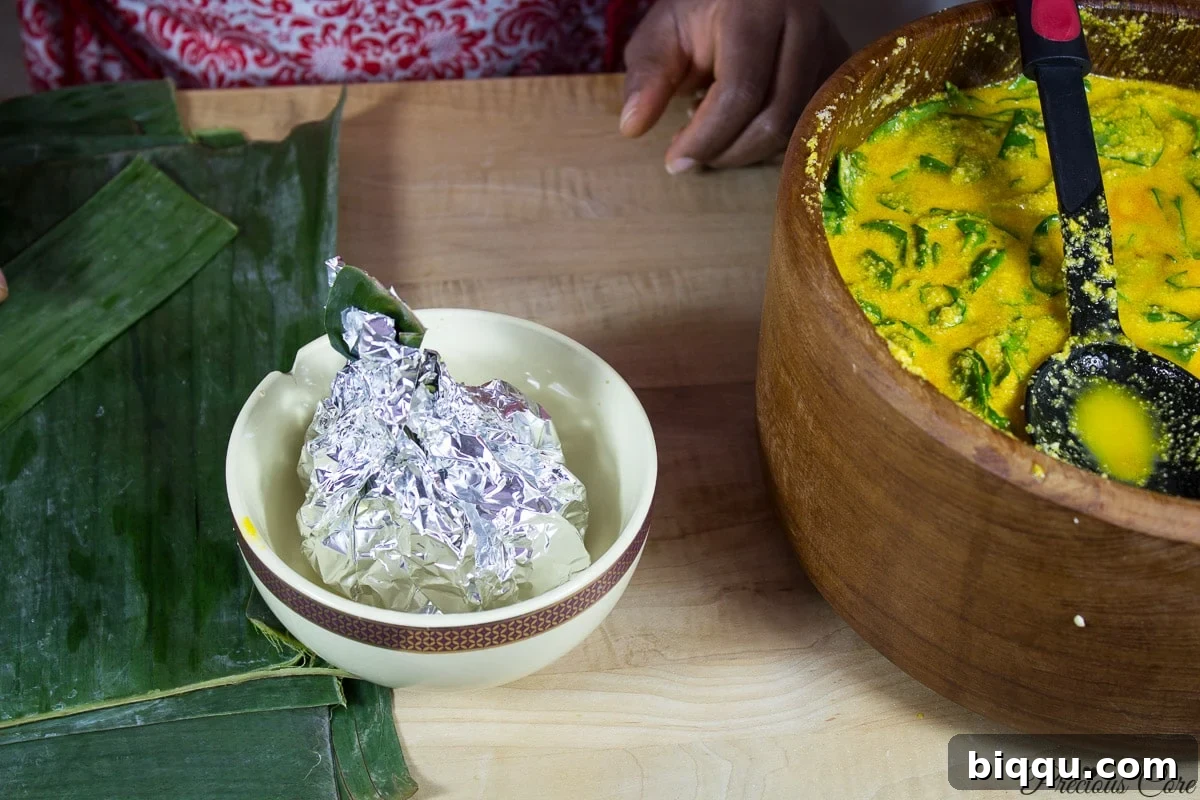
Step 5: Steaming to Perfection
With the Koki paste beautifully wrapped, it’s time for the final cooking stage: steaming. Arrange the bundles carefully in a large pot. To prevent sticking and maintain a humid environment, I recommend lining the bottom of the pot with extra foil paper or banana leaves, and even placing some on top of the bundles. Pour in about two cups of hot water, ensuring it doesn’t submerge the bundles entirely. Cover the pot tightly to trap the steam effectively, then bring it to a boil.
After the initial 15 minutes of steaming, check the water level and add another 1-2 cups of hot water if needed. The Koki bundles need to steam for a significant period, typically between 1 ½ to 2 hours. This extended steaming time ensures that the pudding is thoroughly cooked, firm yet spongy, and fully infused with flavor. It’s crucial to monitor the water level periodically to prevent the pot from boiling dry and to ensure even cooking. The aroma that fills your kitchen during this process is absolutely priceless – a tantalizing promise of the deliciousness to come. Oh la la!
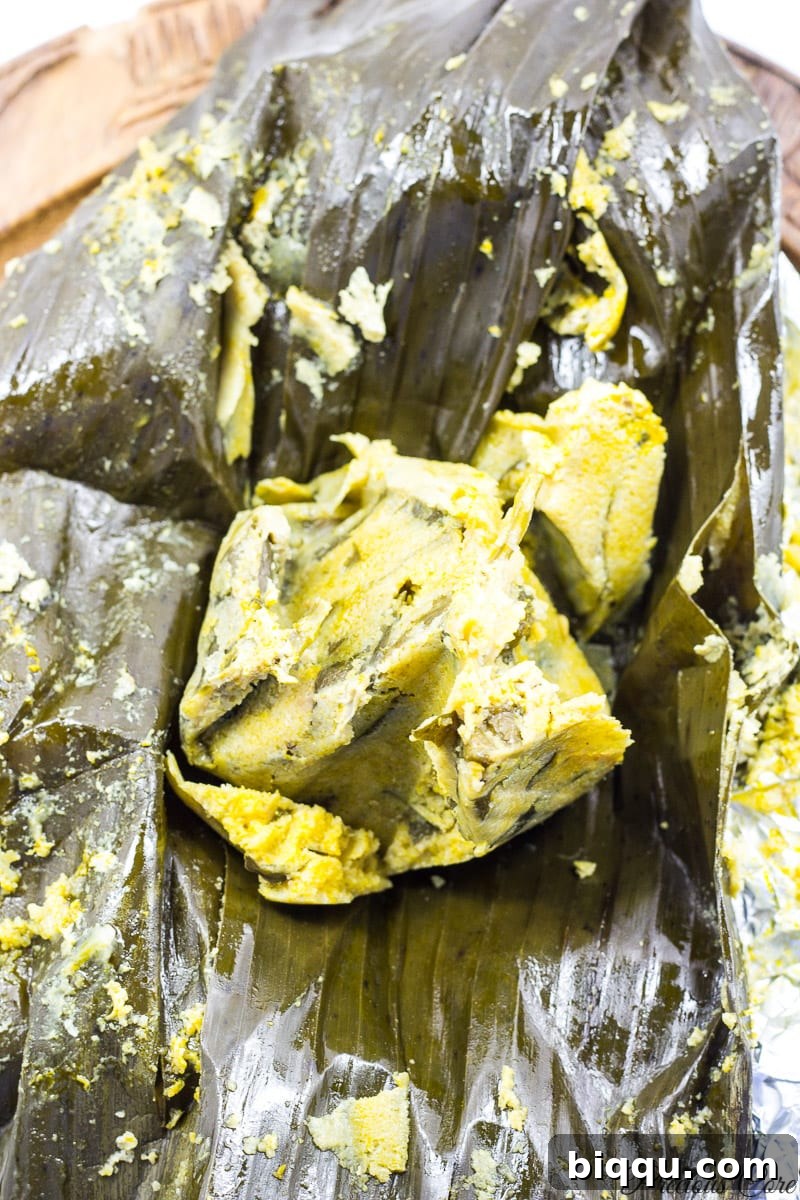
Serving Suggestions: The Perfect Accompaniment to Koki
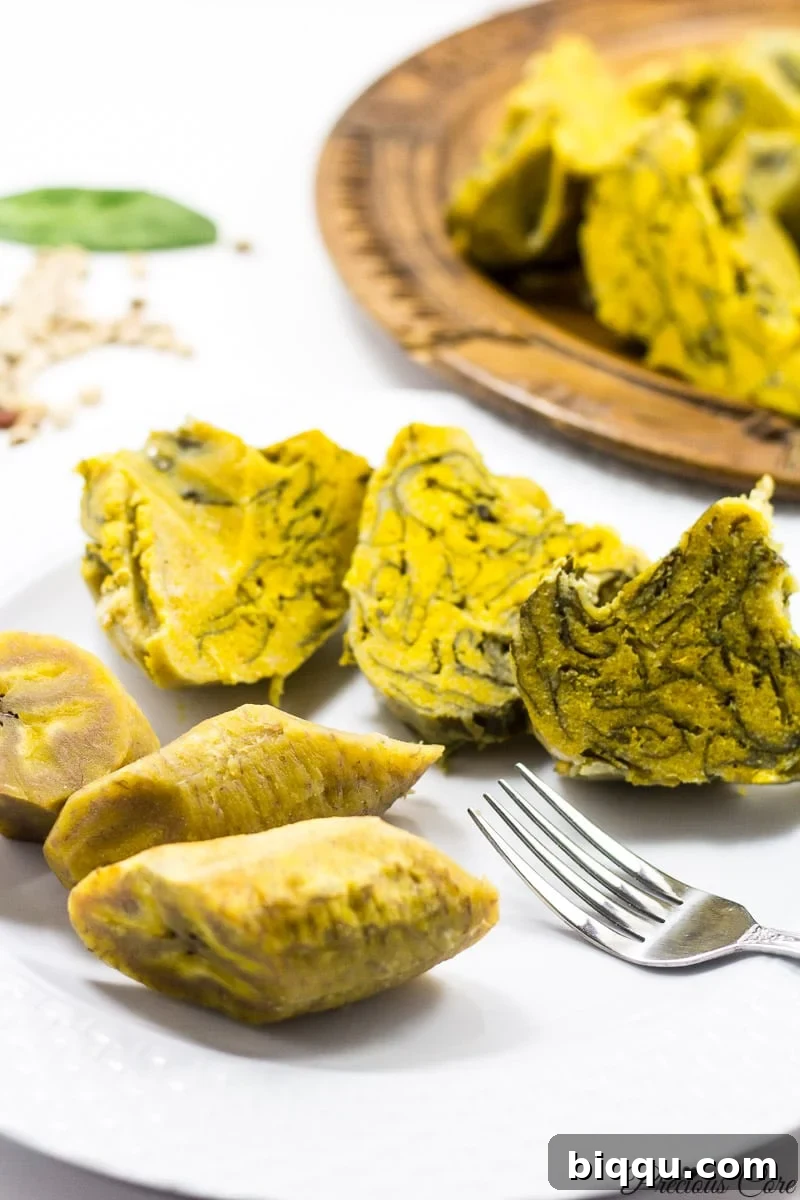
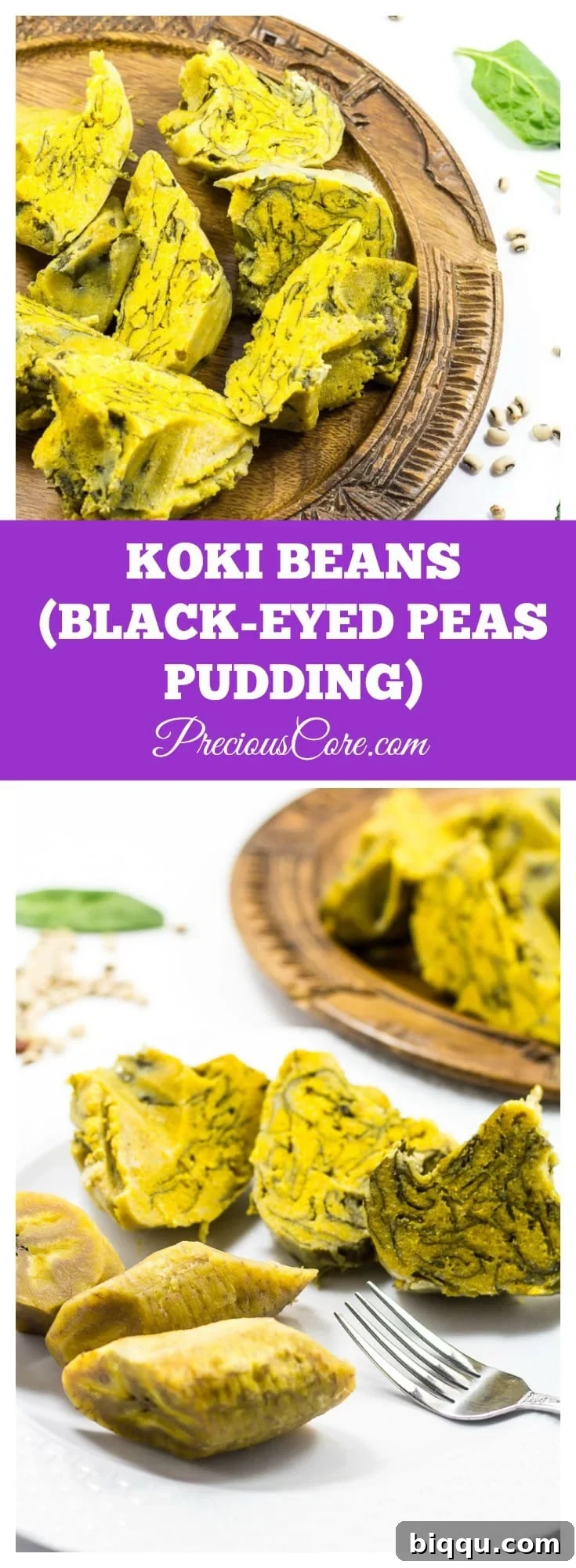
The moment has arrived! I absolutely adore unraveling a warm bundle of Koki Beans and enjoying it while it’s still piping hot. The fragrant steam that escapes when you open a freshly cooked parcel is an experience in itself – a sensory delight that prepares you for the rich flavors within. Koki is incredibly versatile, but for me, there’s one pairing that stands above all else: boiled ripe plantains. The sweet, soft plantains are the perfect counterpoint to the savory, spicy Koki, creating a harmonious balance that is, quite simply, a match made in heaven. Period.
Beyond boiled ripe plantains, Koki Beans can be enjoyed with a variety of other starchy sides. Consider serving it with boiled yams, cassava, or even plain white rice for a fulfilling meal. Some prefer it alongside a simple salad or a light sauce, allowing the robust flavors of the Koki to truly shine. Regardless of your choice, the key is to savor it warm, appreciating the soft texture and complex flavors that make this Cameroonian delicacy so unique. It’s a dish that embodies comfort, tradition, and pure culinary joy.
Another popular way to enjoy Koki Beans is as a standalone snack or a light breakfast, especially for those busy mornings when you need something hearty yet easily digestible. Its nutrient-rich profile makes it a wholesome option that provides sustained energy. The individual portions also make it convenient for meal prepping, allowing you to enjoy a taste of Cameroon throughout your week.
Watch the video to see me whipping up some dee-licious Koki Beans in my kitchen. For those who prefer a written guide, check out the detailed printable recipe below.
Koki Beans Recipe
1 hr
1 hr 30 mins
2 hrs 30 mins
12 bundles
Rate
Print Recipe
Ingredients
- 8 cups black eyed peas (koki beans) – peeled, soaked and rinsed
- 1 1/2 cups palm oil
- 1 bag spinach (8 oz/227 grams)
- 1 1/2 – 2 tablespoons salt
- 6 cups water
- 5 chili peppers (or other hot pepper to taste)
For wrapping
- 1 bag frozen banana leaves and/ or 1 roll aluminium foil (preferably non-stick)
Instructions
-
Put the soaked beans into a blender and blend together with 4 cups of water and all the pepper into a coarse paste. You need to blend your beans in batches. I blended mine twice so two cups of water went into each batch (To see how I wash and soak the beans before blending, please watch this video.)
-
Pour the ground beans into a large bowl.
-
Lightly warm the palm oil. Do not bleach it. Set aside.
-
Chop the spinach into large chunks. You can use as much or as little spinach as you need. Set aside.
-
Add salt into bean paste and mix, using an egg whisk so you can trap in air. This makes for a spongy texture.
-
Add oil into the bean paste while whisking continuously. Mix until the oil is well incorporated. At this point, taste to ensure that it is well salted. It should taste slightly more salty than it should be. When it cooks, the taste will balance up.
-
Now add your chopped spinach and gently fold into the mixture.
-
Prepare your banana leaves for wrapping by warming them over a flame or immersing them in hot water. Wash them thoroughly and cut into rectangles. If using just aluminum foil, no need to do this.
-
Wrap the koki by placing foil paper cut into a rectangle in a small deep bowl. The part right above the bowl should be lightly pressed to fill the bowl. Add on banana leaf cut into a rectangle or another foil paper. Pour in one cup of the bean mixture. Then wrap by bringing together all the edges of the inner foil paper or banana leaf then equally bringing together the edges of the outer foil paper to form a bundle.
-
Place the bundle into a pot lined with foil paper or banana leaves. Pour in two cups of hot water, cover all the wraps with more foil paper then bring to a boil. After about 15 minutes, add in about 1-2 cups of water. Let it cook for 1 1/2 to 2 hours. Be sure to check from time to time so it doesn’t burn.
-
Unravel a bundle and serve warm with boiled ripe plantains or any starchy side of choice. Enjoy!
Notes
For a smaller quantity of koki beans, halve the recipe if you so wish.
Optional ingredients you could add in are Maggi (seasoning cubes) and onions. But those are not necessary. Koki is traditionally made without them. It tastes perfect without them.
Nutrition
Calories: 623kcal | Carbohydrates: 69g | Protein: 27g | Fat: 28g | Saturated Fat: 14g | Polyunsaturated Fat: 3g | Monounsaturated Fat: 10g | Sodium: 2140mg | Potassium: 1371mg | Fiber: 13g | Sugar: 8g | Vitamin A: 2275IU | Vitamin C: 11mg | Calcium: 151mg | Iron: 10mg
Additional Info
Main Course
Cameroonian
623
Tried this recipe? Mention @preciouscore or tag #PreciousCore!
*Recipe updated after first posted on March 31, 2016.