
The Ultimate West African Bean Stew: A Taste of Cameroon and Nigeria
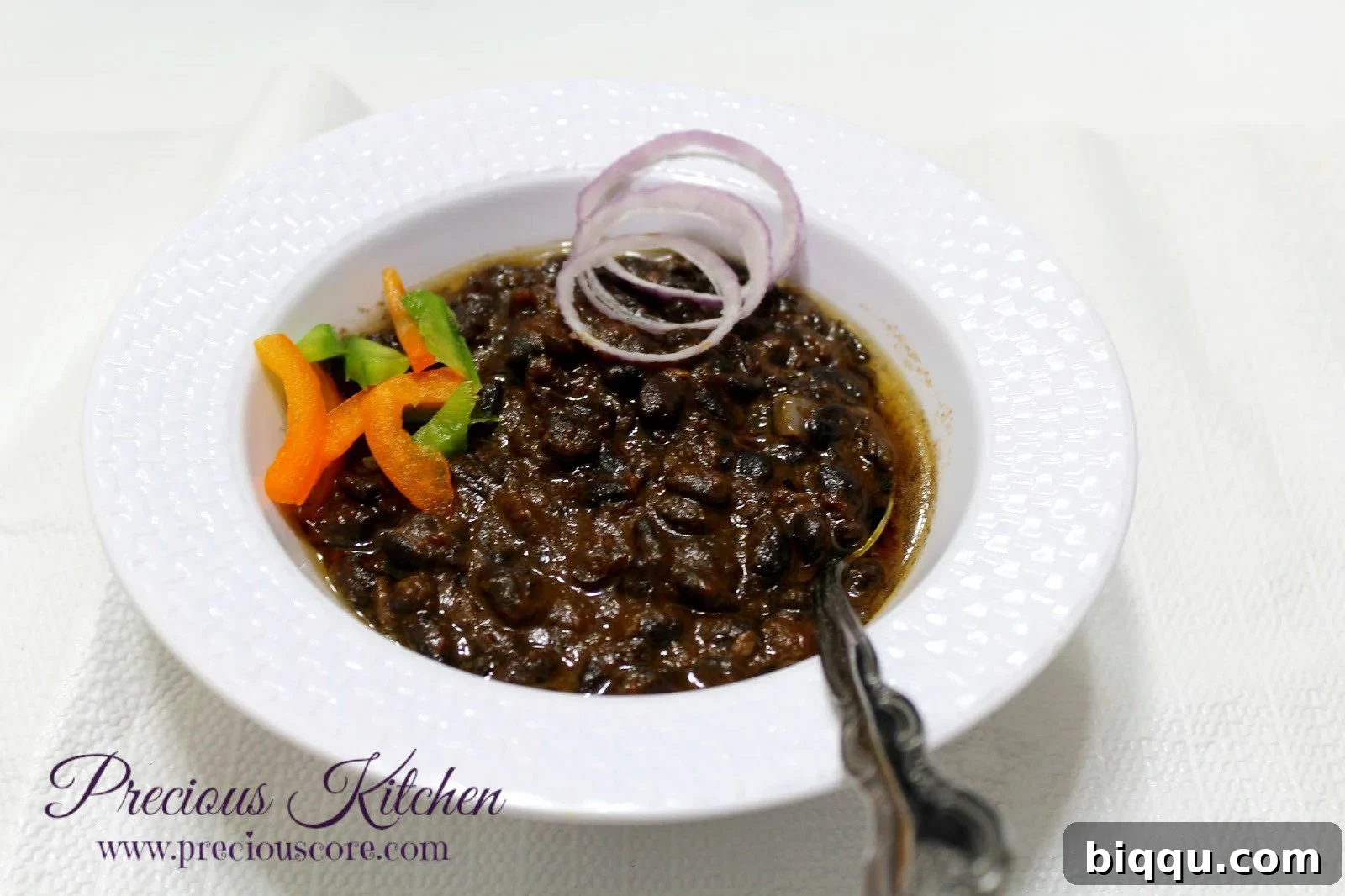
There’s something uniquely comforting about a hearty bowl of bean stew, especially one steeped in the vibrant culinary traditions of West Africa. For many, including myself during my boarding school days, beans were a daily fixture. Far from becoming monotonous, this daily encounter only deepened my appreciation for its versatility and wholesome goodness. And when prepared with the authentic blend of spices and rich tomato base, as I’m about to show you, it transforms into an utterly phenomenal dish that truly melts in your mouth.
This West African bean stew is an exquisite symphony of flavors, where tender beans are lovingly stewed in an exotic tomato sauce, brimming with the aromatic depth of ethnic spices and seasonings. It’s a dish that transcends mere sustenance, offering a taste experience that is both nourishing and profoundly satisfying. Its adaptability also means it pairs wonderfully with a wide array of accompaniments, making it a perfect meal for any occasion.
Why This West African Bean Stew is a Must-Try
Beans are a powerhouse of nutrition, packed with protein, fiber, and essential minerals, making them a staple in healthy diets worldwide. In West Africa, however, beans are more than just a nutritious ingredient; they are a cultural cornerstone, a symbol of hearty, communal meals that bring families together. This particular bean stew recipe elevates the humble bean to gourmet status, infusing it with layers of flavor that are distinctly Cameroonian and Nigerian.
What sets this recipe apart is its vibrant and savory sauce. Unlike simpler preparations, this stew incorporates a meticulously crafted tomato base, enhanced by key ingredients like ground crayfish, fresh ginger and garlic, and often, a hint of smoked fish. These elements combine to create a deeply satisfying umami flavor profile that is both complex and incredibly addictive. It’s a taste that speaks of tradition, warmth, and the rich culinary heritage of the region.
A Culinary Journey: The Heart of the Flavor
The secret to this stew’s irresistible allure lies in its carefully balanced flavors. The initial sautéing of onions lays a sweet and aromatic foundation. This is followed by the crucial step of frying the tomatoes until they are deeply caramelized, a process that removes any sourness and develops a profound richness. The addition of fresh ginger and garlic paste introduces a pungent warmth, while ground crayfish provides an unmistakable savory depth that is truly indigenous to West African cooking. For an extra layer of authentic flavor, smoked fish is often included, lending a smoky, oceanic note that elevates the entire dish.
Every ingredient plays a vital role in building a stew that is not just flavorful, but soul-satisfying. It’s this careful layering and blending of spices and fresh produce that transforms simple beans into a magnificent culinary experience.
Versatile Pairings: What to Serve with Your Bean Stew
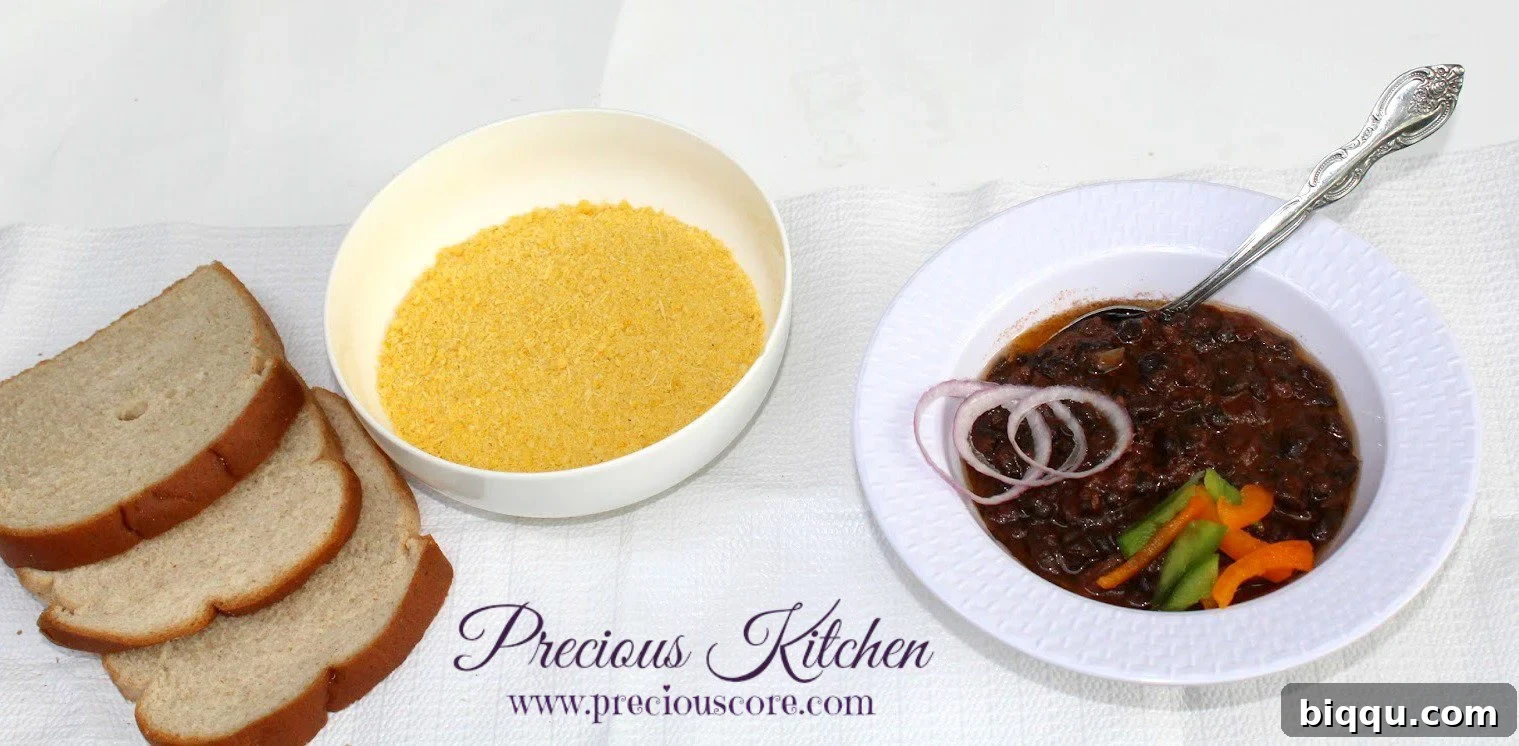
The beauty of this West African bean stew truly shines through its incredible versatility when it comes to serving. The “beanssibilities,” as one might say, are truly endless! Its rich, savory, and slightly spicy profile makes it an ideal companion for a wide range of starchy sides, allowing you to customize your meal according to your preference or what you have on hand. Here are some of the most popular and delightful pairings:
- Boiled Rice: A classic and comforting choice. The fluffy rice perfectly absorbs the rich stew, creating a harmonious and filling meal. It’s a go-to pairing that never disappoints.
- Boiled Plantains: The subtle sweetness and soft texture of boiled ripe or semi-ripe plantains offer a wonderful contrast to the savory and robust flavors of the stew. It’s a match made in culinary heaven.
- Deep-fried Ripe Plantains (Dodo): For those who love a bit of sweetness and crispiness, Dodo provides an irresistible counterpoint. The caramelized exterior and soft interior of fried plantains add another layer of texture and flavor that beautifully complements the stew.
- Boiled Yam, Cocoyam, or Cassava: These traditional root vegetables are common staples in West Africa. Their earthy flavors and substantial textures make them excellent partners for soaking up every drop of the delicious bean stew, providing a deeply satisfying and traditional meal.
- Fresh Bread: A simple yet incredibly satisfying option. Crusty bread is perfect for scooping up the luscious sauce, ensuring no drop of the flavorful stew goes to waste. It’s quick, easy, and utterly delicious.
- Garri: A traditional West African staple made from cassava, garri offers a unique texture and a slightly tangy taste. Eaten as ‘Eba’ (prepared with hot water) or simply sprinkled over the stew, it’s an authentic pairing that many adore.
- Other Accompaniments: Don’t limit yourself! This stew also pairs well with fufu, kenkey, or even a simple side salad for a lighter touch. Experiment to find your favorite combination!
Truly, the joy of this bean stew is not just in its taste, but in the myriad ways it can be enjoyed, adapting to various palates and preferences.
Authentic West African Bean Stew Recipe
Whether you’re a seasoned chef or a culinary enthusiast looking to explore new flavors, this recipe will guide you through creating a truly memorable West African bean stew. For those who prefer a visual guide, a detailed video tutorial is available further down. But for now, here’s the comprehensive written recipe to get you started on your culinary adventure:
Recipe Overview
- Prep Time: Approximately 15-20 minutes (including chopping, excluding bean boiling time if using dried beans)
- Cook Time: 30-40 minutes
- Total Time: 45-60 minutes
Ingredients
- 4 cups of pre-boiled black beans (or your preferred bean variety like kidney beans, pinto beans, or cannellini beans) – If starting with dried beans, soak them overnight and then boil until they are tender. Using pre-boiled or canned beans significantly cuts down on prep time.
- 1 medium-sized onion, finely diced – serves as the aromatic base.
- 1 and a half crayfish seasoning cubes (e.g., Maggi Crevette or similar bouillon cube) – essential for delivering that authentic West African umami and savory depth.
- 4 ripe tomatoes, blended or finely chopped (alternatively, 1 cup of quality tomato paste or sauce) – forms the rich, flavorful base of the stew.
- 2 tablespoons of freshly ground ginger and garlic paste – a powerful aromatic duo that adds warmth and complexity.
- A generous handful of smoked fish, flaked (optional but highly recommended for depth of flavor) – common types include smoked mackerel or herring, imparting a wonderful smoky, savory note.
- A quarter cup of ground crayfish – provides a distinctive, umami-rich seafood flavor that is characteristic of West African cuisine.
- 1 cup of high-quality vegetable oil – enough to properly fry the base and give the stew a luxurious mouthfeel.
- Salt to taste – season gradually to achieve perfect balance.
- 1 cup of water or rich chicken/vegetable stock/broth – for stew consistency and enhanced flavor. Broth adds significant depth.
- 1-2 habanero peppers, finely chopped or blended (optional, adjust to desired heat level) – for a fiery kick. Scotch bonnets or bird’s eye chilies can also be used.
Directions: Crafting Your Perfect Bean Stew
- Prepare the Aromatics: Pour the vegetable oil into a large, sturdy pot or Dutch oven over medium heat. Once the oil is shimmering and hot, add the finely diced onions. Sauté gently for 2-3 minutes, stirring occasionally, until they become translucent and fragrant. Avoid browning them too much.
- Develop the Tomato Base: Add the blended or finely chopped tomatoes (or tomato paste/sauce) to the pot. Stir well to combine with the onions. This step is crucial for developing a rich and deep flavor; continue frying, stirring frequently to prevent sticking, until the tomatoes have completely dehydrated, darkened slightly, and no longer taste raw or sour. You’ll notice the oil separating and rising to the surface, indicating the tomatoes are well-cooked. This process can take 10-15 minutes, depending on the moisture content of your tomatoes.
- Infuse with Spices: Stir in the freshly ground ginger and garlic paste along with the ground crayfish. Sauté for another minute, allowing these powerful aromatics to fully bloom and their fragrances to intensify. Be mindful not to burn the garlic. If you’re using smoked fish, add it now and stir to combine, allowing its flavors to integrate into the base.
- Season and Simmer: Crumble in the crayfish seasoning cubes. Pour in the water or rich chicken/vegetable broth. Stir everything together thoroughly, ensuring all ingredients are well-combined and the seasoning cube dissolves. Bring the mixture to a gentle simmer, allowing the flavors to begin melding.
- Introduce the Beans: Carefully add your pre-boiled beans to the simmering sauce. Give everything a good, gentle mix, ensuring the beans are fully coated in the rich, aromatic sauce. This helps them absorb all the wonderful flavors.
- Final Simmer and Seasoning: Reduce the heat to low, cover the pot, and let the bean stew simmer gently for at least 15-20 minutes. This extended simmering time is key for the flavors to meld and deepen beautifully, resulting in a cohesive and rich stew. Taste and adjust seasoning with salt, adding more if needed. If you desire a spicier stew, stir in the chopped habanero peppers during the last 5-10 minutes of simmering, or prepare a separate pepper sauce to serve on the side. If the stew becomes too thick for your preference, add a little more water or broth to reach the desired consistency.
- Serve and Enjoy: Once the flavors are perfectly balanced, the beans are tender, and they are coated in a luscious, thick sauce, your West African Bean Stew is ready to be savored!
Expert Tips for a Truly Exceptional Bean Stew
To ensure your West African bean stew is nothing short of perfect, consider these expert tips:
- Bean Preparation: If opting for dried beans, diligent soaking overnight followed by thorough boiling until very tender is paramount. This ensures a creamy texture and drastically cuts down on the final cooking time in the stew. Avoid undercooked beans.
- Tomato Quality: The foundation of this stew is its tomato base. Utilizing ripe, flavorful fresh tomatoes or a premium quality tomato paste will significantly impact the depth and richness of your stew. Crucially, do not rush the frying process for the tomatoes; it’s the key to eliminating any sourness and developing a profound, umami-rich flavor.
- The Power of Crayfish: Ground crayfish is not just an ingredient; it’s a cornerstone of West African flavor. Its distinct taste is irreplaceable, and incorporating it is essential for achieving an authentic taste profile that truly stands out.
- Spice Level Customization: While the recipe suggests habanero, you can substitute with scotch bonnet or bird’s eye chilies. Always adjust the quantity to your family’s preference for heat. For children or those sensitive to spice, it’s a great idea to prepare and serve a separate pepper sauce on the side, allowing individual control over the heat.
- Smoked Fish Magic: The optional smoked fish adds an incredible, complex layer of umami and traditional flavor that cannot be replicated. If you can source good quality smoked mackerel or herring, its inclusion is highly recommended for an unparalleled depth.
- Broth vs. Water: While water will suffice, using chicken or vegetable broth elevates the flavor profile considerably. The broth infuses the stew with additional savory notes, making your stew even more rich and satisfying.
- Don’t Over-Stir: Once the beans are added to the pot, stir gently and sparingly. Over-stirring, especially if the beans are very tender, can cause them to break apart and become mushy, compromising the texture of your stew.
- Resting Time: Like many hearty stews, this bean stew often tastes even better the next day. Allowing it to rest overnight in the refrigerator gives the flavors more time to meld and deepen, resulting in an even more harmonious and delicious meal.
Variations and Customizations
While the recipe above provides an authentic West African experience, feel free to personalize it and make it your own. This stew is incredibly adaptable:
- Vegetarian/Vegan: This recipe is easily adaptable for plant-based diets. Simply omit the smoked fish and ensure you use a quality vegetable broth instead of chicken broth. The stew remains incredibly flavorful and satisfying.
- Added Proteins: For a heartier meal, you can brown pieces of beef, goat meat, or chicken and add them to the stew along with the beans. Ensure they cook until tender within the stew, absorbing all the wonderful flavors.
- Leafy Greens: Enhance the nutritional value and add an extra layer of flavor by stirring in a handful of fresh spinach, collard greens, or callaloo during the last 10 minutes of simmering. They wilt beautifully into the stew.
- Different Beans: While black beans are traditional and widely used, this recipe works beautifully with other bean varieties such as kidney beans, pinto beans, or even a mix of beans for varied texture and flavor.
- Palm Oil Option: For an even more traditional and distinctive flavor profile, some versions of West African bean stew use red palm oil instead of clear vegetable oil. If choosing to use palm oil, be mindful of its unique flavor and rich reddish-orange color, which will alter the appearance and taste of the stew.
Video Tutorial
For those who are visual learners or simply want to follow along with an expert, here is the video guide that will walk you through each step of preparing this delightful and authentic West African bean stew. Watch and learn how to perfect this incredible dish!
Final Thoughts: Embrace the Beanssibilities!
This West African bean stew is more than just a meal; it’s a celebration of rich flavors, cultural heritage, and hearty goodness. From its humble origins as a boarding school staple to a cherished family recipe, its versatility and satisfying taste make it a beloved dish across the region. We encourage you to try this recipe, experiment with its endless “beanssibilities,” and make it your own personal culinary masterpiece.
Whether you choose to serve it with fluffy rice, sweet plantains, or simply fresh, crusty bread, prepare to be delighted by the depth, warmth, and comforting embrace of this incredible dish. We would love to hear about your experience, so don’t hesitate to share your creations and comments below!
As mentioned earlier, if you’re looking for a perfect accompaniment to elevate your stew with an extra kick of heat, a fantastic recipe for delicious pepper sauce can be found here. This allows everyone to customize their spice level.
Enjoy every spoonful of this truly remarkable West African delicacy!