
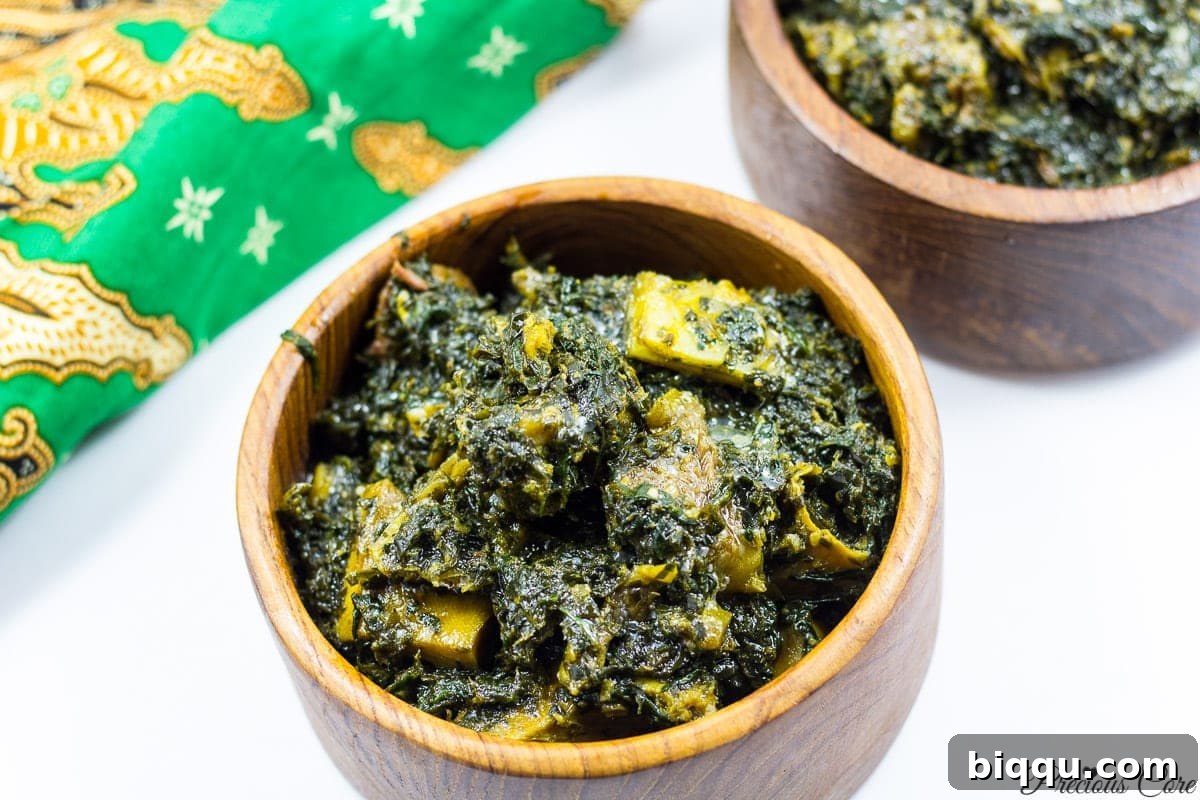
Welcome to a culinary journey that takes us deep into the heart of West and Central Africa, to discover one of its most cherished and uniquely flavorful dishes: Eru. More than just a meal, Eru represents a rich tapestry of culture, tradition, and taste, passed down through generations. This vibrant green stew, a staple in many Cameroonian households, is an experience waiting to unfold in your kitchen. Prepare to be captivated by its distinctive aroma and an unparalleled taste that has made it a favorite across the continent and beyond.
For those unfamiliar, Eru is a leafy vegetable dish, scientifically known as Gnetum africanum. While its scientific name might sound daunting, its local aliases – okazi or ukazi in Nigeria and koko in some Central African countries – speak to its widespread popularity and regional variations. This forest plant boasts a robust flavor profile that is both earthy and slightly bitter, forming the perfect base for a hearty and nutritious meal. It’s a dish I’ve personally prepared countless times, a testament to its irresistible appeal and how deeply it resonates with my culinary soul.
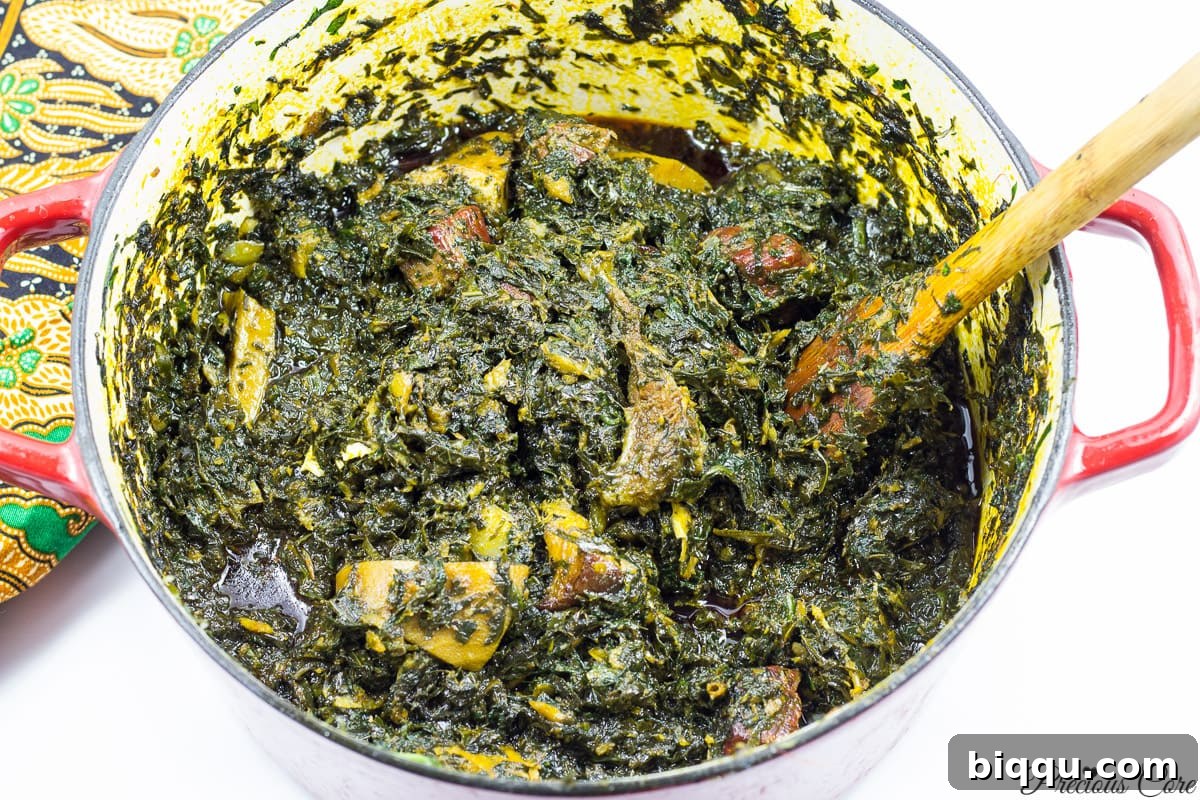
Eru is celebrated for its versatility and the various ways it can be prepared, each method highlighting different aspects of its unique flavor. While it can be simmered with groundnut paste for a richer, nuttier profile, the most renowned and widely adopted preparation in Cameroon involves cooking it with waterleaf, or sometimes spinach as a readily available substitute. This particular rendition offers a balance of textures and flavors that is truly exquisite, creating a dish that is both satisfying and incredibly fresh.
The origins of this iconic meal are deeply rooted in the traditions of the Manyu people, an ethnic group residing in the South West region of Cameroon. Their culinary heritage has gifted the world with this incredible dish, which shares striking similarities with popular Nigerian delicacies like Afang soup and Edika Ikong. Indeed, many would argue that Eru serves as a delicious bridge between these esteemed West African culinary traditions, showcasing a harmonious blend of regional ingredients and cooking techniques.
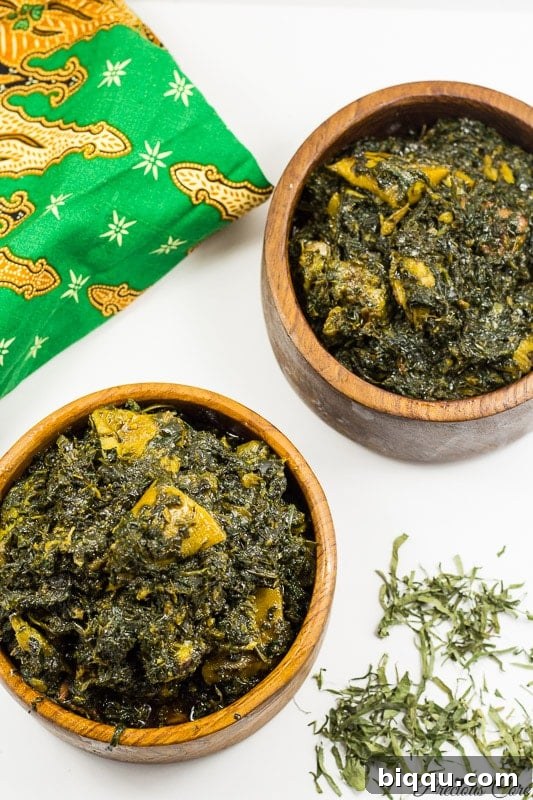
One of the most common questions surrounding Eru is whether to classify it as a soup or a vegetable dish. It’s a delightful culinary enigma! While it possesses the richness and depth often found in stews, its consistency isn’t typically as fluid as a traditional soup. Instead, it’s a thick, hearty mixture of vegetables and proteins, perfectly designed to be scooped up with starchy accompaniments. These traditional pairings, such as garri or water fufu (akin to akpu), both derived from the versatile cassava root, transform Eru into a complete and satisfying meal.
The allure of Eru lies in its distinct “ethnic taste”—a complex medley of savory, earthy, and slightly smoky notes that defy simple description. It’s a flavor profile that truly needs to be experienced firsthand to be fully appreciated. If you’re eager to explore more about this incredible dish, I previously shared an epic Eru recipe that quickly became a fan favorite. It’s a fantastic resource for diving deeper into the nuances of this traditional preparation.
Crafting the perfect Eru involves a meticulous balance of ingredients and a specific cooking philosophy. My personal preference leans towards ensuring the vegetables are cooked to a tender softness, allowing them to melt effortlessly with the accompanying fufu in every mouthful. This texture is key to the authentic Eru experience, creating a seamless blend of flavors and sensations.
Hint: This smoked meat is divine in Eru and highly recommended for an authentic taste experience.
To witness the entire process and gain insights into achieving that perfect texture, watch the video below. It offers a visual guide to bringing this cherished recipe to life in your own kitchen.
Authentic Eru Cameroonian Vegetable Stew
Pin Recipe
Rate
Print Recipe
Ingredients
- 8 cups dry eru/okazi (packed) or 5 cups of fresh 250g
- 10 cups chopped waterleaf or spinach or less if using fresh eru 280g
- 1 1/2 cups crayfish (lightly blended)
- 1 1/2 cups palm oil (325 ml)
- 1 teaspoon salt
- 2 pounds (about 1 kg) of a variety of boiled meat with a cup of stock- I used beef, beef skin (canda) and beef tripes
- 1/2 pound fish (I used stock fish and smoked cat fish)
- 4 small cubes Maggi
- 2 scotch bonnet pepper – blended or whole (optional)
Instructions
-
Prepare the Eru Leaves: If using dried Eru (okazi) leaves, begin by soaking them in warm water for at least 30 minutes. For best results and to enhance both color and tenderness, consider adding about 1/2 to 1 teaspoon of baking soda to the soaking water. This step helps soften the leaves and brightens their natural green hue, though it is entirely optional. Ensure the leaves are thoroughly rinsed after soaking to remove any baking soda residue.
-
Cook the Meats: Place your assorted boiled meats and the cup of meat stock into a large pot. Bring the mixture to a simmer over medium-high heat. Allow it to cook for approximately 5-7 minutes, or until the meat stock has almost completely reduced, concentrating the rich flavors into the meat.
-
Add Waterleaf (or Spinach): Introduce the chopped waterleaf (or spinach) to the pot with the simmering meat. Let it cook for about 5 minutes. Observe as the greens wilt significantly and release their natural juices. Stir the spinach well and allow it to cook for an additional 5 minutes or less, being careful not to overcook it to the point of browning, which can alter its flavor and texture.
-
Incorporate Eru and Palm Oil: Now, add the thoroughly rinsed Eru leaves into the pot with the waterleaf and meat. Mix vigorously to ensure both vegetables are well combined. Pour in the palm oil and stir again until all ingredients are evenly coated. Let the vegetables and oil simmer together for another 5 minutes, stirring occasionally to prevent sticking and ensure even cooking.
-
Season and Finish: Add the seasoning cubes (Maggi), scotch bonnet pepper (if desired, blended or whole), crayfish, and fish to the pot. Give everything a final, good mix. Allow the dish to cook together for approximately 5 more minutes, allowing the flavors to meld beautifully. At this stage, taste and adjust the seasoning to your preference, adding more salt if necessary. Your Eru should have a moist, but not watery, consistency. If it appears too dry, a splash of water or a little extra palm oil can restore its moisture. If it’s too soft or watery, continue to simmer until some of the liquid evaporates.
-
Serve: Once satisfied with the taste and consistency, turn off the heat. Serve your delicious Eru warm with your preferred starchy side, such as fufu, garri, or pounded yam, for an authentic Cameroonian dining experience.