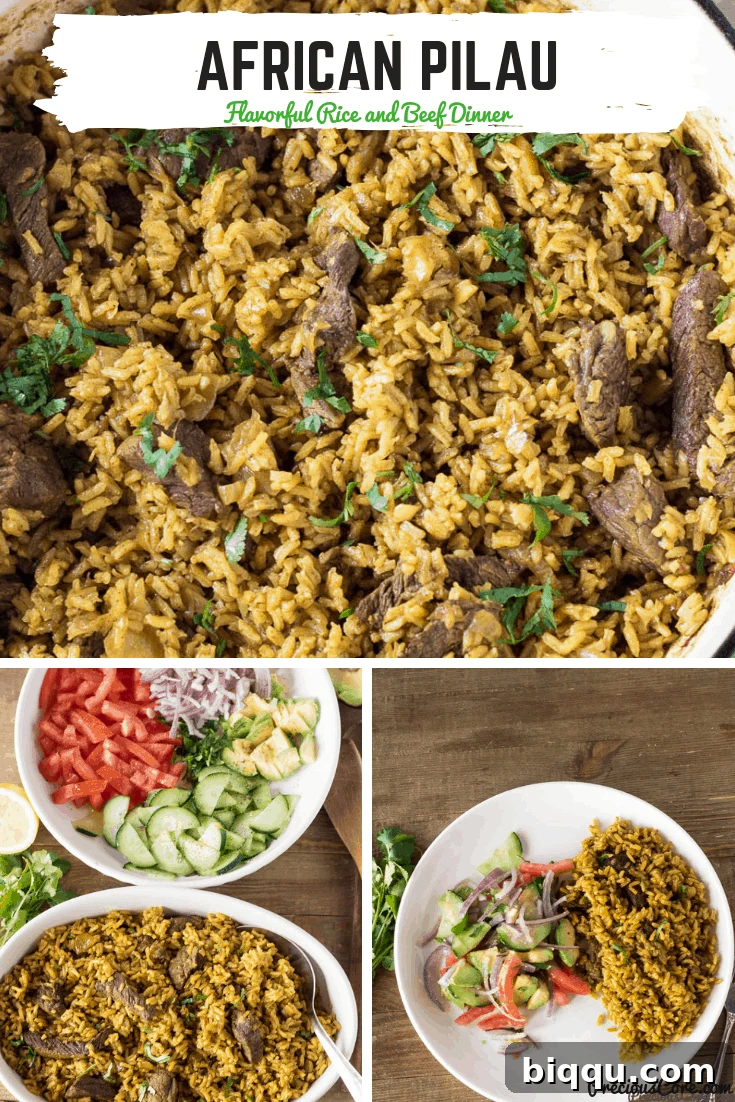
Authentic East African Pilau: A Fragrant One-Pot Rice Masterpiece
Prepare to embark on a culinary journey to East Africa with this incredible Pilau recipe. More than just a simple rice dish, Pilau is a vibrant celebration of flavors, a fragrant one-pot meal that embodies the warmth and hospitality characteristic of Kenyan and other East African cultures. Each grain of rice is infused with a rich, aromatic broth, brimming with a symphony of spices that will tantalize your senses and fill your kitchen with an irresistible aroma. A staple at gatherings and festive occasions, Pilau is universally loved and surprisingly straightforward to master.
If you’ve been searching for an authentic Pilau recipe that brings the true taste of East Africa to your table, your search ends here. We’re diving deep into the secrets of creating this aromatic delight, from selecting the right spices and proteins to achieving perfectly fluffy, separate grains of rice. Get ready to gather your ingredients – some fragrant long-grain rice, a selection of warm, potent spices, and a touch of culinary passion – and let’s create a memorable East African feast that will leave everyone asking for more!
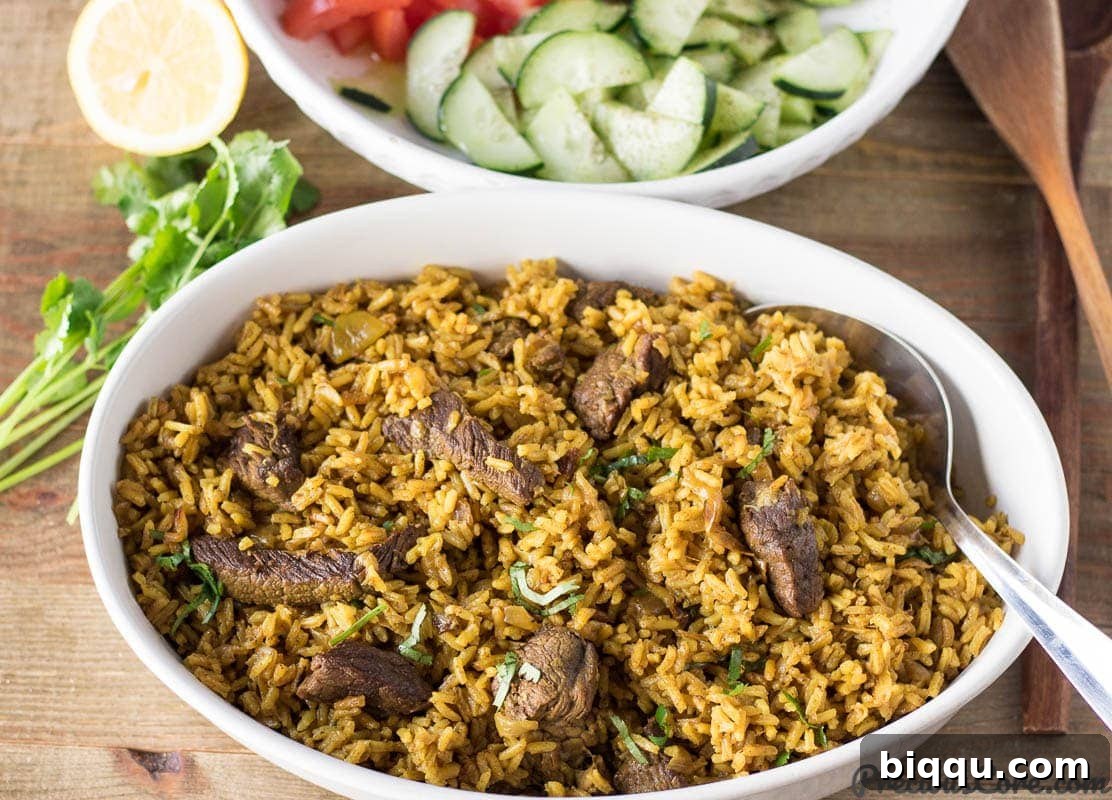
What is Pilau? Understanding This East African Culinary Gem
Pilau, often recognized globally as Pilaf, is a distinguished one-pot rice dish that holds significant cultural and culinary importance in East African cuisine, especially in Kenya, Tanzania, and Uganda. Distinct from plain boiled rice, Pilau is celebrated for its characteristic golden-brown hue, achieved by slow-caramelizing onions, and its profound aroma and taste, which come from a unique blend of both whole and ground spices. It’s a dish steeped in history and tradition, reflecting fascinating influences from Indian and Middle Eastern cooking styles beautifully blended with local East African tastes and ingredients.
This is far from just any rice dish; it’s a hearty and complete meal, often featuring tender pieces of meat like beef or chicken, though purely vegetarian and vegan versions are equally delicious and widely enjoyed. The true beauty of Pilau lies in its underlying simplicity, yielding a depth of complex flavors with relatively few steps. It’s a beloved staple for everyday family dinners, a star at celebratory feasts, and an indispensable part of special occasions, promising a comforting and deeply satisfying experience with every flavorful spoonful.
The Irresistible Allure of Authentic East African Pilau
What makes Pilau such a universally adored dish across East Africa and increasingly, around the world? The answer lies in its captivating qualities and rich sensory experience:
- Unforgettable Aroma: From the moment the carefully selected spices begin to bloom in the pot, your kitchen will be filled with an intoxicating, warm, and inviting fragrance that is a delicious prelude to the meal to come.
- Rich, Complex Flavor Profile: A meticulously balanced blend of warming spices such as cardamom, cinnamon, cumin, and turmeric creates a harmonious, earthy, and subtly sweet flavor profile that is utterly addictive and distinctly East African.
- Perfectly Tender & Fluffy Rice: Cooked to perfection in its flavorful, spiced broth, each grain of rice remains separate, fluffy, and beautifully coated with the essence of the spices, avoiding any stickiness or mushiness.
- Versatile & Adaptable: Whether your preference is for succulent meat, tender poultry, or a wholesome plant-based meal, Pilau adapts wonderfully. While classic Beef Pilau is a favorite, chicken or even vegetable Pilau are fantastic, flavorful alternatives.
- One-Pot Convenience: Much of the magical transformation of ingredients into a delicious meal happens within a single pot, significantly streamlining the cooking process and making clean-up remarkably easy after preparing this elaborate-tasting dish.
For those familiar with West African Jollof Rice, Pilau offers an intriguing culinary comparison. While both are iconic and celebrated African rice dishes, Pilau distinguishes itself with a greater emphasis on whole, intensely aromatic spices and a distinct broth-based cooking method that typically yields a drier, more distinct grain compared to the often saucier texture of Jollof. Both are undeniable culinary treasures, each possessing its unique charm and fervent following.
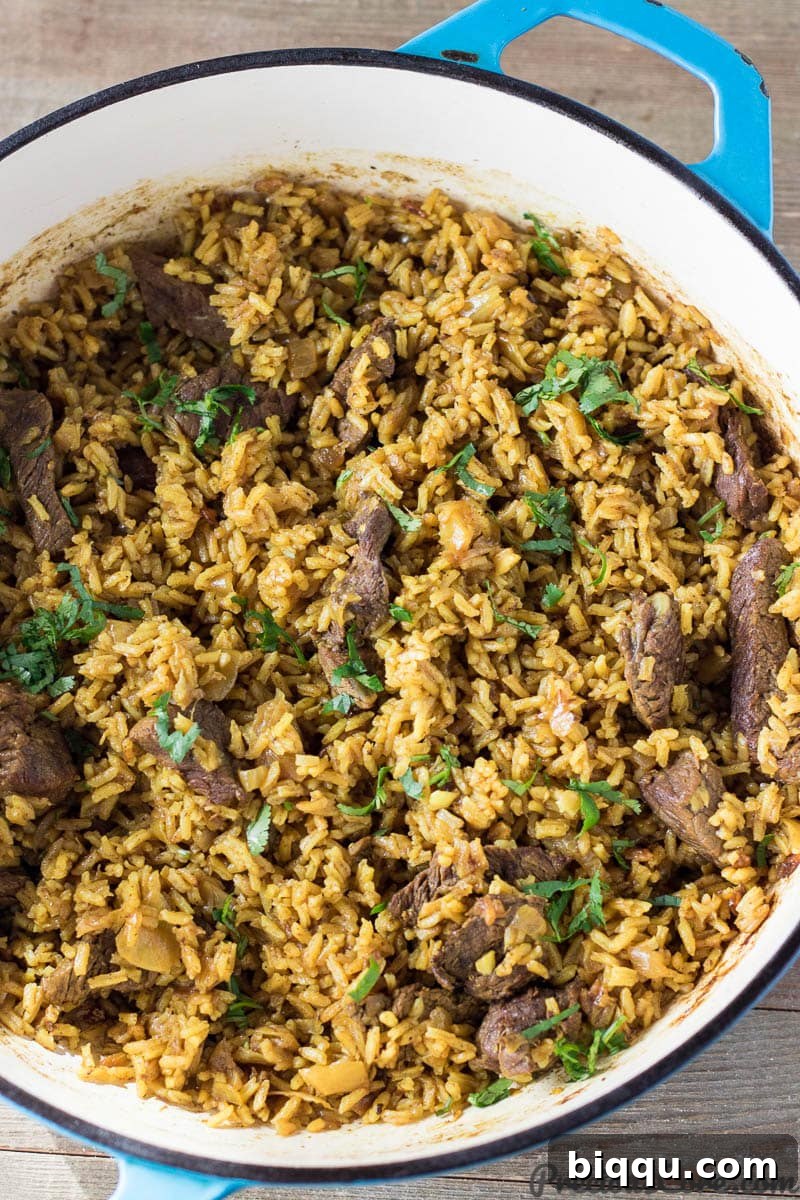
Crafting Your Perfect Pilau: Essential Ingredients Demystified
The secret to a truly great Pilau lies in the careful selection and balanced combination of its core ingredients. Here’s a closer look at what you’ll need and why each component plays a vital role in creating this magnificent dish:
The Rice: The Canvas for Flavor
- Long Grain Rice (e.g., Basmati or Jasmine): This is an absolutely crucial choice for authentic Pilau. Long-grain rice varieties are preferred because they cook up fluffy and remain separate, perfectly absorbing the rich flavors of the broth without becoming sticky or clumpy. Thoroughly washing the rice until the water runs completely clear is an essential preliminary step to remove excess starch, guaranteeing that coveted perfect, non-sticky texture.
The Protein: Beef, Chicken, or Wholesome Vegan Options
- Beef (chopped into 1-inch pieces): Traditionally, stewing beef or chuck roast is used, cut into small, manageable pieces that will cook down to meltingly tender perfection within the rice. The beef imparts a rich, savory umami depth to the overall flavor of the broth.
- Chicken: For a lighter and quicker-cooking alternative, boneless chicken thighs or breast, cut into similar-sized pieces, can be used. Remember to adjust cooking times accordingly, as chicken cooks much faster than beef.
- Vegan Options: To prepare a delightful vegan Pilau, simply omit the meat entirely. The robust and aromatic blend of spices is so potent and flavorful that you genuinely won’t miss the meat. You can also enhance the dish by adding hearty vegetables like diced carrots, potatoes, peas, or even pre-cooked lentils or chickpeas for added substance and nutrition.
The Aromatics: Building the Flavor Foundation
- Onions (large, chopped): These are the undisputed backbone of Pilau’s signature flavor and distinctive deep brown color. Slowly cooked until they achieve a deep, rich golden brown (but carefully monitored to avoid burning!), the onions create the essential sweet, savory, and caramelized foundation for the entire dish.
- Garlic Cloves (peeled and crushed): Provides a wonderfully pungent, earthy, and aromatic undertone that complements the spices.
- Ginger Root (peeled and crushed): Adds a distinct warm, spicy kick and brightens the overall flavor profile, creating a balanced palate.
The Signature Spices: The Heart and Soul of Pilau
This is precisely where Pilau truly distinguishes itself and shines. A carefully curated blend of both whole and ground spices creates its characteristic rich and complex aroma:
- Turmeric Powder: Lends a beautiful golden hue to the rice and adds subtle earthy notes.
- Cinnamon Powder: Contributes a warm, sweet, and comforting fragrance that is essential.
- Coriander Powder: Offers a mild, distinctive citrusy, and slightly sweet flavor.
- Cardamom Powder: A foundational spice, providing an intensely aromatic, floral, and subtly peppery taste that defines Pilau.
- Cumin Powder: Imparts a warm, earthy, and slightly smoky depth to the spice blend.
- Black Pepper: For a subtle hint of heat and added aromatic complexity.
- Bay Leaf: Contributes a delicate, herbal, and slightly sweet aroma to the simmering broth.
- Salt: Absolutely essential for seasoning, balancing, and enhancing all the intricate flavors.
- Optional Whole Spices: For an even more profound and authentic flavor dimension, consider incorporating whole green cardamom pods (about 5-6), a few cloves (3-4), or a single star anise during the cooking process. These are typically added with the powdered spices and can be removed before serving, if preferred.
The Fat: Butter for Luxurious Richness
- Butter: Used generously to sauté the onions and bloom the spices, butter adds a luxurious richness and a silky texture to the finished dish. Ghee or a neutral cooking oil can be used as suitable alternatives if butter is not preferred.
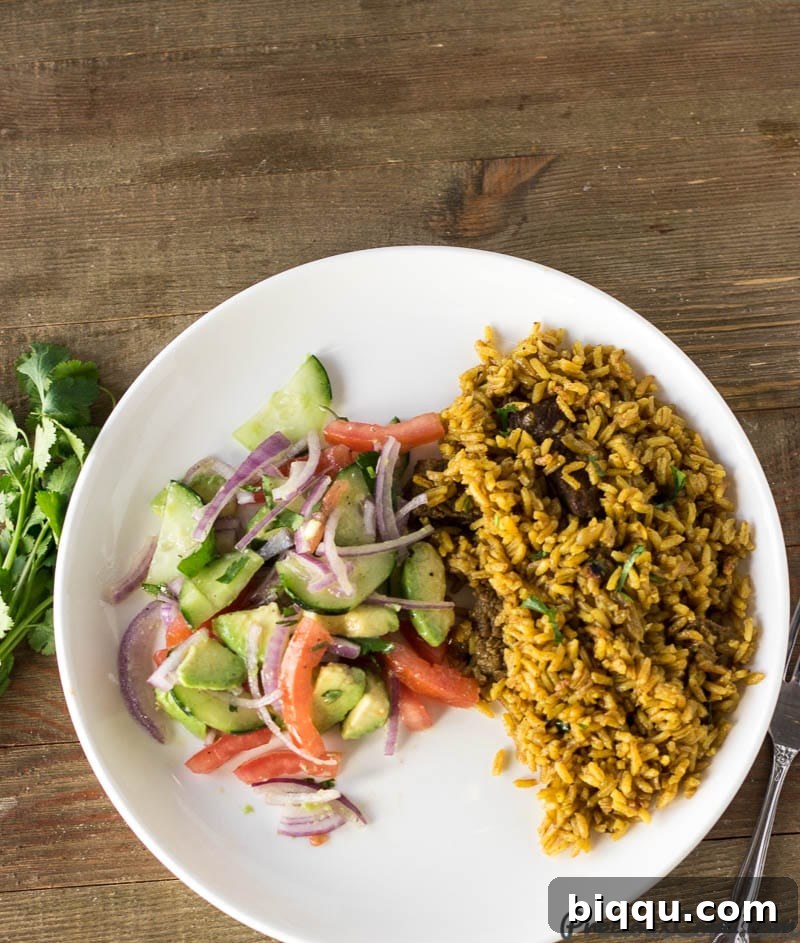
The Essential East African Pilau Recipe
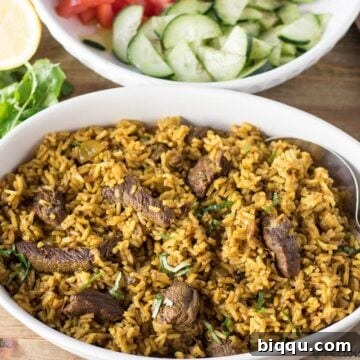
Pilau
15 minutes
30 minutes
45 minutes
4
servings
Print Recipe
Ingredients
- 2 cups long grain rice (370g)
- 1/2 pound beef – chopped into 1 inch pieces (1/4 kg)
- 2 large onions – chopped
- 3 garlic cloves – peeled and crushed
- Half inch ginger root – peeled and crushed
- 1 teaspoon turmeric powder
- 1/4 teaspoon cinnamon powder
- Half teaspoon coriander powder
- Half teaspoon cardamom powder
- Half teaspoon cumin powder
- 1 teaspoon salt
- 1/4 teaspoon black pepper
- 1 bay leaf
- 4 tbsp of butter
Instructions
-
1. Prepare the Aromatics: In a large, heavy-bottomed pot, melt the butter over medium-high heat. Add the chopped onions and cook, stirring frequently, until they turn a deep, rich golden brown. This step is crucial for developing Pilau’s characteristic color and complex flavor, so be patient and avoid burning them. This process typically takes about 10-15 minutes.
-
2. Bloom the Spices: Once the onions are beautifully browned, add the crushed garlic and ginger to the pot. Sauté for about 1 minute until their fragrant aromas are released. Next, incorporate all the powdered spices (turmeric, cinnamon, coriander, cardamom, cumin) and stir for another minute. This “blooming” step in hot oil maximizes their flavor and fragrance.
-
3. Cook the Beef: Add the chopped beef to the pot, stirring well to ensure each piece is coated with the aromatic spice mixture. Allow the beef to cook until it browns on all sides and is nearly cooked through. The beef will release its own juices, which aid in its tenderization. If the liquid evaporates too quickly, add about half a cup of water to prevent sticking and ensure the beef remains moist. Remember, the beef will continue to cook further with the rice.
-
4. Add Rice and Liquid: While the beef is cooking, thoroughly wash the long-grain rice under cold running water. Rinse approximately 4-5 times until the water runs completely clear; this essential step prevents the rice from becoming sticky. Add 3 cups of water to the pot with the beef and spice mixture. Then, gently add the washed rice, along with the salt, black pepper, and bay leaf. Stir everything gently to combine the ingredients, and bring the mixture to a strong, rolling boil.
-
5. Simmer to Perfection: As soon as the pot reaches a vigorous boil, immediately reduce the heat to the absolute lowest setting. Cover the pot tightly with a well-fitting lid and allow the rice to cook undisturbed for about 15-20 minutes, or until all the water has been completely absorbed and the rice grains are tender. It is crucial to resist the urge to lift the lid during this simmering period, as this releases precious steam.
-
6. Rest and Fluff: Once the cooking time is complete, turn off the heat but keep the pot tightly covered. Allow the Pilau to rest for at least 5-10 minutes. This vital resting period enables the steam to redistribute evenly within the rice grains, resulting in separate, firm, and perfectly fluffy rice. Finally, remove the lid, gently fluff the rice with a fork to separate the grains, and serve warm immediately.
Chef’s Notes & Tips for Perfect Pilau
2. Achieving the Perfect Rice-to-Water Ratio: The precise amount of water required can sometimes vary slightly based on the specific type and age of your long-grain rice. For most regular long-grain rice varieties, a 1.5:1 ratio of water to rice (meaning 3 cups of water for 2 cups of rice) generally yields the best, fluffiest results. The absolute key is to simmer the rice on very low heat and ensure the lid is tightly sealed to effectively trap all the steam. If, after cooking, your rice still appears a bit too wet, simply let it rest, covered, for a slightly longer period (an additional 5-10 minutes) off the heat. If you are using a different kind of rice, always refer to the cooking instructions provided on the packaging as a guide, and adjust the liquid as needed. For more comprehensive tips on consistently achieving perfectly fluffy rice, you may find this helpful guide useful.
3. The Art of Browning Onions: While deeply browning the onions is absolutely essential for both the color and the profound flavor of Pilau, exercise caution to avoid burning them. Burnt onions will impart an unpleasant bitter taste to your dish. Aim for a rich, deep golden-brown hue, not black. Patience is key during this step.
4. Don’t Skip the Resting Step: The resting period after the rice has finished cooking is not merely an option; it’s a critical step. This allows the steam and moisture to redistribute evenly throughout the rice grains, which in turn makes them separate, firm, and wonderfully fluffy. Skipping this step can result in slightly stickier or unevenly cooked rice.
5. Delicious Vegan Pilau Option: This recipe is remarkably easy to adapt for a delightful vegan version. Simply omit the beef entirely. To maintain substance and heartiness, you can add extra vegetables such as diced carrots, peas, bell peppers, or potatoes, or even some pre-cooked lentils or chickpeas. Incorporate these during the step where the beef would typically be cooked. Ensure you still achieve that deep caramelization from the onions for maximum flavor development.
Nutrition Information (per serving)
Carbohydrates: 80g |
Protein: 18g |
Fat: 19g |
Saturated Fat: 10g |
Polyunsaturated Fat: 1g |
Monounsaturated Fat: 6g |
Trans Fat: 1g |
Cholesterol: 69mg |
Sodium: 725mg |
Potassium: 402mg |
Fiber: 2g |
Sugar: 2g |
Vitamin A: 361IU |
Vitamin C: 5mg |
Calcium: 59mg |
Iron: 2mg
Additional Recipe Info
Main Course
African, East African
568
Tried this recipe?
Mention @preciouscore or tag #PreciousCore!
Serving Suggestions for Your East African Pilau Feast
Pilau is a wonderfully versatile main course that pairs magnificently with a diverse array of side dishes. For an authentically immersive East African dining experience, consider complementing your Pilau with these popular accompaniments:
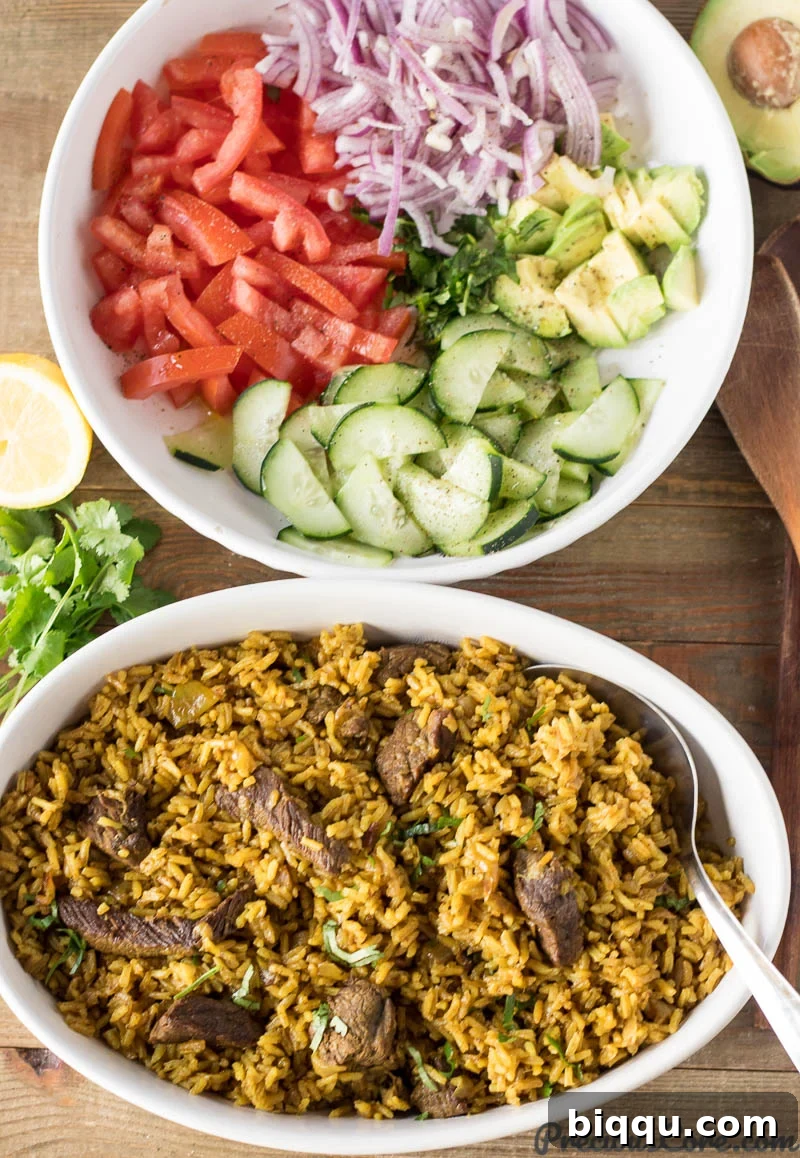
- Kachumbari: The Classic Companion: This is arguably the most traditional and beloved side dish for Pilau! Kachumbari is a refreshingly vibrant Kenyan salad expertly crafted from finely diced fresh tomatoes, crisp red onions, fresh cilantro, and sometimes a hint of green chili, all dressed with a bright and tangy squeeze of lime or lemon juice. Its piquant, fresh flavors provide a perfect, zesty counterpoint that beautifully cuts through the richness of the Pilau. You can find a detailed recipe for Kachumbari here to complete your meal.
- Fresh Avocado Slices: The creamy, smooth texture and mild, buttery flavor of ripe avocado provide a delightful and cooling contrast to the warm spices of the rice.
- Cool Plain Yogurt or Raita: A generous dollop of cool, unsweetened plain yogurt or a simple homemade raita (yogurt blended with grated cucumber and fresh mint) can offer a wonderfully soothing and balancing counterpoint to the spiced rice, especially if you’ve added extra chili.
- Ugali (Optional): While Pilau is often enjoyed as a complete standalone meal, some may prefer to serve it alongside Ugali, a firm porridge made from cornmeal. Ugali is another fundamental staple in many East African cuisines and can be used to scoop up the flavorful Pilau.
- Grilled Meats or Fish: If you’ve opted for a vegetarian or vegan Pilau, pairing it with some simply grilled chicken, fish, or pan-seared halloumi can create a more substantial and well-rounded meal.
Conclusion: Bring the Rich Flavors of East Africa Home
Pilau is far more than just a recipe; it’s a heartfelt invitation to explore the rich, diverse, and deeply satisfying culinary heritage of East Africa. Its harmonious blend of fragrant spices, tender textures, and profoundly comforting flavors make it a dish that consistently delights the senses and effortlessly brings people together around the dining table. Whether you’re preparing it for a grand special occasion, a festive gathering, or simply as a comforting and exotic weeknight meal, this authentic East African Pilau promises to transport your taste buds to distant, sun-drenched lands with every bite.
We genuinely hope that this detailed guide empowers and inspires you to create a perfect, steaming pot of Pilau in your own kitchen. Don’t be intimidated by the extensive list of spices; remember that each one plays a crucial and unique role in building a complex, nuanced flavor profile that is truly rewarding to experience. Embrace the process, savor the incredible aromas that will fill your home, and delight in the unforgettable taste of this East African masterpiece. Happy cooking, and enjoy your flavorful journey!