
Pregnancy Across Continents: A Tale of Two Birthing Experiences in Cameroon and America
Greetings from one of my most cherished sanctuaries – my bed. Today, I’ve decided to let my laptop embrace its original purpose, comfortably perched on my lap, rather than its usual spot on my office desk. This relaxed posture allows me to truly unwind and articulate the thoughts that have been swirling in my mind, perhaps before I surrender to another blissful round of pregnancy-induced slumber.
Lately, my mind has been consumed by a fascinating comparison: the stark differences between being a pregnant woman in Cameroon and a pregnant woman in America. Having had the unique experience of navigating pregnancy in both societies, I’ve witnessed firsthand how these two worlds, with their distinct cultures and values, approach the sacred journey of bringing a new life into the world. The disparities in maternity care, societal expectations, and even post-delivery traditions are so profound, they compel me to share this comparative insight.
Societal Support and Preferential Treatment for Expectant Mothers
One of the most striking differences I observed pertains to the level of societal accommodation and preferential treatment extended to pregnant women in public spaces.
The Cameroonian Experience: Valued and Prioritized
In Cameroon, the moment your pregnancy becomes visible, you often become a recipient of remarkable deference and care. It’s a cultural norm deeply embedded in society, where the journey of motherhood is highly revered. For instance, if you find yourself in a queue, whether at a bank, a government office, or even a busy market, it is commonplace for others to insist you move to the front. There’s an unspoken understanding that a pregnant woman should not endure long waits or unnecessary strain.
I distinctly recall an instance in Cameroon when I needed to pay a bill. The room was teeming with people, each patiently waiting in long lines. With my visibly protruding belly, someone immediately suggested I bypass the queue and proceed straight to the front. What truly astonished me was not just the suggestion, but the immediate and unanimous agreement from everyone else in line, who had been there long before me. There were no arguments, no complaints – just a collective nod of affirmation. This isn’t an isolated incident; it’s a consistent display of community empathy and respect for the pregnant individual, ensuring comfort and reducing stress during this delicate period.
The American Experience: Equality in Waiting
Conversely, my experience in America has been quite different. Here, the concept of equal treatment for all is paramount, extending even to pregnant individuals. Whether I’m at the grocery store, the post office, or any establishment with a queue, I generally wait my turn just like everyone else. While courtesy might be offered in some private settings, it is not a widespread cultural expectation or an established norm in public queues. The emphasis leans more towards efficiency and treating all citizens equally in public services, which, while fair, can sometimes feel less supportive for an expectant mother navigating the physical demands of pregnancy.
Divergent Approaches to Antenatal Care and Doctor Visits
The system of prenatal care, crucial for monitoring the health of both mother and baby, also presents significant variations between these two nations.
Private Care in the United States
In the United States, my doctor’s visits are typically private and highly individualized. I schedule appointments with my obstetrician, and these consultations involve a one-on-one discussion with the doctor, often supported by a nurse. The focus is on personal medical history, tailored advice, and confidential discussions about my pregnancy progression. Tests are usually performed discreetly, and education is often provided through brochures, online resources, or private conversations. This system prioritizes individual patient privacy and a direct relationship with a primary healthcare provider, offering a personalized journey through pregnancy.
Communal Antenatal Clinics in Cameroon
Cameroon, however, adopts a more communal and structured approach through what are widely known as “antenatal clinics.” These are specific days set aside at hospitals or health centers dedicated solely to pregnant women. On such days, hospitals buzz with a large gathering of expectant mothers. The atmosphere is distinct: women often undergo tests together, sometimes engaging in communal singing and participating in group lessons led by nurses. These sessions cover essential topics like nutrition, hygiene, warning signs during pregnancy, and breastfeeding. It’s a more collective experience, fostering a sense of community and shared journey among pregnant women, providing mutual support and learning. The primary care is largely managed by skilled nurses, with gynecologists typically consulted only for high-risk pregnancies or complex medical conditions, making specialized care more accessible when truly necessary, yet keeping routine care more community-focused.
Post-Delivery Nourishment and Support: A Cultural Feast
The period immediately following childbirth, particularly regarding food and family support, illustrates another fascinating cultural divergence.
Postpartum in America: Hospital Provisions and Self-Reliance
In America, hospitals generally provide meals for new mothers after delivery. While convenient, the food is often standard hospital fare, aimed at meeting basic nutritional needs. Upon returning home, the responsibility for meals and household chores typically falls to the new parents, perhaps with some assistance from a partner or close family members. Many American mothers meticulously plan and prepare freezer meals before birth or rely on meal delivery services and support from a smaller, nuclear family unit. The focus is often on an independent recovery, with less emphasis on extended family providing day-to-day care in the immediate postpartum period.
The Cameroonian Postpartum Queen: A Culinary and Communal Celebration
In Cameroon, the post-delivery experience is akin to being treated like royalty. There is no hospital-provided food; instead, the responsibility for nourishing the new mother is wholeheartedly embraced by the community. It is a tradition deeply rooted in care and celebration. Family members, friends, and even neighbors pour into the home, bringing an endless array of delicious, home-cooked meals. This outpouring of generosity ensures the new mother is constantly well-fed and cherished, allowing her to focus entirely on recovery and bonding with her newborn.
I vividly recall my postpartum period in Cameroon. I was truly treated like a queen, indulged with an incredible variety of meals prepared with love by friends and family. The sheer abundance and thoughtfulness behind each dish were overwhelming and deeply comforting. This tradition isn’t just about food; it’s a profound demonstration of communal support, where the entire village, so to speak, rallies around the new mother, recognizing the immense physical and emotional demands of childbirth.
Honestly, I miss that treatment dearly. I miss the genuine queries like, “You wan chop na weti when you born?” which translates to, “What will you like to eat when you give birth?” People would then go out of their way, sometimes traveling significant distances or spending hours preparing, to make those culinary dreams come true. It’s an invaluable form of care, providing not just physical nourishment but immense emotional sustenance during a vulnerable time.
Here in my current pregnancy, the reality is that I largely have to plan and cook what I want to eat, store it in the fridge, and bring it with me to the hospital. And what my heart, and stomach, truly desire right now is Ekwang. For those unfamiliar, Ekwang is an exquisite Cameroonian delicacy crafted by grating cocoyams, meticulously wrapping small portions in delicate leaves, and then cooking them to perfection with rich red palm oil and a medley of other savory ingredients. It’s a dish that embodies comfort, tradition, and pure, finger-licking goodness. Anyone out there willing to offer a helping (Ekwang-wrapping) hand?
Reflections on Cultural Diversity in Maternity
Experiencing pregnancy and childbirth in both Cameroon and America has provided me with an invaluable lens through which to view the diverse approaches to maternity care around the world. Each society offers its unique strengths and challenges. In Cameroon, the warmth of communal support and the deep respect for expectant mothers are profoundly moving. The collective care, from preferential treatment in public to the extensive post-delivery culinary support, emphasizes the community’s role in nurturing new life.
In America, the focus on individualized medical care, privacy, and advanced facilities offers a different kind of reassurance. While the communal aspect might be less pronounced, the emphasis on personal choice and access to specialized medical expertise is a significant advantage. The journey of pregnancy and motherhood is universal, yet the paths societies carve for this journey are wonderfully, and sometimes starkly, different.
Ultimately, these experiences highlight the importance of understanding and appreciating cultural diversity in healthcare and human support systems. Both countries, in their own unique ways, strive to ensure the well-being of mothers and their newborns. My hope is that by sharing these insights, we can foster a greater appreciation for the myriad ways cultures celebrate and support the miracle of birth, reminding us that while our methods may vary, the love for a new life is a bond that transcends all borders.
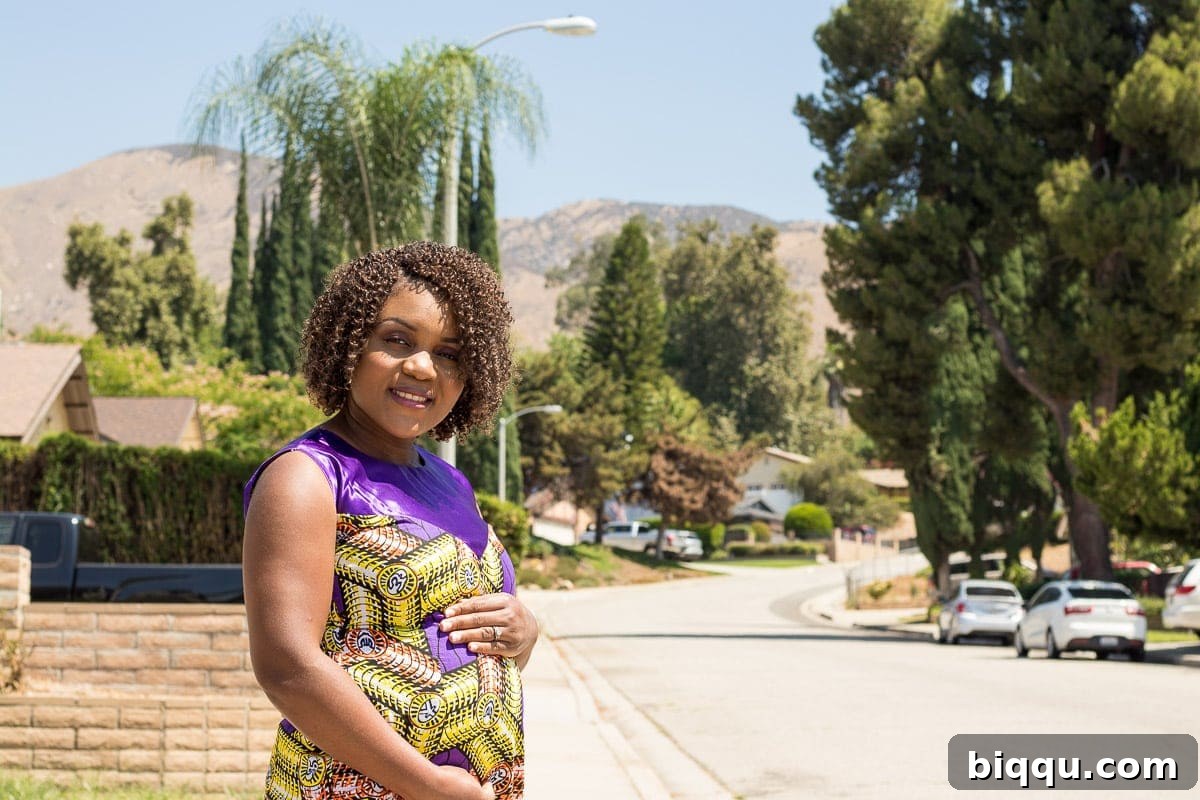
(Author’s Note: The accompanying image for this post is a picture of me from months ago, as I haven’t had a recent pregnancy photo taken.)