
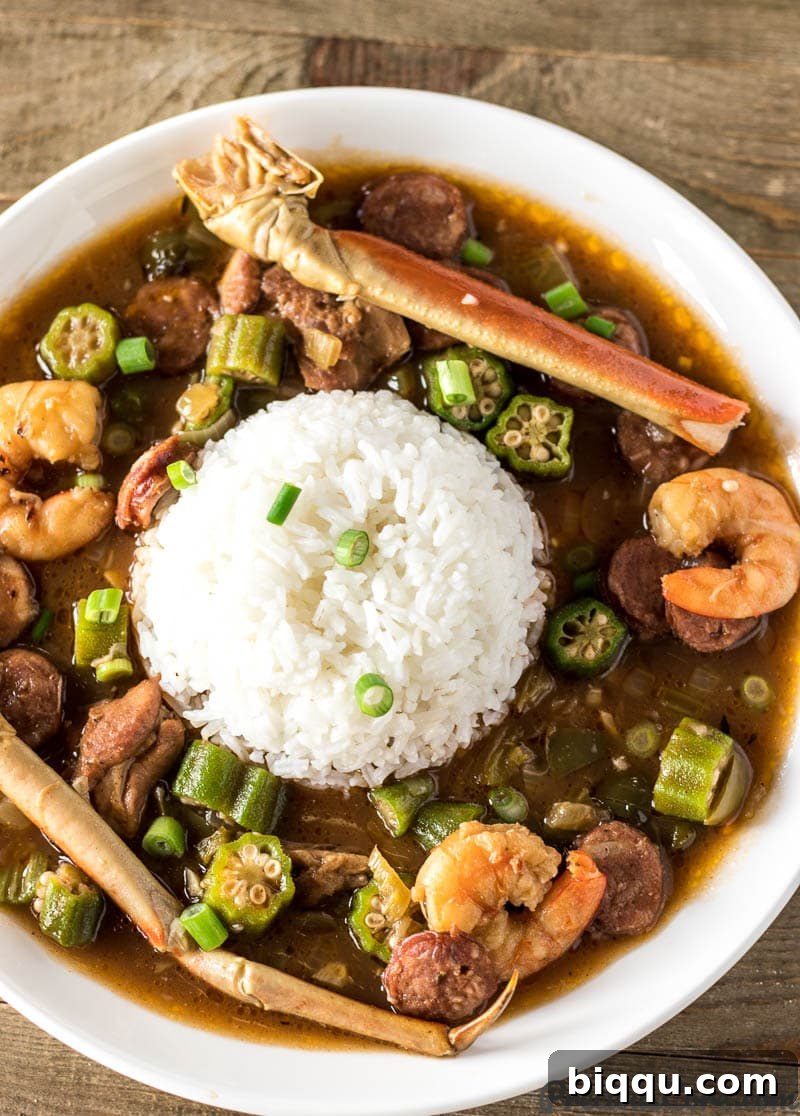
Authentic Seafood Gumbo: A Hearty Creole & Cajun Delight
Indulge in the rich, luscious flavors of this homemade Seafood Gumbo. A true masterpiece of Southern cuisine, this robust stew combines succulent seafood with savory meats, creating an unforgettable meal perfect for any special occasion. Its depth of flavor tells a story of cultural fusion and culinary tradition that you’re about to experience in your own kitchen.
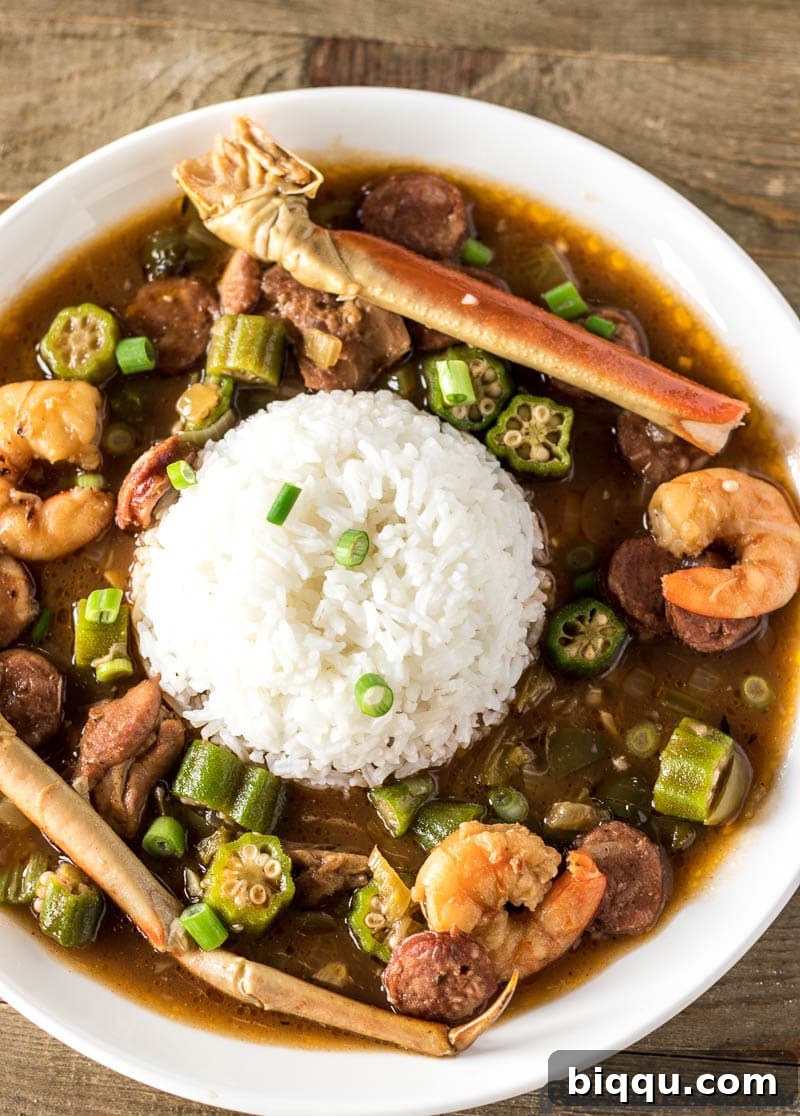
The culinary journey of Gumbo is deeply intertwined with the vibrant history of Louisiana, a Southern state rich in cultural heritage. For me, growing up in West Africa, the combination of seafood and meat in a single, deeply flavored pot immediately resonates with the traditional stews and soups I savored in my youth, like African Okra Soup or Egusi Soup. This connection highlights the profound African roots of Gumbo, bringing a familiar warmth and complexity that speaks to a shared culinary lineage across continents.
Table of Contents
- About Gumbo: A Taste of History
- Essential Ingredients for the Perfect Seafood Gumbo
- How To Make Authentic Seafood Gumbo
- Seafood Gumbo Recipe FAQs
- Delicious Serving Suggestions for Gumbo
- More Hearty Stews and Soups To Explore
- Seafood Gumbo Full Recipe Card
About Gumbo: A Taste of History and Culture
Gumbo is more than just a stew; it’s a culinary emblem of Louisiana, celebrated by both the Creole and Cajun communities. Its origins are a fascinating tapestry woven from various cultures, primarily attributed to West African slaves who settled in New Orleans centuries ago. They brought with them traditional cooking methods and ingredients, which laid the foundation for what would become this iconic dish.
The influence of French settlers in New Orleans further shaped Gumbo, contributing elements like the classic French roux, a browned mixture of fat and flour that serves as the base for many European sauces and, in gumbo, provides a distinctive nutty flavor and thickening agent. This beautiful fusion of African, French, and Spanish culinary traditions makes Gumbo a powerful narrative of black history and cultural resilience, much like the story told by dishes such as Jamaican Jerk Chicken.
Historically, the word “gumbo” itself is believed to derive from the West African Bantu word “kingombo,” meaning okra. In many French-speaking West African countries, like Cameroon, okra soup is often referred to as “Gombo.” This etymological link underscores why okra was, and for many still is, a quintessential ingredient in traditional gumbo, providing both flavor and thickening. However, over time, the preparation of gumbo has evolved, leading to variations where okra might be omitted in favor of other thickeners.
One such alternative is Gumbo Filé (pronounced “fee-lay”), a powder made from dried and ground sassafras leaves. Filé not only thickens the gumbo but also imparts a unique, earthy flavor that distinguishes many Cajun-style gumbos. While readily available in specialty stores across the Southern United States, it can also be conveniently purchased online from retailers like Amazon.
Understanding the difference between Creole and Cajun gumbo is also key to appreciating this dish. Creole gumbo, often found in New Orleans, typically uses tomatoes and a lighter roux, incorporating a broader range of seafood and sometimes ham. Cajun gumbo, originating from rural Louisiana, generally favors a darker roux, omits tomatoes, and relies heavily on a combination of chicken and sausage, with seafood added when available. This recipe leans towards a hearty, balanced approach, blending the best of both worlds for a truly robust flavor.
Essential Ingredients for the Perfect Seafood Gumbo
Crafting an exceptional Seafood Gumbo requires a thoughtful selection of high-quality ingredients. Each component plays a crucial role in building the layered flavors and rich texture that define this iconic Southern stew. Here’s what you’ll need, along with tips for choosing the best:
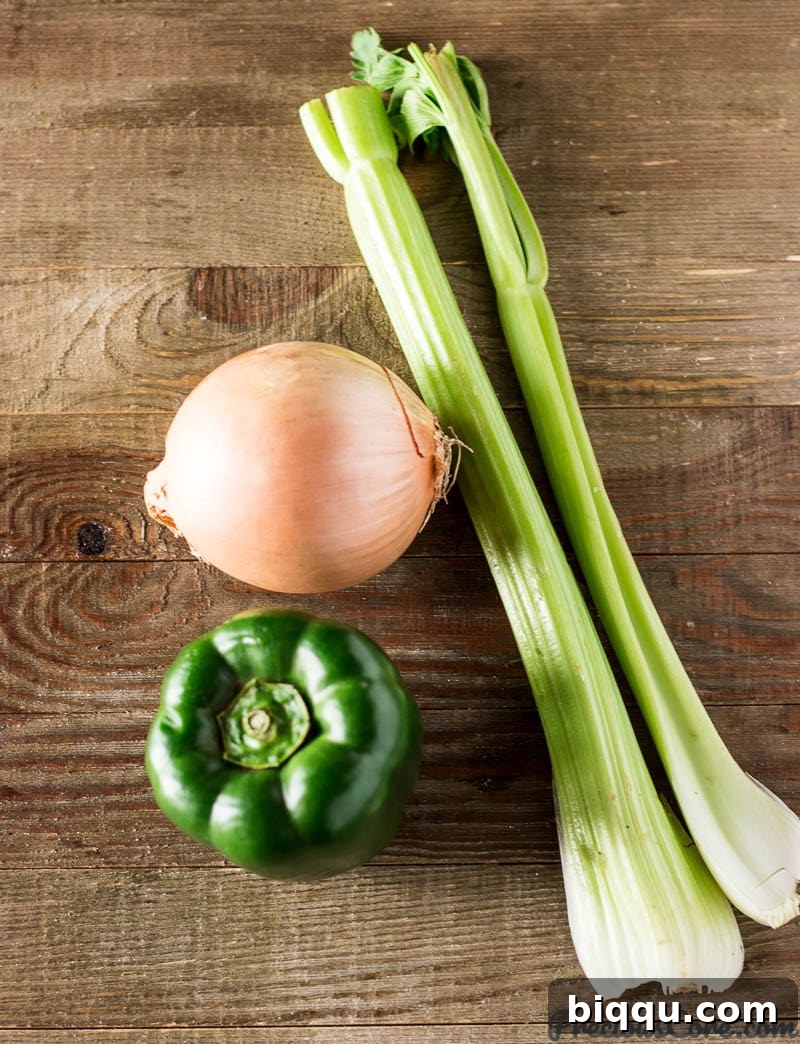
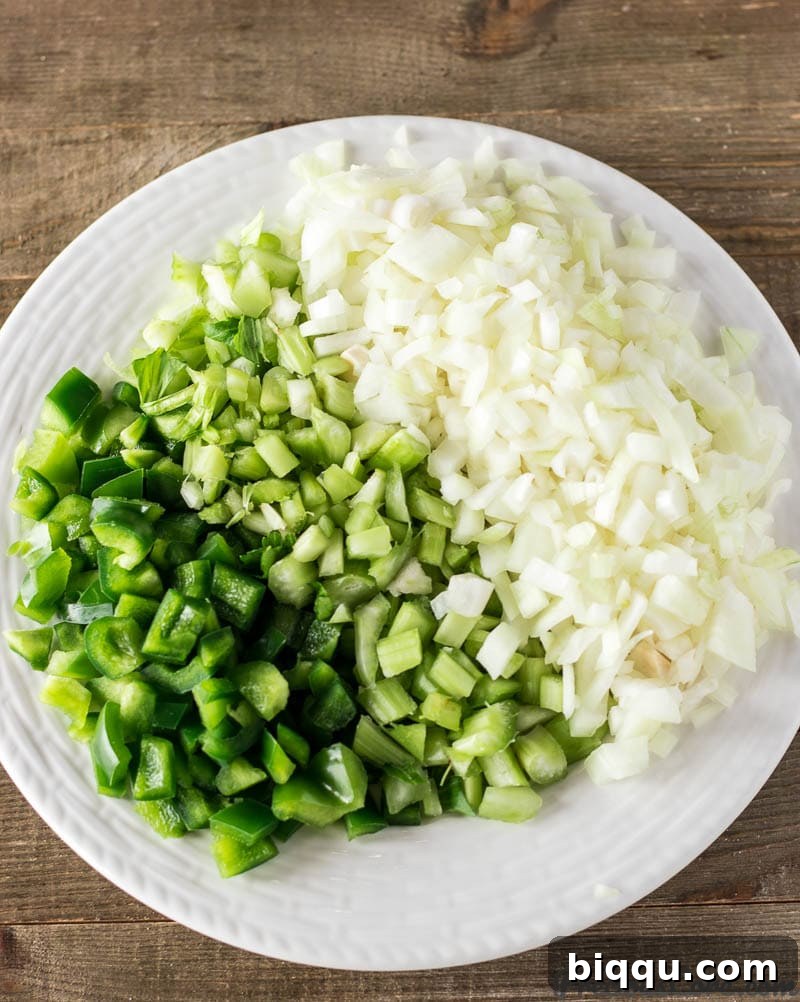
- The Holy Trinity: This foundational aromatic base for most Cajun and Creole dishes consists of diced onions, bell peppers (traditionally green, but a mix adds color and sweetness), and celery. These vegetables are sautéed to create a fragrant starting point for your gumbo, infusing it with essential savory notes.
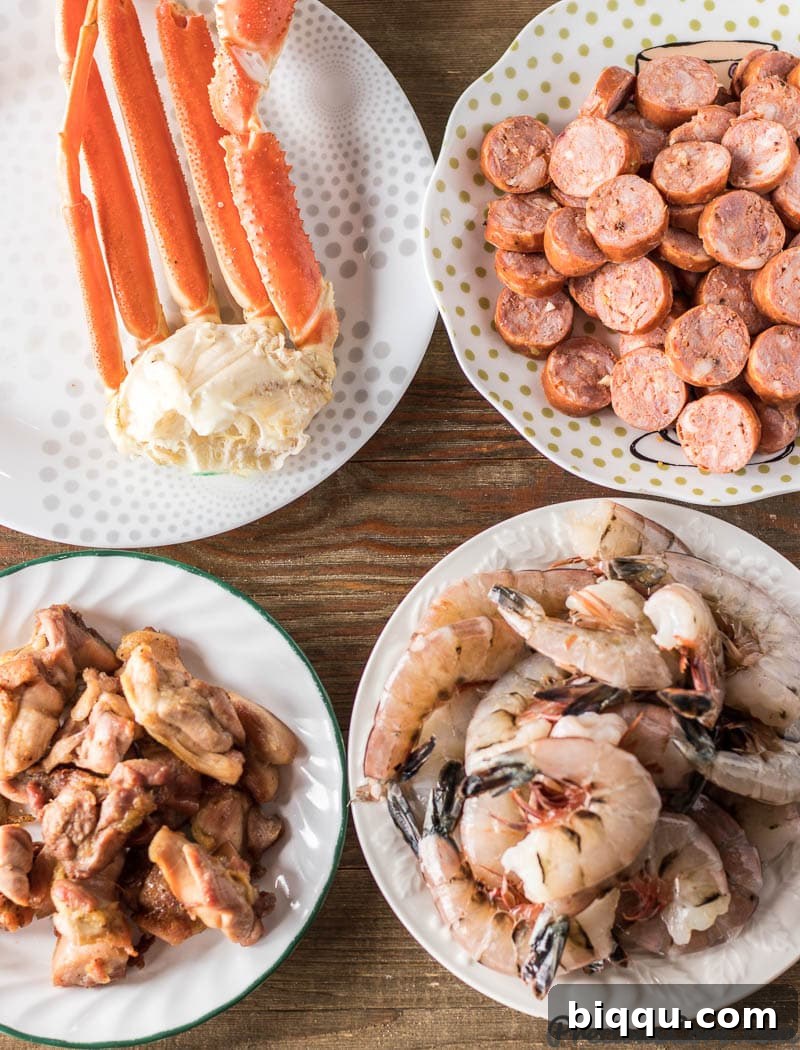
- Shrimp: Opt for large, good-quality shrimp, preferably wild-caught if available, as they offer superior flavor and texture compared to farm-raised varieties. Their substantial size ensures they stand out beautifully in the gumbo, making each spoonful enticing. Make sure they are peeled and deveined for convenience.
- Crab Legs: Snow crab legs are an excellent choice, adding a sweet, delicate seafood flavor and an impressive presentation. You can also use blue crabs, Dungeness crab, or even lump crab meat for convenience.
- Andouille Sausage: For that truly authentic Creole and Cajun depth, Andouille sausage is indispensable. Its smoky, spicy profile contributes a significant layer of flavor and delightful chewiness. If Andouille is hard to find, a good quality smoked sausage like Kielbasa makes a suitable substitute, though the flavor will be slightly different.
- Chicken: Boneless, skinless chicken thighs are highly recommended. They are incredibly flavorful, remain tender even after simmering, and provide a wonderful meaty component that balances the richness of the seafood and sausage. Chicken breast can also be used, but thighs offer a richer taste.
- Gumbo Filé (Optional): Made from ground sassafras leaves, this powder is a traditional thickener and flavor enhancer, particularly in Cajun gumbos. It imparts a distinctive earthy taste. You can find it on Amazon or in well-stocked grocery stores. It can be used in place of okra, or alongside it for an even richer texture and flavor.
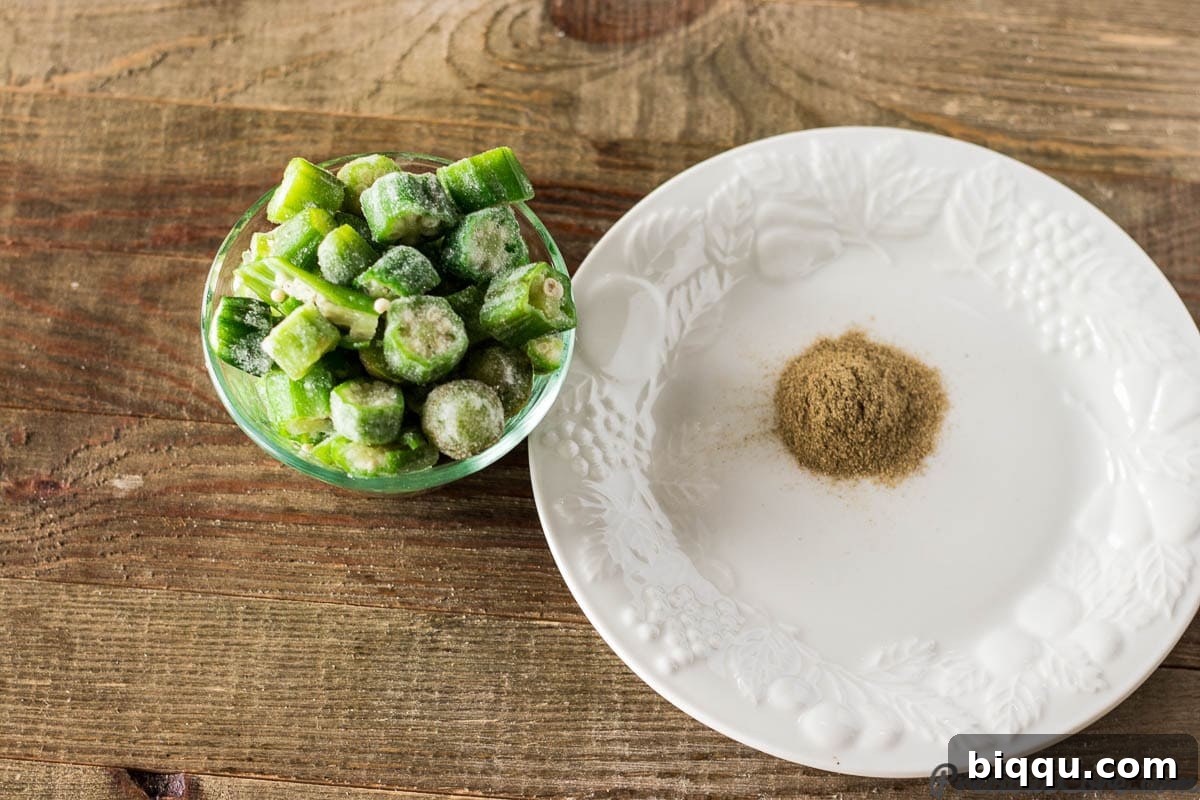
- Okra (Optional): Whether fresh or frozen and sliced, okra is another classic thickener for gumbo. Some cooks prefer to sauté it separately to reduce its natural mucilage (slime) before adding it to the stew. It adds a subtle, earthy flavor that pairs wonderfully with the other ingredients.
- Garlic: Don’t skimp on the garlic! Minced garlic cloves contribute an immense amount of aromatic depth and pungent flavor, vital for a complex gumbo.
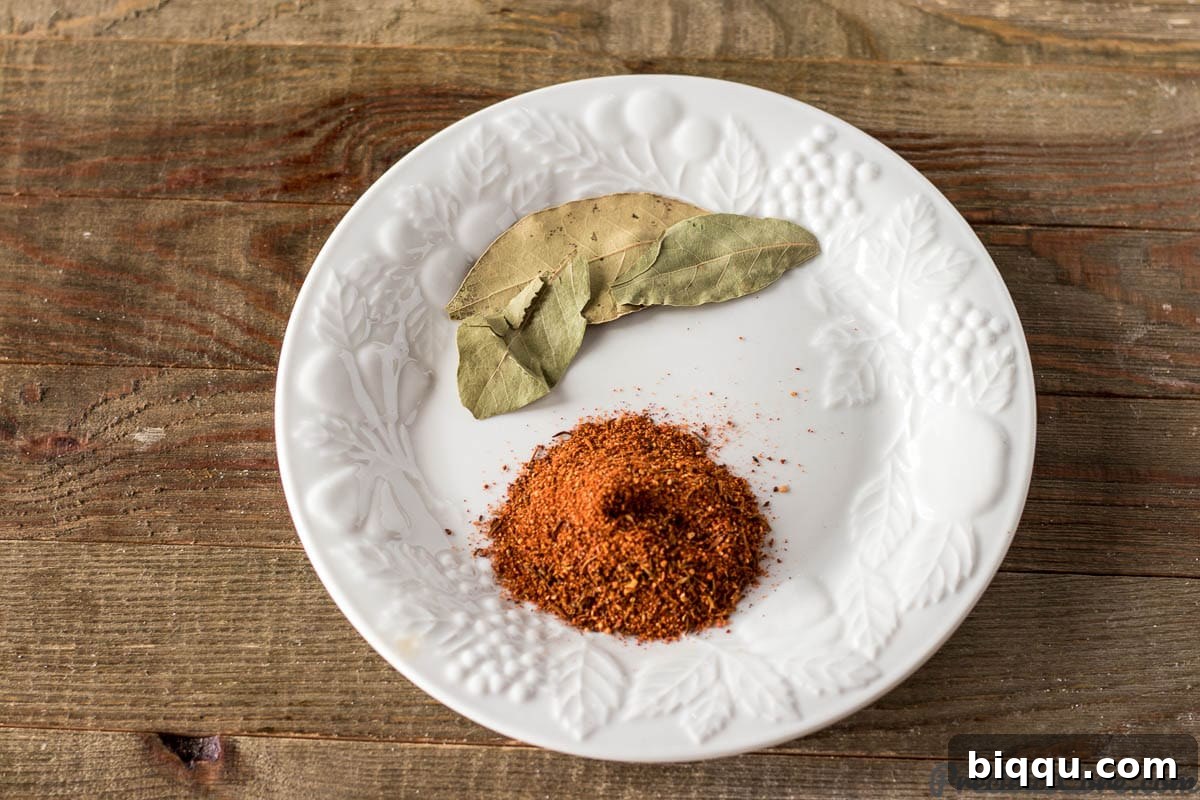
- Creole Seasoning: A good quality Creole seasoning blend is essential for achieving that authentic Louisiana taste profile. These blends typically include paprika, cayenne pepper, garlic powder, onion powder, and various herbs, providing a balanced kick and savory complexity.
- Bay Leaves: Adding a few bay leaves to your simmering gumbo imparts a subtle, herbaceous aroma and a layer of sophisticated flavor that slowly develops as the stew cooks.
- Chicken Broth: Use a good quality chicken broth as the liquid base. If using regular broth, be mindful of its salt content and adjust additional salt accordingly. For more control over seasoning, a low-sodium chicken broth is a great choice, allowing you to season to taste.
- Oil and Flour: These two simple ingredients are the foundation of your roux, providing the essential thickness and nutty flavor that defines gumbo. A neutral-flavored oil like corn oil or vegetable oil is best, paired with all-purpose flour.
- Black Pepper: Freshly ground black pepper adds a pungent, spicy kick that complements the other seasonings.
How To Make Authentic Seafood Gumbo: A Detailed Guide
Creating a truly authentic and flavorful Seafood Gumbo is a labor of love, but the results are incredibly rewarding. Follow these detailed steps to achieve a rich, aromatic stew that will impress everyone at your table.
Step 1: Prepare Your Vegetables and Chicken
Begin by dicing your onions, celery, and bell peppers (the “Holy Trinity”) into uniform pieces. Set them aside, ready for sautéing. For the chicken, pre-heat your oven to 400°F (200°C). Line a baking sheet with aluminum foil and lightly grease it with oil. Cut the boneless, skinless chicken thighs into approximately 1-inch pieces. Season them with a pinch of salt (if your Creole seasoning is salt-free, otherwise omit) and a teaspoon of Creole seasoning, ensuring each piece is well coated. Spread the chicken in a single layer on the prepared baking sheet and bake for 15-20 minutes, or until golden brown and cooked through. This initial baking step adds a delicious depth of flavor to the chicken before it joins the gumbo.
Step 2: Master the Roux
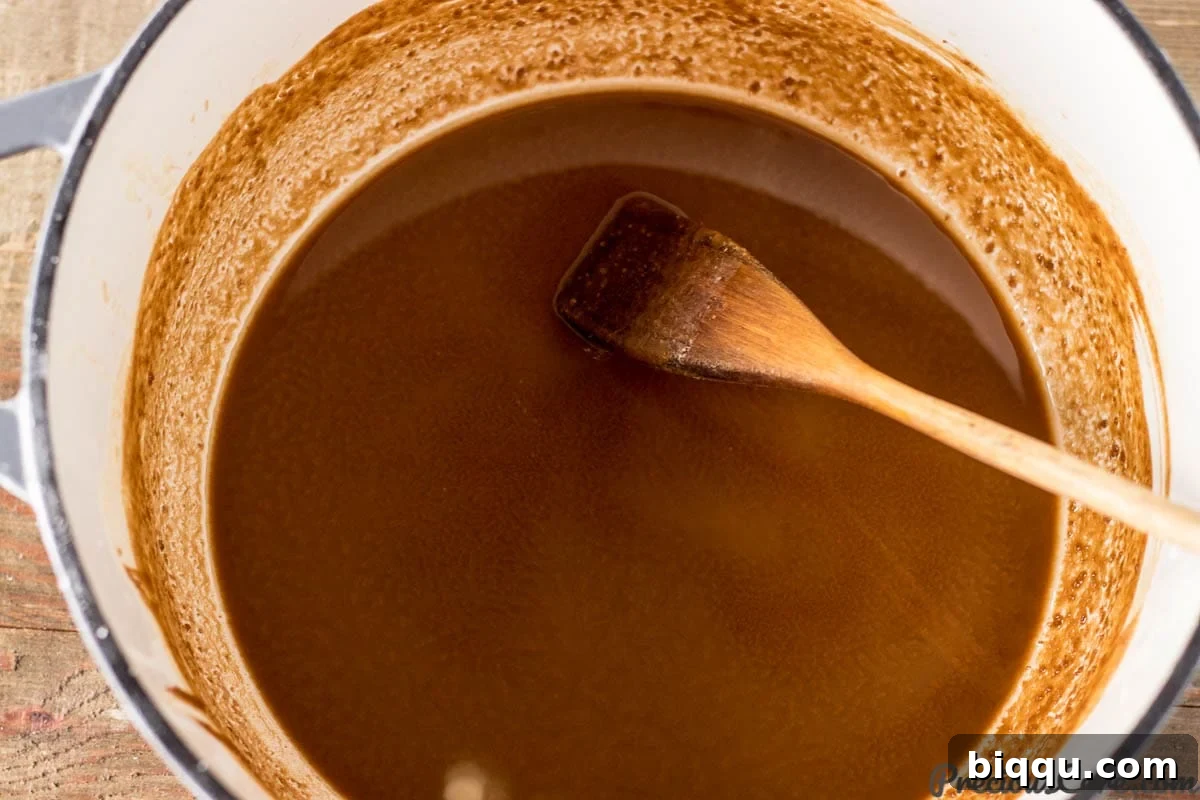
The roux is the heart and soul of any good gumbo, providing both thickening and a distinctive nutty flavor. In a heavy-bottomed pot, ideally a Dutch oven or cast iron pot, heat 1 cup of corn oil (or other flavorless oil) over high heat for about 3 minutes. Reduce the heat to medium. Gradually add 1 cup of all-purpose flour to the hot oil, whisking constantly to prevent lumps. Continue to whisk or stir with a wooden spoon without interruption. This process requires patience.
Initially, the mixture will be a pale white. As it cooks, it will gradually darken, transitioning through stages: from light brown, to peanut butter brown, and eventually to a rich, dark chocolate brown. This transformation typically takes about 20-30 minutes. Do not rush it, as burning the roux will impart a bitter taste, and you’ll have to start over. The darker the roux, the deeper the flavor of your gumbo. Once it reaches the desired dark chocolate color, proceed immediately to the next step.
Step 3: Sauté the Aromatics
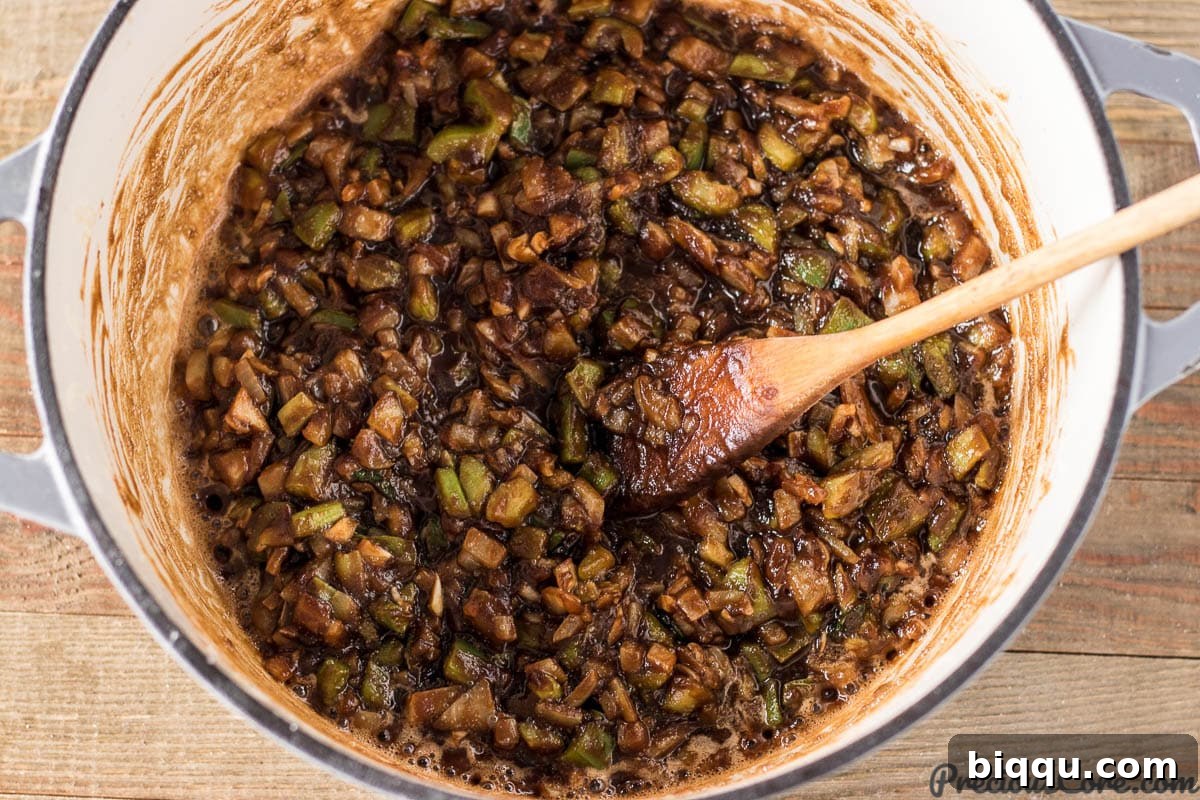
Once your roux is ready, quickly add the diced onions, celery, and bell peppers to the pot. Stir continuously, allowing the vegetables to “sweat” and soften for about 5 minutes. This step is crucial for building a robust flavor base, as the aromatics release their sweetness and depth into the rich roux.
Step 4: Build the Gumbo Base
Add the minced garlic to the pot and stir for another 2 minutes until fragrant. Then, gradually pour in the chicken broth, stirring constantly to ensure a smooth consistency and to prevent any lumps from forming. Add the bay leaves, the cooked chicken pieces, and the sliced Andouille sausage. Bring the mixture to a simmer, then cover the pot and allow it to cook gently for approximately 20 minutes. This simmering time allows the flavors to meld and the meats to further tenderize, creating a harmonious base for your gumbo.
Step 5: Incorporate the Seafood
Now it’s time to add the stars of the show! Stir in the ground black pepper, large shrimp, and crab legs along with the Creole seasoning. Continue to simmer the gumbo for another 15-20 minutes. Be careful not to overcook the seafood, especially the shrimp, which can become rubbery if cooked too long. The shrimp should turn pink and opaque, and the crab legs should be heated through and tender.
Step 6: Finish with Okra and/or Gumbo Filé
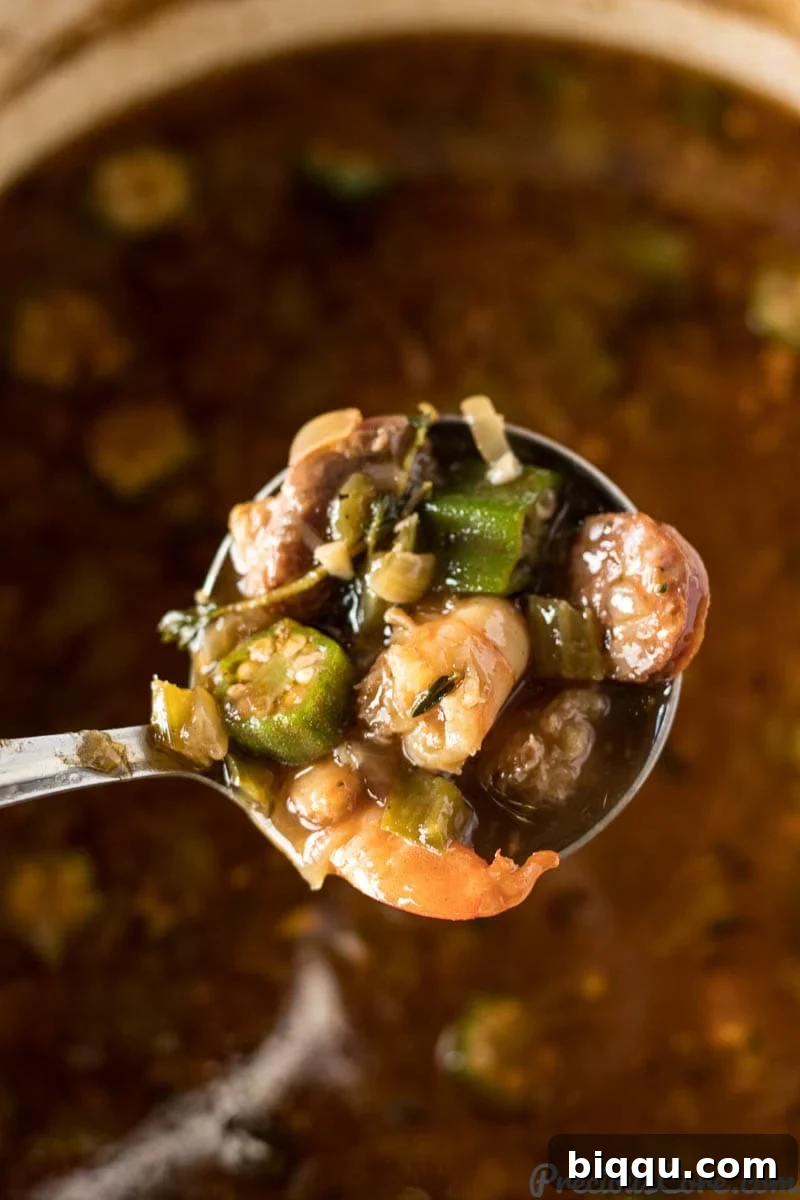
Finally, stir in the sliced okra (if using) and allow the gumbo to simmer for a final 10 minutes. If you are using gumbo filé, stir it in just before turning off the heat – it should not be cooked for an extended period, as it can become stringy. Taste the gumbo and adjust the seasoning as needed. Remember, if you used regular chicken broth, you might not need additional salt. For low-sodium broth, add salt to taste until the flavors are perfectly balanced. Remove the bay leaves before serving.
Step 7: Serve and Enjoy
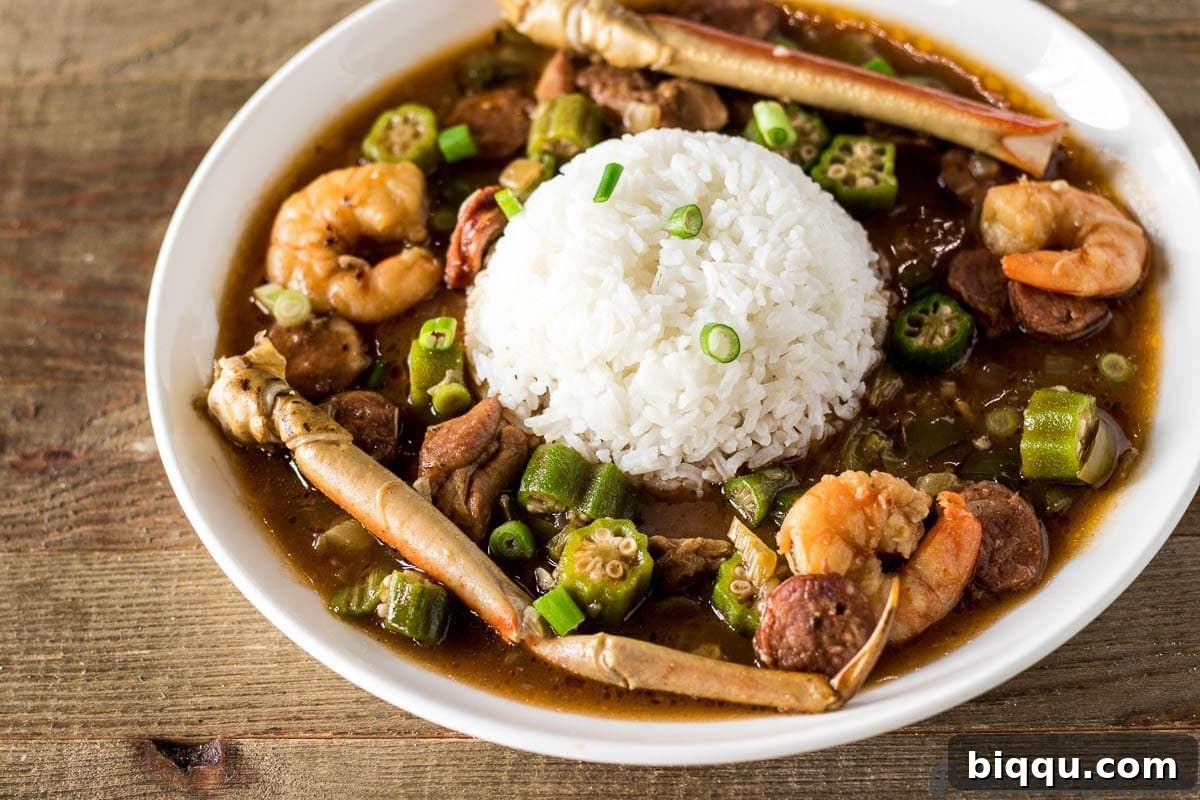
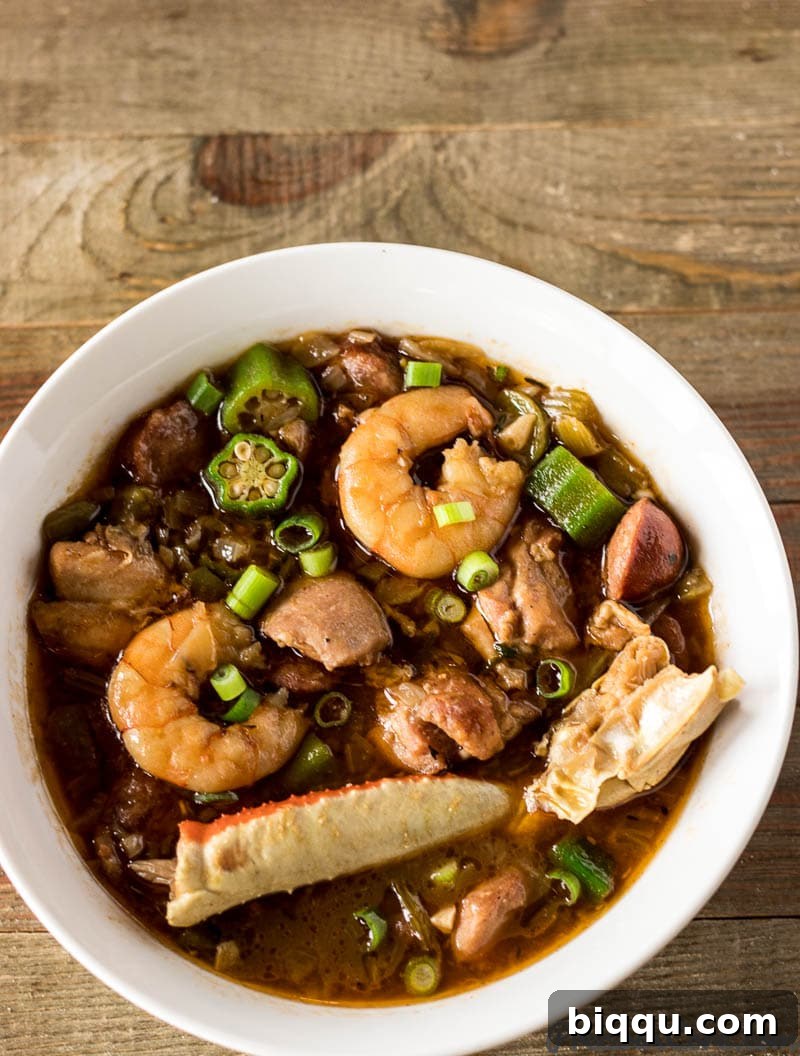
Your magnificent Seafood Gumbo is now ready to be served! Ladle it warm over fluffy boiled white rice, creamy grits, or with a side of crusty French bread to soak up every last drop of the rich broth. For an extra touch of freshness and color, garnish each bowl with a sprinkle of chopped green onions or fresh parsley.
Seafood Gumbo Recipe FAQs
What are the primary ingredients in Seafood Gumbo?
Authentic Seafood Gumbo typically features a blend of shrimp, crab (often crab legs), chicken, andouille sausage, and the “Holy Trinity” of bell peppers, onions, and celery. Key thickeners include a dark roux and/or okra or gumbo filé, all simmered in a flavorful chicken broth with Creole seasoning and bay leaves.
What is the secret to a great gumbo?
The undisputed secret ingredient to an outstanding gumbo is the roux. A meticulously prepared roux, made by slowly cooking equal parts flour and oil until it achieves a deep chocolate-brown color, provides unparalleled richness, nutty flavor, and a smooth, luxurious texture. Patience and constant stirring are essential to prevent burning and develop this critical base.
What are the different types of gumbo?
While variations abound, the three most common categories of gumbo are chicken and sausage gumbo (often Cajun-style with a very dark roux), seafood gumbo (rich in various fish and shellfish), and gumbo z’herbes (a vegetarian gumbo made with a variety of greens). Many gumbos, like this recipe, beautifully combine chicken, sausage, and seafood.
Delicious Serving Suggestions for Gumbo
Gumbo is a meal in itself, but it truly shines when paired with the right accompaniments. Here are some classic and delightful serving suggestions to complete your Southern feast:
- Buttermilk Mashed Potatoes: Creamy, tangy mashed potatoes offer a wonderful contrast to the rich, savory gumbo, creating a comforting and filling combination.
- Garlic Butter Rolls: Soft, warm rolls brushed with garlic butter are perfect for soaking up every last drop of that flavorful gumbo broth.
- Sweet Fried Plantains: For a delightful touch of sweetness and a hint of a tropical twist, perfectly caramelized fried plantains can add an unexpected but welcome contrast.
- Easy Cornbread: A staple of Southern tables, warm cornbread (especially skillet cornbread) is an excellent, slightly crumbly counterpoint to the stew, absorbing the flavors beautifully.
- Sweet Dinner Rolls: Fluffy, slightly sweet dinner rolls provide a comforting accompaniment, perfect for a hearty meal.
- Coleslaw: A crisp, refreshing coleslaw can offer a bright, acidic counterpoint to the richness of the gumbo.
- Potato Salad: Another Southern classic, a creamy potato salad can be surprisingly good alongside gumbo, adding a different texture and cool flavor.
More Hearty Stews and Soups To Explore
If you love the comforting and robust flavors of Seafood Gumbo, you’ll surely enjoy exploring these other hearty stews and soups that offer warmth and satisfaction:
- Lentil Stew
- African Okra Soup
- Quick Chicken Noodle Soup
- Cameroon Fish Pepper Soup
Seafood Gumbo Full Recipe Card
We hope you cherish making and savoring this incredible Seafood Gumbo recipe! If you give it a try, please consider sharing your experience by leaving a comment or a star rating below. Your feedback means the world to us!
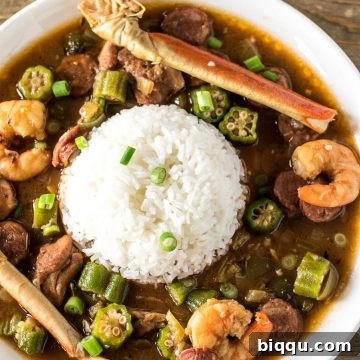
Seafood Gumbo
This rich Seafood Gumbo, brimming with shrimp, crabs, sausage, and chicken, boasts bold and irresistible flavors. Serve it with fluffy boiled rice, crusty French bread, or creamy grits for a truly special Creole meal that will delight your family and friends.
Print Recipe
Ingredients
- 1 cup corn oil or other flavorless oil
- 1 cup all-purpose flour
- 1 green bell pepper, diced
- 2 celery stalks, diced
- 1 large yellow onion, diced
- 8 garlic cloves, minced
- 64 oz chicken broth (two 32oz boxes)
- 3 bay leaves
- 12 oz Andouille sausage, chopped into 1-inch slices (pork, chicken, or other type; substitute with Kielbasa or other smoked sausage)
- 1 pound (1/2 kg) skinless boneless chicken thighs
- 1 tablespoon Cajun/Creole seasoning
- 1/2 teaspoon ground black pepper
- 2 cups sliced okra (fresh or frozen)
- 1 pound (1/2 kg) large shrimp, peeled and deveined
- 1/2 pound crab legs
- Chopped green onions for garnishing (optional)
- Boiled rice for serving
Instructions
-
Prepare the Chicken:
- Pre-heat oven to 400°F (200°C).
- Line a baking sheet with aluminum foil and rub some oil on the foil.
- Cut chicken into about 1-inch pieces. Sprinkle with a pinch of salt (if Creole seasoning is salt-free) and 1 teaspoon of Creole seasoning; mix well.
- Place the chicken on a single layer on the prepared baking sheet. Cook in the oven for 15-20 minutes until golden brown.
-
Make the Roux:
- Place 1 cup oil in a Dutch oven or cast iron pot and heat on high for about 3 minutes. Reduce heat to medium.
- Add 1 cup flour to the oil, whisking as you add. Continue whisking/stirring with a wooden spoon until smooth and lump-free.
- Continuously stir the mixture as it gradually transforms from white to light brown, then peanut butter brown, and finally to a dark chocolate brown. This crucial step takes about 20-30 minutes; do not rush it.
-
Sauté the Vegetables:
- To the pot, add the diced onion, celery, and bell pepper. Stir continuously and cook until the vegetables sweat and soften, about 5 minutes.
-
Make the Gumbo:
- Add the minced garlic to the pot and stir for about 2 minutes until fragrant.
- Then add all the chicken broth, bay leaves, the cooked chicken, and the sausage. Cover the pot and bring to a simmer for about 20 minutes.
- To the pot, add the black pepper, shrimp, crab legs, and the remaining Creole seasoning. Let them simmer together for about 15-20 minutes.
- Finally, add the sliced okra (if using) and let it simmer for about 10 minutes. If using gumbo filé, stir it in just before turning off the heat. Taste and adjust seasoning as needed, being mindful of the salt content in your chicken broth.
-
Serve:
- Serve your Seafood Gumbo warm over boiled rice or with any side you prefer. Garnish with chopped green onions or fresh parsley if desired.
Notes
1. Only add salt to the chicken if the Creole seasoning you use is salt-free. Otherwise, the seasoning itself may provide enough salt.
2. An optional garnish for serving your gumbo is chopped fresh parsley, which adds a bright, herbaceous note.
3. If you’re concerned about okra creating a “slimy” texture in your gumbo, you can fry it separately in a little oil until the mucilage disappears. Alternatively, many prefer using frozen sliced okra, which tends to be less slimy. If you would rather not have okra, gumbo filé is an excellent alternative thickener.
4. If you choose to use gumbo filé (sassafras powder) for thickening, always add it to the pot at the very end, just before you turn off the heat, as cooking it for too long can result in a stringy texture.
Nutrition
Carbohydrates: 24g |
Protein: 36g |
Fat: 46g |
Saturated Fat: 8g |
Polyunsaturated Fat: 12g |
Monounsaturated Fat: 23g |
Trans Fat: 0.2g |
Cholesterol: 165mg |
Sodium: 1067mg |
Potassium: 745mg |
Fiber: 3g |
Sugar: 3g |
Vitamin A: 637IU |
Vitamin C: 21mg |
Calcium: 128mg |
Iron: 3mg
Additional Info
Tried this recipe? Mention @preciouscore or tag #PreciousCore!
This post contains affiliate links.