
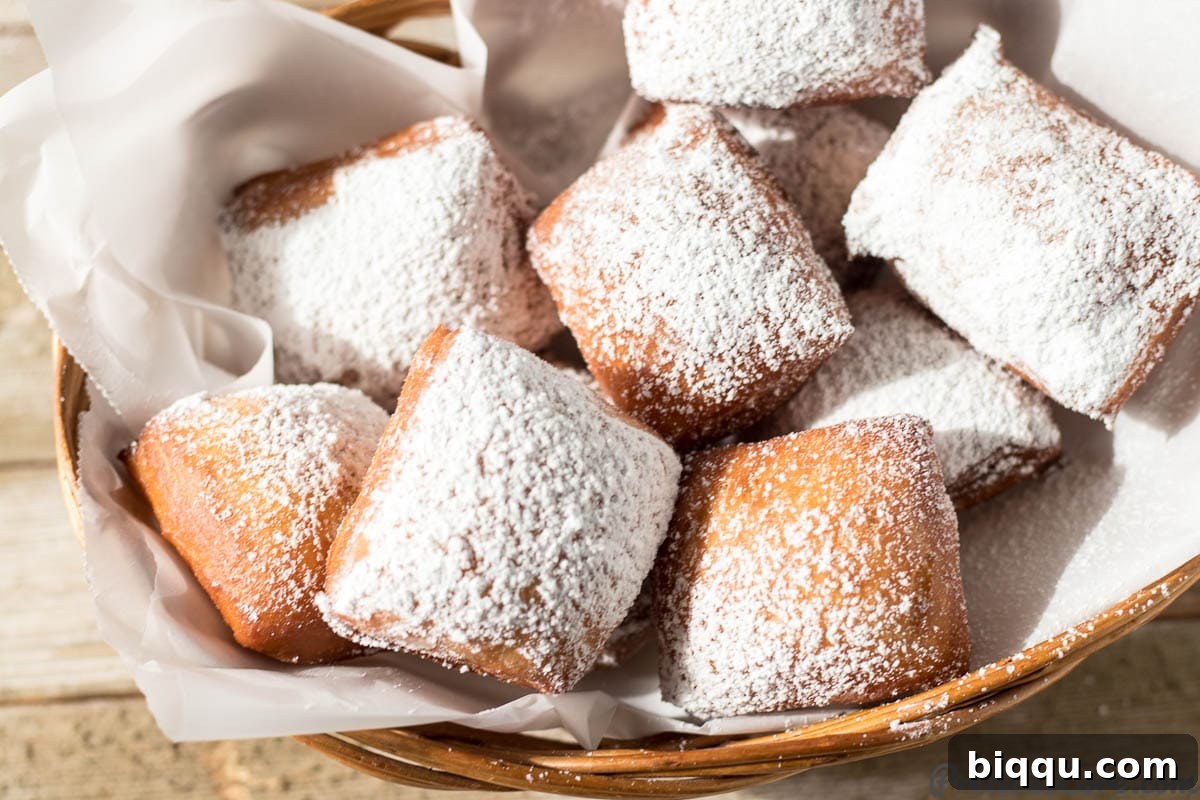
Indulge in the irresistible charm of authentic New Orleans Beignets – those delightful squares of deep-fried dough that are famously light, airy, and delicately sweet. This comprehensive guide will help you recreate the magic of these iconic pastries right in your own kitchen. Our perfected recipe delivers beignets that are soft and buttery, with just the right touch of sweetness to let the generous dusting of powdered sugar truly shine. Prepare to make this incredible homemade beignets recipe time and time again!
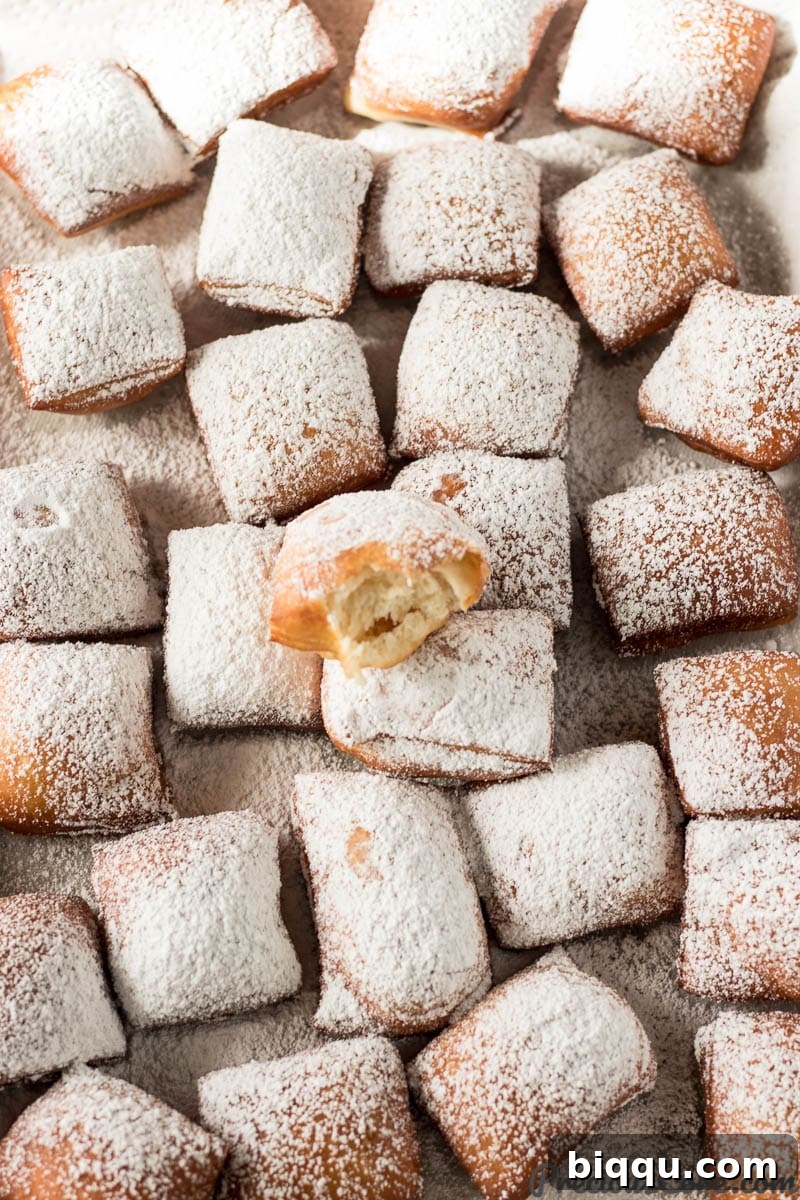
There’s an undeniable allure to deep-fried dough; it evokes a sense of joy and comfort that few other treats can match. Just like our beloved Twisted Doughnuts or the comforting African Puff Puff, beignets offer a unique textural experience that is simply captivating.
My journey to crafting the perfect beignet began with a vivid memory. Not long ago, while dining at a vibrant Caribbean/Southern restaurant, I caught sight of a waitress delivering a basket overflowing with what could only be New Orleans’ famous beignets to a nearby table. My gaze lingered on those puffy, cloud-like squares, each one sumptuously coated in confectioners’ sugar. They seemed to call my name, a siren song to my taste buds. However, on that particular day, we had ordered an extravagant feast, leaving my tummy utterly content with no room for another bite. The regret was real!
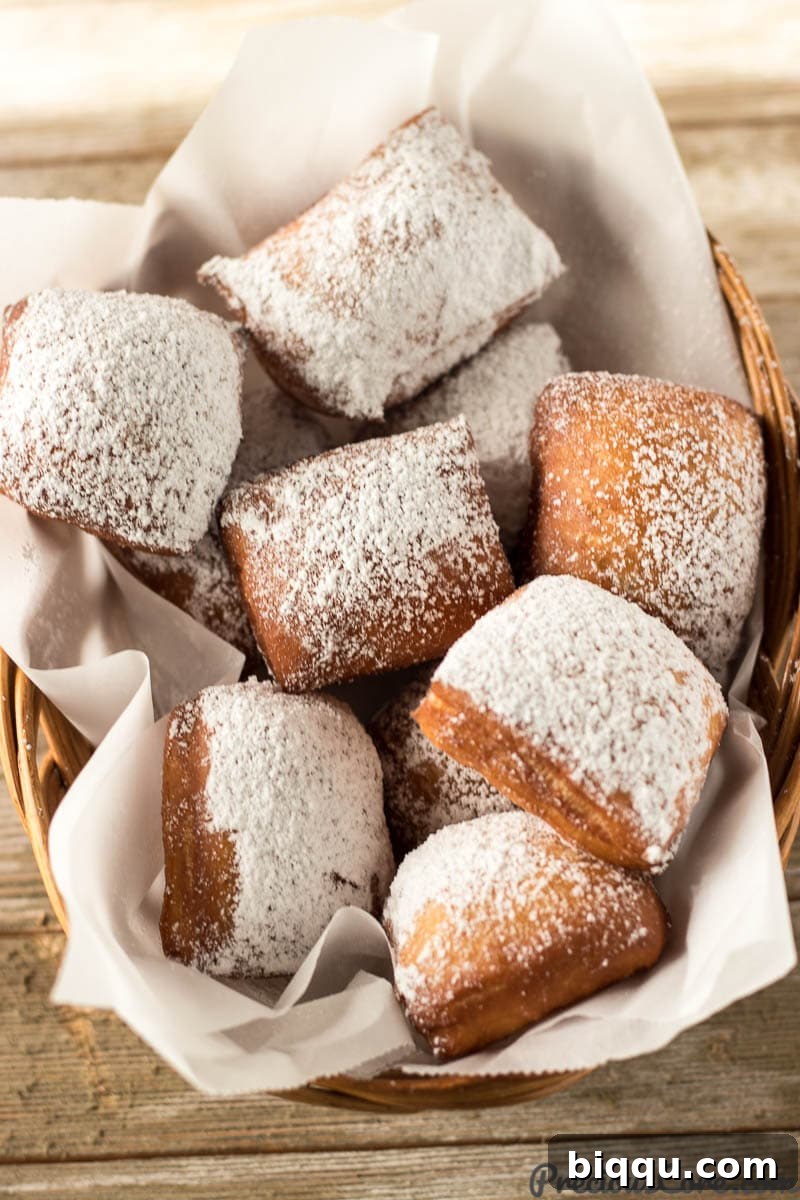
Despite my full stomach, the image of those ethereal beignets was imprinted in my mind. I immediately added them to my must-make recipe bucket list. I delved into various online recipes, eager to replicate the experience. My initial attempts, however, fell short; the beignets were dense, lacking the light and airy interior I craved. But through persistent experimentation and a passion for perfection, I finally uncovered the secrets to truly soft, pillowy, and traditional beignets. And today, I am thrilled to share that very recipe with you – a recipe that promises authentic New Orleans flavor and texture!
What Are New Orleans Beignets?
Beignets (pronounced “ben-yay,” not “beg-nets,” as some mistakenly say!) are a delectable form of deep-fried dough, traditionally classified as a choux pastry, that have become an iconic culinary staple in New Orleans, Louisiana. These delightful treats are typically cut into squares, fried until golden and puffy, and then generously dusted with a cloud of powdered sugar. They are a beloved indulgence, particularly during Mardi Gras celebrations, but are savored and enjoyed year-round.
In New Orleans, beignets are most commonly served alongside a comforting cup of café au lait – hot coffee blended with hot milk. The most renowned purveyor of these pastries is Café Du Monde, which has been serving its famous beignets since 1862. However, you can discover equally delicious renditions at various cafes and eateries throughout the vibrant city.
A Brief History of Beignets
The word “beignet” itself is French, translating to “fritter” in English. The concept of these fried pastries journeyed to the United States with French colonists, particularly settling in Louisiana. While they hold the esteemed title of the official state doughnut of Louisiana, their origins trace back to French culinary traditions, making them a delicious testament to the rich cultural fusion found in the American South. This French influence is evident not only in their name but also in their preparation and the light, airy texture that sets them apart.
How Are Beignets Different from Donuts?
While both beignets and traditional American donuts are beloved deep-fried dough treats, they possess distinct characteristics that set them apart. The primary difference lies in their shape and texture. Beignets are characteristically cut into squares, leading to their unique, often irregular, puffed appearance when fried. In contrast, most American doughnuts are round, often featuring a hole in the center.
Beyond shape, beignets are renowned for their incredibly light and airy interior, frequently developing a delightful hollow center. This contrasts with the typically denser, cake-like or yeasted texture of American doughnuts. Furthermore, beignets are inherently less sweet than their doughnut counterparts. The majority of their sweetness comes from the generous layer of powdered sugar dusted on top after frying, allowing for a customizable sweetness level that complements their delicate flavor.
Why You’ll Love This Beignets Recipe
This beignet recipe is an absolute keeper, destined to become a cherished favorite in your culinary repertoire! It’s an incredibly versatile treat, perfect for any occasion. Imagine starting your day with these warm, fluffy delights paired with a soothing Ginger Tea for a delightful breakfast or a leisurely brunch. As an afternoon pick-me-up, they hit just the right spot. During the warmer months, serving these beignets with a refreshing homemade iced coffee or a classic chicory coffee is an experience nothing short of heavenly.
My entire family is utterly smitten with these beignets; they’re truly addictive! We particularly adore them warm, accompanied by a rich hot chocolate for breakfast. I even packed some for Mr. N to share with his colleagues, and they were an instant hit! Consider bringing these elegant yet simple pastries to your next potluck or holiday gathering, and you’ll undoubtedly be the star of the event. They exude a sophisticated charm that belies their straightforward preparation.
While making beignets does require a bit of time for the dough to rise, the process itself is surprisingly easy. The key to achieving those coveted soft and buttery beignets is to follow the recipe instructions diligently. The reward? Pillowy perfection every single time.
Essential Ingredients for Beignets
Crafting perfect New Orleans beignets requires a few simple, everyday ingredients. Here’s a closer look at what you’ll need and why each component is crucial:
- All-purpose flour: This forms the structural foundation of our beignets. While all-purpose flour works beautifully for its balance of protein, bread flour can also be used, especially since this is a yeast-based recipe, lending a slightly chewier texture. You will need approximately 4 cups of flour to achieve the ideal dough consistency.
- Granulated sugar: A modest amount of granulated sugar is incorporated into the dough, providing a subtle sweetness that balances the richness without overpowering the final dusting of powdered sugar. Cane sugar can be used as a direct substitute if preferred.
- Whole milk: Whole milk contributes to a richer, tender dough. It’s crucial that the milk is warmed to approximately 110 degrees Fahrenheit (43°C). This specific temperature is vital for activating the active dry yeast, ensuring a proper rise. If whole milk isn’t available, you can use evaporated milk by mixing 3/4 cup of evaporated milk with 3/4 cup of water to achieve the correct consistency.
- Active dry yeast: This essential leavening agent is responsible for the beignets’ signature light and airy texture. It reacts with the warm milk and sugar to produce carbon dioxide, creating those desirable pockets of air within the dough. In a pinch, instant yeast can be substituted; just note that it may rise a bit faster.
- Egg: A large egg adds richness, moisture, and helps bind the dough, contributing to its tender crumb and golden color during frying. It also improves the overall structure and flavor.
- Melted unsalted butter: Unsalted butter is preferred for its pure flavor, enhancing the buttery notes in the beignets. Melted butter also adds moisture and richness. If unsalted butter is unavailable, or if you prefer a dairy-free option, you can substitute with any neutral-tasting oil such as corn oil, canola oil, light olive oil, or even vegetable shortening.
- Salt: A pinch of salt is vital in any sweet recipe. It doesn’t make the beignets salty but instead balances and enhances the sweetness from the sugar, bringing out the full depth of flavor.
- Powdered or icing sugar: This is the iconic finishing touch for New Orleans beignets. The beauty of powdered sugar is its versatility; you can sprinkle a light dusting for a subtle touch, or pile on heaps for an indulgent, snow-capped appearance. Adjust the quantity to your personal preference for sweetness.
For precise measurements and a complete nutritional breakdown, please refer to the detailed recipe card below.
Step-by-Step Beignet Making Guide
Making delicious beignets at home is a rewarding experience. Here’s a detailed run-down of each step to guide you through the process:
1. Activate the Yeast: In a large mixing bowl, pour the warm milk. Ensure the milk is lukewarm, around 110°F (43°C), as this is the optimal temperature for yeast activation. Sprinkle the active dry yeast over the milk. Let this mixture rest for about 5-10 minutes. You should see a foamy layer form on the surface, indicating the yeast is active and ready.
2. Combine Wet Ingredients: Once the yeast is activated, add the granulated sugar, a large egg, and the melted butter to the yeast mixture. Whisk these ingredients together thoroughly until well combined. If you’re using a stand mixer, attach the dough hook at this stage, as it’s designed for kneading dough effectively, unlike a paddle attachment.
3. Form the Dough: Gradually add the all-purpose flour and salt to the wet ingredients. Start by adding about two cups of flour, mixing until a rough dough forms, then incorporate the remaining flour. Continue mixing until a soft, slightly sticky dough comes together. Avoid overmixing at this stage.
4. Knead and Rise: Transfer the dough to a lightly floured surface. Knead the dough for approximately 5-7 minutes, until it becomes smooth, elastic, and less sticky. Form the dough into a ball and place it back into the large bowl (you can lightly grease the bowl first to prevent sticking). Cover the bowl tightly with plastic wrap or a clean kitchen towel. Place the dough in a warm environment to rise for about 2 hours, or until it has doubled in size. This slow rise is crucial for developing flavor and achieving the desired light and fluffy texture.
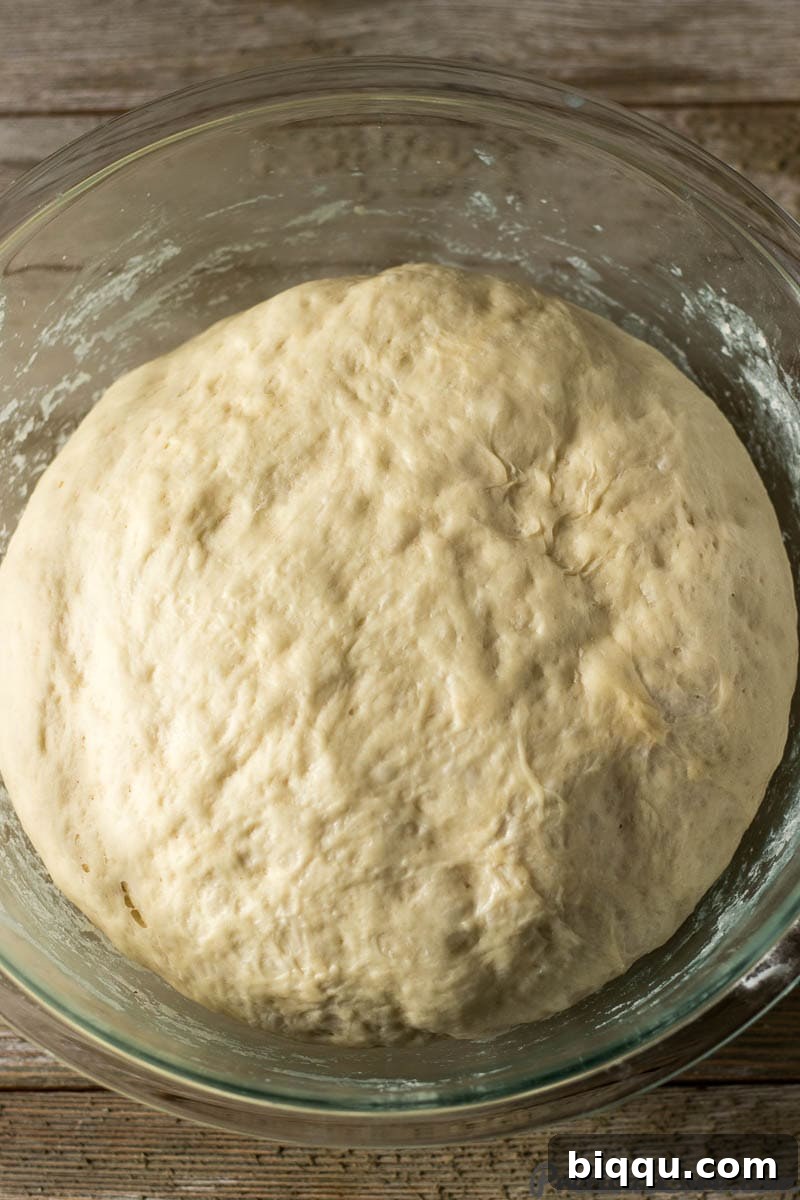
5. Punch Down and Roll Out: Once the dough has risen beautifully, gently punch it down to release the trapped air. If you prepared the dough in advance and refrigerated it overnight, make sure to let it come to room temperature for about 30 minutes before punching it down. Lightly flour your work surface again, then roll the dough out into a large rectangle, roughly 14 by 12 inches and about 1/4 inch thick.
6. Cut the Beignets: Using a sharp knife or, even better, a pizza wheel cutter, cut the large rectangle of dough into 2-inch squares. This square shape is characteristic of New Orleans beignets. As you cut, prepare your frying oil in a large, heavy-bottomed pot or deep frying pan, heating it gently.
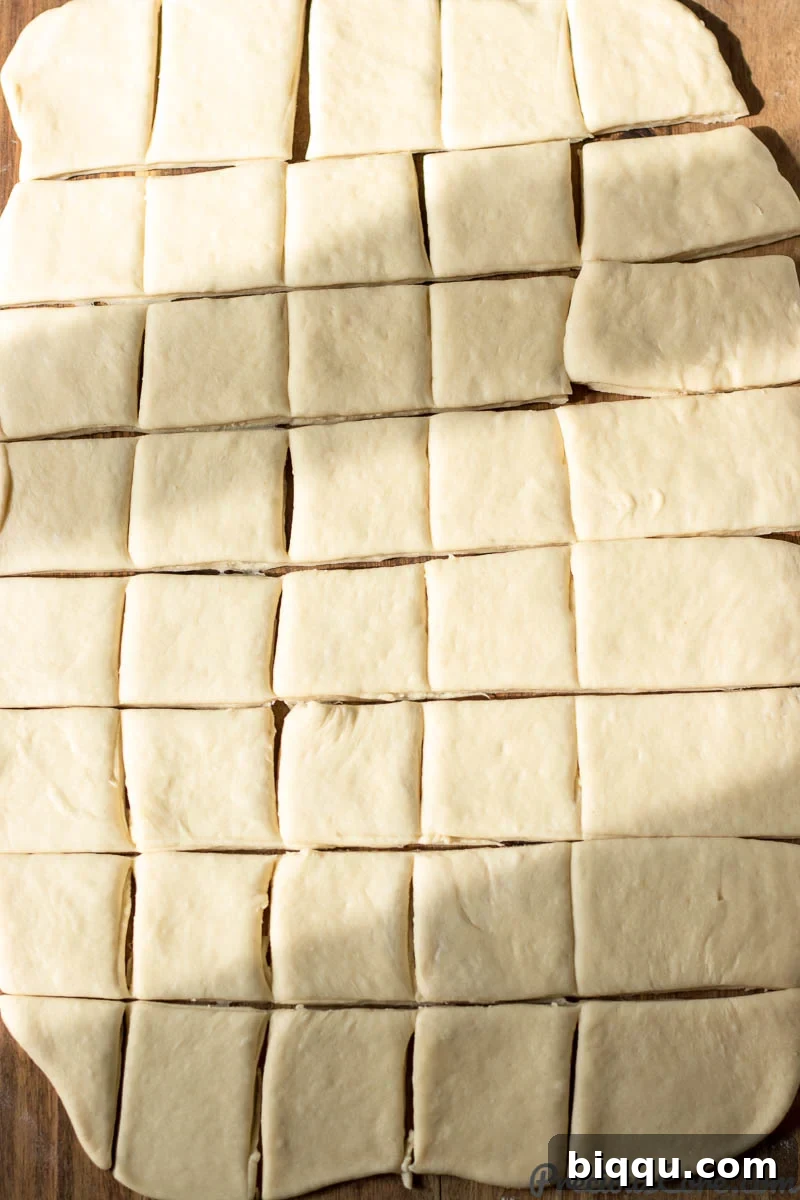
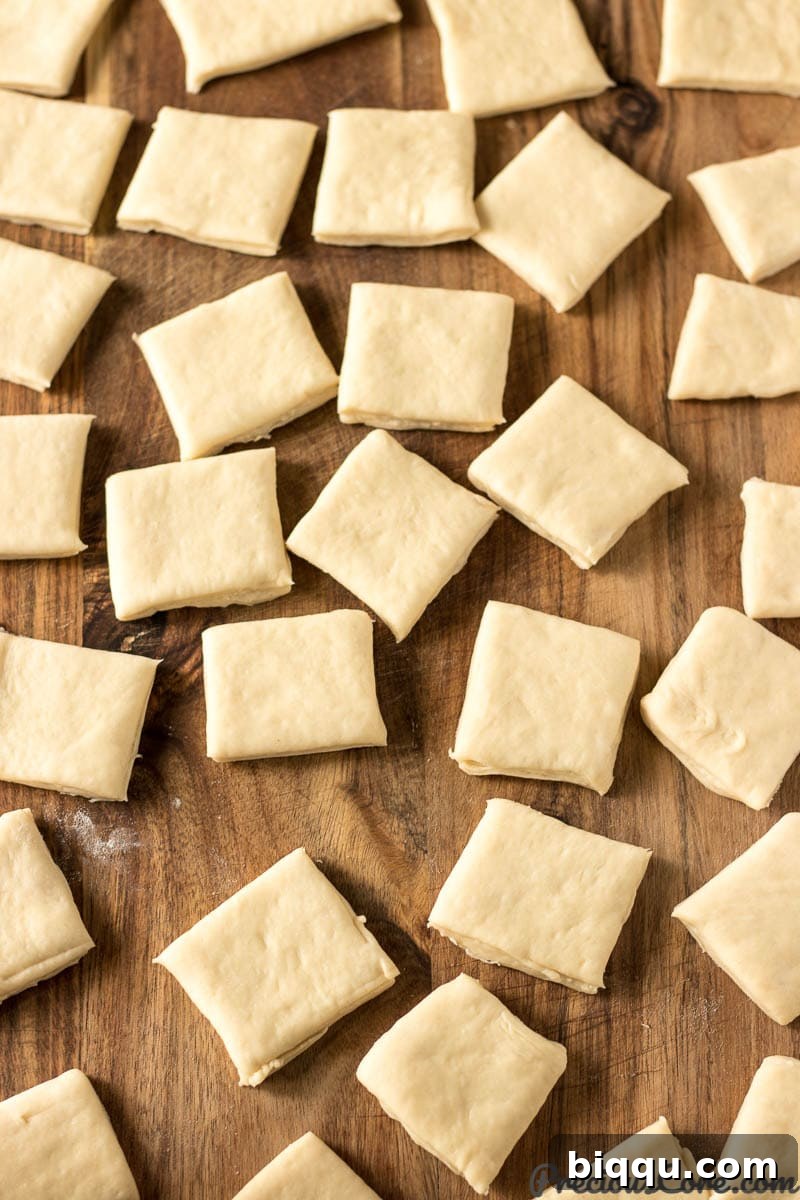
7. Fry the Beignets: Heat at least 3 to 4 inches of your chosen frying oil in the pot over medium heat until it reaches 350°F (175°C). It’s highly recommended to use a candy or deep-fry thermometer for accuracy. Carefully lower a few dough squares into the hot oil, ensuring not to overcrowd the pan. Fry for 1-2 minutes per side, or until they puff up and turn a beautiful golden brown. Using a slotted spoon or tongs, transfer the fried beignets to a wire rack set over a baking sheet lined with paper towels to drain any excess oil.
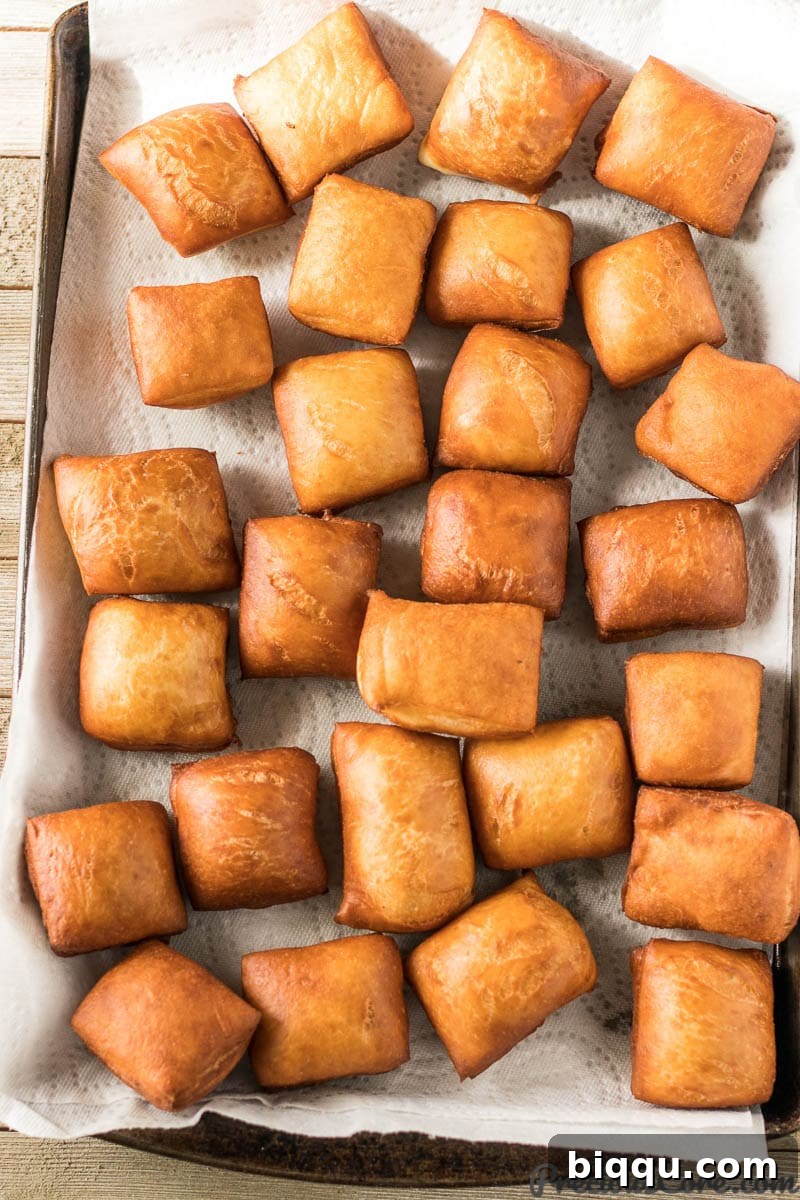
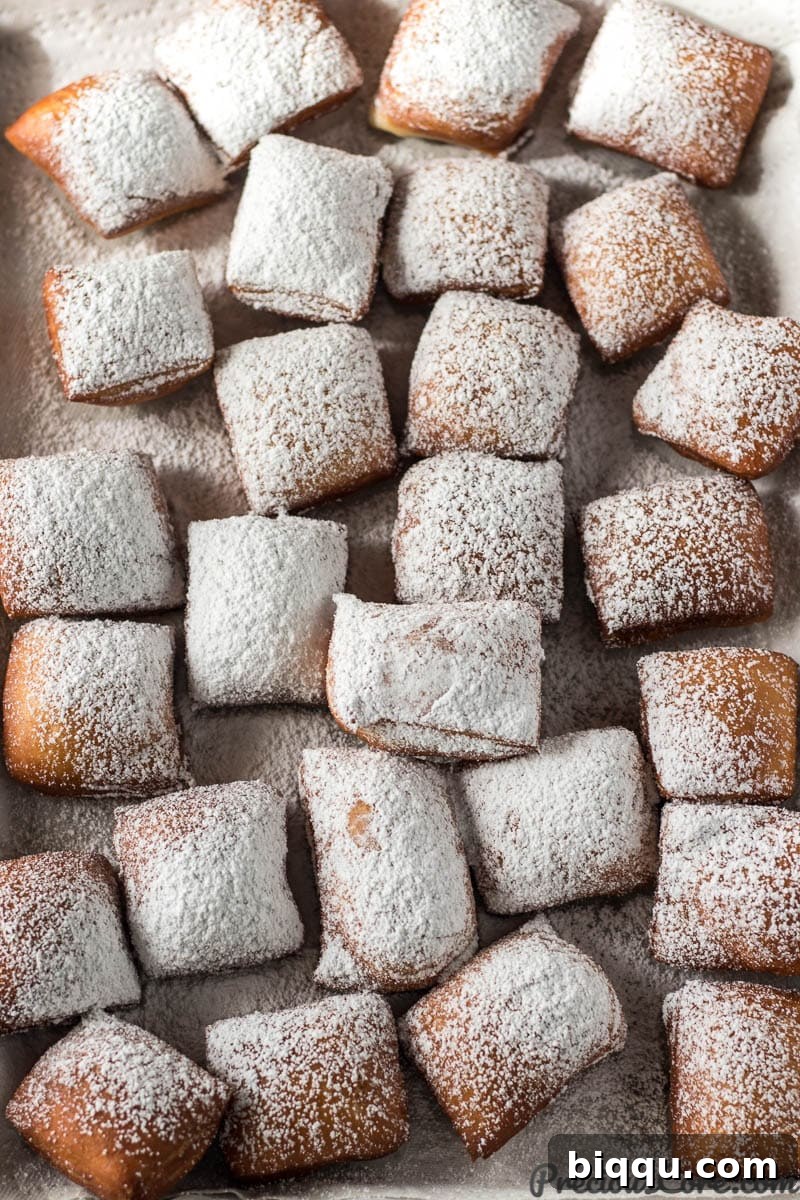
8. Dust with Powdered Sugar: While the beignets are still warm, liberally sprinkle them with icing or powdered sugar. You can also toss them gently in a medium bowl filled with sugar for an even coating. The warmth helps the sugar adhere beautifully.
Important Tips For Perfect Beignets
Achieving perfectly light and fluffy beignets requires attention to a few key details. Here are my top tips to ensure your homemade beignets are absolutely sublime:
- Maintain Optimal Oil Temperature: This is arguably the most critical tip. The oil temperature must be consistently maintained around 350°F (175°C). If the oil is too hot, the beignets will brown too quickly on the outside, leaving the inside raw and doughy. If the oil is too cool, the dough will absorb excessive oil, resulting in greasy and heavy beignets. Invest in a candy thermometer or deep fryer thermometer to accurately monitor and adjust the temperature.
- Bring Dough to Room Temperature: If you prepare the dough ahead of time and refrigerate it, always allow it to come to room temperature before rolling and cutting. Cold dough is stiff and difficult to work with, impacting the final texture.
- Proper Dough Storage for Make-Ahead: When making the dough in advance, store it in a tightly wrapped, lightly greased bowl or an airtight container in the refrigerator. This prevents the dough from drying out and forming a crust.
- Control Frying Heat: Avoid setting your stove burner to high heat. Instead, aim for a steady medium heat. If you notice the oil temperature starting to dip during frying (which can happen when adding cold dough), temporarily increase the heat to medium-high until it returns to the desired temperature, then adjust back to medium.
- Choose the Right Frying Vessel: You don’t necessarily need a super deep pot for this recipe. A large, heavy-bottomed pot or a sturdy frying pan with high sides will work well. If you plan to make larger quantities, a Dutch oven or a dedicated deep fryer can be very efficient, with the same temperature rules applying.
- Handle with Care: To safely remove the hot beignets from the oil and prevent splashes, always use a slotted spoon or a pair of long tongs. This also helps to gently drain some of the oil before transferring them to paper towels.
- Don’t Overcrowd the Pan: Fry beignets in small batches. Overcrowding the pan will lower the oil temperature significantly, leading to uneven cooking and greasy beignets. Give each beignet enough space to puff up and cook properly.
- Dust While Warm: For the best adherence and melt-in-your-mouth experience, dust the beignets with powdered sugar immediately after they come out of the oil and have drained for a moment. The residual warmth helps the sugar stick.
Delicious Beignet Variations
Beignets are wonderfully versatile, offering a fantastic canvas for creative flavor combinations. While the classic powdered sugar version is perfection, don’t hesitate to experiment with these delightful variations:
- Cinnamon Beignets: For a warm, aromatic twist, mix a teaspoon or two of ground cinnamon powder directly into your powdered sugar before dusting. This creates fragrant cinnamon beignets that are perfect for autumn or any time you crave a touch of spice.
- Chocolate Beignets: Elevate your beignet experience by transforming them into decadent chocolate-filled treats. Once the beignets are fried and slightly cooled, use a small spoon or the back of a piping tip to create a small hole in the side of each beignet. Then, pipe in your favorite chocolate hazelnut spread (like Nutella) until it just begins to spill out. The warm chocolate filling paired with the light dough is divine.
- Jam-Filled Beignets: Similar to the chocolate variation, you can fill your beignets with a burst of fruity flavor. After frying, create a small opening in each beignet and generously pipe in your favorite jam or fruit preserve – raspberry, apricot, or strawberry are all fantastic choices. These jam-filled beignets offer a delightful contrast of sweet fruit and fluffy pastry.
- Savory Beignets: While typically sweet, beignets can also venture into savory territory. Consider adding finely chopped herbs (like chives or parsley) and grated Parmesan cheese to the dough before frying. Serve these savory beignets as an appetizer with a dipping sauce.
Frequently Asked Questions About Beignets
Here are some common questions about beignets, answered to help you master this delicious pastry:
What is the best oil to fry beignets?
The best oils for frying beignets are those with a high smoke point and a neutral flavor. Options like peanut oil, vegetable oil, corn oil, cottonseed oil, or light canola oil are ideal. These oils won’t impart any strong or unwanted flavors to your delicate beignets, allowing their natural buttery taste to shine through.
What dough are beignets made of?
Beignets are traditionally made from a yeasted dough, often enriched with milk, sugar, eggs, and butter. This specific type of dough is crafted to be light and pliable, which contributes to the characteristic airy, sometimes hollow, interior of the fried beignets. This makes them significantly lighter in weight and texture compared to many traditional doughnuts.
Can you eat beignets cold?
While you can certainly eat beignets cold, they are undeniably best enjoyed warm, shortly after they have been fried. The warmth enhances their soft, airy texture and makes the powdered sugar melt ever so slightly, creating a truly irresistible experience. When cold, they tend to become a bit chewier and lose some of their delicate quality.
What do you serve with beignets?
The classic accompaniment for beignets, especially in New Orleans, is a steaming cup of café au lait. The slight bitterness of the coffee pairs exquisitely with the sweetness of the beignets. Other excellent pairings include hot tea, hot chocolate, or even iced coffee during warmer weather. For an extra treat, you can also serve beignets with a side of fruit jam or a chocolate dipping sauce.
Are beignets supposed to be hollow?
Yes, authentic New Orleans beignets are indeed supposed to be light and often hollow in the middle. This hollowness is a hallmark of a well-made beignet and is one of the key textural differences that distinguish them from denser doughnuts. The air pockets contribute to their signature airy, cloud-like quality.
Serving Suggestions
Enhance your beignet experience by pairing them with these delightful beverages:
Honey Lemon Tea
Ginger Drink
Coconut Hot Chocolate
Iced Coffee Recipe
More Deep-Fried Dough Recipes
If you’ve fallen in love with this beignets recipe, you’ll adore these other irresistible deep-fried dough treats:
African Doughnuts – Twisted Doughnuts
How To Make Puff Puff
Sugar Coated Donuts
BEIGNETS SOUFFLES
Don’t forget to also check out our Baked Pumpkin Donuts Recipe – it’s absolutely delicious!
If you make this recipe, please consider leaving a star rating below. Your feedback and rating truly help other home cooks discover and enjoy this recipe, and I always love hearing from you! Thank you!
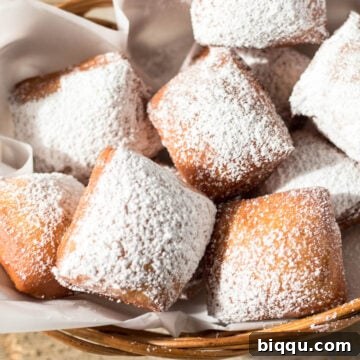
New Orleans Beignets Recipe
Soft, buttery, and incredibly light beignets – the only recipe you’ll ever need for an authentic taste of New Orleans. Enjoy these delightful pastries warm with your favorite tea or coffee.
Ingredients
- 4 cups all-purpose flour (480g)
- 1/4 cup granulated sugar (50g)
- 1 1/2 cup whole milk, heated to lukewarm (360ml)
- 2 1/4 teaspoons active dry yeast (7g or 1/4 oz)
- 1 large egg
- 4 tablespoons unsalted butter – melted (substitute with any neutral-tasting oil like light olive oil, canola, or corn oil)
- 2 teaspoons salt
- 2 tablespoons icing or powdered sugar – for sprinkling (add more sugar if desired)
Instructions
- In a large bowl, combine the warm milk and active dry yeast. Let it rest for 5-10 minutes until foamy. Then, add the granulated sugar, egg, and melted butter, mixing well until thoroughly combined.
- Gradually add the all-purpose flour and salt to the wet ingredients. Mix until a soft, slightly sticky dough forms. Transfer the dough to a lightly floured surface and knead for about 5-7 minutes, until it becomes smooth and elastic.
- Place the kneaded dough back into a lightly greased bowl. Cover with plastic wrap and a kitchen towel. Let it rise in a warm place for 2 hours, or until doubled in size. Alternatively, you can refrigerate the dough overnight for a slower rise.
- Once risen, gently punch down the dough to release excess air. If refrigerated, let it rest at room temperature for about 30 minutes before punching down.
- On a lightly floured surface, roll out the dough into a large rectangle, approximately 14 by 12 inches and about 1/4 inch thick. Use a sharp knife or pizza wheel cutter to cut the rectangle into 2-inch squares. Allow the cut dough squares to rest for about 10 minutes while you heat the frying oil.
- Pour 3-4 inches of neutral-tasting oil into a heavy-bottomed frying pan or pot. Heat the oil over medium heat until it reaches 350°F (175°C). Fry the beignet squares in batches, 1-2 minutes per side, until golden brown and puffed. Remove with a slotted spoon and place on paper towels or a wire rack to drain excess oil.
- While still warm, liberally sprinkle the fried beignets with icing or powdered sugar.
- Serve immediately and enjoy your delicious homemade beignets with tea or coffee.
Notes
- These beignets fry very quickly, so keep a close eye on them to prevent burning. They only require 1-2 minutes of cooking time on each side.
- Note that the dough itself is not excessively sweet, which is one of their charms! Most of the sweetness comes from the generous dusting of powdered sugar on top. Feel free to add more powdered sugar if you prefer a sweeter treat.
- Beignets are best enjoyed warm and fresh from the fryer. Their soft, irresistible texture is at its peak when warm. However, they can also be served cold.
- Make-Ahead Tip: To save time, prepare the dough the day before and refrigerate it overnight. The next day, simply take it out of the fridge, let it come to room temperature for 30 minutes, then roll out, cut, and fry.
Nutrition
Additional Info
Tried this recipe? Share your creation on Instagram! Mention @preciouscore or tag #PreciousCore!