
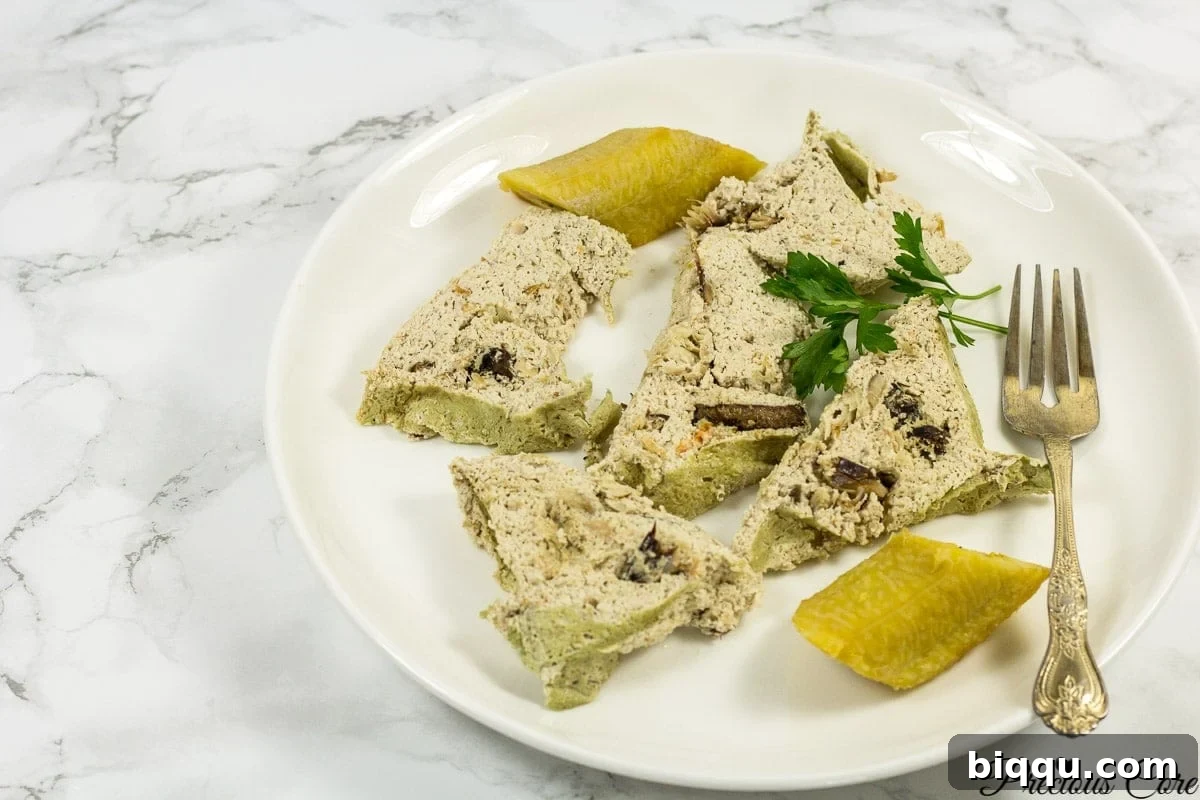
The Ultimate Guide to Authentic Cameroonian Egusi Pudding: A Savory African Delicacy
Prepare your taste buds for an unforgettable culinary experience! Egusi Pudding stands as a crown jewel in African cuisine, a dish so rich in flavor and tradition that it’s impossible to resist. More than just a meal, it’s a celebration of heritage, bursting with nutrients, and incredibly satisfying. For many, including myself, it’s a dish we could eat endlessly without a hint of guilt. Its exceptional taste ensures that a single serving is rarely enough – everyone always yearns for more of this delightful savory pudding.
Unveiling Egusi: The Heart of This Delectable Dish
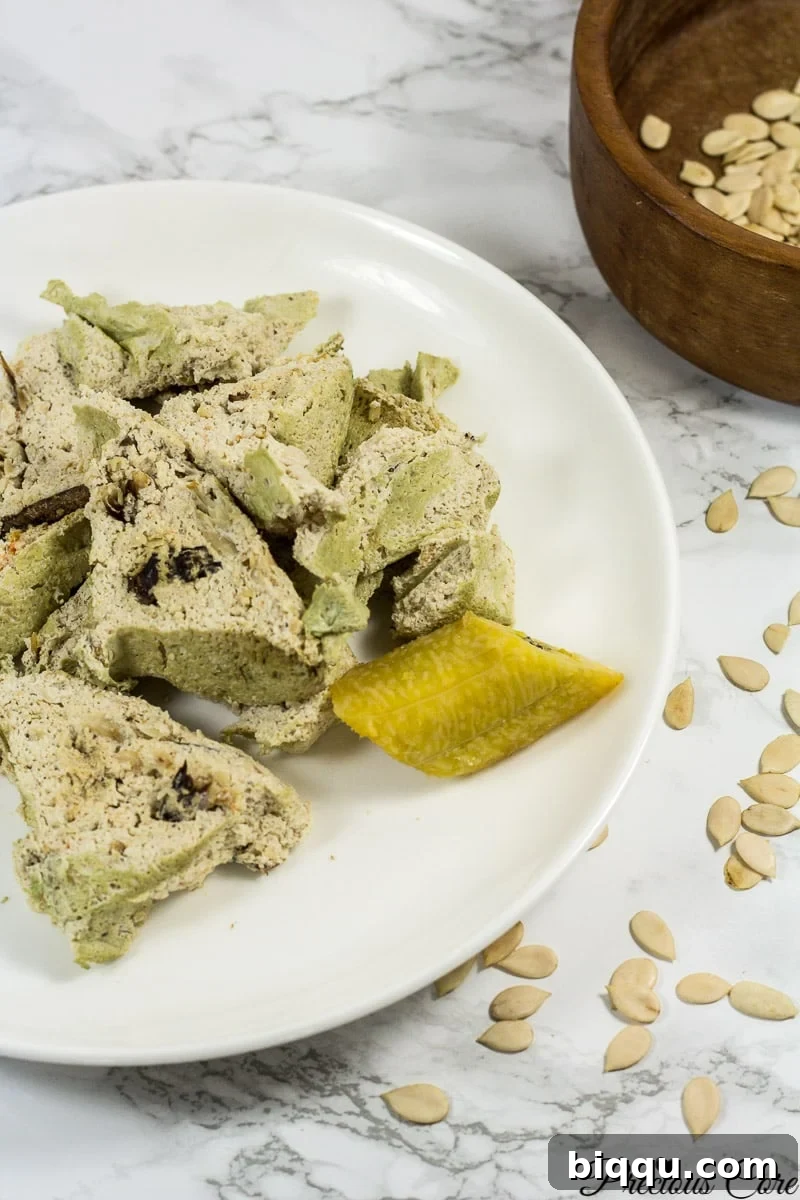
At the core of Egusi Pudding lies the humble yet powerful egusi seed. These remarkable seeds are harvested from a type of gourd, often referred to as a wild watermelon or bitter melon, indigenous to West Africa. Encased within a tough yellowish-orange shell, each cracked seed reveals a pearly white kernel – the precious egusi. Highly valued across the African continent, these seeds are widely recognized as melon seeds or pumpkin seeds, depending on the regional nomenclature.
Beyond their culinary appeal, egusi seeds are a nutritional powerhouse. They are an excellent source of protein, healthy fats, and essential amino acids, making them a significant contributor to the diets of millions. Rich in vitamins like A, B1, B2, and C, as well as minerals such as calcium, iron, and potassium, egusi offers a comprehensive boost to overall health. Incorporating egusi into your diet means embracing a food that supports muscle growth, provides sustained energy, and contributes to cellular repair, all while delivering an exquisite flavor.
Beyond the Soup Bowl: The Unique Allure of Egusi Pudding
Egusi’s versatility in African kitchens is truly impressive. In many parts of the continent, these cherished seeds are fundamental to a myriad of dishes. They can be cooked with vibrant green leafy vegetables, creating hearty, nutritious stews. They are famously used to thicken and enrich various soups and stews, transforming simple ingredients into complex, satisfying meals. A notable example is the iconic Nigerian Egusi Soup, often prepared with a scattering of bitterleaf and traditionally savored with staples like Eba or Poundo (Pounded Yam).
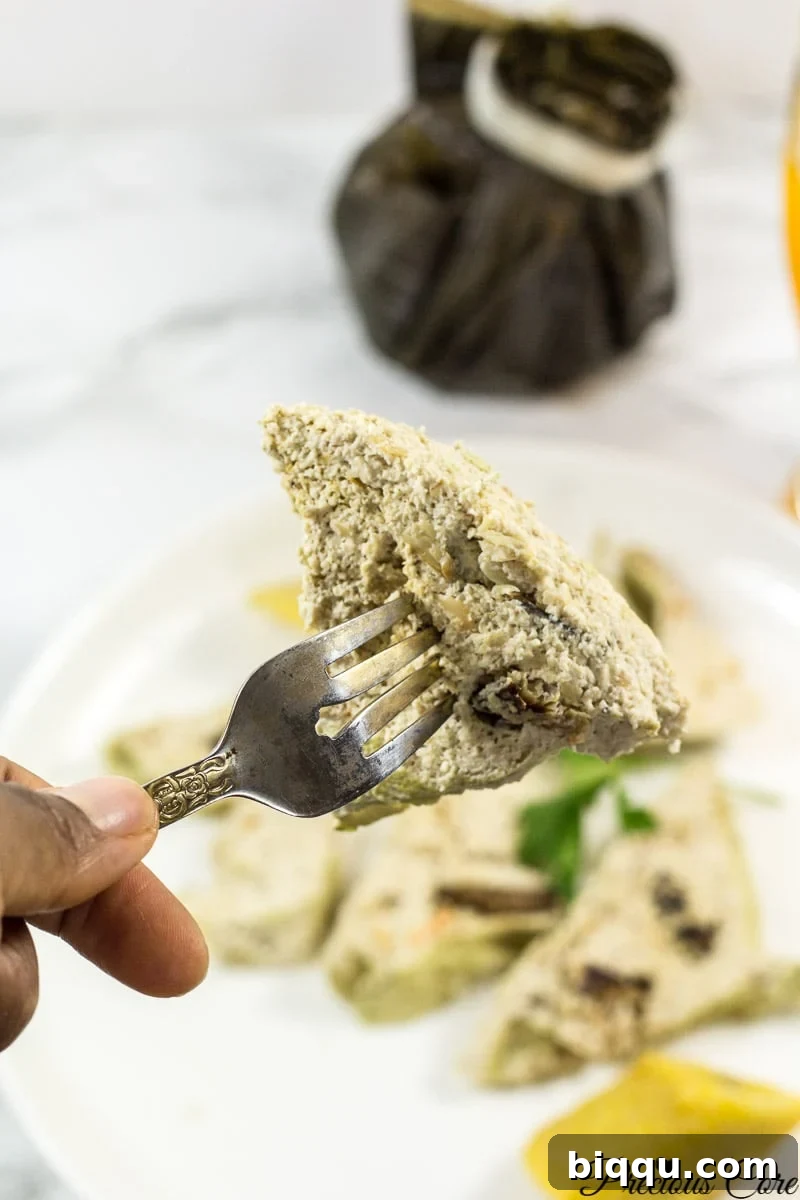
However, among the diverse array of egusi dishes, Egusi Pudding holds a special place in my heart. This particular preparation elevates the humble egusi seed to an art form. Its unique texture and savory depth distinguish it from its soup and stew counterparts. The pudding is a dense, yet airy, steamed delicacy that offers a completely different sensory experience. I would gladly go to great lengths for a generous slice of this savory pudding, knowing that every bite is not only incredibly delicious but also packed with wholesome goodness.
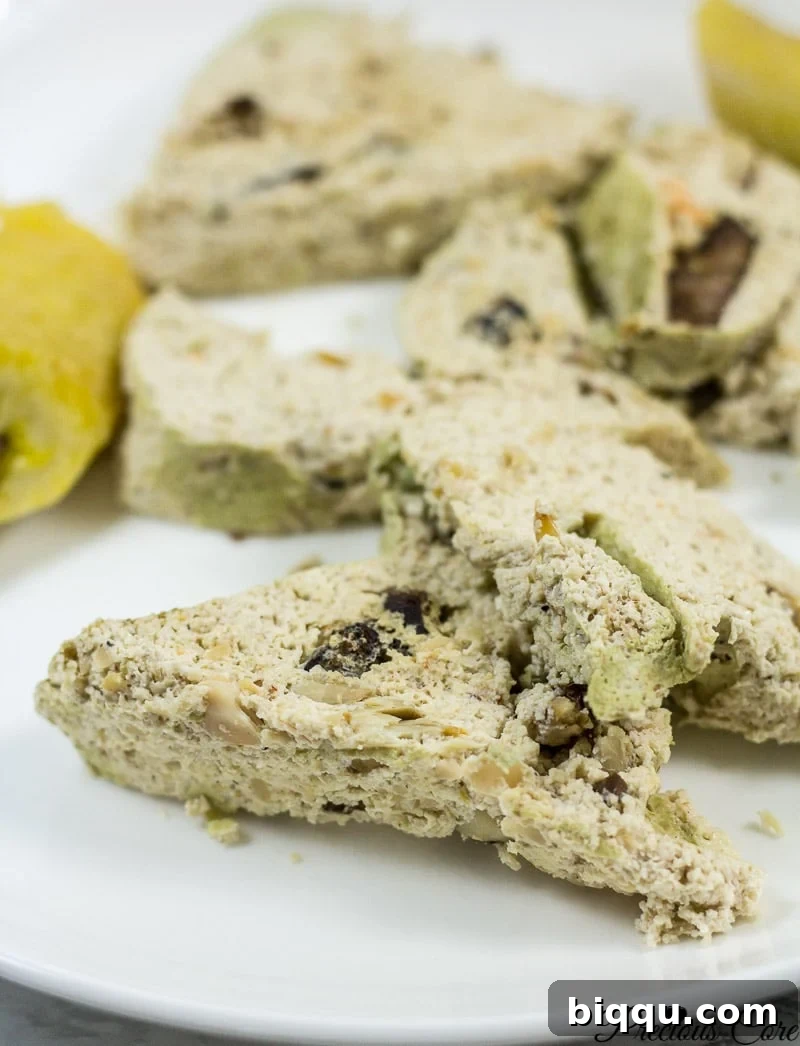
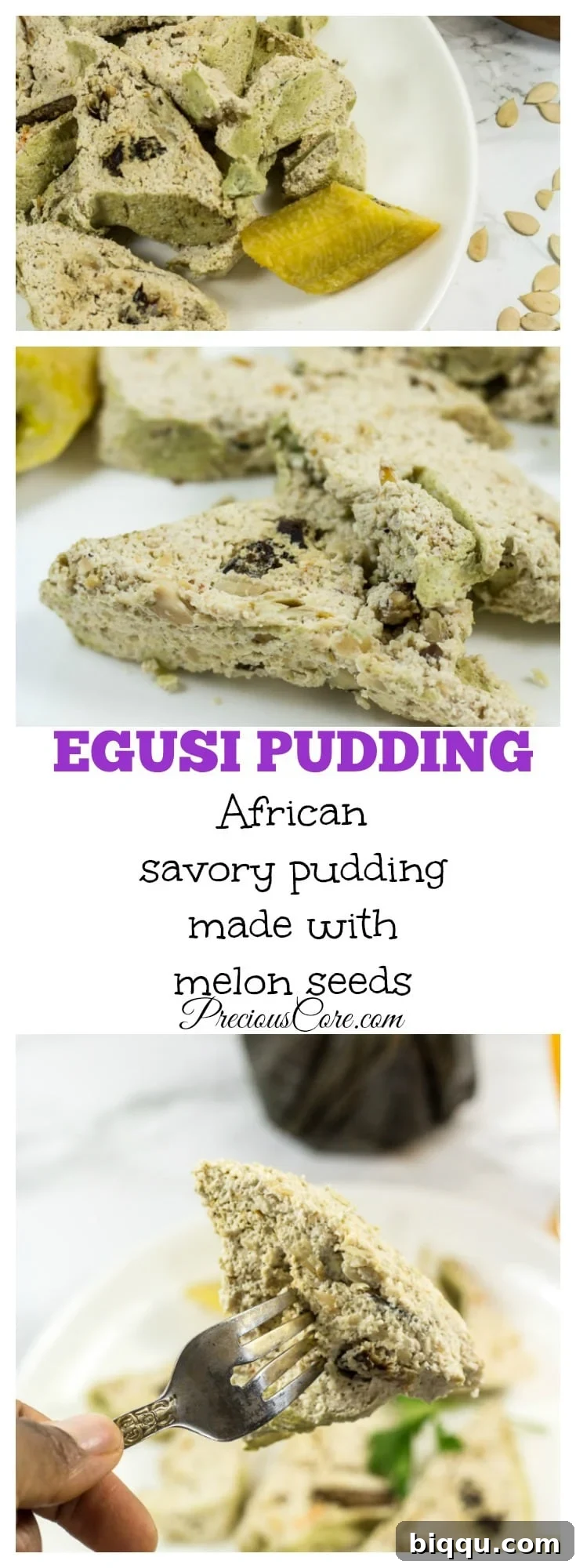
Just behold those magnificent slices! Often affectionately dubbed “African cake slices,” these delectable portions are a testament to culinary ingenuity. They are characterized by their light, airy texture, infused with a perfect balance of spices and savory notes, delivering an explosion of flavors that tantalize the taste buds. Egusi Pudding is undoubtedly one of Africa’s most cherished appetizers, though it can easily transcend this role to become a delightful snack or even a side dish in a more elaborate meal.
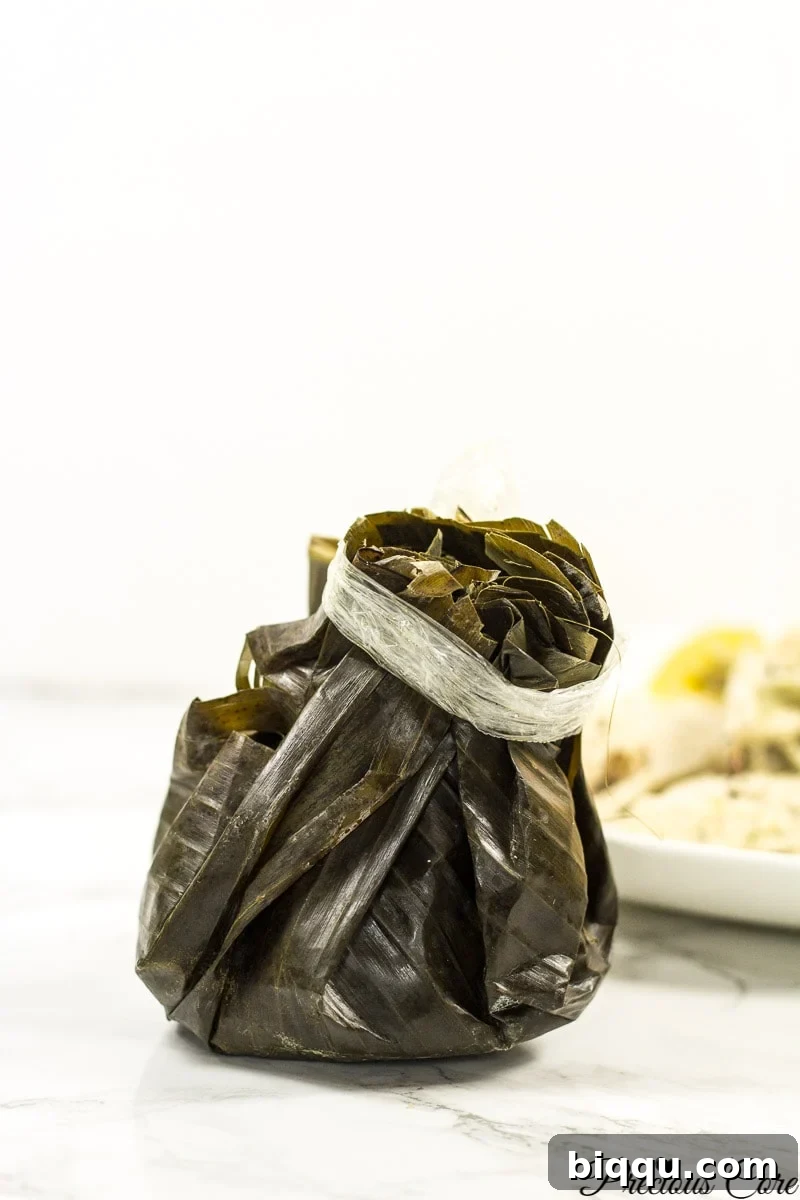
The preparation of this unique pudding involves a meticulous process that begins with blending the egusi seeds into a fine paste. This paste is then expertly mixed with water, succulent pieces of fish, and a carefully selected blend of seasonings. The mixture is traditionally steamed to perfection within plantain or banana leaves, which impart a subtle, earthy aroma and contribute to the pudding’s distinctive flavor. In the absence of these traditional leaves, aluminum foil serves as a convenient and effective alternative, ensuring the pudding retains its moisture and steams evenly.
A Culinary Journey: Egusi Pudding in Cameroonian Culture
Egusi pudding isn’t just a dish; it’s a staple at Cameroonian parties and celebrations. Its irresistible taste and communal appeal make it an absolute hit, guaranteed to disappear quickly from any gathering. It embodies the warmth and hospitality of Cameroonian culture, often served as a welcoming delicacy that brings people together. From festive occasions to casual family gatherings, the sight of egusi pudding signals a feast and fosters a sense of joy and togetherness.
Perfect Pairings: Enjoying Your Egusi Pudding
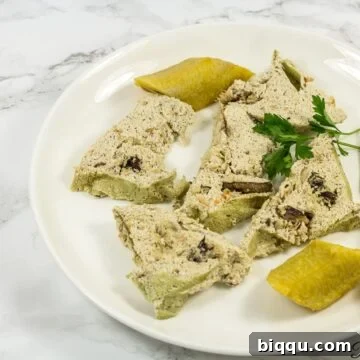
While Egusi Pudding is utterly delicious on its own, it truly shines when paired with a starchy side of your choice. The options are wonderfully diverse and cater to various preferences. You can enjoy it with perfectly boiled ripe plantains, which offer a delightful sweetness that complements the savory pudding. Boiled yams provide a hearty and earthy contrast, while bobolo/miondo – fermented and boiled cassava – offer a traditional, slightly tangy pairing that is deeply satisfying. Each accompaniment brings its own unique texture and flavor, enhancing the overall dining experience.
To guide you through the creation of this delightful dish, I’ve prepared a comprehensive video tutorial. Watch the step-by-step process below to master the art of making this authentic Egusi Pudding. Following the video, you’ll find a detailed, printable recipe, ensuring you have all the information you need at your fingertips. For more exciting cooking videos and to stay updated with my latest culinary creations, be sure to subscribe to my YouTube channel. Enjoy the journey of bringing this deliciousness to your own kitchen!
Watch How to Make Egusi Pudding:
How to Make Egusi Pudding
Egusi pudding is a savory meal made with melon seeds and typically eaten in Cameroon, West Africa. The seeds are blended, mixed with other ingredients, and steamed. Insanely delicious!
30 mins
1 hr
1 hr 30 mins
6 servings
Rate
Print Recipe
Ingredients
- 3 cups of Egusi
- 1/2 cup crayfish, ground
- 1 cup smoked meat of choice or fish, sliced (options include beef, dried or smoked fish of choice, boiled chicken or smoked turkey) I used smoked beef and chicken
- 2 cups water
- 1/2 large crayfish seasoning cube
- 1 teaspoon salt
- 1 egg optional
- 1 ground hot pepper (habanero, scotch bonnet or chili)
Instructions
-
Place the egusi seeds into a blender and grind them until very fine. This is a dry blending process, so no water is needed at this stage. Using the small compartment of a blender often yields the best results for a finely ground, uniform mixture. Blend in small batches if necessary.
-
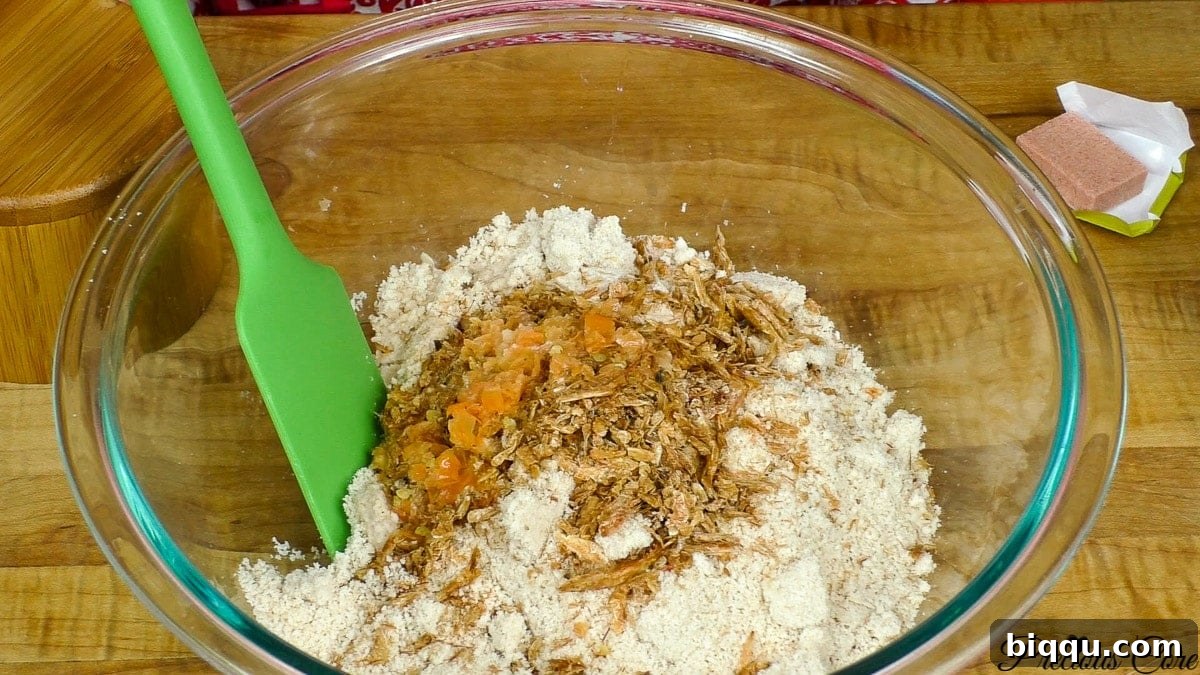
Pour the ground egusi into a large mixing bowl. If there are any stubborn chunks, use a wooden spoon to break them down and ensure a smooth texture. Add the ground crayfish, hot pepper, and seasoning (salt and crayfish seasoning cube) to the bowl.
-
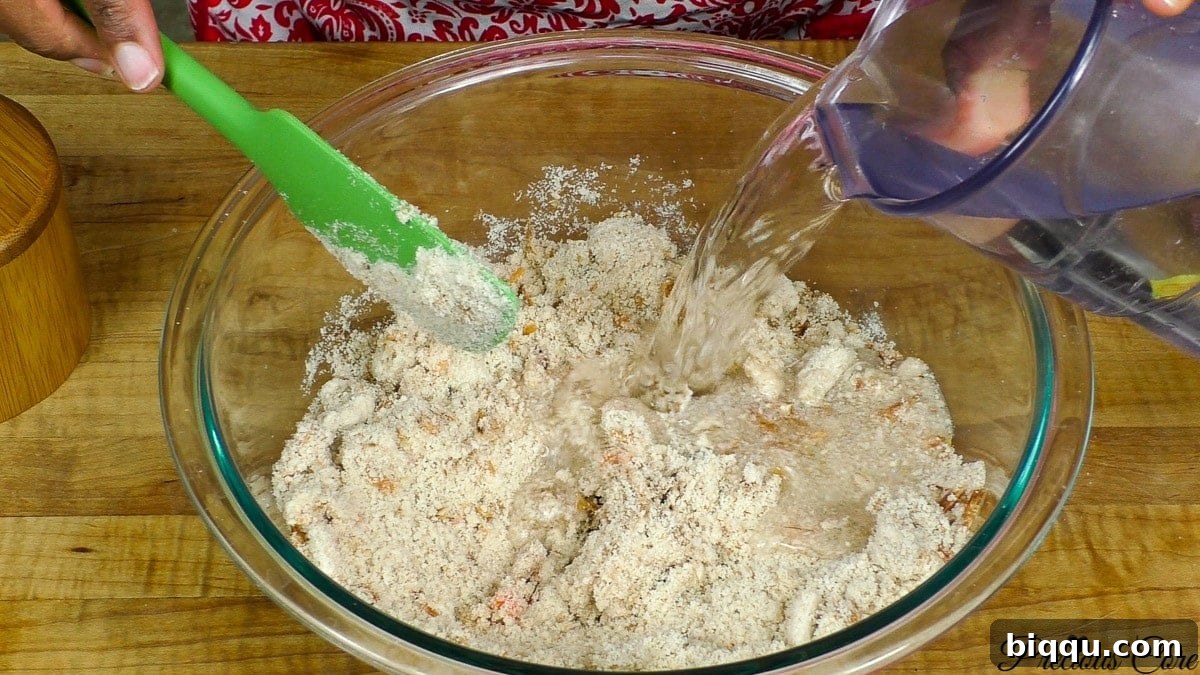
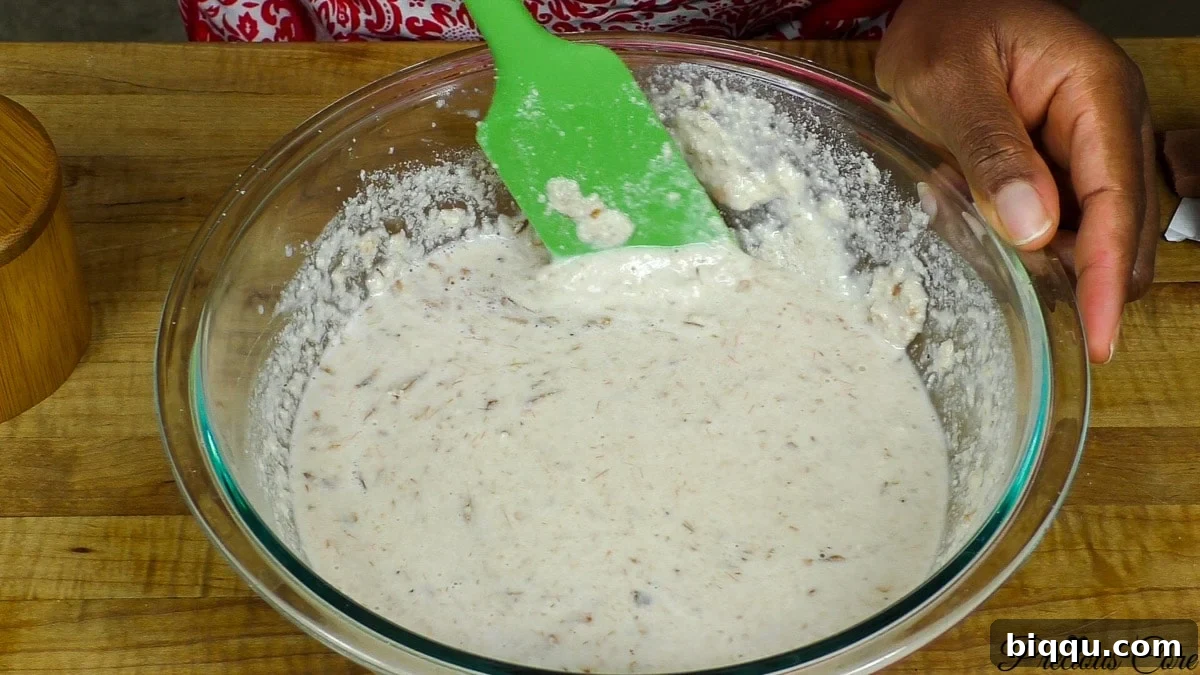
Gradually add three-quarters of the water to the egusi mixture. Mix thoroughly with a wooden spoon or spatula until a smooth, consistent paste forms. Adding the water incrementally prevents lumps and makes it easier to achieve the desired creamy consistency. Once smooth, incorporate the remaining water and mix well.
-
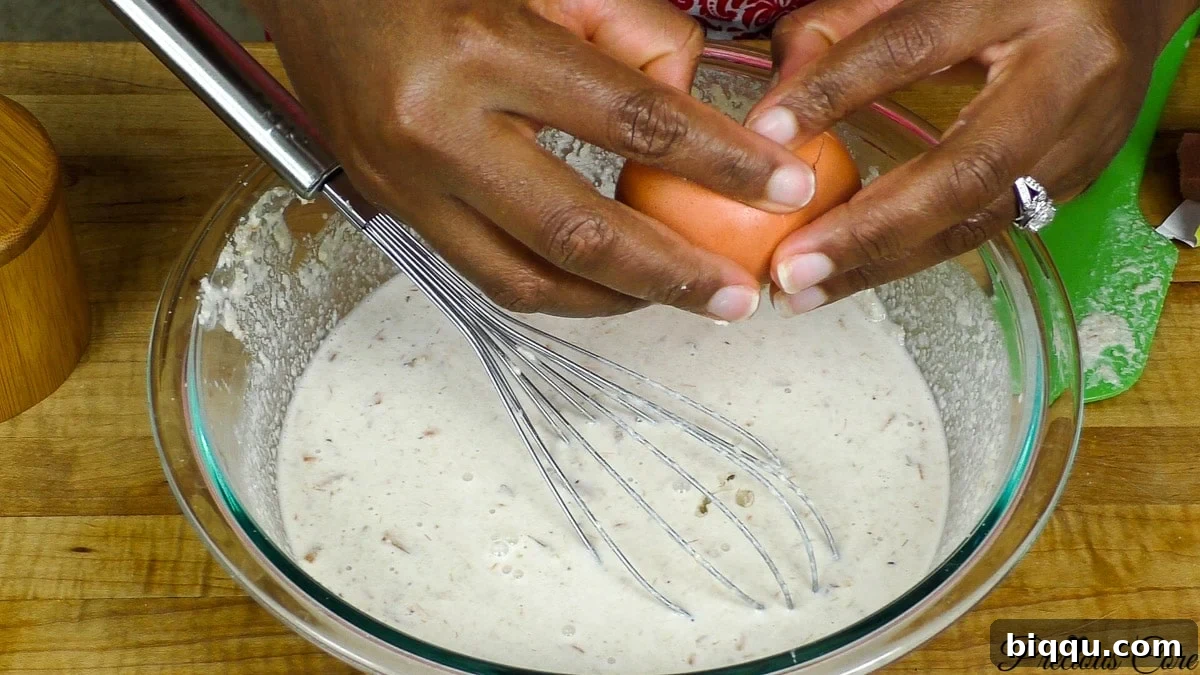
If using, crack the egg into the mixture and stir vigorously until it is fully incorporated, adding a binding element and richness to the pudding.
-
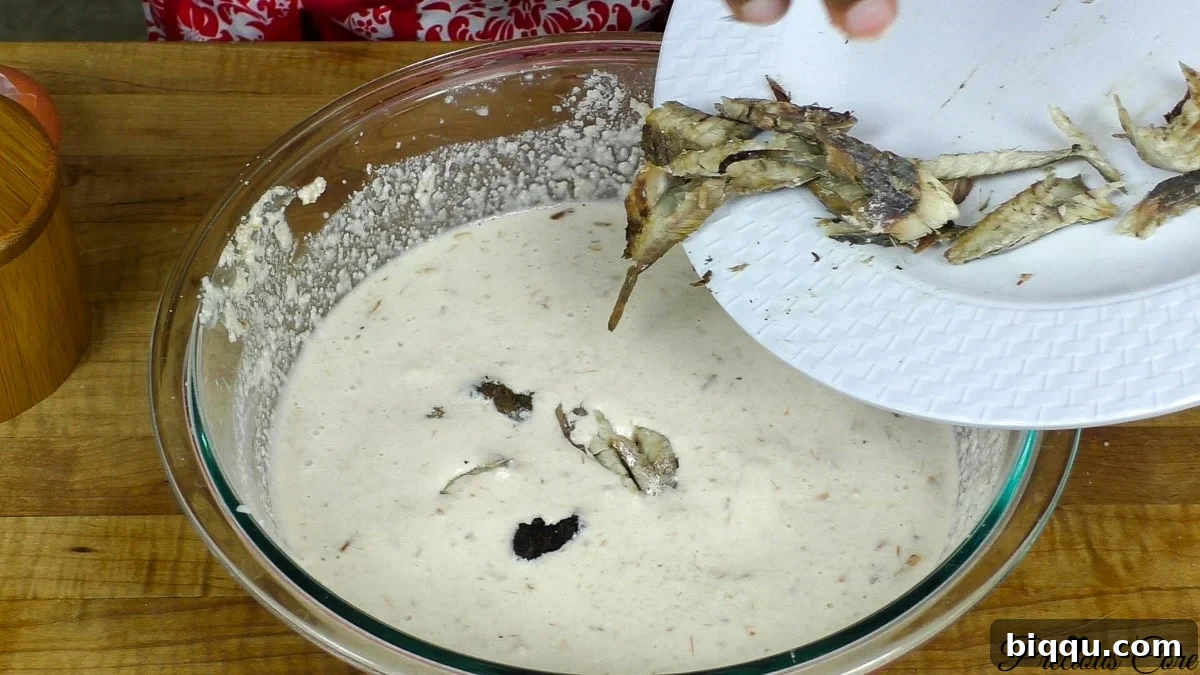
Gently fold in your prepared dry or smoked fish and shredded chicken or beef. Stir just enough to evenly distribute the ingredients without overmixing.
-
Prepare your steaming pot by lining it with several banana leaves or a generous sheet of aluminum foil. This creates a protective base for the pudding bundles. For a visual guide on how to effectively line the pot, please refer to the video tutorial. Pour two cups of water into the lined pot and place it on medium heat to start warming.
-
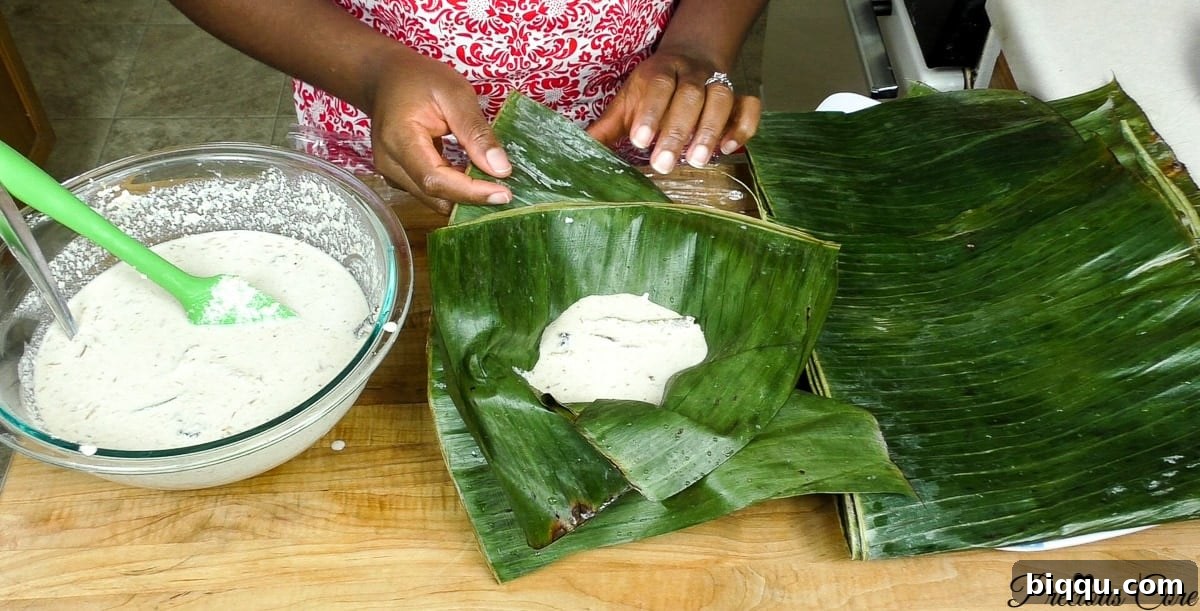
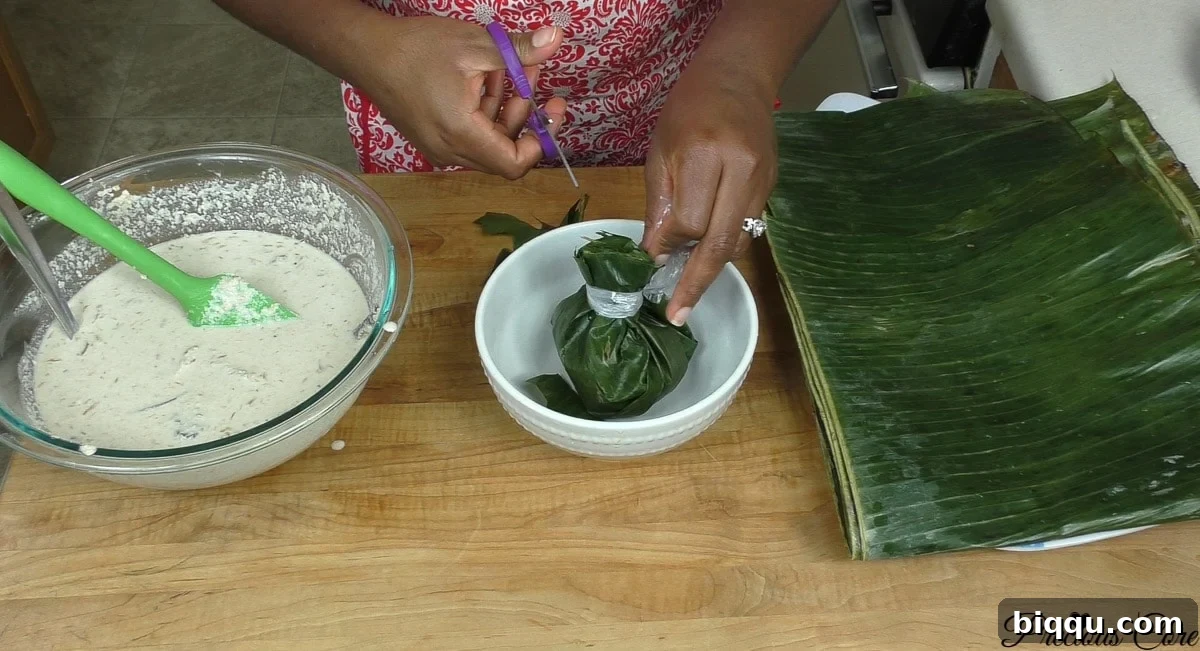
For each pudding bundle, carefully place a banana leaf into a deep bowl, gently pushing the center down to create an indentation. Lay another banana leaf across the first for extra reinforcement. Scoop approximately two large ice cream scoops (or about 1/2 cup) of the egusi mixture into the leaves. Carefully gather the ends of the leaves, ensuring the mixture is securely enclosed, then tie with a kitchen wrap or a strips of plastic bag to create a neat bundle. If using aluminum foil, simply pour the mixture onto the foil, gather the ends, and press firmly to seal, no tying needed.
-
Place each carefully wrapped bundle into the prepared steaming pot. Continue this process until all of the egusi mixture has been portioned and bundled.
-
Once all bundles are in the pot, cover them completely with another banana leaf or a large piece of aluminum foil. This seals in the steam, ensuring even cooking and preventing moisture loss. Cover the pot with a lid and allow the pudding to cook for approximately 60 minutes. Throughout the cooking process, check the water level every 10-15 minutes and add 1-2 cups of water as needed to prevent the pot from drying out and burning the pudding. Be cautious not to add too much water at once.
-
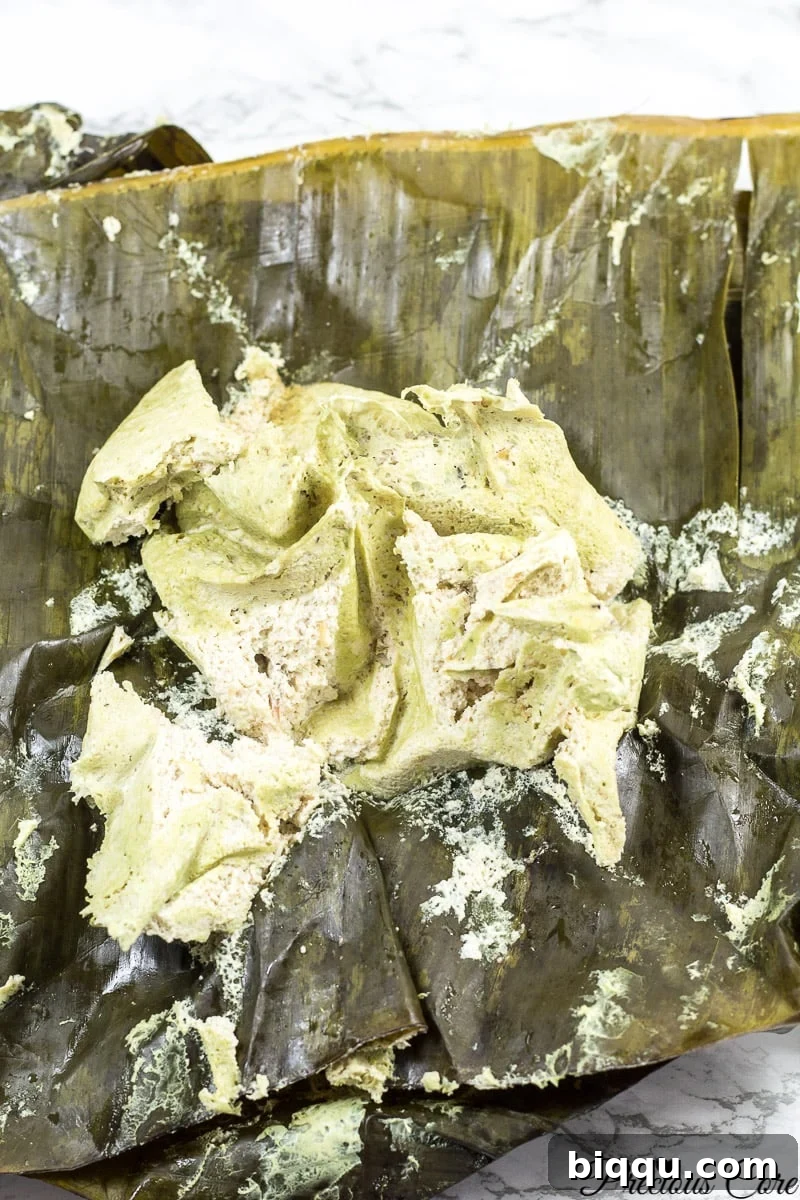
After about an hour of steaming, your delicious egusi pudding should be perfectly cooked and ready. Carefully remove the bundles from the pot, unwrap them, and prepare to savor this exquisite dish!
-
Enjoy your egusi pudding as a standalone treat or alongside your favorite boiled starchy side. Boiled ripe plantains are a classic and highly recommended pairing, offering a sweet counterpoint to the savory pudding. Other excellent options include boiled yams, cassava (yuca), or bobolo/miondo (steamed fermented cassava), each providing a unique texture and flavor to complement the pudding.
Notes
1. For those who enjoy an aromatic depth, feel free to add a teaspoon of blended ginger and garlic to the egusi mixture. These spices not only enhance the flavor profile but also bring additional health benefits.
2. Ensure your egusi seeds are finely ground. A coarser grind can result in a grainy pudding texture.
3. If you don’t have plantain or banana leaves, aluminum foil works perfectly fine for steaming. You can also use small heat-proof bowls or ramekins.
4. The cooking time may vary slightly depending on the size of your bundles and the heat of your stove. Always ensure the internal temperature reaches a safe level if you’re concerned about doneness, or simply check for a firm, cooked texture.
Nutrition
Calories: 233kcal |
Carbohydrates: 4g |
Protein: 18g |
Fat: 18g |
Saturated Fat: 3g |
Polyunsaturated Fat: 7g |
Monounsaturated Fat: 6g |
Trans Fat: 0.02g |
Cholesterol: 42mg |
Sodium: 503mg |
Potassium: 438mg |
Fiber: 2g |
Sugar: 1g |
Vitamin A: 67IU |
Vitamin C: 3mg |
Calcium: 27mg |
Iron: 3mg
Additional Info
Tried this recipe?
Mention @preciouscore or tag #PreciousCore!
Conclusion: Embrace the Flavor of West Africa
Egusi Pudding is more than just a recipe; it’s an invitation to explore the rich tapestry of West African flavors and traditions. Its savory profile, satisfying texture, and undeniable nutritional benefits make it a must-try for anyone seeking an authentic and delightful culinary adventure. From its humble origins as a versatile melon seed to its revered status as a party favorite in Cameroon, Egusi Pudding offers a taste of heritage in every bite.
Now that you’re equipped with this comprehensive guide, from understanding the essence of egusi to mastering the art of its pudding preparation, there’s no better time to bring this exotic delicacy into your home kitchen. Experiment with the serving suggestions, share it with loved ones, and savor the unique experience. We encourage you to try this recipe, share your creations, and let the flavors of Egusi Pudding transport you to the heart of Africa. Happy cooking, and bon appétit!
*This recipe has been updated to provide enhanced clarity and detail.