
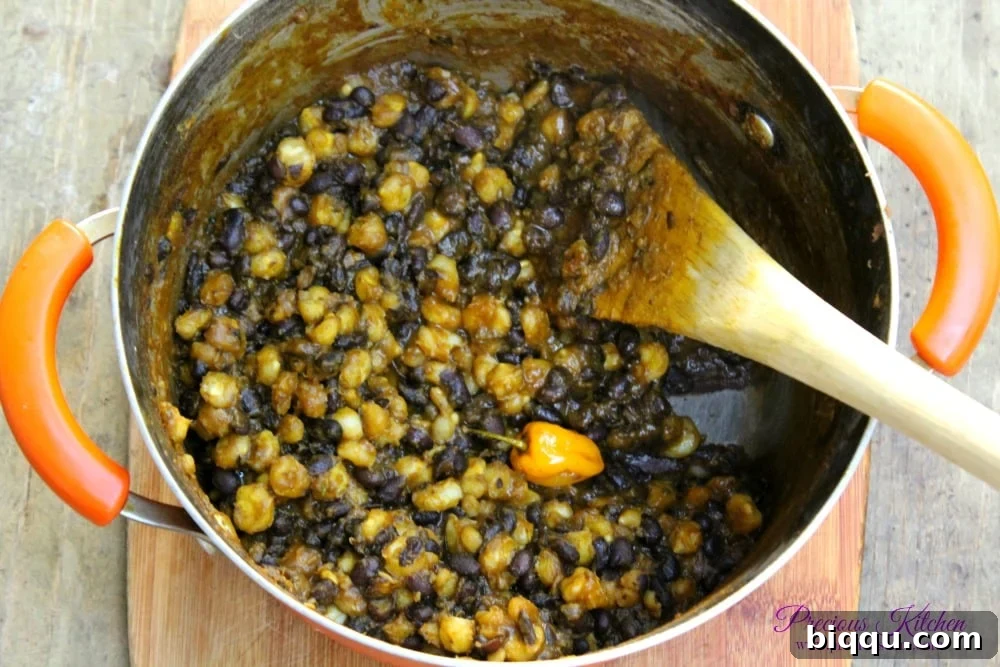
The Ultimate One-Pot Cornchaff Recipe: A Journey to Culinary Perfection
There are some dishes that leave an indelible mark on your memory, weaving themselves into the fabric of your life. For me, Cornchaff is precisely one such dish. From my boarding school days, where it made regular appearances, to now, where it graces my dinner table almost weekly, this humble yet incredibly satisfying meal has remained a cherished favorite. It’s a delectable fusion of creamy corn and tender beans, slow-simmered in a symphony of robust flavors that awaken the senses and comfort the soul.
Cornchaff embodies the essence of effortless cooking. When I say “easy,” I truly mean it. This isn’t just another simple recipe; it’s the epitome of a one-pot, ‘dump-and-go’ meal, perfectly suited for busy schedules without compromising on taste. If you’re like me and appreciate the magic of combining ingredients in a single pot and letting them transform into something extraordinary while you attend to other tasks, then you’re in for a treat.
My Culinary Quest: Finding the Perfect Cornchaff in the United States
My journey to perfecting Cornchaff since moving to the United States has been an intriguing adventure filled with experiments and delicious discoveries. The goal was always to recreate that authentic, comforting taste and texture from back home, but with the ingredients readily available in a new environment. This quest led me through several phases, each teaching me something valuable about the art of preparing this beloved dish.
Phase 1: The Dried Peeled Broken Corn Experiment
Initially, I tried making Cornchaff using dried, peeled, broken corn found in local grocery stores. While seemingly convenient, the results were consistently disappointing. The texture, rather than being firm yet tender, turned out too mushy for my liking. It lacked the distinct bite and hearty feel that is characteristic of traditional Cornchaff, leaving me yearning for a better alternative.
Phase 2: The Laborious but Promising Dried Whole Corn
My next breakthrough came with the discovery of dried whole corn at an African store. I was overjoyed, convinced I had found the authentic ingredient. The process, however, proved to be quite time-consuming. It involved boiling the corn in Kanwa (limestone) or baking powder to soften it and facilitate the peeling of the tough outer skin. After meticulously peeling, rinsing, and re-boiling the corn, I would then add the pre-soaked raw beans. While the flavor was closer to what I remembered, the extensive preparation time made it impractical for my busy lifestyle. It was a labor of love, but one I couldn’t commit to every week.
Phase 3: Embracing Convenience with Frozen Sweet Corn
A turning point arrived when my sister-in-law shared her secret: she used a specific brand of canned corn for her Cornchaff. Unable to locate that particular brand, I decided to experiment with readily available frozen sweet corn. This choice was a game-changer! The frozen sweet corn delivered a delightful taste and texture, offering incredible convenience without the lengthy peeling process. It was truly a revelation, making Cornchaff accessible and enjoyable to prepare whenever the craving struck. I even shared that exciting discovery and detailed recipe, providing all the sweet insights you might need to become a Cornchaff connoisseur. You can explore that variation here: How to Make Delicious Cornchaff with Frozen Corn.
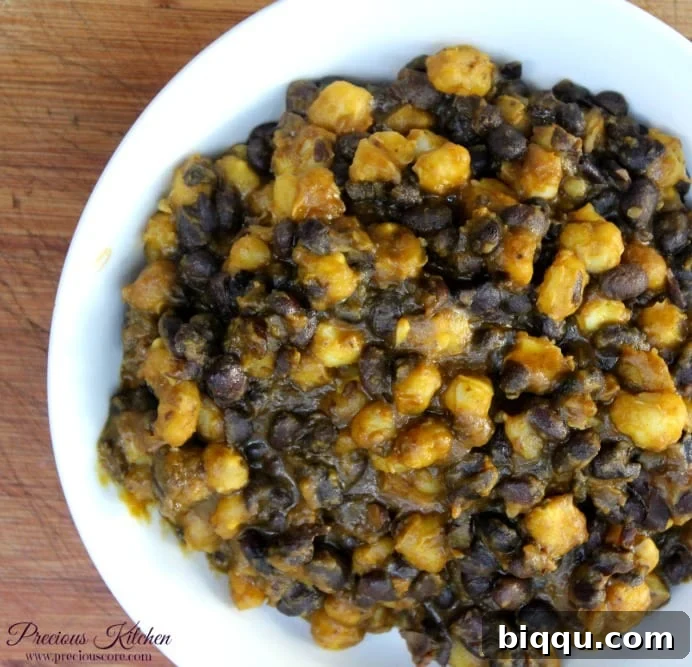
Phase 4: The Hominy Revelation – My Newfound Love
Then, as fate would have it, during a routine grocery trip, I stumbled upon a can labeled “Hominy.” The contents looked remarkably similar to whole, peeled corn, yet it wasn’t labeled as sweet corn. A wave of confusion, then curiosity, washed over me. After carefully examining the can from every angle, I spotted the word “Maiz” – corn in French. A quick mental thank you to my old French teacher, Mr. Findo, and I was convinced this could be the answer to my quest for the perfect corn texture.
I purchased it with eager anticipation, hoping it would reveal the tender, peeled corn I remembered from home. And indeed, brethren, when I opened that can, there it was – soft, perfectly peeled corn, just like the kind I knew! This discovery was truly a cause for celebration. I immediately paired it with black beans, which I had boiled earlier (a great tip for saving time: boil your beans while doing household chores or even sleeping, but please, never forget your pot on the fire!). The combination of this incredible canned hominy, perfectly cooked black beans, and all the vibrant ingredients outlined in this recipe, creates a Cornchaff that is nothing short of spectacular. For those in the United States, canned hominy is widely available in most supermarkets, often in the ethnic foods or canned vegetable aisle, making this recipe incredibly convenient.
This recipe is, in part, a joyful celebration of this newfound ingredient – the soft, peeled corn in a can that has transformed my Cornchaff experience.
Why Cornchaff Deserves a Spot in Your Weekly Meal Plan
Beyond its incredible flavor, Cornchaff is a nutritional powerhouse and a practical choice for modern kitchens. It’s naturally gluten-free and can be easily adapted to be vegetarian or vegan. The combination of corn and beans provides a complete protein, making it incredibly filling and satisfying. Corn offers valuable fiber and essential vitamins, while beans are packed with protein, iron, and more fiber, contributing to digestive health and sustained energy. Furthermore, its one-pot nature means less cleanup, a blessing for anyone with a busy schedule. This dish truly offers comfort, convenience, and health in every spoonful.
The Heart of the Flavor: Key Ingredients Explored
Every ingredient in this Cornchaff recipe plays a crucial role in building its rich, complex flavor profile. Understanding their contributions helps in appreciating the dish and even experimenting with variations.
- Boiled Corn (Hominy): The star of the show. Canned hominy, as discussed, provides the perfect tender yet firm texture without the fuss of peeling. If you can’t find hominy, well-cooked frozen corn is a good substitute, though the texture will be slightly different.
- Boiled Beans (Black Beans): Black beans offer a creamy texture and earthy flavor that beautifully complements the corn. Other types of beans like kidney beans, brown beans, or even a mix can be used. Ensure your beans are cooked until tender but still hold their shape before adding them to the pot. Soaking dried beans overnight significantly reduces their cooking time.
- Palm Oil (or Vegetable Oil): Palm oil is traditional, lending a vibrant color and a distinctive, rich flavor to the dish. If you don’t have palm oil or prefer a milder taste, a good quality vegetable oil can be used, though it will alter the authentic taste slightly.
- Aromatics: Leeks, Ginger, Garlic, Onion: These are the foundation of the dish’s aromatic depth. Blending them together releases their pungent and fragrant oils, infusing the Cornchaff with warmth and complexity. Leeks add a subtle oniony sweetness, ginger brings a fresh, zesty kick, and garlic and onions provide classic savory notes.
- Seasoning: Maggi (or Bouillon Cubes), Salt: These amplify the natural flavors of the corn and beans. Adjust salt to your preference, and remember that bouillon cubes often contain salt.
- Optional Flavor Boosters: Country Onions (Rondelles) Powder, Habanero Pepper: Country onions (also known as Rondelles or Aframomum danielli) offer a unique, slightly pungent, and earthy aroma deeply cherished in West African cuisine. A small amount adds incredible depth. Habanero pepper, if you enjoy a kick, provides a delightful warmth and spiciness, but can be omitted for a milder dish.
Watch the Cornchaff Preparation in Action
To further guide you through the seamless preparation of this delightful meal, I’ve put together a video tutorial. Visualizing each step can often make the cooking process even simpler and more enjoyable. Watch below to see how easy it is to bring this creamy corn and beans delight to your table.
Preciouscore.com
Cornchaff: Creamy Corn and Beans
By Precious Nkeih | Published:
An excellent culinary marriage of corn and beans, slow-simmered in rich flavors to create a comforting and hearty one-pot meal. Perfect for an easy weeknight dinner or a flavorful weekend treat.
Ingredients
- 5 cups boiled corn (canned hominy recommended)
- 5 cups boiled beans (black beans or your preferred variety)
- 1 cup palm oil (or quality vegetable oil)
- 1 stem leeks
- ½ inch fresh ginger root
- 7 cloves garlic
- 3 – 4 cubes Maggi (or similar bouillon cubes)
- ½ a large onion
- ½ teaspoon salt (or to taste)
- ¼ teaspoon country onions (rondelles) powder (optional, but highly recommended for authentic flavor)
- 1 habanero pepper (optional, for heat)
Instructions
- Prepare the Base: In a large, sturdy pot, combine the boiled beans and boiled corn. Pour in the palm oil (or vegetable oil).
- Blend Aromatics: In a blender or food processor, combine the garlic, ginger, half a large onion, leeks, and the habanero pepper (if using). Blend until a smooth paste is formed.
- Season the Pot: Add the blended aromatic paste to the pot with the corn and beans. Incorporate half a cup of water, salt, Maggi cubes, and the optional “contri onion” (rondelles) powder. Stir everything gently to combine all ingredients evenly.
- Simmer to Perfection: Place the pot on medium-high heat. Cover securely and allow the mixture to simmer for approximately 20 minutes. During this simmering period, check periodically, giving it a gentle stir to prevent sticking and ensure even cooking. If you notice the mixture becoming too dry or if more moisture is desired for a creamier consistency, add a small amount of water. The goal is for the flavors to meld beautifully and for the dish to achieve a luscious, creamy texture.
- Serve Warm: Once the Cornchaff is rich, flavorful, and perfectly tender, remove it from the heat. Serve warm as a hearty main course, or as a comforting side dish.
Recipe Details
Prep time: |
Cook time: |
Total time: |
Yield: 5 servings
Serving Suggestions and Customizations
Cornchaff is a versatile dish that can be enjoyed in many ways. While it stands perfectly on its own as a complete meal, you can elevate your dining experience with a few additions:
- Protein Boost: For a more substantial meal, consider adding cooked smoked fish, grilled chicken, or even slow-cooked beef stew to your Cornchaff. These additions introduce an extra layer of flavor and texture.
- Fresh Vegetables: A sprinkle of fresh chopped scallions or parsley just before serving can add a burst of freshness and color. You can also lightly sauté some bell peppers or spinach and stir them in at the end of cooking for added nutrients.
- Spice Level: Adjust the amount of habanero pepper to suit your preference. For those who love intense heat, a bit more pepper can be blended with the aromatics. For a milder version, simply omit it.
- Accompaniments: Traditionally, Cornchaff is often served simply, allowing its rich flavors to shine. However, a side of fried plantains or a fresh green salad can offer a delightful contrast.
The Enduring Appeal of One-Pot Wonders
In today’s fast-paced world, one-pot meals like Cornchaff are more than just convenient; they are a lifestyle choice. They simplify meal preparation, reduce cleanup, and often result in deeply flavorful dishes as all the ingredients simmer together, allowing their essences to meld beautifully. Cornchaff perfectly exemplifies this philosophy – a wholesome, delicious meal created with minimal fuss, leaving you more time to enjoy with loved ones or simply relax. It’s a testament to how simple ingredients, thoughtfully combined, can yield extraordinary results.
Whether you’re new to the world of Cornchaff or a long-time admirer, I encourage you to try this recipe. It’s a journey of flavors, textures, and convenience that culminates in a truly satisfying dish. Enjoy the process, savor the aroma, and delight in every creamy, flavorful spoonful!