
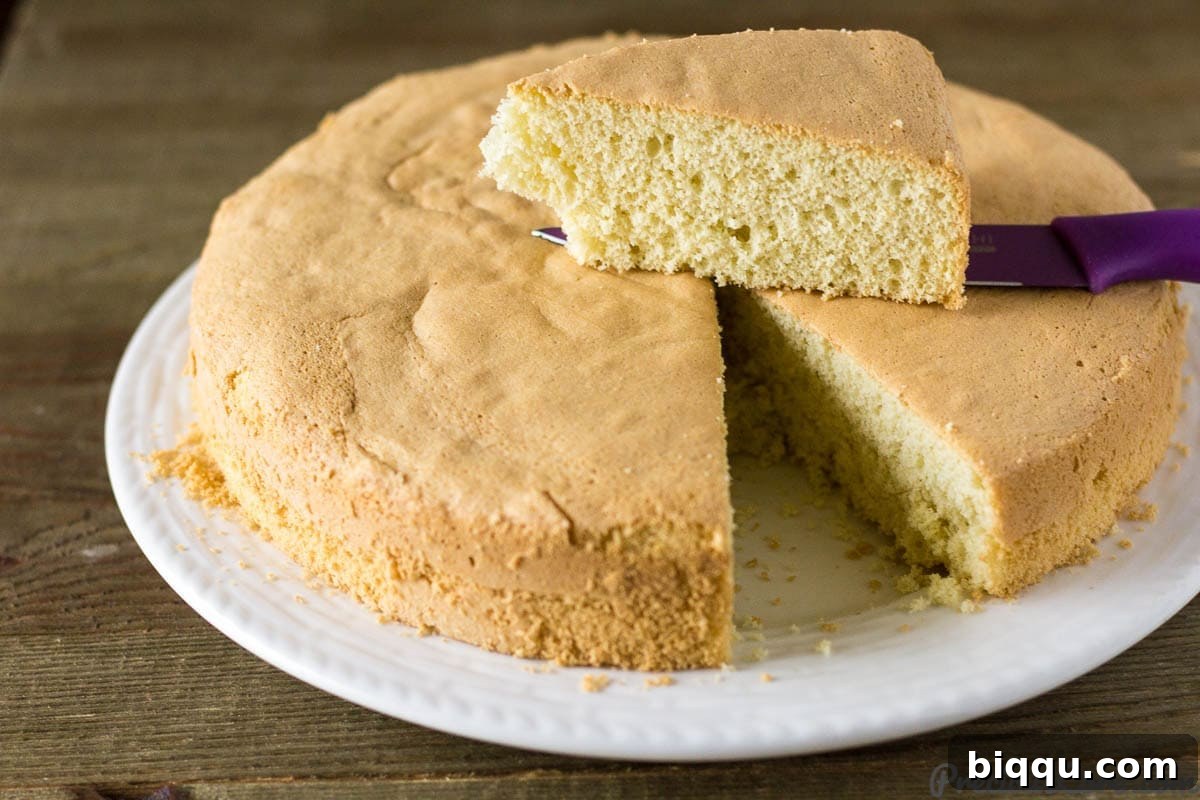
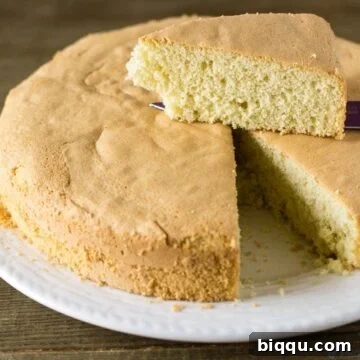
There’s an undeniable magic in a perfectly baked Vanilla Sponge Cake – a culinary delight that promises a light, airy, and incredibly fluffy texture, infused with a truly amazing vanilla flavor. This classic cake stands out for its delicate crumb and subtle sweetness, making it a beloved choice for any occasion. What makes this particular recipe even more remarkable is its simplicity, requiring just a few basic ingredients and no butter or oil, yet yielding a remarkably delicious outcome.
My journey with sponge cakes began many years ago, during a memorable Nutrition Class in secondary school. It was there that I first encountered the fascinating concept of baking a cake without relying on butter or oil. The idea of achieving such a light and flavorful dessert with minimal fat captured my imagination and sparked a lifelong passion for baking. That foundational lesson planted a seed, influencing my approach to creating wholesome and delightful treats.
As the year draws to a close and festive seasons like Thanksgiving, Christmas, and countless birthdays approach, I find myself drawn back to those cherished memories. It feels like the perfect time to share this timeless recipe for an easy vanilla sponge cake – a versatile dessert that’s sure to bring joy to any celebration. I’ve been diligently working to recreate that quintessential sponge cake from my school days, a cake that balances simplicity with an unforgettable taste. After extensive research, careful thought, and a few delightful trials, I’ve perfected a recipe that captures the essence of that beloved classic.
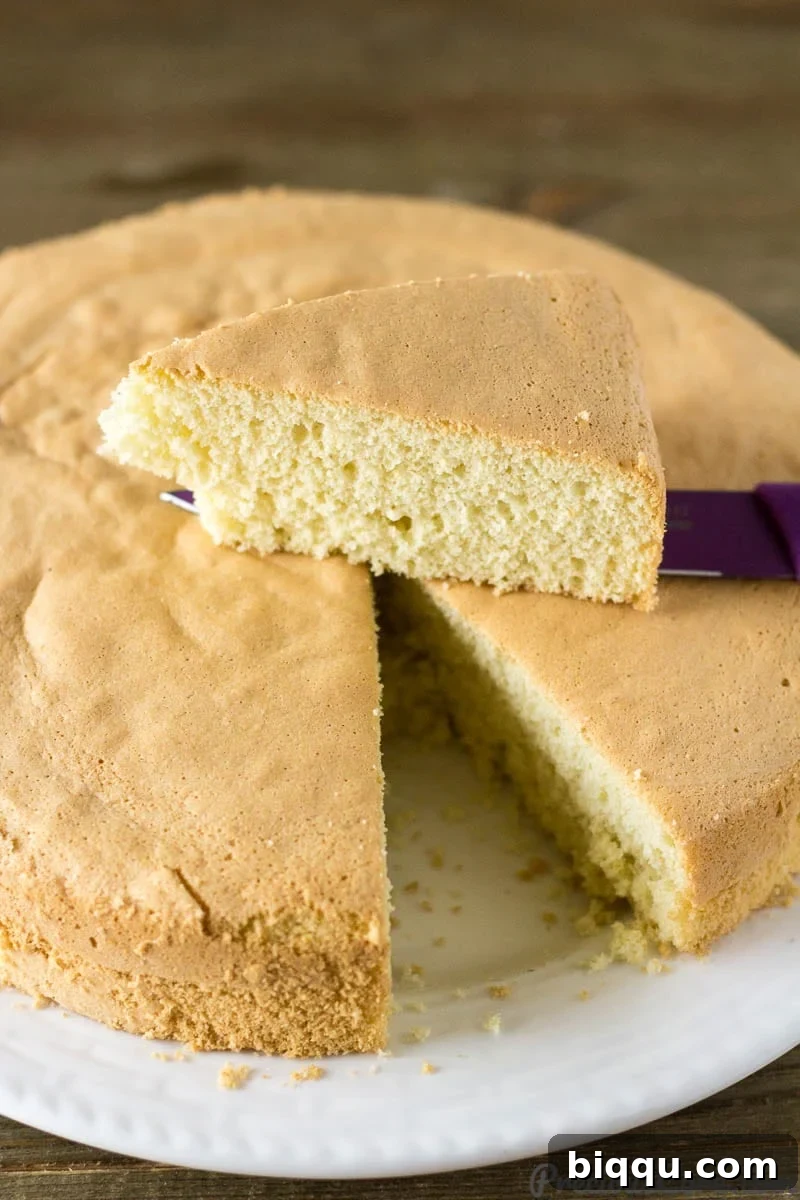
This homemade vanilla sponge cake tastes exactly like the one I remembered from my youth – light, incredibly moist, and bursting with pure vanilla flavor. It’s a testament to how simple ingredients, combined with the right technique, can create something truly extraordinary. I sincerely hope you will enjoy baking and savoring this delightful cake as much as I do!
What is a Vanilla Sponge Cake? Unraveling its Unique Charm
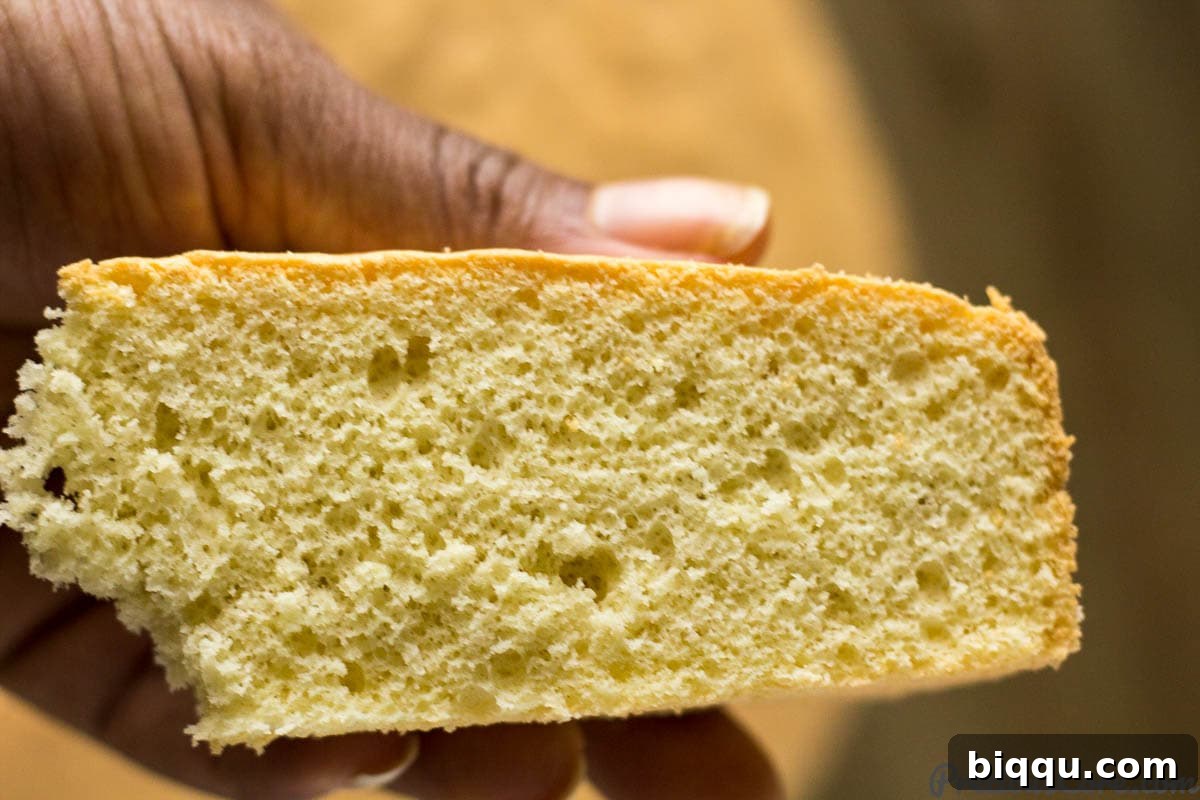
A Vanilla Sponge Cake is a classic confection renowned for its distinctive, airy texture – truly deserving of its “sponge” moniker. Unlike butter cakes, which rely on the creaming of butter and sugar for their structure and moisture, sponge cakes achieve their signature lightness and elasticity primarily through the ingenious technique of whipping eggs. Specifically, the leavening power comes from the meticulously whipped egg whites, which incorporate copious amounts of air into the batter, creating a delicate, open crumb structure.
This results in a cake that is incredibly light on the palate, almost cloud-like. It’s wonderfully versatile: elegant enough to be enjoyed on its own with a simple dusting of powdered sugar, or as the perfect canvas for more elaborate frostings, fresh fruits, or decadent fillings. It’s a delightful accompaniment to an afternoon tea, much like its close cousin, the Victoria Sponge Cake. While some sponge cake recipes may include a small amount of butter or oil for added richness, the traditional preparation, as shared here, often omits these fats, allowing the delicate flavor and texture of the cake to truly shine.
Why Choose a Butter-Free & Oil-Free Vanilla Sponge Cake?
Opting for a vanilla sponge cake made without butter or oil offers several distinct advantages, both in terms of flavor profile and texture. Firstly, it results in an extraordinarily light and ethereal cake. Without the richness and density that fats contribute, the cake truly highlights the delicate aeration achieved by whipping the eggs, allowing it to practically melt in your mouth. This makes it an ideal dessert for those who prefer a less heavy, yet incredibly satisfying, sweet treat.
Secondly, a butter-free recipe often means a simpler, more straightforward ingredient list, relying on kitchen staples you likely already have. This simplicity translates to a pure vanilla flavor that isn’t masked by the richness of butter, allowing the fragrant notes of vanilla extract to truly sing. Furthermore, for those looking for slightly lighter dessert options, eliminating butter and oil naturally reduces the fat content, making it a wonderful choice without sacrificing taste or elegance. The emphasis remains on the natural flavors of eggs, sugar, flour, and vanilla, creating a timeless classic that appeals to all.
Key Ingredients for Your Perfect Vanilla Sponge Cake
Crafting the perfect Vanilla Sponge Cake requires just a handful of humble ingredients, each playing a crucial role in achieving its signature light and fluffy texture. Understanding the purpose of each component can elevate your baking experience and ensure fantastic results every time.
- Large Eggs: These are the undisputed stars of the show in a sponge cake. The eggs are separated into whites and yolks, with the whites being whipped to stiff peaks. This process incorporates air, which acts as the primary leavening agent, giving the cake its incredible lift and airy structure. Egg yolks, on the other hand, contribute richness, color, and moisture, ensuring the cake remains tender.
- All-Purpose Flour: Providing the essential structure for the cake, flour creates the framework that holds all the air pockets in place. It’s important to use a light hand when mixing the flour to avoid overdeveloping the gluten, which can lead to a tough cake. For an even more tender crumb, some bakers prefer cake flour, though all-purpose works beautifully when handled gently.
- Granulated Sugar: Beyond sweetness, sugar plays a vital role in stabilizing the whipped egg whites, helping them hold their volume and creating a more stable meringue. It also contributes to the cake’s golden crust and helps retain moisture, resulting in a tender interior.
- Salt: A pinch of salt is crucial for balancing the sweetness and enhancing all the other flavors in the cake, particularly the vanilla. It quietly amplifies the overall taste profile.
- Baking Powder: While whipped egg whites do most of the heavy lifting for leavening, a touch of baking powder provides an extra boost, ensuring a reliable and even rise. It acts as a chemical leavening agent, creating additional carbon dioxide bubbles within the batter.
- Vanilla Extract: The soul of a vanilla sponge cake! High-quality vanilla extract imbues the cake with its characteristic warm, sweet, and aromatic flavor. Don’t skimp on this ingredient; pure vanilla extract makes a noticeable difference.
With these simple yet powerful ingredients, you’re well on your way to baking a truly exceptional Vanilla Sponge Cake.
How to Make Vanilla Sponge Cake Without Butter: A Step-by-Step Guide
Creating a light and delicious vanilla sponge cake without butter or oil is a rewarding process that relies on careful technique and a few simple steps. Follow this guide to achieve a perfectly airy and flavorful cake.
Step 1: Prepare Your Baking Pan
Preheat your oven to 350 degrees F (180 degrees C). Lightly brush a 9-inch round baking pan with a teaspoon of oil (or a non-stick cooking spray). Sprinkle about 2 teaspoons of flour into the pan, tilting and rotating it until the entire bottom and sides are evenly coated. Tap out any excess flour. This crucial step prevents the delicate sponge cake from sticking.
Step 2: Whip Egg Whites to Perfection
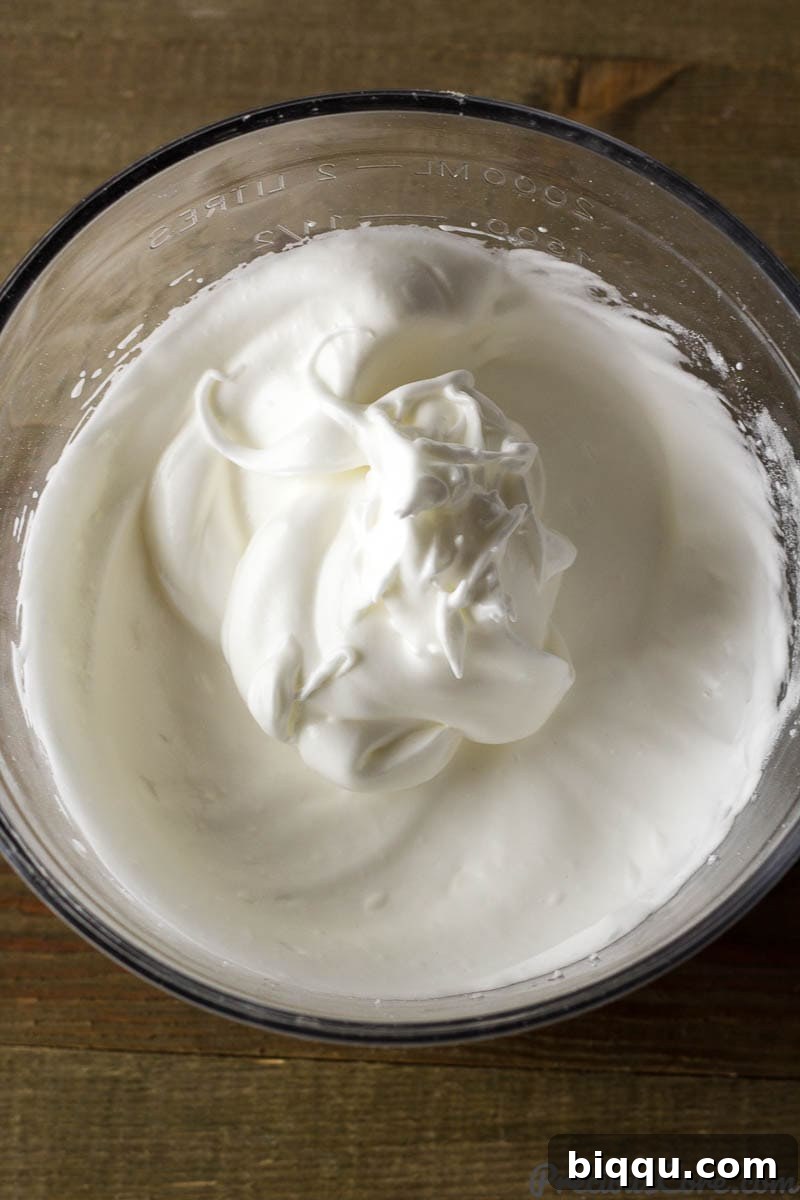
Carefully separate the egg yolks from the egg whites, ensuring no yolk gets into the whites (fat can prevent whites from whipping properly). In a clean, dry bowl, beat the egg whites with an electric mixer on medium-high speed until they form soft peaks. This usually takes about 2 minutes. Gradually add the granulated sugar, a tablespoon at a time, continuing to beat until the egg whites are glossy and form stiff peaks. This means when you lift the beaters, the peaks stand firm without drooping. This step is vital for the cake’s airy texture and typically takes another 2-3 minutes.
Step 3: Gently Incorporate Yolks and Vanilla
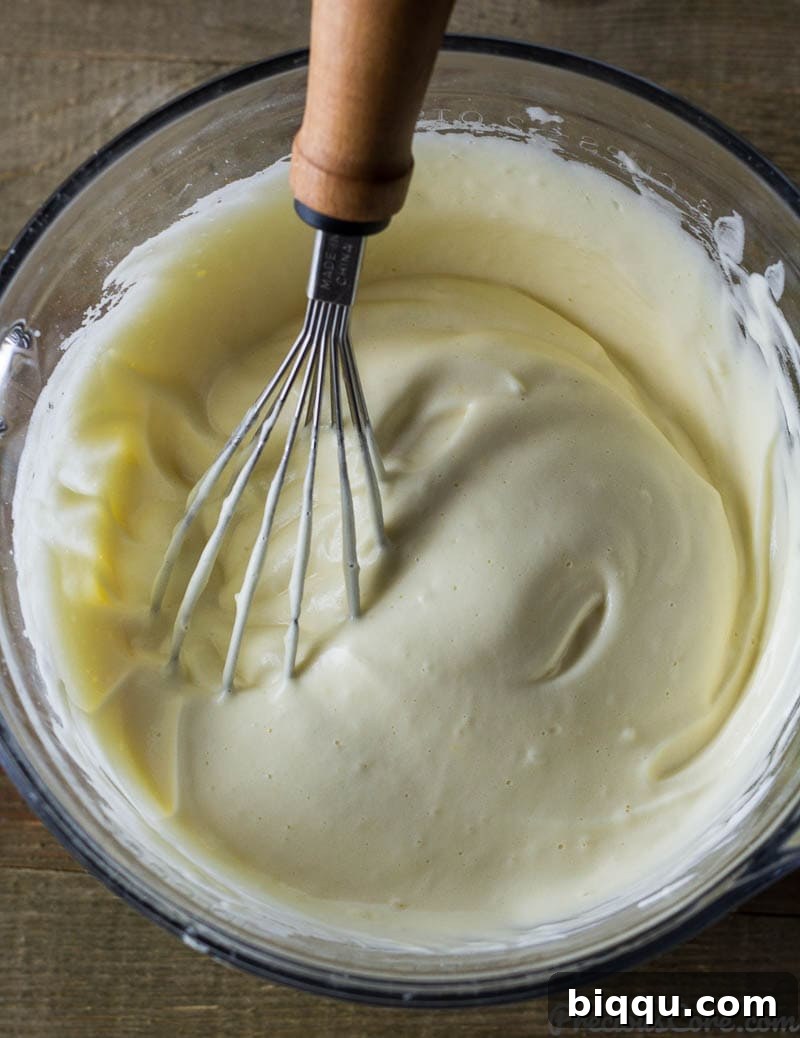
Add the egg yolks to the beaten egg whites. Pour in the vanilla extract. Using a whisk, gently fold these ingredients into the egg white mixture until they are just combined. The key here is to be very gentle to avoid deflating the air you’ve painstakingly whipped into the whites. Overmixing at this stage can lead to a dense cake.
Step 4: Fold in Dry Ingredients
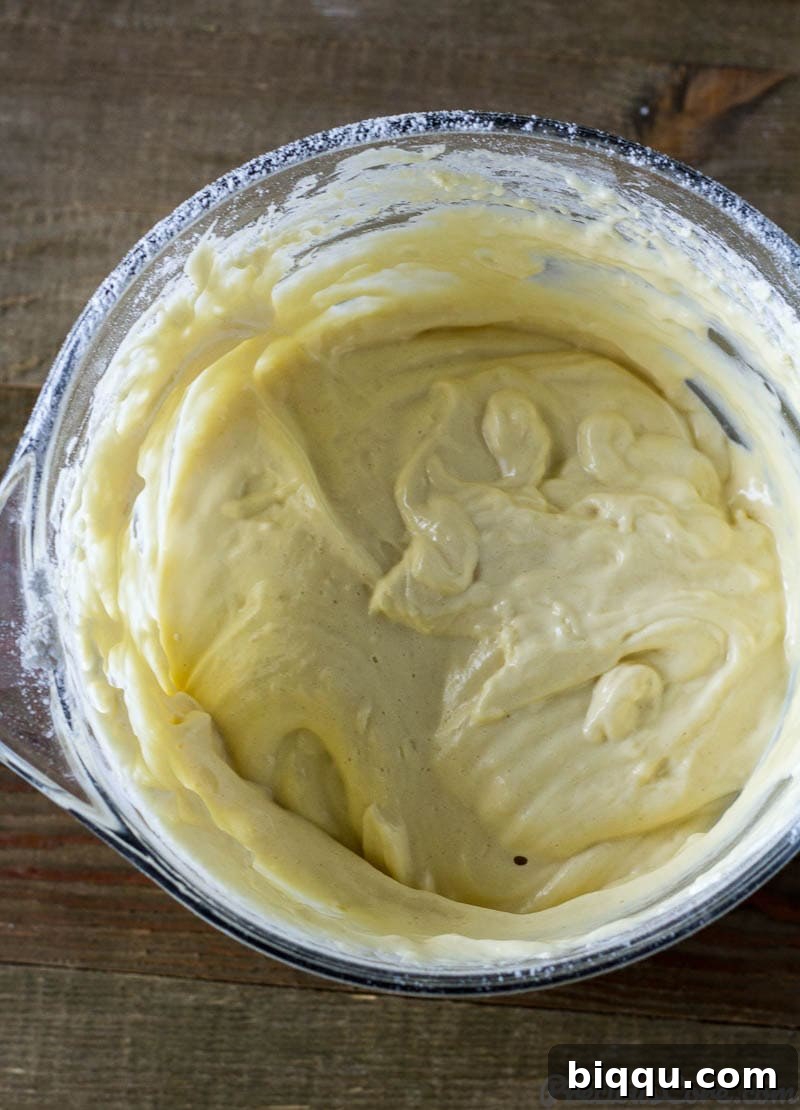
In a separate bowl, whisk together the flour, baking powder, and salt. Sieve these dry ingredients into the egg mixture a little at a time (in 2-3 additions). After each addition, gently fold them in using a spatula or a large whisk, working carefully to retain the air in the batter. Mix just until the dry ingredients are fully incorporated and no streaks of flour remain. Remember, overmixing will result in a tough cake.
Step 5: Transfer and Bake
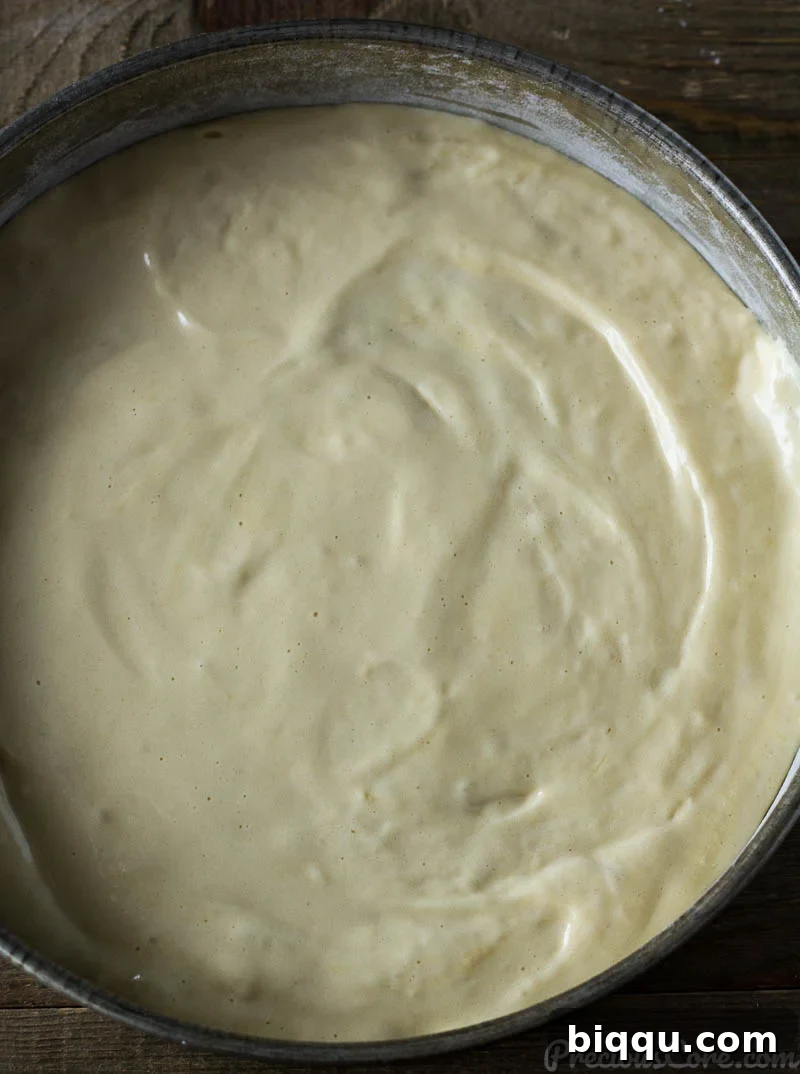
Pour the delicate batter into your prepared cake pan. Use your spatula to scrape down the sides of the bowl, ensuring no batter is wasted. Gently level the top of the batter in the pan. Place the pan in the preheated oven and bake for approximately 30 minutes. The cake is done when a wooden toothpick inserted into the center comes out clean, and the top is golden brown and springs back slightly when gently touched.
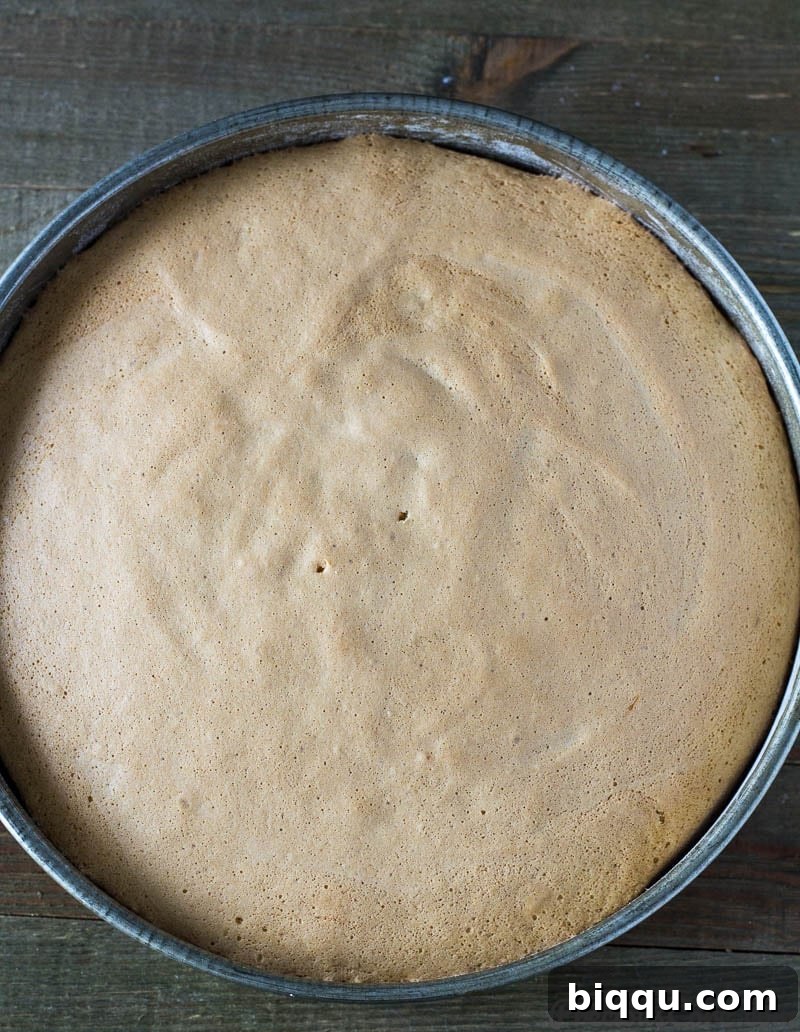
Once baked, remove the cake from the oven and let it cool in the pan for about 10-15 minutes before inverting it onto a wire rack to cool completely. Allowing it to cool gradually prevents it from collapsing and ensures a beautiful texture. Now you have a wonderful homemade vanilla sponge cake ready to be enjoyed!
Watch How to Make Vanilla Sponge Cake from Scratch
For a visual guide, watch this step-by-step video demonstration on how to create this incredible homemade vanilla sponge cake. Seeing the techniques in action can be incredibly helpful for achieving perfect results.
Tips for Sponge Cake Perfection
Baking a truly perfect vanilla sponge cake is an art that benefits from a few key techniques and considerations. Here are some essential tips to ensure your cake turns out wonderfully light, airy, and delicious every time:
- Ensure Impeccably Clean Equipment: Any trace of fat (oil, butter, or even residual grease) in your mixing bowl or on your beaters can prevent egg whites from whipping up properly. Always use thoroughly clean, dry, and preferably glass or metal bowls for whipping egg whites.
- Separate Eggs Carefully: When separating egg yolks from whites, be meticulous. Even a tiny speck of yolk can contaminate the whites and hinder their ability to form stiff peaks. It’s often helpful to separate eggs one by one into a small bowl before adding them to the main batch of whites.
- Whip Egg Whites to Stiff Peaks: Don’t under-whip or over-whip. Soft peaks collapse when the beater is lifted, while stiff peaks hold their shape firmly. Over-whipped whites can become dry and crumbly, making them difficult to fold into the batter without deflating.
- Gentle Folding is Key: This is arguably the most critical step. Once the dry ingredients and egg yolks are added to the whipped whites, use a light hand and a spatula. Employ a “cut and fold” technique – cutting down through the middle of the batter and folding it up from the bottom – to incorporate ingredients without deflating the precious air you’ve built up. Stop mixing as soon as the ingredients are just combined.
- Avoid Overmixing the Batter: Overmixing develops gluten in the flour, which can lead to a tough, chewy cake rather than a tender, spongy one. Mix only until no streaks of flour are visible.
- Accurate Oven Temperature: An oven that’s too hot can cause the cake to rise too quickly and then collapse, while one that’s too cool might prevent it from rising adequately. Use an oven thermometer to ensure your oven is accurately preheated to the specified temperature.
- Don’t Open the Oven Door Prematurely: Resist the urge to peek during the first two-thirds of the baking time. A sudden drop in temperature can cause the delicate structure of the sponge cake to fall.
- Cooling Process: Allow the cake to cool in its pan for 10-15 minutes before inverting it onto a wire rack to cool completely. This gradual cooling helps stabilize its structure and prevents it from shrinking or sticking.
By following these tips, you’ll be well on your way to baking a consistently perfect, incredibly delicious Vanilla Sponge Cake.
Serving Suggestions and Creative Variations
The beauty of a classic Vanilla Sponge Cake lies in its versatility. While utterly delightful on its own, it also serves as a perfect canvas for countless serving suggestions and creative variations. Here are some ideas to inspire you:
Classic Servings:
- Simple Dusting: A light dusting of powdered sugar emphasizes the cake’s elegant simplicity and delicate texture.
- Fresh Berries: Pair slices with a medley of fresh seasonal berries (strawberries, raspberries, blueberries) for a burst of freshness and color.
- Whipped Cream: A dollop of freshly whipped cream complements the lightness of the cake beautifully. Consider adding a hint of vanilla or a citrus zest to the cream.
- Tea-Time Treat: It’s the quintessential cake for afternoon tea or coffee, offering a moment of pure, unadulterated pleasure.
Creative Variations:
- Lemon Zest Infusion: Add the finely grated zest of one lemon to the batter along with the vanilla extract for a bright, citrusy lift that pairs wonderfully with vanilla.
- Almond or Coconut Extract: Experiment with different extracts. A teaspoon of almond extract can add a sophisticated nutty note, while coconut extract brings a tropical twist.
- Light Glaze: Instead of frosting, create a simple glaze using powdered sugar and a liquid like milk, lemon juice, or even a fruit liqueur for a subtle added flavor.
- Layered Delight: Transform your sponge cake into a showstopper by slicing it horizontally into two or three layers. Fill with lemon curd, berry compote, or a light cream cheese frosting.
- Chocolate Drizzle: A simple drizzle of melted dark or milk chocolate can add a touch of indulgence and visual appeal.
- Fruity Infusion: Gently fold in a small amount of finely diced, soft fruits like ripe peaches or apricots (ensure they are not too wet) into the batter just before pouring into the pan.
Whether you keep it simple or dress it up, this vanilla sponge cake promises to be a memorable addition to any dessert spread.
Storing Your Vanilla Sponge Cake for Optimal Freshness
To keep your delicious vanilla sponge cake tasting its best, proper storage is key. If stored correctly, this cake can maintain its delightful texture and flavor for a few days.
- At Room Temperature: An unfrosted sponge cake can be stored at room temperature for 2-3 days. Ensure it is tightly wrapped in plastic wrap or placed under a cake dome to prevent it from drying out. Avoid direct sunlight or heat.
- Refrigeration: If your cake is frosted with a cream-based frosting or contains fresh fruit, it should be refrigerated. Cover it loosely with plastic wrap or a cake dome. It will last for 3-5 days in the refrigerator. Before serving, allow it to come to room temperature for about 30 minutes to an hour to soften the frosting and enhance the cake’s texture.
- Freezing: Sponge cakes freeze remarkably well. For best results, wrap the cooled, unfrosted cake tightly in plastic wrap, then an additional layer of aluminum foil. It can be frozen for up to 2-3 months. Thaw overnight in the refrigerator, then bring to room temperature before serving or frosting.
Always ensure the cake is completely cooled before storing to prevent condensation, which can make it soggy.
Frequently Asked Questions About Vanilla Sponge Cake
Here are answers to some common questions about making and enjoying a light and fluffy vanilla sponge cake:
Q: Can I use cake flour instead of all-purpose flour?
A: Yes, absolutely! Cake flour has a lower protein content than all-purpose flour, which will result in an even more tender and delicate crumb for your sponge cake. If using cake flour, you may need to adjust the amount slightly (sometimes a little more cake flour is needed) but for this recipe, you can usually substitute it cup for cup.
Q: Why did my sponge cake collapse after baking?
A: There are a few common reasons for a collapsed sponge cake:
- Underbaked: If the cake isn’t fully cooked, its delicate structure isn’t set, and it will sink. Always check with a toothpick.
- Too Much Air Lost: If the batter was overmixed after adding flour, or if the egg whites were deflated during folding, the cake won’t have enough structure to hold its rise.
- Oven Door Opened Too Soon: A sudden temperature change can cause a delicate sponge to fall.
- Too Much Leavening: While baking powder is used, too much can cause an initial rapid rise followed by a collapse.
Q: How do I know when the egg whites are at “stiff peaks”?
A: Stiff peaks mean that when you lift the beaters from the egg whites, the peaks hold their shape firmly and don’t droop at all. They should look glossy and smooth. If they look dry or curdled, they might be over-whipped.
Q: Can I add food coloring to the batter?
A: Yes, you can! Gel food coloring works best as it won’t add excess liquid to the batter. Add a few drops to the egg yolk mixture before folding in the dry ingredients for an evenly colored cake.
Q: Is it okay to make this cake ahead of time?
A: Yes, it is! An unfrosted sponge cake can be baked a day in advance and stored properly (see storage tips above). If you plan to frost it, wait until just before serving for the freshest taste and appearance. The cake actually develops a slightly more even moisture when rested.
Q: What’s the best way to slice a delicate sponge cake?
A: Use a sharp, serrated knife and a gentle sawing motion. For very even layers, you can use a cake leveler or a long piece of dental floss. Ensure the cake is completely cooled before slicing to prevent crumbling.
More Awesome Cake Recipes:
- PERFECT PLAIN CAKE
- CLASSIC CHOCOLATE CAKE
- CARROT CAKE
- FRESH APPLE CAKE RECIPE
- 10 DELICIOUS CAKE RECIPES YOU MUST MAKE!
Vanilla Sponge Cake Recipe
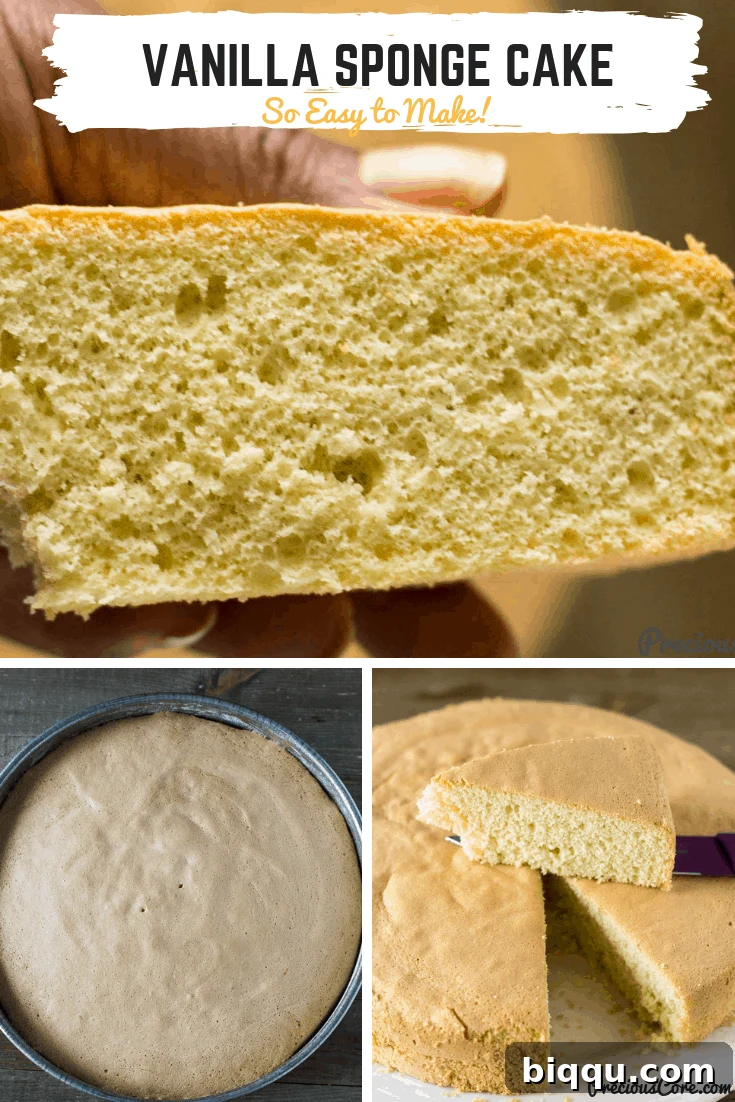
This Vanilla Sponge Cake is light, airy, fluffy, and perfectly sweet with an amazing vanilla flavor. Made without any butter or oil, it’s a simple recipe that yields a great-tasting cake!
Prep Time: 10 mins
Cook Time: 40 mins
Total Time: 50 mins
Servings: 8 servings
Rate This Recipe
Print Recipe
Ingredients
- 4 large eggs
- 1 cup all-purpose flour (125g), plus 2 teaspoons for dusting pan
- 1/2 cup granulated sugar
- 1/4 teaspoon salt
- 1/2 teaspoon baking powder
- 2 teaspoons vanilla extract
Instructions
- Preheat oven to 350 degrees F (180 degrees C). Lightly brush a 9-inch round baking pan with 1 teaspoon of oil. Add about 2 teaspoons of flour and dust evenly around the pan, tapping out any excess.
- Separate egg yolks from egg whites. In a clean bowl, beat egg whites with an electric mixer until they form soft peaks (about 2 minutes). Gradually add sugar and continue beating until they form stiff, glossy peaks (about 2 more minutes).
- Add the egg yolks and vanilla extract to the beaten egg whites. Gently whisk them in until just combined, being careful not to deflate the mixture.
- Sieve in the flour, baking powder, and salt, a little at a time (in 2-3 additions). Gently fold the dry ingredients into the egg mixture with a spatula or whisk until just combined and no streaks of flour remain. Avoid overmixing.
- Pour the batter into the prepared cake pan. Use a spatula to clean the batter off the bowl and gently level the top of the batter in the pan.
- Bake in the preheated oven for 30 minutes, or until a wooden toothpick inserted into the middle of the cake comes out clean.
- Let the cake cool in the pan for 10-15 minutes before inverting onto a wire rack to cool completely.
Notes
- It is critically important not to overmix the batter, especially after adding the dry ingredients, to maintain the cake’s light and airy texture.
- While an electric mixer makes whipping egg whites much easier, it’s possible to achieve stiff peaks with a fork or whisk – it just requires a good arm workout!
Nutrition Information (per serving)
Calories: 139kcal | Carbohydrates: 25g | Protein: 4g | Fat: 2g | Saturated Fat: 1g | Polyunsaturated Fat: 0.5g | Monounsaturated Fat: 1g | Trans Fat: 0.01g | Cholesterol: 82mg | Sodium: 131mg | Potassium: 49mg | Fiber: 0.4g | Sugar: 13g | Vitamin A: 119IU | Calcium: 30mg | Iron: 1mg
Additional Info
Course: Dessert
Cuisine: International
Tried this recipe? We’d love to see your creations! Mention @preciouscore or tag #PreciousCore on Instagram!
“There is a way which seemeth right unto a man, but the end thereof are the ways of death.” Proverbs 14:12, KJV