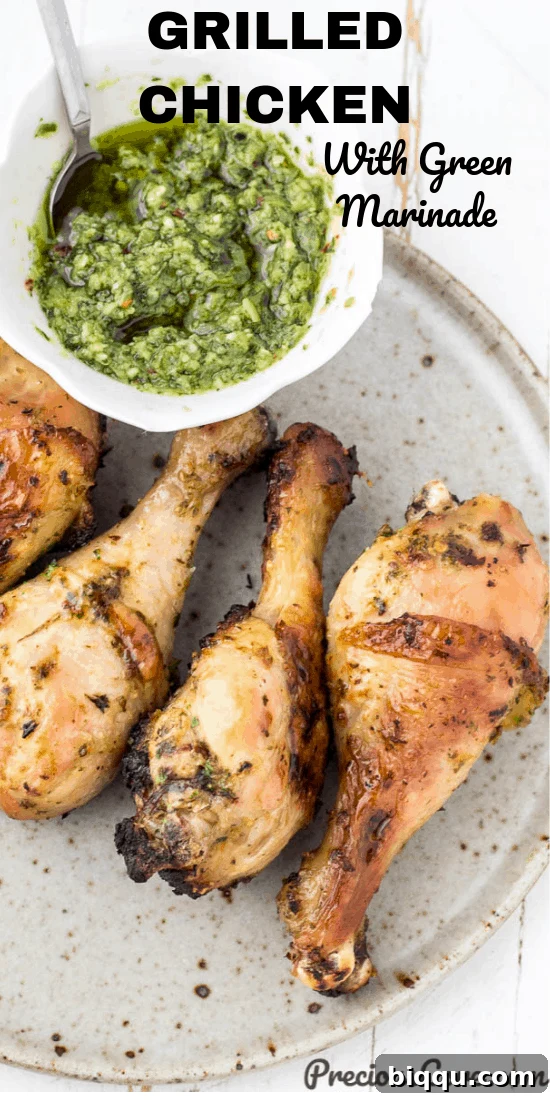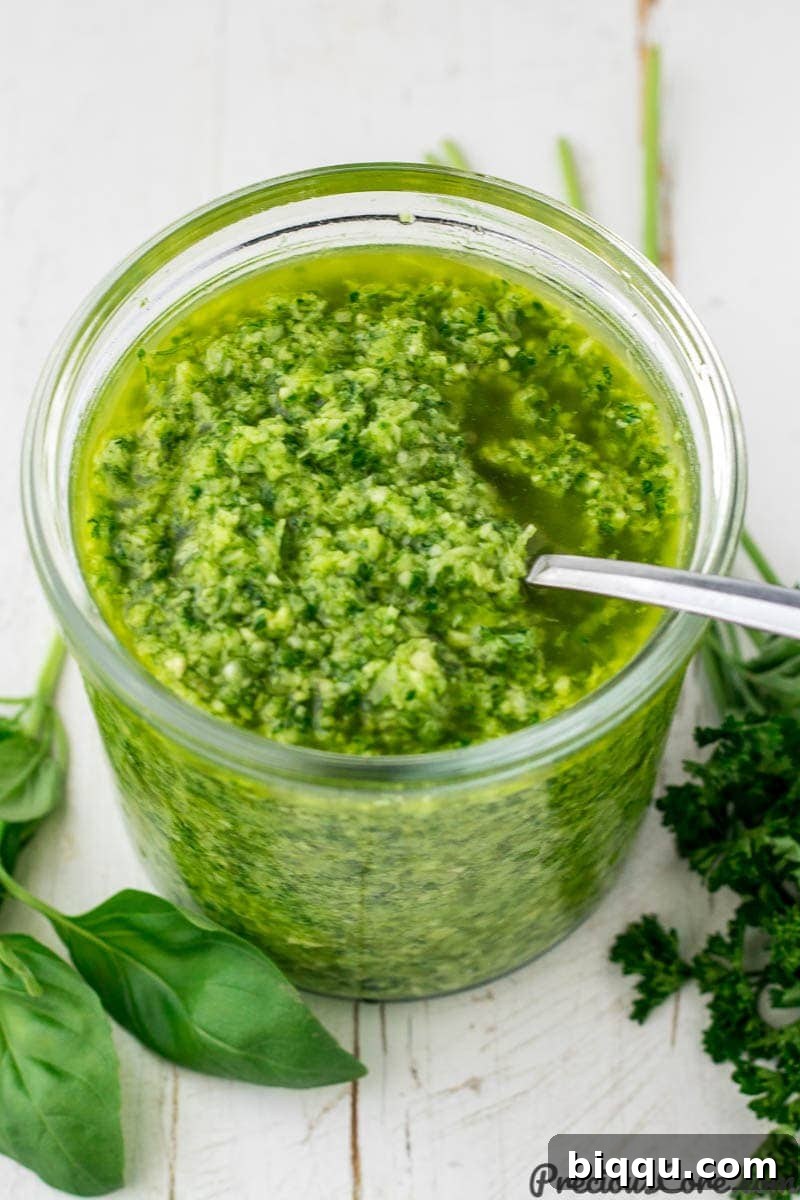
Unlock a world of vibrant flavor with the ultimate Green Seasoning Recipe. This versatile green marinade is your secret weapon for elevating everything from grilled chicken, beef, fish, and pork to enhancing the depth of your favorite soups, stews, and a myriad of everyday meals. Prepared with a fresh blend of aromatic herbs and spices, this homemade green seasoning is poised to transform your cooking experience and inject an unparalleled zest into every dish.
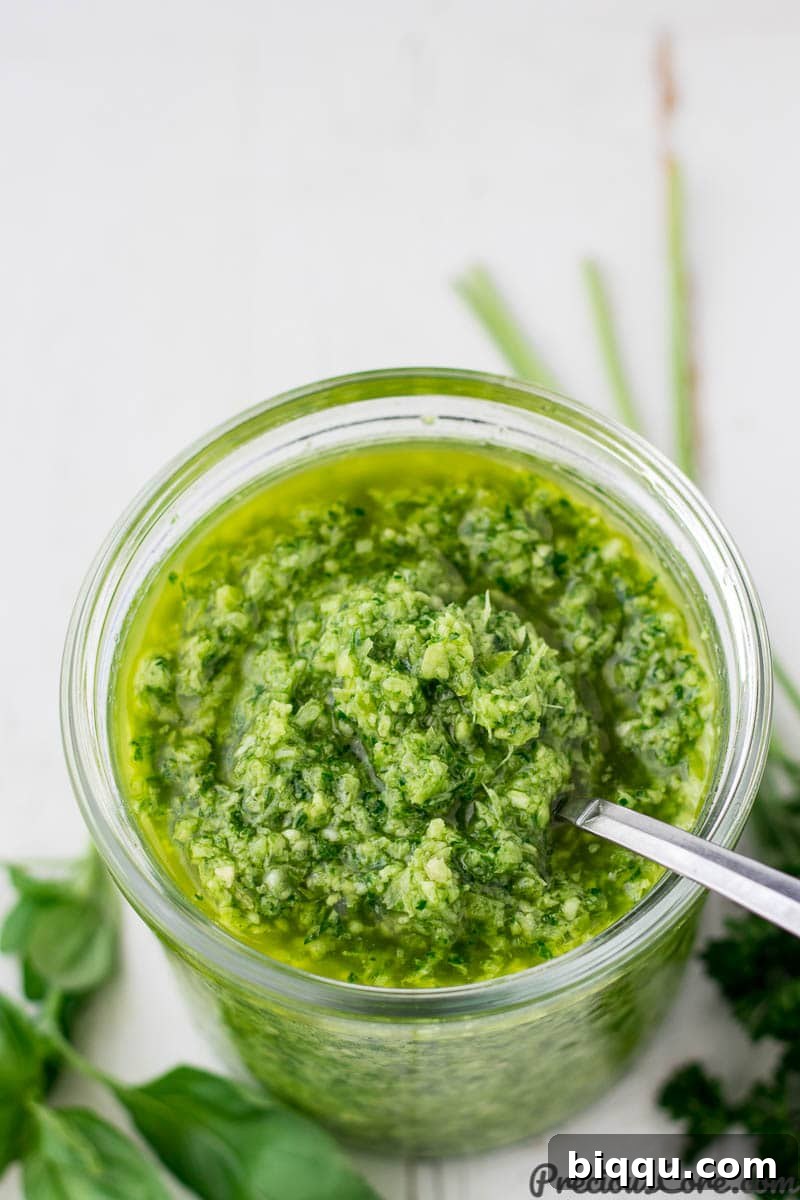
Having previously shared the authentic Caribbean taste of my Jamaican Jerk Seasoning, it’s only natural to introduce you to another cornerstone of incredibly flavorful cooking: my cherished homemade green seasoning. For years, this has been my go-to seasoning base, a staple that drastically improves the taste profile of countless dishes. Imagine having a potent flavor booster readily available in your fridge, ready to be incorporated into any meal. This isn’t just a marinade; it’s a culinary game-changer, simplifying gourmet-level cooking for busy weeknights and special occasions alike.
I rely on this traditional green seasoning not only for seasoning meats destined for the grill but also as a foundational ingredient in hearty dishes like my Bean Stew, aromatic Jollof Rice, comforting Potato Hot Pot, and the delectable Poulet DG. Keeping a large jar of this vibrant green sauce on hand means a tablespoon or two can infuse incredible depth and freshness into almost anything I cook. It’s more than just an ingredient; it’s a secret weapon for consistently delicious home-cooked meals, bringing a burst of fresh flavor that elevates even the simplest preparations.
What makes this blend truly glorious is its foundation of fresh, predominantly green herbs, which are responsible for both its incredible flavor and its strikingly vibrant color. This harmonious fusion creates a captivating aromatic profile that is both complex and incredibly inviting. You don’t need a Caribbean or Cameroonian heritage, like mine, to appreciate the magic of this recipe. Its fresh ingredients and astounding versatility make it universally appealing. Many who have tried this particular recipe swear it’s the best green seasoning they’ve ever encountered, a testament to its exceptional quality and impact.
Mastering the Homemade Green Seasoning Recipe
The essence of this green seasoning lies in a carefully selected combination of fresh, pungent, and aromatic ingredients. In many of my recipes, you’ll notice the recurring presence of key components: robust garlic, spicy ginger, fresh parsley, crisp celery, and fragrant basil. In Cameroon, the potent trio of celery, parsley, and basil is affectionately known as “green spices,” and we frequently grind them into a paste to enrich the flavor of countless traditional meals.
While this green marinade might bear a superficial resemblance to Chimichurri due to its vibrant green hue and reliance on fresh herbs, the two are distinctly different. Chimichurri, a popular South American sauce, typically features parsley, oregano leaves, garlic, olive oil, red pepper flakes, and vinegar. Though both utilize an herbaceous base, my green seasoning offers a unique flavor profile that, dare I say, is even more dynamic and integral to everyday cooking. It’s truly like having a gourmet sauce concocted by a renowned chef, yet it’s incredibly easy to whip up in your own kitchen, making you the culinary artist!
Imagine effortlessly infusing a complex, restaurant-quality flavor into your weeknight dinners. This versatile green seasoning is perfect as a vibrant marinade for any grilled food – think succulent chicken, juicy steaks, or flaky fish. Beyond marinating, you can also gently simmer some of the sauce with a touch of salt and pepper to create an exquisite dipping sauce, perfect for serving alongside grilled meats or seafood. Its potential extends to vegan dishes too, bringing a sensational zest to grilled vegetables, tofu, or plant-based stews. This simple blend truly has the power to elevate simple ingredients into extraordinary meals.
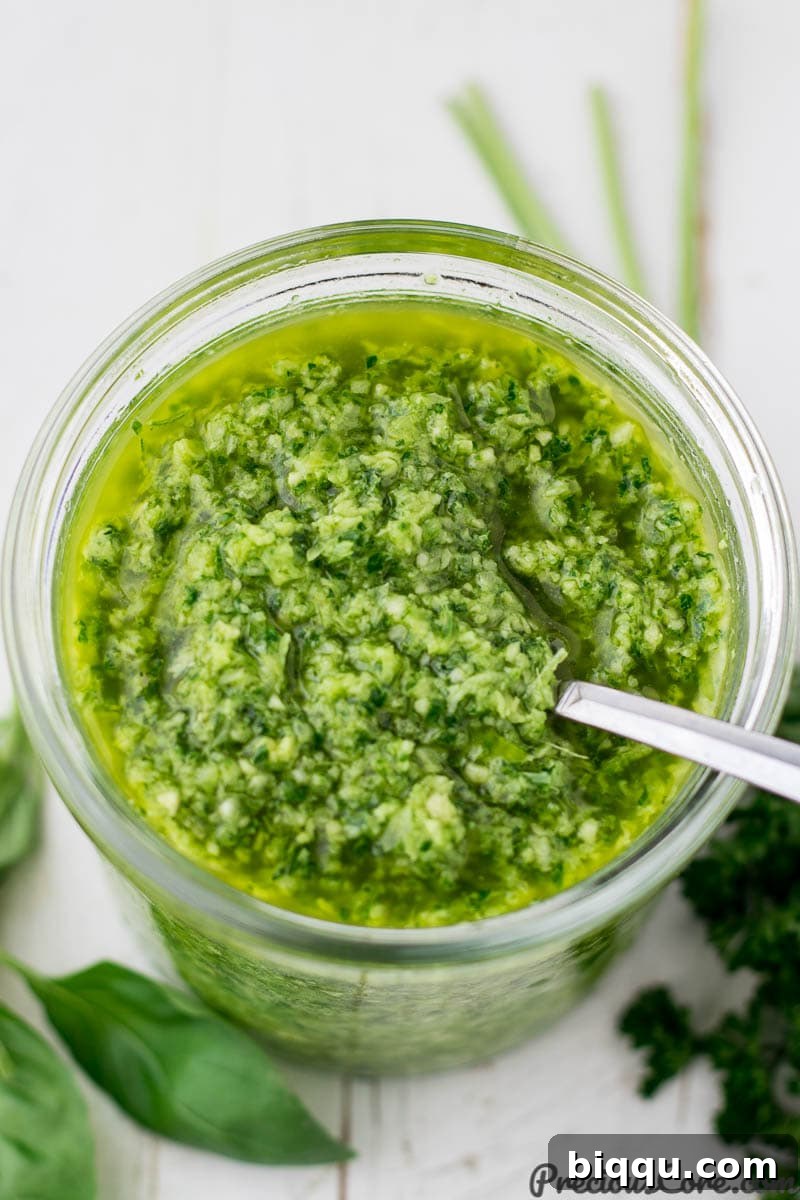
The beauty of this homemade green seasoning lies in its exceptional versatility across a wide range of proteins and dishes. Prepare a generous jar of this green goodness and keep it refrigerated; you’ll be amazed at how frequently you reach for it. It is an absolute dream for chicken, whether you’re grilling chicken legs, wings, thighs, or even a whole chicken. For beef lovers, it works wonders on sirloin steak, skirt steak, chuck roast, brisket, or any cut you plan to grill or stew. Pork spare ribs, pork chops, or any other pork cut will also benefit immensely from its rich flavor. The applications are practically endless – it’s fantastic with lamb, goat meat, and is particularly brilliant with seafood.
Envision salmon fillets infused with herbaceous notes, halibut or seabass taking on a new depth, or red snapper and mackerel bursting with fresh flavor. Even shrimp becomes extraordinary with a simple marinade of this green seasoning. Its adaptable nature is precisely why I’m so excited to share this with you. This green goodness is an essential addition to any kitchen, promising to simplify meal preparation and inject incredible flavor into your culinary creations. Just as it has made my cooking life easier and more delicious, I’m confident it will do the same for you.
Essential Ingredients for Your Green Seasoning
The foundation of any exceptional green seasoning lies in the quality and freshness of its components. This recipe champions the use of vibrant, fresh herbs and crisp vegetables, ensuring a potent and aromatic blend. Here’s a closer look at the key ingredients you’ll need and why each plays a vital role in creating this irresistible flavor enhancer:
- Celery: Whether you opt for conventional celery stalks or the more aromatic Chinese celery with its delicate leaves, celery contributes a crucial savory, slightly salty, and fresh undertone. It also adds a subtle texture and green vibrancy to the blend.
- Fresh Herbs (Parsley & Basil): These two powerhouses are indispensable. Fresh parsley offers a clean, earthy, and peppery note, while basil introduces a sweet, aromatic, and slightly peppery fragrance. Together, they create a bright, complex flavor profile and give the seasoning its characteristic vibrant green color.
- Ginger Root: Peeled and chopped, fresh ginger root infuses the seasoning with a warm, zesty, and subtly spicy kick. It adds an invigorating depth that beautifully complements the other herbaceous flavors, contributing to the overall complexity.
- Leeks: Providing a delicate and pleasantly sweet flavor that’s milder than onions, leeks add an essential aromatic base without overpowering the fresh herbs. They contribute a gentle pungency and richness that rounds out the seasoning.
- Garlic: A non-negotiable ingredient, fresh garlic delivers a robust, pungent, and umami-rich flavor that is incredibly satisfying to the palate. It’s a fundamental flavor enhancer, providing an essential savory backbone to the seasoning.
- Oil: The inclusion of oil (such as vegetable or olive oil) serves multiple purposes. Beyond helping to create a smooth paste during blending, it significantly prolongs the shelf-life of your homemade green seasoning when stored in the refrigerator. It also helps to distribute the fat-soluble flavors more effectively and adds a desirable richness to the final product.
For precise measurements of each ingredient, please refer to the detailed recipe card at the end of this article.
Explore Diverse Green Seasoning Variations
Green seasoning is a culinary staple across many cultures, particularly in the Caribbean and parts of Africa, and its exact composition can vary significantly from one household or region to another. These regional differences highlight the rich culinary traditions and the adaptability of this incredible herb blend. Understanding these variations can inspire you to customize your own green seasoning to suit specific cuisines or personal taste preferences.
Trinidadian Green Seasoning
To craft a green seasoning that perfectly complements Trinidadian cuisine, consider incorporating Trinidadian pimento peppers (also known as pimiento peppers) for their distinctive aromatic sweetness and mild heat. A splash of fresh lemon juice adds brightness, while bell peppers – green, red, or a mix – can enhance both flavor and color. Some traditional Trinidadian versions also feature large leaf thyme (Spanish thyme) and, for those who enjoy a fiery kick, green Scotch bonnet peppers are often included to provide significant heat and a fruity note.
Puerto Rico-Style Green Seasoning (Recaito)
Puerto Rican green seasoning, famously known as Recaito, presents a unique and aromatic profile quite distinct from many other green seasonings. It typically features sweet peppers (seasoning peppers), yellow onions, and, most notably, culantro (also known as shadow beni, shado beni, or chadon beni), which offers a much stronger cilantro-like flavor. Cilantro itself, along with various other types of peppers, can also be part of the blend. While Recaito is a specific preparation, you can certainly create a fascinating fusion by incorporating some of these signature Puerto Rican ingredients into your base green seasoning recipe for a unique twist.
Jamaican-Style Green Seasoning
If you’re aiming to infuse your cooking with authentic Jamaican flavors, adapt your green seasoning by adding ingredients characteristic of the island’s vibrant cuisine. Green onions (scallions) provide a milder onion flavor, while pimento berries or seeds contribute the iconic allspice notes that are central to Jamaican cooking. For heat and distinctive fruitiness, the formidable Scotch bonnet pepper is a must, used sparingly according to your heat tolerance. A squeeze of fresh lime juice adds a crucial acidic brightness that balances the robust flavors.
Haitian Epis
Haitian Epis, the foundational seasoning paste in Haitian cuisine, shares several core ingredients with our green seasoning, such as celery, garlic, parsley, and oil. However, it also typically includes fresh thyme, bell peppers (often a mix of colors for complexity), and vinegar, which adds a tangy depth. For the allium component, scallions are frequently used in place of leeks, offering a slightly sharper but equally delicious flavor. Each of these variations offers a distinct journey through regional flavors, allowing you to tailor your seasoning to specific dishes and cultural tastes.
Of course, the beauty of homemade seasoning is the freedom to customize. Feel empowered to create your own unique version based on personal taste. Whether you prefer the gentle warmth of milder peppers or the intense heat of hot peppers, or if you wish to introduce an acidic component like apple cider vinegar for brightness, the choice is yours. Experiment with ingredients like fresh cilantro, Spanish thyme, scallions, or other beloved seasonings. Finding unique ingredients like culantro or specialized peppers might require a visit to your local Asian market or a specialty international grocery store, but the culinary rewards are well worth the effort. Don’t hesitate to put your own spin on it and craft a green seasoning that perfectly reflects your palate!
Smart Substitutions for Your Green Seasoning
While the original recipe provides a harmonious blend of flavors, sometimes you might need to make substitutions based on availability or personal preference. Here are some practical alternatives:
- Herbs: If you find yourself without one of the specified herbs, aim to substitute with another that offers a similar flavor profile. For instance, if fresh basil is unavailable, other herbs from the mint family, such as mint itself or even oregano, can offer a somewhat analogous aromatic quality, albeit with their own unique nuances. Similarly, green onions or scallions make an excellent substitute for leeks, providing a comparable allium flavor that integrates seamlessly into the blend.
- Garlic: Although it’s technically possible to use garlic powder in a pinch, it’s strongly recommended to stick with fresh garlic cloves. Fresh garlic provides a pungent, vibrant flavor and a depth that powdered garlic simply cannot replicate. The texture difference is also significant, as fresh garlic contributes to the smooth consistency of the paste, while powder can leave a grainier result. Prioritize fresh garlic for the best possible flavor and texture in your green seasoning.
Effortless Preparation: How to Make Green Seasoning
Crafting your own vibrant green seasoning is surprisingly simple and requires minimal effort, especially with the right equipment. Here’s a straightforward guide to preparing this flavorful base:
- Begin by thoroughly washing all your fresh herbs and vegetables. Roughly chop the celery, parsley, basil, and ginger root. The beauty of using a blender or food processor is that precise, fine chopping isn’t necessary at this stage.
- Place all the chopped ingredients—celery, parsley, basil, ginger root, peeled garlic, and the specified amount of oil—into your blender or food processor.
- Blend the mixture until it transforms into a smooth, vibrant green paste. Depending on your appliance, you might need to pause and scrape down the sides a few times to ensure everything is thoroughly incorporated and reaches a consistent texture. Add a tiny bit more oil if the mixture is too thick to blend smoothly.
- Once blended, carefully transfer your homemade green seasoning into a clean glass jar or a mason jar. Ensure the jar has a tight-fitting lid to maintain freshness.
- Store the jar in the refrigerator, where your green seasoning will remain fresh and flavorful for up to two weeks, ready to enhance your next culinary creation.
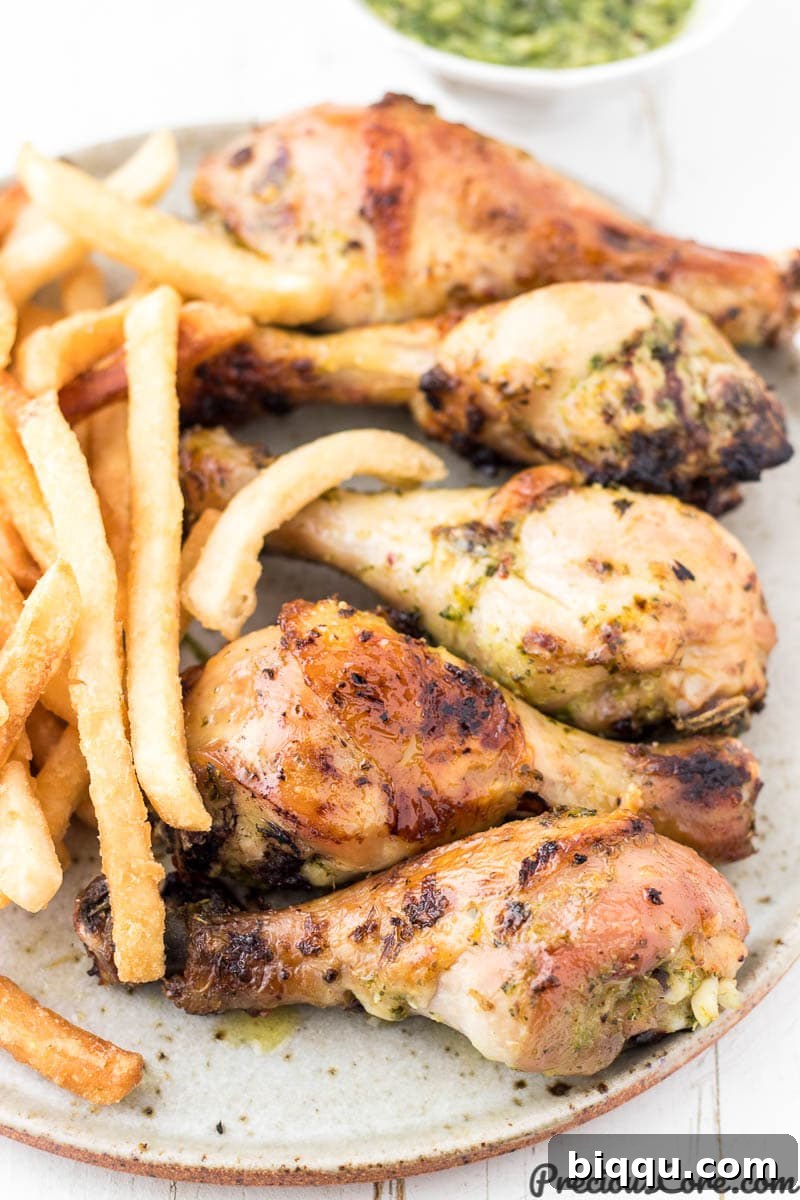
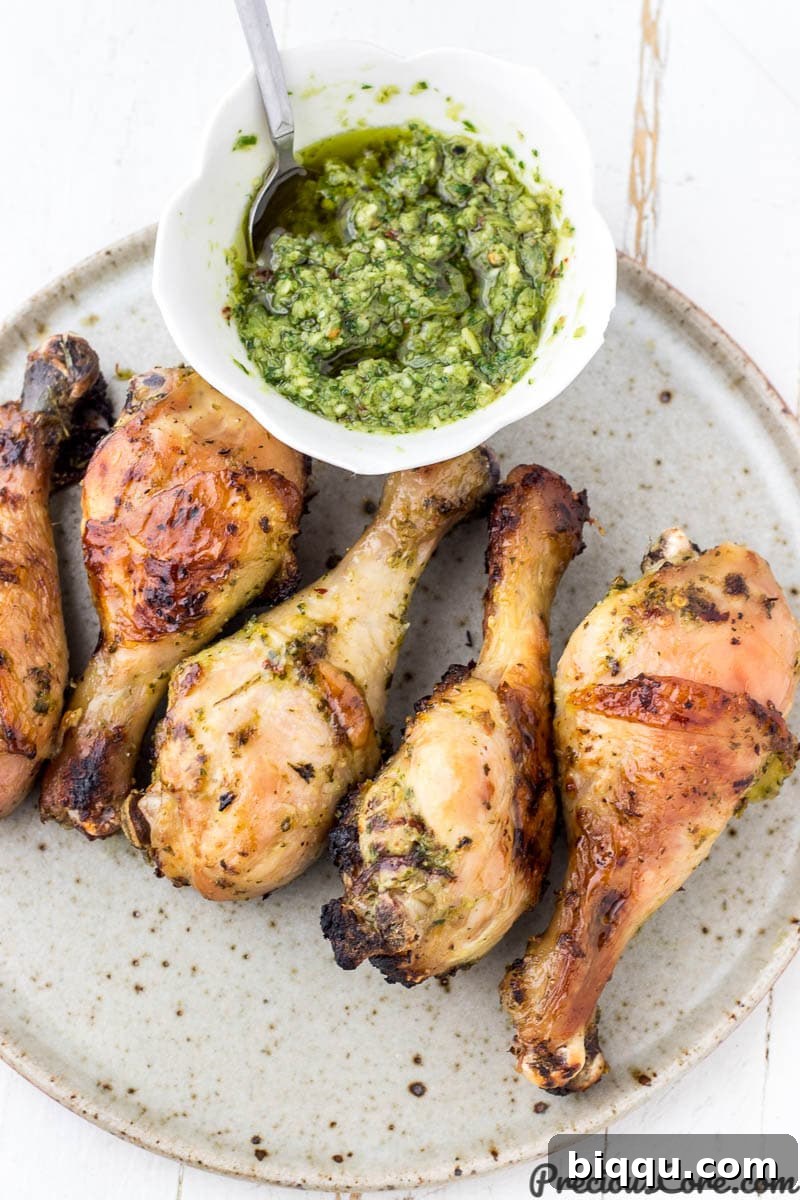
Grilling Perfection: How To Grill Chicken with Green Marinade
Elevate your grilled chicken with the irresistible flavors of this homemade green marinade. Follow these steps for tender, juicy, and incredibly flavorful chicken every time:
- Start with approximately 5 pounds of chicken pieces (thighs, drumsticks, wings, or a mix). Rinse them thoroughly under cold water and then pat them completely dry with paper towels. Removing excess moisture helps the marinade adhere better and promotes crispier skin during grilling.
- In a large bowl, add 1 cup of your prepared green seasoning to the chicken.
- Season the chicken further by adding two teaspoons of chicken bouillon powder (or finely ground powder from bouillon cubes) and 1 teaspoon of salt. These will enhance the savory notes and overall depth of flavor.
- Introduce a touch of subtle heat and aroma with a quarter teaspoon of ground white pepper and a quarter teaspoon of red pepper flakes. Adjust these amounts based on your preference for spice.
- Using clean hands, thoroughly rub all the ingredients over every piece of chicken, ensuring each piece is generously coated with the flavorful green marinade.
- Cover the bowl tightly with plastic wrap and refrigerate. For best results, marinate the chicken for at least 2 hours, or ideally, for up to 24 hours to allow the flavors to deeply penetrate the meat. If time is short, you can grill immediately, but longer marination yields more intense flavor.
- To grill in the oven: Preheat your oven to broil. Line a baking sheet with foil paper and lightly grease it to prevent sticking. Arrange the marinated chicken in a single layer on the baking sheet, ensuring pieces are not overcrowded. Broil for approximately 40 minutes, flipping halfway through, until the chicken is cooked through and reaches an internal temperature of 165 degrees Fahrenheit (75 degrees Celsius).
- For outdoor grilling: Preheat your outdoor grill to medium-high heat. Place the chicken pieces directly on the grill grates. Cook for about 40 minutes, rotating the chicken every 10-15 minutes to ensure even cooking and to prevent burning. During the last 15-20 minutes of cooking, you can baste the chicken with any leftover marinade (ensure it has been boiled first to kill bacteria, or use a fresh batch specifically for basting) to lock in extra moisture and flavor, until the chicken reaches an internal temperature of 165 degrees Fahrenheit (75 degrees Celsius). Always use a meat thermometer to confirm doneness.
Expert Tips for Perfect Green Seasoning
To ensure your homemade green seasoning is always at its best and serves you well in the kitchen, consider these expert tips:
- Oil vs. Water for Blending: While it’s possible to use water instead of oil when blending your green seasoning, be aware of the trade-offs. Oil not only enhances the richness and flavor of the seasoning but also acts as a natural preservative, significantly extending its shelf life in the refrigerator. If you choose to use water to reduce oil content, ensure you add just enough to achieve a smooth consistency; too little, and the mixture will be too thick to blend properly. However, water-based green seasoning has a much shorter shelf life, typically only a couple of days, so plan to use it quickly.
- Long-Term Storage: Freeze It! For extended freshness, freezing your green seasoning is an excellent option. The best method is to pour the blended seasoning into ice cube trays. Once frozen solid, transfer the cubes to a freezer-safe bag or airtight container. For this freezing method, it is highly recommended to blend the seasoning with water instead of oil, as oil does not freeze and thaw as gracefully, often separating. Frozen green seasoning cubes will stay fresh for an impressive period, up to 6 months, allowing you to have pre-portioned flavor bombs ready for any meal.
- Chopping Convenience: Don’t fret over finely dicing all your ingredients. Since you’ll be using a powerful blender or food processor, a rough chop for the herbs and vegetables is perfectly adequate. The machine will do all the hard work of breaking them down into a smooth paste, saving you time and effort.
- Optimal Marinade Ratio: When using your green seasoning as a marinade for meats, a good rule of thumb is to use approximately 2 to 3 tablespoons of seasoning for every pound of meat. This ratio ensures a potent flavor infusion without overwhelming the natural taste of the protein. For larger quantities, this translates to roughly 1 cup of green seasoning for every 5 pounds of meat, providing consistent and delicious results.
Creative Uses for Your Green Seasoning Recipe
The versatility of this green seasoning is truly remarkable. Once you have a batch ready, you’ll find endless ways to incorporate its vibrant flavors into your daily cooking. Here are some of the most popular and impactful uses:
- Marinate All Proteins: This is its primary and perhaps most famous application. Use it generously to marinate chicken (whole, pieces, or cutlets), tender cuts of fish, succulent beef, or savory pork. It infuses the meat with incredible depth and tenderness, perfect for grilling, roasting, or pan-frying.
- Flavor Booster for Stews and Soups: A spoonful or two of green seasoning added at the beginning of cooking can dramatically elevate the flavor profile of any stew or soup. It provides an aromatic base that deepens the savory notes and adds a fresh herbaceous complexity.
- Enhance Rice Dishes: Stir a tablespoon into your rice cooker with the water and rice, or sauté it with onions before adding rice for pilafs and jollof rice. It imbues rice with a fragrant and subtle green hue and a delicious herbaceous taste.
- Create a Quick Dipping Sauce: Transform the raw marinade into a delightful dipping sauce. Simply simmer a portion of the green seasoning in a small saucepan with a splash of water or broth, and season with salt and pepper to taste. Let it cook for a few minutes to mellow and meld the flavors. This cooked sauce is fantastic alongside grilled meats, fried plantains, or as a condiment for sandwiches.
- Season Roasted Vegetables: Toss your favorite vegetables (broccoli, cauliflower, potatoes, bell peppers, zucchini) with a couple of tablespoons of green seasoning and a drizzle of olive oil before roasting. The herbs caramelize beautifully, imparting a rich, aromatic crust.
- Infuse Sauces and Dressings: Whisk a small amount into vinaigrettes for salads, or stir it into tomato sauces for pasta or pizza. It adds an unexpected layer of fresh flavor that brightens up even simple preparations.
Recommended Equipment for Preparation
To make the creation of your green seasoning as smooth and efficient as possible, here are the essential kitchen tools:
- Blender or Food Processor: A powerful appliance is key for achieving a smooth, consistent paste. My personal favorite is the Ninja BL660 blender, which offers professional-grade performance at an accessible price point, ensuring perfect results every time.
- Airtight Jars for Storing: Proper storage is crucial for maintaining the freshness and potency of your green seasoning. I highly recommend this set of jars, designed with tight-fitting lids that effectively seal in freshness and prevent spoilage, keeping your marinade in optimal condition.

Watch the Recipe in Action
For a visual guide on how to prepare this incredible green seasoning and see the process of grilling chicken using this vibrant marinade, check out my cooking video below. If you enjoy culinary demonstrations and step-by-step instructions, you’ll find this helpful.
Watch How To Make this Green Seasoning Recipe and Grilled Chicken
Explore More Flavorful Recipes
If you loved this green seasoning, you might also enjoy these other recipes designed to add incredible flavor to your cooking:
JAMAICAN JERK SEASONING
Best Seasoning For French Fries
African Pepper Sauce
If you make this recipe, please consider leaving a star rating below. Your feedback helps others discover and enjoy this recipe, and I always love hearing from you! Thank you!
Green Seasoning Recipe
This homemade Green Seasoning Recipe is the secret to elevating your home cooking. This versatile green marinade is perfect for grilling chicken, meat, pork, fish, or vegetables, and significantly improves the taste of stews and soups. Prepare a large jar and keep it refrigerated; you’ll be delighted by its transformative power!
Prep Time: 10 mins
Total Time: 10 mins
Servings: 5 cups
Course: Marinade
Cuisine: African, Caribbean
Equipment
- Blender or Food Processor
- Airtight Jars
Ingredients
- 4 celery stalks (if using Chinese Celery with leaves, use 6 full stems)
- 2 cups chopped fresh basil
- 2 cups chopped parsley
- 2 inches ginger root (peeled and chopped)
- 2 bulbs garlic (peeled)
- 1 leek (substitute with 4 green onions if unavailable)
- 2 cups oil (See Note 1 below for blending with oil)
Instructions
- Thoroughly wash the celery and leek. Roughly chop them and place in a blender or food processor.
- Add the parsley, basil, garlic, ginger, and oil to the blender.
- Blend everything into a smooth, consistent paste. Scrape down the sides as needed to ensure all ingredients are incorporated.
- Pour the finished green seasoning into a clean glass jar with a tight-fitting lid. Store in the fridge for up to two weeks.
Notes
- Blending with oil helps the green seasoning last longer in the fridge compared to blending with water. For freezing, consider using water instead of oil (see Tip below).
- Feel free to customize your green seasoning. Add ingredients like onions for extra savory depth, fresh thyme for an earthy aroma, or hot peppers like habaneros or Scotch bonnets for heat. For a balanced spice, I recommend starting with just one habanero to avoid overpowering the other flavors.
- As a general guideline, use about 1 cup of this green marinade for every 5 pounds of chicken or beef to ensure thorough flavoring.
Nutrition Information
Per 1 tablespoon serving:
- Calories: 51 kcal
- Carbohydrates: 0.3g
- Protein: 0.1g
- Fat: 6g
- Saturated Fat: 0.4g
- Polyunsaturated Fat: 2g
- Monounsaturated Fat: 4g
- Trans Fat: 0.02g
- Sodium: 1mg
- Potassium: 13mg
- Fiber: 0.1g
- Sugar: 0.1g
- Vitamin A: 177 IU
- Vitamin C: 2mg
- Calcium: 4mg
- Iron: 0.1mg