
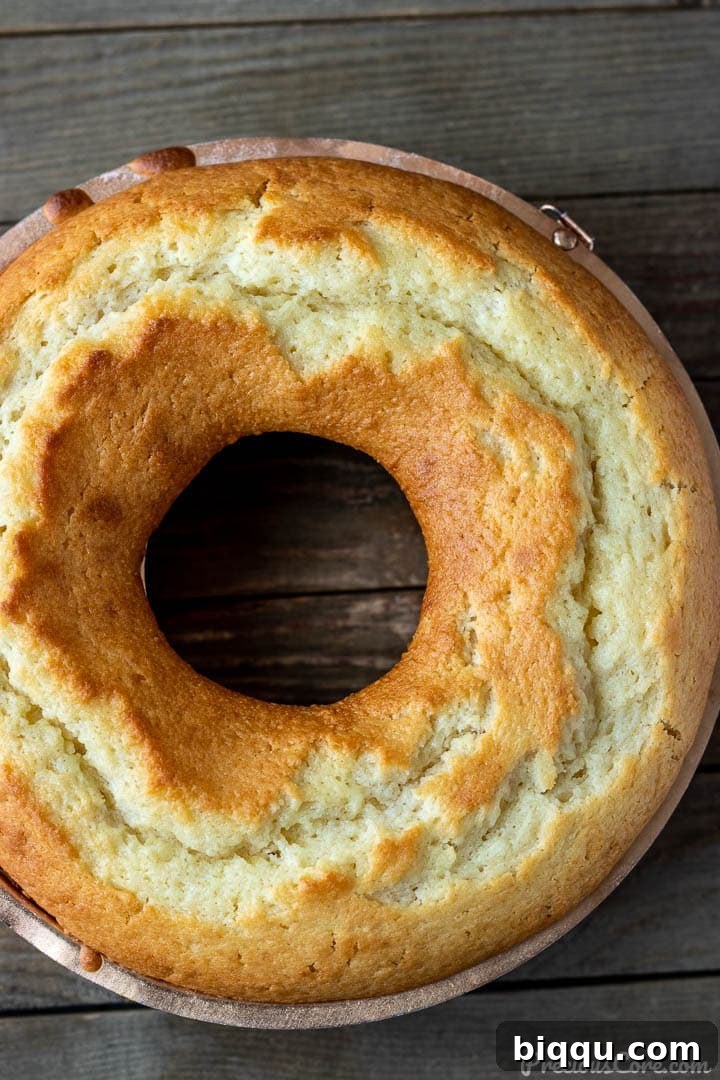
Yogurt Cake: A Timeless Classic for Every Occasion
Discover the delightful simplicity of homemade Yogurt Cake – a beloved classic celebrated for its remarkably light, airy sponge and exquisite flavor. With just a handful of everyday ingredients, you can effortlessly create a cake that boasts the perfect balance of sweetness and a wonderfully moist texture. This isn’t just a cake; it’s a versatile treat that will quickly become a staple in your kitchen, perfect for any time of day.
Craving a visual guide? Be sure to check out our comprehensive yogurt cake video further down the page!
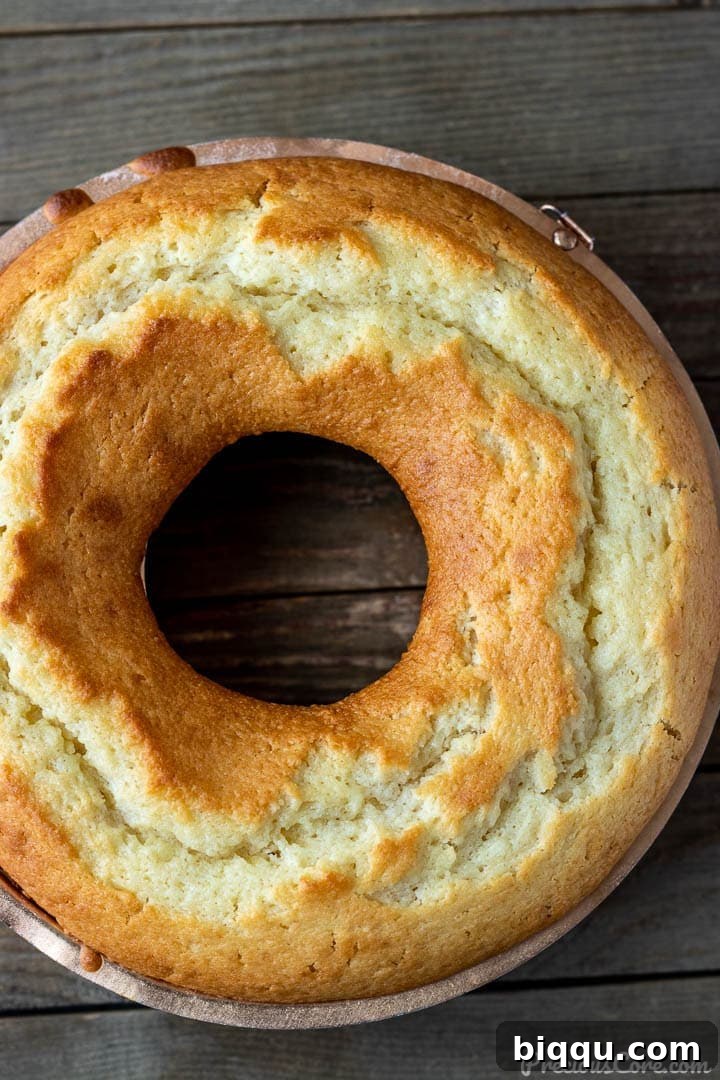
This is truly my go-to cake! What makes this yogurt cake stand out is its inherent completeness. It’s one of those rare confections that doesn’t demand the fuss of elaborate frosting or intricate decorations. Much like my perfect plain cake, this recipe shines in its natural state, offering a robust flavor and appealing texture that needs no embellishment. Consider this my perfected Yogurt Cake 2.0 – refined for ultimate flavor and fluffiness!
A true yogurt cake, in my humble opinion, should taste distinctly of yogurt, and this recipe delivers precisely that. Each bite of this wonderful cake offers a rich, tangy yogurt flavor perfectly complemented by its unbelievably fluffy and tender texture. It’s an ideal everyday cake, light enough to enjoy for breakfast alongside your morning coffee, or as a comforting snack in the afternoon. Its simplicity and deliciousness make it suitable for any moment you desire a sweet treat.
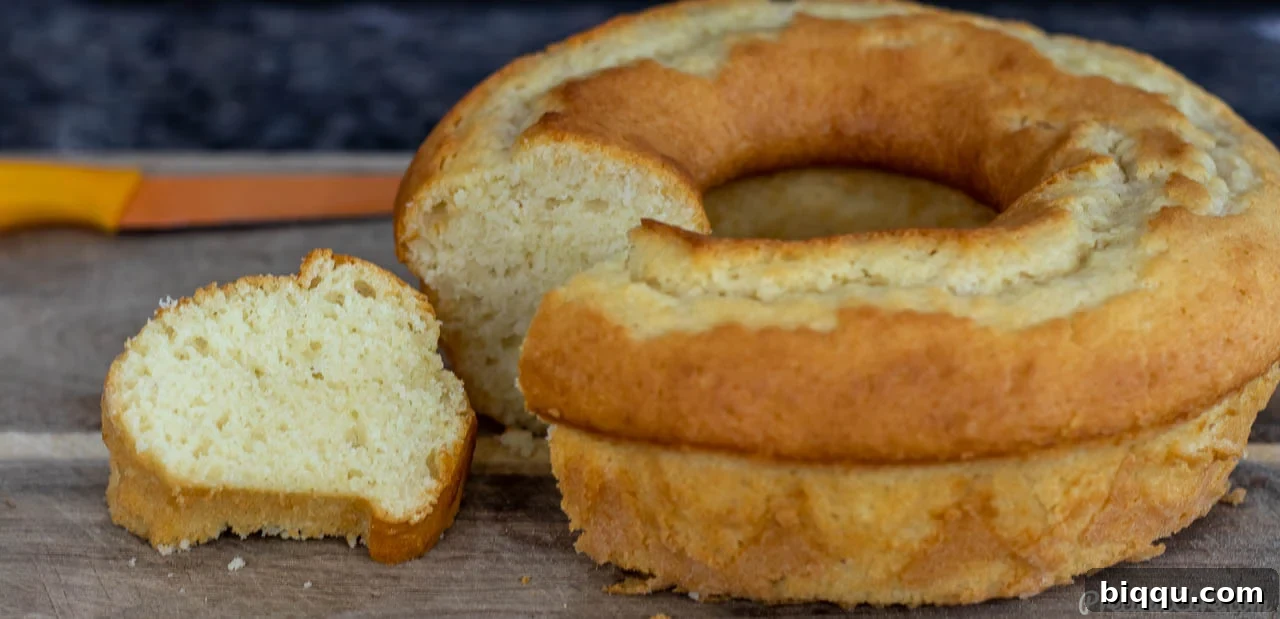
The Ultimate Easy Yogurt Cake Recipe
What truly sets this incredible yogurt cake apart is its universal appeal and remarkable versatility. Its balanced flavor profile and moist crumb make it a fantastic accompaniment to a wide array of beverages. Imagine savoring a warm slice with a freshly brewed cup of tea or a robust coffee – a truly comforting experience. For those who prefer a cooler pairing, it’s equally delightful with a glass of milk or even a chilled fruit juice.
This isn’t just an effortless cake; it’s the ideal candidate for sharing! Whether you’re heading to a potluck, hosting a casual party, or simply need a quick and satisfying snack for your family, this yogurt cake is always a hit. Its popularity extends globally, with variations akin to the delightful Turkish yogurt cake or the famous French gâteau au yaourt, both celebrated for their simplicity and wonderful flavor.
If you’re embarking on your baking journey, look no further. This recipe is an absolute dream for beginners. It stands as one of the most approachable cakes you can make, featuring straightforward instructions and simple ingredients readily available in most pantries. Success is almost guaranteed, making it the perfect confidence booster for new bakers.
Forget complex techniques or an overwhelming list of obscure ingredients. This recipe requires no advanced skills. You won’t need to separate egg whites and whisk them to stiff peaks; whole eggs are incorporated directly into the batter, simplifying the process considerably. Despite these simple methods, the outcome is consistently a delicious, beautifully fluffy, and incredibly moist cake that you’ll be incredibly proud to serve. It’s a testament to how humble ingredients can yield extraordinary results.
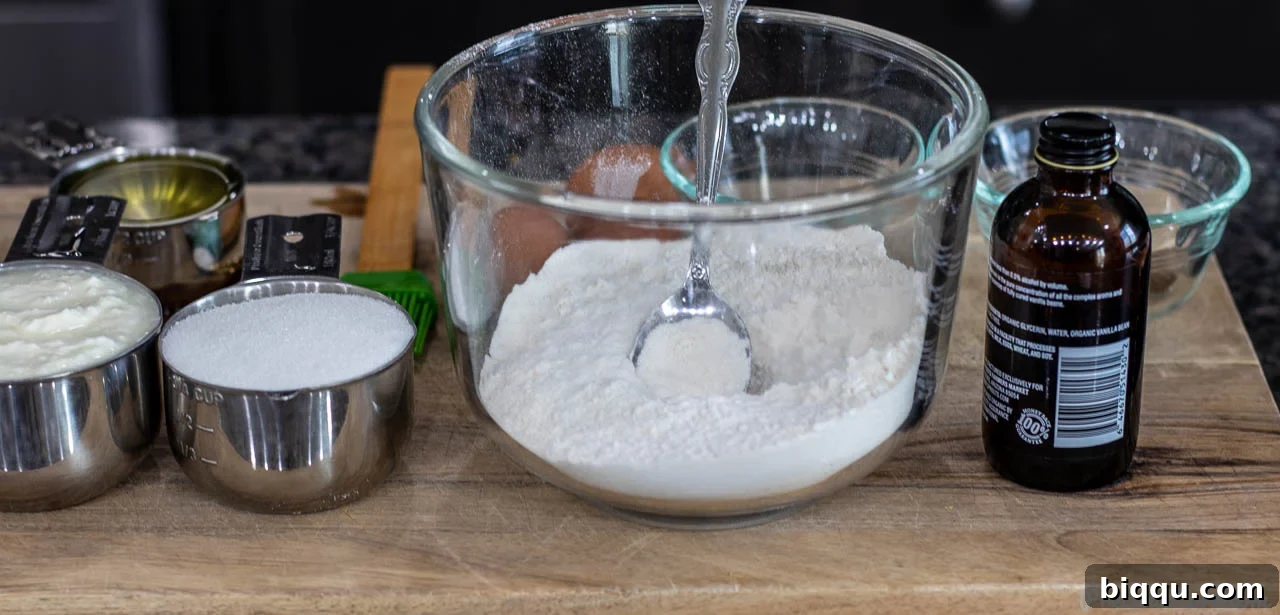
Essential Yogurt Cake Ingredients for a Perfect Bake
Crafting the perfect yogurt cake begins with understanding the role of each ingredient. Here’s what you’ll need to create this simple yet spectacular dessert:
1. Yogurt: The Heart of the Cake
For the best results, use regular whole milk yogurt or plain whole milk Greek yogurt. The full-fat content contributes significantly to the cake’s moistness and rich flavor. While flavored yogurts can be used, remember they contain added sugar, so you’ll need to adjust the granulated sugar in the recipe accordingly to prevent your cake from becoming overly sweet. A crucial tip: ensure your yogurt is at room temperature before mixing. This helps it combine smoothly with other ingredients, creating a more uniform batter. For the most authentic and vibrant flavor, opt for yogurt that contains live and active cultures – check the label as brands can vary widely.
2. Oil: For Unbeatable Moisture
The addition of oil is key to achieving that wonderfully moist and tender crumb synonymous with a great yogurt cake. Choose a neutral-tasting oil such as vegetable oil or canola oil, which won’t overpower the delicate yogurt flavor. While olive oil can be used in a pinch, be aware that its distinct flavor and heavier texture might alter the cake’s profile, making it less light and airy.
3. Sugar: The Sweetener
Good old granulated white sugar is all you need here. It not only provides sweetness but also contributes to the cake’s structure and browning during baking. For those looking for a slightly different flavor, a small portion of brown sugar can add a hint of caramel, but stick to granulated for the classic taste.
4. Flour: The Foundation
All-purpose flour, also commonly known as plain flour, is the ideal choice for this recipe. It provides the necessary structure without making the cake too dense. For an even lighter texture, consider sifting your flour before adding it to the mixture, though it’s not strictly necessary for this forgiving recipe.
5. Baking Powder: The Leavening Agent
Baking powder is a non-negotiable ingredient that acts as our primary leavening agent. It reacts with the wet ingredients to produce carbon dioxide bubbles, which are trapped in the batter, causing the cake to rise beautifully and achieve its characteristic fluffy texture. Ensure your baking powder is fresh for optimal lift.
6. Salt: Flavor Enhancer
A small amount of salt plays a vital role in baking, much like in savory cooking. It doesn’t just add a salty note; it enhances all the other flavors, particularly balancing and brightening the sweetness of the sugar and the tang of the yogurt, preventing the cake from tasting bland or one-dimensional.
7. Flavorings: Personalizing Your Cake
To elevate your yogurt cake, a touch of flavoring can make all the difference. A classic choice is vanilla extract, which adds a warm, aromatic note. For an extra layer of complexity, freshly grated nutmeg offers a comforting, subtle spice. Alternatively, the vibrant zest (the colorful outer rind) of one fresh lemon, lime, or orange can infuse the cake with a bright, citrusy aroma and taste. A lemon yogurt cake, featuring both lemon zest and a hint of lemon juice, is particularly enchanting. However, if you prefer the pure, unadulterated taste of yogurt, feel free to omit any additional flavorings; the cake will still be utterly delicious on its own.
For the complete list of ingredients with precise measurements, please refer to the detailed recipe card provided below.
Before you embark on your baking adventure, take a moment for crucial preparation: always preheat your oven to the specified temperature and ensure your chosen cake pan is properly prepared (greased and floured, or lined with parchment paper, depending on the pan type). This foresight will guarantee a smooth baking process and a perfectly risen cake.
Step-by-Step Guide: How To Make This Fluffy Yogurt Cake
Making this yogurt cake is a straightforward process, even for novice bakers. Follow these simple steps for a perfect bake every time:
1. Combine Wet Ingredients (minus eggs): In a large mixing bowl, begin by whisking together the plain yogurt, neutral oil, and vanilla extract until well combined and smooth. Once these are integrated, add the granulated sugar and continue to whisk until the sugar is mostly dissolved and the mixture is light and uniform. This initial step ensures a well-hydrated batter and helps to distribute the flavors evenly.
2. Incorporate Dry Ingredients: Gently add the all-purpose flour, baking powder, salt, and any optional flavorings like freshly grated nutmeg to the wet mixture. Using a whisk or an electric mixer on low speed, beat just until the dry ingredients are fully incorporated. The key here is to avoid overmixing, which can develop the gluten in the flour too much, leading to a tough cake. A few lumps are perfectly acceptable.
3. Add Eggs Gradually: With the mixer still on low, add the large eggs one at a time. After each egg, mix just until it is fully blended into the batter before adding the next. This gradual addition helps to create a stable emulsion, contributing to the cake’s fine crumb and fluffy texture.
4. Pour and Bake: Pour the smooth, uniform batter into your meticulously greased and floured (or parchment-lined) baking pan. Spread the batter evenly to ensure uniform baking. Transfer the pan to your preheated oven and bake for the suggested time. The cake is ready when its top is beautifully golden brown, and the center feels springy to the touch. A reliable test is to insert a wooden skewer or toothpick into the deepest part of the cake; it should come out clean, with no wet batter clinging to it. If it seems to need a little more time, continue baking in short intervals, checking every few minutes to prevent overbaking, which can dry out the cake. Once baked, let it cool in the pan for a bit before transferring it to a wire rack.
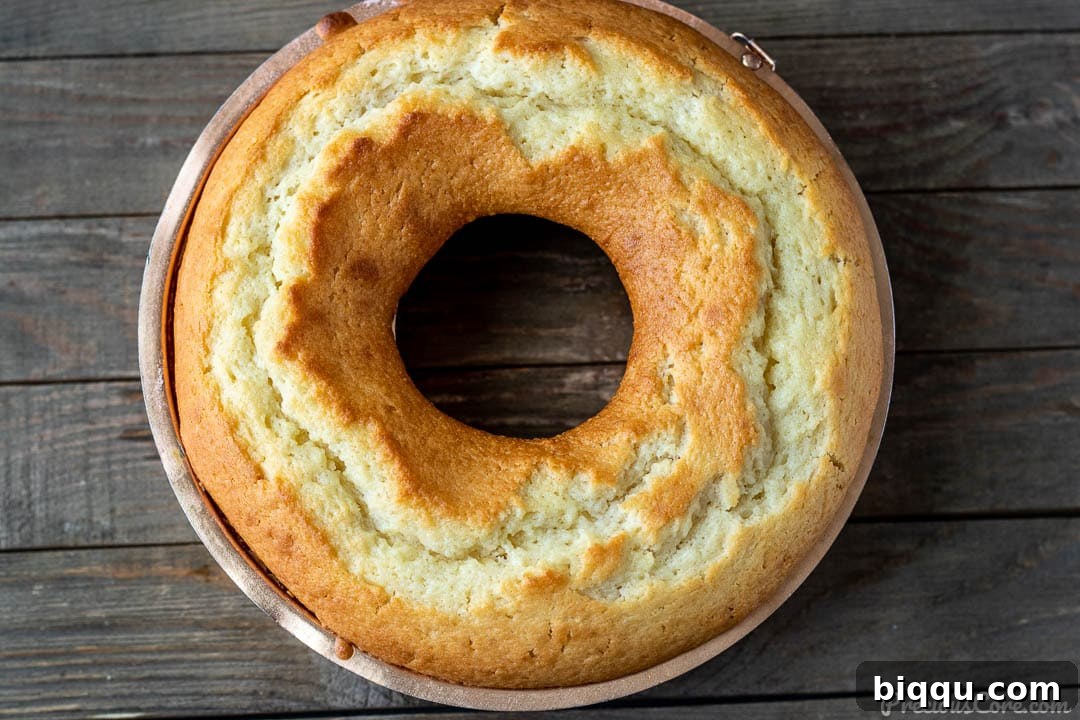
The result of these simple steps is a truly lovely yogurt cake with an impeccable crumb. It’s moist, tender, and incredibly flavorful on the inside, a texture that can only be described as utterly dreamy. The exterior boasts a delicate golden crust, adding a subtle contrast to the soft interior.
You know the saying, “it sold like hotcakes”? I remember pondering the true meaning of that phrase years ago. Now, with a bit more life experience and baking wisdom, I fully grasp it. A “hot cake,” or rather, a freshly baked cake, still warm from the oven, emitting its intoxicating aroma, is simply irresistible. This yogurt cake embodies that very essence of warmth and deliciousness, making it incredibly popular the moment it’s out of the oven.
If you’re fond of comforting baked goods, you might also enjoy my Vanilla Pound Cake or the rich Southern Lemon Pound Cake Recipe.
Unlock New Flavors: Substitutions and Variations for Your Yogurt Cake
While this yogurt cake recipe is perfect as is, it also serves as a fantastic canvas for creative variations and substitutions. Feel free to experiment and make it your own!
- Dazzling Glaze Options: Elevate your cake with a simple powdered sugar glaze. For a burst of bright, tangy flavor, I highly recommend a lemon glaze. To make it, whisk powdered sugar in a medium bowl, gradually adding milk (or lemon juice for extra tang) until you achieve a thick, pourable consistency. A splash of vanilla extract, almond extract, or orange blossom water can also add delightful nuances. You can even drizzle melted chocolate or a caramel sauce for a richer topping.
- Exciting Mix-Ins: Inject more flavor and texture by incorporating various mix-ins. Classic choices include chocolate chips (milk, dark, or white), raisins, dried cranberries, or toasted nuts like walnuts, pecans, or almonds. For fresh fruit, berries such as blueberries, raspberries, or sliced strawberries are excellent. If using fresh berries, toss them lightly in a tablespoon of flour before adding to the batter – this helps prevent them from sinking to the bottom during baking. While frozen fruit can be used, be mindful that the extra moisture and juices might bleed into the batter, potentially altering the cake’s color and texture.
- Thoughtful Low Sugar Alternatives: If you’re managing a medically restrictive diet or simply wish to reduce your sugar intake, you can certainly use a granulated sugar replacement. Products like monk fruit sweetener or erythritol are popular choices, provided they are designed for a cup-for-cup (1:1 ratio) substitution. It’s important to remember that while these alternatives provide sweetness, they might slightly affect the cake’s texture and overall taste compared to traditional sugar.
- Spice It Up: Beyond nutmeg, consider a pinch of cinnamon, cardamom, or even a touch of ginger for a warmer, spicier cake, especially lovely during cooler months.
- Dairy-Free Twist: For a dairy-free version, use a plant-based yogurt (such as almond or soy yogurt) and substitute the eggs with flax eggs (1 tbsp ground flaxseed + 3 tbsp water per egg, let sit for 5 minutes). Ensure your chosen plant-based yogurt is plain and unsweetened.
Baking Brilliance: Expert Tips for Your Yogurt Cake
Achieving yogurt cake perfection is simple with a few expert insights. Here are some tips to ensure your cake turns out flawlessly every time:
- Mastering Pan Preparation: This cake is adaptable to various pan sizes and shapes, including standard loaf pans, round cake pans (8-inch or 9-inch), elegant bundt pans, or even a springform pan. However, remember that pan preparation varies. For standard cake tins or loaf pans, in addition to greasing, lining the bottom with parchment paper prevents sticking and makes removal a breeze. For intricately grooved bundt pans, a thorough greasing with butter or baking spray and a dusting of flour are usually sufficient to ensure a clean release.
- Adjusting Baking Times: Different pan sizes and materials will require adjustments to the baking time. A smaller, deeper pan will likely need longer than a wider, shallower one. It’s crucial to never overfill your pan; aim for half to two-thirds full to prevent spillage and ensure even baking. Always keep a close eye on your cake, and rely on the visual cues (golden top, springy center) and the toothpick test for doneness. If you are experimenting with different pan sizes, this helpful chart can provide guidance on adjusting baking times.
- Cooling and Storage Perfection: Once your yogurt cake emerges from the oven, allow it to cool in its pan for about 10-15 minutes. This resting period helps the cake firm up and prevents it from breaking when unmolded. After this initial cooling, carefully transfer the cake to a wire rack to cool completely. Cooling on a rack allows air to circulate around all sides, preventing the bottom from becoming soggy. For any delicious leftovers, ensure they are tightly covered with plastic wrap or stored in an airtight container at room temperature for up to 3-4 days to maintain their wonderful moisture and freshness. For longer storage, the cake can be frozen for up to 2-3 months.
- Elegant Serving Suggestions: While this cake is fantastic on its own, a few simple additions can elevate your presentation. Consider serving slices with a dollop of homemade vanilla ice cream, a swirl of freshly whipped cream, or a side of seasonal fresh berries. A dusting of powdered sugar adds a touch of simple elegance.
- Room Temperature Ingredients are Key: For a consistently smooth batter and excellent rise, ensure your yogurt and eggs are at room temperature. Cold ingredients don’t emulsify as well, which can affect the cake’s texture.
- Don’t Overmix: Once the dry ingredients are added, mix just until combined. Overmixing develops gluten, leading to a denser, tougher cake.
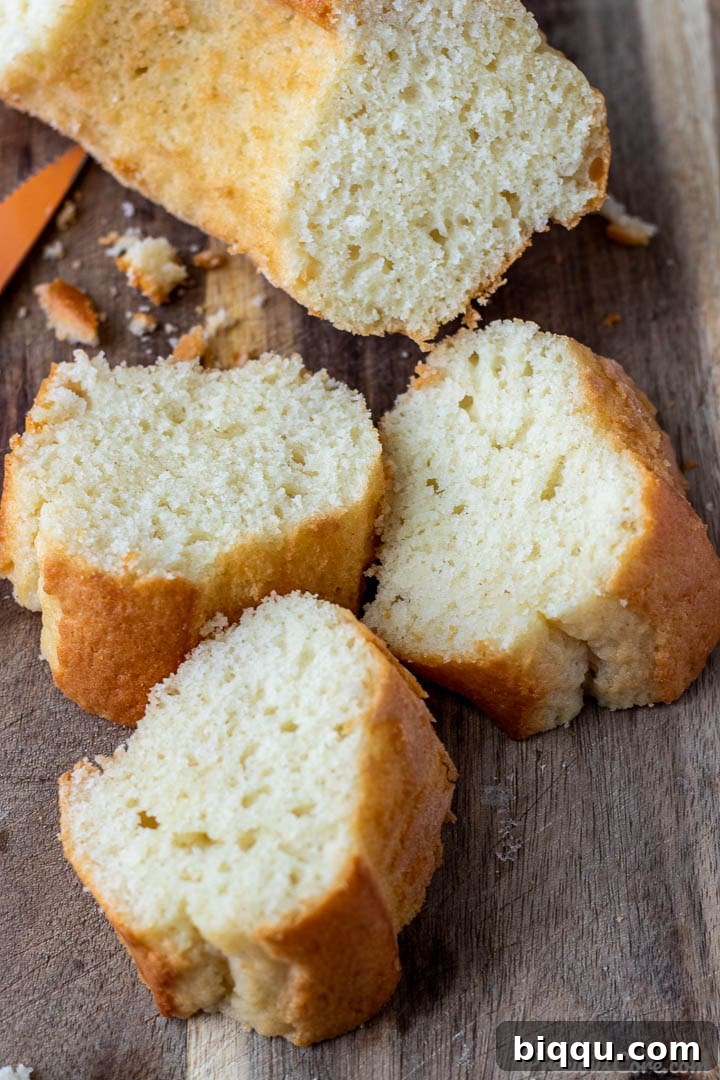
My entire family is absolutely captivated by this yogurt cake, and I truly hope you take the opportunity to try it. It has unquestionably earned its spot as one of my all-time favorite cakes! Its simplicity, delightful flavor, and perfect texture make it an irresistible treat that I love to bake again and again.
Essential Tools for Baking the Perfect Yogurt Cake
To make your yogurt cake baking experience as smooth and enjoyable as possible, here are some helpful tools:
- Bundt Pan: Ideal for creating beautifully shaped cakes with elegant ridges.
- Electric Hand Mixer: A convenient tool for quickly and thoroughly combining ingredients.
- Mixing Bowls: A set of various sizes is indispensable for any baking task.
- Whole Nutmeg: For freshly grated, intensely aromatic spice that elevates your baked goods.
Watch the Magic Unfold: How To Make Yogurt Cake
Prefer to learn by watching? Join me in the kitchen as I demonstrate how to make this delicious Yogurt Cake in the video below. It’s a great way to visualize each step and pick up additional tips and tricks! Don’t forget to SUBSCRIBE to my YouTube Channel so you never miss out on any of my exciting new recipes and baking tutorials!
Subscribe to my channel for more delicious recipes!
Subscribe Now
Yogurt Cake FAQs: Your Questions Answered
Yogurt is a game-changer in cake baking! It makes the cake exceptionally moist and tender, thanks to its fat and liquid content. Beyond texture, yogurt introduces a wonderful depth of flavor – a subtle tang that beautifully complements the sweetness and prevents the cake from being overly rich. This unique combination of moisture and flavor is why once you try a yogurt cake like this, you’ll be eager to bake it again and again.
For the absolute best results, I recommend using either regular whole milk yogurt or plain whole milk Greek yogurt. The full-fat content is crucial for achieving that desired moistness and rich flavor. While flavored yogurts can be an option, plain is generally preferred as it gives you full control over the sweetness and allows the cake’s core flavors to shine. It also helps avoid any artificial tastes. Avoid low-fat or fat-free varieties, as the fat content is essential for both flavor and the luxurious texture of the cake.
In general baking, yogurt is a wonderfully versatile ingredient that can act as a substitute for several items. It can effectively replace sour cream or buttermilk, lending similar moisture and tang. It can also stand in for a portion of the oil or even mayonnaise in some recipes, contributing fat and moisture. However, in *this specific recipe*, we’re not necessarily using yogurt as a direct replacement. Instead, it’s a primary, intentional ingredient chosen for its unique ability to impart exceptional moisture, tenderness, and a delicious, distinctive flavor that makes this yogurt cake truly special.
Discover More Easy Cake Recipes You Will Love!
If you’ve fallen in love with this incredible Yogurt Cake, you’re in for a treat! Explore these other equally easy and delicious cake recipes from my collection:
- Pineapple Upside Down Pound Cake: A stunning and flavorful cake with caramelized pineapple.
- Southern Lemon Pound Cake: Zesty, rich, and wonderfully moist, a true Southern comfort.
- Perfect Plain Cake: The foundational recipe for simplicity and pure cake flavor.
- Apple Cake: A heartwarming cake packed with tender apple pieces and comforting spices.
- Vanilla Pound Cake: A classic, buttery pound cake with rich vanilla notes.
- Plain Cake Recipe: Another simple, versatile cake perfect for any occasion.
A Note on Recipe Perfection: I believe in continuous improvement, and that includes my cherished recipes. I want to be completely transparent: this yogurt cake recipe has been thoughtfully updated since its initial posting years ago. I discovered a small but significant error in the previous recipe card that unfortunately could lead to a dense cake, which is absolutely not the intended result for this light and fluffy treat. My sincerest apologies if you tried the former version and experienced a less-than-perfect cake! Upon noticing the mistake, I immediately returned to extensive recipe testing and tweaking. After dedicated effort and careful adjustments, I am confident that I have finally perfected what I can truly call the best yogurt cake recipe for you – light, moist, and utterly delicious!
If you try this delightful recipe, please take a moment to leave a star rating below. Your feedback and ratings are incredibly valuable – they not only help other bakers discover and trust the recipe, but I also genuinely love hearing about your experiences! Thank you for your support!
Yogurt Cake
Pin Recipe
Rate
Print Recipe
Ingredients
- 3/4 cup granulated sugar (150 grams)
- 1 cup plain yogurt (250 grams) or plain Greek yogurt, full-fat recommended
- 1/2 cup neutral oil (125 ml) such as canola or vegetable oil
- 1 teaspoon vanilla extract
- 1 1/2 cups all-purpose flour (180 grams)
- 1 1/2 teaspoons baking powder
- 1/4 teaspoon salt
- 1/4 teaspoon freshly grated nutmeg or zest of one lemon/orange (optional, see Notes)
- 3 large eggs
Instructions
-
Preheat your oven to 350 degrees F (180 degrees C). Thoroughly grease and flour a 9-inch cake pan, a bundt pan, or a loaf pan.
-
In a large mixing bowl, whisk together the plain yogurt, neutral oil, granulated sugar, and vanilla extract until the mixture is smooth and well combined. You can use either a handheld whisk or an electric beater on low speed.
-
Add the all-purpose flour, baking powder, salt, and optional nutmeg (or citrus zest) to the wet ingredients. Beat on low speed until just combined. Be careful not to overmix; a few small lumps are fine.
-
Add the eggs one at a time, mixing after each addition until just incorporated into the batter. This ensures a uniform texture.
-
Pour the finished batter into your prepared pan, spreading it evenly. Bake in the preheated oven for 35 minutes, or until the top is golden brown and a wooden skewer or toothpick inserted into the center comes out clean. If needed, bake for a few more minutes, checking frequently.
-
Allow the cake to cool in the pan for 10-15 minutes before inverting it onto a wire rack to cool completely. Once cooled, slice and serve plain, or with your favorite glaze or toppings.
Notes
However, if nutmeg isn’t your preference or you don’t have it on hand, this cake is also fantastic flavored with the zest of one lemon, one lime, or one orange. For those who prefer a more classic profile, you can omit any additional flavorings entirely; the cake will still be wonderfully delicious!
2. For optimal results and a beautifully smooth, even crumb, always ensure that your yogurt and eggs are at room temperature before you begin mixing. Cold ingredients can lead to a lumpy batter and may affect the cake’s rise.
3. If you opt to use flavored or sweetened yogurt in this recipe, remember to reduce the amount of granulated sugar you add to the batter. This adjustment is crucial to ensure your yogurt cake doesn’t become overly sweet, allowing all the flavors to remain balanced and enjoyable.
Nutrition
Additional Info
This post contains affiliate links, which means I may earn a small commission if you make a purchase through them, at no extra cost to you.
If you do make this recipe, I would absolutely love to see your beautiful creations! Please tag me in a photo on Instagram @preciouscore. Your photos truly brighten my day!