

This shop has been compensated by Collective Bias, Inc. and its advertiser. All opinions are mine alone. #VTechParentGuide #CollectiveBias
The journey to welcoming a new baby into the world is an extraordinary adventure, filled with anticipation, joy, and a fair bit of preparation. As I embark on this exciting path for the fourth time, the thrill of getting ready for our newest family member is just as vibrant and wonderful as it was with my first. There’s a unique satisfaction in meticulously planning, researching, and carefully selecting everything needed to create a warm and nurturing environment for a newborn.
Preparing for a baby involves a blend of practical tasks, emotional readiness, and thoughtful decision-making. From navigating crucial doctor’s appointments to curating a list of essential baby gear, each step brings us closer to that magical moment of holding our little one. This comprehensive guide shares my tried-and-true methods and a detailed checklist for preparing for a new baby, drawing from years of experience. Whether you’re a first-time parent or expanding your family, I hope these insights offer valuable guidance and inspiration. Feel free to share your own tips and experiences in the comments below – the collective wisdom of parents is truly invaluable!
Essential Steps for Preparing for Your New Baby
Embarking on the journey of parenthood, whether for the first or fourth time, requires a strategic approach to preparation. Based on my personal experiences, here are the fundamental pillars of getting ready for a new baby, ensuring both parents and the little one are set for a smooth transition.
1. Prioritizing Prenatal Doctor’s Visits and Care
One of the most foundational aspects of preparing for a new baby is diligent prenatal care. From the moment you confirm your pregnancy, regular doctor’s visits become a cornerstone of ensuring a healthy journey for both you and your developing baby. In the US, these appointments typically commence around 8-10 weeks of pregnancy and continue throughout, often becoming more frequent as your due date approaches.
These visits are far more than just routine check-ups; they are invaluable opportunities to monitor your baby’s growth and development, address any health concerns, and receive expert medical advice. I particularly cherish hearing the baby’s heartbeat during these appointments – it’s a profound reminder of the new life growing within. Each visit allows for open discussions with your OB/GYN or midwife about various aspects of pregnancy, from nutritional guidance and exercise recommendations to managing common discomforts and understanding warning signs. My experience, from attending comprehensive antenatal classes with other expectant mothers in Cameroon to my current one-on-one appointments, has always underscored the immense reassurance these medical consultations provide. They empower you with knowledge and peace of mind, making the entire pregnancy feel more manageable and less daunting.
Beyond the physical aspects, prenatal visits also offer a space to discuss birth plans, postpartum expectations, and newborn care. Preparing a list of questions before each appointment can help maximize your time with the doctor, ensuring all your concerns are addressed. This proactive approach to healthcare is an essential investment in the well-being of both mother and child, laying a strong foundation for a healthy start.
2. Leveraging the Power of Online Research and Resources
In today’s digital age, the internet serves as an unparalleled resource for expectant parents. Once an initial doctor’s visit confirms the pregnancy, my research dives deep. The wealth of information available online can be incredibly empowering, helping to demystify the many stages of pregnancy and early parenthood.
I frequently find myself delving into various topics: understanding fetal development week by week, identifying normal pregnancy symptoms versus those requiring medical attention, exploring different birthing options, and familiarizing myself with early parenting techniques. Reading other women’s pregnancy and birth stories offers a sense of camaraderie and helps normalize unique experiences. Websites dedicated to child development, reputable medical institutions, and well-researched parenting blogs become invaluable tools in this information-gathering process. While the internet is a fantastic source, it’s crucial to seek information from credible and evidence-based sources, always discussing any significant concerns or findings with your healthcare provider.
Beyond factual information, online forums and social media groups dedicated to pregnancy and parenting can provide a supportive community. Sharing experiences, asking questions, and receiving advice from fellow parents can be incredibly comforting and informative. This digital exploration is not just about gaining knowledge; it’s about building confidence and feeling prepared for the transformative journey ahead.
3. Thoughtful Shopping for Essential Baby Gear
Ah, shopping! For many expectant parents, including myself, the prospect of buying adorable baby items is one of the most exciting parts of preparation. It’s a tangible way to connect with the upcoming arrival. However, smart shopping for baby essentials goes beyond just cute outfits; it’s about practicality, safety, and functionality. I typically begin serious shopping during the second trimester. The first trimester is often marred by morning sickness and fatigue, making extensive shopping trips less appealing. Conversely, delaying major purchases until the third trimester can lead to increased discomfort and a sense of overwhelm. The second trimester, with its renewed energy, strikes the perfect balance.
When curating a list of baby essentials, I focus on core categories:
- Diapers and Wipes: An absolute necessity! Consider both disposable and eco-friendly cloth options, and stock up on various sizes (newborn, size 1) as babies grow incredibly fast.
- Clothing: While tempting to buy endless tiny outfits, prioritize comfort and practicality. Opt for soft, easy-to-put-on garments like bodysuits, sleepers, and onesies. Remember to buy a range of sizes (0-3 months, 3-6 months) to accommodate rapid growth, and consider seasonal needs.
- Bathing & Skincare: Gentle baby wash, lotion, a soft hooded towel, and a baby bathtub are key for bath time routines.
- Feeding Supplies: Whether breastfeeding or bottle-feeding, you’ll need essentials like nursing pillows, bottles, sterilizers, and burp cloths.
- Health & Safety: A baby thermometer, nail clippers or file, a nasal aspirator, and a basic baby first-aid kit are indispensable.
- Big-Ticket Items: Crucial purchases include a safe car seat (a non-negotiable for leaving the hospital), a stroller system, and a crib or bassinet.
While the allure of shopping in physical stores is undeniable, online shopping offers unmatched convenience, especially for bulk items or comparing prices. Remember, babies outgrow clothes quickly, so avoid over-purchasing a single size. Focus on essentials first, and you can always add more as specific needs arise.
4. Investing in a Reliable Baby Monitor for Peace of Mind
Within the realm of baby gear, a high-quality baby monitor stands out as an indispensable tool for modern parents. This time around, I’m particularly enthusiastic about using one, as it offers an unparalleled sense of security and freedom. A baby monitor allows you to keep a watchful eye and ear on your little one from virtually any room in the house, ensuring peace of mind whether they’re napping during the day or sleeping soundly at night.
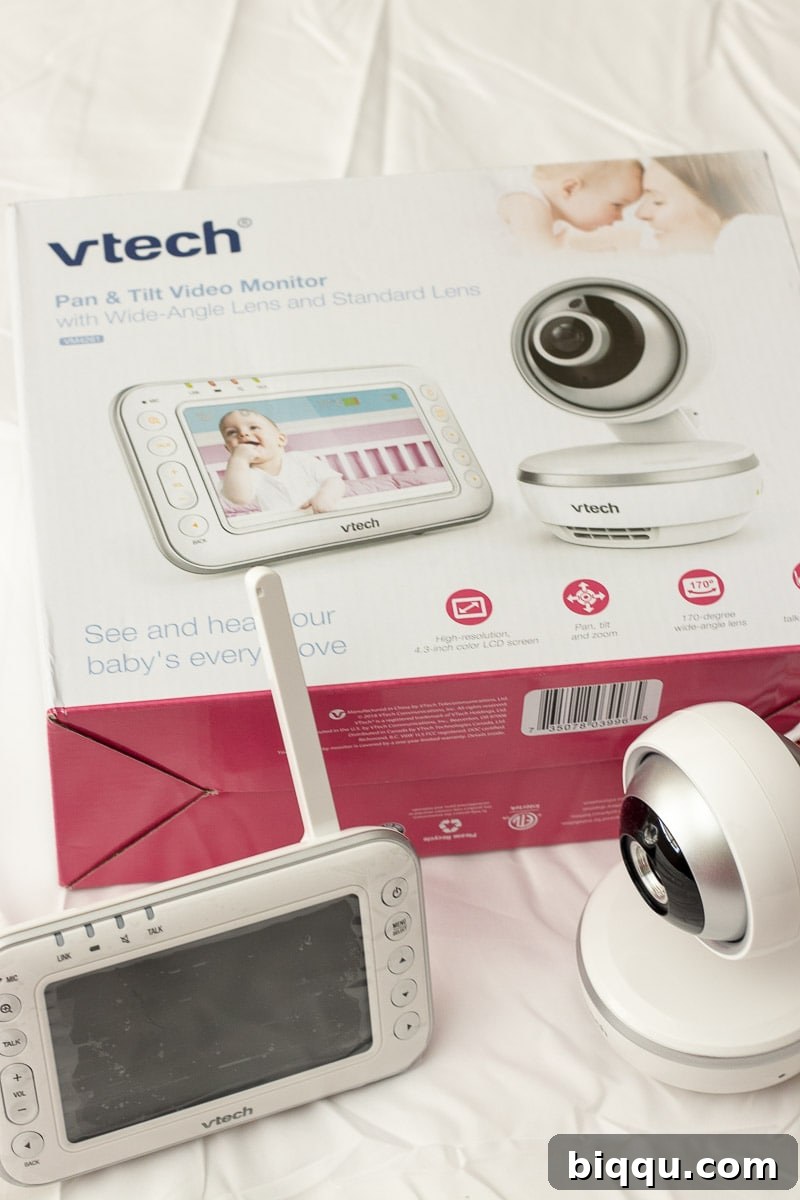
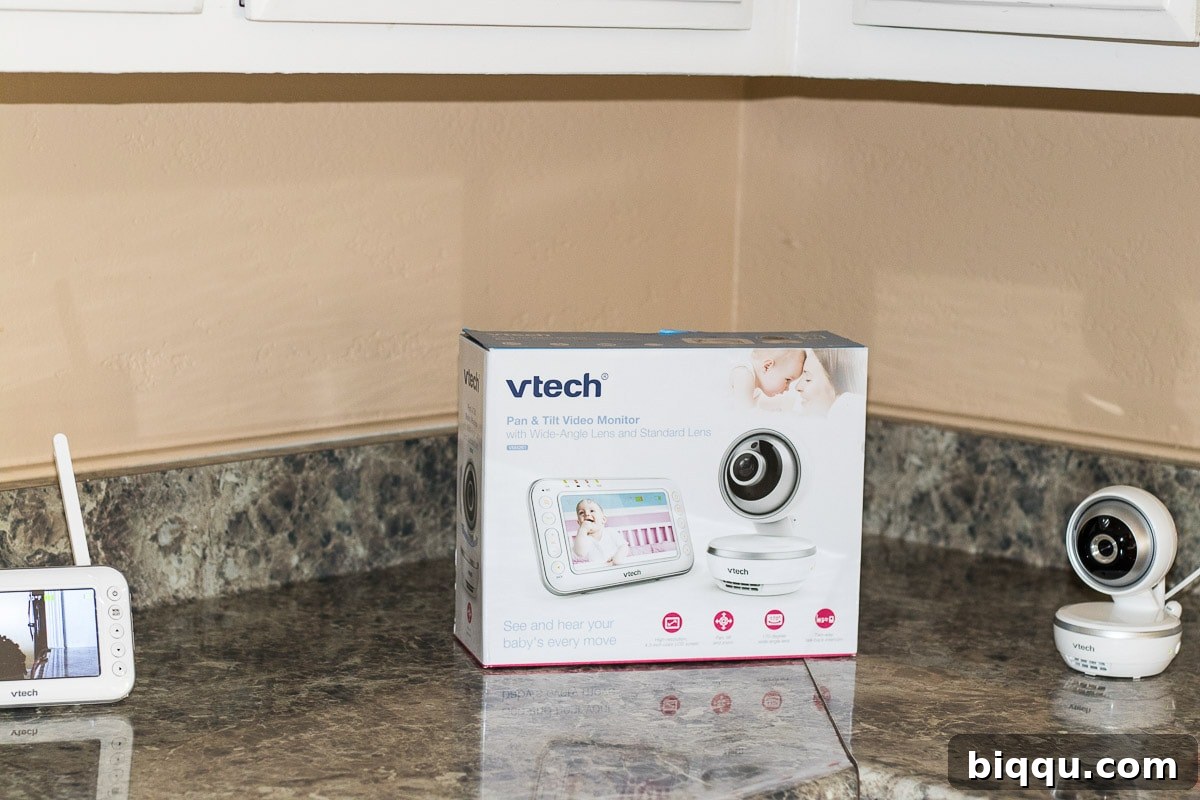
My current choice is the VTech VM4261 4.3” Digital Video Baby Monitor with Pan & Tilt Camera, Wide-Angle Lens and Standard Lens, and it truly exemplifies what parents need in a monitor. Its advanced features are designed to enhance both safety and convenience:
- Digital Video Camera with Pan & Tilt: This feature is a game-changer. The ability to remotely pan the camera left and right, and tilt it up and down, means you can survey your baby’s entire nursery. No more worrying about blind spots or if your baby has shifted out of view.
- Wide-Angle Lens: The inclusion of a wide-angle lens is fantastic, providing an expansive view of the room. This ensures you can see more of the nursery environment, not just a close-up of the crib, giving you a better overall picture of your baby’s surroundings.
- Two-Way Talk Intercom: Imagine being able to soothe your baby with the sound of your voice without having to physically enter the room. The integrated microphone allows for two-way communication, which can be incredibly reassuring for a fussy baby and convenient for parents.
- Easy Setup and Intuitive Use: Even for someone not particularly tech-savvy, setting up the VM4261 is remarkably straightforward. A quick glance through the manual is often all it takes to get it up and running, allowing you to focus on what truly matters – your baby.
- Versatility for All Stages: This monitor isn’t just for newborns. Its robust features make it suitable for monitoring your child through various growth stages, from infancy to toddlerhood, adapting to their changing needs and movements.
Knowing you have a clear visual and audio connection to your baby, especially when you’re in another part of the house, provides an invaluable sense of calm and control. It allows you to attend to other tasks or simply enjoy a moment of quiet, confident that you’re just a glance away from your little one. This monitor truly makes monitoring baby simpler and more effective.
5. Designing the Perfect Nursery Space
Creating a dedicated and comforting space for your baby, whether it’s an entire room or a cozy corner, is a deeply personal and joyful part of preparing for their arrival. The nursery isn’t just a place for sleep; it’s a sanctuary for feeding, changing, soothing, and bonding.
Planning the sleeping arrangements is paramount. For many parents, including myself, having the baby sleep close by in the early months is a priority. A bassinet placed beside your bed offers easy access for nighttime feedings and comfort. As the baby grows, a crib becomes the primary sleeping spot. Alternatively, a pack-and-play offers a versatile solution, serving as both a sleeping area and a safe play space, often portable. When choosing, always prioritize safety standards and ensure the mattress is firm and fits snugly.
Beyond the sleeping area, consider these essential elements for a functional and serene nursery:
- Changing Station: A dedicated changing table or a dresser with a changing pad on top makes diaper changes efficient. Keep all necessities—diapers, wipes, creams—within arm’s reach.
- Storage Solutions: Babies, despite their small size, come with a lot of gear. Invest in dressers, shelves, and storage bins to keep clothes, blankets, and toys organized and accessible.
- Comfortable Seating: A glider or rocking chair provides a comfortable spot for late-night feedings, lullabies, and cuddles, becoming a cherished part of the nursery.
- Lighting and Ambiance: Soft, dimmable lighting is ideal for nighttime feeds without fully waking the baby. Blackout curtains can aid in daytime naps.
- Safety First: Ensure all furniture is securely anchored to the wall, cords are out of reach, and the space is free from small, choking hazards.
Even if you don’t have a spare room, you can transform a corner of your bedroom into a beautiful and functional nursery. A bassinet or crib, a small changing caddy, and perhaps a soft rug can create a warm, inviting space for your little one. The goal is to create an environment that is both practical for parents and comforting for the baby, fostering a sense of security and belonging.
Embracing the Journey of Parenthood
Preparing for a new baby is an intricate dance of anticipation, planning, and love. Each step, from the reassuring doctor’s visits to the careful selection of a baby monitor and the thoughtful design of a nursery, contributes to building a foundation of care and readiness. This journey is incredibly unique for every parent, yet universally profound. I hope these insights and the comprehensive checklist provide you with valuable ideas and renewed enthusiasm as you prepare for your own little miracle.
Remember to savor every moment of your pregnancy journey – the kicks, the cravings, the growing bump, and the quiet moments of dreams for the future. It’s a fleeting, precious time. Embrace the excitement, lean on your support system, and trust in your instincts. The greatest adventure is about to begin!