
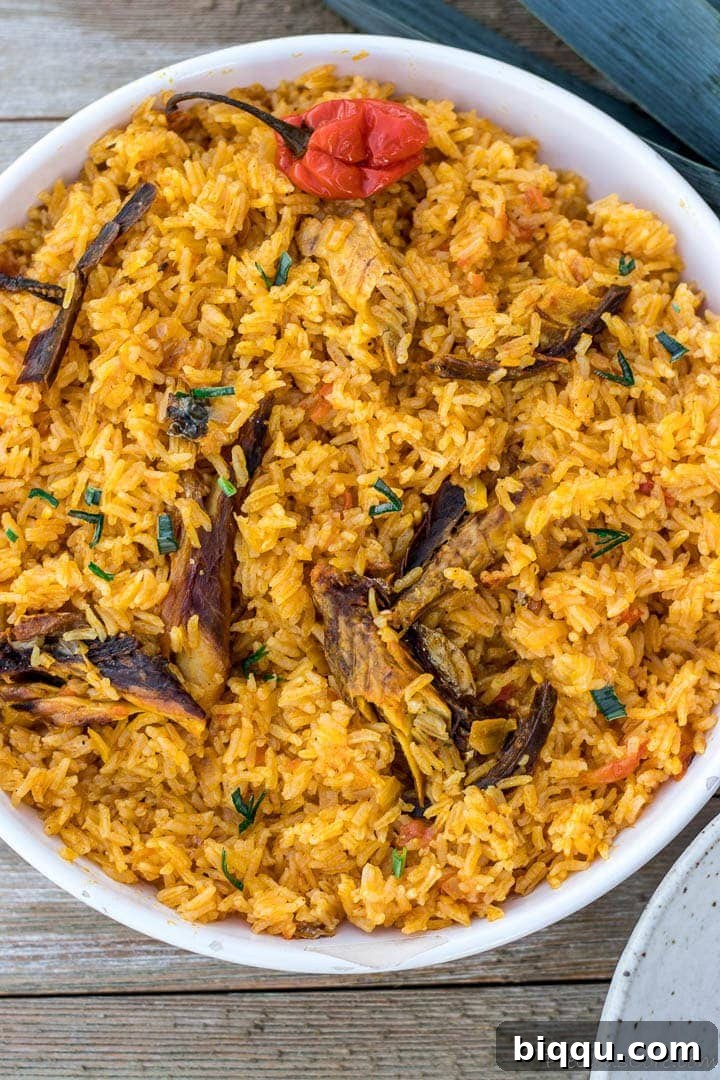
Welcome to the vibrant world of West African cuisine, where flavors tell stories and every dish is an invitation to celebrate. Today, we’re diving deep into the heart of a truly remarkable and beloved meal: Njanga Rice. Known by many names – Crayfish Rice, Palm Oil Jollof Rice, or simply Native Jollof Rice – this dish is a symphony of rich, smoky, and spicy notes, bound together by the earthy aroma of red palm oil and the distinctive umami of dried crayfish. It’s more than just a meal; it’s a culinary experience that transports you straight to the bustling markets and warm homes of Cameroon and beyond.
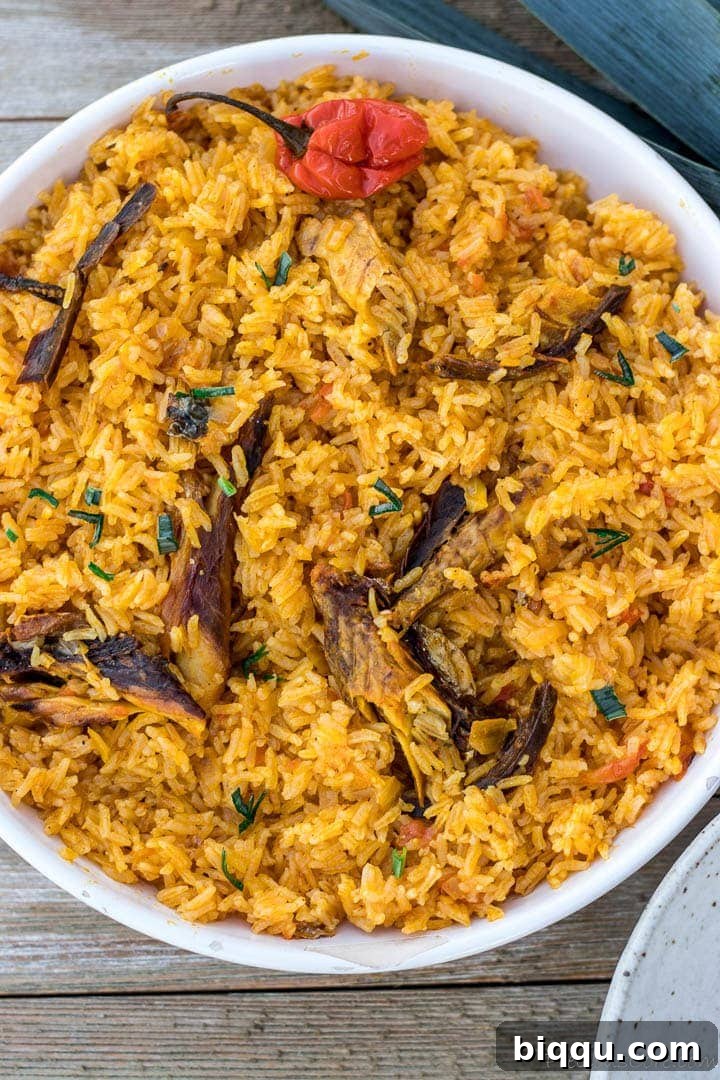
My journey with Njanga Rice began quite spontaneously. One morning, a profound craving for something authentic and comforting struck me. I whipped up a quick batch using some leftover white rice, and the result was so unexpectedly delightful that I knew I had to share this simple pleasure. That initial experiment tasted incredible, proving that when you cook rice in the style of fried rice, starting with pre-cooked grains allows the ingredients to infuse their flavors without becoming overcooked. This technique ensures every bite is vibrant and bursting with taste, much like how I perfect my classic Cameroon Jollof Rice.
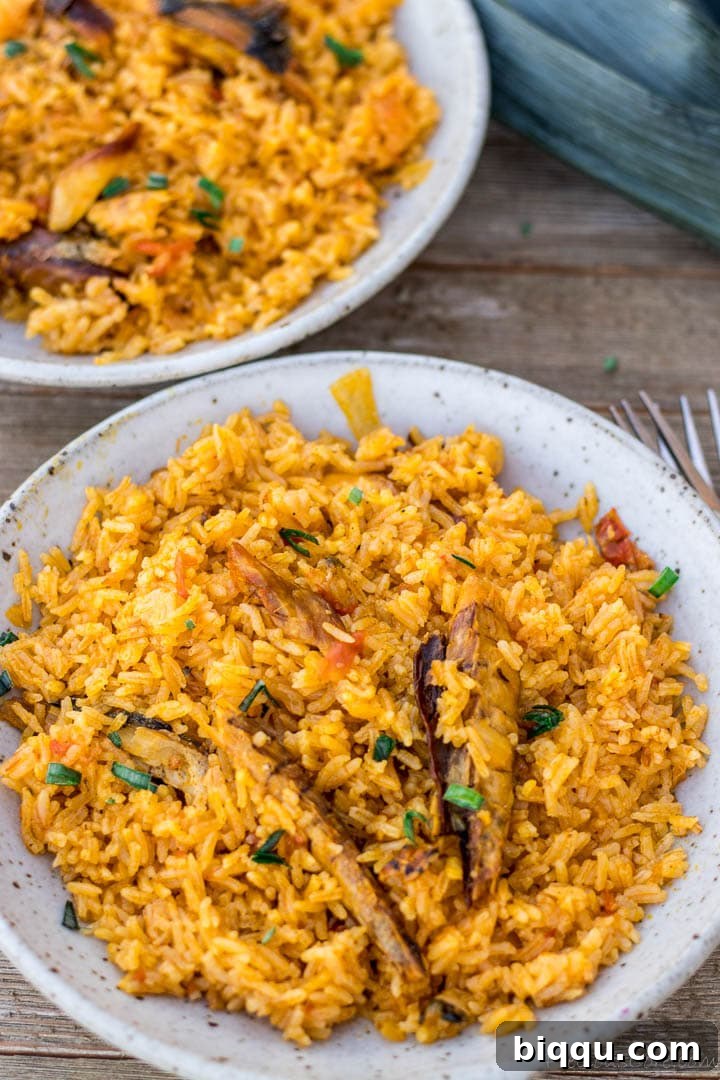
Since that initial moment of inspiration, I’ve refined and developed a truly epic one-pot method for Njanga Rice that’s not only incredibly delicious but also remarkably easy to prepare. This streamlined approach brings all the complex flavors together seamlessly, making it a perfect weeknight meal or a show-stopping dish for entertaining. My family, especially my husband, simply couldn’t get enough of it!
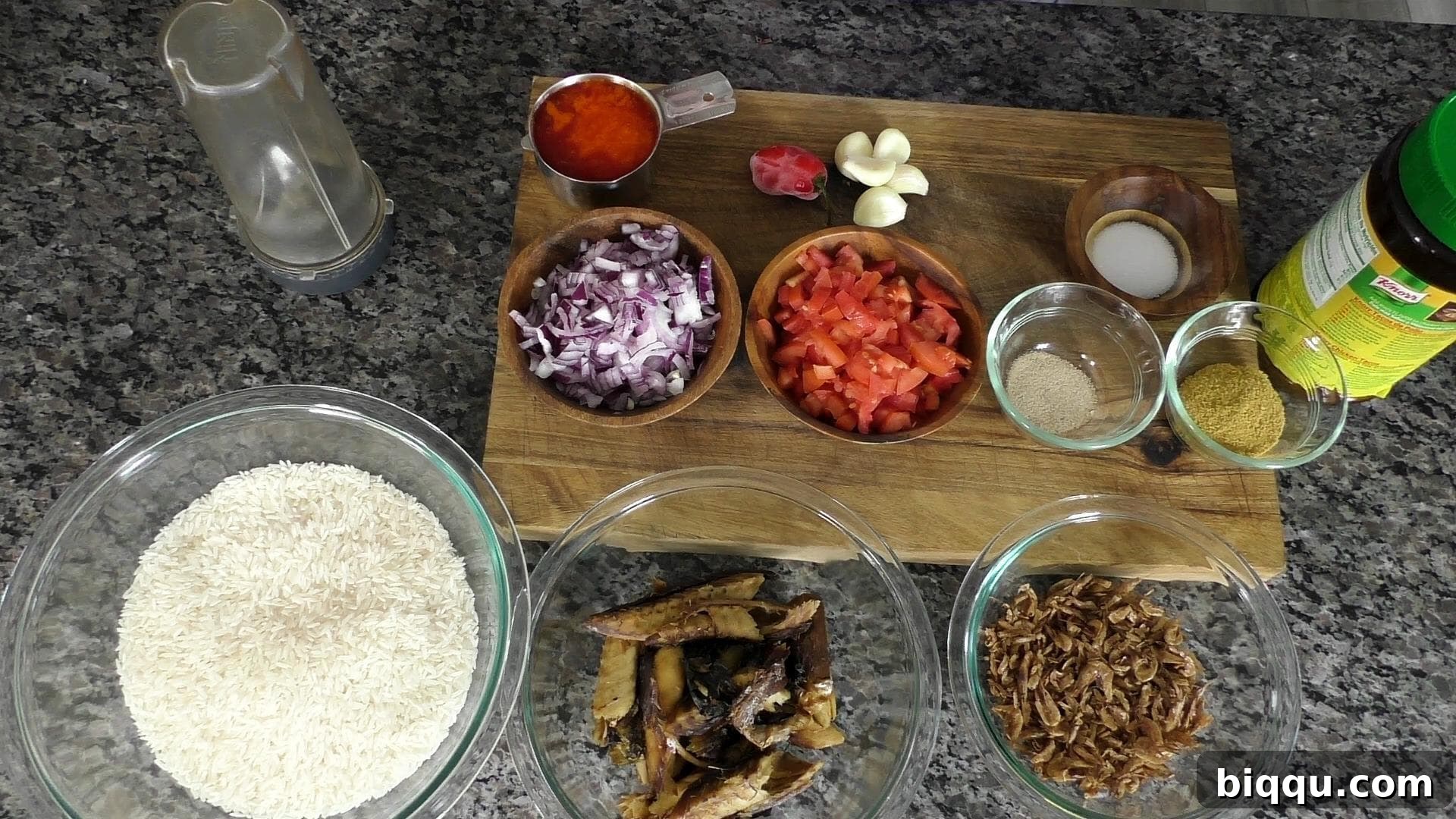
For those times you have leftover white rice and want to transform it into something truly special, I’ve also included my original recipe for making Njanga Rice with pre-cooked rice. It’s a fantastic way to enjoy the rich flavors of crayfish and palm oil without starting from scratch, ensuring that a tasty meal is always within reach.
What is Njanga Rice? Unpacking its Identity
Njanga Rice is a distinctive and highly cherished West African rice dish, celebrated for its unique blend of flavors and ingredients. It stands apart from the more common tomato-based Jollof Rice, offering a different, yet equally captivating, culinary experience. The dish is primarily characterized by the use of red palm oil and njanga, which is the local Cameroonian term for dried crayfish.
This dish goes by several evocative names, each highlighting a key aspect of its identity:
- Njanga Rice: Directly referencing the dried crayfish, which is a foundational ingredient and flavor enhancer.
- Crayfish Rice: A straightforward description, emphasizing the prominent role of crayfish.
- Palm Oil Jollof Rice: Distinguishing it from traditional Jollof by highlighting the use of red palm oil, which imparts its signature color and earthy flavor.
- Native Jollof Rice / Concoction Rice: These names suggest its traditional, authentic, and often rustic preparation style, deeply rooted in local culinary heritage.
At its core, Njanga Rice combines rice with a robust base of red palm oil, aromatic vegetables like onions and garlic, vibrant chili peppers, and, most importantly, coarsely blended dried crayfish. The result is a dish that is deeply savory, with an intense umami kick from the crayfish, a captivating smokiness that develops during cooking, and a satisfying warmth from the chili. It’s a truly comforting and soulful meal that resonates with the tastes of home for many in West Africa.
The Heart of the Flavor: What is Njanga (Crayfish) and Red Palm Oil?
The distinctive character of Njanga Rice largely stems from its two namesake ingredients: njanga (crayfish) and red palm oil. Understanding these key components is crucial to appreciating the depth of flavor they bring to the dish.
Understanding Njanga (Crayfish)
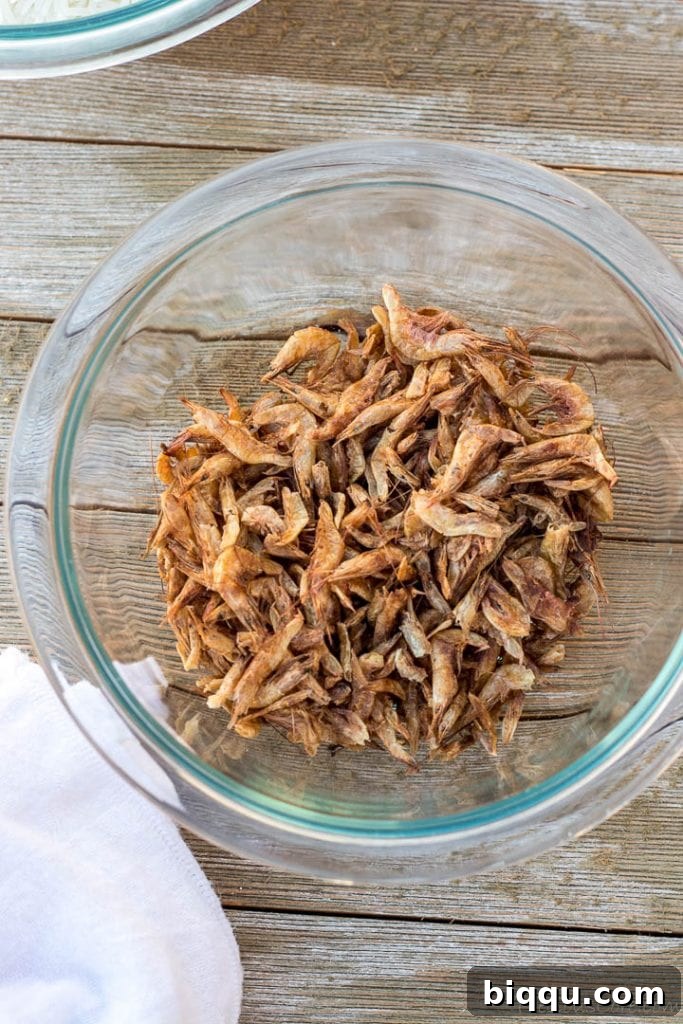
“Njanga” is the local Cameroonian name for dried crayfish, which are essentially small, dried prawns or shrimp. These crustaceans are a staple in West African cooking, prized for their ability to impart an incredibly rich, salty, and earthy umami flavor to any dish. Unlike fresh shrimp, dried crayfish offer a concentrated burst of seafood essence that transforms the entire flavor profile of the rice.
When used in Njanga Rice, the crayfish is typically not ground into a fine powder but rather coarsely pulsed in a blender or food processor. This method allows for tiny fragments of crayfish to be distributed throughout the rice, providing textural interest and ensuring that its intense flavor permeates every grain without overpowering the dish. You can usually find dried crayfish, either whole or pre-ground, in African markets or specialized online stores. Opting for whole crayfish allows you to inspect their quality and freshness before preparing them.
The Magic of Red Palm Oil
Red palm oil is far more than just a cooking fat; it is a foundational ingredient in many West African cuisines, including Njanga Rice. Extracted from the fruit of the oil palm tree, this natural, unrefined oil is characterized by its vivid reddish-orange hue, which it generously imparts to the rice, giving the dish its signature beautiful color.
Beyond its visual appeal, red palm oil contributes a unique earthy, slightly nutty, and robust flavor profile that is essential to Njanga Rice. It also possesses a distinctive aroma that is instantly recognizable and deeply comforting to those familiar with West African cooking. Nutritionally, red palm oil is rich in antioxidants, particularly beta-carotene (which gives it its color) and Vitamin E, making it a wholesome choice when sourced sustainably. It can be found in African grocery stores or through various online retailers. When purchasing, look for unrefined red palm oil to ensure the fullest flavor and nutritional benefits.
Mastering Njanga Rice: Two Delicious Methods Explained
Whether you’re looking for a traditional, deeply flavored experience or a quick and convenient meal, there’s a method for preparing Njanga Rice that fits your needs. Below, we’ll explore both the classic one-pot approach and a clever shortcut using pre-cooked rice.
One-Pot Palm Oil Jollof Rice: The Classic Method for Deep Flavor
This method is truly epic, creating a rich and flavorful Njanga Rice entirely in one pot. It’s perfect for when you want to build maximum flavor from scratch and enjoy the full, authentic experience.
- Prepare Your Flavor Base: Begin by heating the red palm oil in a large, heavy-bottomed pot (preferably non-stick) over medium-high heat. Allow it to heat for about 3 minutes until it’s shimmering. Add your chopped onions and sauté until they become translucent and fragrant, which typically takes around 2 minutes.
- Develop the Tomato Base: Next, add the chopped Roma tomatoes to the pot. Cook them down, stirring occasionally, until they shrink significantly and their acidity has mellowed, usually about 7 minutes. This step is crucial for building a rich and savory foundation for your rice. While the tomatoes are cooking, take this time to wash your rice thoroughly under cold water until the water runs clear, then set it aside to drain.
- Infuse Aromatics and Umami: Stir in the blended garlic paste and the coarsely pulsed crayfish. The moment the garlic and crayfish hit the hot oil, they release an incredible aroma that will fill your kitchen. Stir for about 30 seconds to allow these potent flavors to bloom.
- Introduce the Rice: Add the washed rice to the pot, stirring well to ensure every grain is coated with the flavorful palm oil mixture. This helps the rice absorb all the aromatic spices and prevents sticking.
- Add Liquids and Seasoning: Pour in the specified amount of water, then add the salt, chicken bouillon powder (or Maggi seasoning cubes), and ground white pepper. Stir gently to combine all the ingredients.
- Incorporate Smoked Fish and Heat: Carefully add the smoked fish (ensuring bones have been removed) and the whole habanero pepper to the pot. If you desire a spicier dish, you can cut the habanero in half before adding it. For a milder approach, add it whole and simply press it onto your plate of rice later to release its heat.
- Cook to Perfection: Cover the pot tightly and reduce the heat to low. Allow the rice to cook undisturbed for about 40 minutes. This slow cooking process allows the flavors to meld beautifully and the rice to absorb all the liquid.
- Rest and Serve: Once the cooking time is complete, turn off the heat but keep the pot covered for an additional 5 minutes. This resting period allows the steam to redistribute, resulting in perfectly fluffy grains. Finally, open the pot, fluff the rice gently with a fork, and serve warm.
Quick & Easy Crayfish Rice: The Pre-Cooked Rice Shortcut
This method is a lifesaver on busy days or when you have leftover white rice that needs a delicious upgrade. It’s incredibly fast and still delivers a remarkably flavorful dish.
- Preparation is Key: Begin by gathering and chopping your fresh ingredients: onions, tomatoes, chili peppers, and green onion. Have your finely chopped garlic clove and coarsely ground crayfish ready.
- Build a Quick Flavor Base: Pour red palm oil into a clean pot and heat it over medium heat. Once warm, add the chopped onions and fry them until softened and lightly golden.
- Sauté the Tomatoes: Add the chopped tomatoes and continue to fry, stirring occasionally, until they have shrunk and most of their liquid has evaporated, and their acidity is significantly reduced. This usually takes about 7 minutes.
- Intensify the Aromas: Now, add the crayfish, finely chopped garlic, chili pepper (or habanero), and green onion to the pot. Frying these ingredients briefly in the hot oil unleashes a truly lovely and potent aroma that is central to Njanga Rice.
- Combine with Pre-cooked Rice: Gently add your boiled (pre-cooked) white rice to the pot. Mix everything thoroughly but carefully, using a spatula or spoon to fold the ingredients together without mashing the rice. The goal is to evenly distribute the flavor base throughout the grains.
- Final Touches: Continue to cook for a few more minutes, allowing the rice to heat through and absorb all the wonderful flavors. Taste and adjust seasoning if necessary.
That’s it! This simple yet effective method provides a quick route to a delicious plate of Njanga Rice or Jollof Rice with Palm Oil, making it accessible for any cook.
What does Njanga Rice taste like?
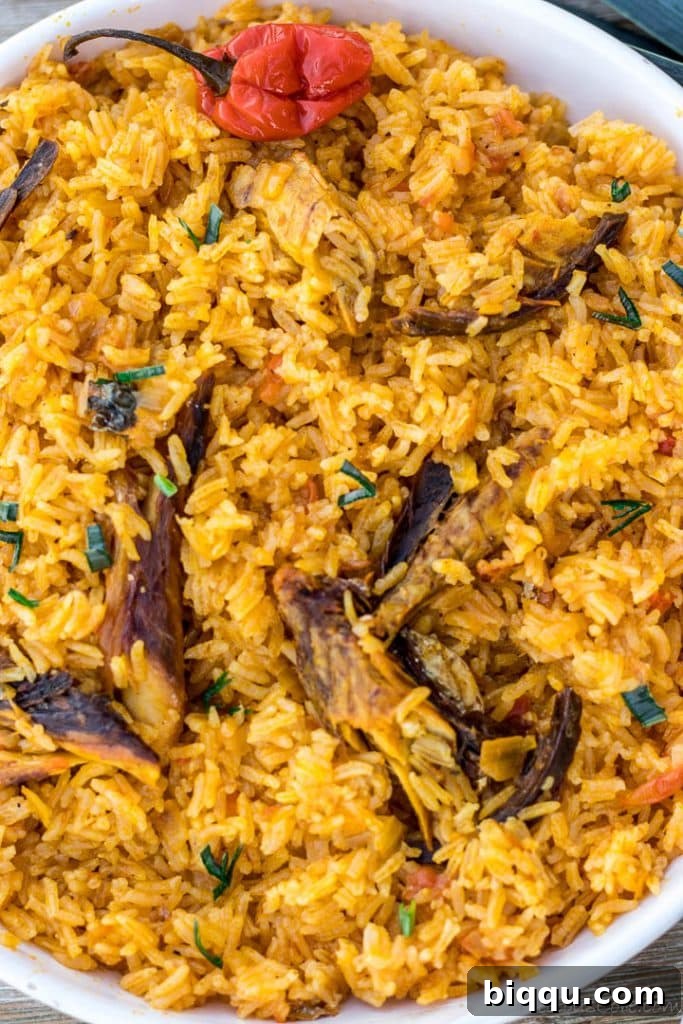
Njanga Rice offers a unique and memorable flavor profile. It is undeniably smoky, with a captivating warmth from the chili peppers that can be adjusted to your preference. The red palm oil contributes a rich, earthy fragrance and a subtle sweetness, while the crayfish provides an unparalleled depth of umami and a savory, almost seafood-like undertone. For me, the taste and aroma of palm oil rice are deeply comforting, connecting me to childhood memories and the warmth of home. It’s a truly soulful dish that evokes a sense of tradition and belonging.
I absolutely love pairing crayfish rice with slices of ripe avocado or sweet fried plantains on the side. The creamy avocado or the sweet plantain provides a wonderful contrast to the spicy, savory rice, creating a perfectly balanced and incredibly satisfying meal. It’s simply irresistible!
Essential Ingredients for Authentic Njanga Rice
Crafting the perfect Njanga Rice relies on a selection of key ingredients, each playing a vital role in its distinctive flavor and texture. Here’s a closer look at what you’ll need:
- Rice: While many long-grain varieties work well, I particularly favor Jasmine rice for its delightful aroma and fluffy texture. Basmati or other long-grain rice types can also be used, but you might need to slightly adjust the water quantity based on how your chosen rice cooks.
- Red Palm Oil: As discussed, this is non-negotiable for authentic Njanga Rice. Its unique flavor and color are irreplaceable.
- Njanga (Crayfish): Crucial for the umami depth. Always get good quality, dried crayfish, either whole to pulse yourself or pre-ground if you trust the source.
- Aromatics: Fresh onions, garlic, and sometimes green onions form the fragrant base. Chop them finely to ensure they integrate well into the dish.
- Tomatoes: Roma tomatoes are ideal as they cook down nicely and reduce acidity, forming a great paste-like base.
- Chili Peppers: Habanero pepper is often used for its potent heat and fruity undertones. If you prefer less spice, Scotch bonnet is a good alternative, or you can use fewer chilies or remove the seeds.
- Seasoning: Salt, chicken bouillon powder, or Maggi seasoning cubes are used to enhance the savory notes. White pepper adds a subtle warmth without overpowering the other flavors.
- Smoked Fish: This ingredient is vital for the characteristic smoky flavor of Native Jollof. Ensure the bones are removed before adding it to the pot. Dried fish can be a good substitute if smoked fish is unavailable. Both are typically found in African specialty stores.
For an extra layer of flavor and texture, some recipes might include bell peppers, or you could add your favorite protein like cooked shrimp or chicken. These additions can complement the core flavors of Njanga Rice beautifully.
Serving Suggestions & Pairings for Njanga Rice
Njanga Rice is a complete and satisfying meal on its own, but it truly shines when paired with complementary sides that balance its rich flavors. Here are some popular and delightful serving suggestions:
- Avocado: Slices of creamy, ripe avocado are a classic pairing. Their cool, buttery texture and mild flavor provide a perfect counterpoint to the spicy and smoky rice.
- Fried Plantains (Dodo): Sweet, caramelized fried plantains offer a wonderful sweet-savory contrast. The soft texture and sugary notes beautifully complement the savory rice.
- Grilled or Fried Fish/Chicken: For a heartier meal, serve Njanga Rice alongside perfectly grilled tilapia, fried croaker, or any other flavorful fish or chicken. The protein adds another layer of satisfaction.
- Fresh Salad: A simple, crisp green salad with a light vinaigrette can provide a refreshing element, cutting through the richness of the rice.
- Steamed Vegetables: Lightly steamed greens like spinach or cabbage can add a healthy, vibrant component to your plate.
- Hard-Boiled Eggs: Simple yet effective, hard-boiled eggs can be sliced and served alongside for added protein and texture.
Don’t be afraid to experiment with your favorite African stews or sauces as well. The versatility of Njanga Rice makes it a fantastic base for a variety of culinary explorations.
Tips for the Perfect Pot of Njanga Rice
Achieving that perfect, smoky, and flavorful Njanga Rice is easier than you think with these expert tips:
- Don’t Rush the Base: Allow sufficient time for the onions and tomatoes to sauté and reduce. This slow cooking process is crucial for developing the foundational flavors of the dish. Rushing it can lead to a less robust taste.
- Coarsely Blend Crayfish: For the best texture and flavor distribution, pulse your dried crayfish in a blender or food processor until it’s coarsely broken down, not a fine powder. This prevents it from becoming pasty and ensures you get small bursts of flavor.
- Mind the Water Ratio: The amount of water needed can vary slightly depending on the type of rice you use. Start with the recommended amount and adjust in small increments if your rice tends to be firmer or softer. The goal is fluffy, separate grains, not mushy rice.
- Heat Control is Key: Once the rice and liquid are in the pot, reduce the heat to low and cook gently. This slow simmer prevents burning and ensures even cooking. The “smoky” flavor comes from the gentle caramelization at the bottom, not from burning.
- Let it Rest: Don’t skip the resting period after the rice is cooked. Keeping the pot covered for 5-10 minutes allows the steam to finish cooking the rice and ensures every grain is tender and perfectly separated.
- Taste and Adjust: Always taste your sauce before adding the rice and again after the rice has cooked. Adjust salt, pepper, or chili to your preference.
- Quality of Ingredients: Using good quality red palm oil and fresh, aromatic vegetables makes a noticeable difference in the final dish.
I genuinely hope you take the opportunity to recreate this incredible dish in your own kitchen. It’s a taste of tradition, a celebration of flavor, and a truly heartwarming meal. When you make this recipe, please share your experience!
If you make this recipe, please consider leaving a star rating below. Your feedback helps others discover and enjoy this delicious recipe, and I always love hearing from you! Thank you!
Njanga Rice – Jollof Rice with Palm Oil
Njanga Rice is Jollof Rice with palm oil and crayfish (dried shrimp). It is smoky, spicy and so good. Here is how to make the perfect palm oil rice.
10 mins
50 mins
1 hr
6 servings
Rate
Print Recipe
Ingredients
- ¾ cup crayfish loosely packed (see Note 1)
- 5-7 cloves garlic peeled (I used 5 large cloves)
- ¾ cup red palm oil (see Note 2)
- 1 cup chopped onion (from about a medium onion)
- 2 roma tomatoes chopped
- 3 cups jasmine rice or other long-grain rice (see Note 3)
- 5 cups water
- 1 teaspoon salt
- 3 teaspoons chicken bouillon powder (substitute with 3 small Maggi seasoning cubes or 1 large Maggi crevette (crayfish Maggi). All can be gotten from African stores)
- ½ teaspoon ground white pepper
- 2 cups smoked fish bones removed (substitute with dried fish. Smoked fish and dried fish can be gotten from African stores.)
- 1 habanero pepper
Instructions
- Place the crayfish into a blender and pulse so the crayfish is broken down. Do not grind it into a powder. Just break it down a little bit.
- Blend the garlic cloves into a paste.
- Place a pot (preferably non-stick) on high heat and pour in the palm oil. Let it heat up for about 3 minutes then add the chopped onions. Stir and sauté until translucent. About 2 minutes.
- Add the chopped tomatoes to the pot and let it cook while stirring from time to time until it shrinks. About 7 minutes. (While the tomato cooks, wash the rice and set aside)
- Add the blended garlic to the pot and stir so it releases its aroma.
- Add the crayfish to the pot and stir for about 30 seconds.
- Add the washed rice into the pot and stir so everything is incorporated.
- Add in 5 cups of water, the 1 teaspoon of salt, 3 teaspoons of chicken bouillon powder and half teaspoon of white pepper. Stir to combine.
- Add the smoked fish and whole habanero pepper. (Note: If you want the rice spicy, cut the habanero pepper in half before adding it to the pot. I add it whole because my kids can’t tolerate so much heat. I press the whole cooked habanero pepper into my plate of rice to make it spicy).
- Cover the pot and turn down the heat to low. Let it cook for 40 minutes then turn off the heat and let it rest covered for 5 minutes.
- Open the pot, fluff the rice with a fork and serve warm.
Notes
- Crayfish is dried shrimp from West Africa. I often get it from African stores. You can buy crayfish either whole or ground. I prefer getting it still whole so I can be sure it is not bad.
- Red palm oil is a natural oil gotten from palm nuts. It is mostly locally produced, greatly used in West African cooking and highly nutritious. Red palm oil can be gotten from African stores or amazon.com.
- I used jasmine rice because I love the flavor but you could use another long grain rice you like. You may need to adjust the quantity of water added to the rice depending on the rice you choose.
- Nutritional information is an estimate.
Nutrition
Calories: 442kcal | Carbohydrates: 27g | Protein: 16g | Fat: 30g | Saturated Fat: 14g | Polyunsaturated Fat: 3g | Monounsaturated Fat: 11g | Cholesterol: 51mg | Sodium: 1024mg | Potassium: 284mg | Fiber: 1g | Sugar: 2g | Vitamin A: 243IU | Vitamin C: 8mg | Calcium: 49mg | Iron: 1mg
Additional Info
Dinner
African, Cameroonian, Nigerian
442
Mention @preciouscore or tag #PreciousCore!