
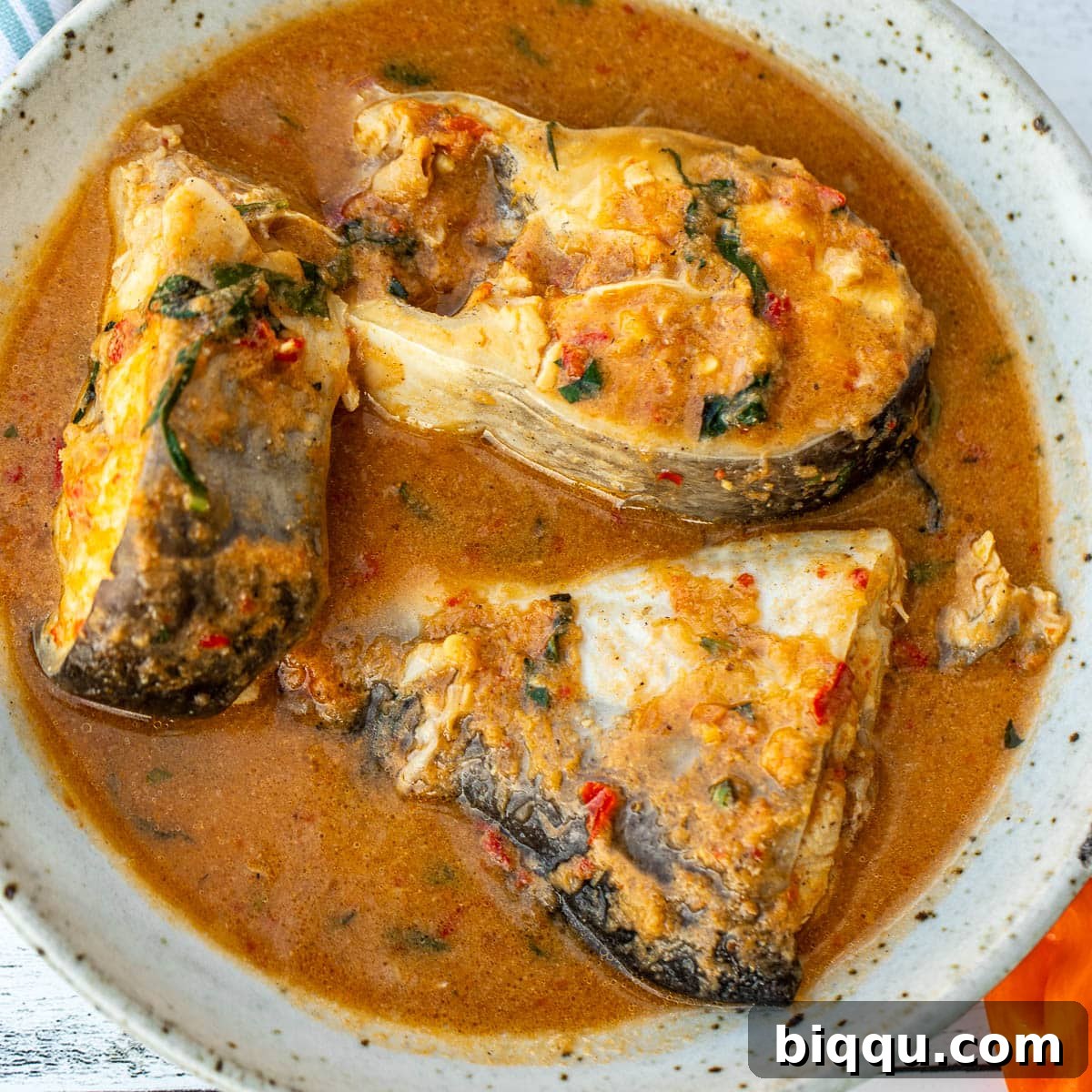
Embark on a culinary journey with this incredibly flavorful Catfish Pepper Soup recipe, a dish that promises to tantalize your taste buds in under 20 minutes of simmering. This traditional West African delicacy is celebrated for its aromatic blend of spices and fresh fish, creating a broth so rich and comforting, you’ll find yourself reaching for ‘just one more spoon’ again and again.
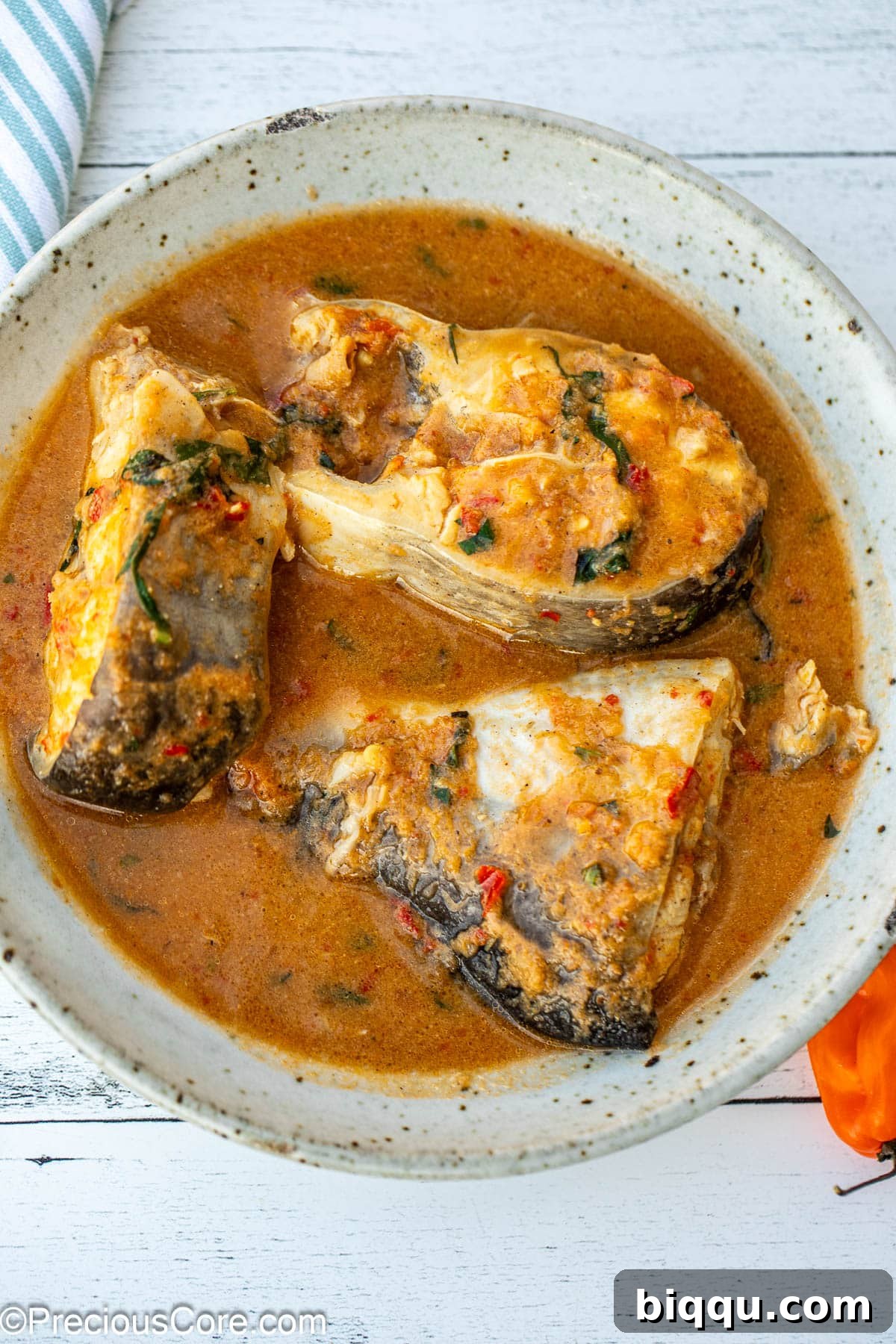
More than just a meal, Catfish Pepper Soup offers a truly soothing experience, known for its ability to invigorate the palate. It’s a versatile dish that can be enjoyed as a light appetizer in smaller portions or as a hearty main course. Pair it with classic accompaniments like African white yam, boiled plantains, potatoes, or even garlic herb rice to complete your meal. This recipe guarantees an authentic taste that will transport you straight to the heart of West Africa.
If you love spicy and comforting soups, you might also enjoy our recipes for Goat Meat Pepper Soup and Chicken Pepper Soup, both offering their unique twists on this beloved regional dish.
Catfish Pepper Soup: An Overview
My first encounter with Nigerian Catfish Pepper Soup was during a Thanksgiving visit to a family friend’s home. She had a magnificent pot of this soup simmering gently in a slow cooker, offering bowls of her expertly prepared creation as an appetizer. The experience was unforgettable: hearty, profoundly warming, and boasting a rich, aromatic broth that left a lasting impression. It was a revelation of flavor and comfort.
Pepper Soups are a culinary cornerstone across West and Central Africa, beloved for their spicy kick and deeply aromatic profiles. While the core concept of a spicy, brothy soup remains, the main protein and specific spice blends can vary significantly from region to region, and even from household to household. Common variations include those made with chicken, beef, goat meat, or various types of fish, each offering a unique character to the dish.
In Nigeria, Catfish Pepper Soup holds a special place, often found in vibrant open-air bars and restaurants, where it’s sometimes affectionately referred to as “point and kill.” This moniker humorously refers to the practice where patrons can literally point to the live fish they wish to have prepared for their soup. My personal rendition of this classic dish prominently features generous cuts of catfish and incorporates unique ingredients like Njangsa seeds. These remarkable seeds contribute a distinctive creaminess, an earthy depth, and a heightened umami flavor that truly elevates the soup to another level, distinguishing it from other versions.
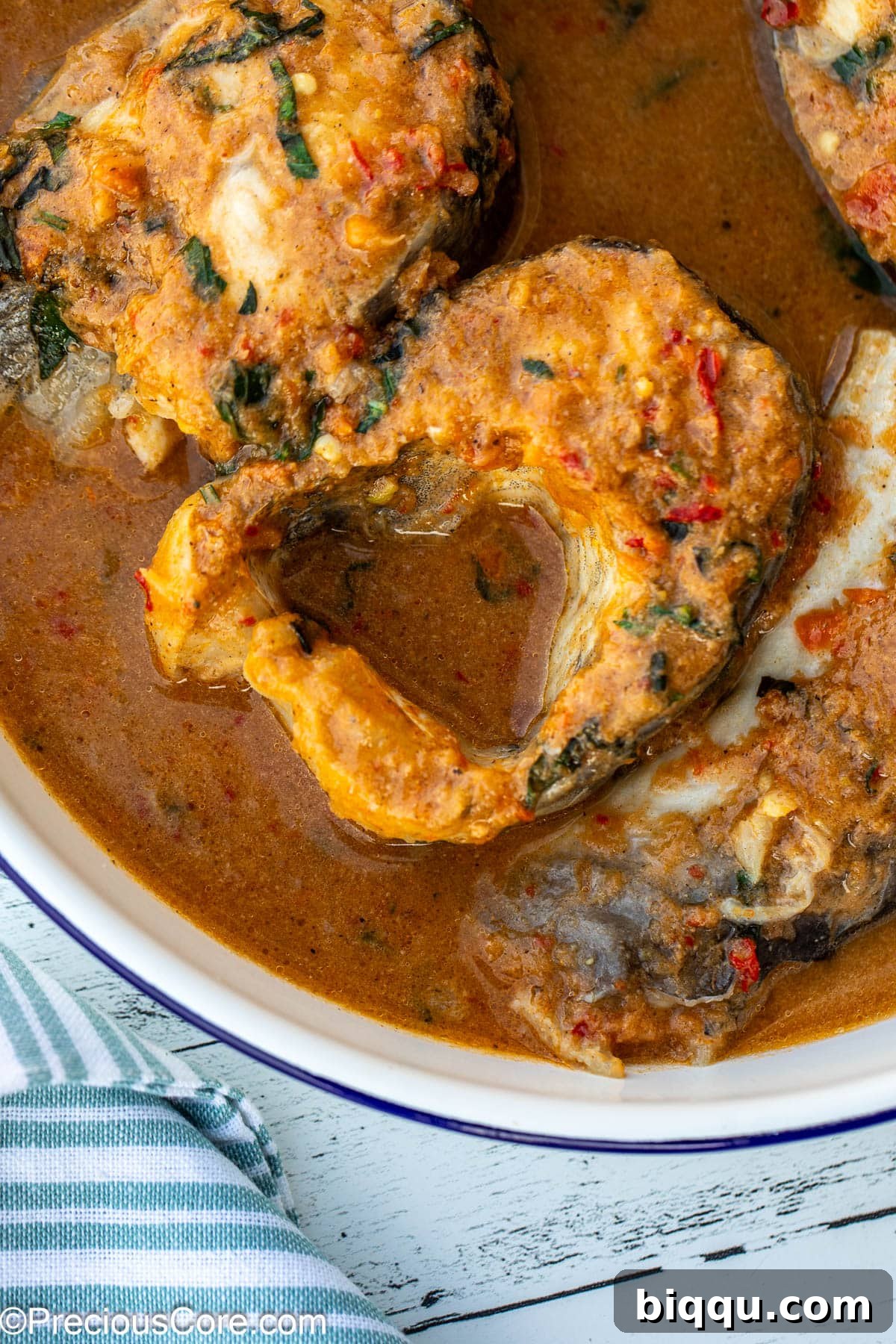
Top Tip: A single ripe tomato combined with a few red jalapeños not only imparts a beautiful, bright orange hue to the soup but also contributes significantly to its complex flavor profile. Don’t skip these!
The Cultural Significance of Pepper Soup
Pepper Soup is far more than just a meal; it’s a cultural icon in many West African countries, representing warmth, hospitality, and communal gathering. It’s the ultimate comfort food, often served during celebrations, family gatherings, or simply as a soothing remedy for a cold evening or even a hangover. The act of sharing a bowl of pepper soup is deeply ingrained in social customs, fostering connection and camaraderie.
The adaptability of pepper soup, allowing for various proteins and spice blends, speaks to the diverse culinary traditions within the region. Each country, and often each family, has its treasured version, passed down through generations. This Catfish Pepper Soup recipe, with its specific blend of traditional spices and the addition of Njangsa seeds, offers a glimpse into the rich tapestry of Nigerian gastronomy, celebrating its unique flavors and cooking techniques.
Why You Will Love This Catfish Pepper Soup
This Catfish Pepper Soup recipe stands out for several compelling reasons, making it a must-try for both seasoned foodies and those new to African cuisine:
- Unmatched Flavor Profile: The intricate blend of ginger, garlic, white pepper, and authentic West African pepper soup spices creates a symphony of flavors that is both fiery and deeply aromatic. The addition of Njangsa seeds introduces a unique earthiness and creaminess that elevates the soup’s complexity.
- Quick & Easy Preparation: Despite its rich flavor, this soup comes together surprisingly fast. With less than 20 minutes of simmering time, it’s perfect for a weeknight meal without compromising on taste.
- Soothing & Comforting: There’s something inherently comforting about a warm, spicy broth. This soup is perfect for chasing away chills, soothing a sore throat, or simply enjoying a moment of culinary tranquility.
- Versatile Serving Options: Whether you prefer it as a light appetizer or a hearty main course, this soup pairs beautifully with a variety of starches like boiled yams, plantains, or rice, allowing for diverse meal experiences.
- Authentic Experience: This recipe brings the authentic tastes of Nigeria right to your kitchen, offering a true taste of West African culinary heritage.
Video Tutorial: Watch How To Make Catfish Pepper Soup
For those who learn best by watching, we’ve prepared a comprehensive video tutorial that walks you through every step of making this delicious Catfish Pepper Soup. See firsthand how to prepare the ingredients, blend the spices, and simmer your way to perfection. This visual guide ensures you can recreate this authentic dish with confidence.
For more amazing recipes and cooking tips, make sure to visit and subscribe to our YouTube channel!
Subscribe Here
Key Ingredients and Their Secrets
The magic of this hearty, spicy soup lies in its thoughtfully selected ingredients. Below, we delve into the core components, offering insights into their roles and tips for sourcing. For exact measurements and a complete list, please refer to the detailed recipe card at the bottom of this page, which also includes suggestions on where to find specific ingredients.
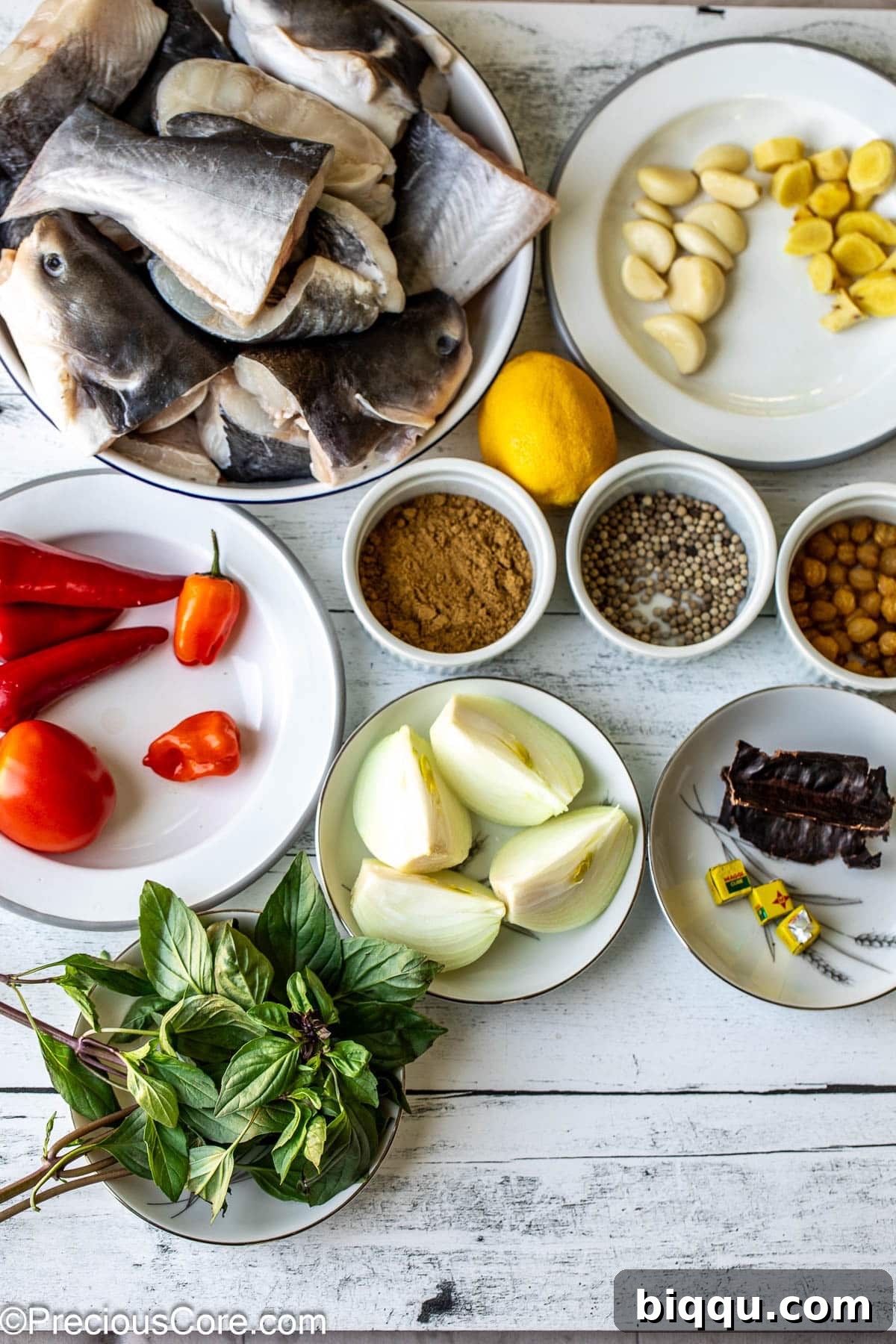
Spotlight on Key Ingredients:
- Whole Catfish: For the most authentic and flavorful pepper soup, whole catfish is highly recommended. The bones, skin, and head contribute immense depth and richness to the broth as it simmers, infusing it with natural umami. When purchasing, seek out fresh, firm whole catfish, ideally from your local Asian or African market. Don’t hesitate to ask the fishmonger to clean and gut the fish for you; this simple request can significantly reduce your prep time at home, making the cooking process much smoother.
- White Pepper: This unassuming spice is a game-changer in pepper soup. It imparts a unique, subtly earthy, and aromatic fragrance that sets it apart from common black pepper. Many believe white pepper is far superior for this dish, contributing to its distinctive taste. For the best possible flavor, source whole white peppercorns and blend them fresh along with your other spices. If whole peppercorns are unavailable, ground white pepper can be used as a convenient substitute, though the freshly ground version offers a more potent aroma.
- Njangsa Seeds: These incredible seeds are a secret weapon in West African cuisine. Njangsa (also known as Akpi in some regions) contributes a unique nutty, slightly bitter, and creamy flavor that adds an extraordinary depth and richness to the soup. They are crucial for achieving the characteristic body and umami found in authentic pepper soups. You can typically find Njangsa seeds in African markets; look for them whole, as they are usually blended into a paste or powder before use.
- Pepper Soup Spices (Pre-blended): Many African markets offer ready-made pepper soup spice blends, which can be a convenient shortcut. These blends usually contain a mix of traditional West African spices crucial for the soup’s distinctive aroma and taste. It’s always a good idea to call your local African market ahead of time to check for availability. However, for the ultimate fresh flavor, making your own blend from individual whole spices is highly recommended.
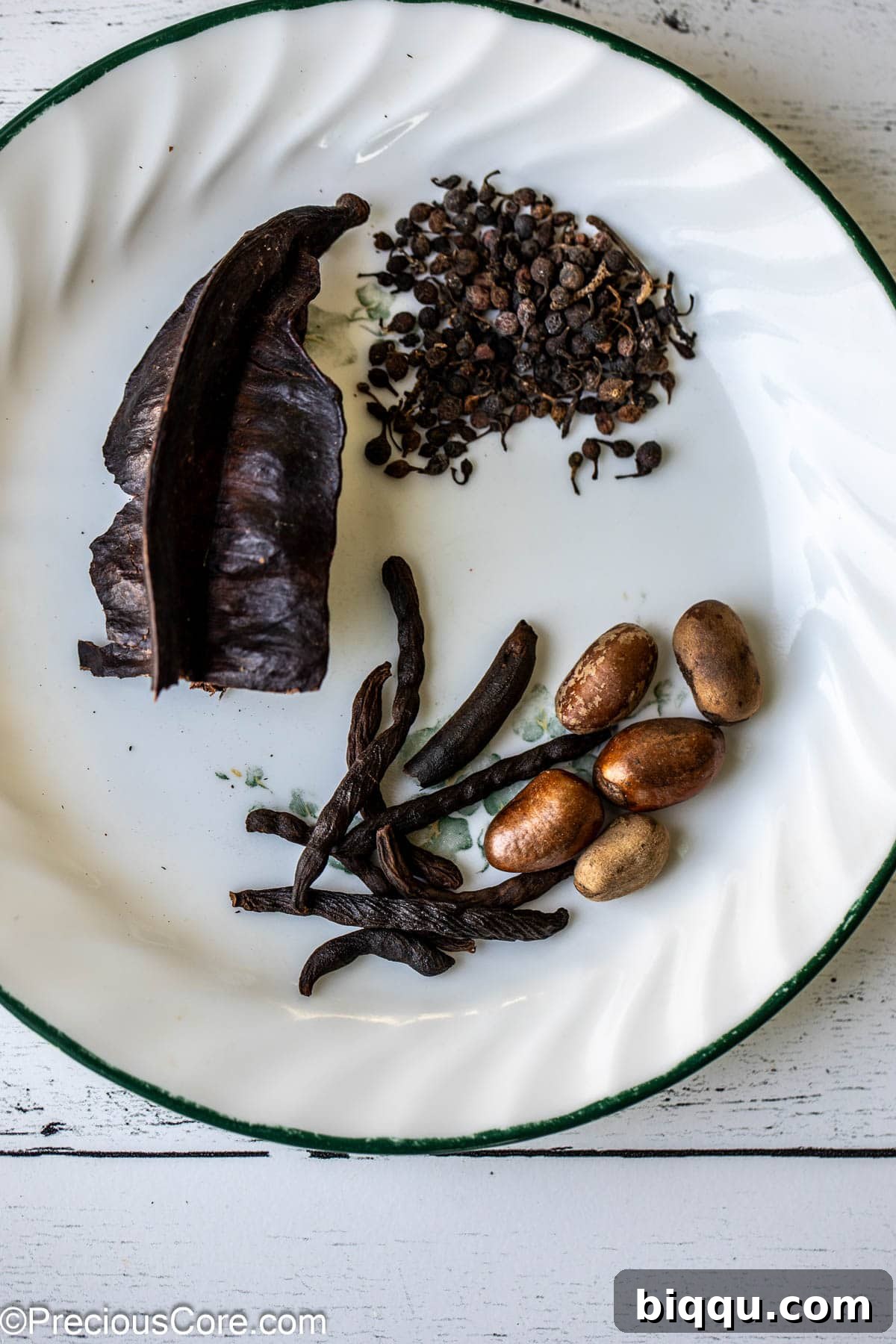
Crafting Your Own Pepper Soup Spice Blend
For an unparalleled depth of flavor and aroma, we highly encourage you to prepare your own pepper soup spice blend at home. This allows you to control the freshness and proportion of each component, truly bringing out the authentic taste of the dish. Here are the traditional spices you’ll need to blend:
- African Nutmeg (also known as calabash nutmeg, pebe, or ehuru): This spice has a distinctively warm, earthy, and slightly smoky flavor, different from common nutmeg. It’s essential for the unique aroma of pepper soup.
- Grains of Selim (also known as negro pepper or uda): These long, slender pods impart a pungent, musky, and slightly bitter flavor, with hints of citrus and eucalyptus. They are pivotal in defining the “pepper” in pepper soup.
- African Black Pepper (also known as bush pepper or uziza seeds): While sharing a name with common black pepper, African black pepper offers a distinctly different, more intense, and aromatic heat, with a unique peppery, woody, and slightly smoky undertone.
- Aidan Fruit (Prekese): Though listed as optional in some recipes, a small piece of Aidan fruit adds a sweet, tangy, and slightly resinous flavor, along with a woody aroma that complements the other spices beautifully. It also has traditional health benefits.
Remember to check the recipe card below for the full list of ingredients with precise measurements for the perfect blend.
How To Make Catfish Pepper Soup (Step-by-Step Guide)
Creating this light yet profoundly flavorful soup is surprisingly simple, requiring just a few straightforward steps. Follow these instructions for a perfect bowl:
- Prepare and Clean the Catfish: Begin by thoroughly cleaning your catfish. In a large bowl, sprinkle the fish with a tablespoon of salt. Cut a lemon in half and squeeze its juice over the fish. Use the lemon halves as a scrubbing tool, along with the salt, to vigorously rub the flesh of the catfish steaks. This crucial step effectively removes any slimy residue, ensuring clean-tasting fish. Rinse the fish meticulously three times under cool running water until all slime and salt are gone, then transfer the clean fish to a large cooking pot.
- Blend the First Set of Spices: In a blender, combine the peeled fresh ginger root, garlic cloves, Njangsa seeds, and whole white pepper. Add approximately half a cup of water to facilitate blending. Process these ingredients until you achieve a smooth, aromatic paste. Carefully spoon this paste directly into the pot with the cleaned catfish.
- Prepare the Aromatics and Peppers: Using the same blender (no need to wash it), add the quartered onion, red jalapeños (if using), habanero pepper, and roma tomato. Pour in a little more water and blend until you have a coarse, textured mixture. This texture adds a pleasant mouthfeel to the soup. Add this blend to the pot with the fish and other spices.
- Season and Simmer: To the pot, add the salt, Maggi seasoning cubes (or bouillon powder), and the pepper soup spices. Rinse out the blender with about 4 to 6 cups of fresh water, ensuring you capture all residual flavors, and add this seasoned water to the pot. Finally, add the whole Aidan fruit (if using). Bring the pot to a high simmer over high heat. Once simmering vigorously, reduce the heat to medium-high and allow the soup to cook until the catfish is tender and fully done, which typically takes about 15 to 20 minutes. To prevent the delicate fish from breaking apart during cooking, resist the urge to stir the pot. Instead, gently shake the pot from side to side occasionally, and use a spoon to baste some of the hot broth over the fish pieces.
- Finish with Basil and Adjust Seasoning: Once the fish is cooked through, thinly slice the leaves of the Thai basil (or Italian basil) and sprinkle them into the pot. Stir gently to incorporate. Taste the soup and adjust any seasonings as needed, adding more salt or pepper if desired.
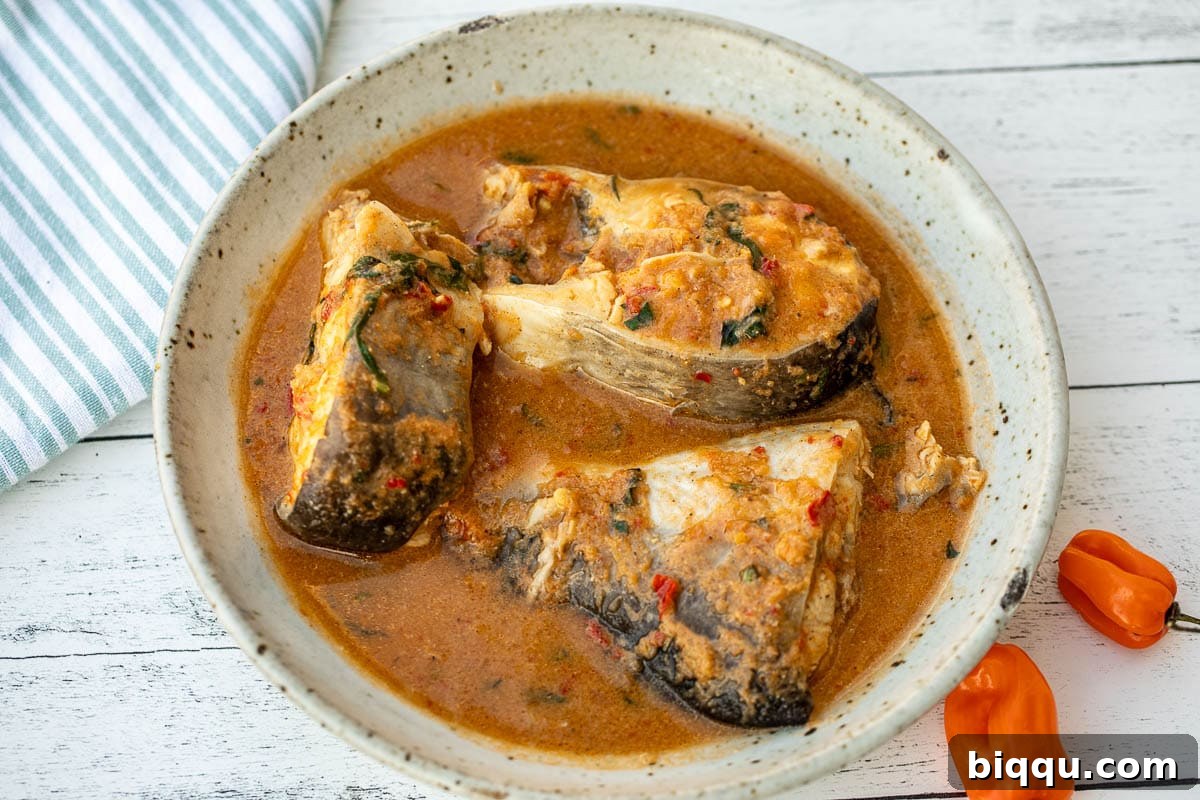
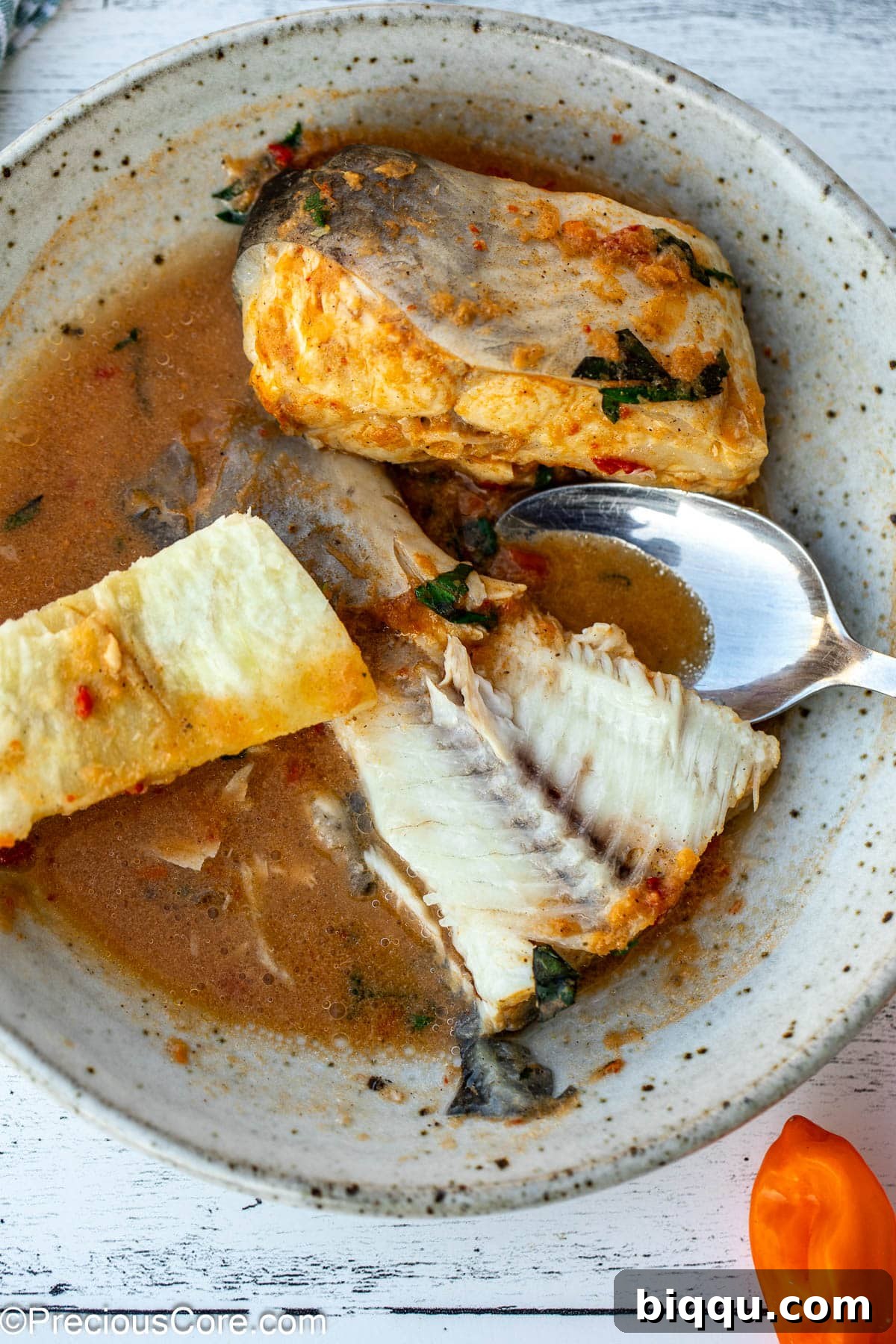
- Serve Hot: Your Catfish Pepper Soup is now ready! Serve it piping hot as is, or with hearty chunks of African white yam, boiled plantains, potatoes, or a side of steamed rice. Enjoy the comforting warmth and rich flavors!
Substitutions and Variations for Your Pepper Soup
This Catfish Pepper Soup recipe is wonderfully adaptable, allowing you to tailor it to your preferences or what you have on hand. Don’t be afraid to experiment!
- Different Kinds of Fish: While catfish is traditional and highly recommended, other firm, white-fleshed fish can be used successfully. If catfish is unavailable, feel free to substitute with red snapper, sea bream, tilapia, or even cod. The goal is a fish that holds its shape well during simmering and absorbs the rich flavors of the broth.
- Adjusting the Heat Level: The beauty of pepper soup lies in its spice, but you can certainly customize the heat to your liking. For a milder soup, reduce the amount of habanero pepper to half, or omit the red jalapeños entirely. If you prefer a more intense kick, you can add an extra habanero or a pinch of dried chili flakes.
- Adding Ground Crayfish: For an extra layer of earthy, savory depth, consider adding a tablespoon of ground crayfish powder. Crayfish, which are dried small crawfish, are a common ingredient in West African cooking and can be purchased from most African markets. Simply blend them dry into a fine powder for easy incorporation into the soup.
- Vegetarian/Vegan Option: While this recipe focuses on fish, the broth base can be adapted for a vegetarian or vegan version. Simply omit the fish and use a vegetable broth, adding ingredients like mushrooms, plantain chunks, or firm tofu toward the end of cooking to absorb the flavors.
- Alternative Herbs: If Thai basil is hard to find, regular Italian basil or even scent leaf (Nchuanwu) if you have access to an African market, can be used for a similar aromatic finish.
Expert Tips for the Perfect Catfish Pepper Soup
Achieving the perfect Catfish Pepper Soup requires a few insider tricks. Here are some expert tips to ensure your soup is outstanding every time:
- Firming Up the Catfish Flesh: Catfish can be quite delicate and prone to breaking apart during cooking. To prevent this, a simple trick is to add some freshly boiled water to the rinsed catfish steaks in a bowl. Let the fish sit in the hot water for about five minutes. This process helps to firm up the flesh, making it more resilient. After five minutes, carefully drain out the hot water before proceeding with the rest of the recipe. This step is a game-changer for maintaining the integrity of your fish pieces.
- Making Your Own Pepper Soup Spices: While store-bought blends are convenient, freshly ground spices yield a far more potent and aromatic soup. To make your own blend, combine the whole pepper soup spices (African nutmeg, Grains of Selim, African black pepper/Uziza seeds, and a small piece of Aidan fruit) in a dry skillet. Roast them over medium heat for about 5 minutes, stirring frequently, until they become fragrant. This light toasting helps to awaken and bloom their flavors. Once cooled, grind the roasted spices into a fine powder using a coffee grinder or a high-powered blender. Store any excess in an airtight container for future use.
- Storage and Reheating: Catfish Pepper Soup is best enjoyed fresh, but leftovers can be stored. Transfer any remaining soup to an airtight container and refrigerate for up to 3 days. Unfortunately, this soup does not freeze well, as the fish can become mushy upon thawing and reheating. When reheating, do so gently on the stovetop over low heat to prevent the fish from disintegrating.
- Balance is Key: When adjusting seasonings, remember that Maggi cubes (or bouillon) contain salt. Taste as you go, and add salt incrementally to avoid over-salting the soup. The harmony between heat, salt, and the complex spices is what makes this soup truly exceptional.
- Freshness of Ingredients: Always prioritize fresh ingredients, especially the catfish and the herbs. Fresh fish ensures the best flavor and texture, while vibrant herbs add a burst of freshness at the end.
Serving Suggestions for Catfish Pepper Soup
Catfish Pepper Soup is delicious on its own, but it truly shines when paired with traditional West African accompaniments. The goal is to balance the spicy, brothy soup with starchy sides that soak up the rich flavors.
Serve your steaming hot Catfish Pepper Soup with:
- Boiled African White Yams: Thick, tender chunks of boiled white yam are a classic pairing. Their mild, earthy flavor and starchy texture provide a perfect counterpoint to the soup’s spice.
- Boiled Plantains: Sweet and soft boiled ripe plantains offer a delightful contrast, adding a touch of sweetness that beautifully complements the savory heat of the soup.
- Boiled Potatoes: Simple boiled potatoes, cut into quarters, are another excellent option. They absorb the soup’s flavors wonderfully and add a comforting heft to the meal.
- Steamed Rice: For a lighter carbohydrate option, plain steamed white rice can be a fantastic choice, allowing the soup’s complex flavors to take center stage.
Catfish Pepper Soup Recipe
20
20
40
6 servings
Rate This Recipe
Print Recipe
Ingredients
- 4 pounds catfish cleaned, gutted, cut into steaks*
- 1 lemon for cleaning fish
- 3 inches fresh ginger root peeled and sliced
- 10 cloves garlic
- 2 Tablespoons njangsa seeds
- 2 teaspoons whole white pepper substitute with one teaspoon of ground white pepper
- 1 medium onion cut into quarters
- 3 red jalapenos or cayenne pepper optional, for extra heat and color
- 1 habanero pepper or scotch bonnet, adjust to taste
- 1 roma tomato
- 1 teaspoon salt or to taste
- 3 SMALL Maggi seasoning cubes 4g cubes**
- 2 Tablespoons pepper soup spices obtainable from African markets, or homemade blend
- ¼ aidan fruit a small piece, obtainable from African markets
- 3 sprigs Thai basil substitute with Italian basil
- Boiled African white yams, plantains, potatoes, or rice for serving
Instructions
-
Clean the fish. Add the catfish steaks to a large bowl. Sprinkle on a tablespoon of salt. Cut the lemon in half and squeeze the lemon juice all over the fish. Using the lemon halves like a sponge and the salt as an abrasive, scrub the flesh of the catfish steaks to remove any slime. Rinse the fish three times with cool water and add to a large pot.
-
Blend the spices. Add garlic, ginger, njangsa seeds, white pepper, and about half a cup of water to a blender. Blend into a smooth paste and add to the pot with the fish.
-
To the same blender, add the onions, peppers and tomatoes with some water, then blend into a coarse blend for some texture. Add the blend to the pot.
-
Add the salt, Maggi seasoning cubes (or bouillon powder), and pepper soup spices. Rinse the blender with about 4 to 6 cups of water and add to the pot. Add the aidan fruit whole.
-
Turn on the heat to high and bring the pot to a simmer. Reduce the heat to medium-high and let it simmer until the fish is done, about 15 to 20 minutes. To avoid breaking the fish, avoid stirring the pot as it cooks. Instead, lightly shake the pot from side to side and spoon some of the sauce over the fish.
-
Thinly slice the leaves of the Thai basil and add to the pot. Taste and adjust seasoning if needed.
-
Serve hot with boiled African white yams, plantains, potatoes, or rice.
Video
Notes
- *For easy prep time, have your fishmonger clean and gut the fish for you.
- **Maggi has salt, so make sure you use small cubes. If you use larger bouillon cubes, you only need one. Substitute the seasoning cubes with 3 teaspoons of chicken or beef bouillon powder.
Nutrition
Additional Info
More Pepper Soup Inspirations
CHICKEN PEPPER SOUP
Cameroonian Pepper Soup
GOAT MEAT PEPPER SOUP RECIPE
Explore More African Food Recipes
African Chicken Stew
How To Make Puff Puff
Jollof Rice With Chicken
Poulet DG Recipe
If you make this recipe, please take a moment to leave a star rating below. Your feedback helps others discover and enjoy this recipe, and we love hearing from you! Thank you for your support!
Tried this recipe?
Mention @preciouscore or tag #PreciousCore!